
Uniquely American Foods: Top 35 Weird U.S. Dishes to Try on Your Road Trip
What Are Weird American Foods? Weird American foods are regional dishes across the United States that may seem unusual due to their ingredients, preparation methods, textures, or cultural origins but are often deeply rooted in local tradition and identity. What’s considered “weird” usually says more about the person encountering the dish than the dish itself.

I’ve travelled much of the USA, working with Indigenous food producers, learning to make tortillas in New Mexico, and studying food project across North America. I’ve tasted most of these myself; the few I haven’t, I’ve chased down by asking cooks, owners, and regulars to explain what makes them tick. Along the way, I’ve learned that weirdness is in the eye of the beholder, that respect matters as much as seasoning, and that the best way to try something new is to start with a small bite and a big dose of curiosity.
I’ve tasted most of these myself; the few I haven’t, I’ve chased down by asking cooks, owners, and regulars to explain what makes them tick. I’ve stood at counters, hovered near fryers, and asked probably too many questions. Along the way, I’ve learned that weird food is entirely subjective, that respect matters as much as seasoning, and that the best way to try something new is to start with a small bite and a big dose of curiosity.
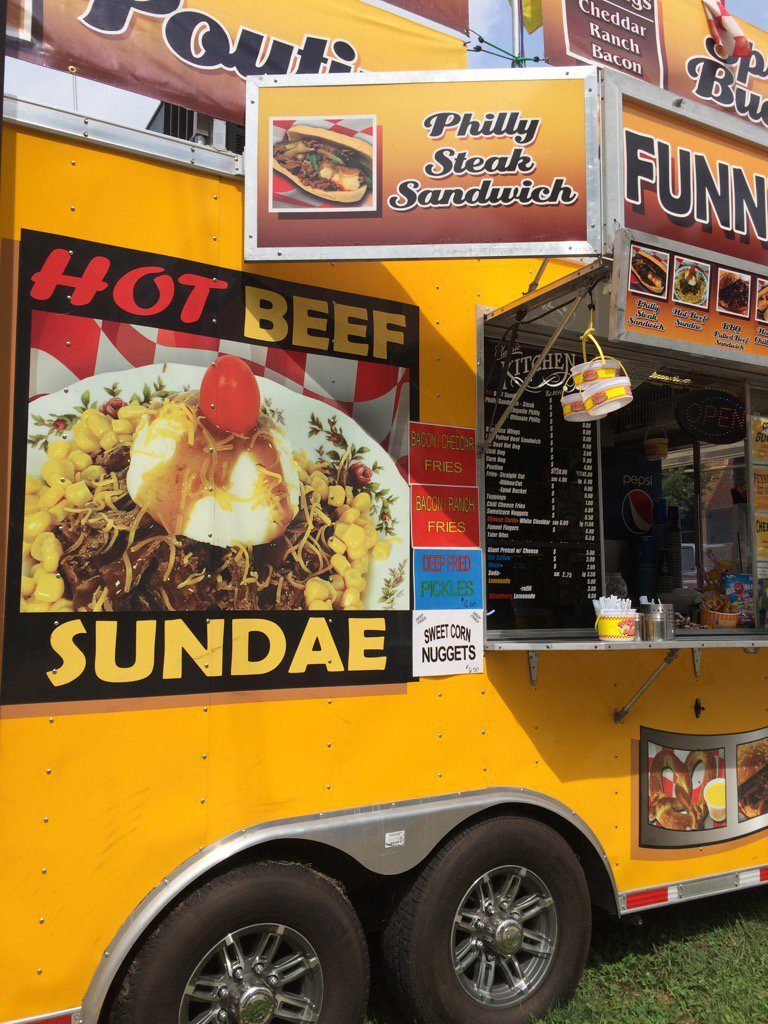
Remember that many of these dishes carry deep cultural histories Black Southern cooking, Indigenous foods, German-American thrift, immigrant ingenuity, fairground showmanship, and more. Approach them the way you would a new country: with an open mind, a bit of humility, and a willingness to listen.
- Uniquely American Foods: Top 35 Weird U.S. Dishes to Try on Your Road Trip
- Deep-Fried American Foods You’ll Find at State Fairs
- What do Fried Alligator Bites taste like?
- Weird American Offal Dishes and Heritage Meats
- Unusual American Sandwiches and Regional Mash-Ups
- Unusual American Salads and Desserts
- Weird Pickled Foods and American Preserves
- Regional American Dishes You Won’t Find Everywhere
- Unusual American Seafood and Game Dishes
- Where to Try Weird American Foods in the U.S.
- Frequently Asked Questions About Weird American Foods
- Why Weird American Foods Matter
- Complete List of Weird American Foods + Where to Try Them
Deep-Fried American Foods You’ll Find at State Fairs
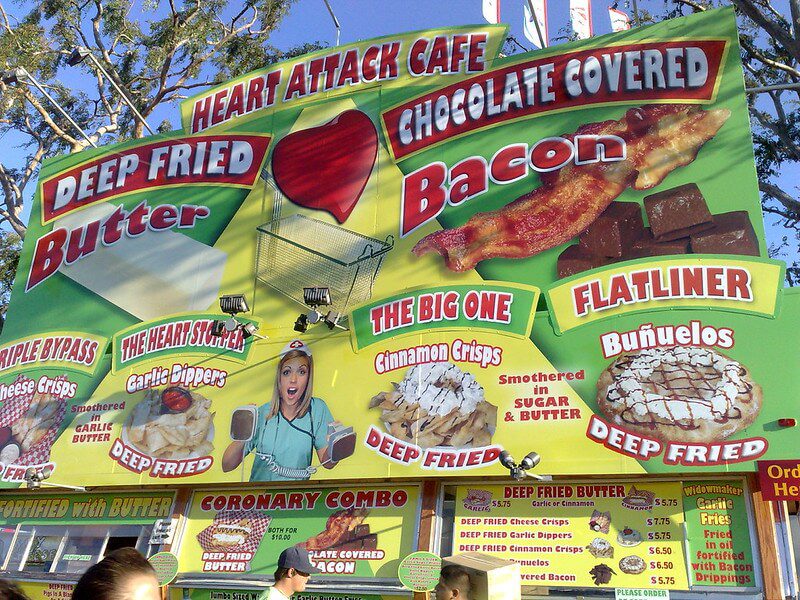
What Is Deep-Fried Butter?
The trick with deep-fried butter and yes, there is a trick is that the butter starts frozen solid. That detail matters. It’s wrapped in batter that forms a protective shell, then lowered into hot oil for just long enough to crisp the outside without completely liquefying the inside.
The result is a bite that feels almost engineered for contrast: a crisp, golden shell that gives way to a molten, rich center. It tastes like the most indulgent edge of a croissant crossed with something mischievous and slightly absurd. There’s a moment where you’re not entirely sure whether to laugh or go back for another bite.
This is not solo food. This is something you share, passing the tray around, watching reactions, and collectively agreeing that once is probably enough but also completely worth it.
What is Fried Coca-Cola?
Fried soda often called fried Coca-Cola is one of those dishes that makes you pause just long enough to wonder how someone thought of it in the first place. It takes something universally recognizable and flips the format entirely.
Instead of sipping from a cup, you’re eating bite-sized pieces of cola-infused batter, fried until golden and then drizzled with a syrup that leans deep into caramel territory. There’s often a dusting of powdered sugar, because at this point, why not go all in?
The smell alone gives it away before you even taste it that familiar cola sweetness, but warmer, deeper, almost toasted. It’s sticky, slightly chewy, and undeniably theatrical.

What Is a Donut Burger (Luther Burger)?
The donut burger sometimes called a Luther burger is the kind of idea that sounds like a dare that got out of hand. A glazed donut replacing the bun shouldn’t make sense. It should collapse under its own logic. And yet, somehow, it holds together just long enough to surprise you.
The sweetness of the glaze hits first, followed by the salt and smoke of the beef patty. The melted American cheese adds a layer of richness that ties it all together in a way that feels strangely intentional. It’s messy inevitably so and you’ll probably need more napkins than you think.

Why Are Fried Oreos and Candy Bars So Popular?
There’s something almost comforting about watching a familiar snack go through this transformation. You recognize the shape before it hits the batter, and then you watch as it disappears into hot oil and comes back as something entirely different.
A fried Oreo, for example, puffs slightly, the batter forming a soft shell while the inside warms and softens. The cookie loses some of its crunch, the cream melts just enough, and suddenly it’s less like a biscuit and more like a small, self-contained dessert.
The same goes for candy bars chocolate softens, caramel loosens, and everything becomes warm, slightly gooey, and unexpectedly cohesive. Best guess it was the Scottish that invented the deep fried Mars bars for when the pub patrons let out and need a great late night snack.

What do Fried Alligator Bites taste like?
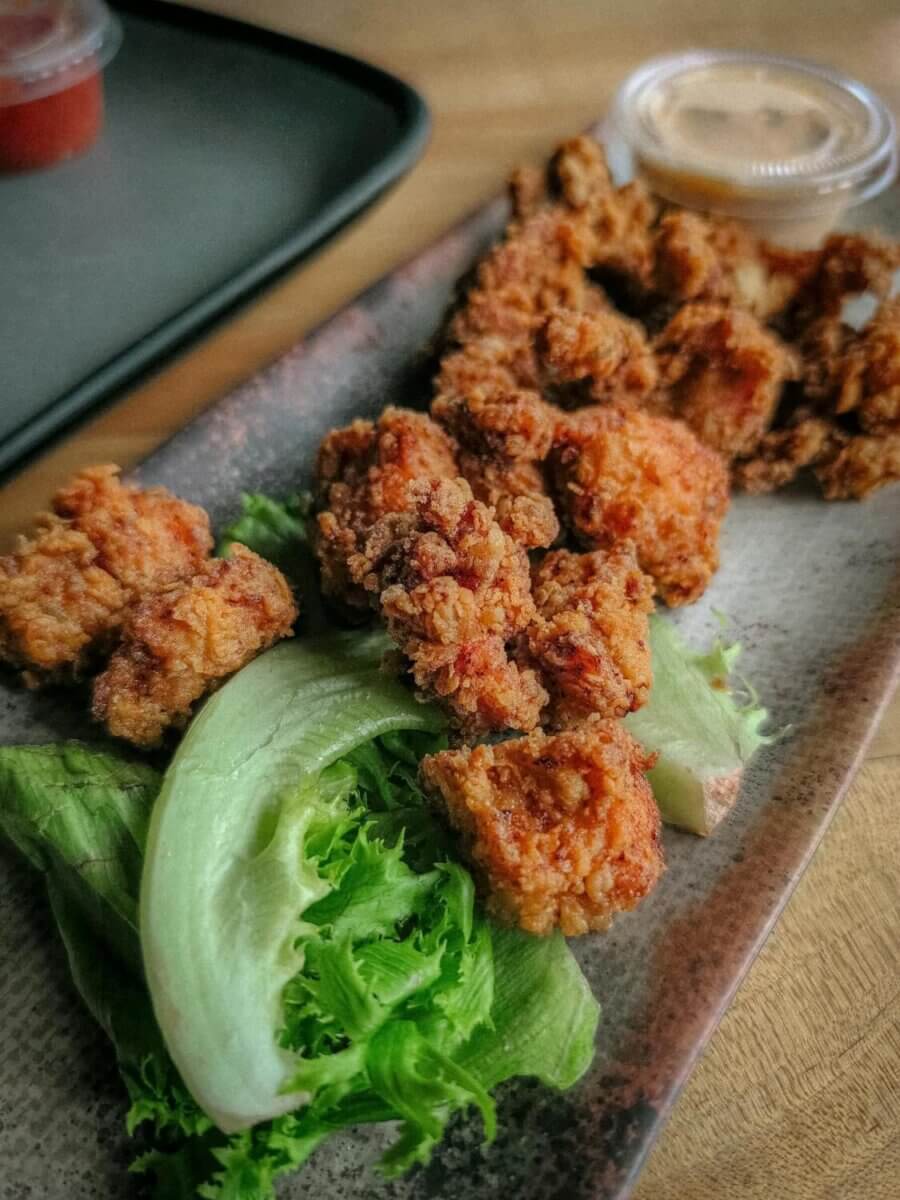
Fried alligator sits at the intersection of fair food and regional cuisine. You’ll find it at festivals and fairs, but also on menus in Louisiana and parts of Florida where it’s less novelty and more normal.
The meat usually comes from the tail, cut into small pieces, marinated, then breaded and fried. The outside crisps up quickly, while the inside firms into something that’s tender but not soft.
People often default to saying “it tastes like chicken,” which is convenient but not entirely accurate. There’s a mild sweetness to it, a slightly different texture, something that hints at the environment it comes from. Paired with a squeeze of lemon or a dipping sauce like remoulade, it becomes something approachable even for people who might hesitate at first.
What Is Chicken Fried Steak?
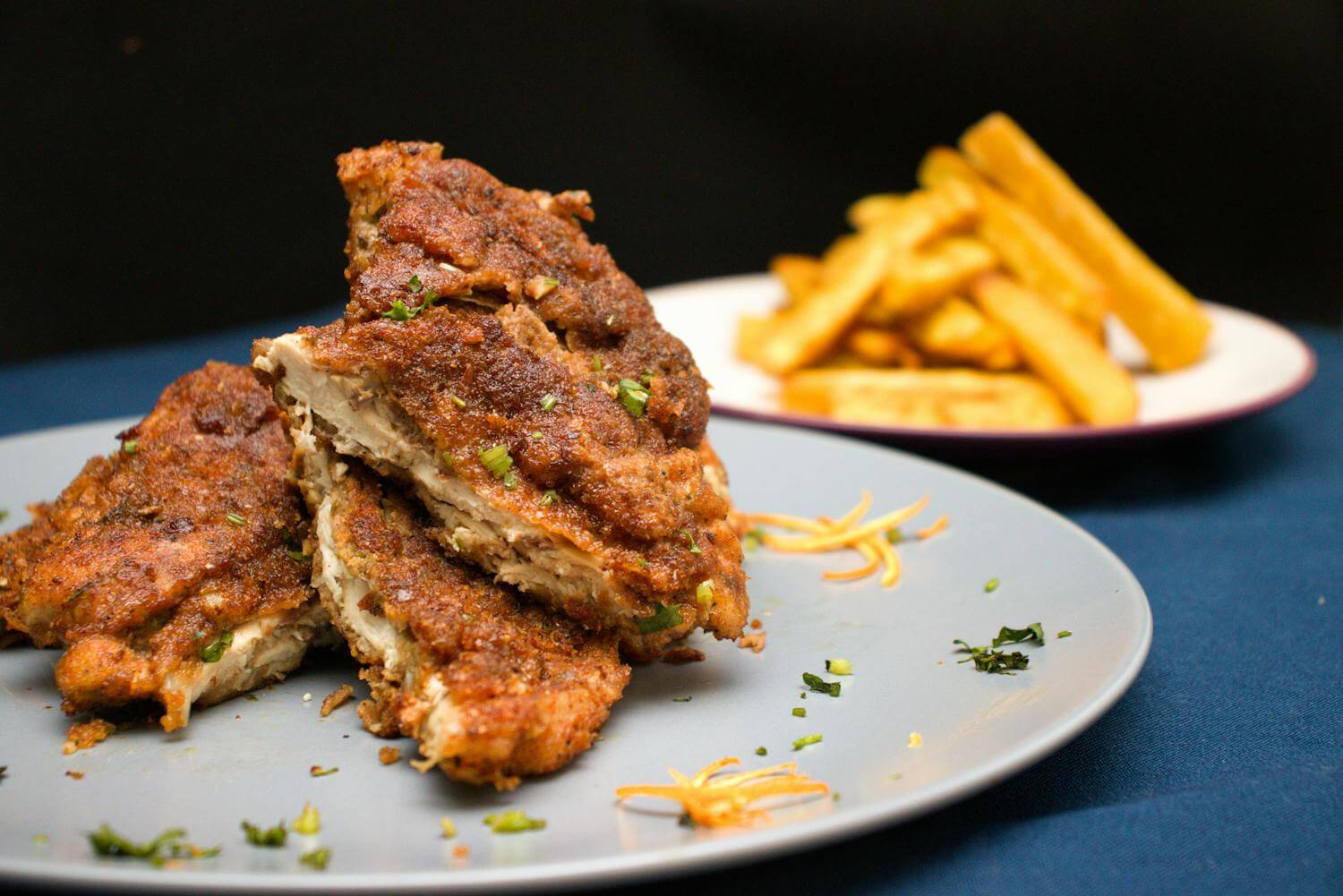
Chicken fried steak is one of those dishes that sounds confusing until you see it, and then makes complete sense once you taste it. Despite the name, there’s no chicken involved it’s beef, usually cube steak, that’s been tenderized, coated in seasoned flour, and fried using the same method as Southern fried chicken.
I first tried it at a roadside diner in Texas, the kind of place where the portions are generous and the pace is unhurried. It arrived on a large plate, the steak covered edge to edge in a thick, peppery white gravy that seeped into every corner.
Weird American Offal Dishes and Heritage Meats
This is where things shift. The spectacle fades a little, and what you’re left with is something older, more practical, and often more meaningful. These dishes weren’t created to surprise anyone they were created to make use of what was available, to stretch ingredients, and to carry traditions forward.
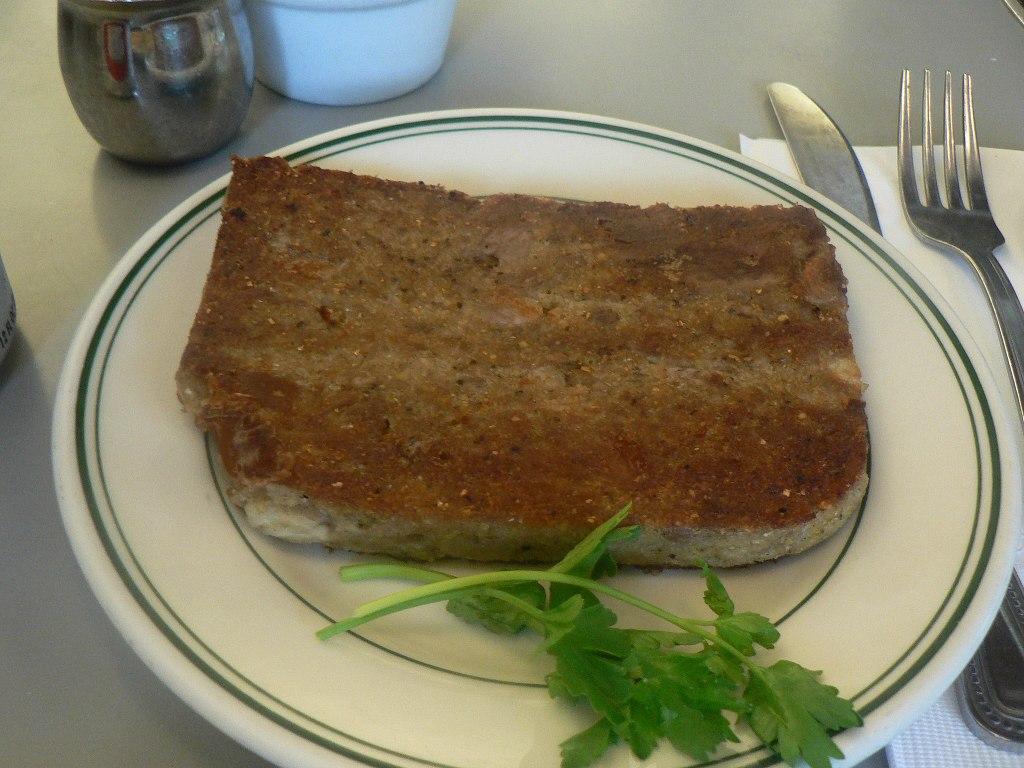
What is Scrapple?
Scrapple is the Mid-Atlantic’s most misunderstood breakfast, and possibly one of its most honest. I had it at an old school diner in Rochester, where the cook sliced a gray-brown loaf into thick planks and laid them onto a hot griddle.
What happens next is where the magic is. The outside slowly crisps, forming edges that turn golden and slightly lacy, while the inside stays soft and cohesive. It’s a study in texture.
Inside that slice is a mixture of pork scraps and offal, bound with cornmeal and seasoned simply usually sage, pepper, maybe a few other spices depending on the recipe. It’s born from thrift, from the idea that nothing should go to waste. It sort of reminded me of the Brit’s love of Spam.
What Are Chitterlings (Chitlins)?
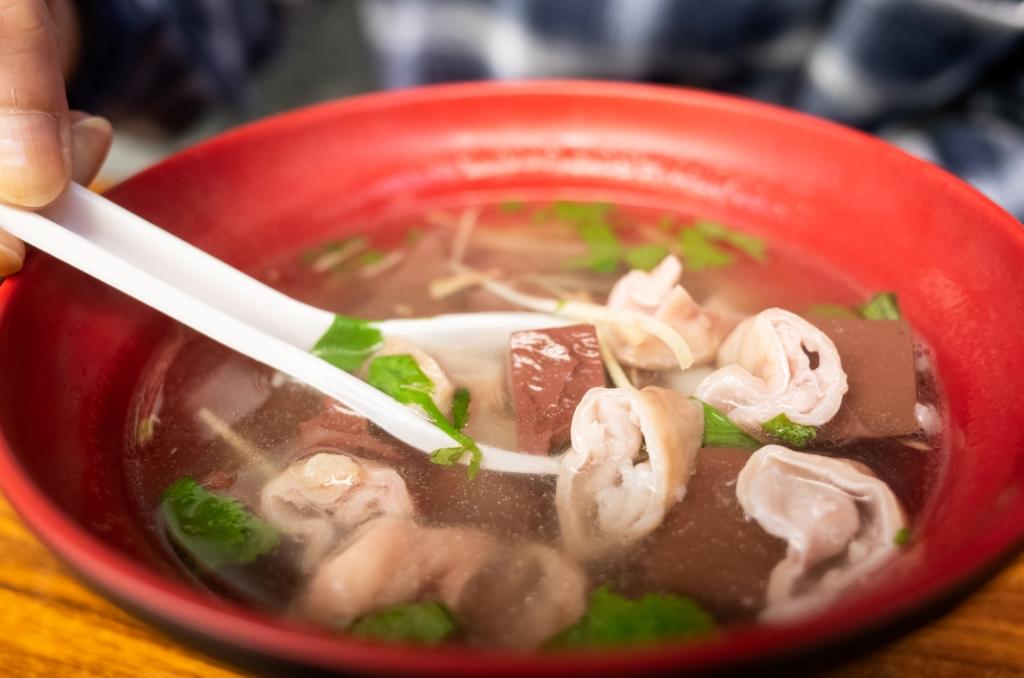
Chitterlings often shortened to chitlins are one of those dishes that carry as much cultural weight as they do flavor. I first encountered them at a holiday gathering, where the pot had been simmering for hours, filling the space with a smell that was both unfamiliar and deeply rooted in tradition. I wasn’t prepared to enjoy them at all (truth is that I didn’t).
They are cleaned meticulously and cooked slowly until they become tender. The flavour is intense, often balanced with vinegar or onion to add brightness.
They are central to Black Southern foodways, tied to history, resilience, and community. This isn’t casual food it’s food with meaning, with process, with care behind it. If you’re curious, the best approach is to seek them out in places known for doing them well and to try them with an open mind and respect for the work involved.
What Are Rocky Mountain Oysters?
You won’t find the word “testicles” written out on a menu in most places. Instead, you’ll see Rocky Mountain oysters a name that smooths the edges just enough to make ordering them feel like less of a leap. In Canada they are known as Prairie Oysters.
They’re sliced, breaded, and deep-fried. The result is something mild in flavour, more about texture than anything else. Crisp on the outside, tender inside, often served with lemon or a dipping sauce.

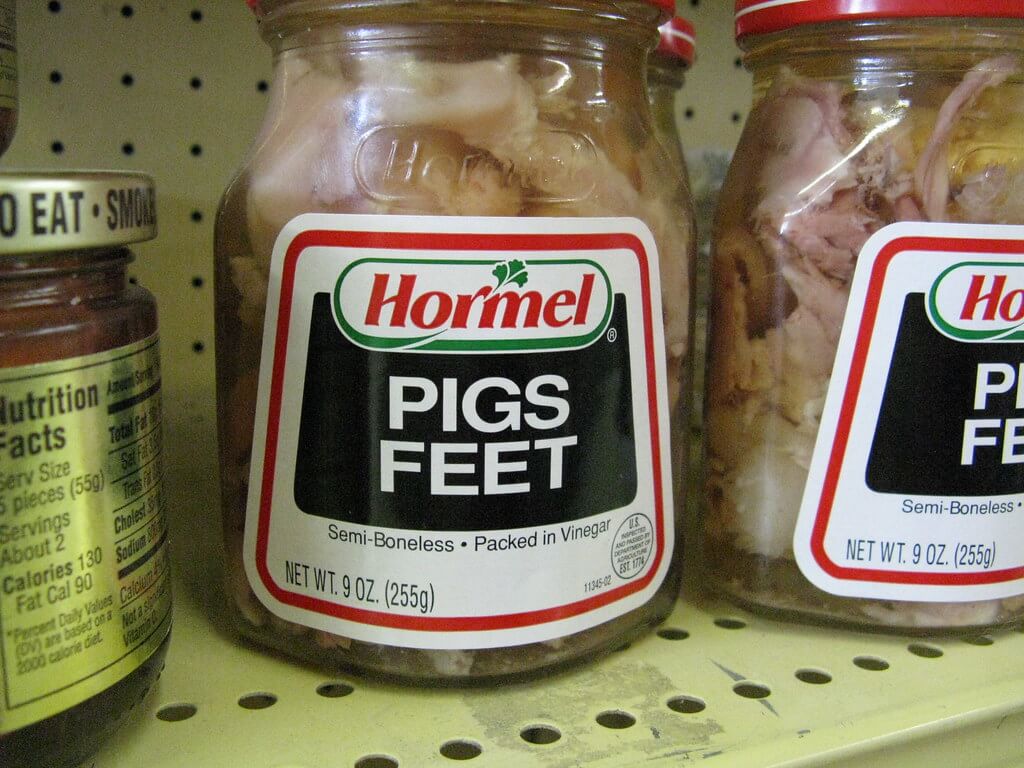
What Do Pickled Pig’s Feet Taste Like?
Pickled pig’s feet feel like something from another time, sitting in jars on counters in taverns or small shops. They don’t call attention to themselves you have to notice them.
When served, they’re exactly what they promise to be. The flavour is sharp, vinegary, slightly salty. The texture leans heavily into gelatin, with skin and connective tissue creating something that’s more about mouth feel than familiarity. So gross (LOL) almost as bad as jellied eel in the East End of London.
What is Livermush?
In western North Carolina, livermush is usually served for breakfast. Made from pork liver and head meat, mixed with cornmeal and spices, it’s formed into a loaf, sliced, and fried until the outside develops a crisp crust.
Inside, it stays soft, rich, and savory. It’s often tucked into a biscuit, maybe with a bit of mustard, creating a breakfast that feels both humble and complete.
What is Goetta?
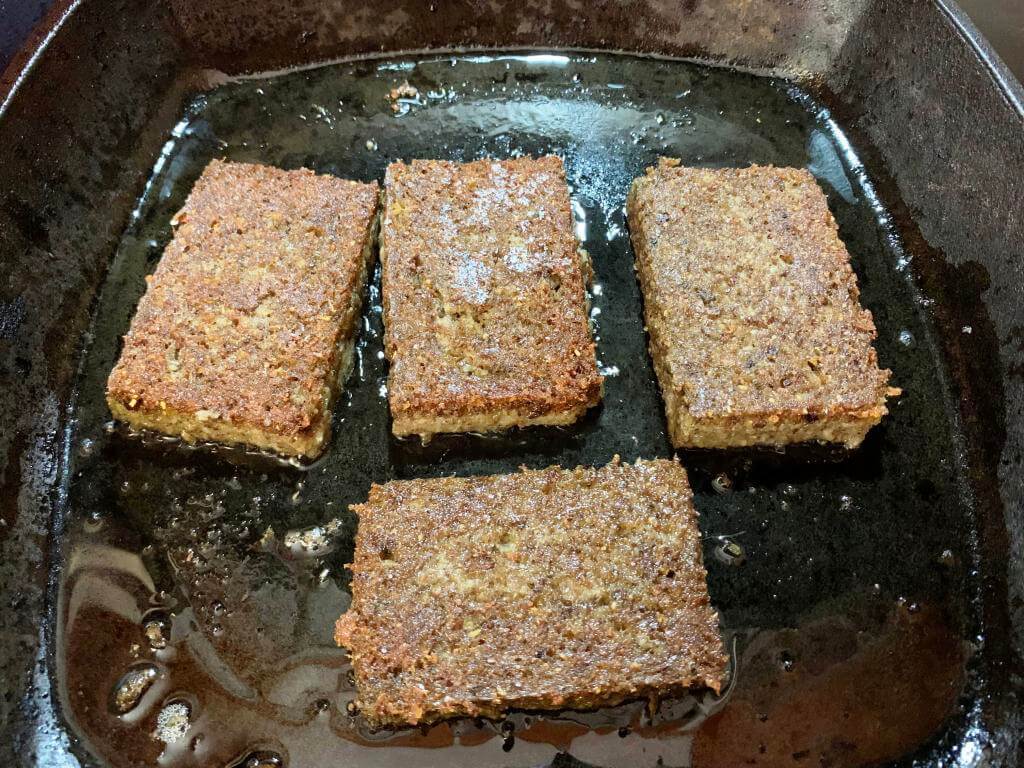
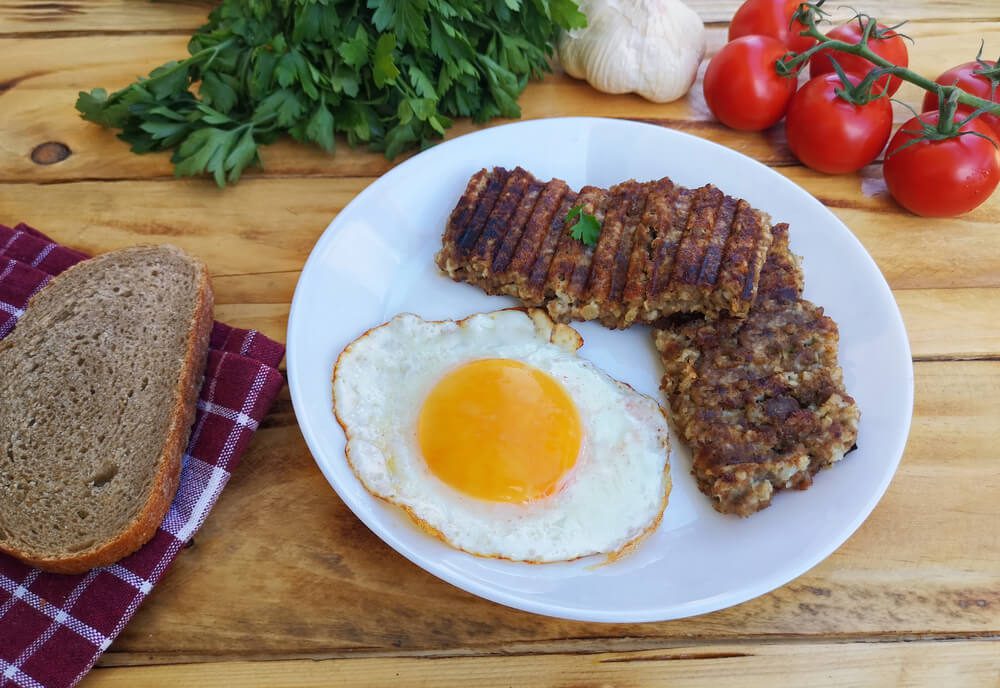
Goetta is essentially a sausage, a product of German-American ingenuity, particularly in and around Cincinnati. Pork and beef are combined with steel-cut oats, seasoned, and then formed into a loaf.
When sliced and fried, it transforms. The outside crisps, the inside softens, and the oats give it a texture that sets it apart from anything else. It’s hearty without being heavy, familiar but distinct and reminds me of Scottish sausages.
Unusual American Sandwiches and Regional Mash-Ups
Some of the strangest foods I came across in the United States weren’t built around unusual ingredients they were built around unexpected combinations. These are the dishes where cultures overlap, where practicality meets creativity, and where someone, somewhere, decided that the usual rules didn’t need to apply.
What is a Loose Meat Sandwich?
In Iowa and parts of Illinois, the loose meat sandwich looks deceptively simple at first glance. There’s no formed patty, no carefully stacked layers just crumbled, seasoned beef piled onto a soft bun. Many of you older folks may remember them from the Rosanne Barr show when she opened a Loose Meat café.
But the simplicity is part of the appeal. The meat is usually lightly seasoned, sometimes a little saucy, and topped with mustard, pickles, and onions. If you ask ten Midwesterners how it should be made or eaten, you’ll get twelve answers. Some insist on cheese, others say that’s unnecessary. Some want it dry, others prefer a bit of moisture. What they all agree on, though, is that it’s a staple unpretentious, filling, and deeply local.

What is a Horseshoe Sandwich?
In Springfield, Illinois, the horseshoe sandwich is less of a sandwich and more of a commitment. The first time I saw one, it felt like I’d been handed a dare rather than a meal.
It starts with thick slices of toast, layered with a protein usually a burger patty, though ham or chicken are common variations. Then come the fries, piled generously on top, followed by a blanket of cheese sauce that ties everything together in a way that feels both excessive and completely intentional.
It’s heavy, it’s rich, and it’s not something you rush through. But there’s something undeniably satisfying about it, especially when you lean into the experience instead of trying to make sense of it.

What is a Chow Mein Sandwich?
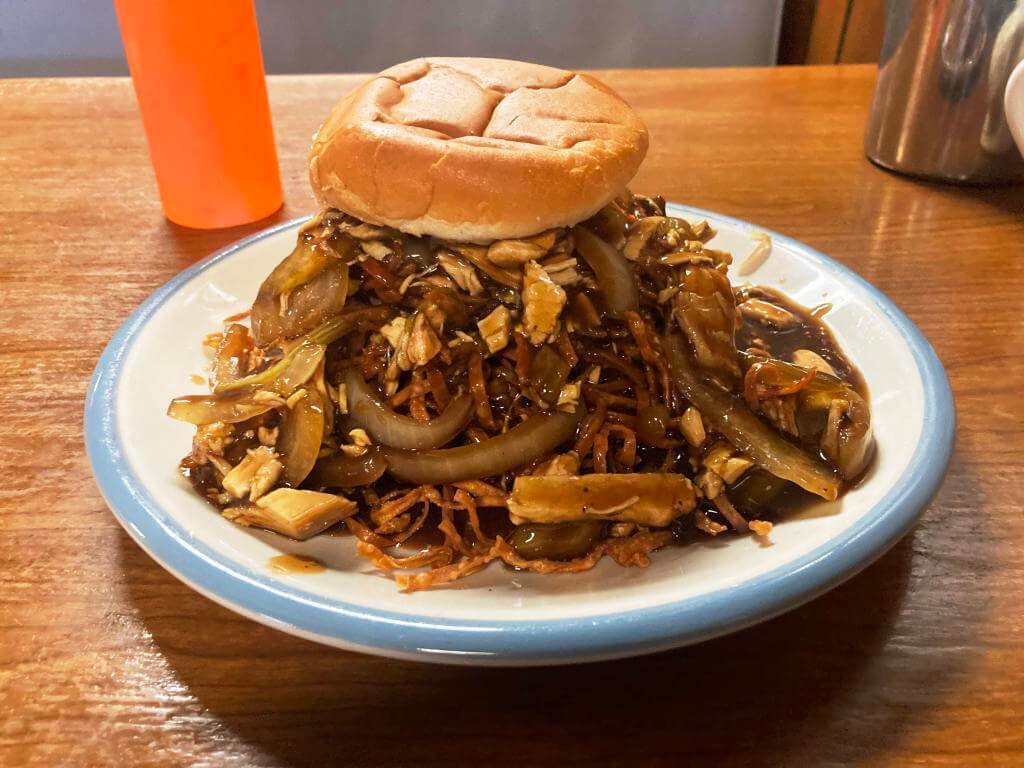
Fall River, Massachusetts introduced me to the Chow Mein sandwich, and it’s one of the clearest examples of how food evolves when cultures intersect.
An Italian-style roll is filled with Cantonese-American Chow Mein fried noodles, vegetables, and a thick, savoury gravy that drops all over you. The contrast between the soft roll and the slightly crunchy noodles creates a texture that catches you off guard at first.
It’s not something you’d expect to work, but it does. More than that, it tells a story about communities living side by side, influencing each other in ways that become permanent over time.
What is a St. Paul Sandwich?
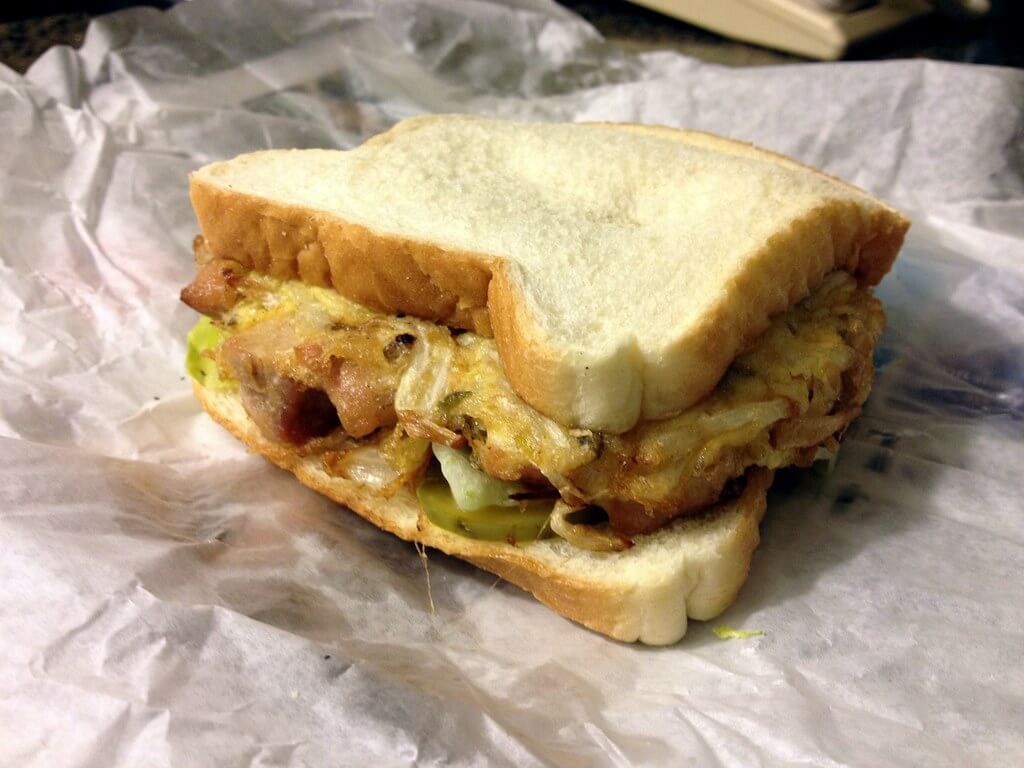
The St. Paul sandwich in St. Louis feels like a cousin to the Chow Mein sandwich another example of Chinese-American cuisine adapting to local tastes.
At its core is an Egg Foo young patty, placed between slices of white bread with mayonnaise, lettuce, and pickles. What makes it interesting isn’t just the combination, but the way it reflects a specific place and time. It’s the kind of food that exists because people made it work and then kept making it because it stuck.
Why would folks mix Peanut Butter and Mayo in a Sandwich?
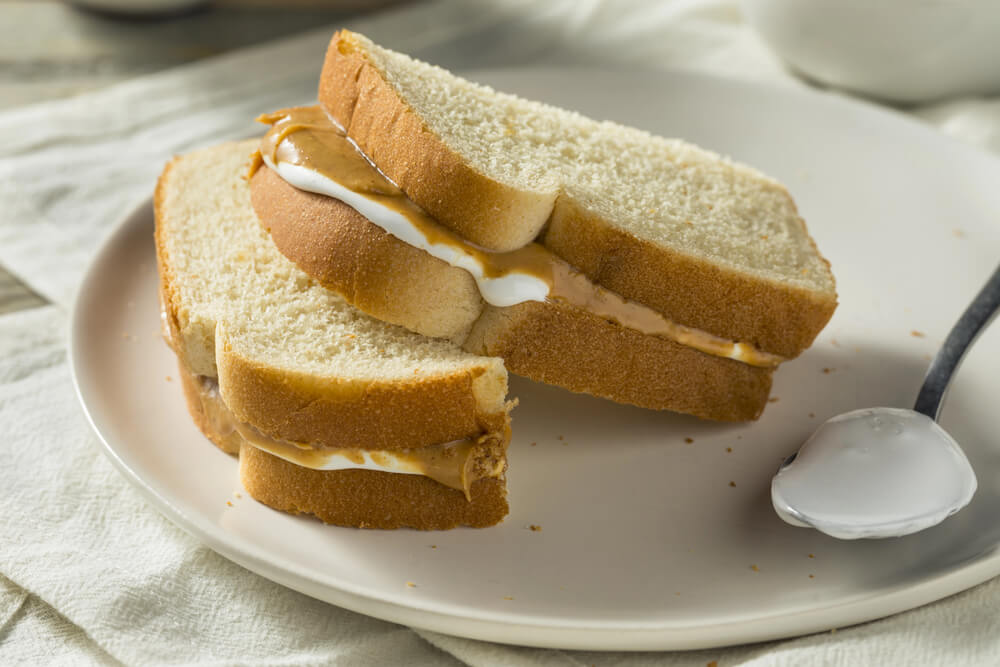
Somewhere in the South, someone decided to spread peanut butter and mayonnaise on white bread and call it lunch. The first time I heard about it, I assumed it was one of those regional jokes that somehow became real.
The key, as it turns out, is balance. A thin layer of peanut butter, a thin layer of mayo, and suddenly it’s not as strange as it sounds. The peanut butter brings richness, the mayo adds tang, and together they create something creamy and slightly savoury.
It’s not going to convert everyone, but it’s a reminder that sometimes the combinations that sound the most questionable are the ones worth trying at least once.
What Makes Cincinnati Chili Different?
Cincinnati strikes again, this time with a version of chili that challenges expectations right from the start. If you’re expecting a bowl of thick, spicy stew like you’d find in Texas, you’ll need to reset your expectations.
Here, the chili is thinner, spiced with cinnamon and other warm notes, and served over spaghetti. It’s ordered in “ways” two-way, three-way, five-way depending on what toppings you want: cheese, onions, beans.
The first time I ordered it, I spent more time figuring out the terminology than the menu. But once it arrived, it made sense in its own way. It’s comforting, a little unexpected, and something that locals clearly take pride in.

Frito Pie (Walking Taco)
In New Mexico and West Texas, a bag of Fritos becomes a bowl when you slice it open and spoon in chili, cheese, and onions.
It’s called Frito pie in some places and a walking taco in others, and you eat it with a plastic fork while standing under Friday night lights. It was also immensely popular in Mexico with the kids looking for lunch.

Unusual American Salads and Desserts
If you grew up thinking salad meant something green and crisp, parts of the United States will gently but firmly challenge that definition.
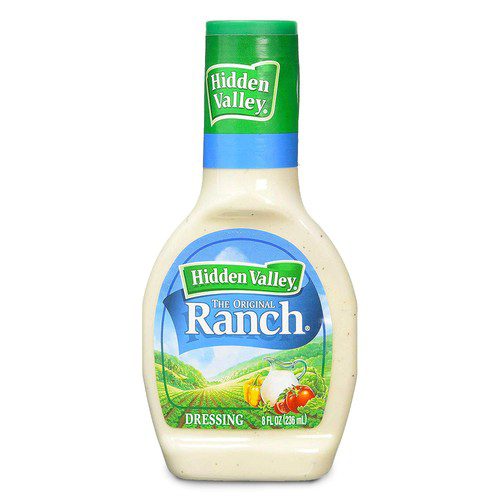
Why Do Americans Put Ranch Dressing on Everything?
Ranch dressing might be the most quietly pervasive “weird” American food not because it’s strange on its own, but because of how widely and enthusiastically it’s used.
Originally a buttermilk herb dressing, it’s creamy, cool, and packed with garlic, onion, and dill. But what stands out is where it shows up.
Pizza crusts get dipped in it. Fries are dragged through it. Chicken wings, nuggets, vegetables everything seems to find its way into ranch at some point. My son carries packets of dry mix, just in case.
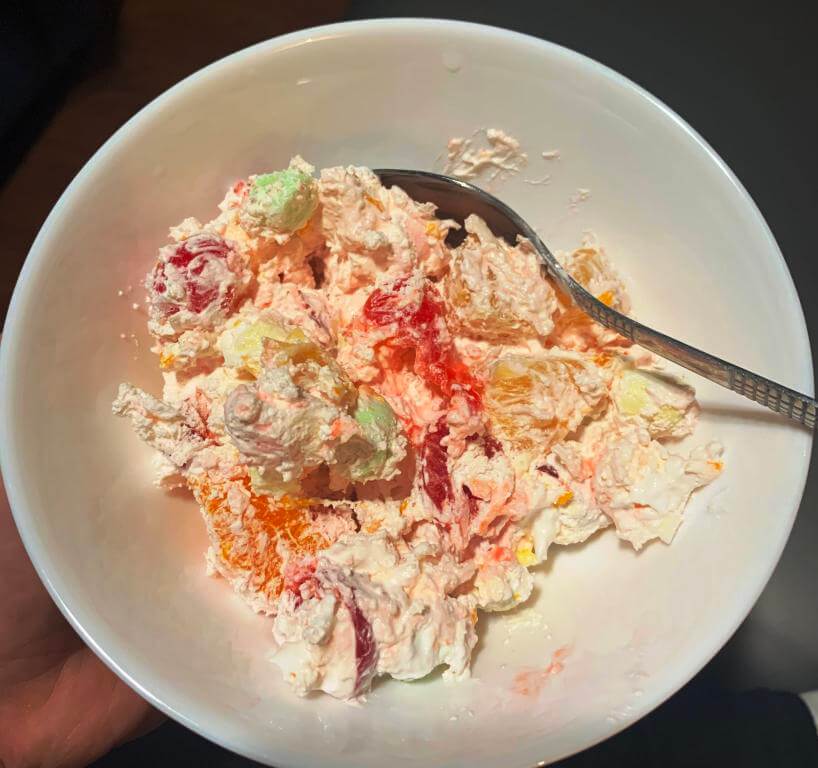
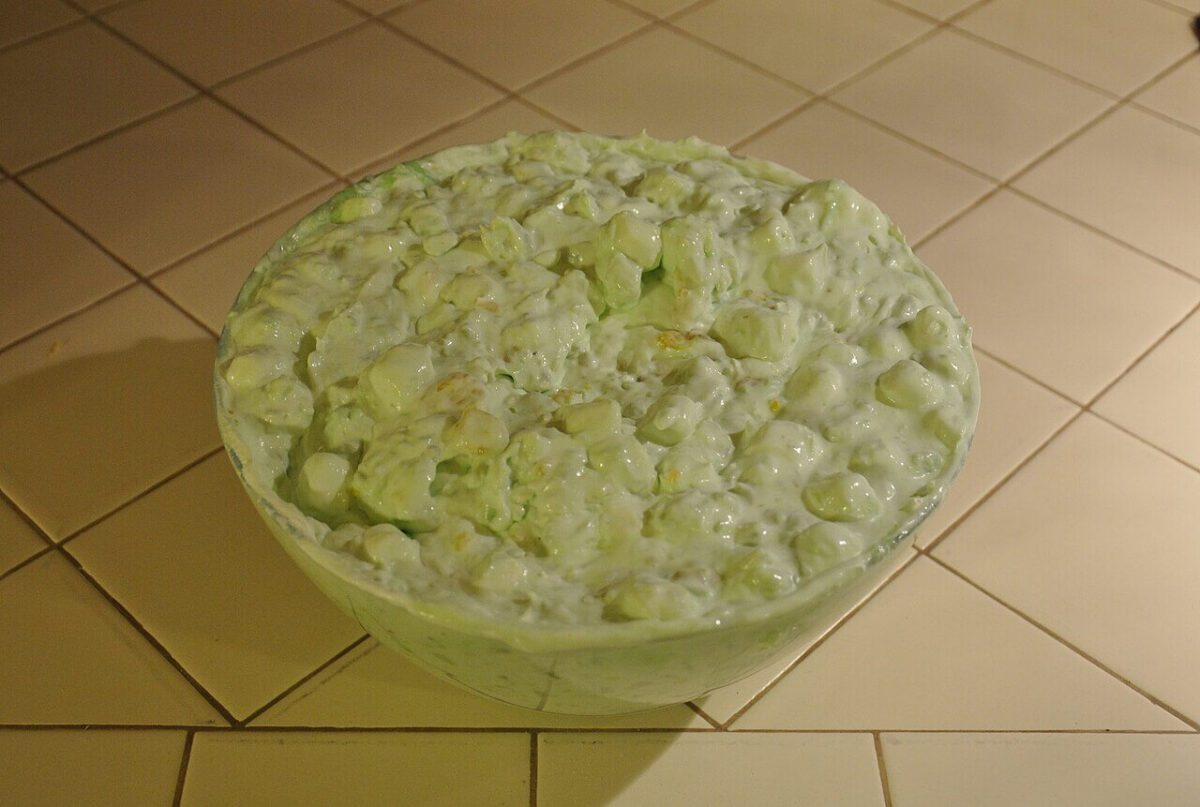
What is Watergate Salad, Jell-O Salad, and Ambrosia?
Watergate salad is one of those dishes that looks like it belongs to another era and in many ways, it does. Pistachio pudding mix, whipped topping, canned pineapple, marshmallows it comes together into a soft, pale green mixture that feels more like dessert than anything resembling a salad.
Jell-O salads take things further, suspending fruit and sometimes other ingredients in brightly colored gelatin moulds that wobble slightly when set on the table.
Ambrosia adds coconut, citrus, and cream into the mix, creating something that feels nostalgic even if you didn’t grow up with it.
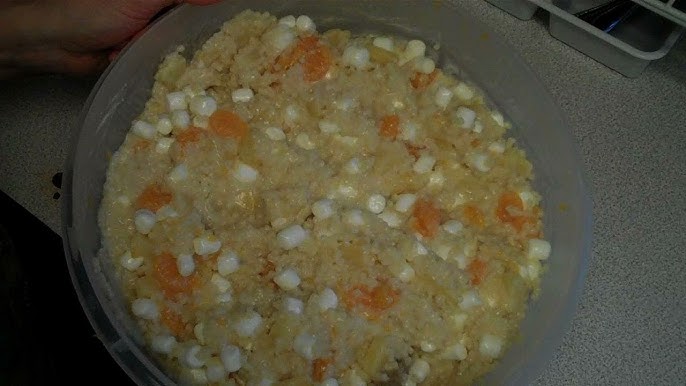
What is Frog Eye Salad?
Frog eye salad is usually the point where expectations finally give up. Made with tiny pasta (acini di pepe), fruit, and a sweet, custard-like dressing, it reads more like a puzzle than a recipe. But once you get past the name and the idea, it becomes something surprisingly cohesive sweet, creamy, and texturally interesting.
What is in Fry Sauce?
Utah’s fry sauce doesn’t try to be complicated. It’s usually a blend of mayonnaise and ketchup, sometimes with small additions like pickle juice or spices. What makes it notable isn’t the recipe it’s how consistently it appears. Order fries in Utah, and there’s a good chance fry sauce is coming with them.
What are Gooey Butter Cake, Vinegar Pie, and Chess Pie?
Some desserts lean into indulgence without apology. Gooey butter cake from St. Louis is dense, rich, and unapologetically sweet, with a texture that sits somewhere between cake and custard.
Vinegar pie and chess pie come from more practical roots pantry ingredients transformed into something unexpectedly complex. Vinegar pie, in particular, uses acidity to balance sweetness in a way that catches people off guard.

Sweet Potato and Marshmallow Fluff – Why?
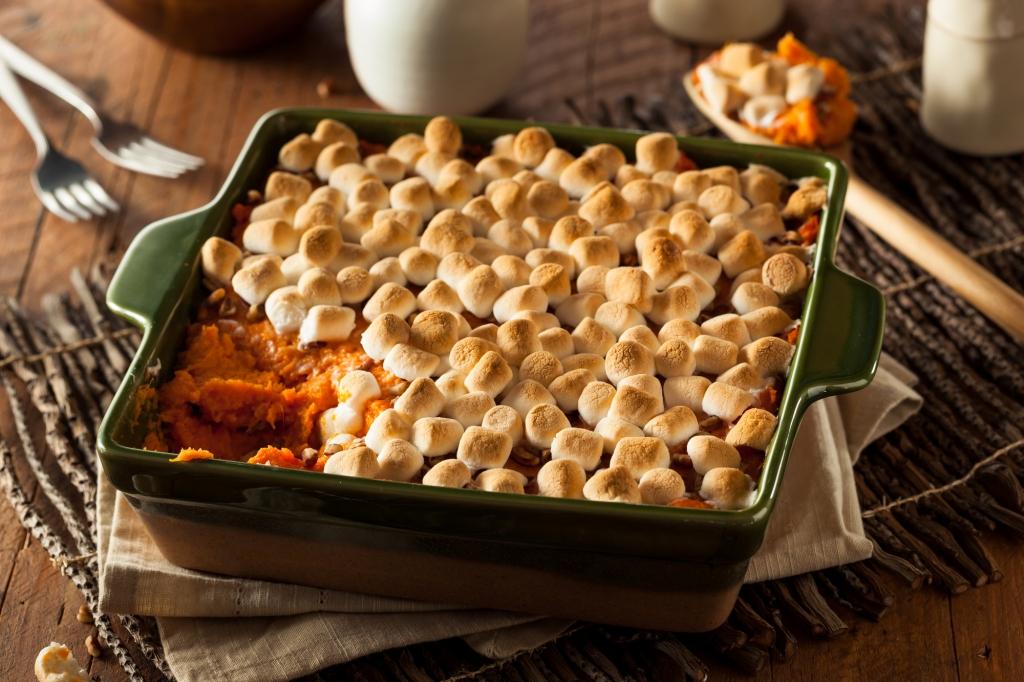
Sweet potato casserole topped with marshmallow fluff is one of those dishes that makes visitors pause, usually somewhere between curiosity and confusion.
Mashed sweet potatoes are mixed with butter, sugar, and spices, then topped with marshmallows and baked until the top turns golden and soft. It sits on the table next to savoury dishes, but feels like dessert. And yet, for many people, it’s essential a dish tied to holidays, memory, and tradition.
Weird Pickled Foods and American Preserves
Some of the strangest foods I encountered weren’t plated at all. They were sitting quietly in jars, waiting for someone curious enough to ask.
What are Kool-Aid Pickles (Koolickles)?
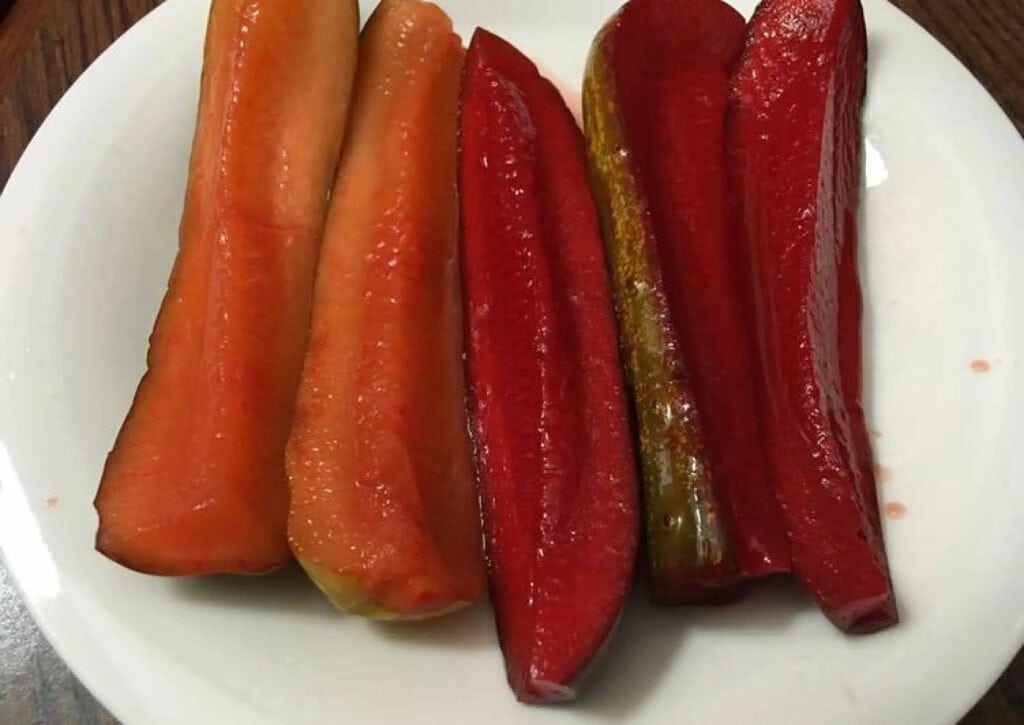
Kool-Aid pickles often called Koolickles are exactly what they sound like. Pickles are soaked in a mixture of flavored drink powder and sugar, transforming the brine into something bright, sweet, and intensely colored. The result is a pickle that looks like candy and tastes like a collision between sour and sweet.
Why put Peanuts in Coca-Cola?
Peanuts in Coke is less of a recipe and more of a ritual. Salted peanuts are poured directly into a bottle of Coca-Cola, creating a mix of textures and flavors. The peanuts soften slightly, the soda takes on a salty edge, and each sip becomes something a little different.
Pickled Eggs and Sausages
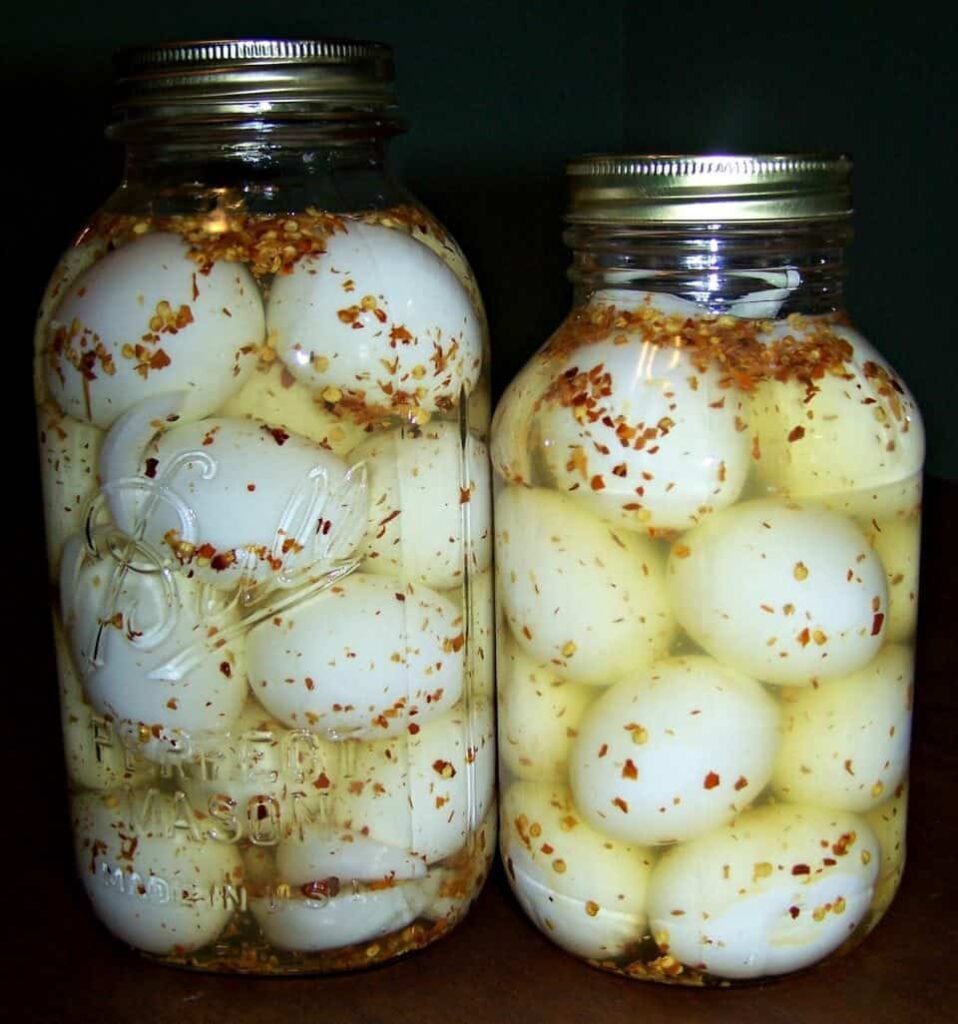
Pickled eggs and sausages sit behind bar counters across parts of the Midwest and South, often in large jars that feel like they’ve been there for years. Pickled eggs are usually found in every British pub or fish and chip shop they date back to the 1700’s as a method of preserving eggs.
Regional American Dishes You Won’t Find Everywhere
Some dishes don’t travel well not because they can’t, but because they belong so strongly to a place that experiencing them anywhere else feels incomplete.
What is a Slugburger?
The slugburger was born out of necessity, stretching meat with fillers like bread or soy to make it go further. The result is lighter than a typical burger, with crisp edges and a softer interior. Just like every fast food burger today they are rather mealy and tasteless.
What is Burgoo?
Burgoo in Kentucky is less about a fixed recipe and more about the act of making it. Different meats (pork, chicken and mutton), vegetables, and cooked together to make a savoury stew a sort of empty the fridge dish.
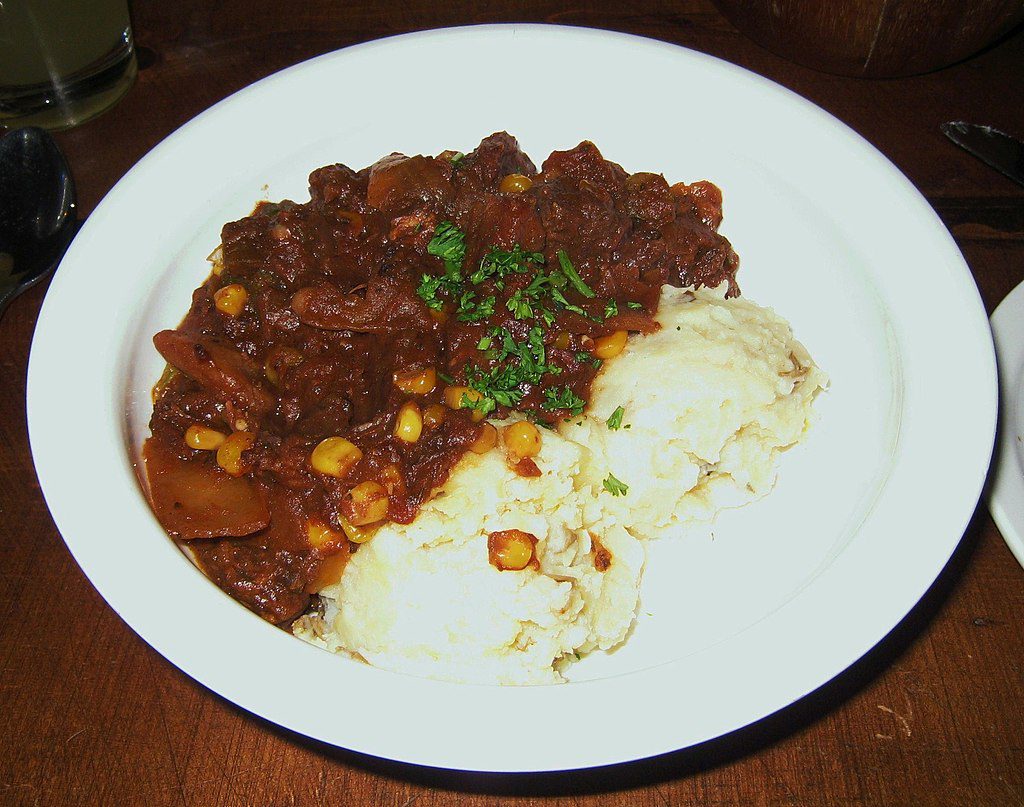
Turtle Soup and Boudin
In New Orleans, turtle soup carries history in every spoonful rich, dark, and layered with flavor, but has now been replaced by mock turtle soup is made with veal, ground beef, or ground turkey. Mock turtle soup originated in England to imitate green turtle soup.
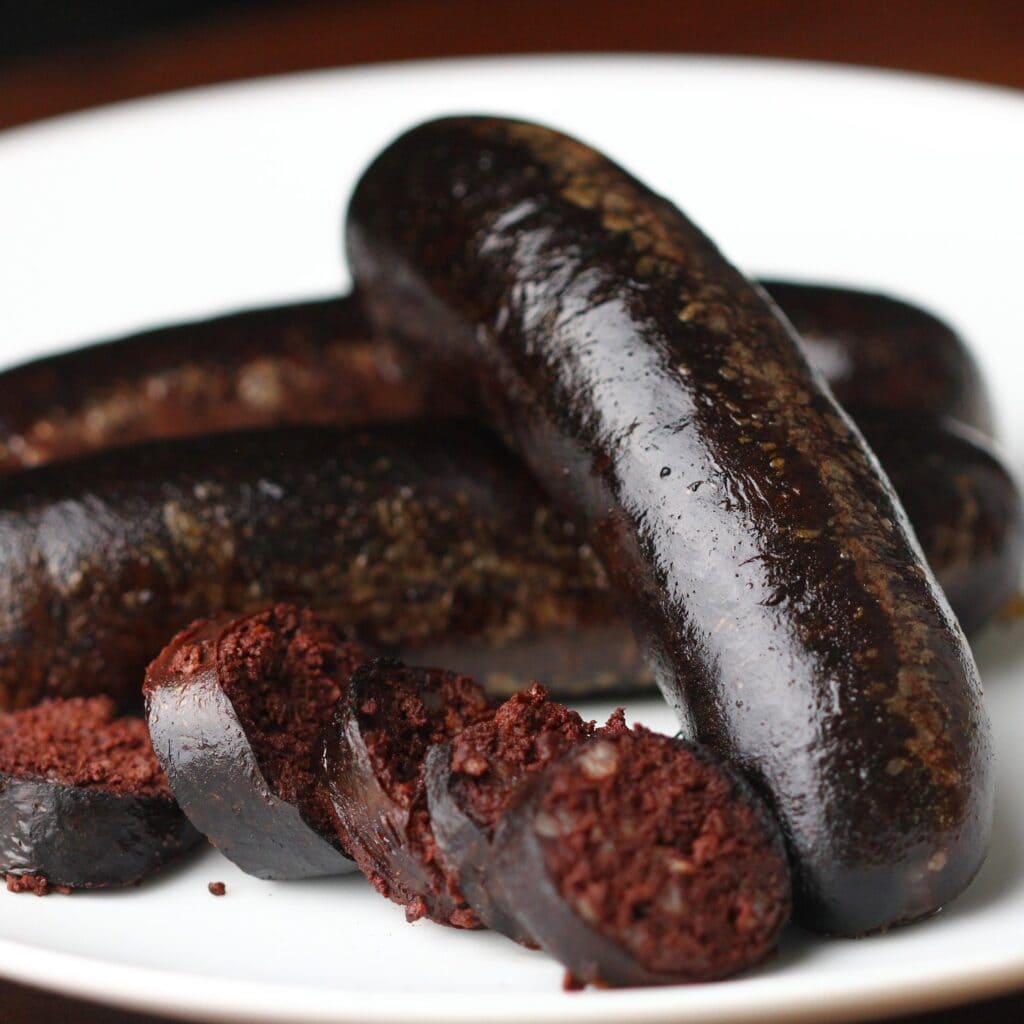
Boudin consists of cooked pork, liver, rice, onions, and spices (like cayenne and garlic) stuffed into a casing.whether eaten straight or fried into balls as a snack.
What is a Polish Boy Sandwich?
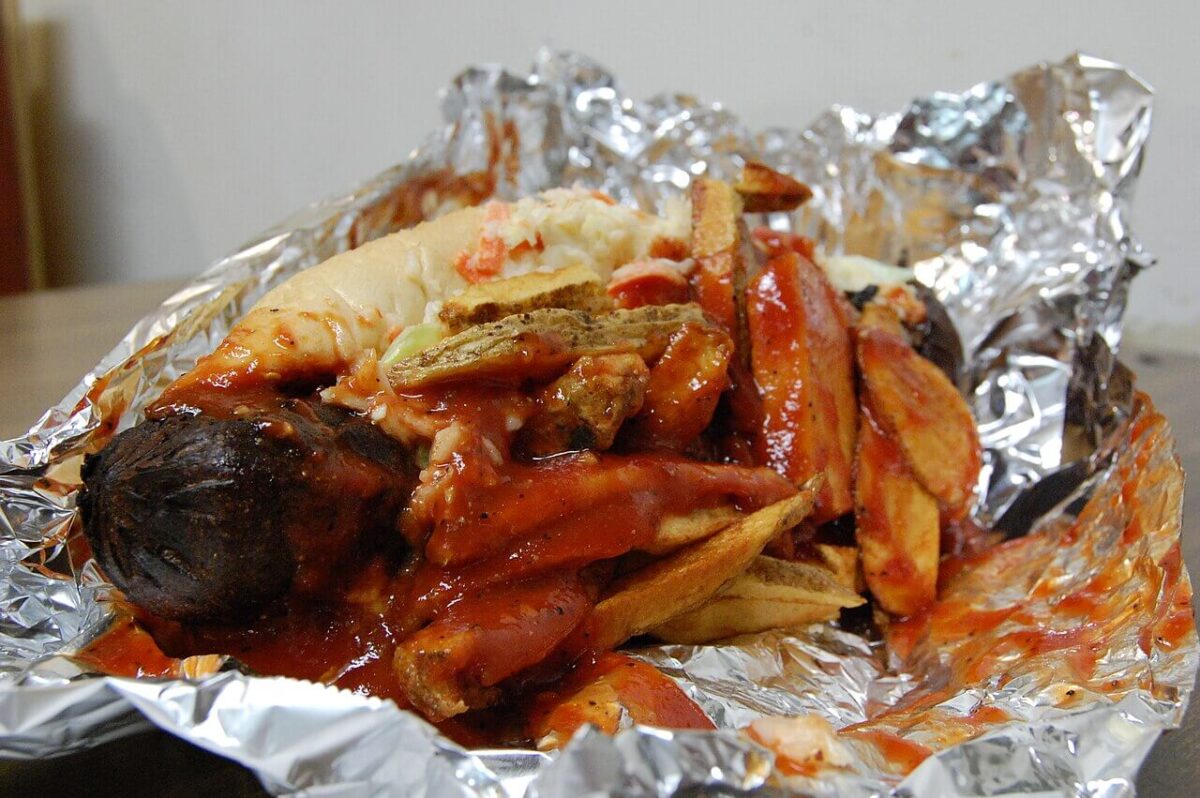
Cleveland’s Polish Boy is not subtle. Kielbasa, fries, barbecue sauce, and slaw come together in a sandwich that feels intentionally overbuilt. It’s messy, bold, and memorable.
What goes in a Garbage Plate?
In Rochester, New York, the Garbage Plate looks chaotic at first glance macaroni salad, fries, meat, sauce but there’s a structure to it once you start eating. It’s late-night food, comfort food, and local identity all at once.

Unusual American Seafood and Game Dishes
What is a Geoduck?
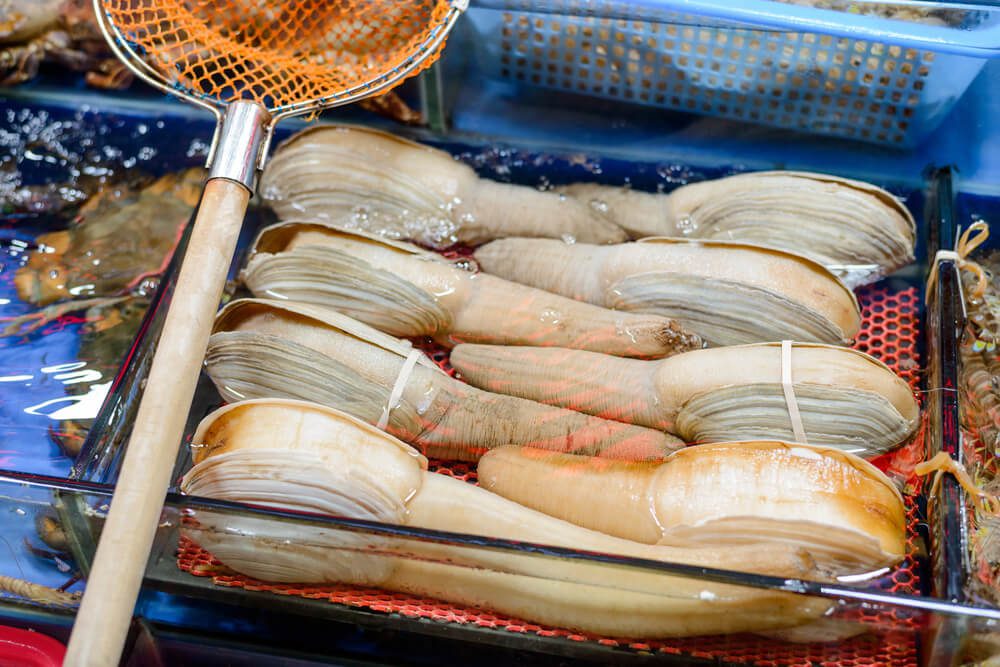
Geoduck from the Pacific Northwest is visually surprising, to say the least. But once prepared, it’s sweet, crisp, and delicate far more refined than its appearance suggests.
What does Muskrat taste like?
Muskrat dinners in the Mid-Atlantic are about tradition as much as taste. The meat is lean, dark, and tastes like a cross between rabbit, duck, or mild venison.
What are Conch Fritters?
In Florida and the Caribbean, conch fritters bring together seafood, chopped veggies including peppers, and then battered and deep fried into something chewy and satisfying, often served near the water where they make the most sense.

What is Lutefisk?
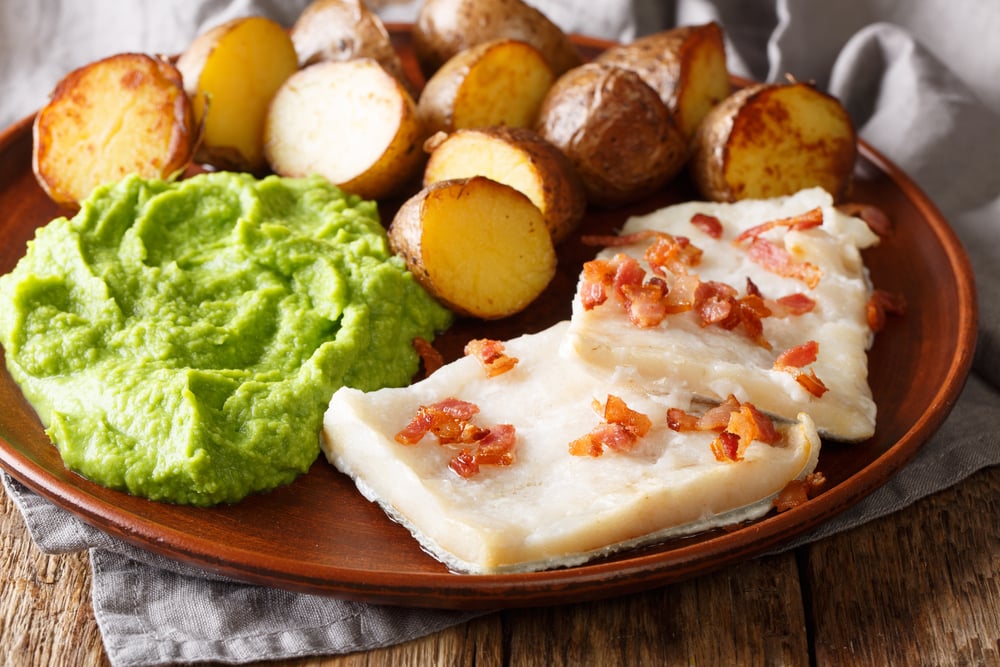
Lutefisk is a traditional Nordic or Viking dried and preserved white fish when re-hydrated it become a sort of gelatinous wobbly dish usually served with boiled potatoes, green peas, white sauce, bacon, and Lefse (a soft potato flatbread). I much prefer the Portuguese Bacalao or salted cod.
Where to Try Weird American Foods in the U.S.
Go to the diners that have been there for decades, where the menus are familiar and the recipes haven’t changed because they don’t need to. Go to the fairs, where food is part of the spectacle and part of the memory. Go to the small-town restaurants where dishes are made the way they always have been.
Ask questions not to challenge, but to understand. Listen to the stories behind the food. Start small if you need to. Share dishes. And accept that not everything will be for you.
Frequently Asked Questions About Weird American Foods
What are weird American foods?
Weird American foods are regional or culturally specific dishes that may seem unusual due to ingredients, preparation methods, or flavor combinations.
Are weird American foods safe to eat?
Yes, as long as they are prepared properly and sourced from reputable places.
Why does America have so many unusual foods?
Because of its mix of immigrant traditions, regional diversity, and a culture that embraces experimentation.
Where can you try weird American foods?
State fairs, diners, regional restaurants, and local events are the best places to start.
Do Americans actually eat these foods?
Many of these dishes are everyday staples in certain regions.
Why Weird American Foods Matter
If you want to understand a place, eat what it loves even when that love looks strange at first glance.
Weird American foods aren’t just stunts or relics. They’re how immigrant traditions took root in new soil. They’re how communities stretched what they had and turned it into something meaningful. They’re how people gather at fairs, at tables, at counters that have seen generations come and go.
They remind you that food doesn’t have to make sense at first glance to matter. Sometimes it just has to belong. This is part of a much bigger story see the full Global Food Guide for how food traditions like these connect across cultures worldwide.
Complete List of Weird American Foods + Where to Try Them
| Food | Where to Try It |
| Deep-Fried Butter | Texas State Fair |
| Fried Coca-Cola | Texas & Midwest fairs |
| Donut Burger | Georgia, Wisconsin fairs & diners |
| Fried Oreos | State fairs nationwide |
| Fried Alligator | Louisiana, Florida |
| Chicken Fried Steak | Texas diners |
| Scrapple | Pennsylvania, Delaware diners |
| Chitterlings | Southern soul food restaurants |
| Rocky Mountain Oysters | Colorado, Montana |
| Pickled Pig’s Feet | Midwest taverns |
| Livermush | North Carolina |
| Goetta | Cincinnati, Ohio |
| Loose Meat Sandwich | Iowa |
| Horseshoe Sandwich | Springfield, Illinois |
| Chow Mein Sandwich | Fall River, Massachusetts |
| St. Paul Sandwich | St. Louis, Missouri |
| Peanut Butter & Mayo Sandwich | Southern U.S. |
| Cincinnati Chili | Cincinnati chili parlors |
| Frito Pie | New Mexico, Texas |
| Ranch Dressing | Nationwide |
| Watergate Salad | Midwest |
| Frog Eye Salad | Utah, Idaho |
| Fry Sauce | Utah |
| Gooey Butter Cake | St. Louis |
| Vinegar Pie | Southern U.S. |
| Sweet Potato + Marshmallow | Nationwide |
| Kool-Aid Pickles | Mississippi Delta |
| Peanuts in Coke | Southern U.S. |
| Pickled Eggs | Midwest bars |
| Slugburger | Mississippi |
| Burgoo | Kentucky |
| Turtle Soup | New Orleans |
| Boudin | Louisiana |
| Polish Boy | Cleveland |
| Garbage Plate | Rochester, NY |
| Geoduck | Pacific Northwest |
| Muskrat | Maryland, Delaware |
| Conch Fritters | Florida |
| Lutefisk | Minnesota |
Food carries the same weight of history and migration you’ll find throughout the Global Food Guide, which explores food as cultural memory worldwide. This is part of a much bigger story for how food traditions like these connect across cultures worldwide.