
Best ethnic cuisine in New York City: across the Boroughs
The Big Apple, the City that Never Sleeps, City of Dreams, The Empire State, Gotham, Fun City, the Capital of the World—New York City has been called many things, but it’s never been called dull. For those of us obsessed with food, its ethnic restaurants are where you can taste a piece of NYC history and the authentic immigrant food cultures that built the city.

It’s impossible to crown a single “best” cuisine in NYC. Not surprisingly, pizza, Chinese, Mexican, and American classics top most visitor lists, but your experience will depend on the neighborhood. In New York, the population’s ethnic foods shape the culinary map—and that map changes block by block.
For example, American comfort food prevails in tourist-heavy Midtown Manhattan, while Mexican food thrives around Elmhurst, Queens, home to a large Mexican‑American community. Food carries the same weight of history and migration you’ll find throughout the Global Food Guide, which explores food as cultural memory worldwide. This is part of a much bigger story for how food traditions like these connect across cultures worldwide.
- Best ethnic cuisine in New York City: across the Boroughs
- I love New York
- A nation of cuisine diversity
- Immigrant cuisines in New York City
- Ethnic restaurants in NYC where to find them
- More recent arrivals and fusion ethnic restaurants
- A dash of history and a pinch of culture
- Dive into the metaphorical melting pot
- Practical tips from first‑hand visits
- How to plan your eating day
- Conclusion: taste the city, honour its stories
I love New York
New York fizzes with energy year‑round and has been admired and obsessed over by writers, poets, musicians, and artists for generations.

“The city seen from the Queensboro Bridge is always the city seen for the first time, in its wild promise of all the mystery and beauty in the world.” —F. Scott Fitzgerald
“One belongs to New York instantly. One belongs to it as much in five minutes as in five years.” —Thomas Wolfe
“As for New York City, it is a place apart. There is not its match in any other country in the world.” —Pearl S. Buck
“I get out of the taxi and it’s probably the only city which in reality looks better than on the postcards—New York.” —Miloš Forman
“I look out the window and I see the lights and the skyline and the people on the street rushing around looking for action, love, and the world’s greatest chocolate chip cookie, and my heart does a little dance.” —Nora Ephron.
A nation of cuisine diversity
There are innumerable reasons to visit New York City—world‑class museums, iconic landmarks, splendid parks, cool and trendy neighborhoods—but few cities match NYC’s ethnic variety, reflected in tens of thousands of restaurants across the five boroughs.

What accounts for NYC’s ethnic diversity? Immigrants. New York is a gateway to the United States and a city of newcomers. In Queens—one of NYC’s five boroughs—residents speak hundreds of languages, and the Mayor’s Office of Immigrant Affairs has, for years, supported new arrivals as they build lives here. That lived diversity shows up on dinner tables and steam‑filled street corners.
Immigrant cuisines in New York City
Before European settlement, the Lenape First Nations lived on this land for centuries. The Dutch established New Amsterdam as a trading port, and waves of immigrants since have fueled the city’s industry, commerce, culture, and—most deliciously—its cuisine.
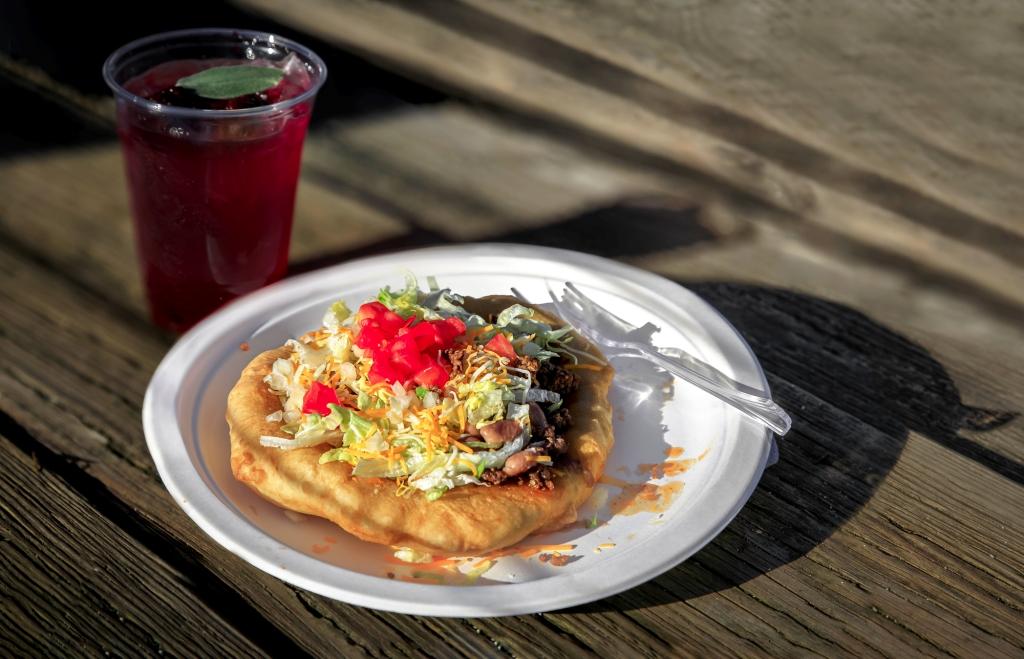
Europeans, Latin Americans, Asians, and Africans came seeking a better life and enriched their adopted city with their own mosaic of traditions. One of the most tangible contributions is their food culture.
What better way to explore NYC’s ethnic heritage than to sample cuisines from around the world—A to Z?
As in other cities, cuisines tend to cluster in specific neighborhoods. The joy is following those clusters—and knowing where they’re shifting.
Ethnic restaurants in NYC where to find them
Chinatown in Lower Manhattan is no longer exclusively Chinese. You’ll find Southeast Asian restaurants—especially Vietnamese spots on Baxter Street—along with Malaysian, Thai, and Burmese (Myanmar) options. You may even encounter Peranakan (Baba‑Nyonya) dishes, a micro‑cuisine blending Chinese and Malay heritage.
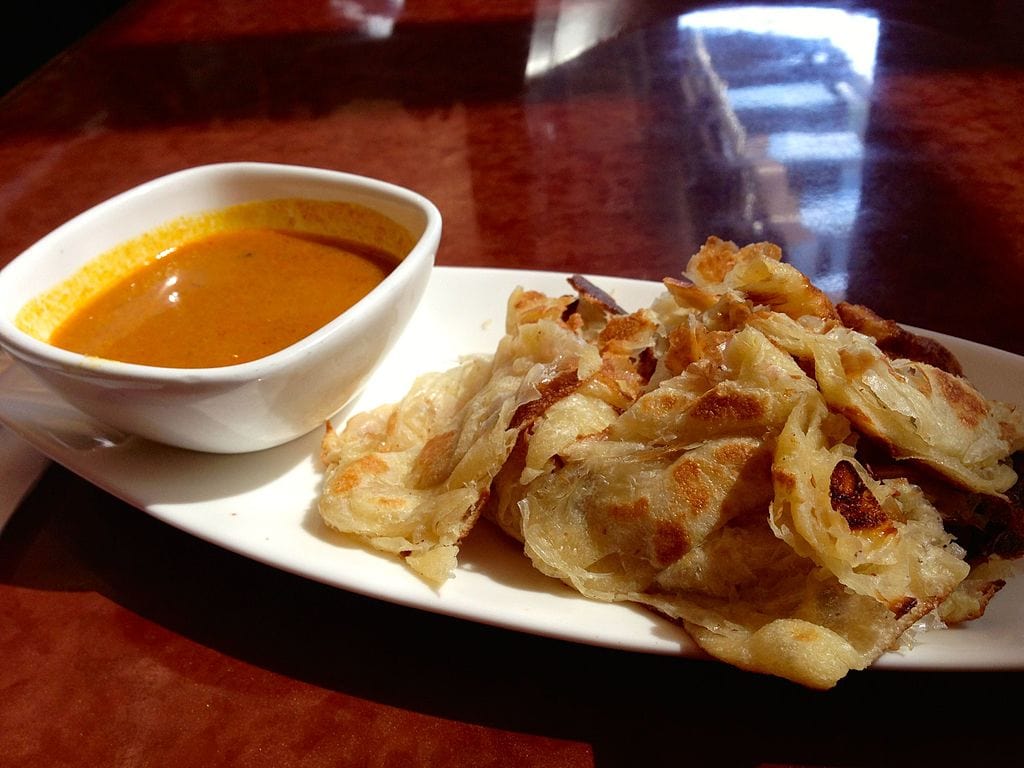
There’s no longer just one Chinatown in NYC; there are several. The largest concentration is in Flushing, Queens, reachable on the #7 subway line.
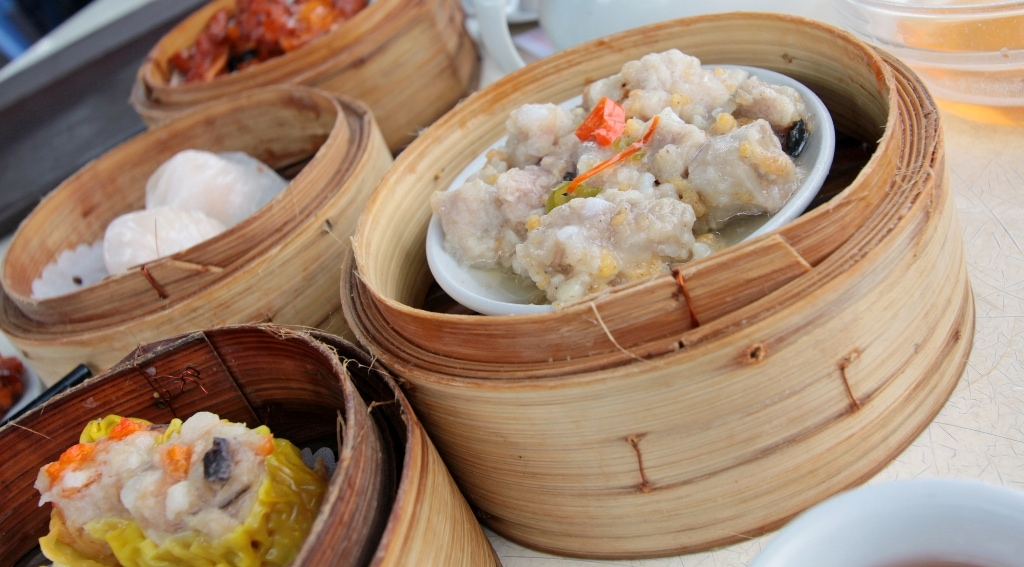
Flushing showcases cuisines from across Asia and increasingly segments Chinese food by region—Sichuan, Cantonese, Fujianese, and more. You’ll find another deep concentration of Asian restaurants in Sunset Park, Brooklyn. Smaller hubs also dot Little Neck, the East Village, Forest Hills, Bensonhurst, and Elmhurst.
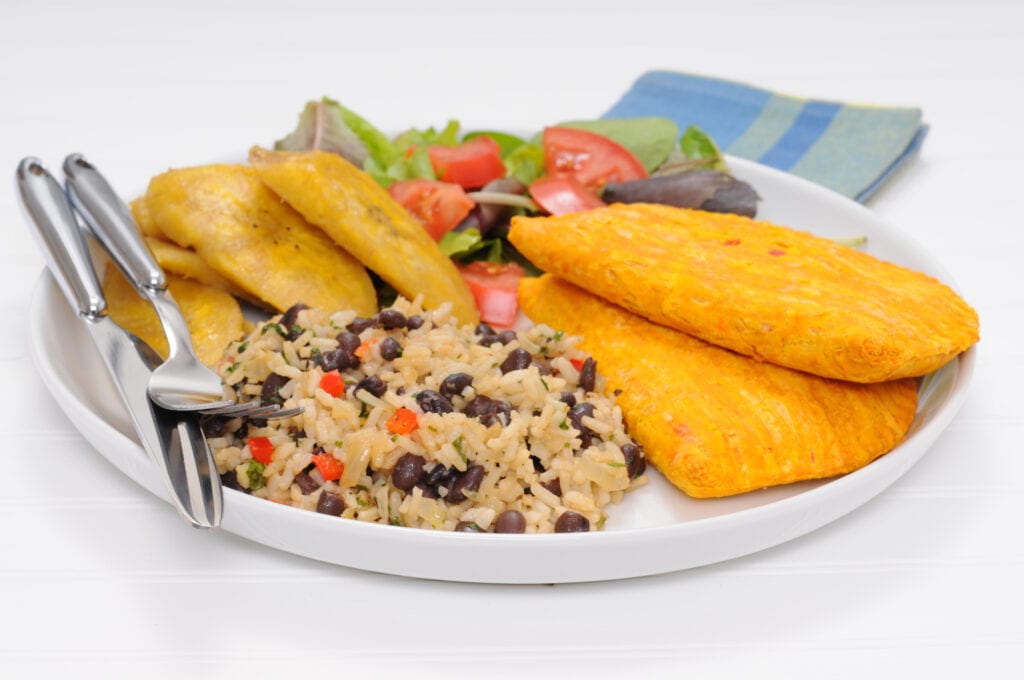
North of Midtown, Washington Heights is home to a large Dominican community. Dominican food is deeply comforting: stews like sancocho, mangú with cebollas, and seafood dishes with gentle, layered spices. There are also a large number of Caribbean folks with food from many of the Islands.
Indian food is everywhere, but a cluster nicknamed “Little India” around Lexington Avenue in the 20s holds decades‑old institutions. Today, menus increasingly reflect specificity—Parsi, Keralan, Gujarati, South Indian, or strictly vegetarian—so you can match your cravings to a regional tradition.
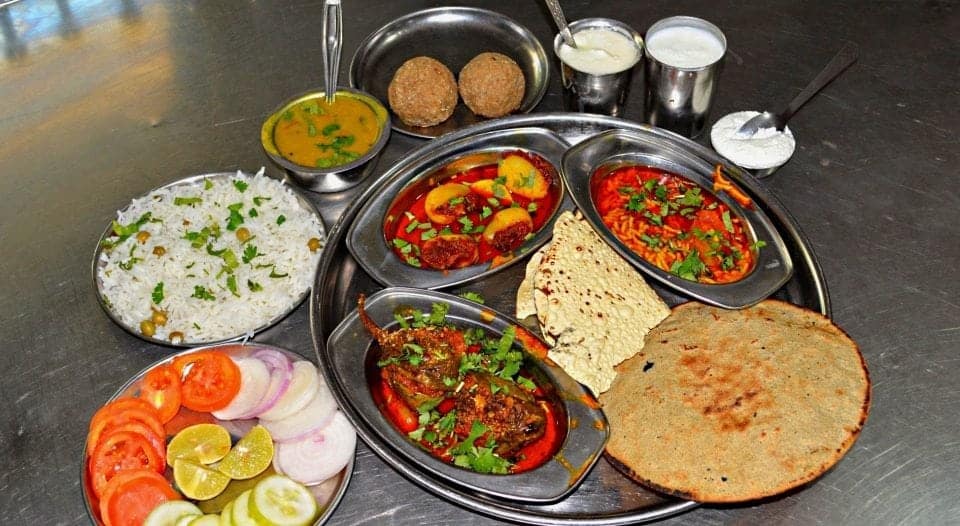
Koreatown—between 5th and 6th Avenues, 31st to 33rd Streets—packs BBQ joints, hand‑cut noodle shops, late‑night cafés, and bakeries into a few bustling blocks.

The East Village (around 2nd Avenue in the single digits) is known for Ukrainian restaurants, many with long immigrant histories.

Astoria, Queens has Greek restaurants so good you’ll think you’re in Athens—plus Egyptian, Balkan, and Middle Eastern gems reflecting successive waves of migration.

More recent arrivals and fusion ethnic restaurants
NYC’s ethnic cuisine evolves constantly. Fusion dishes appear where communities overlap. One example is Chinese‑Indian cuisine in and around Little India—an intentional blending of two sophisticated culinary traditions, not just parallel menus.
Recent arrivals bring new flavors and traditions. Harlem, famous for its African‑American home cooking, also hosts West African and East African restaurants, with Ghanaian and Senegalese spots anchoring blocks. Mexican communities have expanded across the city, enriching street food and sit‑down dining alike.

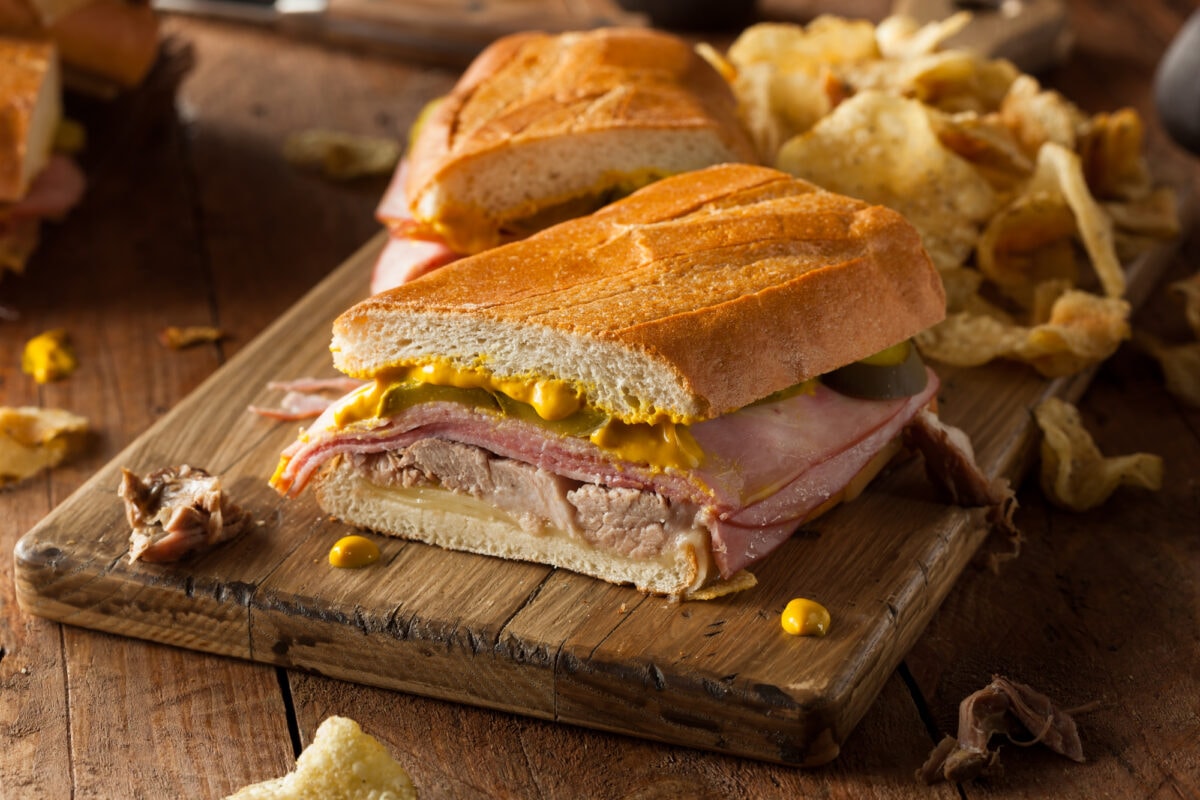
Cuban restaurants—rooted in migrations of the 20th century—serve dishes that themselves fuse Native American, European, and African influences, and those recipes continue to adapt in New York’s melting pot.
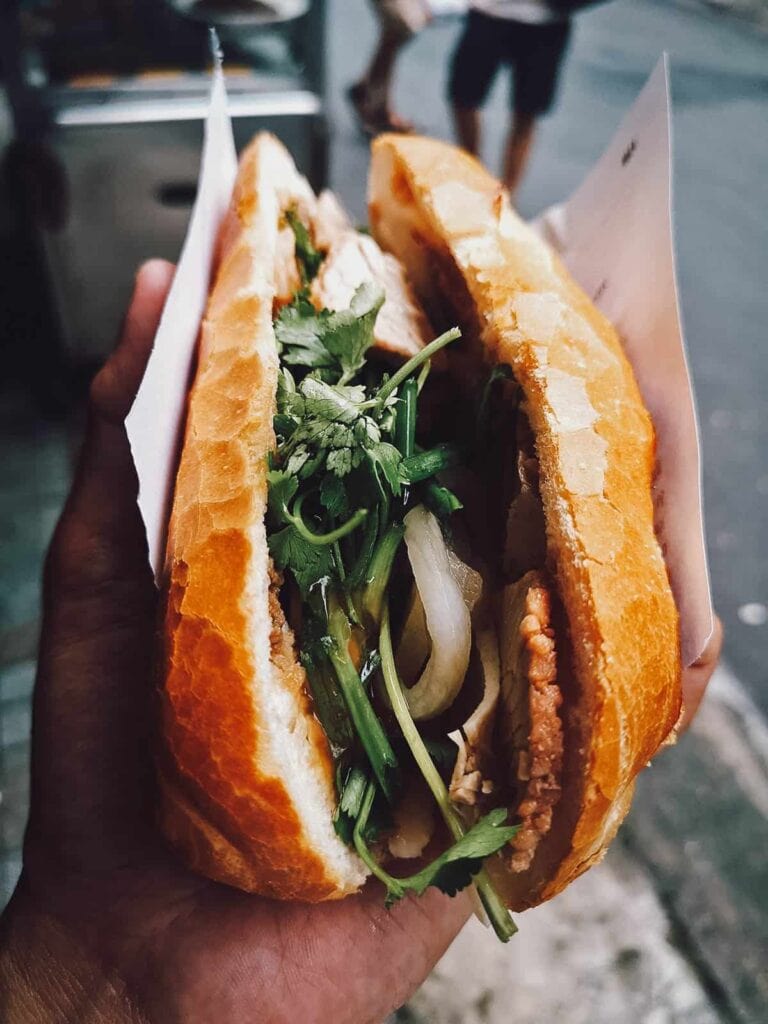
From Polish pierogies in Brooklyn to Salvadoran pupusas in Queens, Argentinian empanadas in Hell’s Kitchen to Vietnamese bánh mì in Chinatown—name the dish and NYC likely serves it somewhere, often by families who have cooked it for generations.
A dash of history and a pinch of culture
To ground this guide in first‑hand experience, I recently immersed myself in NYC’s immigrant past on a Big Onion Multi‑Ethnic Eating Tour in the Lower East Side—an area dense with arrival stories. I love food, and the combination of immigrant history and street‑level bites was irresistible. The tour did not disappoint.

Our guide, Laura, was deeply knowledgeable. In fact, all Big Onion Tour Guides are doctoral candidates in history at New York–area universities. Laura led us through early immigration centers: Jewish neighborhoods, Little Italy, Chinatown, and Puerto Rican New York, among others.
Some of these neighborhoods are among the city’s most underrated attractions.
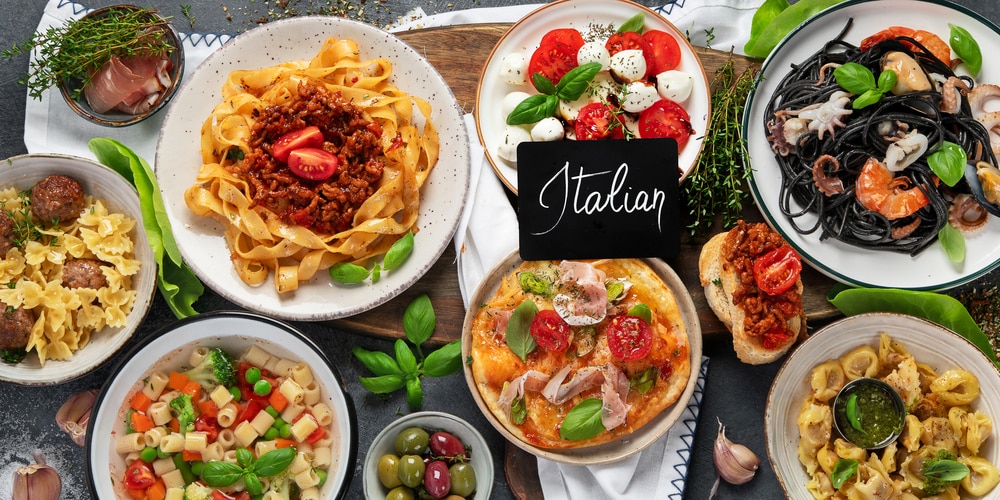
At each stop, we sampled the cuisine tied to the community we were discussing. These “tidbits of history” were delicious and plentiful. We feasted on Italian mozzarella, mini calzones, and gelato in one of Little Italy’s oldest salumerias (Italian‑style deli). The Caribbean fried plantains were crisp outside and warm within.
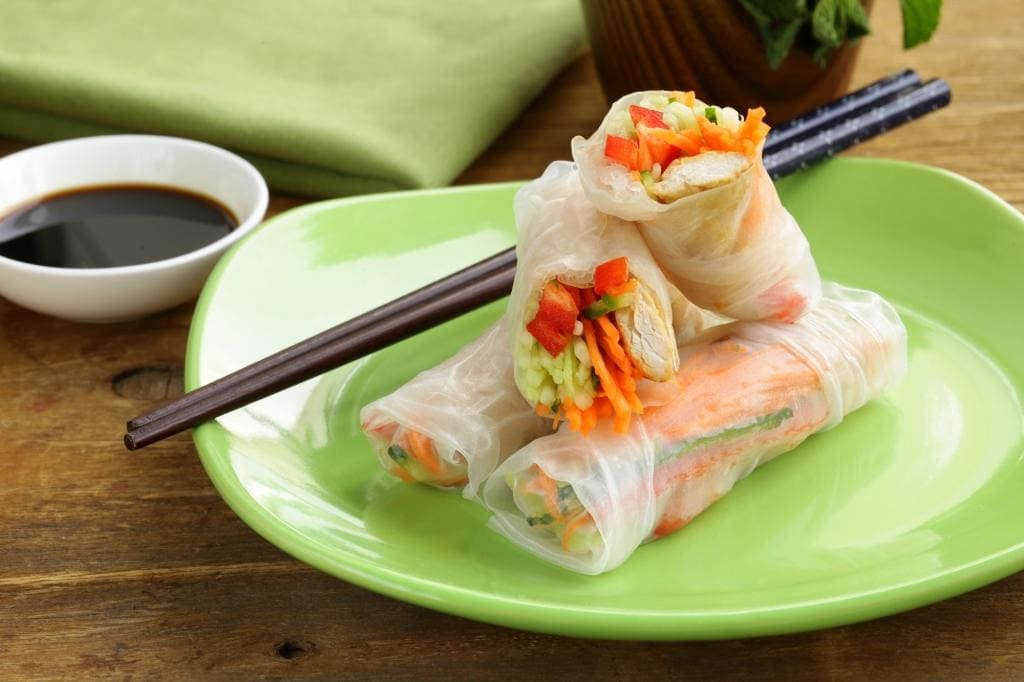
Vietnamese spring rolls burst with vegetables and seafood; Malaysian beef jerky was sweet‑savory; Jamaican pickled pineapple was bright; Chinese milk pastries were delicately sweet. You will not leave this tour hungry—and each bite comes with context about who created it and why it matters.
Dive into the metaphorical melting pot
Beyond the eating, the best part is the off‑beat local history. You’ll recognize many famous NYC restaurants from film and TV.
You also see how neighborhoods evolve with demographics. For example, The Pickle Guys began as a Jewish establishment. When the workforce shifted, Chinese employees purchased the business, kept the name, and preserved the craft. Today, The Pickle Guys is run by a Chinese family—only in New York.

Strolling Little Italy, you’ll see a plaque at the Church of San Gennaro honoring Italian‑American contributions during WWII.
And you’ll learn how immigrants advocated for fair‑housing laws after years of crowded tenements—laws that reshaped New York for the better.
Period photographs of the very places you’re standing in make the past feel present.

Together, these anecdotes reveal how a small Dutch trading outpost became today’s metropolis.
The flavor of New York City comes through in the aromas of its multi‑ethnic cuisines. A walking food tour is a practical way to feel the city’s pace and to taste its diversity. Taste New York City and taste the world—and plan for multiple trips if you want to do it justice.
Practical tips from first‑hand visits
Timing: Weekend mornings are quieter in Flushing; Koreatown shines late at night. In the Lower East Side, mid‑afternoons avoid tour crowds.
Getting around: The #7 train to Flushing is efficient; in Sunset Park, the D and N lines are your best bet. Expect short walks between clusters.
How to choose: Look for short, focused menus and high table turnover in dumpling or noodle shops. In bakeries, ask what came out of the oven most recently.

Respectful ordering: Learn a couple of dish names (e.g., “mangú,” “sancocho,” “bánh mì,” “khachapuri”). Ask staff for a house specialty rather than defaulting to “what’s popular.”
Accessibility notes: Many old tenement‑era storefronts have a single step; call ahead if you need step‑free access. Food courts in Flushing generally have elevators.
Payment: Small, family‑run places may be cash‑preferred; carry small bills for bakeries and street snacks.
How to plan your eating day
Pick a cluster, not a checklist: Choose one or two neighborhoods (e.g., Flushing + Jackson Heights, or Koreatown + Little India) so travel time stays low and bites stay high.
Set a simple cadence: Aim for 3–5 stops over 4–6 hours. Share plates. Alternate savory → snack → drink to avoid palate fatigue.
Start smart: Chinatown bakeries open early (7–8am). Flushing food courts peak late morning. Koreatown shines late at night for second dinner or dessert.
Anchor one reservation: Book a single sit‑down meal off‑peak (late lunch) and keep the rest walk‑ins—bakeries, dumpling counters, street snacks.
Ride the right lines: #7 to Flushing; D/N to Sunset Park; 4/5/6 for Little India (Lexington in the 20s); B/D to Washington Heights; R/M/N to Astoria.

Work a two‑block rule: If a line looks 20+ minutes, pivot to a backup within two blocks. In dense food areas, the second option is rarely a downgrade.
Order like a local: Choose short, focused menus. Ask for the house specialty. Split one “signature” and one vegetable/side to keep variety up.
Budget realistically: $35–50 per person covers a full day of snacks, a sit‑down entrée, and drinks if you share. Carry small bills for bakeries and carts.
Respect constraints: Halal options cluster in Jackson Heights; kosher spots in the Lower East Side and Borough Park; vegetarian South Indian is common around Little India.

Mind the season: In winter, favor indoor food courts (Flushing) and bakeries; in summer, add street fairs and night markets when active.
Accessibility notes: Older storefronts may have a single step. Food courts generally have elevators; call ahead for step‑free entries if needed.
Hydration and breaks: Plan a café stop every 90 minutes; parks like Columbus Park (Chinatown) and Madison Square Park (near Koreatown) are good reset points.
Etiquette: Return trays, bus plates if self‑service, and be patient with language barriers—pointing to display items is normal.
Conclusion: taste the city, honour its stories
New York’s flavour isn’t a single dish—it’s the chorus you hear when families, chefs, and street vendors cook what they know and love. From Flushing’s food courts to Harlem’s stews, from Little Italy’s salumerias to Jackson Heights’ carts, each bite carries a migration story and a neighborhood’s present.
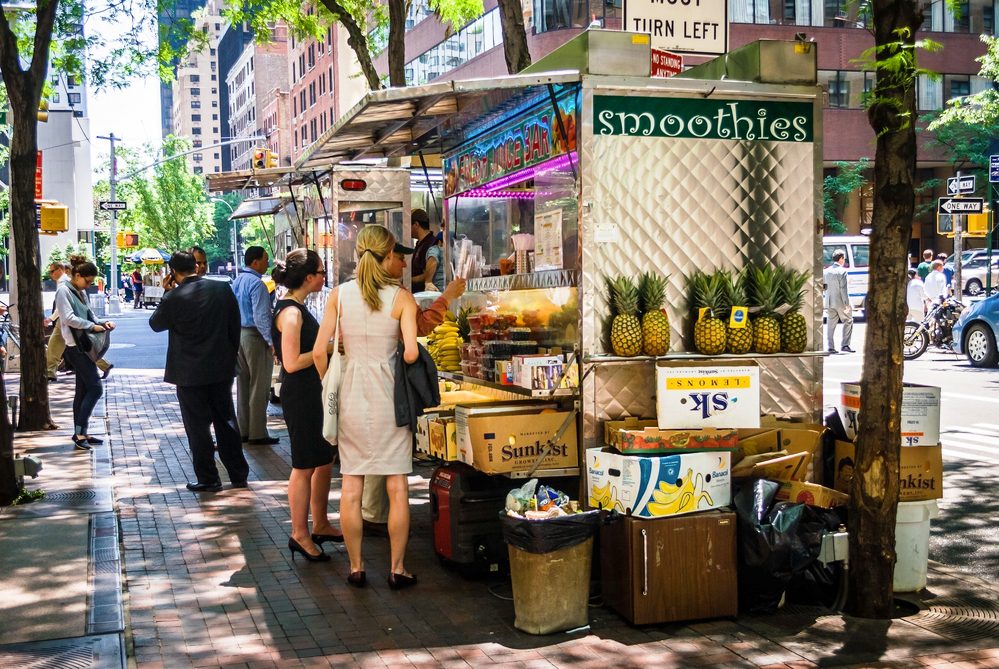
If you plan with intention, stay curious, and follow the clusters, you’ll eat well. Ask for house specialties, learn a dish name or two, and support the small spots that keep traditions alive. Whether you join a historian‑led tour or wander with a subway map and an appetite, you’re not just dining—you’re listening. And that’s the joy of eating in New York: with every plate, you taste the city’s past, its evolving present, and a little of the world. Come hungry, come respectful, and come back often.