
Traditional Dutch Foods: Ultimate Guide to Netherlands Cuisine
Dutch food has been a lifelong passion of mine, sparked by childhood memories of authentic Dutch cooking. Growing up with a Dutch best friend, I was fortunate to experience traditional Dutch cuisine firsthand through her family’s cooking – a stark contrast to my own home where convenience cooking reigned supreme. From warm oliebollen during celebrations to comforting plates of Bami and Nasi, these early experiences opened my eyes to the rich world of Dutch culinary traditions.
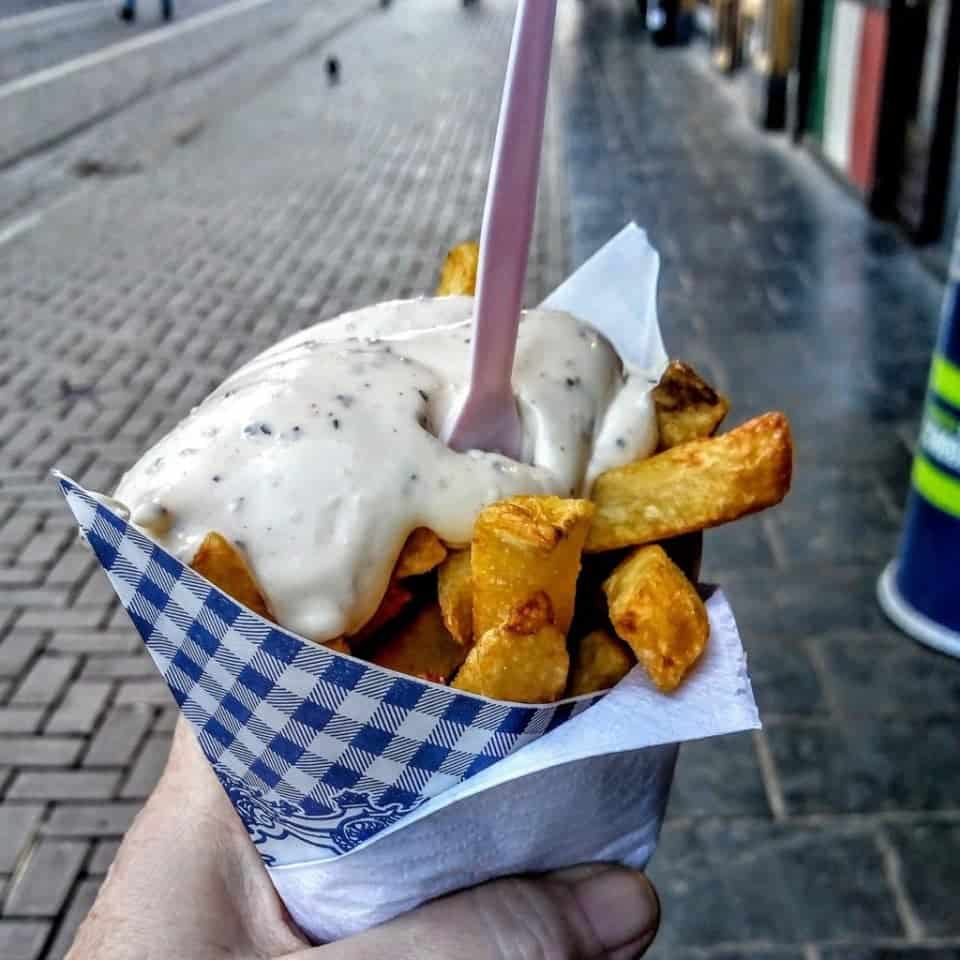
Years later, I had the opportunity to visit Amsterdam with this same childhood friend, experiencing firsthand the dishes we’d grown up eating. We explored the city’s food scene extensively, from street vendors to family restaurants, sampling everything from traditional treats to Indonesian fusion dishes. To this day, the sight of a restaurant serving Bitterballen or Indonesian rijsttafel instantly brings back memories of those Amsterdam adventures.
Dutch cuisine, while less internationally renowned than other European culinary traditions like those of France or the United Kingdom, offers a unique gastronomic experience that draws influence from across Europe and former Dutch colonies. From street food to traditional family meals, Dutch food culture represents a fascinating intersection of North American practicality and European tradition.
- Traditional Dutch Foods: Ultimate Guide to Netherlands Cuisine
- Global Influences on Dutch Cuisine
- International Comparisons
- Travel Tips for Food Enthusiasts
- What Makes Dutch Cuisine Unique?
- Most Popular Traditional Dutch Foods
- Traditional Dutch Desserts and Sweets
- Dutch-Indonesian Culinary Heritage: A Colonial Legacy
- Modern Dutch Food Culture
- Hidden Secrets and Unusual Dutch Dishes
- Practical Information for Food Tourists
- Food Tours and Experiences
Global Influences on Dutch Cuisine
Dutch trading history has significantly shaped its cuisine. From the spice routes of South America to colonial connections in what is now Indonesia, Dutch food has evolved through centuries of global trade. While some dishes share similarities with those found in Spain, France, Britain and other European nations, Dutch cuisine maintains its distinctive character.
This is part of a much bigger story see the full Global Food Guide for how food traditions like these connect across cultures worldwide.
International Comparisons
Deep-Fried Delights
While the United States is famous for its deep-fried foods, Dutch cuisine has its own beloved fried specialties:
Bitterballen
Krokets
Frites or French fries with special sauces
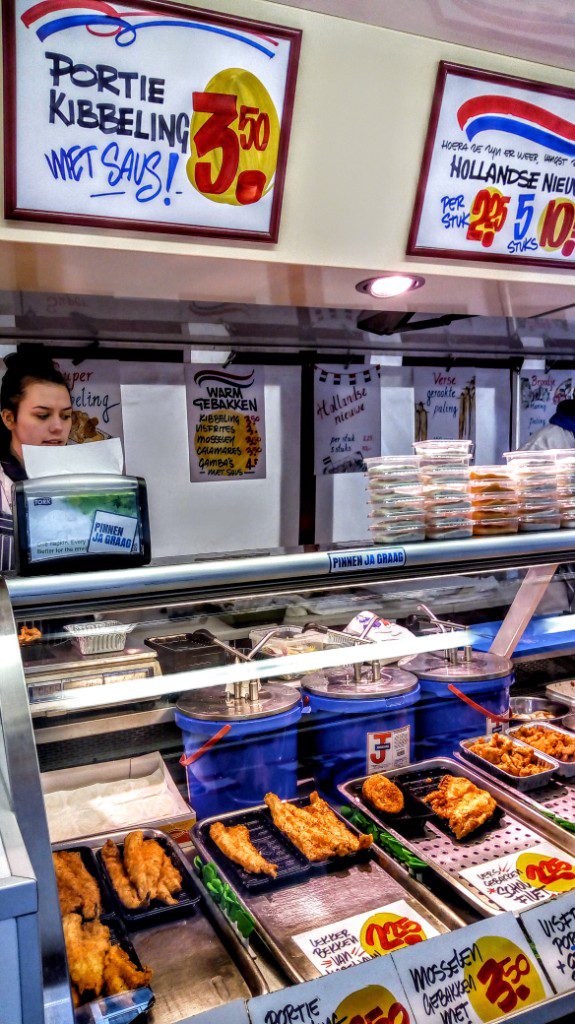
Kibbeling (battered fish)
Global Fusion
Dutch cuisine has influenced and been influenced by various cultures:
Indonesia: Rijsttafel and peanut sauce traditions
Costa Rica: Dutch cheese-making influence
North America: Similar comfort food approaches
United Kingdom: Shared love of hearty meals
Street Food Culture
Like many European cities, Dutch street food culture is vibrant and unique:
Hollandse Nieuwe (raw herring) stands
French fries vendors with dozens of sauce options
Food markets and food halls similar to those across Europe

Traditional Breads
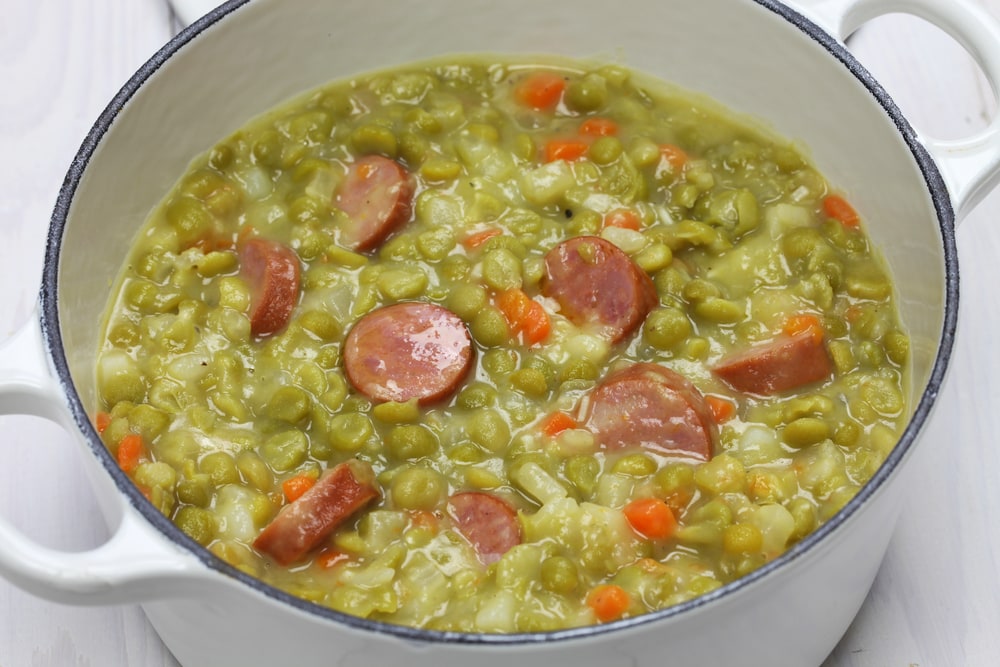
Rye bread served with winter soups
Influence on bread-making traditions across Europe
Special holiday breads and pastries
Travel Tips for Food Enthusiasts
When planning your European food tour, the Netherlands offers unique culinary experiences that differ from typical France or Finland destinations. Consider:
Seasonal food festivals
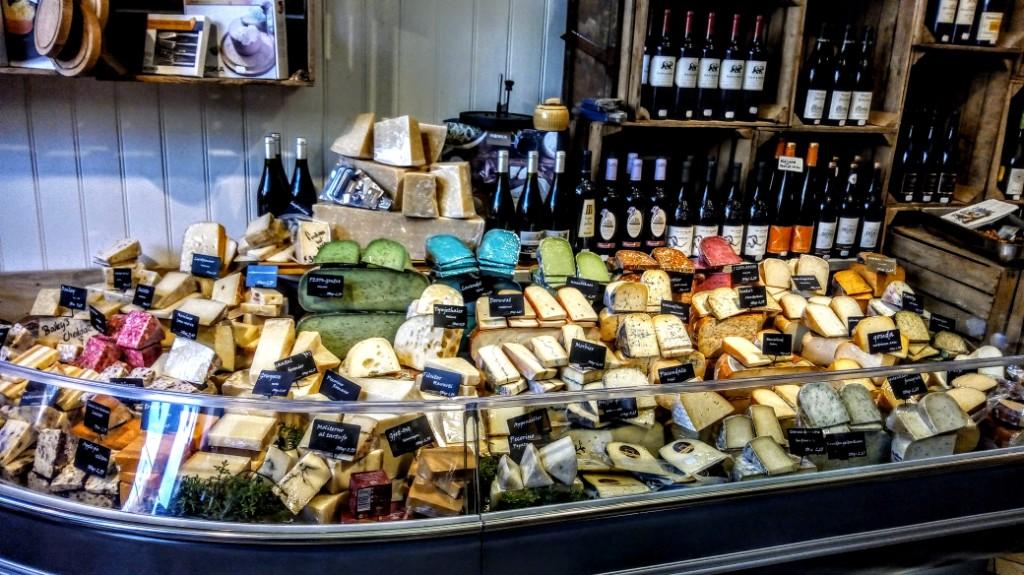
Traditional cheese markets
Street food tours
Restaurant weeks
What Makes Dutch Cuisine Unique?
Dutch food culture is built on five foundational pillars: a commitment to sustainability and health, a preference for natural and locally-sourced ingredients, strict high-quality production standards, a balance between tradition and innovation, and the seamless integration of diverse culinary influences. Meals are deeply rooted in routine, with dinner typically served between 5:00 and 7:00 PM as a time for families to gather.

Classic Dutch dinners often center around hearty combinations of meat, potatoes, and vegetables, generously topped with rich gravies, and are frequently followed by indulgent dairy-based desserts or a strong cup of coffee—reflecting both the country’s agricultural heritage and its modern, globally inspired palate.
Most Popular Traditional Dutch Foods
Street Food and Snacks
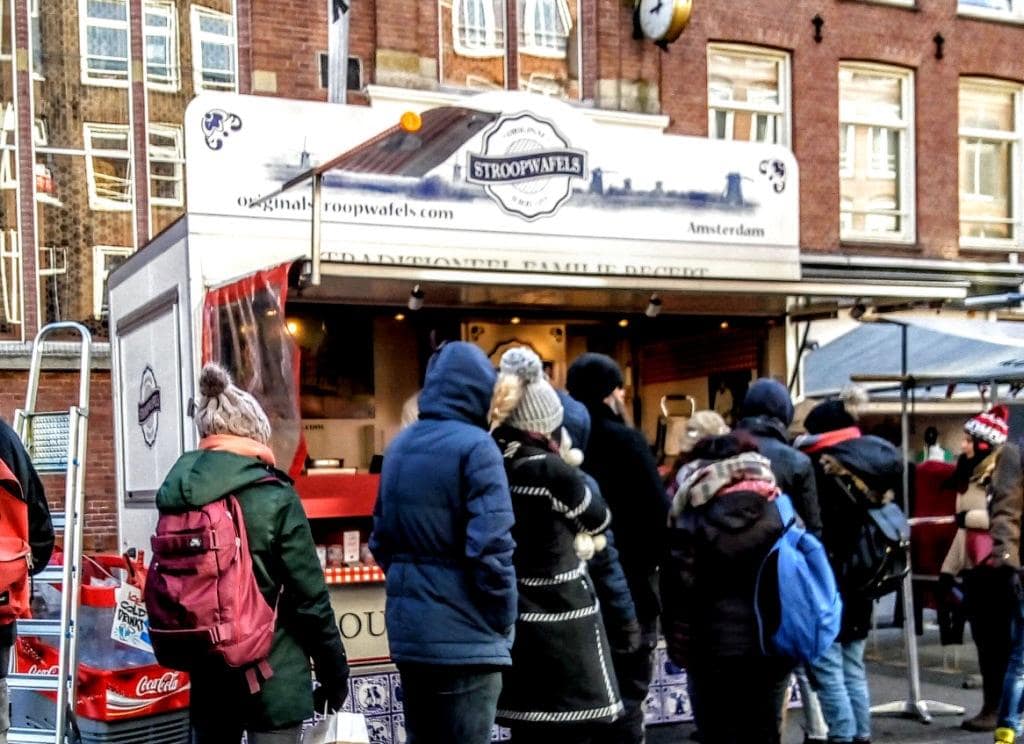
1. Stroopwafels
These iconic Dutch cookies consist of two thin wafer layers filled with caramel syrup. Originally from Gouda in the 17th century, stroopwafels are best enjoyed warm over a cup of coffee or tea. Find the most authentic versions at Albert Cuyp Market, where skilled artisans make them fresh throughout the day.
2. Herring (Hollandse Nieuwe)
A quintessential Dutch delicacy, raw herring is served with chopped onions and pickles. The fishing season runs from May to July, when “Hollandse Nieuwe” (new Dutch herring) becomes available. Traditional vendors prepare the fish according to strict guidelines, removing the bones and preserving it through a specific salting process.

3. Dutch Croquettes (Krokets)
These deep-fried delicacies feature a crispy breadcrumb exterior and a creamy ragout filling. While traditional versions contain beef or veal, modern variations include:
- Chicken satay, Shrimp, Goulash or Vegetarian options
Find them at FEBO automats, street vendors, or local cafés, typically served with mustard on bread or as a snack.

FEBO: A Unique Dutch Fast Food Institution
FEBO, an iconic Dutch fast-food chain founded in 1941 by Johan de Borst, represents a uniquely Dutch approach to quick dining. What makes FEBO extraordinary isn’t just its food, but its distinctive automated serving system.
Picture a wall of small, heated glass compartments, each containing fresh hot Dutch snacks – a sort of giant food vending machine. Customers insert coins or cards, open the compartment door, and retrieve their hot snack of choice.

FEBO has become such a cultural institution that Dutch people often refer to it as a “living room for the city.” It’s particularly popular late at night after bars close, but you’ll see everyone from businesspeople to tourists enjoying FEBO’s automated snacks throughout the day.
Local tip: For the most authentic FEBO experience, try their signature beef kroket – it’s made using the founder’s original recipe from the 1940s when FEBO started as a bread and pastry shop before evolving into the automated snack paradise it is today.
Main Dishes
1. Stamppot
The national dish of the Netherlands, stamppot exemplifies Dutch comfort food. A hearty Dutch comfort dish of mashed potatoes mixed with vegetables like kale (boerenkool), sauerkraut, or carrots, often served with smoked sausage (rookworst) and gravy.

2. Indonesian Rijsttafel
Though not originally Dutch, rijsttafel has become integral to Netherlands cuisine through colonial history. This elaborate meal includes:
Multiple small dishes (often 12+). A festive Dutch-Indonesian feast featuring a table full of small dishes served with rice. Think spicy satay, fragrant curries, crispy kroepoek (shrimp crackers), and sweet-savory rendang. Born from colonial influences, it’s a flavorful, shareable dining experience—perfect for special occasions!
Top restaurants for authentic rijsttafel: Indrapura near Rembrandtplein, we had the most superb Rijsttafel here and Sampurna in the Flower Market area.

Dutch Breakfast and Pastries
1. Traditional Dutch Breakfast
Fresh bread or toast. Dutch cheese. Cold cuts. Sweet toppings (hagelslag chocolate sprinkles) and Coffee or tea

2. Poffertjes
These small, fluffy pancakes differ from regular pancakes as they are made with buckwheat and yeast is the leaven.

Dutch Cheese Culture
The Netherlands’ cheese-making tradition spans over 1,600 years. Key varieties include:
1. Gouda
A world-famous Dutch cheese, named after the city of Gouda. Creamy and slightly sweet when young, it develops a rich, caramel-like depth as it ages. Perfect on sandwiches, in salads, or paired with wine and mustard.

2. Edam
Mild, nutty, and semi-hard, with a distinctive red wax coating. Younger Edam is buttery and soft, while aged versions gain a firmer texture and sharper taste. Great for snacking, melting, or even traveling (thanks to its wax seal!).

Traditional Dutch Desserts and Sweets
Seasonal Specialties
1. Oliebollen (Dutch Doughnuts)
Oliebollen are a traditional Dutch fried dough treat, especially popular during the winter months and around New Year’s Eve. These deep-fried balls are similar to doughnuts, made from a batter of flour, eggs, milk, and yeast, often mixed with raisins or currants. Some variations include diced apple or zest for extra flavor.
Once fried until golden brown, oliebollen are dusted with powdered sugar and best enjoyed warm. Their name translates to “oil balls,” referring to their cooking method. Crispy on the outside and soft inside, they’re a beloved festive snack in the Netherlands, often enjoyed at Christmas markets and street stalls.

2. Banketstaaf
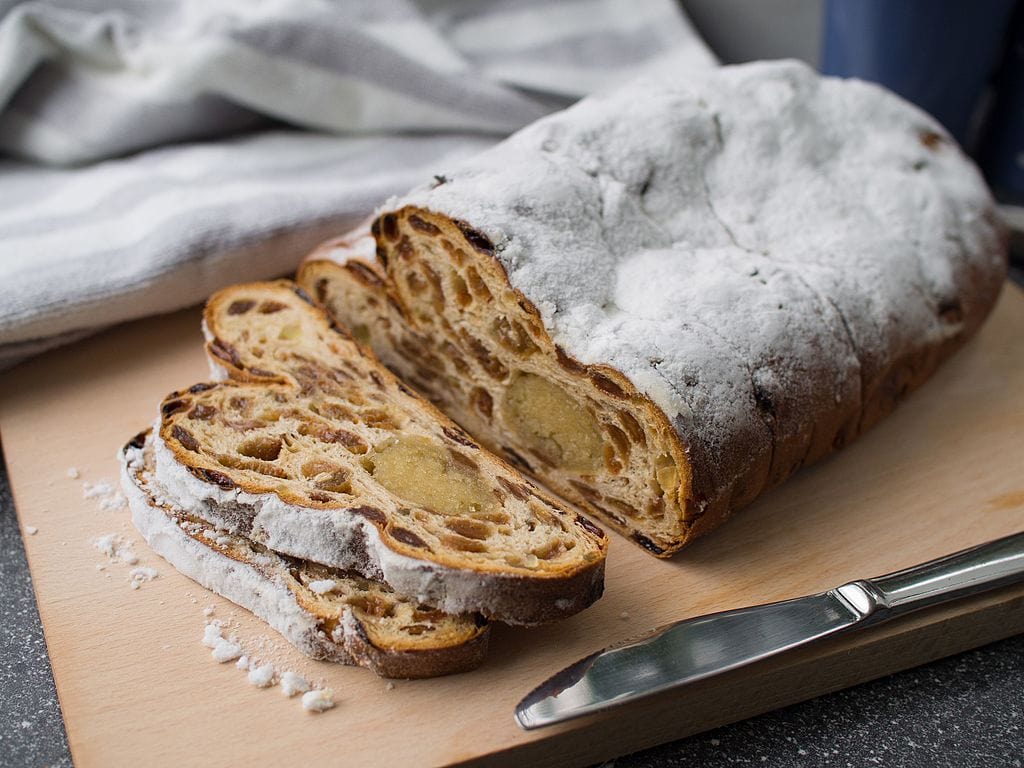
Banketstaaf is a traditional Dutch pastry, especially popular during the Christmas season. It consists of a flaky, buttery puff pastry filled with a sweet almond paste (amandelspijs) made from ground almonds, sugar, and egg. The pastry is rolled into a log shape, baked until golden, and often dusted with powdered sugar or topped with almond slices.

Year-Round Sweet Treats
1. Dutch Apple Pie (Appeltaart)
A thick, buttery crust filled with cinnamon-spiced apples, raisins, and sometimes nuts. Served with whipped cream—best enjoyed in a cozy café!
2. Speculaas
Spiced Dutch windmill cookies, crunchy or chewy, flavored with cinnamon, nutmeg, and cloves. Often shaped like St. Nicholas or festive designs.

Dutch-Indonesian Culinary Heritage: A Colonial Legacy
The intertwining of Dutch and Indonesian cuisines represents one of the most fascinating food fusion stories in culinary history. During the Netherlands’ 300-year colonization of the Dutch East Indies (modern-day Indonesia), Dutch traders and colonists encountered a sophisticated spice culture that would forever transform their native cuisine.
The Dutch East India Company’s spice trade, established in the early 17th century, brought ingredients like nutmeg, cloves, and sambal to Dutch kitchens, fundamentally changing how the Dutch approached food. The creation of rijsttafel (“rice table”) in the late 1800s perfectly exemplifies this cultural fusion – Dutch colonials’ adapted traditional Indonesian dishes, transforming them into an elaborate feast featuring dozens of small dishes served with rice.

While rijsttafel itself was a colonial interpretation, it preserved numerous authentic Indonesian recipes and cooking techniques. Today, dishes like bami goreng, Nasi goreng, and satay with peanut sauce are so deeply embedded in Dutch daily life that many consider them traditional Dutch foods. The Netherlands now boasts the largest Indonesian diaspora in Europe, with Indonesian restaurants in every major city serving both authentic dishes and Dutch-Indonesian fusion cuisine. This culinary legacy serves as a complex reminder of colonial history while celebrating the enduring influence of Indonesian flavors on Dutch gastronomy.
Popular Fusion Dishes
1. Nasi Goreng
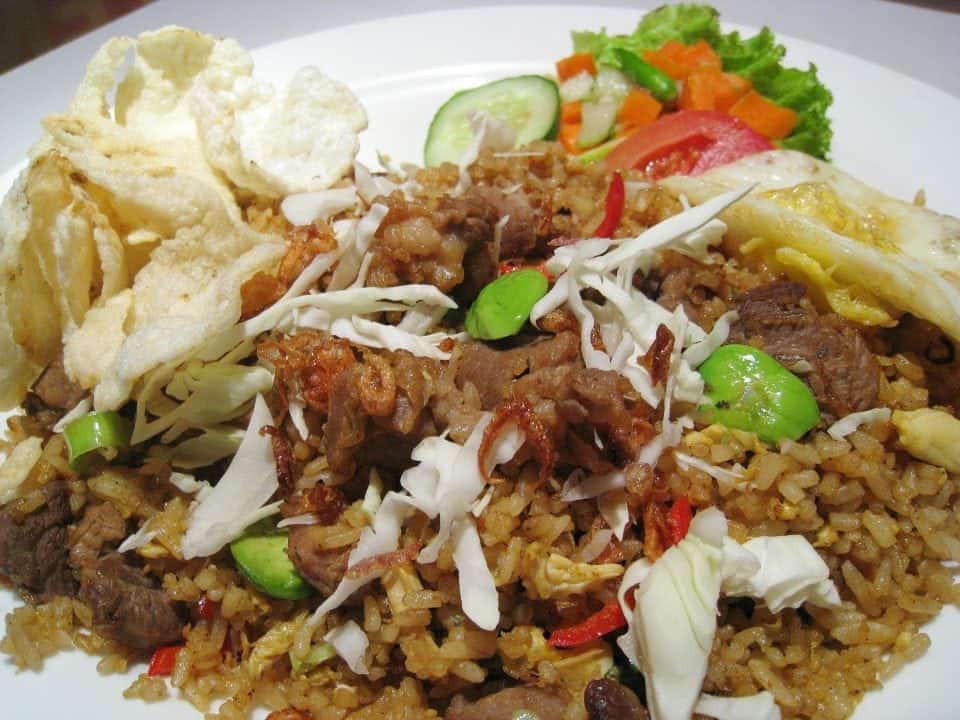
A staple of Dutch-Indonesian cuisine, nasi goreng is a flavorful fried rice dish cooked with sweet soy sauce (ketjap manis), garlic, shallots, and chili. Often mixed with chicken, shrimp, or leftover meats, it’s topped with a fried egg (telur mata sapi) and crispy shallots (bawang goreng). Unusual twists include adding sambal for heat or krupuk (shrimp crackers) for crunch. A quick, savory meal with deep umami notes from the ketjap manis!
2. Bami Goreng
Similar to nasi goreng but with egg noodles instead of rice, bami goreng is stir-fried with ketjap manis, vegetables, and meat or tofu. Some versions include taugé (bean sprouts) or Chinese cabbage for texture. Like nasi, it’s often garnished with a fried egg and sambal. A hearty, noodle-based twist on the same bold flavors—perfect for a filling street food fix!

Modern Dutch Food Culture
2. Food Markets
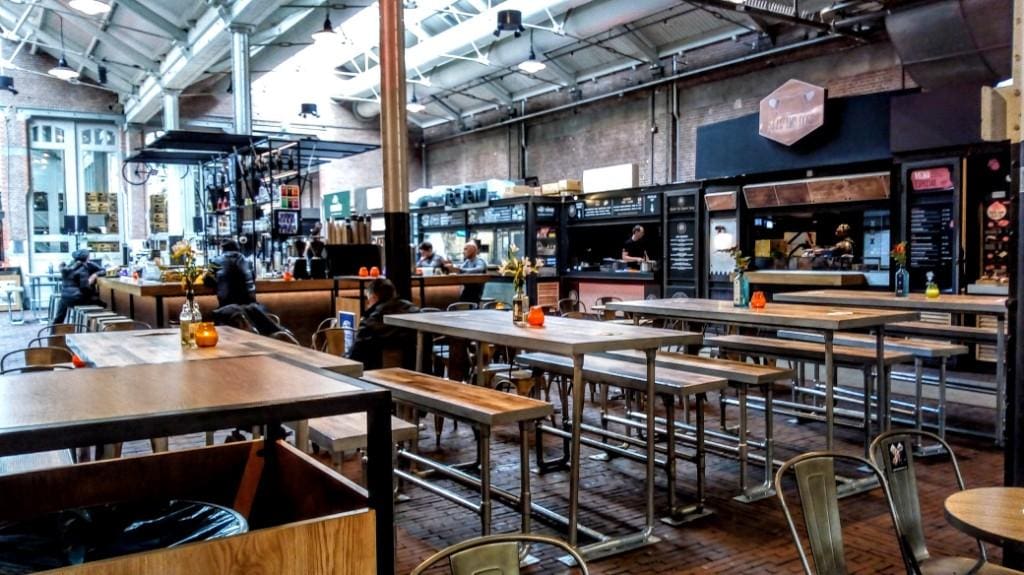
Food Hallen in the Netherlands are vibrant culinary hotspots where street food meets a trendy, social dining experience. Inspired by global food markets, these indoor halls—like Amsterdam’s iconic De Foodhallen—bring together diverse vendors under one roof, offering everything from Dutch bitterballen and ossenworst to Vietnamese banh mi and artisanal burgers. With craft beer bars, live music, and a laid-back industrial-chic vibe, they’re perfect for sampling local and international flavors in a communal setting. A must-visit for foodies who love variety and atmosphere!
Popular food halls and markets:
Foodhallen Amsterdam
Markthal Rotterdam
Albert Cuyp Market
Traditional cheese markets
Dutch Beer and Beverage Culture
1. Craft Beer Scene
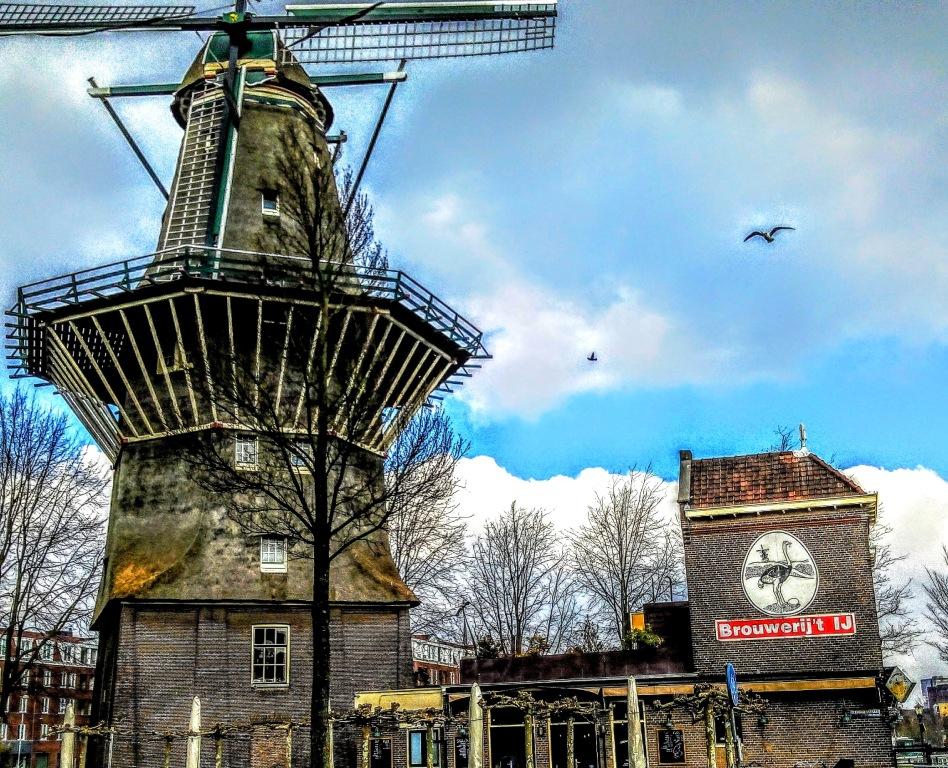
Notable breweries: Brouwerij ‘t IJ is one of Amsterdam’s most iconic craft breweries, nestled under a historic windmill in the east of the city. Known for its organic Belgian-style ales, the brewery offers a lively tasting room where visitors can sample bold, unfiltered beers like the signature IJwit (wheat beer) or the strong Natte (dubbel). With a relaxed, local vibe and outdoor seating, it’s a must-visit for beer lovers.
De Prael is a socially conscious Amsterdam brewery with a mission—employing people with disabilities and crafting high-quality Dutch beers. Their cozy tasting room in the Red Light District serves unique brews like the fruity Mary (IPA) and malty Johannes (dark beer), alongside hearty Dutch bar snacks. The brewery’s warm, inclusive atmosphere makes it a standout.
Oedipus Brewing brings creativity and multicultural flair to Amsterdam’s craft beer scene. Known for experimental flavors and eye-catching labels, their Thai-inspired Mama (pale lager with lemongrass) and the tart Mannenliefde (sour ale) reflect their playful, boundary-pushing approach. Their colorful Tapa Bar in Noord offers beer pairings with global street food, perfect for a fun, laid-back evening.
Homeland Brewery in Utrecht combines craft beer with a passion for local history and sustainability. Their brews, like the crisp Stadsblond or rich Winterstout, often use regional ingredients. The brewery’s rustic-chic taproom, set in a historic building, offers guided tastings and a menu of Dutch-inspired dishes, making it a cozy hub for beer and food pairings.
2. Traditional Dutch Drinks
When in Holland, don’t miss its iconic drinks! Start with jenever, the juniper-flavored Dutch ancestor of gin—best sipped chilled in a tulip glass. For something sweet and creamy, try advocaat, a rich eggnog-like liqueur often enjoyed as a dessert or in cocktails. Cozy up with a frothy fresh mint tea (verse muntthee), a caffeine-free staple served in cafés with honey. Or opt for local craft sodas like Dubbelfrisss (sparkling fruit blends) or small-batch lemonades for a refreshing, non-alcoholic sip. Proost!
Tip: Try jenever with a beer chaser—a traditional “kopstoot” (headbutt)!

Hidden Secrets and Unusual Dutch Dishes
While stroopwafels and cheese may dominate tourist menus, Dutch cuisine harbors fascinating lesser-known delicacies that deserve attention. In Amsterdam’s historic Jordaan neighbourhood, you’ll find traditional brown cafés serving Zuurvlees, a sweet-sour meat stew that originated in Limburg. Unlike its better-known cousin stamppot, this dish combines vinegar, juniper berries, and local spices for a uniquely Dutch take on sweet-and-sour flavors.
Another hidden gem is Hete Bliksem, literally translated as “hot lightning.” This traditional dish combines mashed potatoes with two types of apples – sweet and tart – along with bacon and onions. While it might sound unusual, the combination creates a surprisingly harmonious blend of sweet, savoury, and smoky flavors that epitomizes Dutch comfort food at its most creative.
For the truly adventurous, seek out Ossenworst, a raw beef sausage that dates back to Amsterdam’s Jewish community in the 17th century. Originally made from ox meat (hence the name), today’s version uses beef but maintains its distinctive spicing of mace, cloves, and nutmeg. You’ll find it served in thin slices at traditional brown cafés, often accompanied by Amsterdam’s signature raw onions and mustard.

In coastal areas, particularly around Scheveningen, locals enjoy Zee-egel (sea urchin) during the brief season when it’s available. While not as famous as French or Japanese sea urchin, Dutch zee-egel offers a delicate taste of the North Sea that few tourists ever experience. Similarly, during spring, watch for Zeekraal (samphire) on menus – this sea vegetable is foraged from coastal areas and offers a naturally salty crunch to dishes.
For those with a sweet tooth, track down Duivekater, a traditional bread from the Zaanstreek region that’s slightly sweet and flavored with cardamom. Once a celebration bread served only at Christmas and Easter, some traditional bakeries still make this rare treat year-round. Pair it with Syllabub, a forgotten Dutch dessert that combines whipped cream, wine, and citrus – a reminder of the Netherlands’ historical connections to both British and French culinary traditions.

These hidden culinary treasures offer a deeper understanding of Dutch food culture beyond the familiar favourites, revealing a cuisine that’s far more diverse and sophisticated than many realize. They represent centuries of cultural exchange, regional pride, and the Dutch talent for combining unexpected flavors into surprisingly delicious dishes.
Practical Information for Food Tourists
Best Traditional Dutch Restaurants in Amsterdam
For those seeking authentic Dutch cuisine in Amsterdam, several establishments stand out for their commitment to traditional flavors and dining experiences.
Historic District Favorites
‘t Heemelrijck. Location: City Center. Operating since 1949. Specializes in classic Dutch preparations
Must-try dishes: Venison pâté, Traditional biefstuk (Dutch-style steak). House-made beef stew. Authentic stamppot.

Why visit: The restaurant captures the essence of Dutch home cooking, with an atmosphere that feels like dining in a traditional Dutch family home.
The Pantry: Location: Leidseplein area. Intimate, cosy setting. Focus on home-style Dutch cooking
Signature dishes: Salted pork chops. Salmon with vegetable purée. Traditional stamppot variations
Why visit: Perfect for experiencing authentic Dutch home cooking in a romantic, candlelit atmosphere. Their commitment to traditional recipes makes this a favorite among locals and tourists alike.
Near Cultural Landmarks
Bistro Amsterdam – Location: Near Anne Frank House. Authentic Dutch atmosphere. Traditional decorative elements
Recommended dishes: Vegetable soup with meatballs. Seasonal Dutch specialties. Local fish preparations

Why visit: Combines convenient location with genuine Dutch hospitality. The charming entrance, complete with wooden clogs and tulips, sets the tone for an authentic experience.
Modern Dutch Cuisine
Wilde Zwijnen – Location: Eastern Amsterdam. Contemporary take on Dutch classics. Seasonal fixed-course menus
Focus on: Local ingredients. Traditional techniques with modern presentation. Innovative Dutch flavour combinations.
Why visit: Ideal for those wanting to experience how traditional Dutch cuisine is evolving while maintaining its roots.
Local Tips:
- Reservations are strongly recommended, especially for The Pantry
- Visit during off-peak hours (5:30-6:30 PM) for a more relaxed experience
- Many restaurants offer special seasonal menus featuring traditional Dutch ingredients
- Consider visiting during Dutch Restaurant Week for special menus and pricing
Remember that these restaurants often showcase different aspects of Dutch cuisine – from home-style cooking to more refined interpretations. Each offers a unique window into the Netherlands’ culinary heritage.

Food Tours and Experiences
Albert Cuyp Market & The Pijp Food Tour: You will visit Albert Cuyp market, where vendors wait 20 years for a spot! Sample saucijzenbroodjes, a Dutch meat pastry and much more.
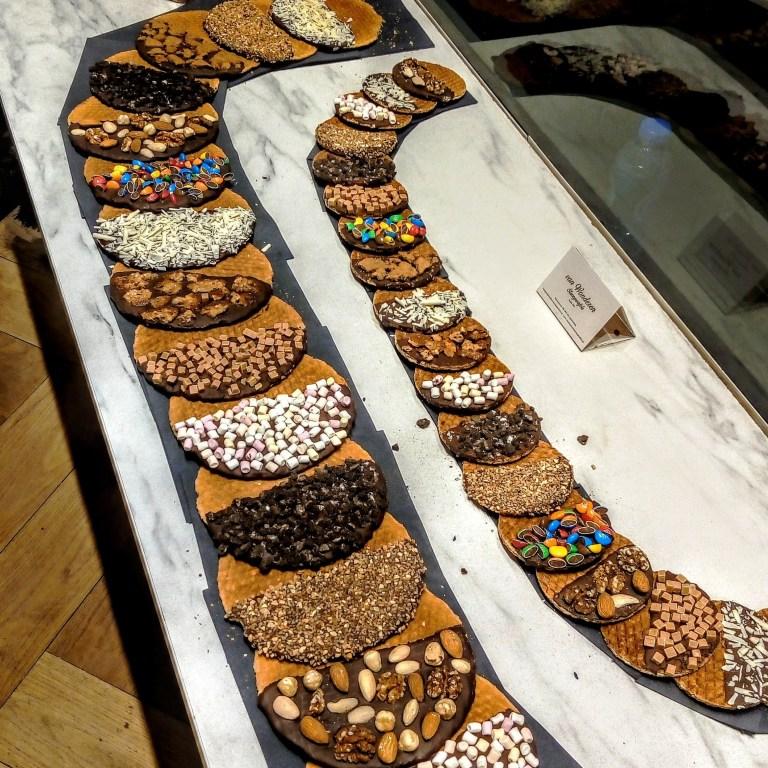
Traditional Dutch Stroopwafels Making Class: Learn how to make the world-famous Dutch stroopwafels yourself. Take part in a fun workshop in Amsterdam and allow your host to assist you in creating some delicious traditional Dutch syrup waffles.
10 Tastes of Amsterdam: small-group food walking tour that covers 1.5 miles (2.5 km) of the city. It includes over 10 delicious tastings at five local eateries that most travelers miss.
Dutch cuisine offers a unique blend of traditional comfort food, colonial influences, and modern innovation. From street-side snacks to elaborate rijsttafel experiences, the Netherlands provides diverse culinary opportunities for every type of food enthusiast.

While Dutch cuisine offers delicious surprises like stroopwafels and bitterballen, the Netherlands has so much more to explore beyond its food. From the iconic Coffee Shops (where cannabis culture thrives) to hidden gems like Utrecht’s canals and Rotterdam’s modern architecture, there’s plenty to see outside Amsterdam. For a deeper dive, check out our Guide to Visiting Amsterdam for must-see attractions, or expand your adventure with our Planning Your Trip to Europe to seamlessly include the Netherlands in a broader itinerary. Whether you’re here for the art, history, or vibrant city life, the Dutch experience is one you won’t forget I’ve spent enough time in the Netherlands to know the real charm is in the walkable cities and everyday rhythms, not just the postcard spots.
This guide is updated regularly to reflect current trends and recommendations in Dutch cuisine.
Food carries the same weight of history and migration you’ll find throughout the Global Food Guide, which explores food as cultural memory worldwide. This is part of a much bigger story for how food traditions like these connect across cultures worldwide.