
The Ultimate Guide to Traditional Maltese Food
As a foodie who’s explored over 40 countries, my journey through Malta’s culinary landscape was a revelation. Stepping off our cruise ship into Valletta’s Grand Harbour, I discovered a food culture as rich and complex as the island’s history. From perfectly flaky pastizzi enjoyed in centuries-old cafes to fresh lampuki bought directly from fishermen in Marsaxlokk, Malta’s traditional cuisine tells the story of its Mediterranean heritage through every bite.

In this guide, I’ll share my personal experiences exploring Malta’s food scene, including hidden local gems I discovered despite my mobility challenges. Whether you’re planning your first visit or returning to explore more of Malta’s gastronomic treasures, I’ll show you where to find the most authentic Maltese dishes, from street food to fine dining, and how to experience the best of Malta’s food culture like a local.
- The Ultimate Guide to Traditional Maltese Food
- Quick Guide to Malta's Food Scene
- Frequently Asked Questions about Maltese Food
- What are the main characteristics of traditional Maltese cuisine?
- What is Malta's national dish and how is it prepared?
- Where can I find the best pastizzi and street food in Malta?
- What are the best seasonal food festivals and dishes in Malta?
- Is Maltese food expensive?
- Where are the best food markets in Malta?
- What are Malta's most famous desserts and sweets?
- What should vegetarians eat in Malta?
- What is Malta's traditional drink?
- Do I need to make restaurant reservations in Malta?
- Maltese food and dishes to try
- 15 must-try dishes when visiting Malta
- Food Tours & Cooking Classes in Malta
- Food in Malta – Maltese dishes you must try
- Street Food Favorites
- Seafood Specialties
- Vegetarian Options
- Local Drinks & Delicacies of Malta
- Where to Experience Malta's Drinks & Sweets
- Where to Eat in Malta: From Street Food to Fine Dining
- Best Restaurants in Valletta
- Local Markets & Street Food
- Hidden Gems
- Practical Information for Dining in Malta
- Experience the Heart of Malta Through Its Food
Quick Guide to Malta’s Food Scene
Jump directly to what interests you most:
Stuffat tal-Fenek- National Dish
Due to its position in the Mediterranean, you can see that traditional Maltese food and Maltese cuisine have many influences from around the region. Theres a trace of North African, a pinch of Italian a soupcon of Spanish and traditional Maltese dishes that hint at all of these flavours together creating a unique and truly Maltese food scene.

Frequently Asked Questions about Maltese Food
What are the main characteristics of traditional Maltese cuisine?
Traditional Maltese cuisine is a Mediterranean fusion combining Italian, Arabic, and British influences. It features fresh seafood, slow-cooked meats (especially rabbit), seasonal vegetables, and rich pastries. Most dishes emphasize fresh, local ingredients and traditional cooking methods.
What is Malta’s national dish and how is it prepared?
Stuffat tal-Fenek (rabbit stew) is Malta’s national dish. This hearty stew combines rabbit meat with wine, garlic, potatoes, and vegetables, slow-cooked to perfection.

Where can I find the best pastizzi and street food in Malta?
Pastizzi is Malta’s most beloved street food. These flaky pastries are typically filled with ricotta cheese or mushy peas and can be found in pastizzerias throughout the islands.
What are the best seasonal food festivals and dishes in Malta?
While Maltese cuisine can be enjoyed year-round, certain seasonal specialties are worth noting:
Summer (June-September): Fresh fish dishes, especially Lampuki (August-December)
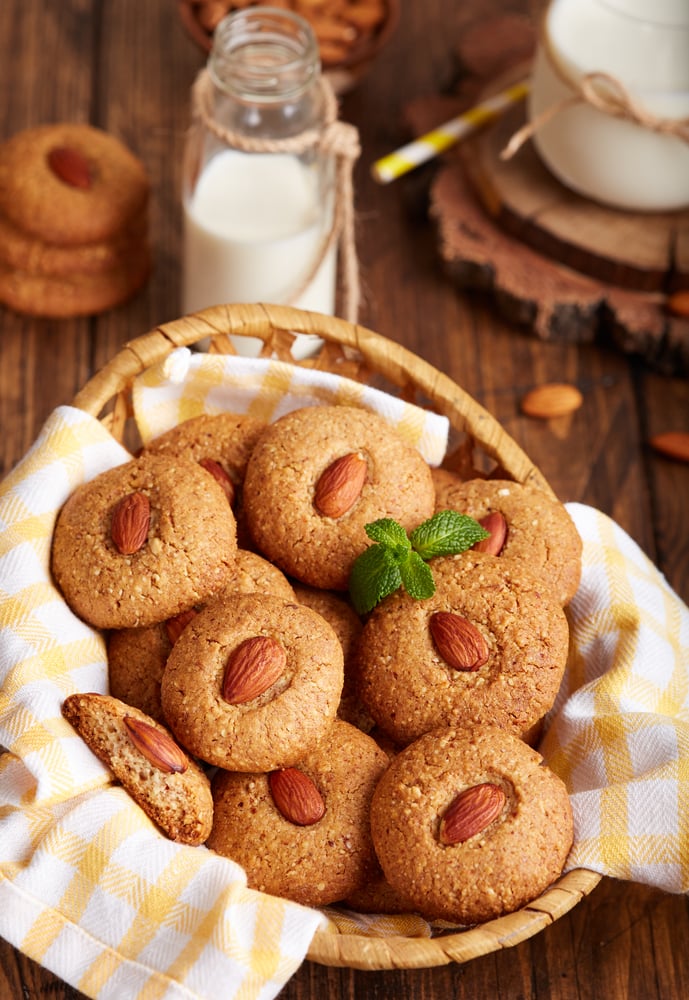
Easter: Traditional Figolli cookies
Christmas: Qagaq tal-ghasel (honey rings) and Christmas logs
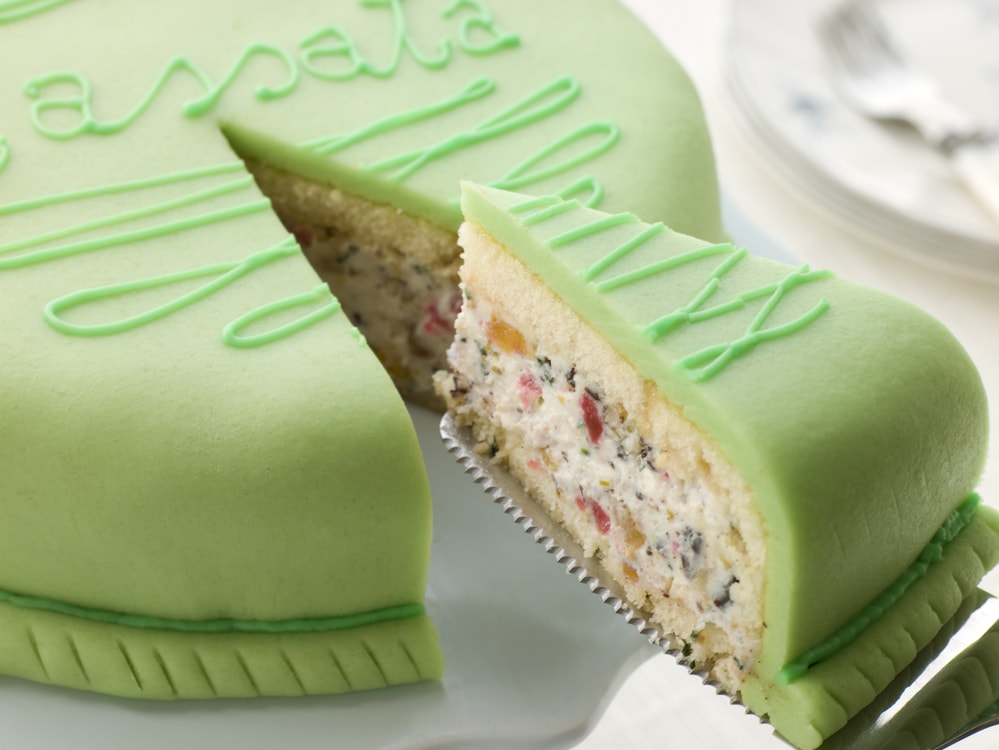
Carnival: Prinjolata dessert
Is Maltese food expensive?
Prices vary significantly depending on location and establishment. Street food like pastizzi is very affordable (€1-2), while restaurant meals can range from €15-40 per person. Waterfront restaurants in tourist areas tend to be more expensive.
Where are the best food markets in Malta?
The most popular food markets include Is-Suq tal-Belt (Valletta’s food market), Marsaxlokk Sunday fish market, and the Ta’ Qali Farmers Market. These markets offer fresh local produce, traditional Maltese ingredients, and authentic street food.
What are Malta’s most famous desserts and sweets?
Malta’s beloved desserts include Kannoli (ricotta-filled pastries), Helwa tat-Tork (Maltese halva), Qagħaq tal-Għasel (honey rings), and Imqaret (date pastries). Many traditional sweets are connected to religious festivals and holidays.

What should vegetarians eat in Malta?
Vegetarians can enjoy:
- Bigilla (broad bean dip)
- Kapunata (Maltese ratatouille)
- Qarabaghli Mimli (stuffed squash)
- Various pastizzi with vegetarian fillings
- Fresh local bread and cheese
What is Malta’s traditional drink?
Kinnie is Malta’s national soft drink, a bittersweet carbonated beverage made from bitter oranges and herbs. For alcoholic beverages, Ċisk beer is the local favorite, and Malta produces several quality wines.
Do I need to make restaurant reservations in Malta?
During peak tourist season (June-September) and weekends, it’s recommended to make reservations at popular restaurants, especially in Valletta and tourist areas. Many restaurants are closed on Sunday evenings.
Maltese food and dishes to try
In Malta, an entree or starter is usually a dip with bread or crackers, soups in the colder weather, risotto, or antipasti.
In North America, the entree is the main course, and appetizers or starters became the first course. In various countries in Europe France for example, the entre stuck with its translation which is the start or beginning.
The main course in the traditional food of Malta will generally be meat or fish-based they are an island after all. This can be accompanied by pasta, or potato usually a starch of some kind.
When eating out you will often see that the fish available on the menu are often displayed whole and you get to choose the fish you want and how you like it cooked. This is usually prepared simply with wine or lemon with some fresh capers or tomatoes added.
Desserts well it is said the Maltese love their sweet things and there are plenty of lovely desserts, and cookies. Religion has always played an important part in Maltese culture and many traditional Maltese sweets are baked during certain religious holidays or festivals, such as Lent, Easter or Christmas.
15 must-try dishes when visiting Malta
“What makes Maltese cuisine special,” explains Sylvana DeBono, a culinary historian and chef, “is how we’ve preserved recipes through generations while adapting to modern tastes. Our Sunday lunches still follow the rhythms established by our ancestors – slow cooking, family gathering, and the joy of sharing food.”
Pastizzi Flaky pastry filled with ricotta or mushy peas, a popular Maltese snack.
Fenkata (Rabbit Stew) Malta’s national dish, slow-cooked in wine and garlic.
Ftira A traditional Maltese bread often stuffed with tuna, olives, capers, and vegetables.
bejniet Small sheep or goat cheeselets, served fresh, dried, or peppered.

Timpana Baked pasta dish with a pastry crust, similar to a macaroni pie.
Stuffat tal-Fenek (Rabbit Spaghetti) Slow-cooked rabbit ragu served with pasta.
Aljotta A garlicky fish soup with tomatoes, rice, and fresh herbs.
Bigilla A thick bean dip made with dried broad beans, garlic, and olive oil.
Hob bi-ejt Maltese bread topped with olive oil, tomatoes, tuna, capers, and onions.
Qassatat Savory pastries filled with ricotta, peas, or spinach.
Lampuki Pie A fish pie made with dorado (lampuki), vegetables, and herbs.
Bragioli (Beef Olives) Thin beef slices wrapped around a stuffing of breadcrumbs, bacon, and eggs, cooked in wine.

Kapunata Maltese version of ratatouille, a sweet and sour vegetable stew.
Imqaret Deep-fried date pastries, often served as a dessert.
Kannoli tal-Irkotta Sicilian-inspired ricotta-filled cannoli with a Maltese twist.
Food Tours & Cooking Classes in Malta
For those wanting to dive deeper into Malta’s culinary traditions, several immersive experiences offer hands-on learning and guided tasting opportunities. Here are some of my favorite ways to explore Maltese cuisine:
Cooking Classes
Traditional Cooking Class in Gozo
A highlight of my visit was joining a cooking class in Gozo that included a morning market visit. Led by local chefs, you’ll learn to make classics like pastizzi and ftira from scratch. The 4-hour experience (€74) includes shopping for ingredients at local markets and enjoying your creations over lunch.

Cocktails & Chocolate Masterclass
Perfect for those with a sweet tooth, this unique 1-hour class (€29) combines two Maltese favorites. You’ll learn to make traditional chocolate treats while mixing cocktails using local ingredients. The intimate setting allows for plenty of hands-on practice. Available through Viator.
Food Tours
Malta food and culture tour
This private walking tour combines historical insights with food tastings throughout the capital. Our guide shared fascinating stories about Malta’s culinary evolution while we sampled local specialties at various stops. Especially valuable for first-time visitors wanting to orient themselves to the food scene.
Tastes of Malta food and wine
For serious food enthusiasts, this tour includes the best food and wine tasting tours. It’s a comprehensive deep dive into Mediterranean cuisine, perfect for understanding the connection between Malta’s agriculture and cuisine.
Wine Experiences
Maltese Wine & Chocolate Pairing
A sophisticated tasting experience (€34) that pairs local wines with artisanal chocolates. Expert guides explain the history of Maltese viticulture while you sample unique combinations. Perfect for evening entertainment.
Pro Tip: Book cooking classes early in your trip – the skills and knowledge gained will enhance your dining experiences throughout your stay. Most venues can accommodate dietary restrictions with advance notice.
The Valletta Food Tour Experience, a private tour: Sample Maltese food that you might otherwise miss on a private food and walking tour of Valletta. Rather than researching food hotspots and making your own reservations, youll follow your guide on a culinary journey through the culture and history of Maltas capital city.
Food in Malta – Maltese dishes you must try
When you love food you want to learn all about the food culture of the place you are visiting. Maltese food is relatively unknown when you think of world-famous foodie destinations such as Chinese, Italian, American or British.
Maltese food is very much an undiscovered gem of the Mediterranean. Its truly dependent on what is available seasonally and locally. Remember Malta is an island and foods that have to be shipped intend to be expensive so its much less expensive to depend on what is grown and produced locally and thats what you need to experience with the food in Malta.

As someone who’s sampled traditional dishes across Malta, from local homes to high-end restaurants, here are the authentic Maltese foods you absolutely can’t miss:
Signature Dishes
Stuffat tal-Fenek (National Dish)
Malta’s beloved rabbit stew dates back to the 16th century when rabbit hunting became a symbol of resistance against the Knights of St. John. Today, this rich stew combines tender rabbit meat with red wine, garlic, potatoes, and fresh herbs. Best enjoyed at traditional restaurants like Rubino in Valletta (€18-25 per serving).
“Maltese cuisine is about patience and respect for ingredients,” explains Chef Rafel Sammut of Briju Restaurant. “When I prepare traditional dishes like Stuffat tal-Fenek, I think of my grandmother who would simmer it for hours, letting the flavors develop naturally. Modern chefs can innovate, but we must never lose touch with these fundamental techniques.”

Aljotta (Traditional Fish Soup)
This aromatic fish soup captures the essence of Malta’s maritime heritage. Made with fresh catches from Marsaxlokk’s morning market, it’s seasoned with garlic, tomatoes, and Mediterranean herbs. Try it at harbourside restaurants during winter months (€8-12 per bowl).

Street Food Favorites
Pastizzi
These iconic diamond-shaped pastries are Malta’s most famous street food. Found in every pastizzeria, they’re filled with either ricotta (ġbejniet) or mushy peas (piżelli). Crystal Palace in Rabat is famous for serving them 24/7 (€0.50-1 each).
“The secret to Maltese cooking,” shares Maria Sammut, a third-generation pastizzeria owner, “is understanding our ingredients’ seasonality. Our pastizzi taste best when the ricotta is fresh from Gozitan farms. It’s not just about the recipe – it’s about knowing when each ingredient is at its peak.”

Ftira
Not just bread – this traditional Maltese sandwich is an art form and a UNESCO-recognized cultural heritage. In December 2020, the art of making ftira was added to UNESCO’s Intangible Cultural Heritage List, acknowledging its centuries-old significance in Maltese culture. The best versions feature tuna, olives, tomatoes, and capers, all drizzled with local olive oil. This ring-shaped bread dates back to the 16th century and remains a cornerstone of Maltese culinary tradition. Nenu the Artisan Baker in Valletta makes them the traditional way (€4-6).
“Every ftira tells a story. The way we layer our tuna, olives, and tomatoes reflects centuries of Mediterranean trade and influence. Even in a simple sandwich, you can taste Malta’s history.” Chef Aaron Degabriele

Seafood Specialties
Lampuki (Dorado)
Available from August to December, this prized fish is prepared multiple ways: grilled with herbs, baked in pies, or served in pasta. Head to Marsaxlokk’s waterfront restaurants during season (€18-25 per main).
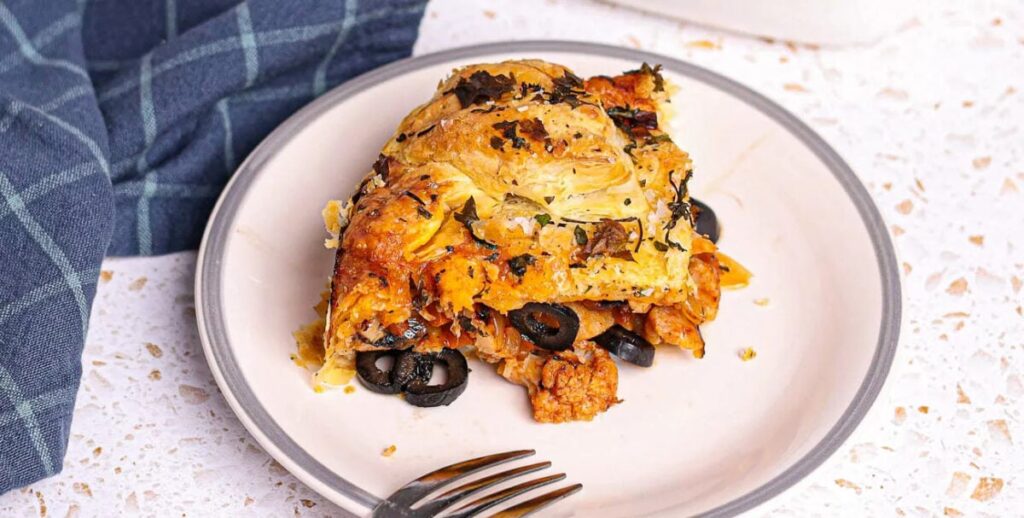
Stuffat tal-Qarnit
Octopus stew slow-cooked with wine, potatoes, and fresh herbs. Best enjoyed at traditional restaurants in fishing villages like Marsaxlokk or Marsascala (€16-22).

Vegetarian Options
Kapunata
Malta’s answer to ratatouille, this vegetable dish combines eggplant, tomatoes, and capers in a sweet-sour sauce. Perfect as a side dish or spread on fresh Maltese bread (€8-12).

Bigilla
This traditional broad bean dip is seasoned with garlic and herbs. Found in most restaurants as an appetizer, it’s best enjoyed with Maltese bread and local olive oil (€4-6).

Pro Tip: For the most authentic experience, try these dishes during local food festivals (festa) held in various villages throughout summer months. Many restaurants also offer tasting menus featuring multiple traditional dishes (€35-50 per person).
Local Drinks & Delicacies of Malta
Malta’s beverage culture represents a unique blend of Mediterranean traditions and local innovations, creating distinctive flavors you won’t find anywhere else in the world. From bitter-sweet sodas to locally-produced wines, each drink tells a story of the island’s rich cultural heritage.
Traditional Beverages
The national soft drink of Malta, Kinnie, stands as a testament to local innovation. Created in 1952, this bittersweet carbonated beverage combines bitter oranges and aromatic herbs to create Malta’s distinctive answer to cola drinks. While its unique taste might surprise first-time visitors (€1-2), it’s become deeply embedded in Maltese culture, serving both as a refreshing afternoon drink and a popular mixer for cocktails.

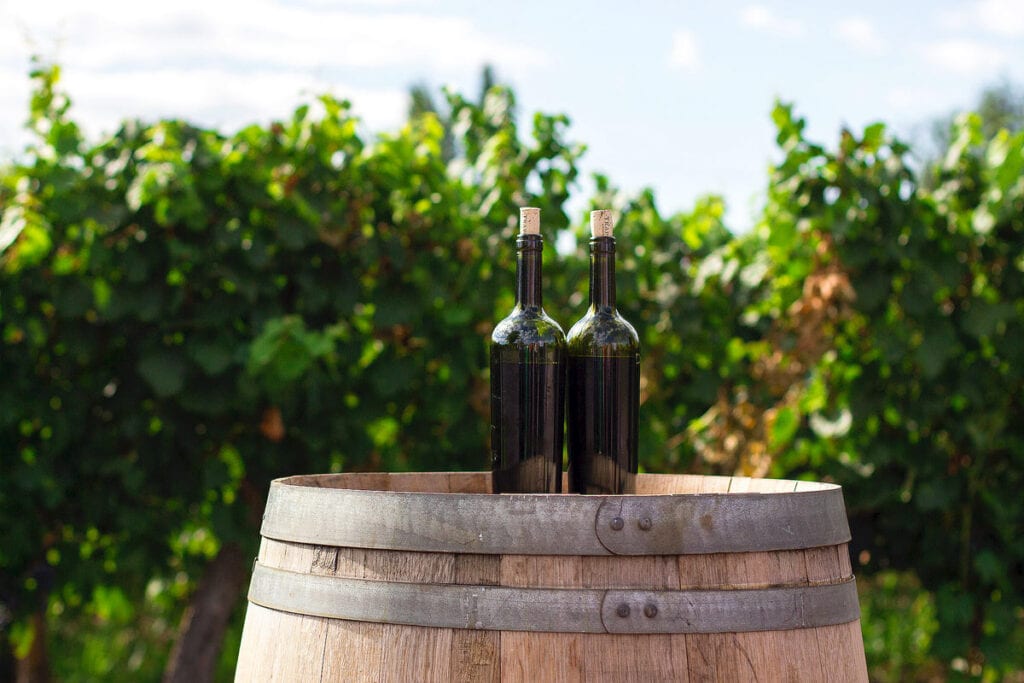
Malta’s wine scene deserves special attention, with local varieties like Ġellewża (red) and Girgentina (white) leading the charge. Premier wineries such as Marsovin and Delicata offer excellent wine tours in Mġarr and Qormi (€25-35 per person), with July and August being particularly special months for wine festivals. These events showcase the best of Maltese viticulture while offering visitors a chance to taste multiple varieties alongside traditional snacks.
During the winter months, especially around Christmas, you’ll find Imbuljuta tal-Qastan, a heartwarming traditional drink made with chestnuts, cocoa, tangerines, and spices. This seasonal specialty (€3-4) appears at Christmas markets and festive celebrations, offering a taste of Maltese holiday traditions.

Coffee Culture
The Maltese coffee tradition varies throughout the day, starting with morning kafe biz-zalza (coffee with milk) and transitioning to afternoon cafe granita (frozen coffee slush) during hot summer days. Historic venues like Caffe Cordina in Valletta and Fontanella Tea Garden in Mdina offer the perfect setting to experience these coffee traditions while enjoying spectacular views and people-watching.

Sweet Delicacies
Maltese festivals bring their own special sweet treats to the table. Christmas sees the arrival of Qagħaq tal-Għasel (honey rings), while Easter celebrations feature Figolli (almond cakes), and Carnival time introduces the elaborate Prinjolata. These seasonal specialties (€2-8 depending on size) represent the pinnacle of Maltese pastry-making tradition.

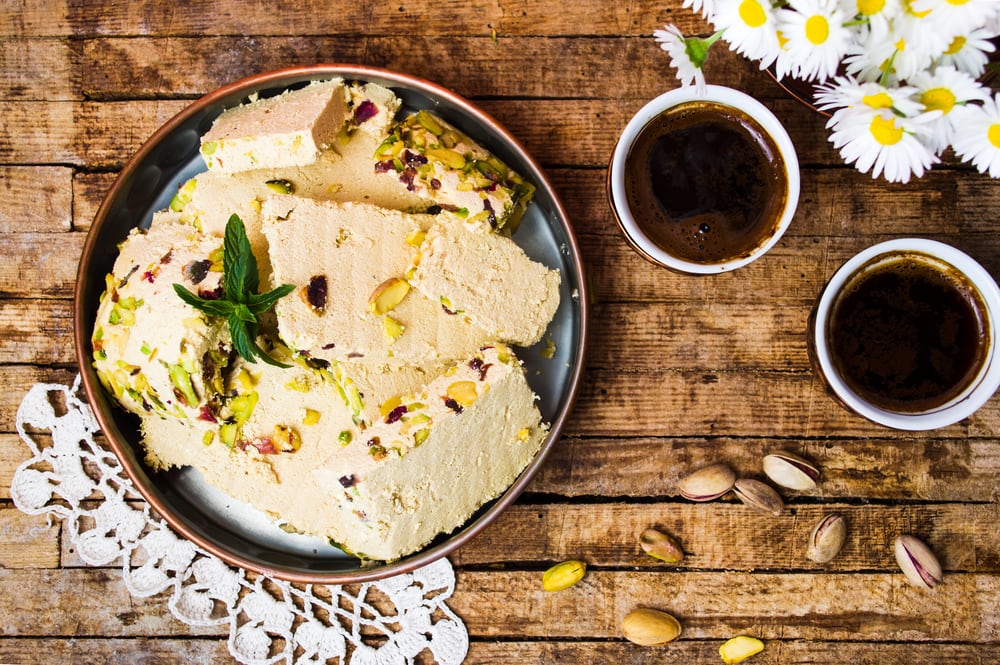
Year-round favorites include the ever-popular Kannoli (ricotta-filled pastries, €2-3 each), Imqaret (date-filled pastries, €1-2 each), and Ħelwa tat-Tork (Maltese halva, €3-4 per portion). Each of these treats showcases the influence of various cultures on Maltese cuisine while maintaining its distinct local character.



Where to Experience Malta’s Drinks & Sweets
The best traditional cafes for experiencing these delicacies include the historic Caffe Cordina in Valletta, with its full range of traditional pastries, and Fontanella in Mdina, famous for both its chocolate cake and stunning views. For late-night cravings, Crystal Palace in Rabat serves pastizzi and coffee around the clock.
Wine enthusiasts should visit Legligin in Valletta for its extensive selection of local wines, while the Bridge Bar offers Friday jazz nights with wine tastings. For classic cocktails with a view, Malata in Valletta provides harbor vistas alongside their drinks menu.
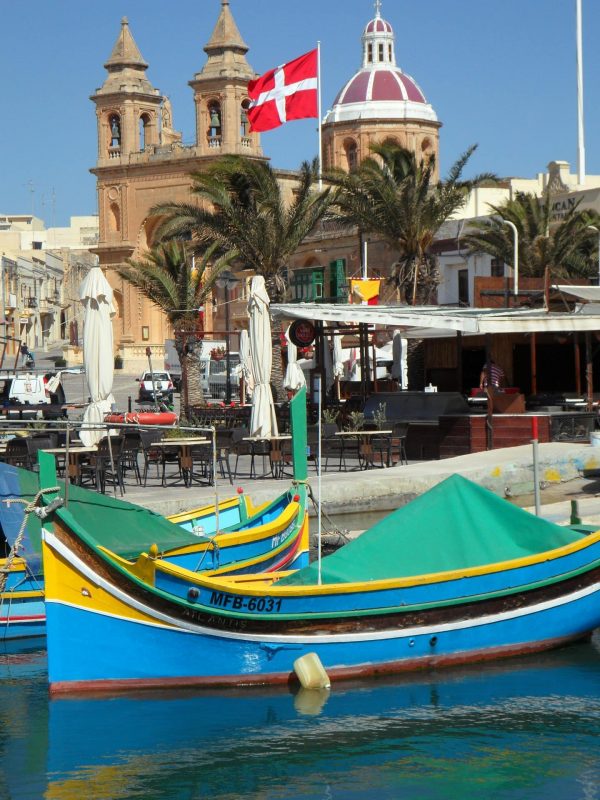
Pro Tip: Visit local bars during ‘aperitivo’ hours (5-7pm) when drinks are often served with complimentary traditional snacks. During summer months (June-September), village squares come alive with drink festivals, offering the perfect opportunity to sample traditional beverages alongside street food in an authentic setting.
Where to Eat in Malta: From Street Food to Fine Dining
Finding the best places to eat in Malta requires venturing beyond the tourist-heavy harbor areas. After exploring countless restaurants across the islands, here are my tried-and-tested recommendations for authentic Maltese dining experiences.
Best Restaurants in Valletta
Rubino
Tucked away on Old Bakery Street since 1906, Rubino serves some of the finest traditional Maltese cuisine in the capital. Their daily-changing menu is written on a blackboard, featuring seasonal specialties and the island’s best rabbit dishes. Reservations essential, especially for dinner (€35-50 per person).

Legligin
This cozy wine bar and restaurant offers a unique “try everything” concept. The owner, Chris, serves a series of small plates (around 8-9 courses) showcasing traditional Maltese flavors in a candlelit cellar setting. Perfect for discovering multiple local dishes in one sitting (€30-35 set menu).

Nenu the Artisan Baker
Located in a historic bakery, Nenu’s specializes in traditional Maltese bread and ftira. Their menu includes historical recipes and traditional baking methods. Don’t miss their interactive breadmaking demonstrations (€15-25 per person).

Local Markets & Street Food
Marsaxlokk Sunday Fish Market
The ultimate destination for fresh seafood and local atmosphere. Arrive early (before 9am) for the best selection. While the market itself is fascinating, the surrounding restaurants serve excellent fish lunches. My favorite is Rising Sun for their lampuki when in season.

Is-Suq tal-Belt (Valletta Food Market)
This restored Victorian-era covered market houses various food stalls and restaurants. Perfect for sampling different Maltese dishes in one location. The ground floor offers local products and fresh produce (€8-15 for a meal).

Hidden Gems
Fontanella Tea Garden (Mdina)
Famous for their chocolate cake and spectacular views over the island. While touristy, it’s worth visiting for the atmosphere alone. Try to visit during off-peak hours for a more relaxed experience (€5-12 for coffee and cake).

Ta’ Philip (Gozo)
One of Gozo’s finest restaurants, specializing in local ingredients cooked in traditional wood-fired ovens. Their slow-food approach showcases the best of Gozitan cuisine (€40-60 per person).

Budget-Friendly Options
Crystal Palace (Rabat)
Known locally as ‘Is-Serkin’, this is the place for the best pastizzi on the island. Open 24/7, it’s perfect for late-night cravings or early breakfast. Don’t let the simple appearance fool you – the quality is exceptional (€1-3 per person).

Cafe Cordina (Valletta)
While located in a tourist hotspot, this historic cafe offers reasonable prices for coffee and traditional pastries. The ornate interior alone is worth a visit (€5-10 for coffee and pastries).

Practical Tips
Reservations: Essential for dinner at better restaurants, especially Thursday through Sunday
Lunch Deals: Many high-end restaurants offer more affordable lunch menus

Opening Hours: Many restaurants close Sunday evenings and Mondays
Local Timing: Maltese typically eat lunch 12-2pm and dinner after 7:30pm
Location Advice: Avoid restaurants with harbor-front views in tourist areas – you’re often paying for the view rather than quality food
Pro Tip: For the most authentic experience, look for restaurants full of locals rather than tourists. If you hear more Maltese being spoken than English, you’re probably in the right place.
Practical Information for Dining in Malta
Understanding the local dining customs and practical considerations will enhance your culinary journey through Malta. From budgeting to seasonal specialties, here’s your comprehensive guide to navigating the island’s food scene.
Food Costs & Budgeting
The cost of dining in Malta varies significantly depending on your choices and location. Street food and light lunches typically range from €5-10, while casual restaurants average €15-25 per person. High-end dining experiences can cost between €40-60 per person, with local wines starting at €15-25 per bottle in restaurants. A simple coffee and pastry combination usually costs between €3-5.

To maximize your budget, consider exploring the “lunch menu del giorno” specials, which offer excellent value at €12-18. Village festas provide affordable opportunities to sample local specialties, and local markets are perfect for gathering picnic supplies. House wines often provide better value than bottled options, and many Maltese restaurants serve portions generous enough for sharing.
Seasonal Food Calendar
Malta’s culinary calendar follows the rhythm of the seasons, each offering unique gastronomic experiences. Spring brings Easter specialties like Figolli, accompanied by fresh broad beans and early seafood varieties. Summer ushers in village festas with traditional food, abundant fresh tomatoes, capers, and wine festivals.
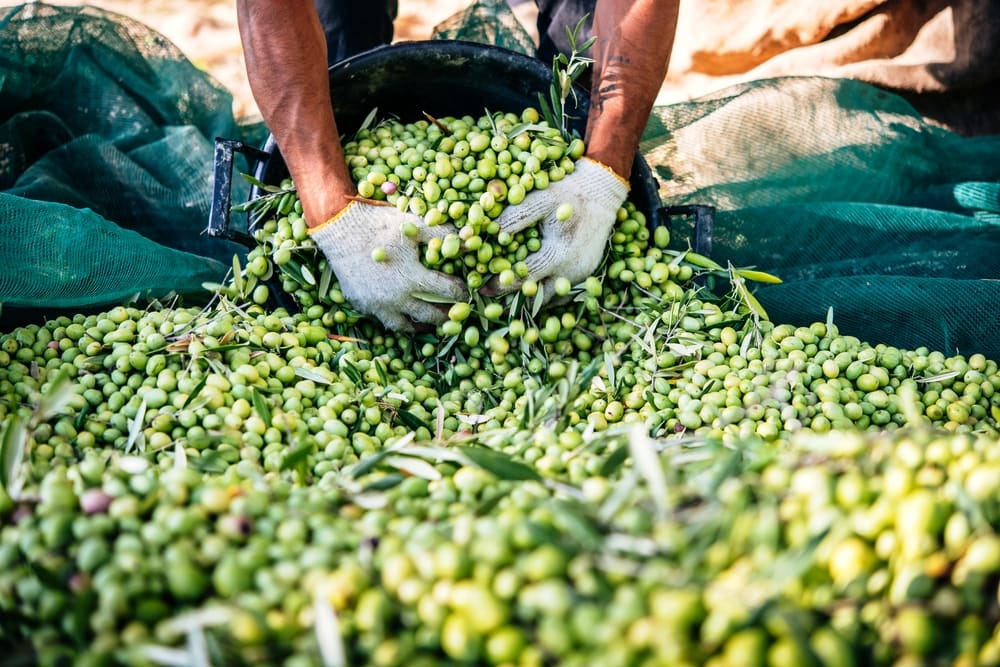
Autumn heralds the eagerly anticipated Lampuki season, along with grape harvest events and olive picking. Winter showcases Christmas specialties, citrus fruits, and hearty traditional soups and stews that warm both body and soul.
Dining Customs & Etiquette
Maltese dining follows a Mediterranean schedule, with breakfast typically served from 7:00-10:00, lunch from 12:00-14:30, and dinner starting around 19:30, though locals often eat later. Tipping customs are straightforward: 10% in restaurants (if service charge isn’t included), rounding up in cafes, and 10-15% for food tour guides.

Dress codes vary by venue. While casual attire is acceptable in most cafes, traditional restaurants prefer smart casual dress, and high-end venues don’t permit beachwear or flip-flops. Understanding these customs helps ensure a smooth dining experience.
Accessibility Considerations
Navigating Malta’s dining scene with mobility considerations requires some planning. Many historic restaurants feature steps, though most modern establishments offer ramp access. It’s advisable to call ahead for specific accessibility details. Markets, while vibrant and worth visiting, can be crowded with uneven surfaces. Morning visits typically provide easier navigation, and staff are generally happy to assist.
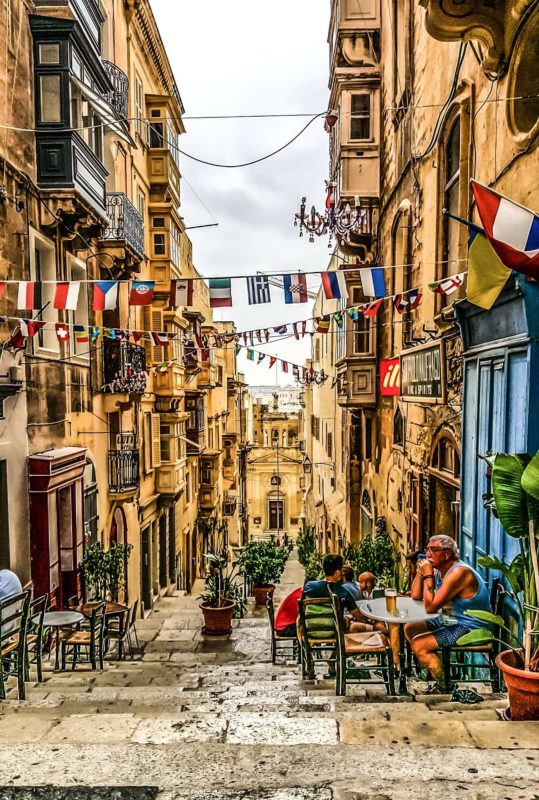
Food Allergies & Dietary Requirements
Malta’s restaurants are increasingly accommodating dietary restrictions. Gluten-free options are becoming more common, and traditional cuisine naturally includes many vegetarian dishes. Vegan options, while more limited, are growing in availability. Those with nut allergies should note that many desserts contain almonds.
Useful phrases for communicating dietary needs include “Allerġija” (Allergy), “Ħieles mill-glutina” (Gluten-free), “Veġetarjan” (Vegetarian), and “L-ebda ġewż jekk jogħġbok” (No nuts please). Most restaurant staff speak English but appreciate customers attempting local phrases.
Making Reservations
Securing restaurant reservations requires different lead times depending on the venue and season. High-end restaurants typically need 1-2 weeks’ notice, while popular local spots can be booked 2-3 days ahead. During holiday periods, plan 3-4 weeks in advance. Lunch reservations are often possible same-day, except at the most popular venues.
Most Maltese restaurants prefer phone bookings, though some accept WhatsApp messages. Online booking systems are less common, but hotel concierges can assist with reservations. For the most authentic dining experiences, consider checking cruise ship schedules and avoiding Valletta’s busiest tourist days.
Experience the Heart of Malta Through Its Food
Malta’s culinary heritage is more than just a collection of recipes – it’s a living museum of Mediterranean history served on a plate. From the humble pastizzi enjoyed in centuries-old bakeries to elaborate feast day celebrations, Maltese food tells the story of an island nation shaped by countless cultures yet maintaining its unique identity.

As someone who’s explored Malta’s winding streets and hidden restaurants, I can attest that the island’s food scene offers something for every type of traveler. Whether you’re a budget-conscious backpacker sampling street food, a luxury traveler seeking fine dining experiences, or someone with mobility considerations looking for accessible authentic experiences, Malta’s diverse culinary landscape welcomes all.
Remember that the best Maltese dining experiences often happen away from the tourist hotspots. Don’t be afraid to venture into local neighborhoods, visit village festas, or ask residents for their favorite spots. The most memorable meals I’ve had were in small, family-run establishments where traditional recipes have been passed down through generations.

With its sun-drenched landscapes and rich history, Malta is a captivating destination for solo travelers. Over two days, you can explore ancient wonders like the megalithic temples of Ħaġar Qim and wander through Valletta’s honey-hued streets, where Baroque architecture meets vibrant cafés.
Don’t miss tasting Maltese specialties like pastizzi (flaky ricotta pastries) and fenkata (slow-cooked rabbit stew), best enjoyed at local hole-in-the-wall eateries. For a unique perspective, join a sailing trip around the island’s crystal-clear waters—swim in the Blue Lagoon on Comino, enjoy the Festivals of Malta or dock at a secluded inlet. Compact yet diverse, Malta blends culture, cuisine, and adventure seamlessly, making it ideal for a short but immersive getaway.
Malta’s food scene continues to evolve while honoring its rich traditions. Whether you’re planning your first visit or returning to explore more of the island’s gastronomic treasures, this small Mediterranean nation offers endless opportunities for culinary discovery. Just remember to pack those stretchy pants – you’re going to need them!
Ready to plan your Maltese food adventure? Check out our related guides on 2 Days in Malta, Solo Travel in Malta, and Global Food Guide, along with European Food Markets for more travel inspiration.