
National Dishes of Central America, South America and the Caribbean
The vibrant cuisines of Central America, South America and the Caribbean reflect a rich tapestry of indigenous traditions, colonial influences, and African heritage. Each country boasts a signature national dish that tells a story of its history, culture, and local ingredients.
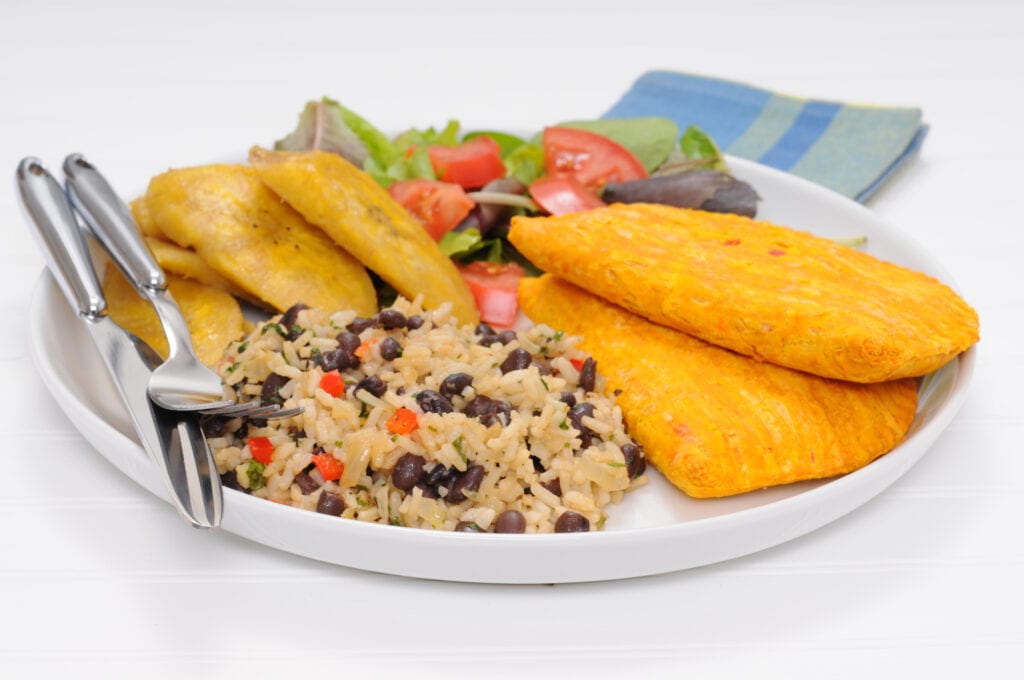
Food carries the same weight of history and migration you’ll find throughout the Global Food Guide, which explores food as cultural memory worldwide. This is part of a much bigger story for how food traditions like these connect across cultures worldwide.
Central American cuisine reflects indigenous Maya heritage, Spanish colonization, and African influences. Trade routes and shared agricultural practices created common culinary threads while maintaining distinct national identities.

From the hearty gallo pinto of Costa Rica and Nicaragua to Jamaica’s fiery ackee and saltfish, these dishes showcase the region’s love for bold flavors, tropical fruits, fresh seafood, and slow-cooked meats. Central American cuisine often revolves around staples like corn, beans, and plantains, while Caribbean dishes highlight spices, coconut, and fiery Scotch bonnet peppers.
Whether it’s Belize’s rice and beans with stewed chicken, Cuba’s iconic ropa vieja, or Haiti’s savory griot with diri kole, each dish offers a delicious glimpse into the soul of its nation. Join us as we explore the beloved national dishes that define Central America, South America and the Caribbean’s culinary identity.
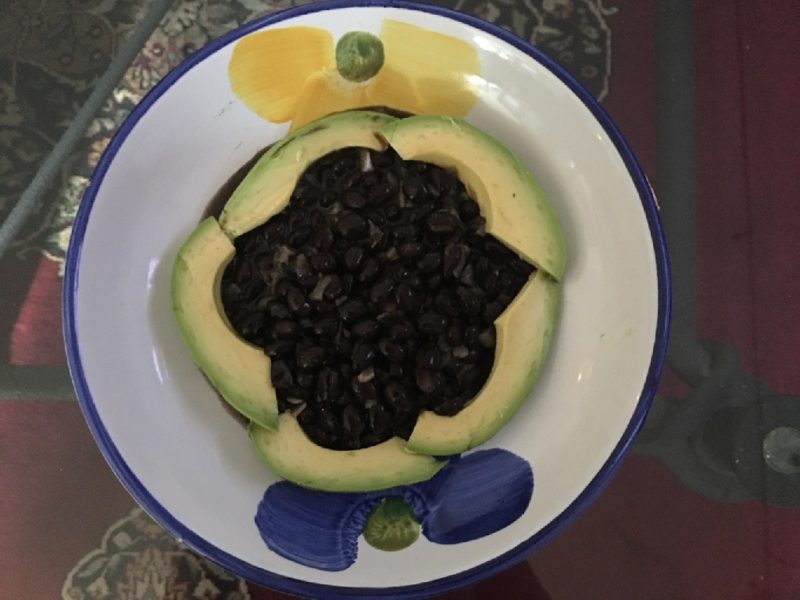
- National Dishes of Central America, South America and the Caribbean
- National dishes of Central America
- National dish of Costa Rica – Gallo Pinto
- National dish of Nicaragua – Gallo Pinto
- National dish of Honduras – Plato Tipico de Honduras
- National dish of Guatemala – Pepián
- National dish of El Salvador – Pupusa
- National dish of Panama – Sancocho
- National dish of Belize – Rice and Beans
- National dishes of the Caribbean
- National dish of Haiti – Griot with Diri Kole ak Pwa
- National dish of Antigua & Barbuda – Fungee and Pepperpot
- National dishes of Jamaica
- National dish of Dominican Republic – La Bandera
- South American Traditions
- National dish of Brazil – Feijoada
- National dishes of Colombia
- National dish of Chile – Pastel de Choclo
- National dish of Peru – Ceviche
- National dishes of Venezuela
- National dish of Ecuador – Ceviche
- A Culinary Mosaic of Three Americas
National dishes of Central America
National dish of Costa Rica – Gallo Pinto
Gallo Pinto, Costa Rica’s beloved national dish, is more than just a breakfast staple—it’s a cultural institution that reflects the country’s “pura vida” philosophy. This hearty dish combines local red or black beans with day-old rice, creating a speckled appearance that inspired its name, meaning “spotted rooster” in Spanish.
What distinguishes Costa Rican Gallo Pinto is the essential addition of Salsa Lizano, a slightly sweet, slightly tangy brown sauce that gives the dish its distinctive flavor. The rice and beans are sautéed with onions, sweet peppers, cilantro, and garlic, creating a perfect harmony of textures and tastes. Typically served with eggs, natilla (sour cream), fried plantains, and corn tortillas, Gallo Pinto represents the heart of Costa Rican home cooking.

National dish of Nicaragua – Gallo Pinto
Nicaragua’s version of Gallo Pinto, while sharing its name with its Costa Rican neighbor, has its own distinct preparation and cultural significance. Nicaraguan Gallo Pinto features small red beans and rice cooked with minced white onions and garlic, with the crucial addition of local herbs and, traditionally, cooking over a wood fire that imparts a subtle smokiness.
Instead of Salsa Lizano, Nicaraguans often use local seasonings and sometimes add chorizo or chicharrones for extra flavor. The dish is fundamental to Nicaraguan identity, served at almost every meal and considered a symbol of national unity. During preparation, the rice takes on a reddish hue from the beans, creating the characteristic spotted appearance that gives the dish its name.
National dish of Honduras – Plato Tipico de Honduras
Plato Tipico is a dish of Honduran favourites and is considered the national dish of the country. Grilled meat and pork sausages, stewed beans, chismol, fried plantain, and rice. These are served with sour cream, white fresh farmer’s cheese, avocado and corn tortillas.

National dish of Guatemala – Pepián
Guatemala’s national dish, Pepián, is a rich and aromatic stew that blends Indigenous Mayan and Spanish colonial influences. This hearty dish features tender chicken or beef simmered in a thick, flavorful sauce made from roasted tomatoes, tomatillos, pumpkin seeds, sesame seeds, and a mix of spices like cinnamon and achiote. Often served with rice and tortillas, Pepián is a comforting and deeply cultural meal, sometimes reserved for special occasions.

National dish of El Salvador – Pupusa
El Salvador’s most iconic dish is Pupusa, a thick, handmade corn tortilla stuffed with a savory filling, usually cheese, refried beans, or chicharrón (pork). These griddled delights are served with curtido (a tangy cabbage slaw) and tomato salsa, offering a perfect balance of textures and flavors. Pupusas are so central to Salvadoran identity that they even have a national day dedicated to them, celebrated every second Sunday of November.

National dish of Panama – Sancocho
Panama’s national dish, Sancocho, is a soul-warming chicken soup made with yuca, corn, ñame (a type of yam), and culantro (a herb similar to cilantro). This slow-cooked broth is beloved for its restorative qualities, often enjoyed as a hearty breakfast or a remedy for colds. Each family has its own variation, but the dish remains a unifying comfort food across the country.

National dish of Belize – Rice and Beans
Belize’s national dish, Rice and Beans with Stewed Chicken, reflects its Caribbean and Creole influences. The rice is cooked in coconut milk with red beans, giving it a slightly sweet, creamy taste, while the chicken is simmered in a rich, spiced tomato-based sauce. Served with fried plantains and potato salad, this dish is a staple at gatherings and embodies Belize’s vibrant, multicultural culinary heritage.

National dishes of the Caribbean
Caribbean cuisine emerged from a complex blend of indigenous Taíno, African, European, Asian, and Middle Eastern influences. The plantation system, slave trade, and colonial rule profoundly shaped food traditions. Post-emancipation immigration waves (Indian, Chinese, Lebanese) further enriched the culinary landscape.
Here are a few of the national dishes of some Caribbean nations. The national dishes are a mixture of cuisines brought by the slaves, immigrants from the far east and southern Asia as well as the colonisers and slave plantations.
National dish of Guyana – Pepperpot
Pepperpot is a meat stew usually of mutton, beef or pork that is heavily flavoured with cassareep a sauce from the cassava root, lots of hot peppers, cinnamon and any other ingredients you might have at hand.

National dish of the Bahamas – Cracked Conch
Cracked conch is a deep-fried conch served with fries (and sometimes rice), and a spicy dipping sauce. Although it looks a bit like deep-fried calamari, cracked conch has a lot more flavour.

National dish of Barbados – Cou-Cou and Flying Fish
Cou-Cou and Flying Fish, Barbados’ national dish, represents the island’s deep connection to both land and sea. Cou-Cou, similar to polenta, is meticulously crafted from fine cornmeal and fresh okra, stirred until silky smooth with a special wooden spoon called a “cou-cou stick.”

The accompanying flying fish, a symbol of Barbados found even on its tourism logo, is typically steamed or stewed in a rich Creole sauce with tomatoes, onions, and local herbs. This dish, traditionally served on Fridays, reflects the island’s African heritage through the cornmeal preparation technique and its British colonial influence in the cooking methods.
National dish of Haiti – Griot with Diri Kole ak Pwa
Haiti’s national dish, Griot with Diri Kole ak Pwa (Rice and Beans), showcases the country’s French and African culinary heritage. Griot consists of pork shoulder chunks marinated in citrus and Scotch bonnet peppers, then twice-cooked until tender inside with a crispy exterior.

The accompanying rice and beans, known as Diri Kole, is cooked with coconut milk, cloves, and other spices. This dish is typically served with pikliz, a spicy coleslaw-like condiment made with cabbage, carrots, and hot peppers, that adds both heat and crunch to the meal. Often enjoyed during celebrations and gatherings, this dish represents the heart of Haitian cuisine.
National dish of Antigua & Barbuda – Fungee and Pepperpot
This dish represents centuries of Caribbean culinary tradition. Fungee (also spelled fungie), similar to Italian polenta but uniquely Caribbean, is crafted by skillfully combining cornmeal and okra into a firm, smooth consistency using a special wooden spoon called a “fungee stick.” This technique, passed down through generations, requires considerable skill to achieve the perfect texture.

The accompanying pepperpot is a rich, spicy meat stew with deep roots in Indigenous Arawak cuisine. This complex dish simmers for hours, combining various meats (usually beef, pork, and goat) with vegetables in a sauce darkened and flavored with burnt sugar and cassareep, a special sauce made from cassava root. Local aromatics and spices, including cloves, cinnamon, and hot peppers, create its distinctive taste. The dish improves over days as flavors deepen, and many families maintain pots that have been cooking continuously for years, simply adding new ingredients as needed.
National dish of Dominica – Callaloo
Callaloo, Dominica’s national dish, exemplifies the island’s commitment to using native ingredients. This velvety soup combines the tender leaves of either the amaranth plant (locally called callaloo or bhaaji) or taro root (dasheen) with fresh coconut milk, creating a nutrient-rich, emerald-green dish. Local cooks enhance the soup with land crabs, a Dominican delicacy, along with dumplings, provisions (root vegetables), and various seasonings including Caribbean thyme, garlic, and onions. This dish, deeply rooted in African culinary traditions and adapted to Caribbean ingredients, represents the resourcefulness of Dominican cooking and the island’s agricultural abundance.

National dish of Cuba – Ropa Vieja
Ropa Vieja, Cuba’s beloved national dish, carries both a poetic name and a rich history. The name, meaning “old clothes” in Spanish, comes from an old Spanish tale about a poor man who was so desperate to feed his family that he shredded and cooked his old clothes, praying for a miracle. When he opened his pot, the clothes had transformed into a delicious meat stew.
The dish showcases the art of Cuban slow-cooking: flank steak is braised until it falls apart into tender shreds that resemble tattered clothing. The meat is then simmered in a sophisticated sofrito-based sauce made with onions, garlic, bell peppers (called ají in Cuba), white wine, and tomatoes. Essential Cuban spices including cumin, bay leaves, and oregano create its distinctive aroma. Olives and capers, a nod to Spanish colonial influence, add briny notes to the dish.

Traditionally served over fluffy white rice (arroz blanco), Ropa Vieja is accompanied by maduros (sweet fried plantains) and black beans (frijoles negros). In many Cuban households and restaurants, the dish is garnished with fresh cilantro and paired with crispy tostones (twice-fried green plantains). This hearty dish represents the resourcefulness of Cuban cuisine, transforming humble ingredients into something extraordinary through patient cooking and careful seasoning.
What Is Casabe?
Casabe is a round, flatbread made from yuca (cassava) flour, with roots dating back over a thousand years to the Taíno people of the Caribbean. The traditional preparation involves grating yuca, removing its toxic juices, and baking the flour on a hot surface to produce a crisp, versatile bread. Passed down through generations, this ancient technique preserves the bread’s authentic heritage.

UNESCO has added the traditional knowledge and practices surrounding casabe—also called yuca bread—to its list of Intangible Cultural Heritage of Humanity. This prestigious designation celebrates the cultural significance of casabe in countries such as Cuba, Haiti, the Dominican Republic, Honduras, and Venezuela.
National dishes of Jamaica
Ackee and Saltfish
Ackee and Saltfish, Jamaica’s national dish, tells a profound story of the island’s history and cultural resilience. Ackee, though now synonymous with Jamaican cuisine, originally came from West Africa during the transatlantic slave trade. This fruit, when properly ripened and prepared, has a delicate, buttery-nutty flavor and a scrambled egg-like appearance that makes it uniquely versatile.

The preparation is an art passed down through generations: the ackee must be harvested only when naturally opened, as unripe ackee can be toxic. It’s then carefully cleaned and boiled until tender. The saltfish (salt-cured cod), a legacy of colonial-era trade with North Atlantic regions, is soaked, deboned, and flaked before being sautéed with local scotch bonnet peppers, thyme, onions, tomatoes, and sweet peppers.
The dish is traditionally served for breakfast but is enjoyed throughout the day, accompanied by breadfruit, boiled green bananas, bammy (cassava flatbread), or festival (sweet fried dumplings). Each plate represents a harmony of textures and flavors that speaks to Jamaica’s multicultural heritage.
Rice and Peas
Pigeon peas or kidney beans can be used in Jamaica’s national dish. The pigeon peas are combined with coconut milk, onion, garlic, allspice, hot peppers, thyme and ginger.
Rice and Peas, a cornerstone of Jamaican cuisine, is far more than a simple side dish—it’s a Sunday tradition with roots in West African rice culture and slave survival strategies. Despite its name, the dish typically uses red kidney beans or pigeon peas (known as “gungo peas” in Jamaica) rather than green peas. This hearty dish reflects the African tradition of combining rice with legumes for sustenance.

The preparation is steeped in ritual: beans are first soaked overnight, then simmered with coconut milk, scallions, thyme, garlic, ginger, and a whole Scotch bonnet pepper (left whole to impart flavor without overwhelming heat). The aromatic mixture is seasoned with pimento (allspice) berries, native to Jamaica, and the rice is added last, absorbing all the flavors as it cooks. A special touch is the addition of “coconut milk powder” at the bottom of the pot, creating a deliciously crispy layer Jamaicans call “burn bottom.”
While enjoyed daily, Rice and Peas holds special significance on Sundays, when families gather for dinner, a tradition dating back to plantation times when Sunday was the only day enslaved people could cook for themselves. Today, it remains the essential accompaniment to everything from Jerk Chicken to Oxtail, binding together both meals and communities.
National dish of Dominican Republic – La Bandera
La Bandera Dominicana (“The Dominican Flag”) is more than just a meal—it’s a patriotic symbol on a plate. This carefully composed dish features three main components that mirror the colors of the national flag: white rice (arroz blanco), red beans (habichuelas rojas), and meat (typically stewed chicken or beef).

The dish is complemented by sweet fried plantains (plátanos maduros), crisp green salad, and often topped with caramelized onions. Each component is seasoned with a distinctive blend of Dominican spices including oregano, cilantro, garlic, and Sazón. Served daily in homes and restaurants across the country, La Bandera represents the heart of Dominican family life and culinary tradition.
South American Traditions
South American cuisine represents one of the world’s most diverse culinary landscapes, shaped by extreme geographical variations and millennia of cultural evolution. The continent’s dramatic topography—from the soaring Andes Mountains to the Amazon rainforest, from the Pacific coastal desert to the Atlantic rainforests—has created distinct culinary microcosms within each region.
Indigenous peoples made remarkable agricultural contributions that continue to influence global cuisine today. The Inca and their predecessors domesticated thousands of potato varieties, developed sophisticated preservation techniques like freeze-dried chuño, and cultivated essential crops including quinoa, corn, and various beans. The Amazon’s indigenous communities contributed knowledge of countless fruits, nuts, and roots, including manioc (yuca), which became a continental staple.
Colonial influences dramatically transformed South American cuisine. Spanish and Portuguese settlers introduced livestock, wheat, and olive oil, while enslaved Africans brought palm oil, specific cooking techniques, and ingredients like okra. Later waves of immigration—Italian, German, Japanese, and Lebanese—further enriched the culinary landscape. Italian influence is particularly notable in Argentina’s pasta culture and Brazil’s pizza traditions, while Japanese immigrants significantly influenced Peruvian cuisine, creating Nikkei fusion.

The continent’s food traditions also reflect deep social connections. The asado (barbecue) tradition in Argentina and Uruguay isn’t just about cooking meat—it’s a social ritual that brings families and communities together. Similarly, Brazil’s feijoada evolved from slave quarters to become a unifying national dish shared across social classes.
National dish of Brazil – Feijoada
Feijoada, Brazil’s soul-warming national dish, traces its origins to the country’s colonial period and slave trade. This robust black bean stew, traditionally prepared on Saturdays and served for long, leisurely lunches, represents the ingenuity of enslaved Africans who transformed humble ingredients into a masterpiece of flavor.

The dish combines various cuts of pork—including salted and smoked meats, sausages, ribs, and bacon—with black beans, slowly simmered until the beans are creamy and the meat falls off the bone. Essential accompaniments include orange slices (to cut through the richness), shredded kale, white rice, and farofa (toasted manioc flour) which adds crucial texture and helps thicken the sauce.
National dishes of Colombia
Bandeja Paisa
Bandeja Paisa, originating from the Antioquia region, exemplifies the hearty spirit of Colombia’s Paisa culture. This abundant platter, traditionally served to fuel hardworking farm laborers, has evolved into a beloved national symbol that showcases Colombia’s diverse culinary influences.

The dish features carefully arranged components: red beans cooked with pork, white rice, a crispy fried egg, sweet plantains, artisanal chorizo, morcilla (blood sausage), arepa (corn cake), chicharrón (crispy pork belly), avocado, and the essential hogao sauce. The hogao, a creole sauce made by slowly cooking tomatoes, onions, garlic, and spices, ties all elements together. Each component requires specific preparation techniques, making the complete dish a testament to Colombian culinary expertise.
Arepas
Arepas are mostly known as corn cakes made out of corn dough or precooked cornflour in a flat circular shape, similar to a pancake. It can be cooked on a grill, fried, or roasted. The Colombian arepa is usually served plain with a bit of salt and butter or stuffed with cheese

National dish of Chile – Pastel de Choclo
Pastel de Choclo, Chile’s beloved summer dish, showcases the country’s abundant corn harvest and sophisticated blending of indigenous and European culinary traditions. This layered casserole, traditionally baked in earthenware dishes called paila, represents the meeting of the Mapuche people’s corn cultivation with Spanish colonial influences.

The dish features two distinct layers: the pino (meat mixture) and the choclo (corn topping). The pino combines ground beef with onions, garlic, cumin, and paprika, enriched with hard-boiled eggs, black olives, and raisins—a characteristic Chilean sweet-savory combination. The top layer uses fresh corn (choclo) ground to a paste with basil, creating a sweet, creamy mixture. When baked, the surface caramelizes to a golden brown, traditionally achieved by sprinkling sugar before baking.
National dish of Peru – Ceviche
Ceviche, Peru’s national dish and a UNESCO-recognized cultural heritage, represents the perfect marriage of indigenous cooking techniques and the country’s bountiful Pacific coast. This dish dates back to the ancient Moche civilization and has evolved through various cultural influences.

The preparation demands exacting technique: fresh fish (traditionally corvina or sea bass) is cut into precise cubes and “cooked” in lime juice, a process called denaturation. The marinade, known as leche de tigre (tiger’s milk), combines lime juice, ají chili peppers, red onions, cilantro, and garlic. The dish must be prepared with precise timing—too long in the acid turns the fish rubbery, too little time risks unsafe consumption.
National dishes of Venezuela
Pabellón criollo
Pabellón Criollo, Venezuela’s national dish, represents the country’s diverse cultural heritage through its combination of European, African, and indigenous influences. The name “pabellón” (meaning “flag”) symbolizes the unity of Venezuelan people through food.

The dish centers around carne mechada (shredded beef) slowly simmered with onions, garlic, leeks, and red peppers until tender enough to pull apart. This is served alongside caraotas negras (black beans) cooked with palm sugar and spices, and arroz blanco (white rice). The traditional accompaniment of tajadas (fried ripe plantains) adds a sweet contrast, while the optional fried egg on top (making it “a caballo” or “horseback style”) makes it a complete meal.
Each component requires specific preparation techniques: the beans must be soaked overnight, the beef needs hours of slow cooking, and the plantains must be at the perfect ripeness for frying. Modern variations might include avocado slices or local cheese, but the core elements remain unchanged.
Arepas
Venezuelan arepas, while sharing origins with their Colombian cousins, have evolved into a distinctly different culinary tradition. These thick corn patties, made from pre-cooked corn flour (harina P.A.N.), are a fundamental part of Venezuelan daily life, eaten at any meal and sold at countless areperas throughout the country. The Venezuelan preparation technique creates a slightly thicker, softer arepa that’s typically split and stuffed rather than topped.

The dough preparation is considered an art: the perfect ratio of warm water to flour, followed by careful kneading, shaping, and cooking first on a griddle, then finished in the oven. This creates the characteristic crispy exterior and soft, pillowy interior that Venezuelans call “tostadita por fuera, suavecita por dentro.”
National dish of Ecuador – Ceviche
Ecuadorian ceviche distinguishes itself from other South American versions through its unique preparation method and serving style. While Peru’s version is known for its immediate serving, Ecuadorian ceviche involves a light cooking process and is served with its abundant liquid, almost soup-like in presentation.

The dish varies by region: coastal areas prefer fish (corvina), shrimp, or black clams, while highland versions might use mushrooms or lupini beans. The marinade combines lime and orange juices with tomatoes, onions, and cilantro, but distinctively adds tomato juice or ketchup, creating its characteristic pink hue. Essential accompaniments include chifles (plantain chips), tostado (toasted corn), and popcorn for adding texture.
In Ecuador, ceviche is often enjoyed as a hangover cure, served with ice-cold beer, and traditionally eaten for lunch. The liquid, called caldo de ceviche, is particularly prized and often drunk straight from the bowl once the seafood is finished.
A Culinary Mosaic of Three Americas
The national dishes of South America, Central America, and the Caribbean reveal the remarkable complexity of these regions’ culinary heritage. From the corn-based traditions evident in El Salvador’s pupusas and Venezuela’s arepas to the seafood mastery displayed in Peru’s ceviche and the Bahamas’ cracked conch, each dish reflects its environment and history. The prevalent combination of rice and beans—appearing as gallo pinto, rice and peas, or feijoada—tells the story of colonial trade routes, African influence, and agricultural adaptation.
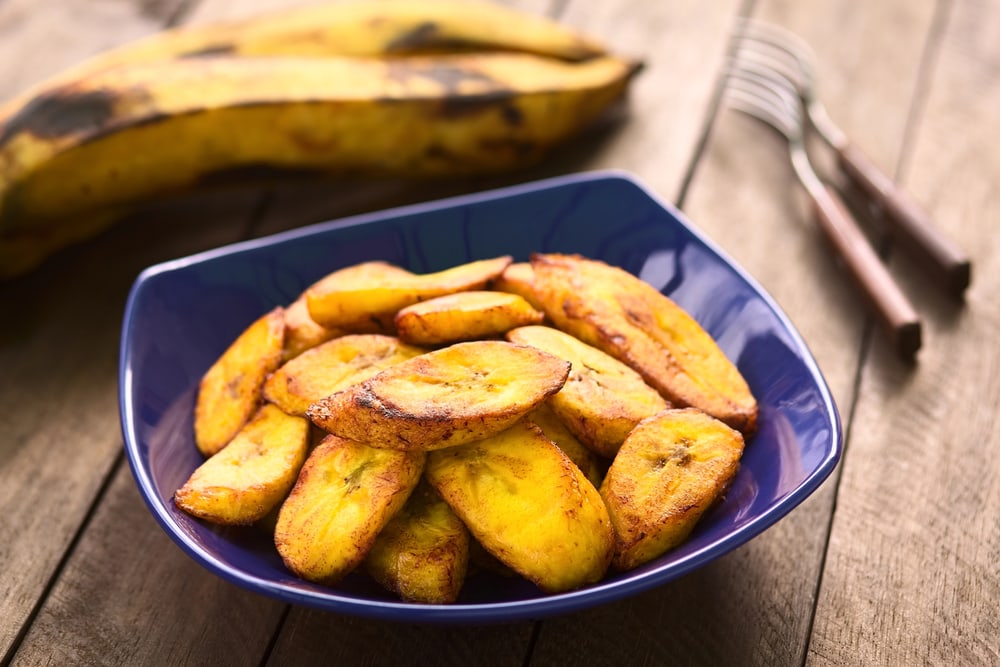
These dishes showcase how similar ingredients transform across borders: how plantains become maduros in Cuba, patacones in Panama, or plátanos fritos in Honduras. They demonstrate the legacy of indigenous cooking techniques, colonial influences, and the profound impact of African culinary traditions brought through the slave trade. Asian and Middle Eastern immigration has further enriched this tapestry, particularly visible in Caribbean cuisine.
Today, these national dishes serve as both daily sustenance and symbols of national pride, preserved through generations while adapting to contemporary tastes and techniques. They represent not just the flavors of their regions, but the resilience, creativity, and cultural fusion that defines the Americas’ culinary identity.
¡Buen provecho! Bon appétit! Irie dining!