
A Mature Traveller’s Guide to Europe and Ireland: The Grand Tour, Reimagined
At 65, with a passport stamped from over 30 countries, I thought I had travel figured out. My thirst for discovery is as strong as ever, but the way I travel has necessarily evolved. I now navigate the world with a couple of hidden disabilities—chronic pain and lots of medications that demands a comfortable pace and a need for a rest that can make bustling crowds a challenge.
This journey is not about ticking boxes; it’s about connecting deeply with a place while listening to the needs of my own body. If you, like me, are a traveller who values depth over speed and comfort over bragging rights, then this guide—forged from my own experiences and hard-won wisdom—is for you. This is how we explore the world on our own terms, slowly with grace, comfort, and joy.
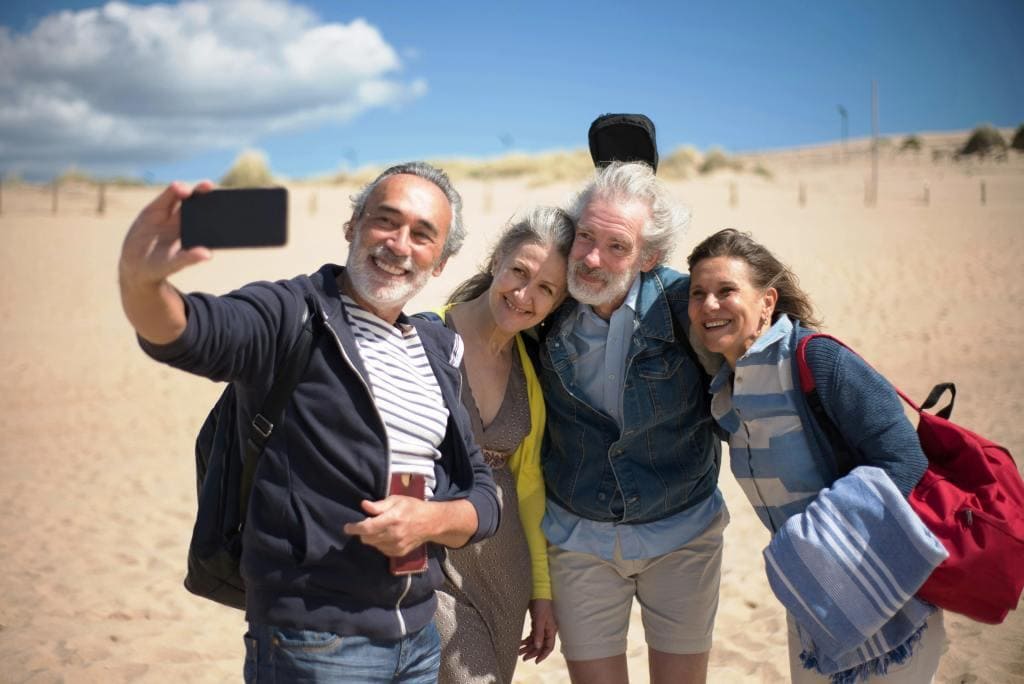
For the solo woman traveller, Europe and Ireland are particularly welcoming destinations. The well-established tourism infrastructure and generally safe public spaces provide a fantastic backdrop for an independent adventure. The key is a blend of confidence and smart planning.
Choose central accommodations with 24-hour front desks, join small-group tours to meet fellow travellers, and trust your instincts. A smile and confident demeanour are your greatest assets. You’ll find that the freedom to follow your own rhythm—lingering in a gallery, enjoying a coffee while people-watching, or striking up a conversation with a local—is one of the most rewarding experiences travel can offer.
- A Mature Traveller's Guide to Europe and Ireland: The Grand Tour, Reimagined
- My mature traveller's guide to Ireland and Europe top tips
- Part 1: The Foundation – Planning and Packing for Comfort and Ease
- Part 2: On the Ground – Navigating, Staying Healthy, and Savouring the Moment
- Part 3: Regional Spotlight – Embracing the Character of Europe and Ireland
- A Fork in the Road: Eating Your Way Through Europe
- Italy: A Feast for the Senses
- France: Elegance and Countryside
- The British Isles: History and Grandeur
- Ireland: The Land of a Hundred Thousand Welcomes (Céad Míle Fáilte)
- Spain: Passion, Flamenco, and food
- Portugal: Seafood and Fado
- Central Europe: Fairytale Charm
- Eastern Europe: Ancient history
- Conclusion: The Journey of a Lifetime Awaits
My mature traveller’s guide to Ireland and Europe top tips
Part 1: The Foundation – Planning and Packing for Comfort and Ease
Embrace the Art of Slow Travel
The single most important tip for the mature traveller is to slow down. Instead of trying to see seven countries in fourteen days, choose one or two regions and explore them thoroughly. Base yourself in a central hub—like Florence for Tuscany, Dublin for Ireland’s east coast, Belfast for Northern Ireland or Paris for the Île-de-France—and take day trips. This reduces the exhausting cycle of packing, unpacking, and navigating unfamiliar transit systems every other day. You’ll gain a more intimate understanding of the local culture and return home feeling refreshed, not frazzled.

Timing is Everything
Avoid the summer crowds of July and August. The ideal times for travel are the shoulder seasons: late April to early June, and September to October. The weather is generally mild, the queues are shorter, and the landscapes are spectacular—think spring flowers in Ireland or the golden hues of an Italian autumn. You’ll also find better prices on flights and accommodation and a more relaxed atmosphere.
Invest in Travel Insurance
This is non-negotiable. Ensure your policy has comprehensive medical coverage, including emergency evacuation and pre-existing condition coverage. Read the fine print. European healthcare is excellent but can be expensive for visitors. A good policy also covers trip cancellation, interruption, and lost luggage, providing priceless peace of mind.
Checklist:
confirm pre-existing condition waiver requirements and look-back periods
verify primary vs. secondary medical coverage; medical limits (e.g., £/€ amounts); evacuation thresholds and providers
exclusions (e.g., adventure activities); and claim documentation requirements.
Consider reputable providers and review their official guidance pages (e.g., Allianz, AXA). Add a personal medical summary, prescriptions in original containers, and emergency contacts. Disclaimer: This section provides general information, not medical, legal, or insurance advice. Consult your providers for specifics.
Read my article on Senior and mature travel insurance guide
Master the Art of Packing Light
Less is unequivocally more.
Luggage: Choose a lightweight, spinner-style suitcase that glides effortlessly through airports and train stations. A compact, comfortable daypack is essential for carrying water, a light jacket, and your daily essentials.
The Capsule Wardrobe: Pack versatile, mix-and-match clothing in a colour scheme. Focus on breathable, quick-dry fabrics that can be easily hand-washed. Layers are your best friend—a merino wool base layer, a light sweater, and a quality, waterproof/windproof jacket will see you through most conditions.
Footwear is Paramount: This is not the place to skimp. Bring two pairs of broken-in, high-quality walking shoes. Rotate them daily to prevent blisters and foot fatigue. Consider stylish walking shoes or supportive sandals—you don’t have to sacrifice elegance for comfort.
Essential Extras: A small, foldable umbrella, a power bank for your phone, a European plug adapter, a small medical kit with your regular prescriptions (in their original containers), and a copy of all important documents.
Leverage Technology (But Keep a Paper Backup)
Smartphone Apps: Download essential apps before you go: Google Maps or Maps.me for offline navigation, the local train company apps (e.g., DB Navigator for Germany, Trenitalia for Italy), Google Translate, and your airline’s app.

Entertainment: Load your tablet with books, podcasts, and music for long train journeys.
The Human Touch: Despite technology, always carry a paper copy of your passport, insurance details, and key reservations. A small, physical map or guidebook can be a lifesaver when your battery dies.
Official resources (planning and transit)
- Eurail (non-EU residents): https://www.eurail.com/en
- Interrail (EU/UK residents): https://www.interrail.eu
- Eurostar: https://www.eurostar.com
- Trenitalia (Italy): https://www.trenitalia.com
- Deutsche Bahn/DB Navigator (Germany): https://www.bahn.com/en
- SNCF (France): https://www.sncf.com/en and accessibility: https://www.groupe-sncf.com/en/commitments/accessibility
- Paris Museum Pass: https://www.parismuseumpass.fr
- Transport for London (Oyster): https://tfl.gov.uk/fares/oyster/ and accessibility: https://tfl.gov.uk/transport-accessibility/
- Fáilte Ireland (tourism): https://www.failteireland.ie
- Irish Government travel advice: https://www.gov.ie/en/topic/travel-advice/
- UK Foreign travel advice: https://www.gov.uk/foreign-travel-advice
- US State Dept advisories: https://travel.state.gov
- Hidden Disabilities Sunflower: https://hiddendisabilitiesstore.com/pages/hidden-disabilities-sunflower-lanyard-scheme
Part 2: On the Ground – Navigating, Staying Healthy, and Savouring the Moment
Getting Around: Trains, Tours, and Leisurely Drives
Trains: Europe’s rail network is a gift to the traveller. It’s efficient, scenic, and stress-free. For extensive travel, consider a Eurail Pass, but always compare point-to-point ticket prices, as advance purchases can be cheaper. Book first-class seats for more space, comfort, and quiet. Check out Rail Europe for your destinations and costs.

Reserve your seats in advance for popular routes like the Eurostar or high-speed trains in France, Italy, and Spain. Note: Eurail/Interrail passes sometimes require separate seat reservations and fees on high-speed or international services—check the operator’s rules (e.g., Eurostar).
Tours: Don’t underestimate the value of a well-chosen tour. A small-group day tour to a hard-to-reach castle or a food walking tour led by a local expert can enrich your experience without the logistical headache. River cruises are another superb option, unpacking only once while visiting multiple destinations.

My two favourites for great tours are Viator and Get Your Guide.
Driving: Driving in Ireland’s countryside can be a joy, but navigating narrow, winding roads requires focus. Renting an automatic transmission car is worth the extra cost if you’re not comfortable with a manual. In major European cities, however, driving is best avoided due to congestion charges, complex traffic systems, and expensive, scarce parking.
Prioritise Your Health and Wellbeing
Pacing: Schedule one major activity per day. Follow a morning of museum-hopping with a leisurely afternoon in a park or café. Build in rest days, especially after a long travel day.
Stay Hydrated and Nourished: Carry a reusable water bottle. European café culture is your ally—a daily coffee or tea break is a perfect opportunity to rest your feet and people-watch. Don’t feel pressured to have every meal in a restaurant; a delightful picnic from a local market is a wonderful alternative.

Listen to Your Body: European pharmacies (farmacia/Apotheke/pharmacie) are highly professional. Pharmacists can offer excellent advice for minor ailments. Don’t be a hero; if you’re tired, rest. This is your holiday, not an endurance test.
Access and Comfort
Sightseeing Smartly: Major attractions like the Vatican Museums, the Colosseum, the Eiffel Tower, and the Alhambra have notoriously long queues. Always book your tickets online in advance. This simple step can save hours of standing. Many sites also offer skip-the-line guided tours, which are worth the extra cost for both the access and the context provided by a knowledgeable guide.

Accessibility pages (check for lifts, step-free routes, concessions)
- Vatican Museums: https://museivaticani.va/content/museivaticani/en.html (see Accessibility/Services)
- Louvre: https://www.louvre.fr/en (Accessibility)
- Colosseum (CoopCulture): https://www.coopculture.it/en/colosseo-e-shop.cfm
- Alhambra: https://www.alhambra-patronato.es/en/
- Budapest baths: Gellért https://www.gellertbath.hu/en and Széchenyi https://szechenyibath.hu/en
Senior Discounts: Always ask! Many museums, galleries, and transit systems offer discounted senior rates (typically for those 60 or 65 and over). Carry your ID, as you may be asked to verify your age.

Accommodation: Choose your accommodation for its location and comfort. A central hotel, even if slightly more expensive, can save time, money, and energy on transport. Look for places with elevators (lifts), and if stairs are a concern, request a ground-floor room. Read recent reviews that mention quietness and comfort. For hearing comfort, request a room away from lifts/bars and ask about visual alert systems; for mobility, ask about step-free access and bathroom grab bars.

Personally, I am not an Air BnB fan as they charge ridiculous fees on top of the cost of the accommodation and of course cost locals a loss in potential housing. I always use Booking.com because I can select for a complete apartment or house instead of a hotel.
When selecting a place to stay, safety is often the top priority, closely followed by convenience and accessibility. For the mature traveller, a well-located base can transform a good trip into a great one. Across Europe’s most beloved destinations, this typically means choosing established, central neighbourhoods with good transport links, a vibrant but not overwhelming atmosphere, and a good selection of amenities close at hand.
In major capitals, the most secure and convenient areas are often the historic centres or upscale residential districts. For a London holiday, consider the West End districts like Mayfair, Chelsea or Covent Garden; while premium, they are exceptionally well-policed, central, and put major sights within easy reach.
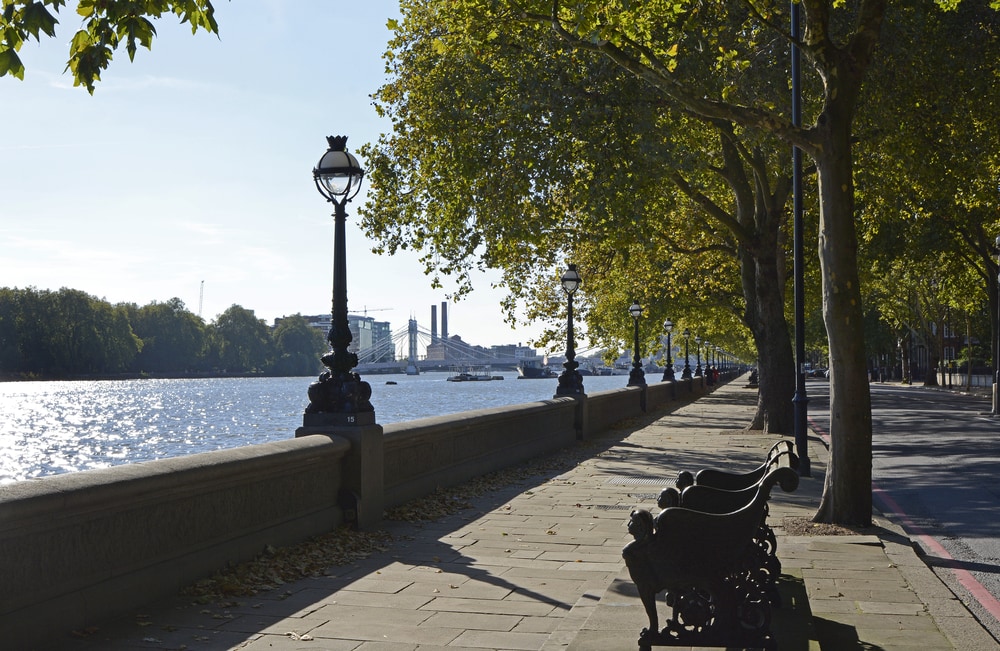
Similarly, in Paris, the elegant arrondissements like the 6th (Saint‑Germain‑des‑Prés) or the 7th (home to the Eiffel Tower) are not only beautiful but also boast low crime rates and excellent metro connections.
Over in Dublin, the Georgian squares of Ballsbridge or the city‑centre buzz of Temple Bar (note: lively and noisy in the evenings—less ideal if you prioritise quiet) offer safe and walkable locations, with Trinity College and Grafton Street nearby.

Venturing to the Mediterranean, the same principles apply. In Rome, areas like the Prati district near the Vatican offer wide, elegant streets and a more local feel, while the historic centre around the Pantheon is bustling but generally very safe.
Barcelona’s Eixample district is a fantastic choice, with its grid-like layout making navigation easy and its location placing you between the old town and the modern highlights. For a more relaxed pace, the Algarve region in Portugal offers numerous secure resort towns like Lagos or Albufeira, which are geared towards tourists and provide a calm environment with all necessary amenities. The island of Malta is generally very safe, with the historic walled city of Mdina offering a uniquely peaceful and car-free (except for residents) experience.

For those drawn to the stunning coasts of Croatia, the historic cores of Dubrovnik and Split are pedestrianised, well-monitored, and perfect for exploring on foot without vehicle concerns. In Germany, cities like Berlin and Munich have excellent public safety; consider staying in Munich’s Altstadt (Old Town) to be in the heart of the action.
Turkey offers a diverse experience; while the grand city of Istanbul requires standard city vigilance, the resort towns of the Turquoise Coast, such as Fethiye, are incredibly welcoming and safe for visitors. If you cruise into Turkey take a tour with a local of Ephesus and the site of Artemis’ ancient temple, and even Mary’s House high in the mountains.

For a blend of history and stunning scenery, Cyprus’s resort areas around Paphos offer secure bases and you can see some stunning mosaic murals at the Archaeology Park. If you plan to visit Northern Cyprus, research current border formalities and political considerations in advance and consult government travel advice for up-to-date guidance.
Finally, in Scotland and Wales, you can trade city bustle for majestic landscapes. The capital, Edinburgh, is very safe, with its New Town offering Georgian splendour and easy walks. Visit the jaw-dropping Highlands or working class Glasgow, In Wales, the compact capital of Cardiff is welcoming, check out the Welsh Castles and the great food but for a truly tranquil escape, consider a coastal retreat in a town like Tenby, where community spirit and natural beauty provide the ultimate peaceful getaway.

Accessibility quick wins (especially for hidden disabilities and hearing impairment)
Consider the Hidden Disabilities Sunflower lanyard to discreetly signal you may need help: https://hiddendisabilitiesstore.com/pages/hidden-disabilities-sunflower-lanyard-scheme

Request assistance for trains in advance (e.g., SNCF in-station support; DB and Trenitalia offer mobility assistance—see operator sites).
Ask tours/museums about hearing loop systems, transcripts, or captioned tours.
Save key phrases in the local language (e.g., “I have a hearing impairment. Please speak slowly.”) and use Notes apps to communicate in noisy environments.
Carry spare hearing aid batteries/chargers and a compact personal amplifier if useful.
Choose buses over deep, stair-heavy metro lines when elevators/escalators are limited; TfL lists step-free stations.
Part 3: Regional Spotlight – Embracing the Character of Europe and Ireland
While the principles above apply broadly, each destination has its own unique character and considerations.
A Fork in the Road: Eating Your Way Through Europe
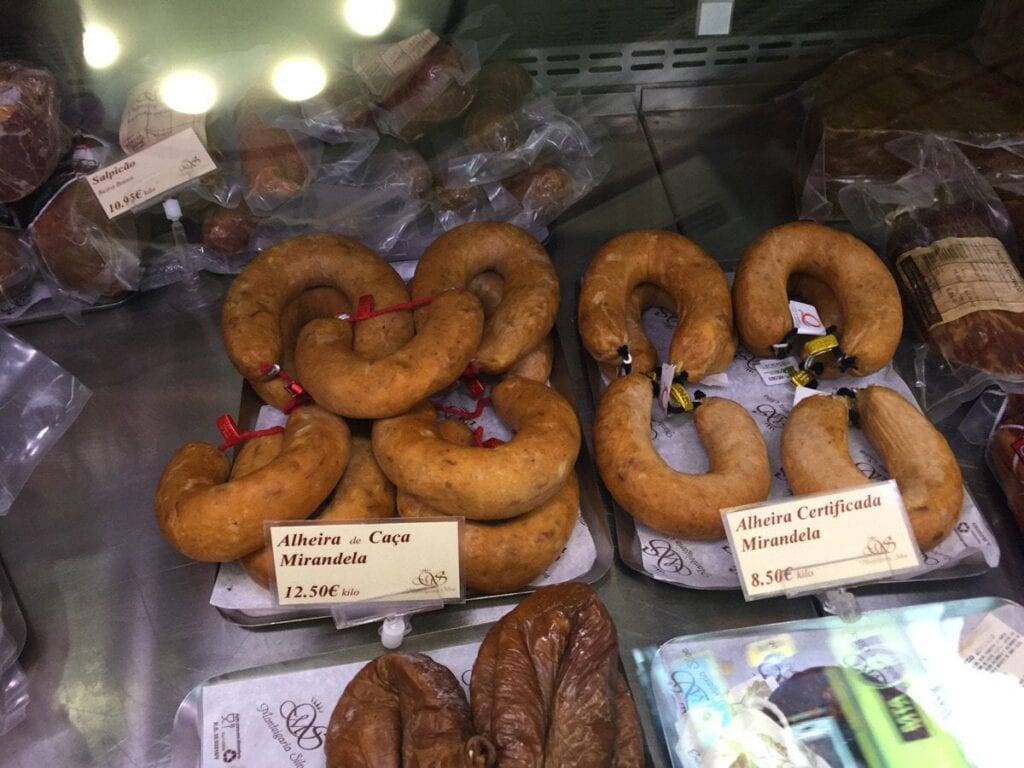
For the traveller with an appetite for authenticity, indulging in the local food scene across these diverse nations is not a mere indulgence but a fundamental way to connect with the soul of a place. It is the journey from Portugal’s pungent bacalhau and Spain’s vibrant tapas culture to the UK’s robust roasts and Ireland’s creamy seafood chowder.
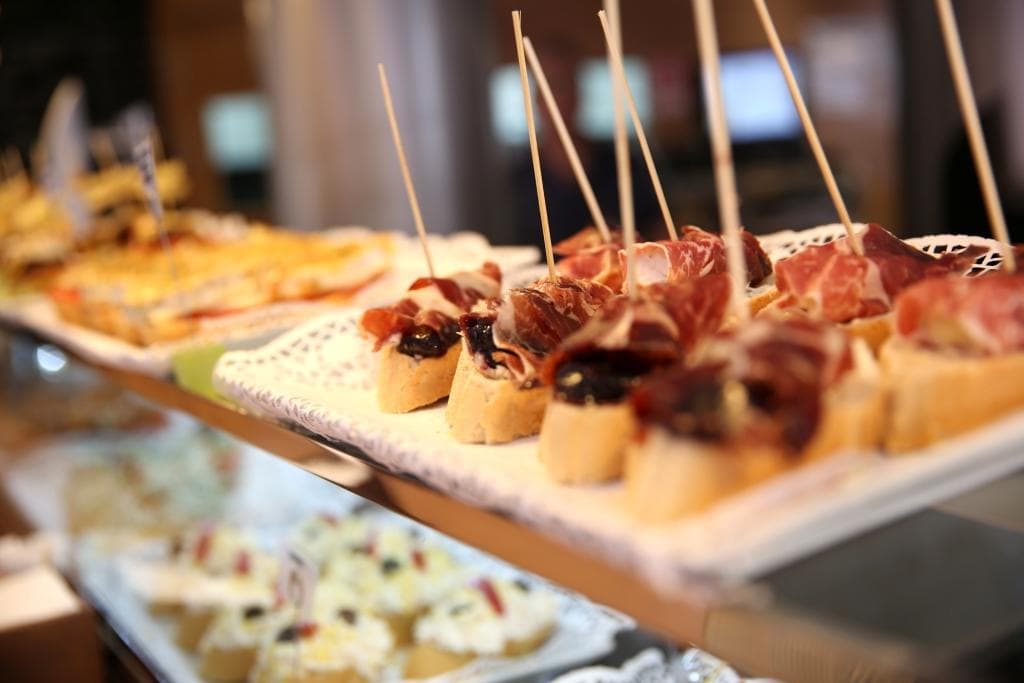
It’s savouring Turkey’s smoky kebabs and coffee as well as Malta’s unique pastizzi, then contrasting Germany’s hearty wurst with Slovenia’s delicate štruklji and the Netherlands’ decadent stroopwafels. In Krakow, a taste of pierogi tells a story of resilience, while in Lebanon, a spread of mezze is a lesson in generosity.
It’s the sun-drenched simplicity of Greek horiatiki, the technical perfection of French sauces, and the coastal freshness of Croatian grilled fish. From Scotland’s smoky whisky and Wales’ rarebit to Armenia’s layered lavash and Cyprus’s halloumi, each bite is a direct portal into history, landscape, and the warm, beating heart of local life. To forgo this culinary exploration is to see the sights but miss the story; to indulge is to truly understand.



Italy: A Feast for the Senses
Italy can be overwhelming, but its riches are unparalleled.
Pacing: Divide your time between a city (Rome, Florence, Venice) and a slower-paced region like Tuscany, Umbria, or the Lakes.

Venice Specifics: Stay in the historic centre to experience the magic after the day-trippers leave. Be prepared for bridges and stairs; water taxis are a more comfortable, albeit pricier, alternative to the vaporetto (water bus).
Dining: Embrace the aperitivo culture—a pre-dinner drink often comes with complimentary snacks. Eat where the locals eat, often just a street away from the main tourist drags.

France: Elegance and Countryside
Paris: The Paris Museum Pass can be excellent value, granting skip-the-line access to many sites. Use the Metro, but be mindful of stairs and your valuables; the bus system can be a more scenic and less strenuous way to get around.
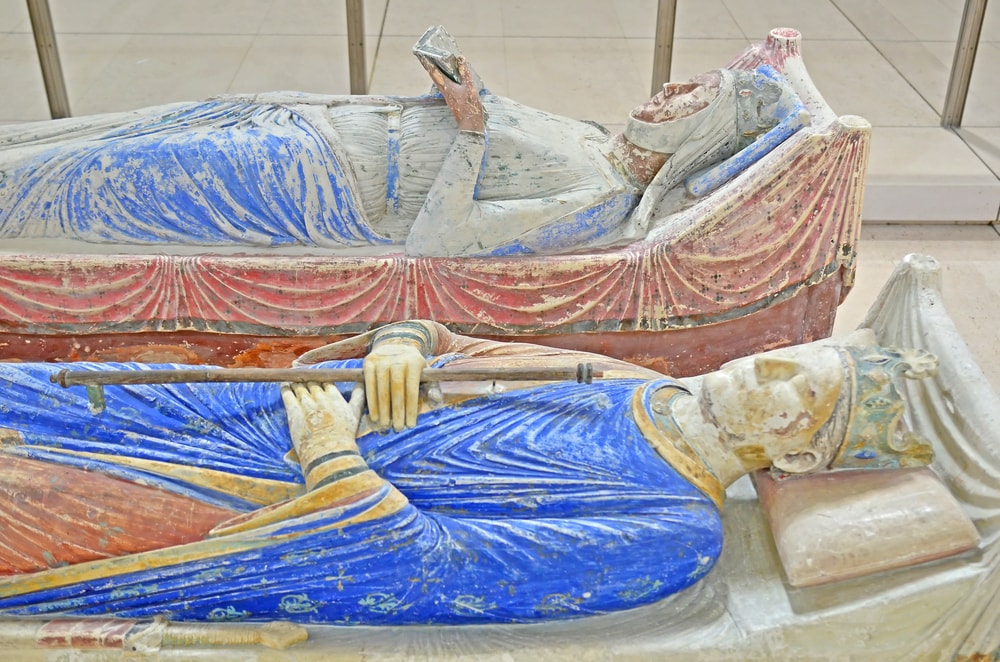
The Countryside: Regions like Provence for seeing the amazing fields of Lavender or the Loire Valley for stunningly beautiful chateaux and historic sites like Fontevraud, are perfect for slow travel. Rent a gîte (vacation home) for a week and explore the local villages, markets, and vineyards at your own pace.
The British Isles: History and Grandeur
London: An Oyster Card is essential for the Tube and buses. Consider a theatre performance in the West End—matinées are a great option. Day trips to Oxford, Cambridge, Stonehenge or the Cotswolds offer a beautiful contrast to the city bustle. Head to the countryside to hike and view the chalk figures of the UK, or take a special tour to all the witchcraft sites in the UK.

Ireland: The Land of a Hundred Thousand Welcomes (Céad Míle Fáilte)
Ireland deserves its own special section. Its magic lies not just in its sights, but in its people and its pace.
Driving: If you choose to rent a car and drive, take it slow. Roads are narrow, and you’ll be sharing them with sheep. Allow more time than your GPS suggests. The journey is the destination.
Pubs: The Irish pub is a social institution. Don’t just go for a drink; go for the craic (conversation and fun). It’s perfectly acceptable to sit with a pint of Guinness or a pot of tea and simply soak in the atmosphere. Afternoon pub sessions often feature traditional music.

The Wild Atlantic Way: This spectacular coastal route is best experienced in bite-sized pieces. Focus on one or two peninsulas, like Donegal or the Dingle Peninsula or the Ring of Kerry, rather than trying to drive its entire length.
Ireland’s Ancient East: Ireland’s Ancient East is a tapestry of history woven into the very landscape, stretching back over 5,000 years. Here, you can walk among the monumental tomb passages of Newgrange, older than the pyramids, and explore the misty ruins of medieval castles like Kilkenny. From the Rock of Cashel to the serene Glendalough valley, every corner holds an ancient secret waiting to be discovered.

Northern Ireland: A journey through Northern Ireland reveals a land of dramatic coastal scenery on the Causeway Coast and rich history. Walk in the footsteps of giants on the otherworldly basalt columns of the Giant’s Causeway and experience the thrilling engineering of the Coastal Route. From the vibrant streets of Belfast, steeped in maritime heritage, to the serene beauty of the Glens of Antrim and the historic walls of Derry~Londonderry, it’s a destination of powerful landscapes and compelling stories.

The People: The Irish are famously friendly and talkative. Don’t be shy about striking up a conversation. This human connection will be one of your most treasured memories.
Weather: The weather is changeable—“four seasons in one day” is no cliché. Pack that waterproof jacket and layers, and don’t let a little rain deter you. It’s what makes the Emerald Isle so emerald.
Spain: Passion, Flamenco, and food
Spain is a vibrant explosion of passion and colour, a country that lives life out loud. Here, the rhythm is set by the stomp of flamenco dancers in Seville, the roar of the crowd in Madrid, and the surreal architecture of Gaudí’s Barcelona.

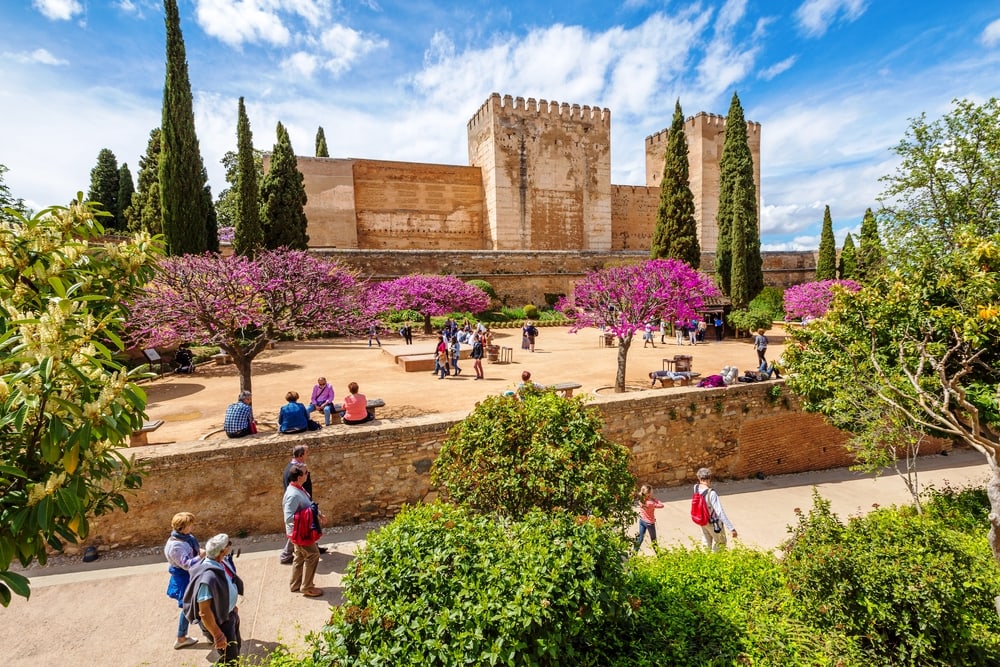
Days are spent exploring Moorish palaces like the Alhambra, indulging in world-renowned art museums, and wandering through sun-drenched villages. The Spanish day revolves around social rituals: morning markets, leisurely afternoon tapas crawls, and late-night dinners, all fueled by an infectious energy. Head to Southern Spain to view spectacular gorges and mountains near Ronda, or spend days walking the white villagesRetire in Andalucía of Andalucia.
Portugal: Seafood and Fado
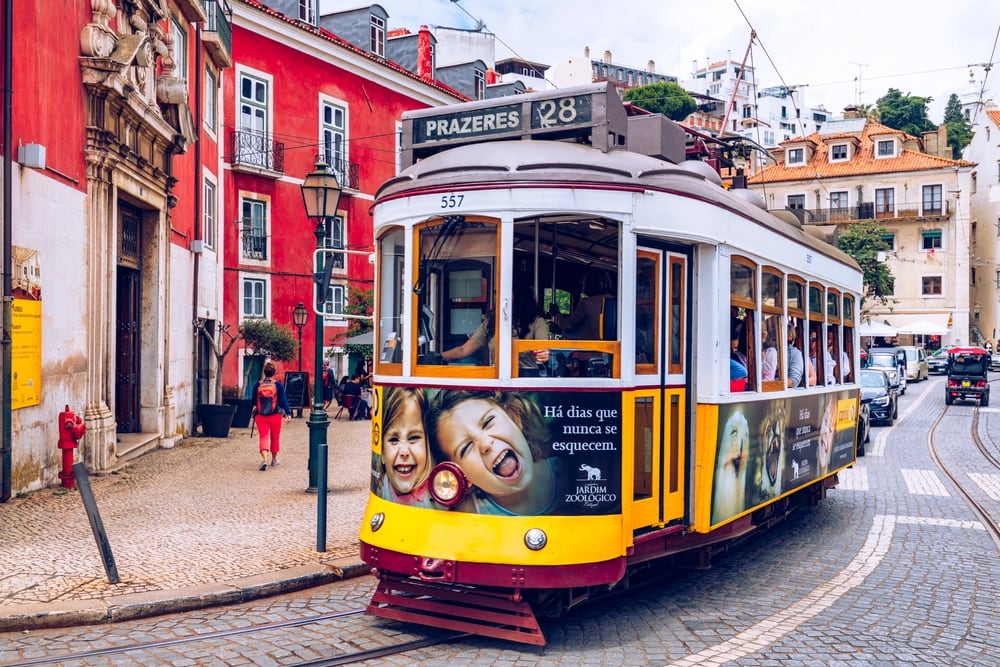
Portugal offers a more melancholic and soulful charm, characterized by its intimate connection to the sea. The soundscape is the mournful strain of Fado music echoing through Lisbon’s steep, tiled alleys and the Atlantic waves crashing against the cliffs of the Algarve. Portugal feels like a discoverer’s map, from the port cellars of Porto and the university charm of Coimbra to the enchanting, mosaic-like streets of its capital.
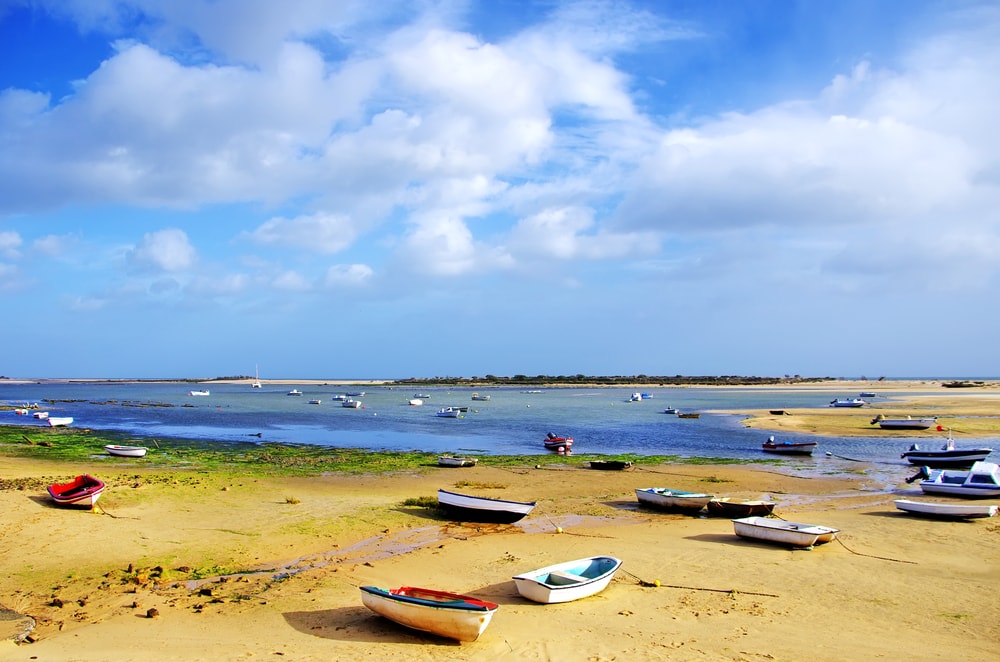
It is a country of breathtaking vistas, golden beaches, and uniquely ornate architecture, like the Manueline style found in its grand monasteries. More compact and gentle than its Spanish neighbor, Portugal captivates with its warm hospitality, incredible value, outstanding food and a timeless beauty.
Central Europe: Fairytale Charm
Cities like Berlin, Amsterdam, Warsaw and Krakow are stunning, walkable, and packed with history and culture.
Coffee House Culture: In Vienna, spending an afternoon in a grand coffee house like Café Sacher or Demel is a cultural experience in itself.

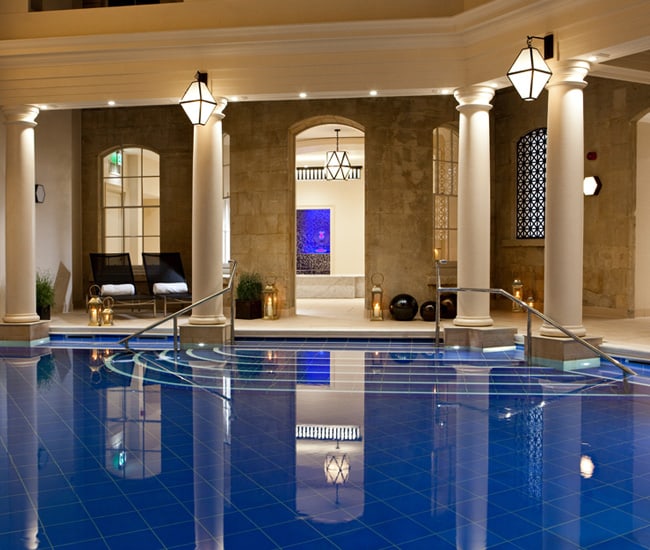
Thermal Baths: In Budapest, a visit to a thermal bath (like the Széchenyi or Gellért) is a must for relaxation and rejuvenation.
Kraków
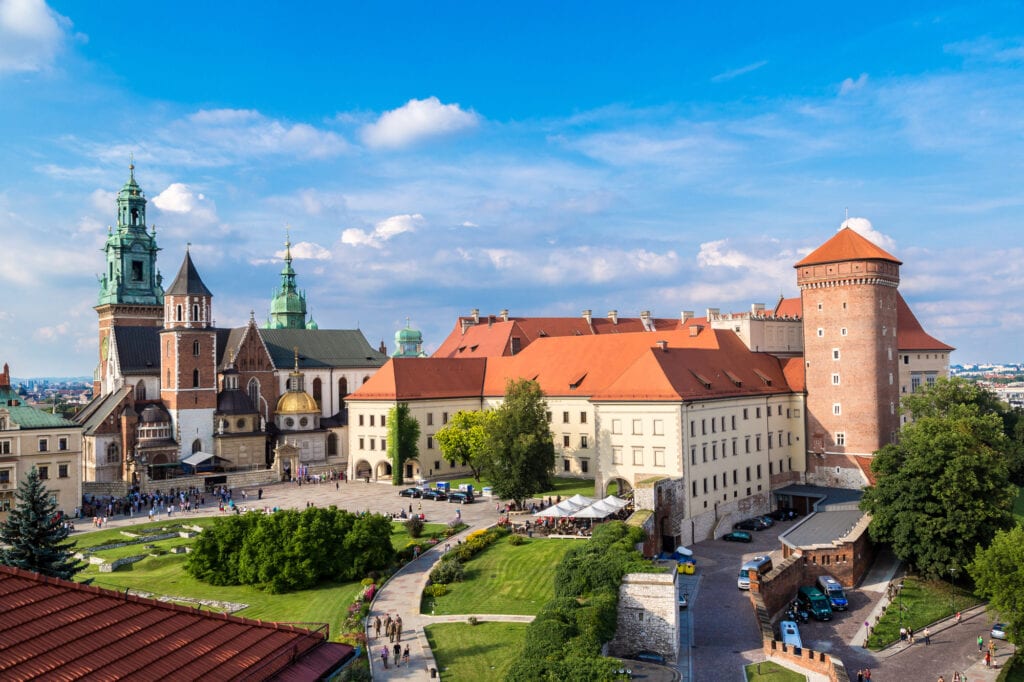
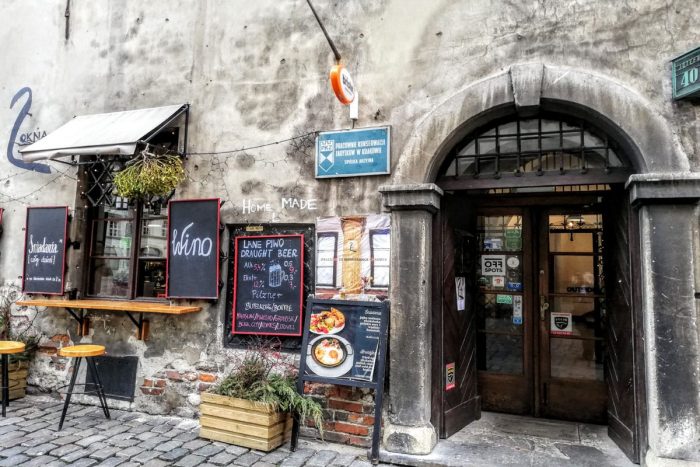
This is the historic and cultural soul of Poland, a city where the past feels vividly alive. Its magnificent Main Market Square, one of Europe’s largest medieval town squares, is constantly buzzing with life. A short walk away, the formidable Wawel Castle and Cathedral stand sentinel over the Vistula River, representing centuries of royal power.
Just beyond the city lies the profoundly moving memorial at Auschwitz-Birkenau, a sobering reminder of a darker chapter in history, while the creative energy of the Kazimierz district, the city’s historic Jewish quarter, showcases Kraków’s resilient and vibrant spirit.
Amsterdam
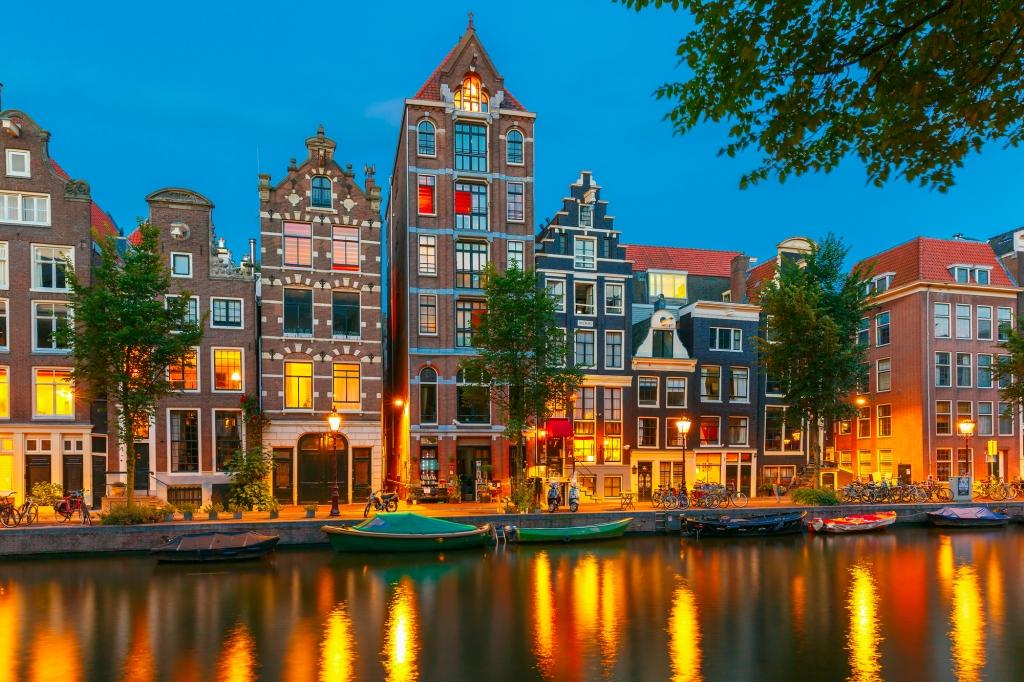
A city built on a web of concentric canals that are a UNESCO World Heritage site. Amsterdam’s iconic silhouette is defined by narrow, gabled houses and the constant gentle clanging of bicycles, which rule the streets. World-class art, from Rembrandt’s haunting Night Watch to Van Gogh’s swirling stars, fills its renowned museums. Yet, Amsterdam also possesses a famously liberal and laid-back atmosphere, found in its cozy brown cafés and its open, tolerant mindset.
Berlin
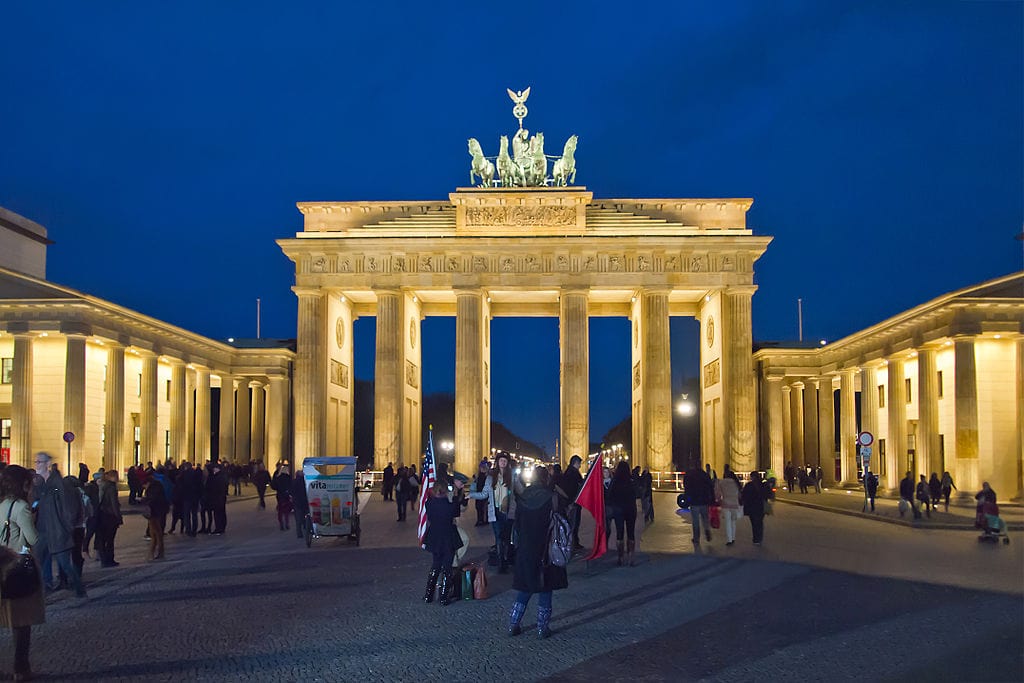
In Berlin the scars and symbols of the 20th century are everywhere, from the fragments of the Berlin Wall at the East Side Gallery to the powerful Holocaust Memorial. Abandoned buildings transformed into cutting-edge art galleries, sprawling parks host epic techno parties, and world-class nightlife pulses until well after dawn. Germany’s food is a hearty celebration of robust flavors, best known for its world-famous sausages, savoury roasted meats, and soft pretzels, all perfectly accompanied by a rich beer culture.
Eastern Europe: Ancient history
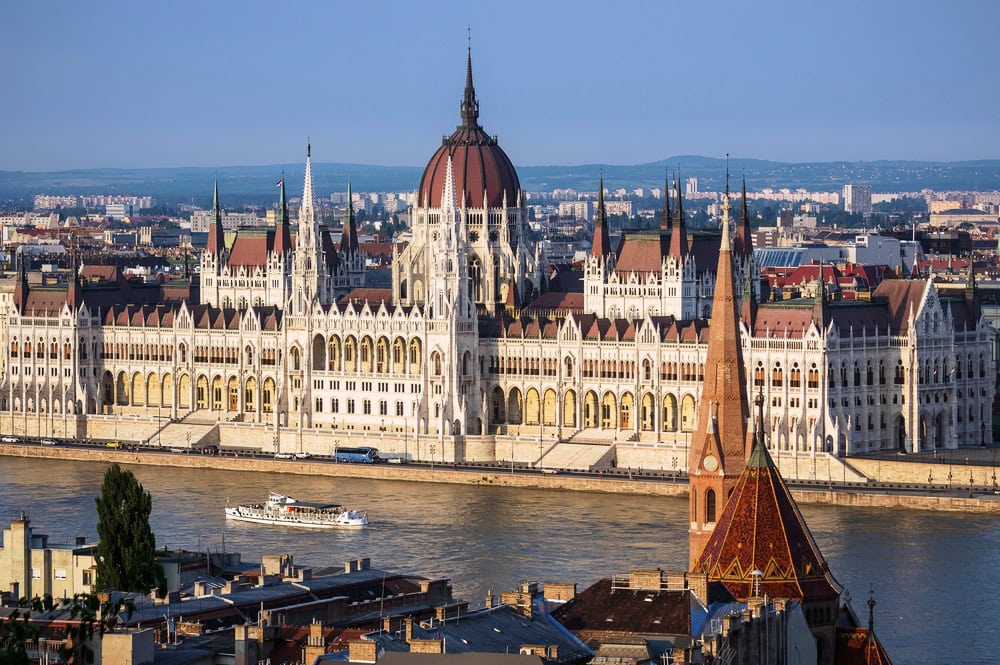
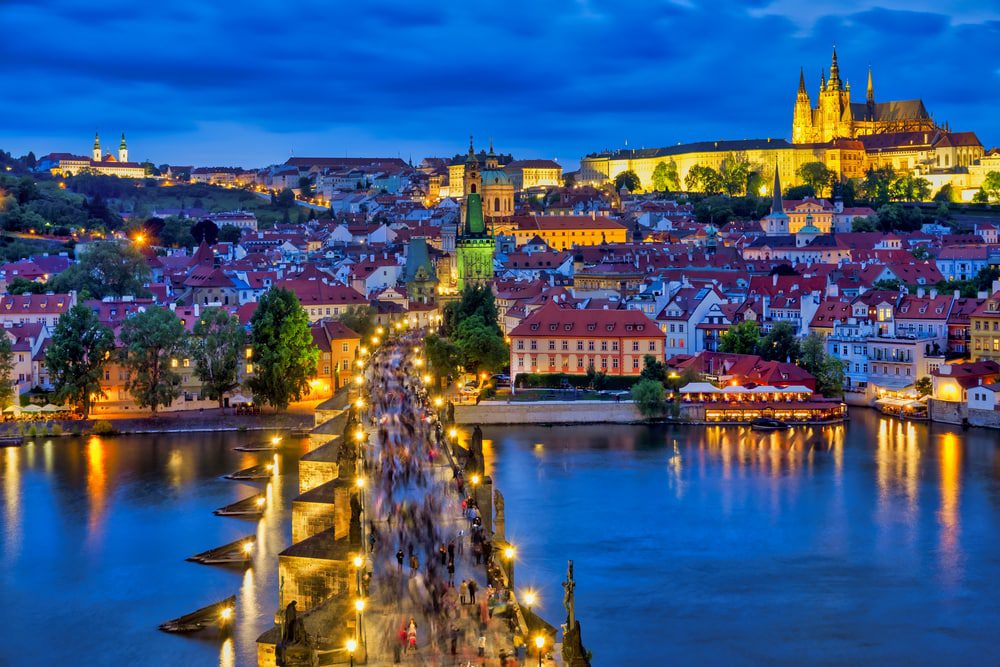
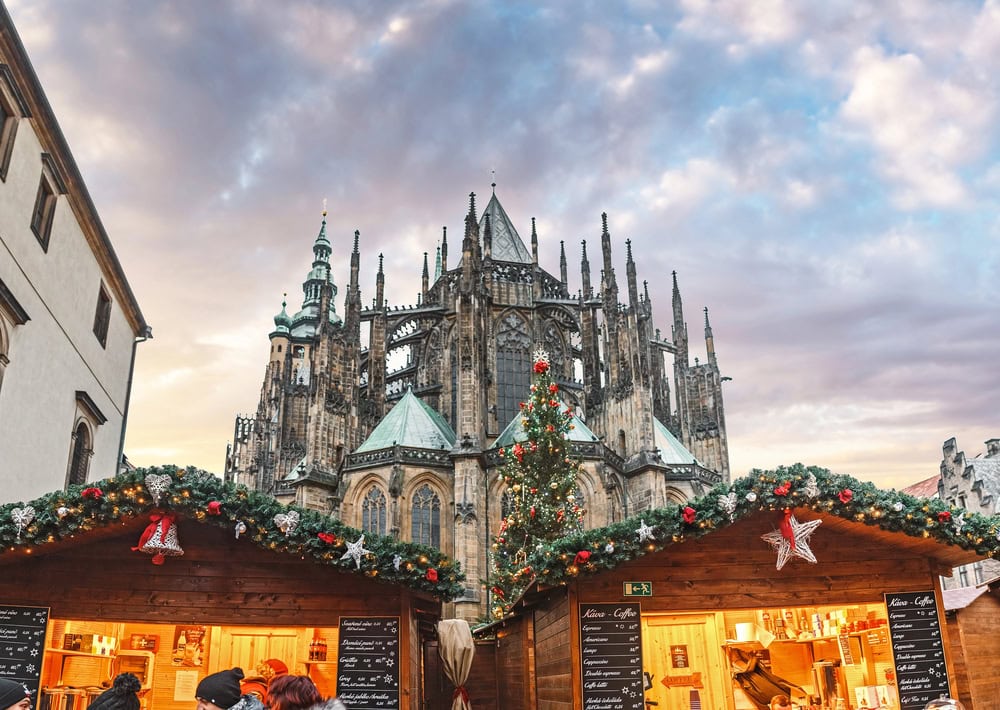
Is a journey into a world of resilient spirit and layered history. This region, from the fairy-tale spires of Prague and the imperial grandeur of Budapest to the mysterious forests of Transylvania, feels like uncovering a secret.
The history here is palpable, from medieval castles to sobering Soviet-era monuments, telling stories of both struggle and triumph. It’s often more affordable than Western Europe, allowing for deeper immersion in vibrant local café culture, hearty traditional cuisine, and world-class museums without the crowds, offering a more introspective and off-the-beaten-path travel experience.
Conclusion: The Journey of a Lifetime Awaits
So, as someone who has navigated the tourist‑packed streets of Paris and the ancient sites of Ireland, Europe and the UK, I can tell you with certainty that the journey ahead of you is not defined by limitations, but by possibility.
My hidden disabilities haven’t ended my travels; they have simply refined them, teaching me to savour the quiet moment in a Parisian garden as much as the masterpieces in the Louvre. Europe and Ireland, with their rich layers of history, culture, and breathtaking beauty, are waiting to be experienced at your pace. Pack your bags, your sense of curiosity, and the self‑awareness that is your greatest travel compass. Your most rewarding journey—one of comfort, connection, and profound personal satisfaction—is ready to begin. Bon voyage and sláinte.