
The Art of the Journey: Discovering Slow Travel in Europe for the Mature Explorer
There comes a time in a traveler’s life when the checklist begins to feel like a bucket list turned chore. The pre-dawn dashes to catch a flight, the frantic sprint through a museum to see the “top three” masterpieces, the blur of cities seen from a tour bus window—these experiences, once exhilarating, can start to lose their luster.
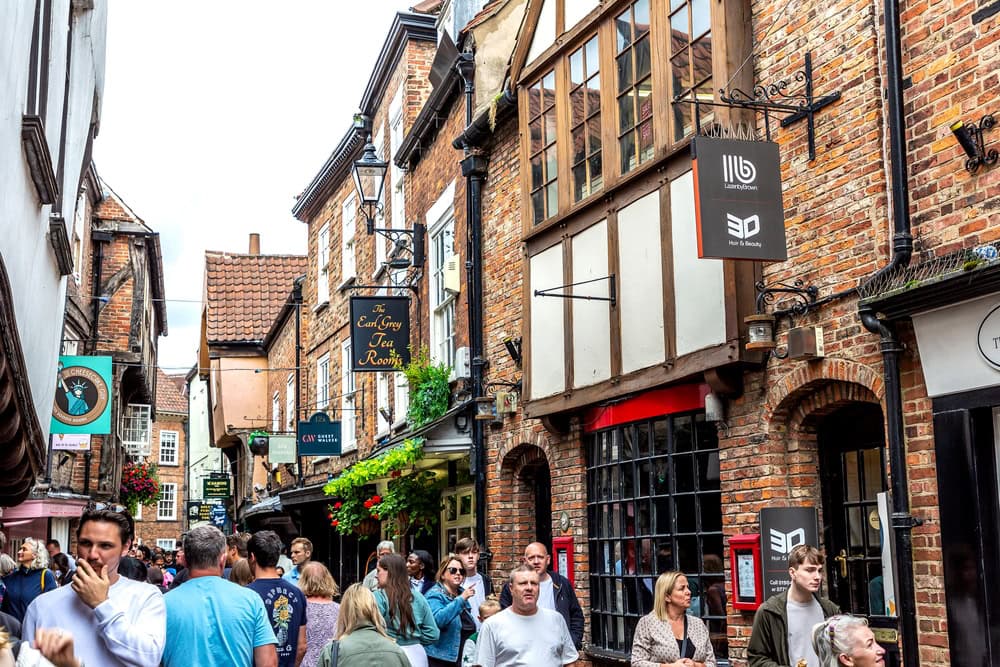
For the mature explorer, the traveler with a wealth of life experience and a deeper appreciation for nuance, a new, or rather, a very old way of journeying beckons: Slow Travel.
This is not merely a style of vacationing; it is a philosophy, a mindset that prioritizes depth over breadth, connection over consumption, and the rich, textured experience of being in a place over the hurried act of seeing it. Europe, with its dense tapestry of history, culture, and breathtaking landscapes, is the perfect canvas to slow travel.
Personally I’ve been slow traveling most of my life. House and pet sitting has let me live for weeks or months in places I’d only dreamed of. I’ve spent months in countries I never thought I would be able to see in my lifetime and some that were not on my radar in any way. I am not a sit on the beach kind of person—I want to experience all the food, all the culture and see the history I learned in school where it all began and happened.
Since 2015, I’ve completed 20+ long-term sits across Cyprus, Malta, Greece, Italy, France, Portugal, Spain, and the UK. I’ve been based in Yorkshire for over two years, 3 years in France and a total of 12 years in the UK and my permanent home in Ireland. I’ve used local buses, trains and footpaths daily; the practical notes and routes below reflect that first‑hand experience.
If you love the outdoors, check out my guide to the best hiking in Europe.
- The Art of the Journey: Discovering Slow Travel in Europe for the Mature Explorer
- The Philosophy of Slow travel in Europe: Why It Resonates with Mature Travelers
- Crafting Your Slow Travel Experience: A Practical Guide
- Finding Your Home Away From Home
- Embracing Slower Modes of Transport
- The Pillars of the Slow Travel Experience
- A Fortnight of Peaks, Moors & Lakes: A Slow Travel Journey through Northern England
- The Two-Base Structure:
- Week 1: The Heather-Clad Hills of the North York Moors
- Week 2: The Sublime Landscapes of the Lake District
- Accessibility & Practicalities for Mature Travelers
- The Journey Within
The Philosophy of Slow travel in Europe: Why It Resonates with Mature Travelers
Slow travel is the conscious decision to decelerate. It’s rooted in the same principles as the slow food movement—a rebellion against the homogenized and the hurried in favor of the local, the authentic, and the sustainably savoured.
For the mature explorer, this approach offers profound rewards:
A Deeper, More Meaningful Connection: When you spend a week in a single village instead of a day in a capital city, you begin to move beyond the postcard view. You learn the rhythm of the place. You notice the baker who arrives at 5 a.m., the old men playing pétanque in the square at dusk, the way the light hits the vineyard-covered hills at golden hour. You stop being a spectator and start feeling like a temporary local.
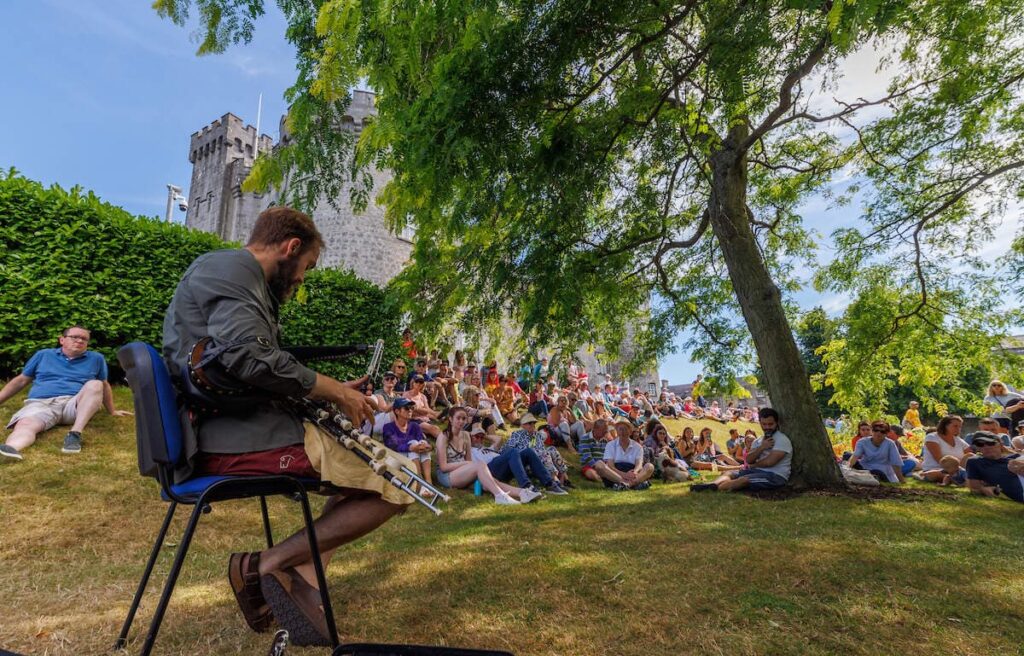
Reduced Stress and Increased Immersion: The constant packing, unpacking, and navigating unfamiliar transit systems is draining. Slow travel eliminates this “travel fatigue.” By establishing a single base—a rented apartment in a Tuscan farmhouse, a cottage in a Cotswold village—you create a home. This stability allows your mind to relax and open up to the subtleties of your surroundings.
The Luxury of Time and Spontaneity: With a slow travel approach, you gift yourself the luxury of time. If it rains, you can curl up with a book and a local wine without guilt. If you discover a fascinating local festival, you can change your plans and join in. You can enjoy beautiful gardens without the guilt of mowing the lawn.
A Richer Engagement with Culture and History: Mature travelers often possess a broader historical context and a more patient curiosity. Slow travel allows you to satiate this. You can spend a whole afternoon in a single gallery room, take a historical walking tour with a passionate local guide, enjoy a ballet class or listen to an Opera or simply sit in a centuries-old square and read about the events that unfolded there.

Crafting Your Slow Travel Experience: A Practical Guide
Transitioning from a fast-paced tour to a slow travel journey requires a shift in planning. The goal is to design a trip that feels less like a marathon and more like a seasonal migration.
1. Choosing Your Base: The Art of the Single Location
The cornerstone of slow travel is selecting one or two bases from which to explore a wider region. Instead of “doing” five countries, consider immersing yourself in one region.
Consider a Region, Not a Country: Think Provence in France, not just France; Puglia in Italy, not just Italy; the Peloponnese in Greece, not just the Greek islands. These regions offer a cohesive culture, landscape, and cuisine, but with enough diversity for day trips.
Opt for Smaller Towns or the Countryside: While cities like Paris or Rome can be explored in a slower manner, the true essence of slow travel is often found in smaller towns and rural areas. Consider bases like:
The Lake District, England: For literary inspiration and breathtaking walks and the perfect slow travel itinerary without the need for a car, using local buses and boats.
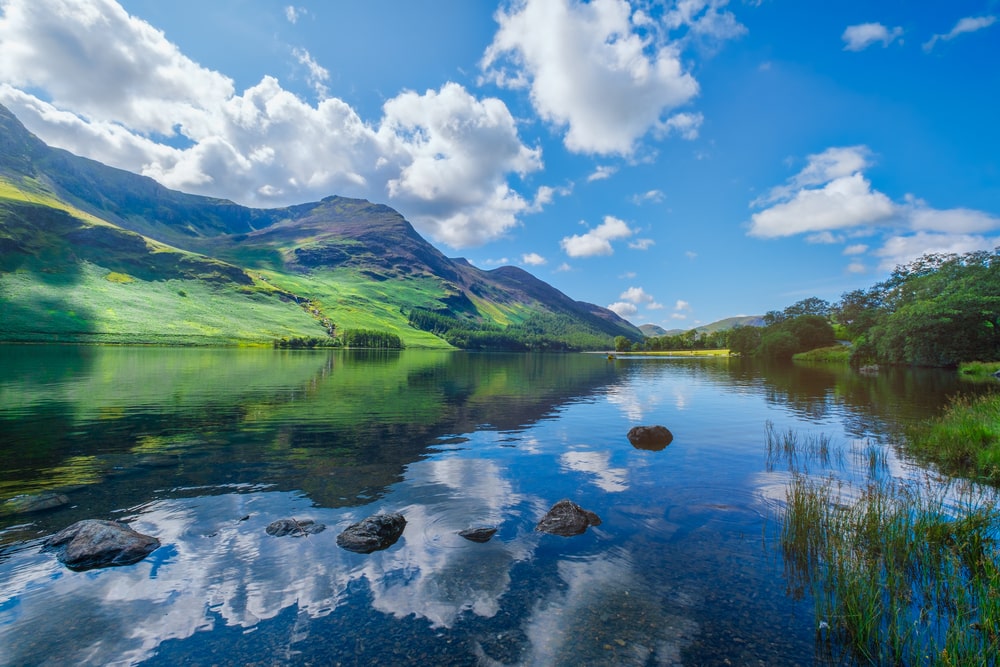
Stay in: Hawkshead is a quintessential Lakeland village of cobbled lanes, whitewashed cottages, and ancient archways—and it is blissfully free of cars in its centre. Or Coniston, this village has a more workmanlike, less polished feel than Grasmere, which many find appealingly authentic.
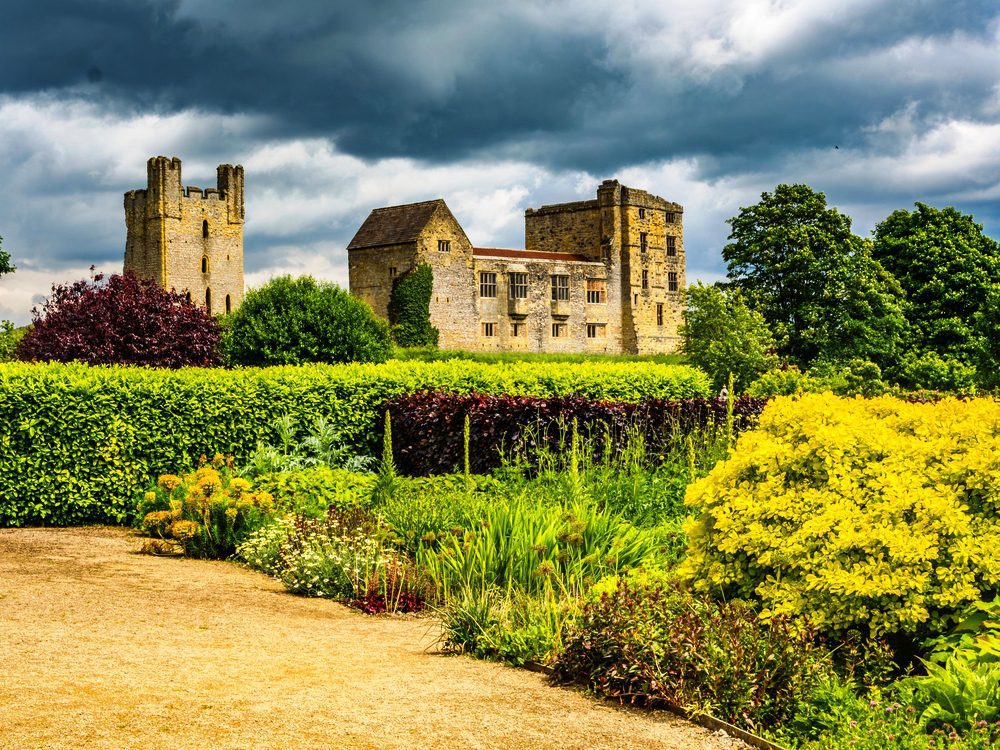
Yorkshire, England: for sweeping views of the North York Moors, historic Roman, Viking and Norman sites, and heather-clad hills; base in a walkable market town like Helmsley.
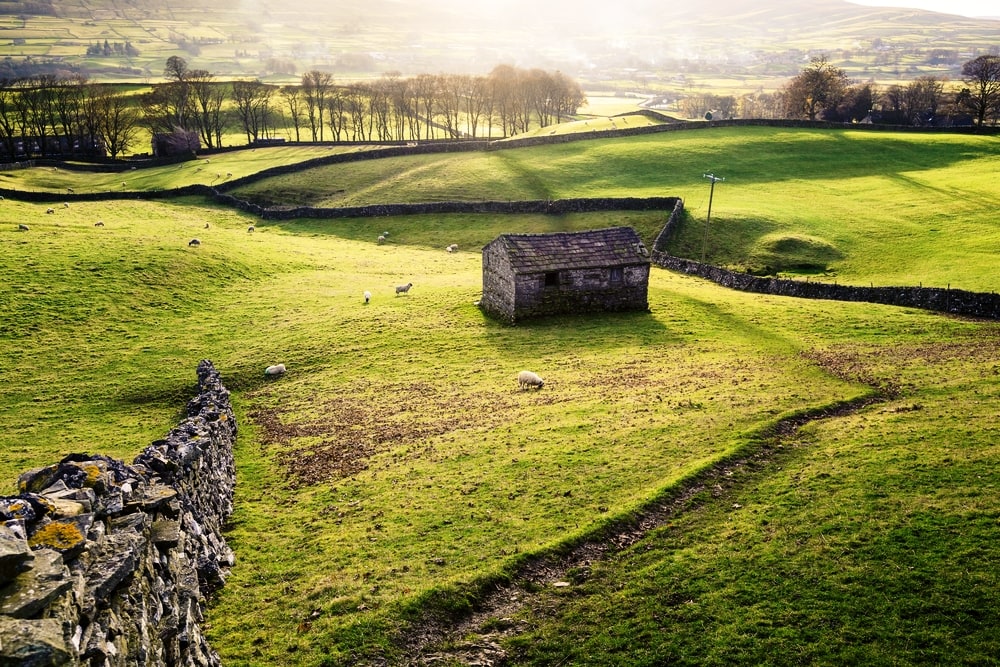
Stay in: Helmsley, a perfect base with its own castle, abbey ruins, and bustling square of independent shops.
The Alentejo, Portugal: A vast, sun-drenched region of cork oak forests, whitewashed villages, and some of the country’s best food and wine.

Stay in: Settle into a whitewashed village like Monsaraz, where you can spend days exploring Roman ruins, sampling robust local wines, and enjoying the profound silence of the countryside.
The White Villages of Andalucía, Spain: Nestled in the sun-drenched hills of southern Spain, the brilliant white villages of Andalucía, with their flower-adorned alleyways and Moorish echoes, offer a breathtaking glimpse into a timeless and poetic Spain.
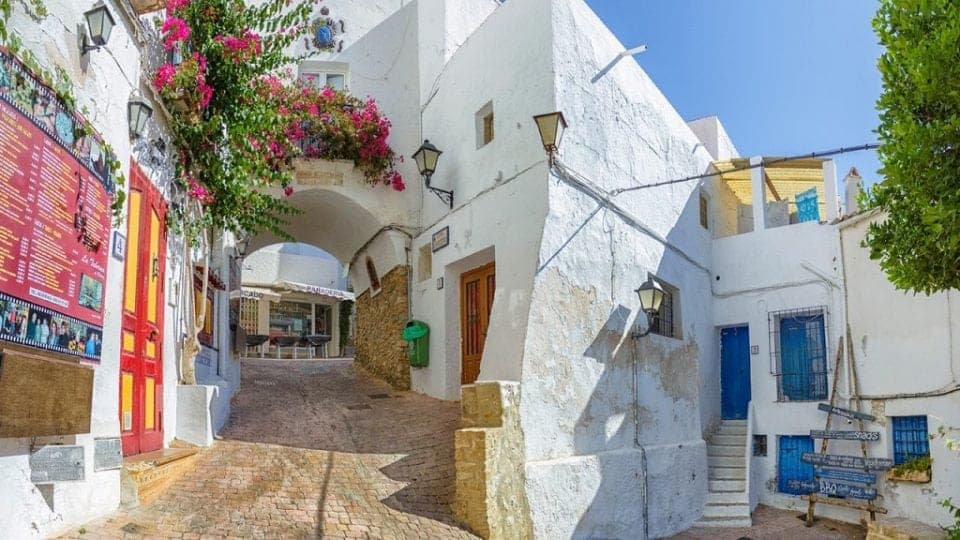
Stay in: Choose a village like Arcos de la Frontera or Zahara de la Sierra as your base, getting lost in a labyrinth of flower-adorned alleyways, hidden plazas, and Moorish-era architecture.

The Loire Valley, France: This is a region for cycling along silent, poplar-lined paths, for picnicking with a crisp Sancerre and a local rillettes, and for immersing yourself in the art of living exemplified by the formal gardens of Villandry and the majestic slumbering chambers of Chambord.

Stay in Candes-Saint-Martin: Often cited as one of France’s most beautiful villages, Candes-Saint-Martin is a jewel. Perched at the confluence of the Loire and Vienne rivers, its narrow, winding lanes of tufa stone houses are draped in flowers. It’s peaceful, has a couple of wonderful restaurants, and offers stunning river views. It provides easy access to the châteaux of the western Loire, like Saumur and Montsoreau.

Malta: A compelling tapestry of layered civilizations set on sun-baked islands in the heart of the Mediterranean. This is a journey through time, from the enigmatic prehistoric temples of Ħaġar Qim, older than the pyramids, to the silent, golden-stone streets of Mdina and the triumphant Baroque spectacle of Valletta.

Beyond the history, slow travel here means lingering over a fenkata (rabbit stew) in a village square, watching fishing boats bob in a crystalline inlet, and feeling the salt breeze on a coastal walk along the dramatic cliffs of Dingli.
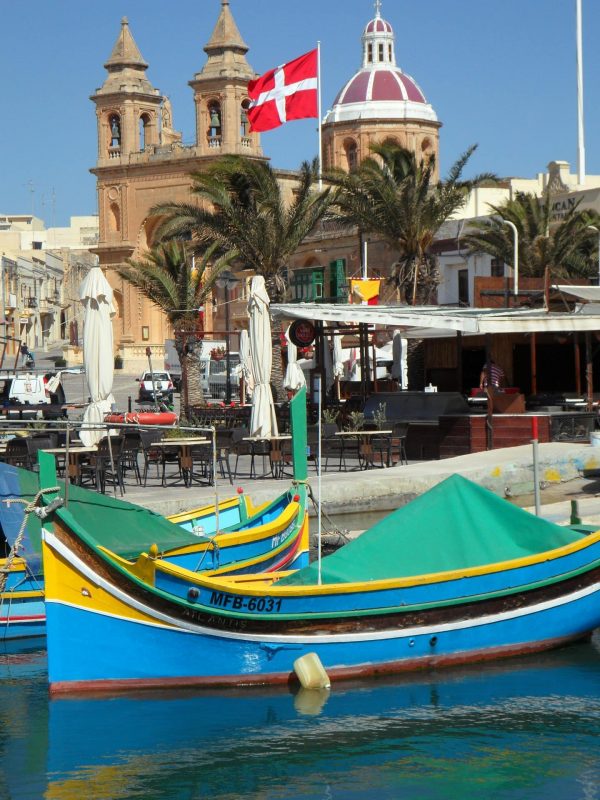
Stay in Malta: Mdina (staying within the walls): While not unknown, the experience of staying inside the silent, fortified city of Mdina after the day-trippers have left is unparalleled. You can find a handful of exquisite, converted palazzos offering boutique accommodation.
Marsaxlokk: For a vibrant, working fishing village experience, Marsaxlokk is ideal. Famous for its colourful luzzu fishing boats bobbing in the harbour and its bustling Sunday fish market, it offers a daily connection to Maltese maritime life. The seafront is lined with restaurants serving the day’s catch.
Cyprus: The mythical birthplace of Aphrodite, where ancient ruins slumber beside azure coves and fragrant pine forests cloak the Troodos Mountains. This is an island of timeless villages, where the scent of wild thyme and grilling halloumi fills the air, and the rhythm of life is set by the sun and the sea.
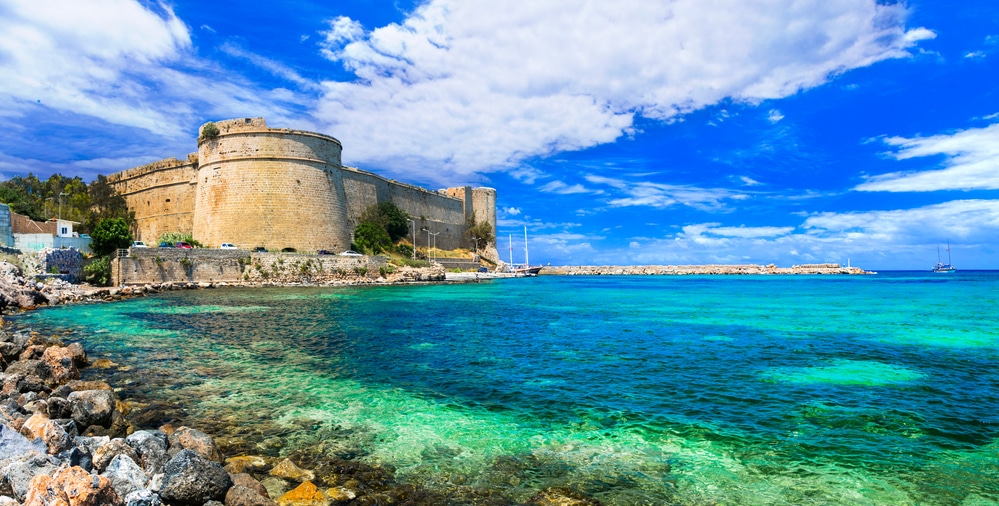
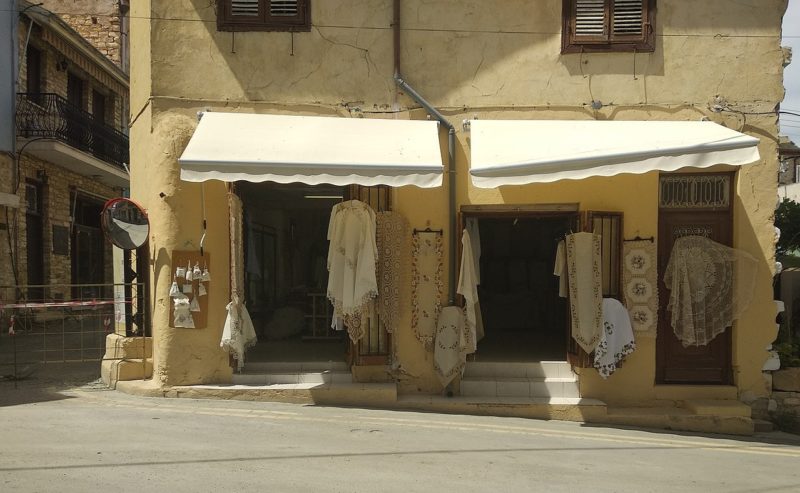
Stay in Cyprus: Omodos: Nestled in the Krasochoria (wine villages) region, Omodos is one of the most beautiful, centred around a cobbled square and the historic Timios Stavros Monastery. Or Lefkara: World-famous for its intricate lace (lefkaritika) and silversmithing, this village is a labyrinth of steep, narrow streets lined with preserved, terracotta-roofed houses.
Finding Your Home Away From Home
Ditch the standard hotel room. The goal is to live, not just lodge.
Vacation Rentals: Websites like Vrbo where you get the entire property are ideal for finding apartments or houses with a kitchen. I don’t recommend Air BnB because of the controversy surrounding the app, the complaints and the huge cleaning and ridiculous asks that many locations request. Shopping at local markets and preparing a simple meal with regional ingredients is a quintessential slow travel experience.
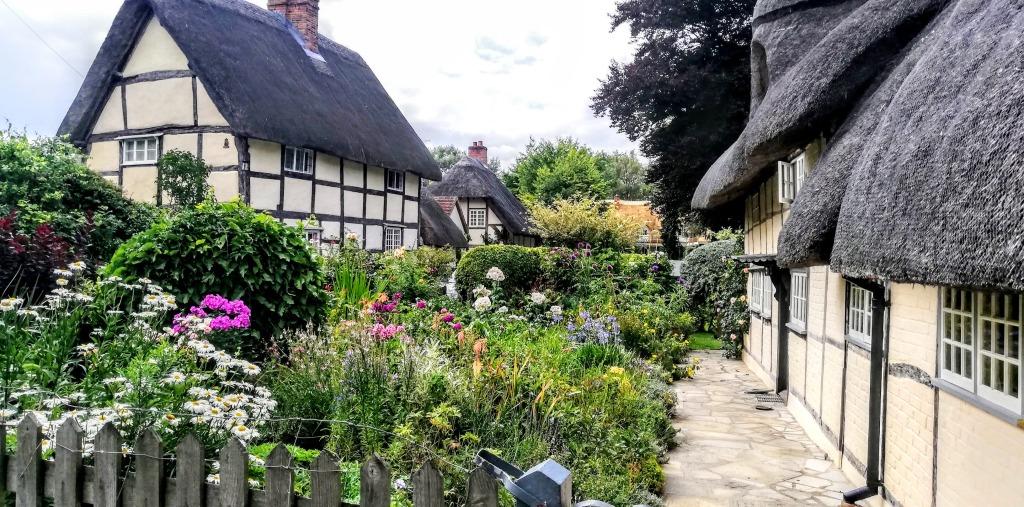
Agriturismos and Country Inns: In Italy, an agriturismo (a farm stay) offers immersion in rural life. Similarly, France’s chambres d’hôtes (bed and breakfasts) or the UK’s coaching inns provide character, comfort, and a direct connection to the owners, who are often fountains of local knowledge.
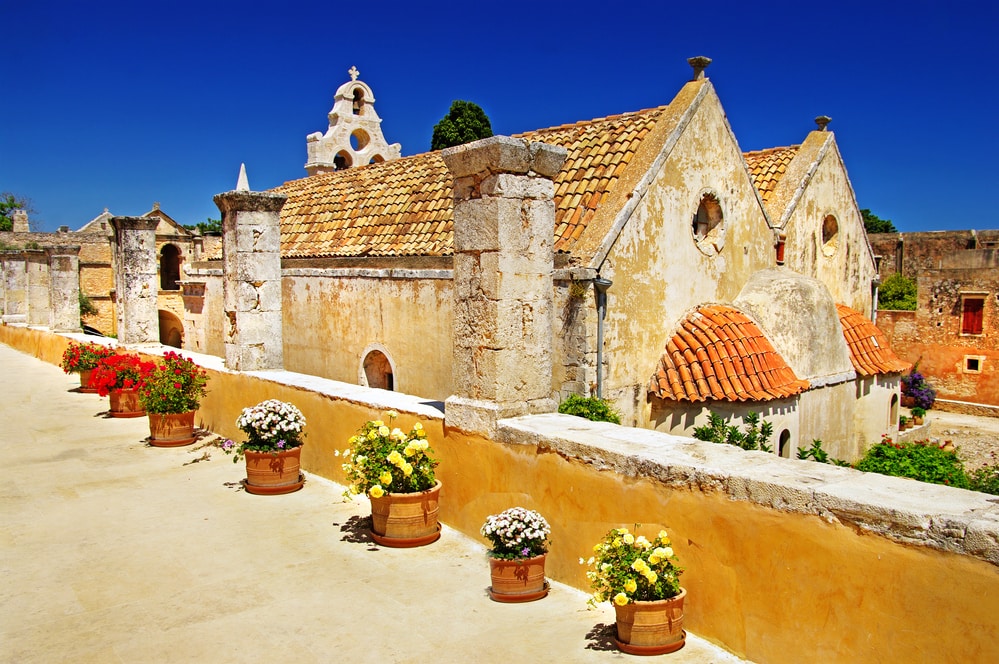
Monastery or Convent Stays: For a unique, peaceful, and often budget-friendly option, many monasteries across Europe, particularly in Italy and Spain, offer simple, clean rooms to travelers seeking quiet reflection.
Embracing Slower Modes of Transport
How you move is as important as where you stay. The journey becomes part of the destination.
Train Travel: Europe’s rail network is a slow traveler’s dream. It is efficient, comfortable, and environmentally friendly. More importantly, it offers a breathtaking, ever-changing window onto the landscape. The process of gliding through vineyards, past castles, and along coastlines is a pleasure in itself. Consider scenic routes like the Bernina Express in Switzerland or the train from Porto to the Douro Valley in Portugal.

Walking and Hiking: For the active mature explorer, basing a trip around walking is the ultimate slow travel. Long-distance paths like the Camino de Santiago in Spain, the Coast-to-Coast Path in England. You don’t have to do the whole thing; many regions offer shorter, well-waymarked circular walks.
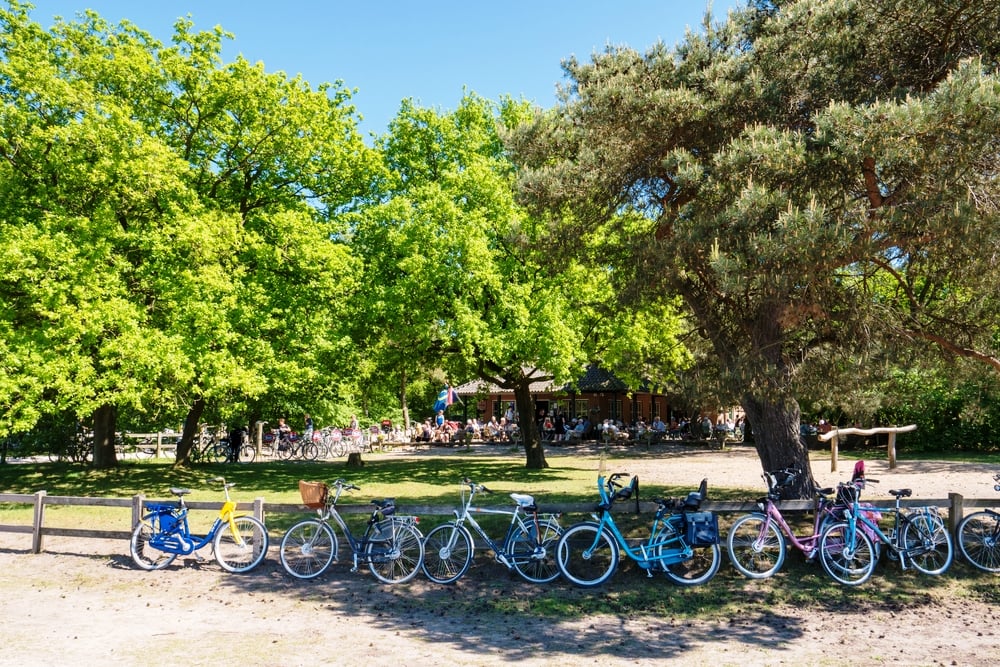
Cycling: E-bikes have been a game-changer, making cycling tours accessible to a wider range of fitness levels. Gentle, dedicated cycle paths like the Danube Cycle Path or the Loire Valley Vélo route let you cover more ground than walking.
The Pillars of the Slow Travel Experience
Once you have your base and your transport, it’s about how you fill your days. The slow travel mantra is quality, not quantity.
1. Culinary Immersion: Beyond the Restaurant
Food is a direct route to the soul of a culture. Move beyond tourist traps and seek authentic experiences.
Market Mornings: Make a ritual of visiting the local market. Go not with a rigid shopping list, but with curiosity. Talk to the cheesemonger, sample the olives, and let what’s fresh and in season dictate your meals.

Cook with a Local: Seek out a local cooking class, preferably one held in a non-professional kitchen. Learning to make pasta from a nonna in her home or paella from a Spanish abuela is an unforgettable cultural exchange.

The Long Lunch: Embrace the European tradition of the long, leisurely lunch. Find a family-run trattoria or a village auberge away from the main sights, order the menu du jour, and spend two or three hours savoring the food, the wine, and the conversation. Note: In many parts of France, shops commonly close around midday, and in parts of Spain, afternoon siestas can mean reduced shop hours; restaurants and cafés typically remain open. Check local hours.
2. Cultural Deep Dives: From Skimming to Sinking
Resist the urge to see everything. Choose one or two cultural pursuits and explore them thoroughly.
Focus Your Interests: Are you a history buff? A lover of Renaissance art? A garden enthusiast? Pick a theme. Venturing beyond England’s shores to explore Plantagenet history in France reveals a landscape still deeply etched with the dynasty’s legacy, from the formidable walls of Château de Chinon, where Henry II held court and Richard the Lionheart died, to historic Fontevraud Abbey, their final resting place. Or delve into the châteaux of the Loire—Chenonceau’s arches over the River Cher are unforgettable.
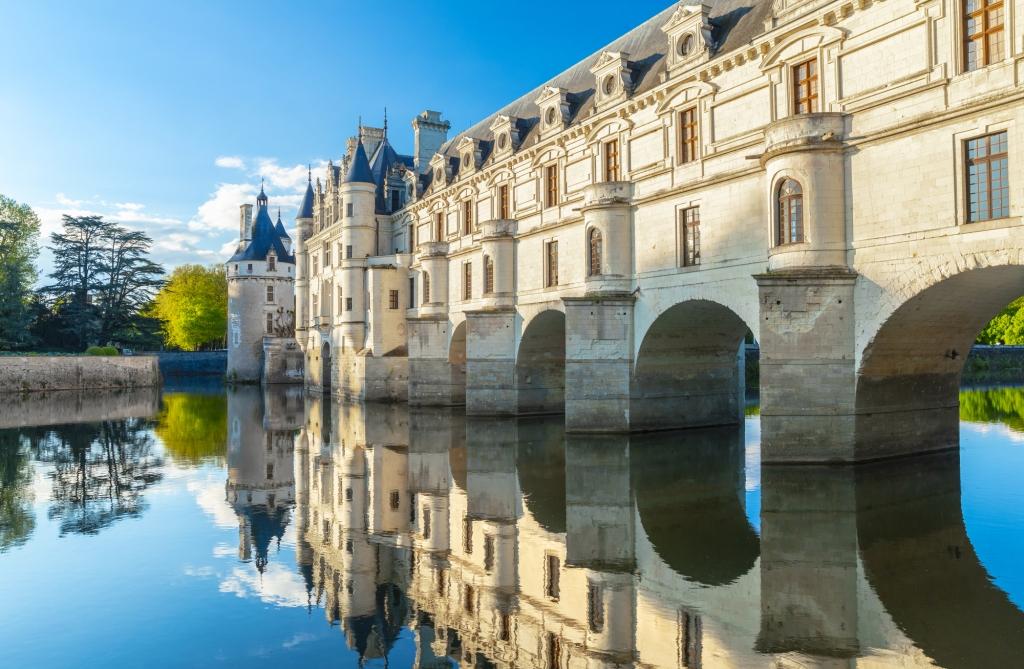
Engage Local Guides: A few hours with a knowledgeable local guide can transform your understanding of a place. They can reveal hidden corners, share stories you won’t find in guidebooks, and provide context that brings history to life.
Attend Local Events: Check community boards for local festivals, concerts in ancient churches, or village fairs. These events offer a genuine, unfiltered glimpse into local life and traditions.

3. The Joy of Doing Nothing: Embracing Dolce Far Niente
Perhaps the most radical act of slow travel is giving yourself permission to simply be. The Italian phrase dolce far niente—the sweetness of doing nothing—is a core tenet.
Find Your Bench: Spend an hour sitting on a park bench, a piazza fountain, a café or a harbor wall. Watch the world go by. Observe the interactions, listen to the sounds, and feel the pace of life.

Read Locally: Bring a book set in the region you’re visiting. Reading about Provence while sitting in a Provençal café, or a Shakespearean play while in Stratford-upon-Avon, adds a layer of depth to both the literature and the location.
Keep a Journal: Slow down enough to reflect. A travel journal is not just a log of what you did, but a record of what you felt, smelled, heard, and thought. It solidifies the memories far more effectively than a hurried photograph.
Become an Artist: With a small portable painting kit, capture scenes and people through an artistic lens.

A Fortnight of Peaks, Moors & Lakes: A Slow Travel Journey through Northern England
Core Philosophy: To experience the soul of these two iconic national parks through immersion, not itinerary. To feel the weather change on the fells, to linger in a traditional pub by a fire, and to return home feeling restored, not exhausted.
Practical Note: Many rural services are seasonal and limited on Sundays; always check current timetables before you set out.
The Two-Base Structure:
· Week 1: The North York Moors – Base: Helmsley (for its exquisite location on the edge of the moors, its own spectacular castle and abbey ruins, and its reputation as a foodie haven with excellent local amenities).
· Week 2: The Lake District – Base: Grasmere or Ambleside (for their central locations, walker-friendly amenities, and poetic atmosphere).
Recommended Transport:
· Train to York or Thirsk (for the Moors) from Manchester and then to Oxenholme or Windermere (for the Lakes).
· Local Buses: Use Transdev Coastliner services (York–Pickering–Whitby) and seasonal Moorsbus for North York Moors access; check routes serving Helmsley. In the Lakes, Stagecoach services are your best friend for week two.
· Your Own Two Feet: This is the primary mode of transport for true immersion. Pack good, comfortable walking shoes and a waterproof jacket.
Discover slow travel across the UK and Ireland
Week 1: The Heather-Clad Hills of the North York Moors
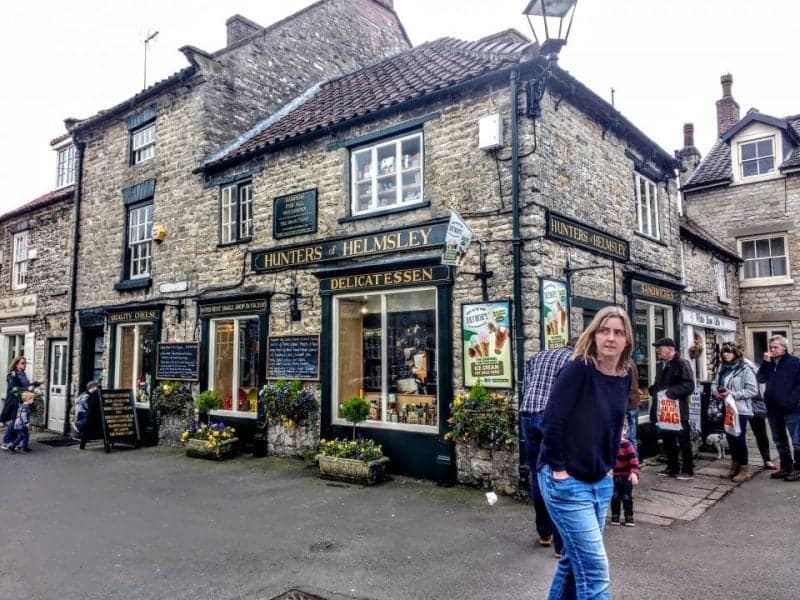
Your base in Helmsley offers a different, but equally magical, Yorkshire experience. It’s a beautifully maintained stone-built town with a bustling square, independent shops, and a sense of being nestled between the moors and the Howardian Hills.
Day 1: Arrival and Settling In
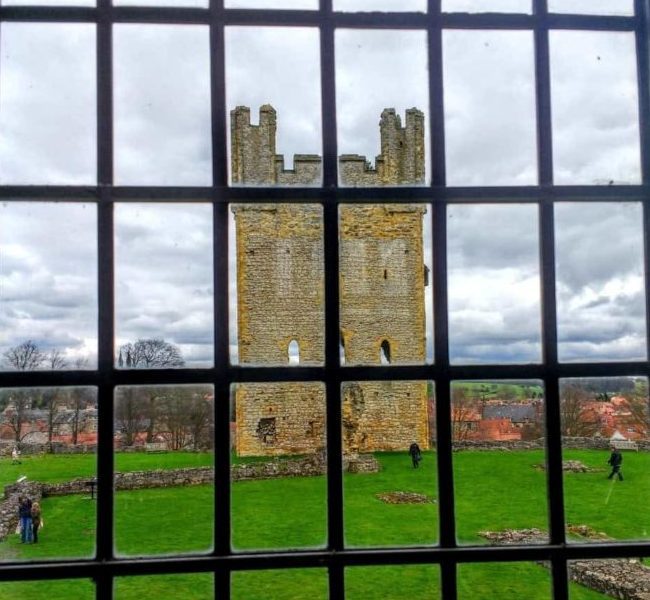
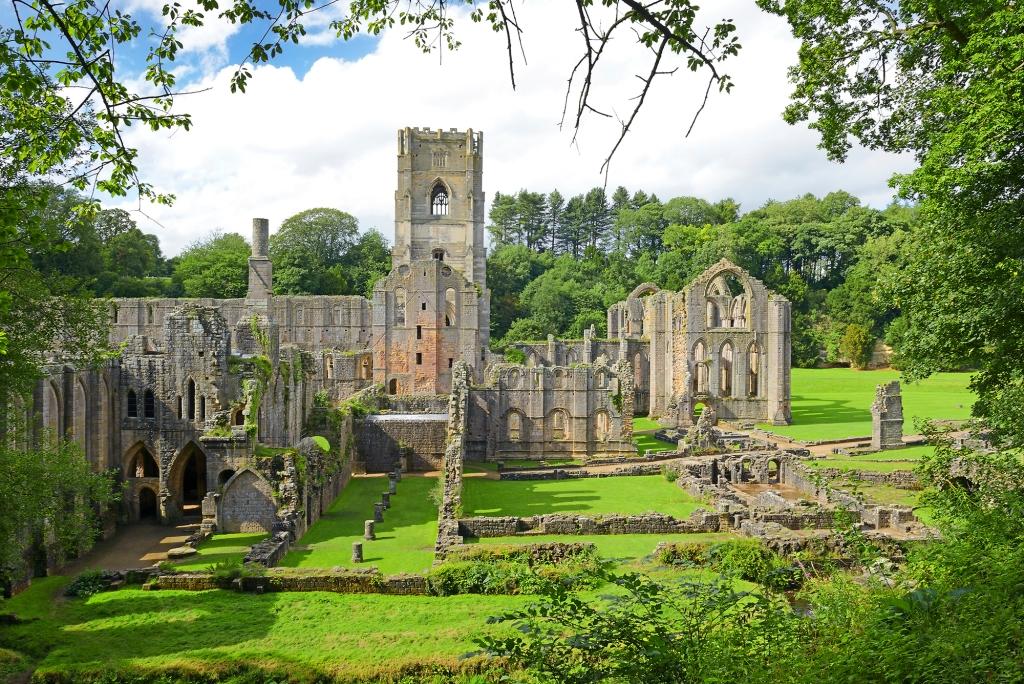
Arrive in Helmsley via a combination of train to York or Thirsk . Check into your accommodation—a cozy B&B on the market square or a tranquil guesthouse. Your first task is to settle in. Unpack, then take a beautiful hike to view the magnificent ruins of Rievaulx Abbey nestled in the valley, or explore the imposing Helmsley Castle. Find the local delicatessens and bakeries on the square to stock up for the week. Enjoy a superb dinner at one of Helmsley’s acclaimed restaurants, such as the Black Swan or the Feversham Arms, to set the tone for the week.

Day 2: Market Town Life and Local History
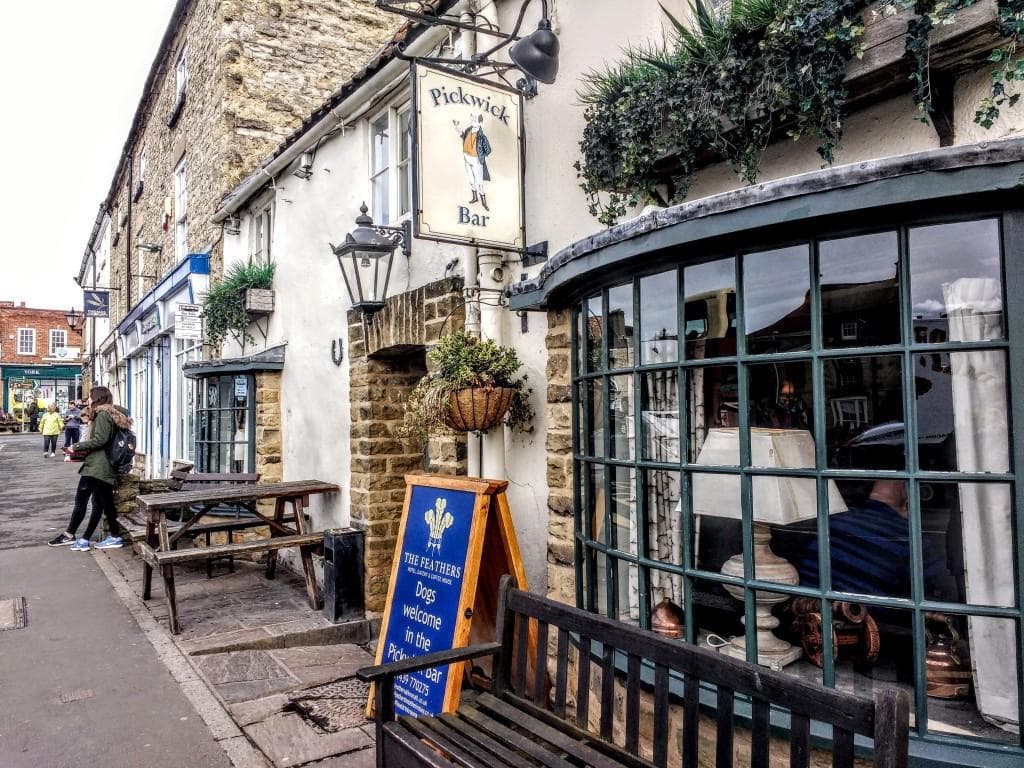
Immerse yourself in Helmsley’s daily life. Explore the independent shops, from the famous Helmsley Walled Garden to traditional butchers and bookshops. This is a day for pottering. Delve deeper into history by fully exploring the nooks and crannies of Helmsley Castle or taking the longer, beautiful riverside walk to Rievaulx Abbey to appreciate its serene setting. In the evening, enjoy a pint of local ale at a traditional pub like The Feathers Hotel.
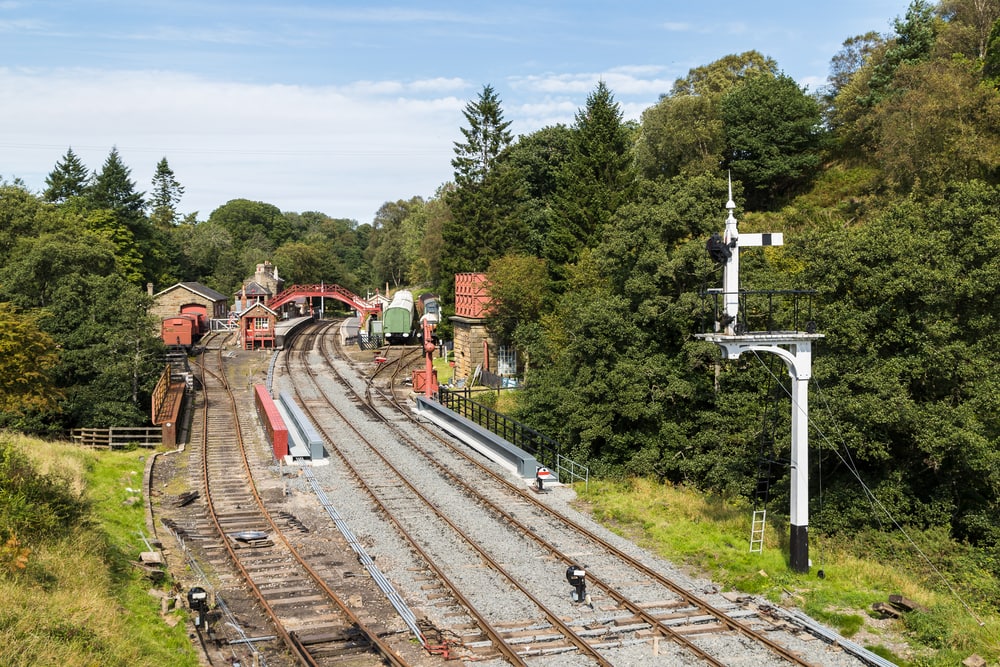
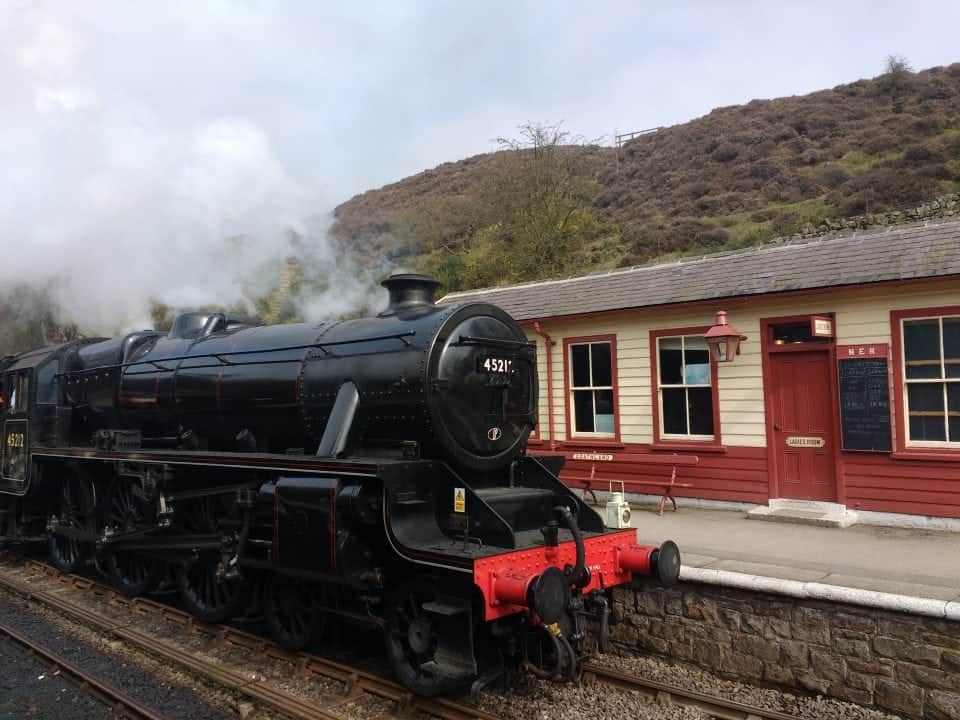
Day 3: A Journey on the North Yorkshire Moors Railway
This is a quintessential slow travel experience, and from Helmsley, it’s wonderfully accessible. Take a local bus to Pickering (routes vary seasonally via Moorsbus or connecting services—check current timetables).
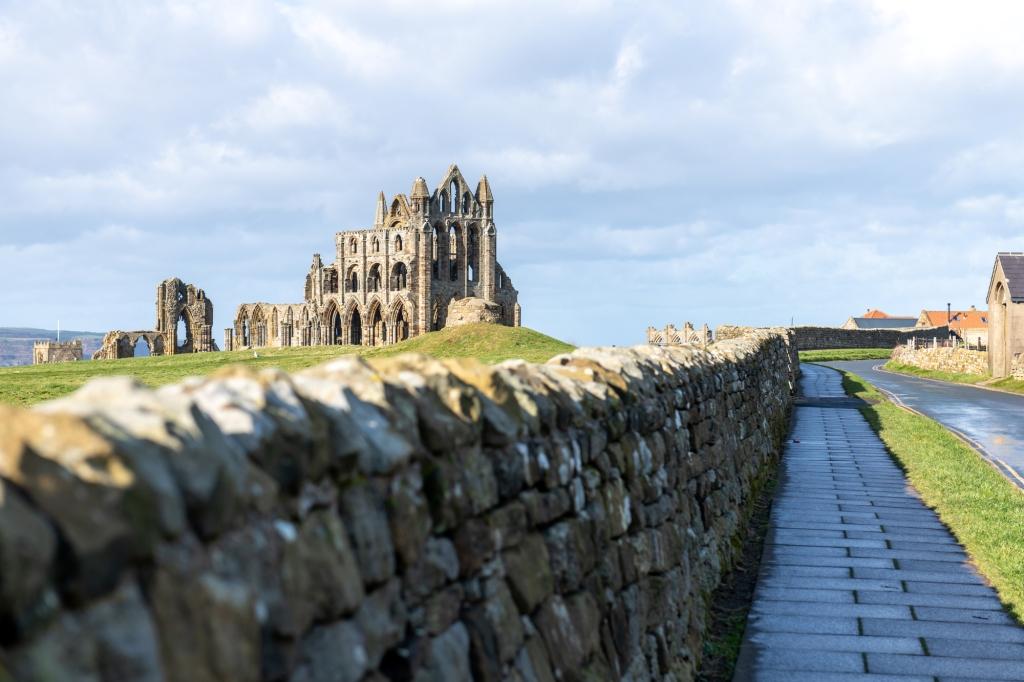
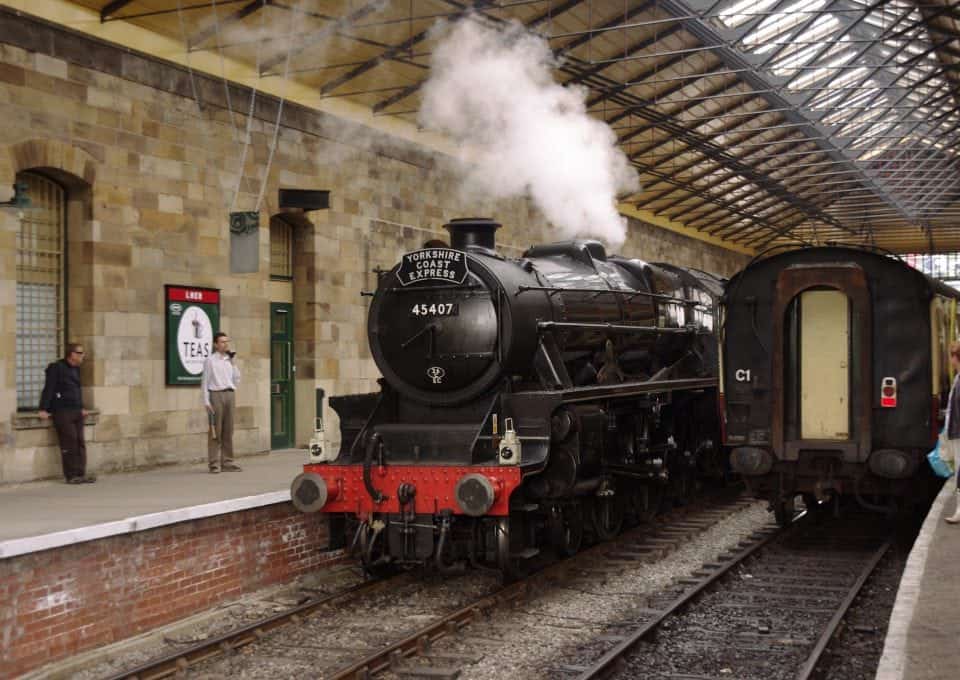
Here, you will board the steam train for a journey through the heart of the national park to Grosmont (some services extend to Whitby). The trip is the destination, winding through Newton Dale and stopping at Goathland (Hogsmeade from the Harry Potter films). In Whitby, enjoy fish and chips, explore the Whitby abbey ruins, and breathe in the sea air before the scenic bus or train journey back to Helmsley. Verify current NYMR services and onward connections.
Day 4: The Ruined Abbeys and Castle Howard
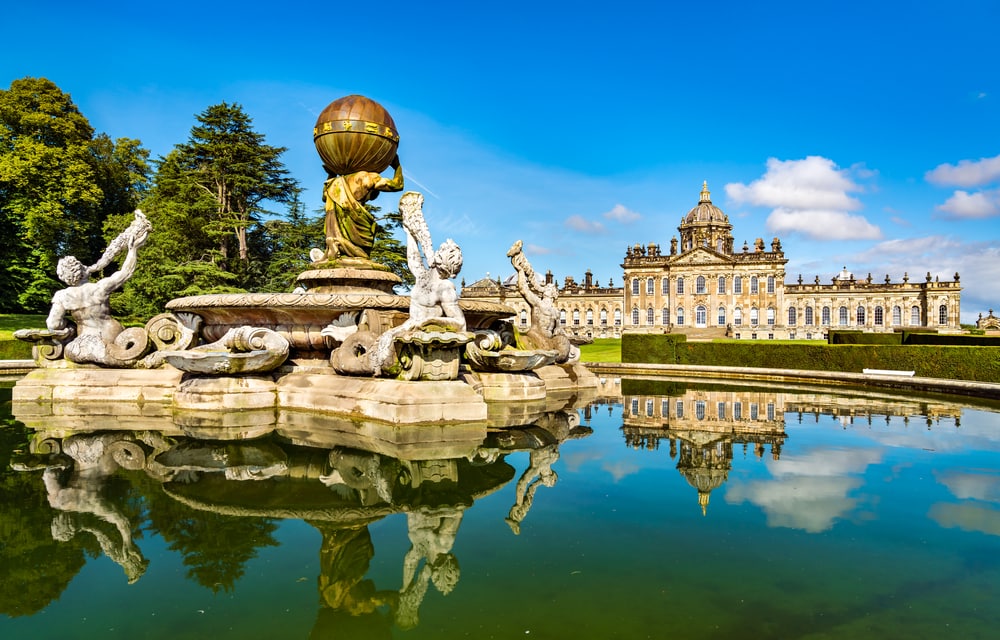
Dedicate a day to the grandeur and sanctity of the area. Use local transport to visit the breathtaking Byland Abbey, a rival to Rievaulx, whose vast rose window still hints at its former glory. In the afternoon, a short journey brings you to the opulent Castle Howard, a Baroque masterpiece. You don’t need to see it all; simply strolling the grounds, visiting the farm shop, or taking a boat on the lake is a perfect slow travel experience.
Day 5: A Day on the Moors: The Iconic Sutton Bank
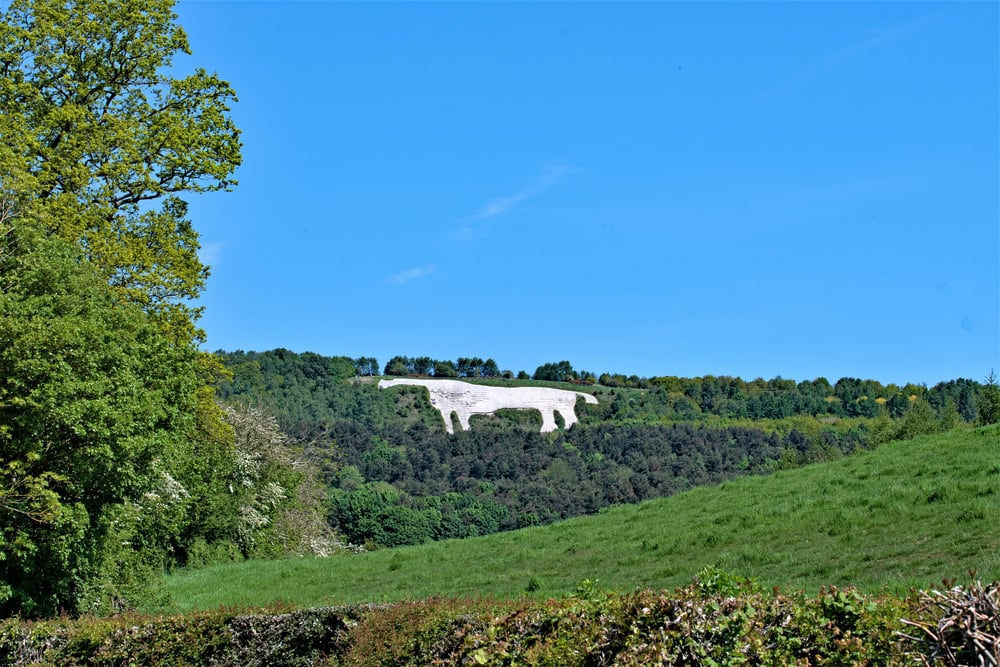
Take the local Moors Bus (seasonal) or a short taxi ride to the Sutton Bank National Park Centre. This is a day for breathtaking vistas. From here, it’s a short, level walk to the Kilburn White Horse viewpoint, offering one of England’s most famous panoramas. For the more active, a walk along the escarpment provides constantly unfolding views over the Vale of York. This is a day to stand on the edge of the world and simply gaze.
Day 6: A Day for Detachment
Give yourself a day with no plans. Perhaps you discovered a second-hand bookshop in Helmsley you wanted to explore. Maybe you want to spend the morning sketching the view from the castle walls. Or, you could take a copy of James Herriot’s books (the nearby town of Thirsk was his home) and read them in a quiet corner of the Walled Garden. This is the day you listen to your own mood, not the itinerary.
Day 7: Transition Day – The Journey to the Lakes
A gentle travel day. Take the scenic bus from Helmsley to York. Then catch a train to the Lake District. Your destination is Grasmere (more poetic and tranquil) or Ambleside (more bustling with amenities). Check into your new base, take a short, gentle walk to acclimatize, and perhaps pick up a copy of Wordsworth’s poems from a local shop. Your goal is to feel settled and ready for the different, more dramatic landscape of the week ahead.
Week 2: The Sublime Landscapes of the Lake District
Your base in the central Lakes puts you at the heart of a world of romantic poetry, shimmering waters, and soaring fells.
Day 8: Embracing the Wordsworth Legacy in Grasmere
If you’re based in Grasmere, this is your day. Start with a visit to Dove Cottage, Wordsworth’s beloved home. Book a guided tour to truly understand his life here. Afterwards, pay your respects at his grave in St. Oswald’s Churchyard. No visit is complete without a visit to Sarah Nelson’s Gingerbread Shop for this unique local treat. In the afternoon, take the gentle, circular walk around Grasmere Lake itself, a walk the poet himself would have known well.

Day 9: A Cruise on the Water
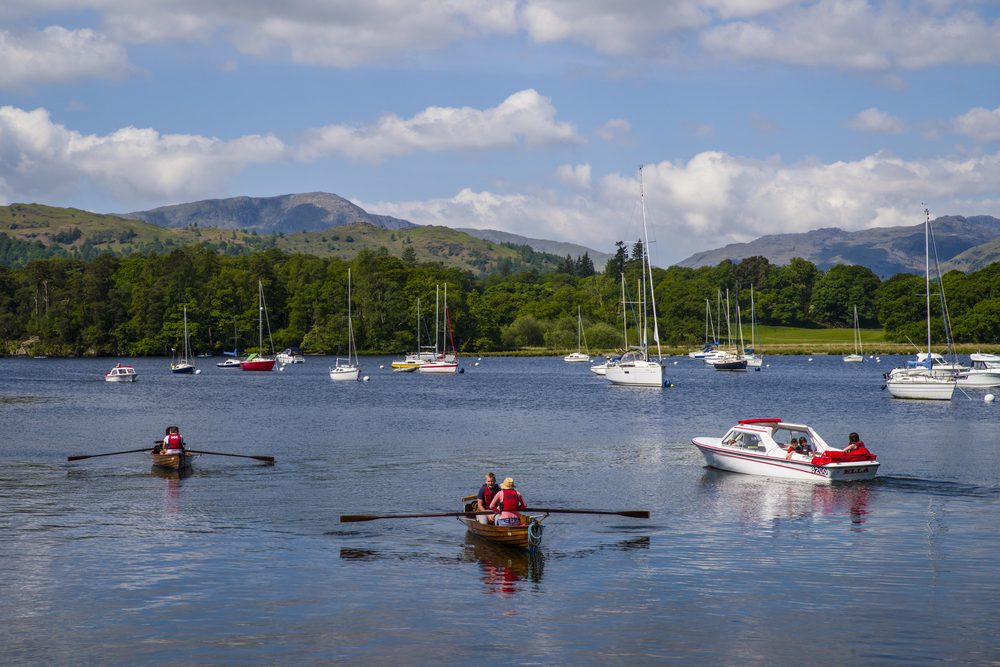
From Ambleside or Grasmere, take the bus to Waterhead and step aboard a cruise on Lake Windermere. Choose a route that takes you down the length of England’s largest lake to Lakeside. You can combine this with a visit to the Lakes Aquarium or the preserved steam railway. The pleasure is in being on the water, watching the fells slide by, not rushing from one attraction to the next.
Day 10: A Literary Day in Hawkshead and Coniston
Take the bus to the enchanting village of Hawkshead, a maze of narrow alleys and whitewashed houses. Visit the Grammar School where Wordsworth studied. Then, travel on to the serene Coniston Water. Here, you can learn the tragic story of Donald Campbell at the Ruskin Museum, or simply enjoy a lakeside walk. This is a day for quiet reflection, inspired by the landscapes that fueled the Romantic poets and writers.

Day 11: The Majesty of Ullswater
Dedicate a day to what many consider the most beautiful lake in the Lake District. Take the bus to Glenridding on Ullswater. Here, you will board one of the elegant Ullswater ‘Steamers’. Sail down the lake to Pooley Bridge, disembarking at a midway point like Howtown if you fancy a lakeside walk. The view from the boat of the surrounding fells, particularly the famous “shooting” shape of Place Fell, is unforgettable. This is a classic Lake District experience that epitomizes slow, scenic travel.
Day 12: A Choice of Valleys – Great Langdale or Borrowdale
Choose one of the Lake District’s most dramatic valleys to explore.
Option A (Great Langdale): Take the bus from Ambleside into the heart of the Langdale Pikes. The bus route itself is spectacular. Get off at the Old Dungeon Ghyll hotel and take the gentle, flat walk along the valley floor to the New Dungeon Ghyll and back, surrounded by majestic peaks.

Option B (Borrowdale): Take the bus from Keswick (a short trip from Grasmere) into the “Jaws of Borrowdale”. Visit the Bowder Stone, walk along the River Derwent, and enjoy a cream tea in the picture-perfect village of Grange-in-Borrowdale.
Day 13: Your Final Discovery
Your last full day is for your own curiosity. Did you hear about a beautiful waterfall near Ambleside (Stock Ghyll Force)? Have you been meaning to visit the historic Bridge House? Or perhaps you’d prefer to spend a few hours at the Armitt Museum in Ambleside to delve into the area’s unique history and culture. Follow your instincts.

Day 14: A Fond Farewell
Enjoy a final, leisurely Cumbrian breakfast. Take one last short stroll to your favorite local spot before beginning your relaxed journey home from Windermere train station, your mind and soul filled with the enduring peace of the Moors and the Lakes.

Accessibility & Practicalities for Mature Travelers
· Terrain & pacing: Expect uneven stone paths and occasional steep sections; plan 1–3 hour walks with rest stops.
· Transit accessibility: Many Moors bus (seasonal) and Stagecoach routes accept contactless; some rural stops lack shelters—carry a light rain shell.
· Health & safety: In changeable weather, layers and waterproof footwear reduce slip risk; carry water and a charged phone.
· Insurance: Consider travel insurance that covers hiking and rural transit delays.
· Best seasons: May–June and September offer lighter crowds and milder temperatures.
· Lake District National Park: lakedistrict.gov.uk
· Ullswater ‘Steamers’: ullswater-steamers.co.uk

Recommendations draw on two years based in Yorkshire and multiple recent trips across the North York Moors and the Lake District. Transport and opening hours were checked against official sources at time of writing; verify current details as services can be seasonal or change without notice.
North York Moors National Park: northyorkmoors.org.uk
Moorsbus (seasonal): moorsbus.org
Transdev Coastliner: transdevbus.co.uk/Coastliner
North Yorkshire Moors Railway (NYMR): nymr.co.uk
Sutton Bank National Park Centre: northyorkmoors.org.uk/visiting/visitor-centres/sutton-bank-national-park-centre
Rievaulx Abbey (English Heritage): english-heritage.org.uk/visit/places/rievaulx-abbey
Castle Howard: castlehoward.co.uk
Lake District National Park: lakedistrict.gov.uk
Stagecoach Cumbria & North Lancashire: stagecoachbus.com
The Journey Within
Slow travel for the mature explorer is, ultimately, a journey back to oneself. It is a rejection of the frantic pace of modern life and a return to a more reflective, intentional way of being in the world. It recognizes that the most valuable souvenirs are not trinkets, but moments of connection—with a place, its people, its culture, and with your own capacity for wonder.
So, the next time you dream of Europe, resist the siren call of the ten-country tour. Choose a single, sun-drenched corner of the continent, unpack your bag, and stay awhile. You may just find that by slowing down, you discover more than you ever thought possible.
This is one part of the full Europe Travel Resource Guide see also How to Pay in Europe and the Europe Travel Documents Checklist. Continue planning your trip with check Travel Scams in Europe for more on protecting your money while travelling. Other resources include Best Travel Apps for Europe and Do you need a voltage converter in Europe. Don’t forget to read up on Essential carry-on guidelines in Europe. Last but not least Budgeting your European Travel.
Fallen in love with Europe and thinking of moving here? Make sure you check our European Highlights guides.
If you’re exploring more of Europe, or thinking about living here longer term, I’ve put together a few guides that might help:
Europe Travel Guide and the Ultimate Europe Travel Resource Guide
How to Avoid Travel Scams in Europe
Schengen Rules Explained when travelling to Europe
Accessible Travel Guides Ireland UK Europe
Carryon Luggage Rules Across Europe