
Ancient Temples of Malta: Explore 5,000-Year-Old Megalithic Wonders & UNESCO Sites
Standing among the sun-bleached limestone monuments of Malta’s ancient temples, I’m continually struck by their revolutionary significance in human architectural history. As a person who became fascinated with these remarkable structures many years ago when studying Feminist Anthropology it was a joy to be able to see them in person.

Built between 3600 and 2500 BCE the immense structures challenge everything we thought we knew about prehistoric human capabilities. These temples, predating both the Egyptian pyramids and Stonehenge by nearly a millennium, represent one of archaeology’s most significant yet underappreciated achievements.
Origins and Significance
The megalithic temples of Malta offer compelling evidence of sophisticated prehistoric civilization. Their builders possessed advanced knowledge of engineering, astronomy, and acoustics at a time when most of Europe remained in the Stone Age. These weren’t simple religious structures but complex centers of community life, astronomical observation, and technological innovation. Their construction and preservation provide crucial insights into prehistoric human achievement, demonstrating that complex architectural knowledge existed well before the rise of what we traditionally consider civilization. Small as it is, Malta packs in more history per square mile than almost anywhere else I’ve travelled.
- Ancient Temples of Malta: Explore 5,000-Year-Old Megalithic Wonders & UNESCO Sites
Major Temple Complexes
Scattered across Malta and Gozo, seven prehistoric temples stand as remarkable testaments to Neolithic engineering and culture. Each temple complex reflects distinct architectural evolution, showcasing the ingenuity of Malta’s ancient builders.
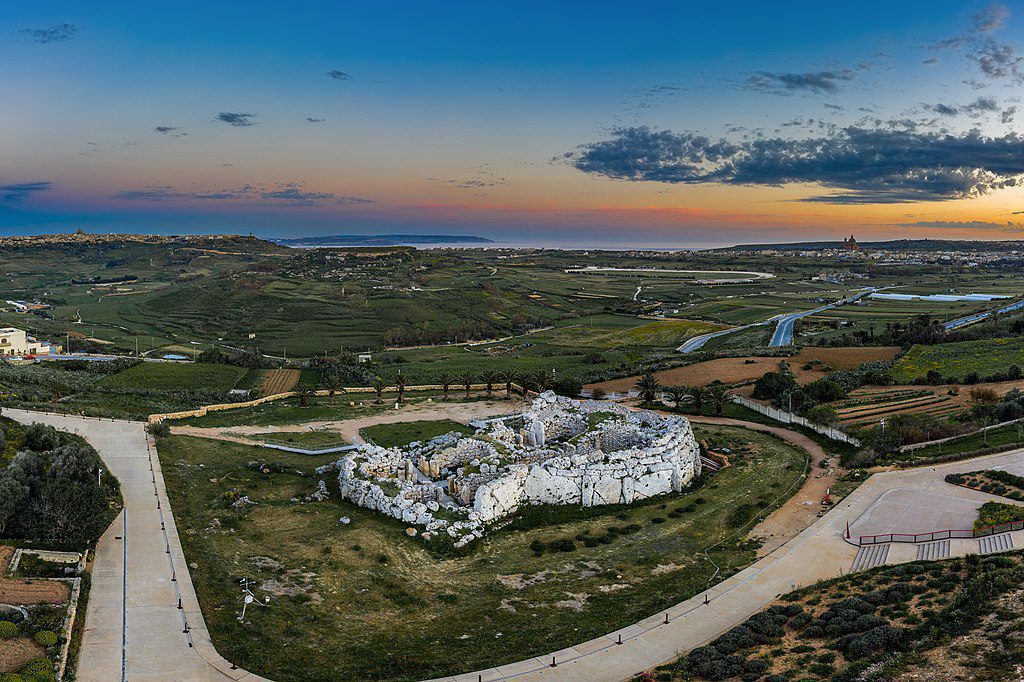
The Ġgantija Temples on Gozo are the oldest, dating back to 3600 BCE. Their massive limestone blocks, among the heaviest used in any megalithic structure, highlight the technical prowess of their Bronze Age creators.
On Malta, the Ħaġar Qim, Mnajdra, and Tarxien complexes demonstrate sophisticated design—from solar-aligned doorways to intricate stone carvings—achieved with rudimentary tools. Meanwhile, the smaller Ta’Ħaġrat and Skorba temples reveal how temple-building traditions were preserved and adapted across generations.
Together, these UNESCO World Heritage listed sites form an unparalleled archaeological landscape, offering insights into Europe’s earliest monumental architecture.
The Ħal Saflieni Hypogeum
Descending into the Ħal Saflieni Hypogeum feels like stepping through a portal into our prehistoric past. This remarkable underground necropolis, discovered accidentally during construction work in 1902, extends through three distinct levels carved entirely from living rock. At over 5,000 years old, it represents one of the world’s best-preserved prehistoric sites.

Each level reveals a different phase of development. The uppermost chambers, dating from 3600-3300 BCE, show the evolution from natural caves to carefully carved spaces. The middle level houses the principal chambers, including the acoustically remarkable Oracle Room, while the lowest level, reaching 10.6 meters underground, contains the most important ritual spaces.
The Oracle Room demonstrates the builders’ sophisticated understanding of acoustics. Words spoken into specific cavities are amplified throughout the complex, creating frequencies that resonate through human bone. This acoustic engineering, achieved five millennia ago, continues to intrigue modern scientists studying sound properties.

The Ġgantija Complex
Rising dramatically from Gozo’s limestone plateau, the Ġgantija temples command their landscape as they have for over five millennia. Their name, meaning “Giants’ Tower,” reflects local folklore that only giants could have erected such massive structures. These temples stand as humanity’s oldest free-standing buildings, predating both Stonehenge and the Egyptian pyramids.
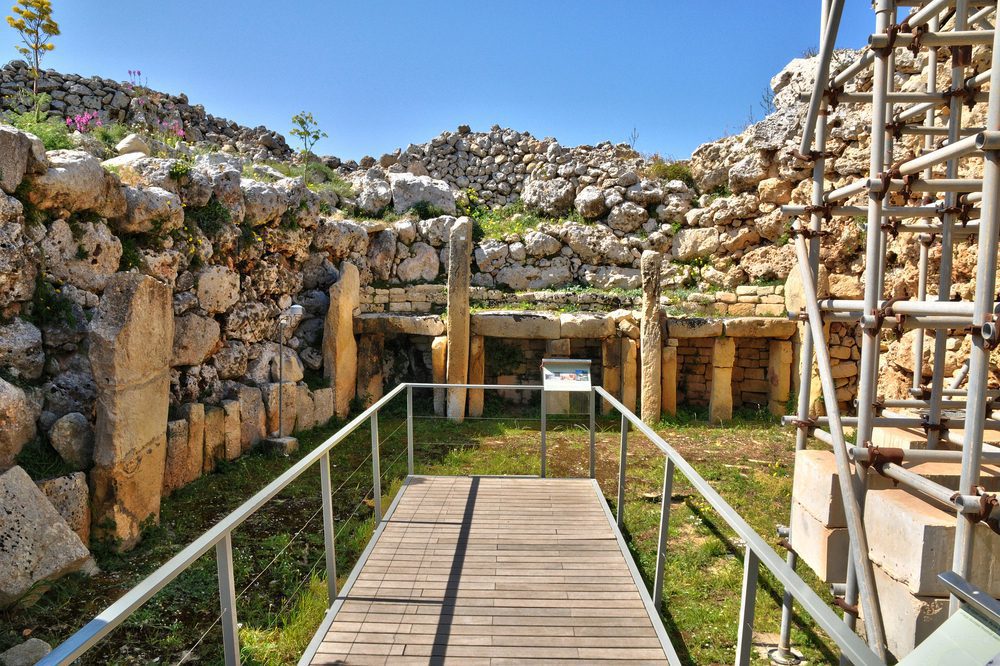
Two remarkable temples share this complex, unified by a massive boundary wall rising 5.5 meters and incorporating limestone blocks weighing up to 50 tons. The South Temple, the older and larger structure, features five monumental apses that showcase the builders’ mastery of space and form. Its companion, the North Temple, displays more refined construction techniques, revealing an evolution in architectural understanding.
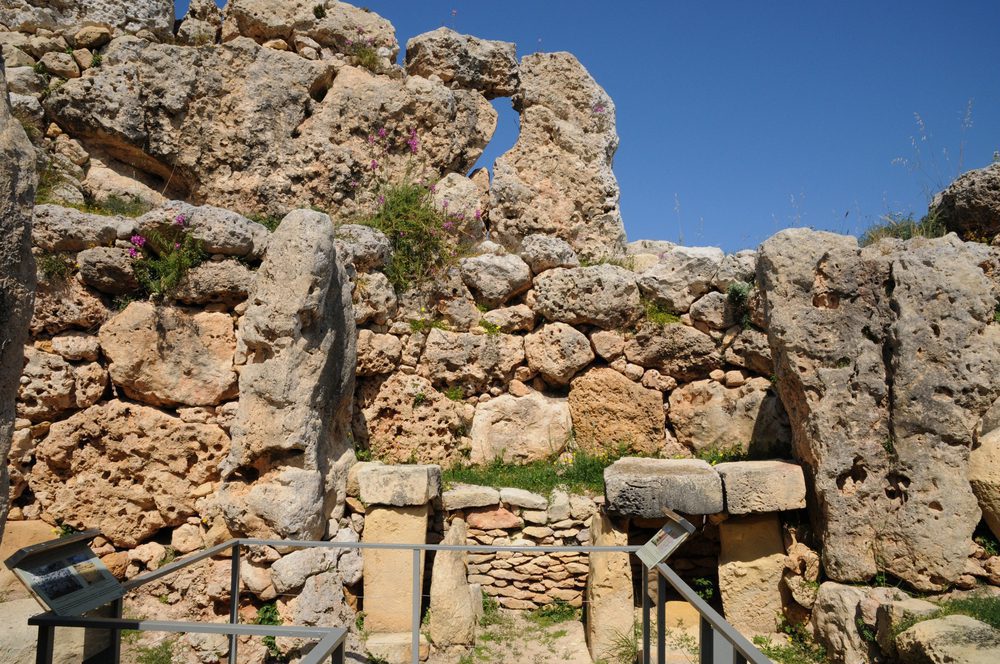
The engineering achievements at Ġgantija revolutionized ancient architecture. The builders developed techniques for fitting megalithic blocks so precisely that no mortar was needed. They created sophisticated water management systems and evidence suggests they successfully roofed these massive spaces using innovative corbelling techniques. Traces of plaster and paint on interior walls reveal these weren’t just structural achievements but carefully finished ceremonial spaces.
The Ħaġar Qim and Mnajdra Complex
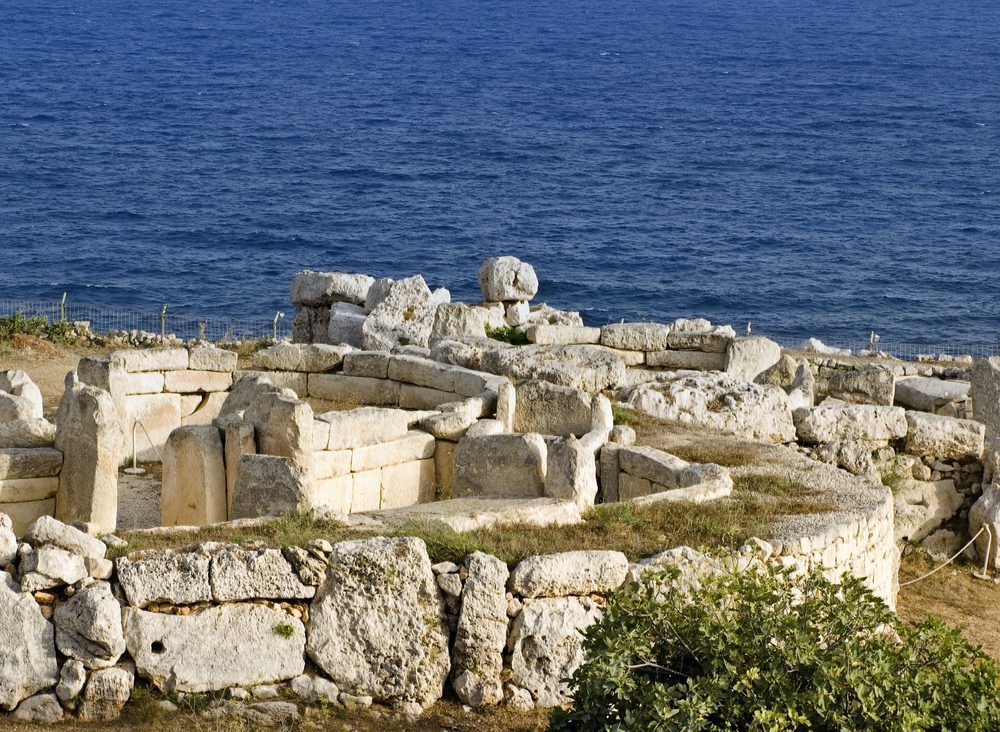
Perched above Malta’s southern cliffs, the Ħaġar Qim and Mnajdra temples create the Mediterranean’s most dramatically situated prehistoric sanctuary. Ħaġar Qim (“standing stones”) crowns the limestone ridge, while Mnajdra nestles in a hollow below, both positioned to align with celestial events.
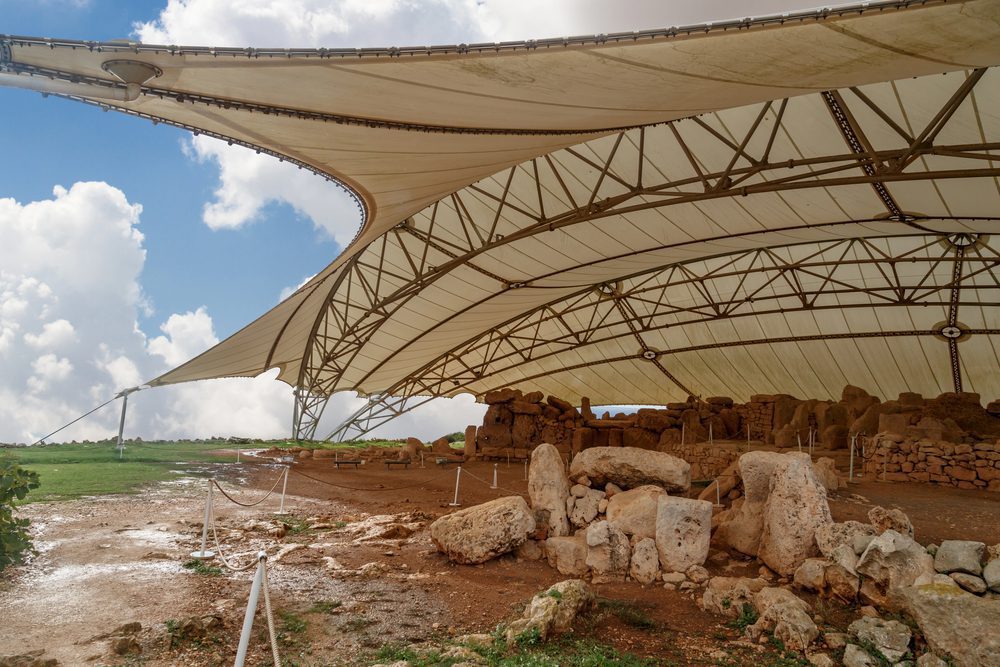
Ħaġar Qim’s entrance, marked by a colossal stone weighing over 20 tons, demonstrates the builders’ extraordinary engineering capabilities. The temple’s complex network of chambers includes unique features like “oracle holes” connecting different spaces, suggesting sophisticated ceremonial uses.

Mnajdra’s astronomical alignments reveal the builders’ deep understanding of celestial movements. During solstices and equinoxes, sunlight interacts precisely with various architectural elements, creating a sophisticated prehistoric calendar. This precision in astronomical alignment ranks among the most significant achievements of prehistoric architecture.

The Tarxien Temples
The Tarxien complex, unveiled in 1914, represents the pinnacle of Malta’s temple-building tradition. Located in what is now an urban area, four interconnected temples showcase the most sophisticated artistic achievements of their era.
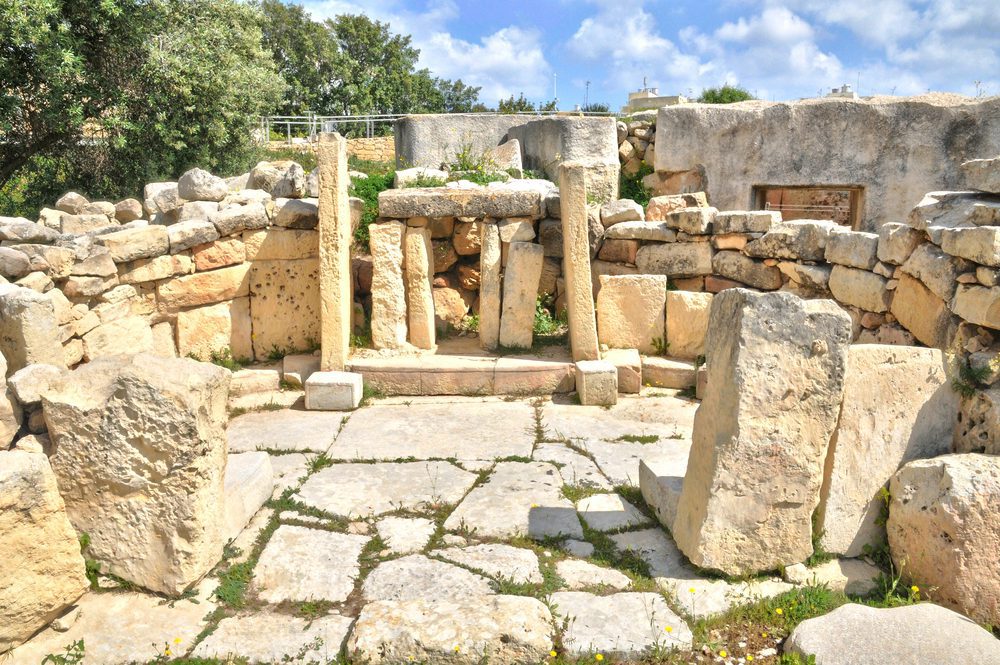
The Tarxien Temples were built between 3600 and 2500 BCE. The complex is made primarily of large coralline limestone blocks, which have developed a weathered, pitted surface over time. The temples are laid out in a cloverleaf (trefoil) design, with curved walls and narrow passages leading into central chambers. Some of the stones weigh several tons, showing advanced construction techniques for their era.

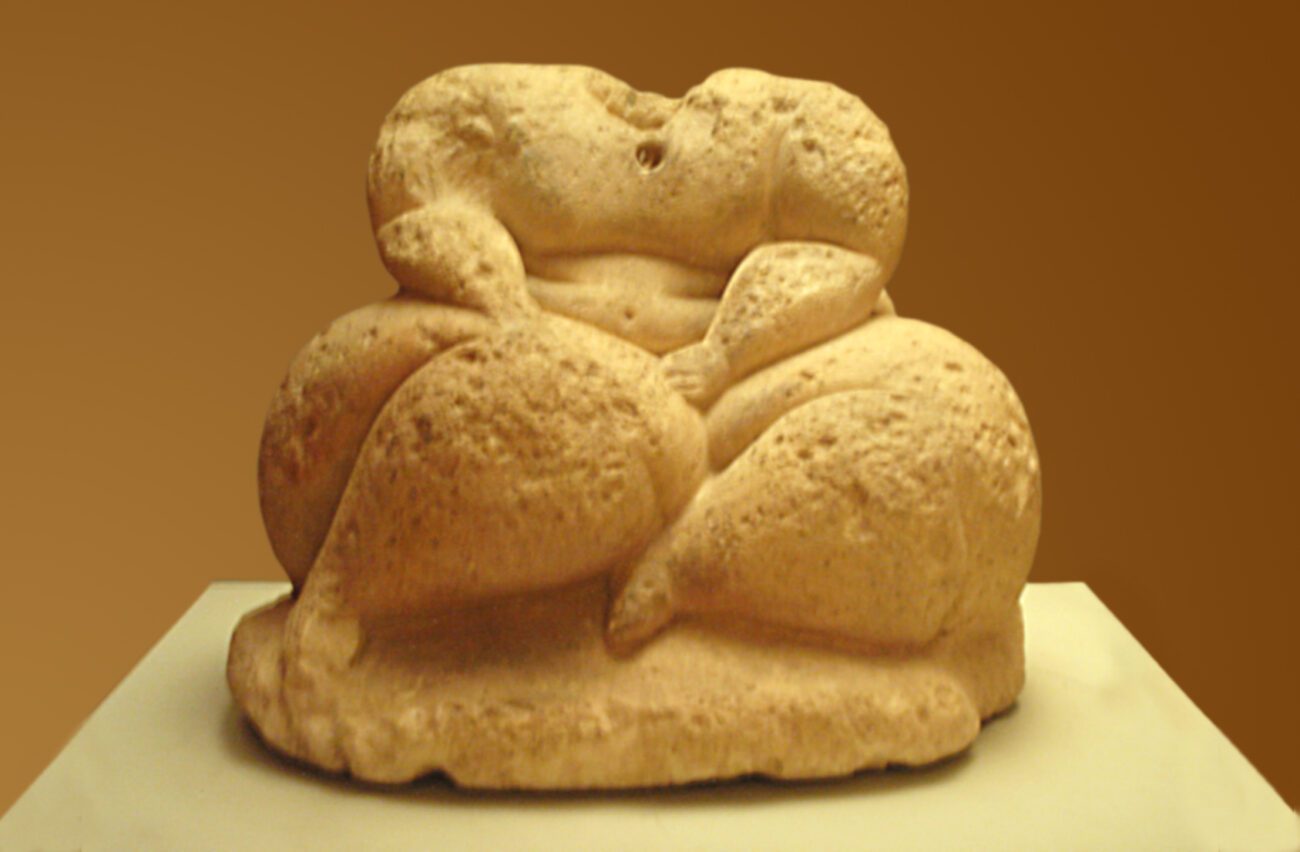
The Tarxien “Fat Lady” Statue is a headless, curvaceous stone figure discovered at the Tarxien Temples, believed to represent a fertility goddess or mother deity. The statue is carved from globigerina limestone and measures approximately 1.5 meters tall (though only the lower half remains intact).
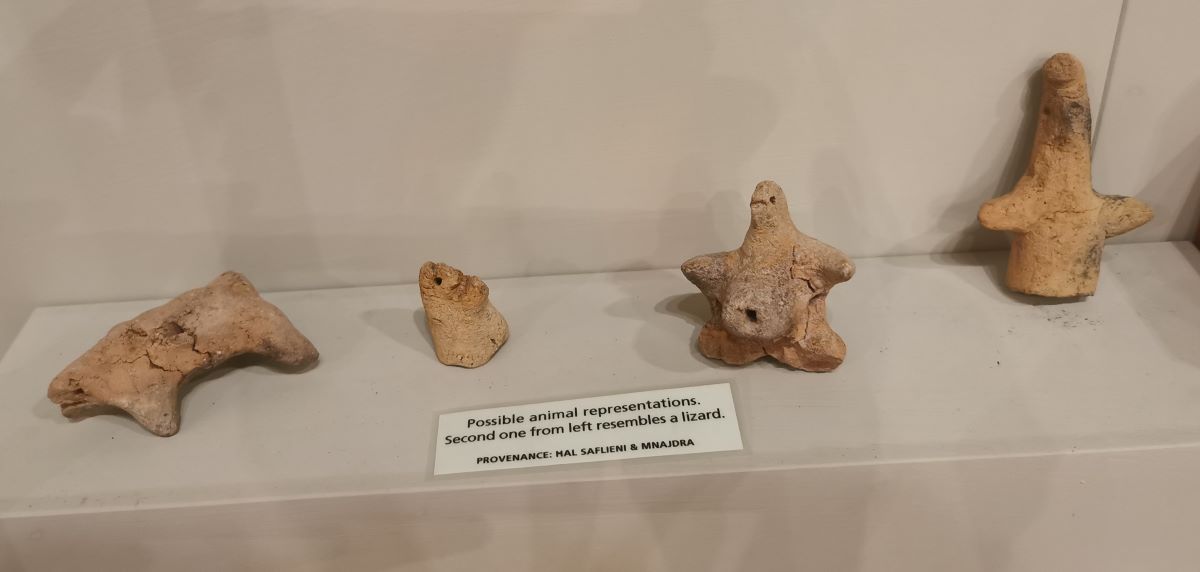
Inside, the temples contain carved decorations, including spiral motifs, animal reliefs (such as bulls and goats), and abstract patterns. One of the most notable features is a large stone block with a relief of two bulls and a sow, likely linked to ritual sacrifices. The South Temple has a well-preserved altar with a spiral design and holes that may have been used for liquid offerings.
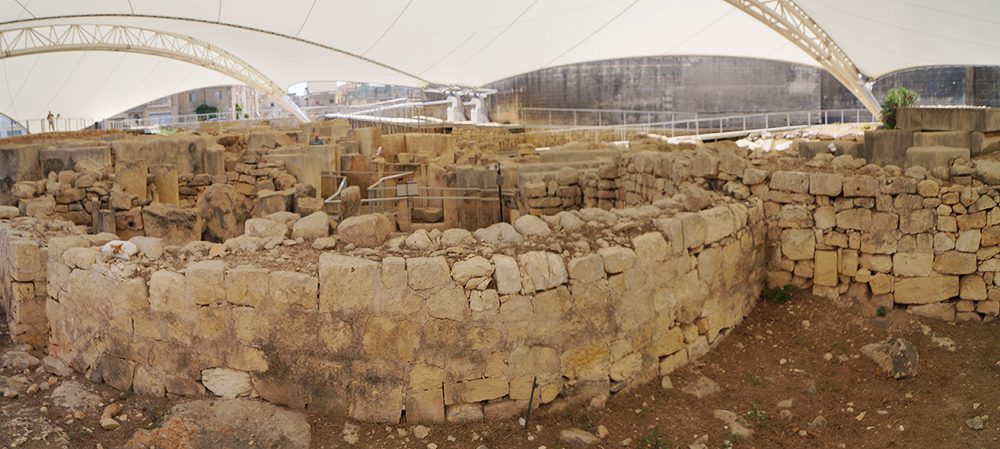
Unlike Ħaġar Qim and Mnajdra, the Tarxien Temples are surrounded by modern buildings, as they are located in a residential area. A protective shelter now covers the site to prevent further erosion. The scale of the complex suggests it was a major ceremonial center, possibly linked to fertility rites and communal gatherings.
Ta’Ħaġrat and Skorba Temples
These smaller, lesser-visited temples offer a glimpse into Malta’s earliest temple-building traditions. Ta’Ħaġrat (3600–3200 BCE) features a compact, well-preserved complex with a distinctive curved façade, while Skorba (4400–3600 BCE) reveals layers of prehistoric occupation, including remnants of domestic huts beneath its temples. Though less monumental than Ġgantija or Ħaġar Qim, their intimate scale and archaeological significance—particularly Skorba’s role in dating Malta’s Neolithic period—make them worthwhile stops for history enthusiasts. (Accessible by car or guided tour; check opening hours in advance.)

Ta’Ħaġrat Temples are located in Mġarr, northern Malta (15 min drive from Valletta, 10 min from Mosta). The Skorba Temples are in Żebbiegħ, northwest Malta (20 min drive from Valletta, near Mġarr). Entrance fees are Adults: €6 (covers both Ta’Ħaġrat and Skorba).
Spiritual and Social Life
These temples served as more than architectural achievements; they functioned as the heart of a complex society. Archaeological evidence reveals elaborate ceremonies timed to astronomical events, suggesting sophisticated religious practices that integrated celestial observations with spiritual life.
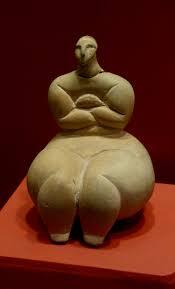

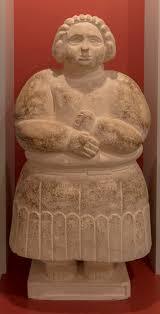
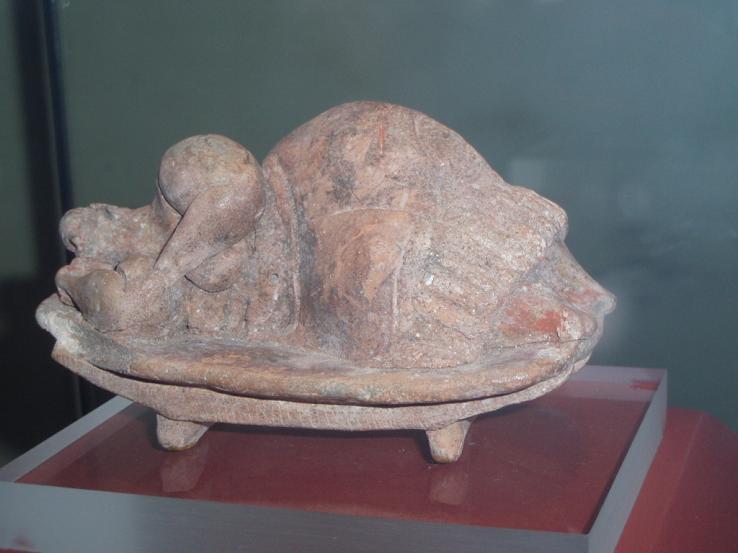
The abundance of feminine imagery found within the temples points to a society that placed special emphasis on feminine power and fertility. The famous “fat lady” statues, discovered in various temple contexts, appear to represent fertility deities. Even the architecture itself embraces feminine symbolism, with many chambers designed in womb-like curves and decorated with spiral patterns associated with life cycles.
Scientific Understanding
The temples demonstrate remarkable scientific sophistication, particularly in astronomy and acoustics. The precise alignment of entrances and passages with solstices and equinoxes reveals careful observation and planning over generations. These alignments weren’t merely symbolic; they created a functional calendar that could track seasons and agricultural cycles with remarkable precision.
The acoustic properties of these structures, particularly in the Hypogeum, reveal equally sophisticated understanding. Certain chambers create specific resonance frequencies that align with human brain wave patterns, suggesting deliberate design for ceremonial purposes. The strategic placement of sound-reflecting surfaces and speaking chambers indicates advanced knowledge of acoustic properties that we’re still studying today.

Engineering and Innovation
The temple builders of Malta mastered construction challenges that would puzzle even modern engineers. Their understanding of structural principles enabled them to create buildings that have endured for over five millennia. Working only with copper and stone tools, they developed sophisticated techniques for cutting, moving, and positioning massive limestone blocks.
Their innovative solutions included using stone balls as primitive roller bearings for transporting multi-ton blocks – a technique that wouldn’t be reinvented for thousands of years. They created stable walls by alternating long and short stone courses, and developed complex water management systems to protect foundations from Malta’s intense seasonal rains. The precision of their stone-fitting techniques meant many walls required no mortar, yet still stand after five thousand years.
Conservation and Modern Research
These ancient monuments face unprecedented modern challenges. Climate change, environmental pollution, and increasing tourism create new threats to structures that have survived five millennia. Salt crystallization within the limestone poses a particular danger, gradually weakening the ancient blocks from within, while urban development around some sites creates additional preservation challenges.
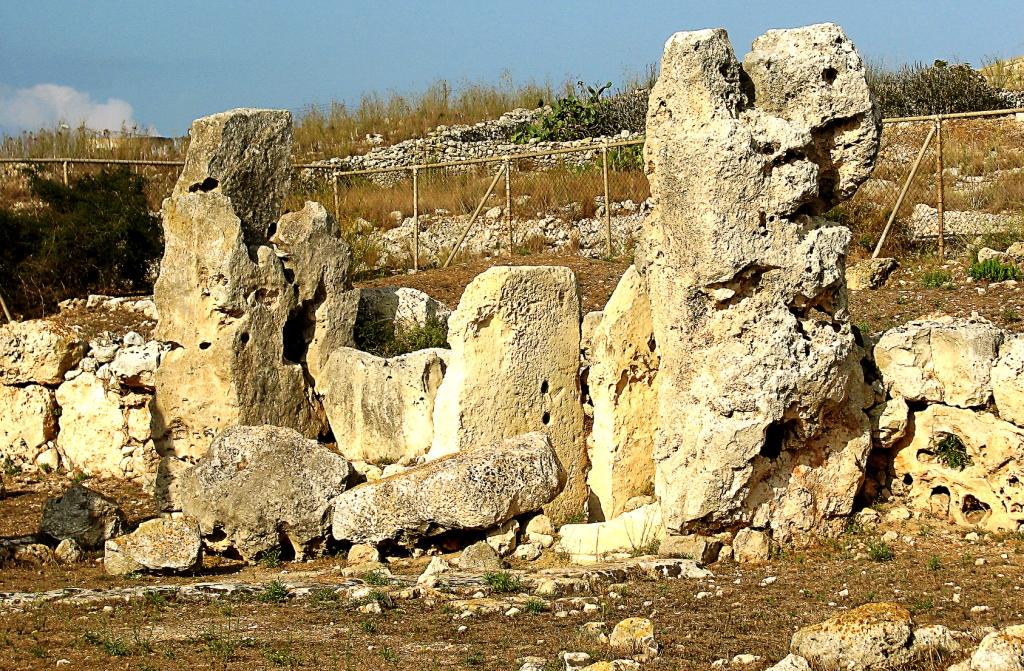
Modern archaeological techniques continue to reveal new insights about these remarkable structures. Advanced 3D scanning technology has identified previously unnoticed architectural details, while archaeoastronomical studies have deepened our understanding of the temples’ sophisticated alignments. Ground-penetrating radar surveys suggest that many structures remain hidden beneath the soil, hinting at an even more extensive temple landscape than previously known.
Cultural Impact and Legacy
The temple builders’ legacy profoundly influences modern Maltese identity and culture. Their artistic motifs appear in contemporary design, from corporate logos to public art installations. The temples themselves have become powerful symbols of Malta’s unique heritage, drawing researchers, tourists, and spiritual seekers from around the world.
These ancient structures continue to inspire modern architects and artists, offering lessons in sustainable building practices and the integration of structures with their environment. Regular cultural events at the temple sites, from educational programs to artistic performances, help maintain their relevance to contemporary society.
Visiting the Ancient Temples of Malta Today
Planning Your Visit
The Mediterranean climate plays a crucial role in the visitor experience. Spring (March-May) and fall (September-November) offer ideal conditions for exploration. Most sites welcome visitors daily from early morning until late afternoon, though the Hypogeum requires advance booking due to strict preservation requirements.
Access and Transportation
Malta’s public transportation network provides good access to most sites. Regular buses run from Valletta to mainland temples, while reaching the Ġgantija temples requires a scenic ferry journey to Gozo. All major sites offer parking, though spaces can be limited during peak season. For visitors with mobility concerns, Ħaġar Qim and Mnajdra provide the best accessibility with modern pathways and ramps.
Admission and Costs
Admission fees reflect each site’s unique preservation needs. The Hypogeum, with its strictly limited daily visitors, requires advance booking and carries the highest fee (€20-35). Other sites are more accessible: Ġgantija Temple admission is €10 for adults, with concessions available. The Heritage Malta Multisite Pass (approximately €30) offers excellent value for visiting multiple sites.

Visitor Experience
Modern interpretation centers provide comprehensive introductions to each site. Professional guides offer multilingual tours, while special archaeological tours during peak season provide deeper insights. Evening tours and solstice events offer unique perspectives on the temples’ astronomical alignments.
A Visit to Malta’s National Museum of Archaeology (Valletta)
Stepping into the National Museum of Archaeology in Valletta (located on Republic Street in the heart of Valletta—just steps from the City Gate and Bus Terminal) is like walking into a treasure chest of Malta’s prehistoric past. Housed in the grand Auberge de Provence (a 16th-century Baroque building), the museum’s collection focuses heavily on artifacts from Malta’s megalithic temples and Neolithic sites. Entrance fee is Adults: €5.
Standing before Malta’s ancient temples today, we encounter more than mere stone monuments – we witness humanity’s enduring drive to create, to worship, and to understand our place in the cosmos. These remarkable structures challenge our assumptions about prehistoric human capabilities, revealing sophisticated societies capable of astronomical precision and architectural innovation long before the rise of what we traditionally consider civilization.
While the Egyptian pyramids and Greece’s Parthenon often dominate discussions of ancient Mediterranean architecture, Malta’s temples whisper an older, perhaps more intriguing tale. They speak of a society that valued precision over monumentality, spiritual connection over military might, and community engagement over individual glory. Their survival into our time offers both inspiration and responsibility – inspiration in their testament to human achievement, and responsibility in ensuring their preservation for future generations.
As modern visitors trace ancient footsteps through these temple doorways, they participate in a continuous thread of human experience spanning more than five millennia. Our responsibility now lies in preserving these extraordinary achievements for future generations, ensuring that these ancient stones continue to tell their remarkable story of human ingenuity and spiritual aspiration.
With its sun-drenched landscapes and rich history, Malta is a captivating destination for solo travelers. Over two days, you can explore ancient wonders like the megalithic temples of Ħaġar Qim and wander through Valletta’s honey-hued streets, where Baroque architecture meets vibrant cafés.
Don’t miss tasting Maltese specialties like pastizzi (flaky ricotta pastries) and fenkata (slow-cooked rabbit stew), best enjoyed at local hole-in-the-wall eateries. For a unique perspective, join a sailing trip around the island’s crystal-clear waters—swim in the Blue Lagoon on Comino, enjoy the Festivals of Malta or dock at a secluded inlet. Compact yet diverse, Malta blends culture, cuisine, and adventure seamlessly, making it ideal for a short but immersive getaway.