
Ultimate Ireland Travel Tips A Locals Complete Guide in 2026
I spent a great deal of time researching and investigating all the best Ireland tips for your first trip to the Emerald Isle. It wasn’t easy (but it was a lot of fun) but here it is—your complete travel guide with all the essential Ireland travel tips you need when you start planning your Ireland trip.
It doesn’t matter if you are coming from the USA, Canada or even Europe—this Ireland travel guide will help you immerse yourself in everything you need to know for your first trip. I would recommend spending 3 days in Dublin and then getting out to see the rest of the country on unforgettable day trips.

It’s always a bit daunting when you travel outside your own country, but Ireland travel is pretty easy. You may have trouble with the Irish slang and the accents, but for the most part, we all speak English here. Although in some parts of Donegal, you might need a translator just because of the accent! As an Irish person living here, I love helping visitors experience the authentic Irish culture that makes this country so special around the world.
Ireland travel is a journey into the past in many ways, particularly for North Americans, so there are quite a few things you wish you might have known ahead of your dream trip to Ireland. I’ve put these Ireland tips into a simple format of 53 tips, but I wanted to say: let all of your expectations go. You will find Ireland to be one of the friendliest and safest places on earth. Once you’ve visited Ireland, you’ll understand why travelers from around the world fall in love with this island’s rich history and warm hospitality.

One of my best Ireland travel tips is to be friendly and truly experience Ireland through genuine connections. I know from living in Canada for many years it is hard for us to strike up a conversation in a bar and we look with suspicion upon someone who starts to chat with us. Here in Ireland that is the norm—it’s part of Irish culture. There is no generational divide in the local pub—you will be drinking with everyone from serious oldsters to those who don’t look old enough to be out after dark, let alone be drinking.

What is the best way to travel around Ireland? The best way to really experience Ireland is to rent a car, but if you are nervous about driving, don’t be. The roads may be narrow but unlike North America, they are relatively uncrowded once you get outside Dublin. One word of advice: don’t drive in Dublin—it is a very walkable city and you don’t need a car. This travel guide recommendation will save you both money and stress!
Public transportation outside of the major cities is a huge drawback in Ireland as the options are very limited. So plan your car-free trip carefully.
All this nonsense about boomers and millennials just doesn’t exist here in Ireland—when you travel to Ireland, this is one of the first things you will notice about Irish culture. So having said that, here are my essential Ireland tips for your first trip to immerse yourself in this incredible island experience.
Before You Go – Do I need a visa to visit Ireland?
It depends on your nationality:
No visa needed for short stays (up to 90 days) for:
- US citizens
- Canadian citizens
- Australian citizens
- UK citizens
- EU/EEA/Swiss citizens
Visa required for:
- Citizens from many Asian, African, and South American countries
- Check the official Irish Immigration Service website for your specific nationality
Important notes:
- Ireland is NOT part of the Schengen Area – a Schengen visa does not grant entry to Ireland
- Even if you don’t need a visa, your passport should be valid for at least 6 months
- Maximum stay without a visa is typically 90 days
- Different rules apply if you plan to work or study in Ireland
Always verify current requirements with the Irish Naturalisation and Immigration Service before traveling, as visa policies can change.
1) Understanding the Two Countries
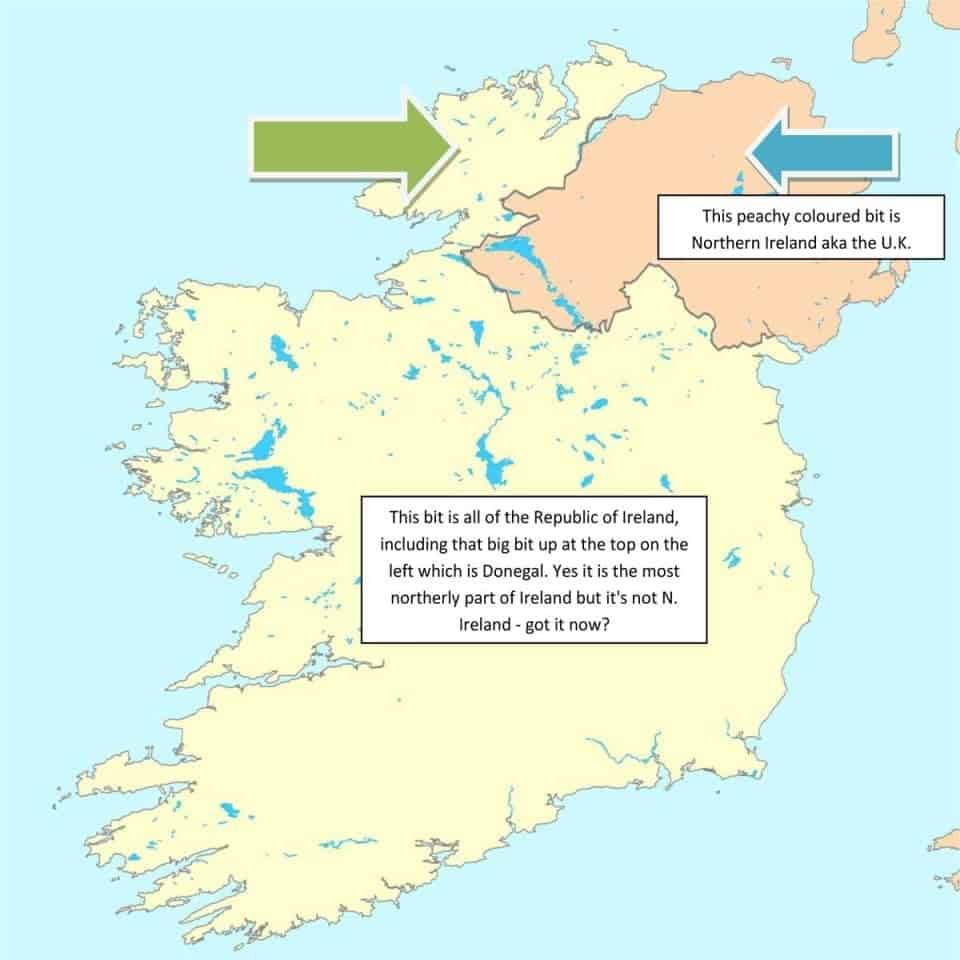
The Republic of Ireland and Northern Ireland are on one island but two separate countries. Don’t confuse the two and don’t call the Republic South Ireland or call anyone there British. According to the Irish Government, the Republic of Ireland is a sovereign nation, while Northern Ireland is part of the United Kingdom.
Money Matters
2) Currency Differences
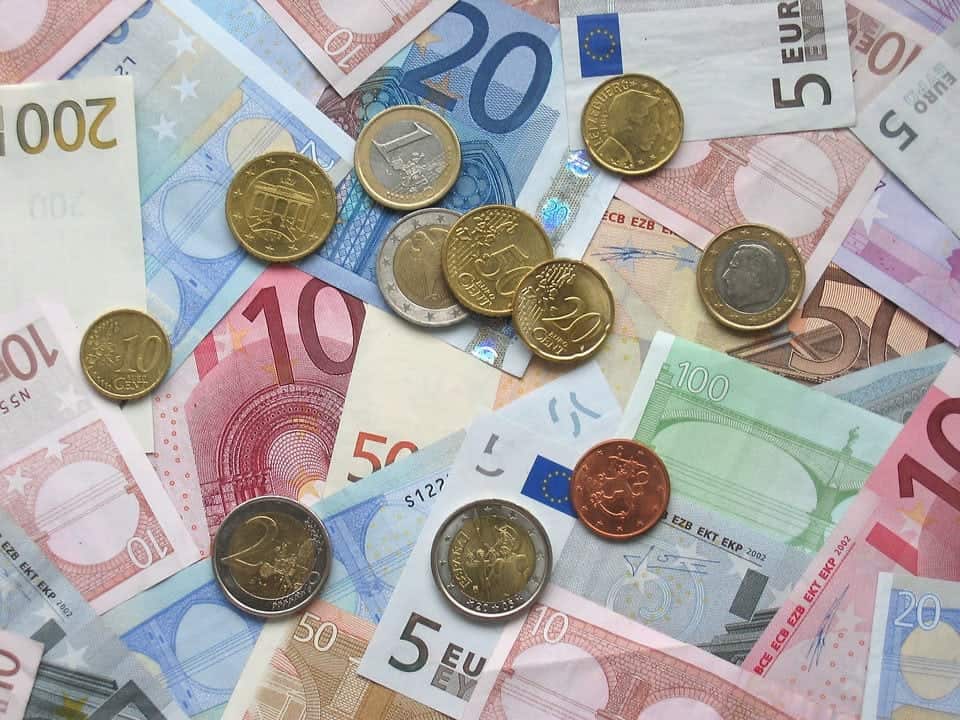
The two countries have two separate currencies. In Northern Ireland, they use sterling or the British pound. In the Republic we use euros, as confirmed by the Central Bank of Ireland.
3) Using Cards and Payment Methods
When you are travelling to Ireland you can use your credit cards and debit cards here in both the North and the Republic. A great tip: to ensure you get charged less on the exchange, ask for it to be processed in Euros or Sterling when shopping. Most debit cards can be used but usually require a pin number as swiping often doesn’t work. American Express is not widely accepted here, so stick with your bank debit card, Visa, or Mastercard.
4) Currency Exchange
Don’t expect to go into a bank in Northern Ireland to exchange money—they don’t. Head to the Post Office instead, as recommended by NI Direct.
5) Traveller’s Cheques
Don’t worry about traveller’s cheques—nobody uses them anymore.
6) Having Cash on Hand
Do bring some small change with you in both Sterling and Euros. About $100 USD in small bills will work so that you can buy a bottle of water or pay a toll. Have both currencies handy when crossing the border. Some tolls give change, some don’t, and others like the one on the M50 around Dublin use an E-flow system. This tags your license plate, but you have to pay the toll before 8 pm the next day. You can pay it online here or in person with cash or card at any conveniently located retail outlet nationwide that has the Payzone sign.
7) Border Crossings
Don’t worry about crossing the border between the Republic and Northern Ireland—for the most part, you won’t even notice until you see the speed signs change from kilometers to miles.
8) VAT Refunds – Republic of Ireland
When travelling to Ireland and within Ireland, remember to keep all your receipts for things you buy so you can claim back that VAT tax and get a refund. In the Republic, non-EU visitors can claim back VAT on purchases over €75.
9) VAT Claims Process
Keeping tip #8 in mind, in the Republic claim back that VAT through the official process outlined by Revenue.ie.
10) Store VAT Services
In Northern Ireland and the Republic, many stores offer refund paperwork right at the cash desk. You will need your passport to prove you are a tourist, but the information can be processed immediately. If you don’t do this, simply keep all your receipts and claim the VAT refund at the airport. The refund will be sent to your home address eventually.
Getting Around
11) Car Rental Cross-Border
You can rent a car to go travelling in Ireland, but if you are travelling across the border, expect to pay an additional charge and notify your car rental agency you are going to travel across the border.
12) Automatic Transmission
If you only feel comfortable driving an automatic car, you will pay an extra fee for the privilege.
13) Driving on the Left
Yes, in both countries we drive on the left, which can scare many a tourist. This follows UK driving regulations in Northern Ireland and Irish Road Traffic Acts in the Republic.
14) Car Rental Insurance
Renting a car in Ireland is expensive—the insurance is extortionate. You may be able to use your credit card’s insurance, but check with the company first and bring a letter stating you are covered. However, you will get a large hold put on your credit card for the privilege.
15) Mastering Roundabouts
Learn how to use a roundabout before you arrive—they can be very intimidating, but once you get used to them you will wish they were in your city. According to the Road Safety Authority, traffic from the right has the right of way in roundabouts. You should position yourself in the correct lane BEFORE you arrive at the roundabout. Some roundabouts have 2/3/4 exits. You should know your exit and indicate accordingly.

16) Road Courtesy
In both the Republic and the North, slow drivers are encouraged to pull over to the side of the road to let faster vehicles pass—it’s part of Irish driving etiquette.
17) Road Rage is Rare
Don’t expect “road rage” in either country. Roads here are small and narrow, and it is considered polite to pull over and share the road when a vehicle is passing on a narrow road.
18) Colorful Language
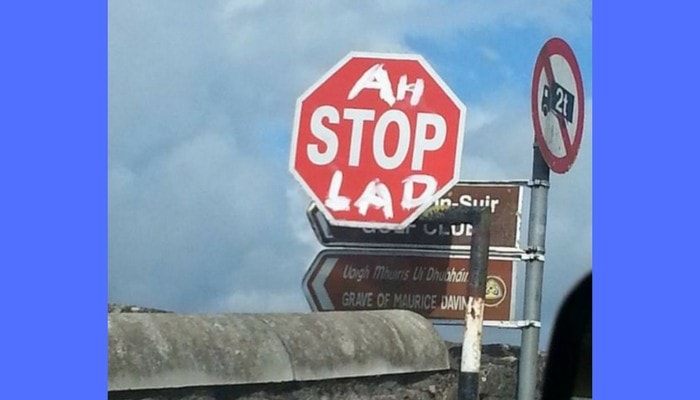
You may hear a lot of swearing—get used to it! The Irish on both sides of the border are pretty free with colorful language.
Accommodation
19) Bedding Differences
Most hotels and B&Bs use duvets (comforters)—don’t expect a top sheet.
20) Washcloths Not Provided
Hotels and B&Bs will rarely supply a washcloth/flannel as they are not considered very sanitary, so bring your own if you prefer them.
21) Bathroom Electrical Safety
Many B&Bs don’t have electrical sockets in the bathrooms as it is considered a safety hazard under Irish electrical regulations. So you won’t be able to use your hair dryer or straightner.
22) Electrical Adapters
Bring an adapter that works for all your devices—you won’t need a separate one for your phone charger as USB connections are universal. For Ireland and the UK, the associated plug type is G, which has three rectangular pins in a triangular pattern.

23) Hair Appliances
Leave the hairdryer and hair appliances at home—the wind will take care of your hair as soon as you step outside, and most B&Bs can supply hairdryers.
24) Tipping Culture
Tipping is gratefully accepted but not required or mandatory. It’s not that Irish hospitality workers are paid great wages—they aren’t—but they rarely expect tips like in North America.
25) Political Sensitivity
Don’t wear Irish flags or related paraphernalia when you visit Northern Ireland, and the same goes in reverse for visiting the Republic. Travelling in Ireland does require some sensitivity on the part of visitors. Don’t refer to the North as “Ireland”—it is Northern Ireland. The south is not “the south”—it is the Republic of Ireland.
26) Elevator Access
Check if your hotel has an elevator or lift—dragging a heavy suitcase up two flights of stairs can be horrendous.
27) Accessibility
If you have mobility issues, bring your handicap parking permit and double-check that sites you want to see are accessible. Many are, and the information is available on their websites or through Disability Federation of Ireland.
28) Walking Shoes Essential
Bring a good pair of walking shoes. You won’t need hiking boots unless you plan serious hiking, but you will need good shoes as a lot of walking is required in Ireland.
Food & Drink
29) Dublin, city and town walking
Dublin is a very walkable city, but get a map online and plan the areas you want to visit beforehand—it’s pretty easy to get lost and turned around. Most towns and cities are very walkable in Ireland both in the North with for example Derry and in the South Kilkenny, Westport and so on.

30) Restaurant Hours
Note that most restaurants close around 9 pm, so have snacks handy to keep you going.
31) Café Hours
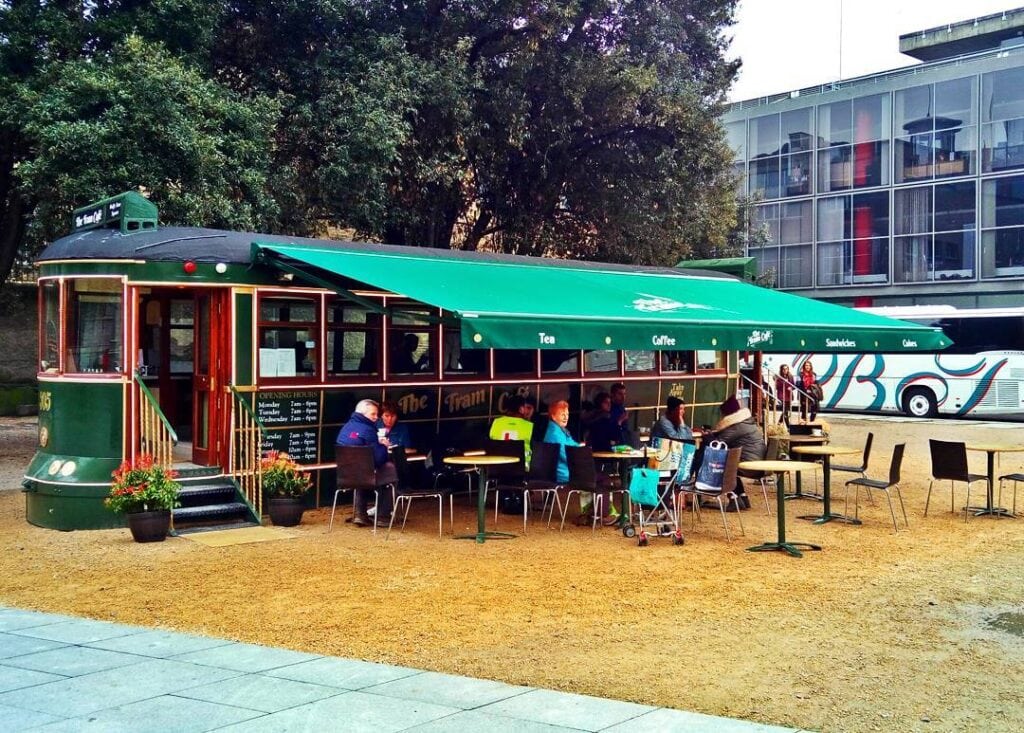
Lots of cafés and coffee shops close around 5 pm, so keep that in mind as well. It can be difficult to find a sandwich and coffee after that time if you don’t want a heavy meal.
32) Pub Food Experience
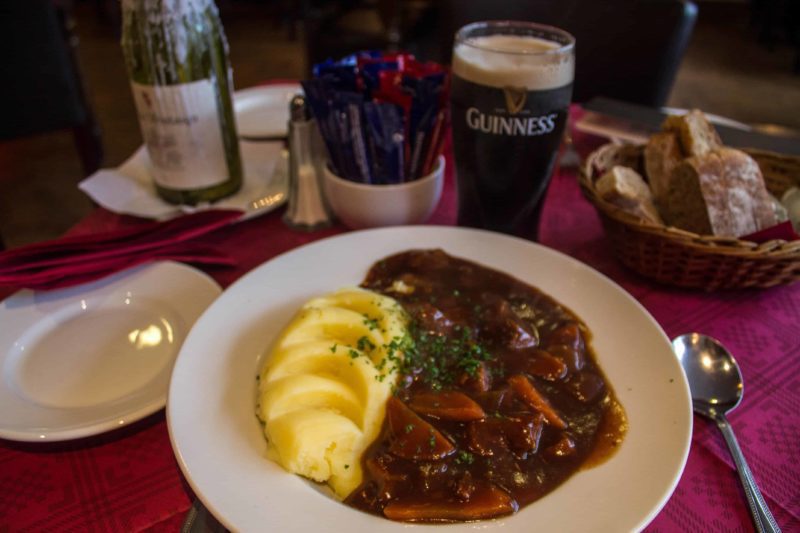
Many pubs do serve food, but don’t expect anything gourmet. The food will be good, local, and wholesome but not particularly adventurous. However, the experience of eating in a local pub is quintessentially Irish and something every visitor should try to truly experience Ireland. Just be aware that after probably 8 o’clock in most pubs you won’t be able to find any food except perhaps bar snacks.
33) Budget Accommodation
Looking for affordable accommodation? Check out the Universities in Dublin, Cork, and Galway. They often rent out great rooms in the summer months when students are not in class. Many times the locations can’t be beaten for convenience to city centers or public transport.
34) Dietary Requirements
All areas of Ireland are accustomed to special diets, and it is the law that ingredients are declared and allergen information is available. So if you are dairy-free, gluten-free, or have any other intolerances or allergies, don’t worry—you are in safe hands. Ireland follows strict EU regulations requiring establishments to declare every ingredient.

Fun Fact: Did you know Ireland has one of the highest rates of coeliac disease in the world? About 1 in 100 Irish people have it—way more than the European average! Experts think it’s a mix of genetics and Ireland’s historical love of gluten-heavy diets.
Cultural Tips
35) Public Transportation Limitations
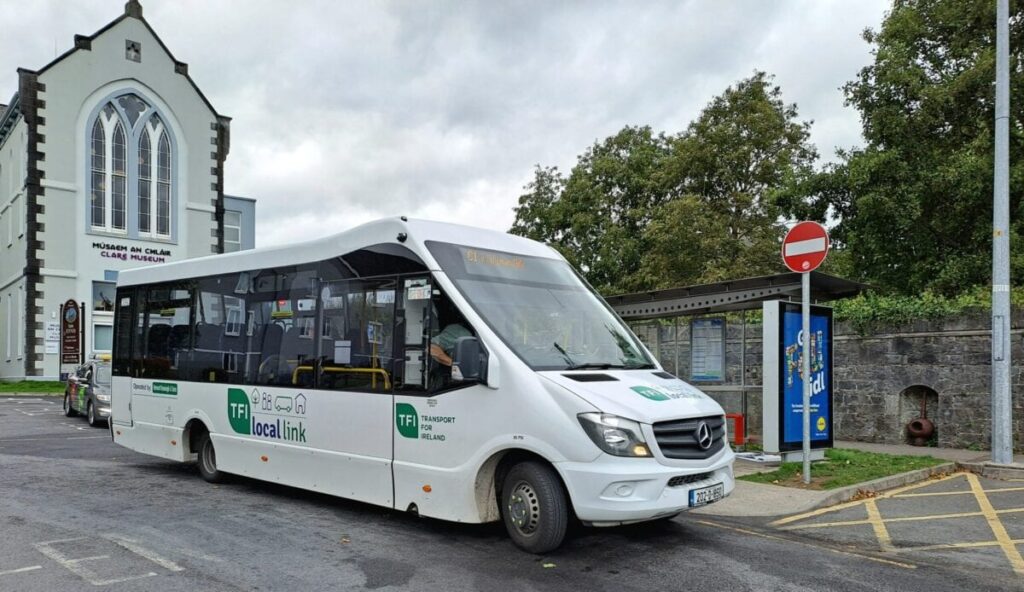
Public transport is virtually non-existent in many rural areas. The larger cities are well served by buses, trams, and some trains, but in places like Donegal, there is no local bus network system. In many rural areas, there is a service called Local Link. You can’t buy tickets online, but you can see where and when those small buses run by visiting their website.
36) National Bus Service
Bus Éireann is the bus service that goes all over Ireland, and you can plan your travel by looking at their schedules and pricing using their Journey Planner online.
37) Train Services
There are trains in Ireland operated by Irish Rail, but they do not go all over the island. Check out the schedules and destinations before you arrive and plan your journey accordingly.
38) Electrical Voltage
In Ireland the electricity is 230V, and in North America it is generally 110V—make sure you have the right adapter before you come. A multi-European one is handiest, and if it has a couple of USB plugs, so much the better. For Ireland and the UK, the associated plug type is G.
Practical Information
39) Medications
When travelling to Ireland with medications, don’t pack them in your checked luggage as this may go missing. Carry them in your hand luggage. For the most part, Irish Customs and security don’t worry about your medications unless they are controlled substances—then you should have a letter from your doctor stating why they are necessary.
40) First Aid Supplies
Over-the-counter pain relief, bandaids, and first aid supplies are pretty inexpensive here in Ireland compared to North America, so don’t worry about packing a first aid kit and taking up valuable luggage space.
41) Packing Light
Speaking of luggage: pack light. Pack your stuff, then take out 30% and repack. You want small luggage to fit in small cars if you rent one, and even if taking transit, the last thing you want is to drag around heavy luggage. For packing, bring a good pair of walking shoes and a waterproof light jacket. The rest should be layers—you won’t need high heels or fancy clothes here. For the most part, Ireland is pretty casual.
42) Age Restrictions for Pubs
According to Irish licensing laws, children aged 15 and over, but under 18, are allowed in the bar of licensed premises unaccompanied. Unaccompanied children aged 15 to 17 and accompanied children under 15 may remain in the bar between 10:30 am (12:30 pm on Sunday) and 9:00 pm.
43) Visa Requirements
According to the Irish Naturalisation and Immigration Service, citizens of certain countries must apply for an entry visa before they travel to Ireland. If you require a visit/holiday visa and don’t have one when you arrive, you will not be allowed to enter the country. A visit/holiday visa is for short-term stays and will not exceed 90 days.
Starting in 2025, travelers from visa-exempt countries (like the U.S. and Canada) will need an ETA (Electronic Travel Authorization) for the UK and an ETIAS (European Travel Information and Authorization System) for Europe—apply online before your trip!

You don’t need an ETIAS for the Republic of Ireland because it’s part of the EU but not the Schengen Zone. However, if you’re traveling onward to other European countries (like France, Germany, or Italy), you will need an ETIAS for those destinations.
Republic of Ireland (EU but not Schengen) → No ETIAS needed
Northern Ireland (UK) → No ETIAS, but may need a UK ETA (depending on nationality)
Rest of Europe (Schengen Zone) → ETIAS required starting mid-2025
Always double-check official sources before traveling:
🔗 EU ETIAS Info
🔗 Irish Immigration
🔗 UK ETA info: UK Government Website
🔗 EU ETIAS info: European Union Official Page
Always check official sources for the latest updates!
44) EU/EEA Citizens
If you are a citizen of an EU/EEA member state or Switzerland, you do not require a visit/holiday visa to travel to Ireland. You have the right to enter and reside in Ireland for up to 90 days.
45) Food Quirks
A personal pet peeve of mine is that the Irish put sweetcorn in virtually everything! Expect to see it in tuna salad, on pizza, in potato salad, and other foods you just weren’t expecting.

46) Pub Etiquette
The unwritten rule in the pub is if a coaster is sitting on top of the pint or drink, it is a placeholder—the person will be right back.
47) Mobile Phone Setup for Your Ireland Trip
Get your phone unlocked at home, then when you get to Ireland, pick up a SIM card (they are usually free). Once you have the SIM, get a data package from whichever provider gives you the best deal. Three Ireland offers competitive data packages.

eSIMs are a convenient way to stay connected in Ireland—no physical SIM needed! Just download a data plan before you go, and you’ll have instant coverage from local carriers like Vodafone or Three. Perfect for travelers who want fast, hassle-free internet. (Check providers like Airalo, Holafly, or local Irish networks for the best deals!)
You can use WhatsApp, Facebook Messenger, or VoIP calls to contact home and share your Ireland travel experience on Facebook and Instagram. This will also allow you to use Google Maps and GPS when driving—essential Ireland tips for navigating the country!
Share your photos on our Facebook Group – Ireland Uncovered: Hidden gems and local tips
48) Electric Showers (power showers)
Very often in a B&B or older hotel, you will find you have to turn on the shower before you get in. These are electric showers and require you to pull the cord to activate the shower.
49) Self-Catering Hot Water
In a self-catering cottage, be aware of tip #48, and if you need hot water in the sink to wash dishes or hands, you may have to switch on the immersion heater, which will be in a cupboard in the kitchen. Some have timers and some don’t—be careful not to leave the switch on all day as it can get brutally expensive.
Traditional Irish cottages to rent for your vacation
50) Hotel Room Electricity
Often hotels have a card slot to turn on the electricity in the room—when you remove your keycard there is no power, so don’t forget your devices won’t charge unless your keycard is in the slot.

Best Times to Visit
51) Seasonal Considerations for Your Ireland Travel
Best time to visit Ireland: The most popular months are from June until mid-October. These are the high season months in Ireland, and you will find items like car rental, accommodation, and food much more expensive. The shoulder season of spring (mid-March until June) is a great time to visit Ireland for your first trip—perfect weather for day trips exploring the rich history of ancient sites.
Some attractions may still be closed for the season but will open usually around the end of March or beginning of April. Late October to March is the low season with far fewer tourists. However, some sites will not be open to the public as they are difficult to maintain during winter months. Make a list of all the places in Ireland you want to see and double-check they are open in winter months—an essential step in any good travel guide planning process.
What to See
52) Heritage Sites and Filming Locations: Exploring Ireland’s Rich History
Heritage sites, museums, and famous filming locations in Ireland offer incredible day trips to immerse yourself in the country’s rich history. Most people have heard of Game of Thrones and how it was filmed in Northern Ireland—you can visit many of the actual filming locations when you travel to Ireland.
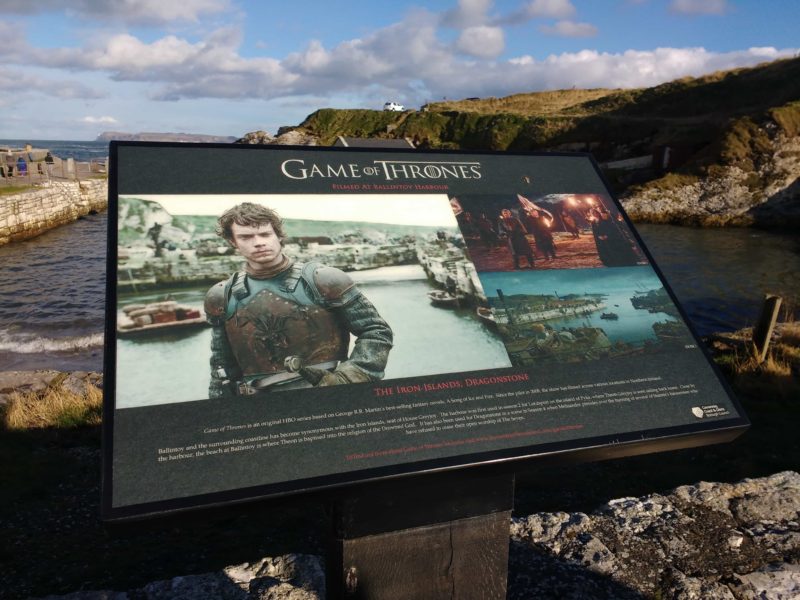
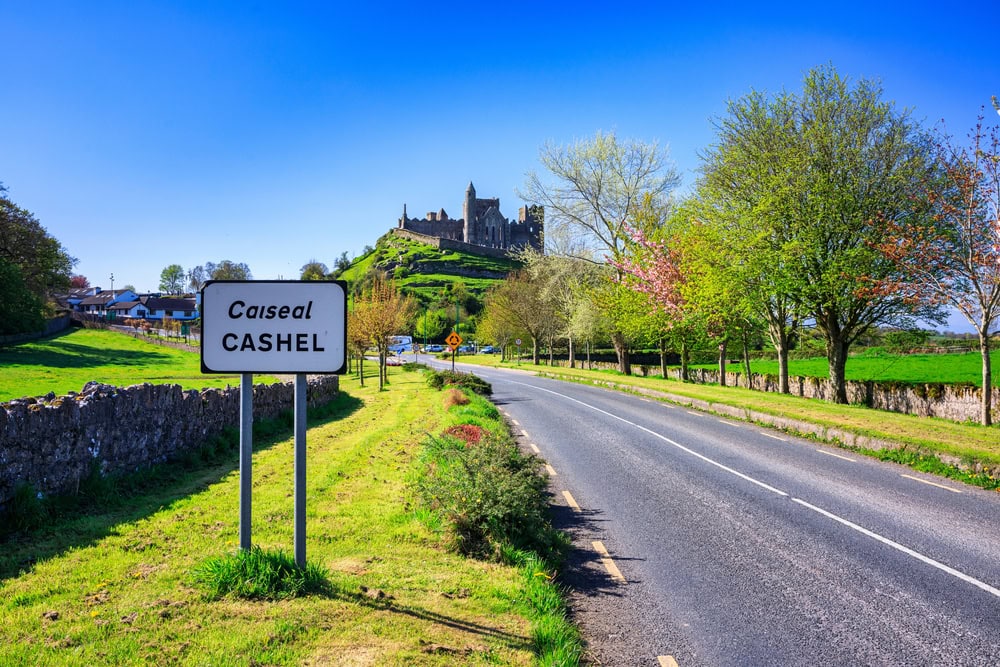
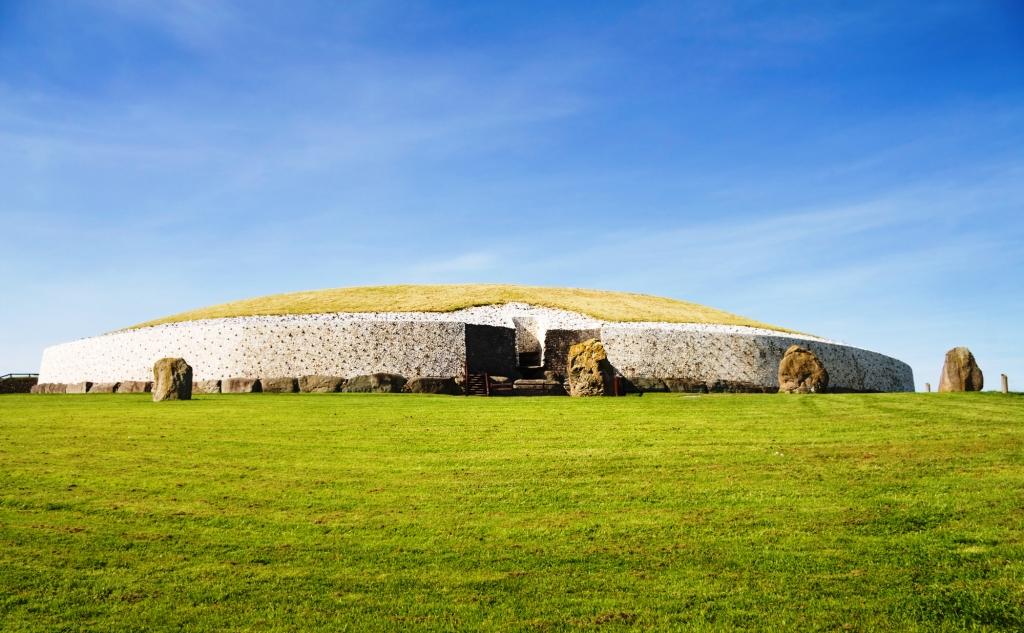
There are also Star Wars filming locations as the movies were filmed in Ireland. Many heritage sites run by the OPW (Office of Public Works) are free on the first Wednesday of the month. Newgrange and some others like Kilkenny Castle are not included in this, but you can see amazing historic sites like the Rock of Cashel or Birr Castle absolutely free. As an Irish person, I love showing visitors these incredible sites that showcase our rich history. But there are some tourist traps when you travel to Ireland.
53) Unique Ireland Travel Experiences
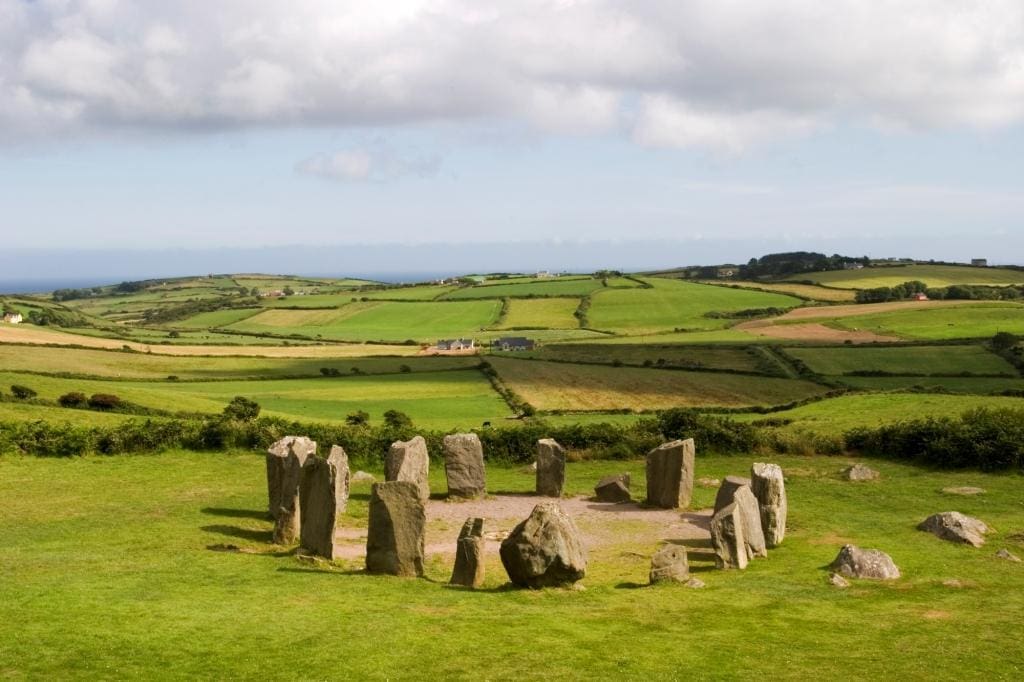
Have you heard of the Vikings TV show produced by the History Channel? If not, check it out before you come to Ireland, and when you are here you can visit the filming locations—who knows, you may catch one of the battles being filmed. There are also many museums, ruins, stone circles and haunted places to be seen in Ireland completely free of charge. These locations offer fantastic day trips to explore Ireland’s rich history and experience the world of ancient Ireland.
If you are worried about visiting Ireland in the winter months—don’t be! There is simply so much to do and see, particularly in Dublin. Check out fellow travel writer Naomi’s post Why you should go to Dublin in December—it’s chock full of places to see and things to do.
Figuring out an itinerary when you can only spend a week in Ireland can be tricky, but Tamara has a great Ireland travel guide for you: the ultimate Ireland itinerary for one week of exploring the Emerald Isle. This guide is perfect for planning your first trip to experience Ireland’s diverse landscapes and culture.
Ireland Itineraries: Your Complete Travel Guide
I’ve lived in Ireland for a while now and have travelled the island from north to south and east to west—so if you want ideas of what to see and how to see them, I have literally hundreds of articles you can read. As an Irish person who has visited Ireland extensively, I love sharing this insider knowledge to help you experience the best of Irish culture. Here are some of the various posts on the site you can take a look at for comprehensive Ireland travel planning:
- Travelling in Ireland without a car
- Road Trip Ireland: A perfect 2-week Irish road trip
- 101 Landmarks in Ireland to see
- 101 Landmarks to see in Northern Ireland
- Wild Atlantic Way Ireland Route: A Road trip
- 36 of the best of Ireland’s Islands
There you have it: 53 of the best tips you need for travelling to Ireland.
Just a final word: take your time and plan to come back again. You know you will—the magic of Ireland seeps into everyone who visits.
Want to download a PDF printable version? Simply click here.
Great post! Thank you for going into a bit of detail. Me and a couple of friends are going backpacking in a couple of weeks and we’re gonna need all the info we can get.
Be prepared for an adventure. ! Watch out for the Crooked “diddly doo politicians,robbing lazy arsed Taxi drivers.pick pocket thieving Dubs.Slappers & Junkies” all around the city .Visit the Country folk for a real welcome and a taste of what keeps Ireland traditionally popular .ie stay away from Kerry folk.theyre really are little green men with calculators”.Enjoy the ride “most of the above will anyway. ps …..no that little man in the Aras is actually real size & exists.!
We are taking a bus day trip from Dublin to Galway. We need a Very Good place to eat on the way or in Galway .
I am going to visit Ireland month of June 19, and these tips are very helpful for me before landing there. Thanks for sharing these wonderful tips <3
Ah, I recognized a few places that we’ve seen/visited! You brought back great memories. A great post with very valuable tips to travel in Ireland.
Fantastic Post, No doubt Ireland is such a Beautiful and Wonderful Country. Great Post Thank you for sharing.👍
Hope you get a chance to visit someday
Love the part about the wind taking care of your hair🤣 so accurate. Great read and useful tips
LOL yep no point in attempting to beautify your hair when the rain and wind will work its own miracles in Ireland
This is a fantastic list of tips! We are planning to visit Ireland next year so will keep these tips bookmarked.
Hope it will come in handy for you
Great post. So many tips which will definitely help on my next trip to Ireland. Can’t wait!
Wow! You really have done great research about Ireland. These tips would be such a great help for the people planning a trip to Ireland. The best tip I came across is finding accommodation in the University hostels. That would be quite cheap and convenient.
Moving to Ireland helped LOL