
Best day trips from Dublin: castles, cliffs, and culture across the Emerald Isle
Planning a Dublin day beyond the city? These tried-and-tested day trips combine Ireland’s Ancient East, the Wild Atlantic Way, and the Causeway Coast—think Newgrange and Tara, Galway City and the Cliffs of Moher, Belfast City and the Giant’s Causeway, plus Kilkenny and Blarney Castle.
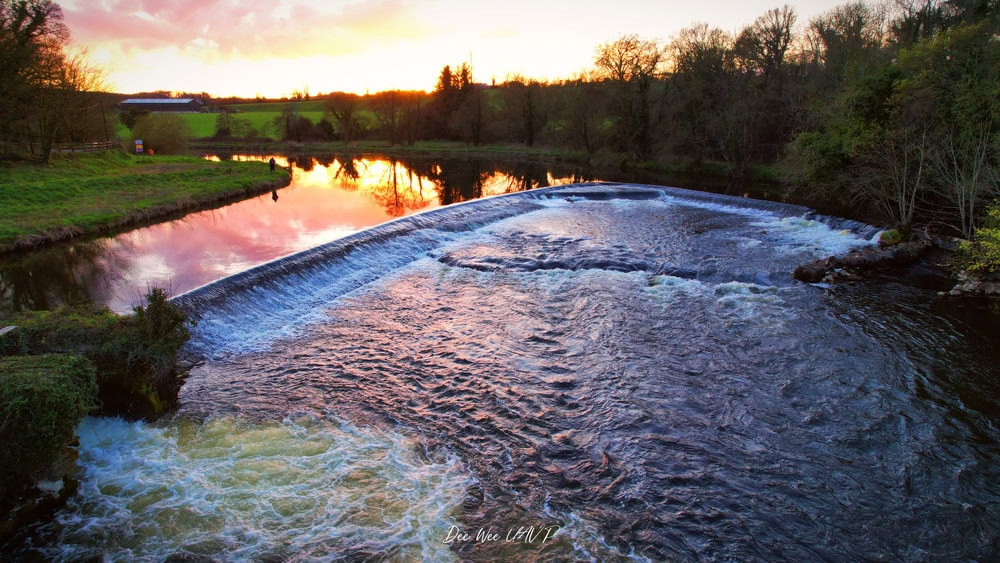
I’ve personally travelled these routes by rental car, train, and guided day tours; below you’ll find realistic timings, what to expect, and who each trip suits. I highly recommend choosing two or three for a balanced itinerary. There are plenty of free things to do in Dublin if you’re looking to save money and you don’t have much time to take a day trip.
- Best day trips from Dublin: castles, cliffs, and culture across the Emerald Isle
- Boyne Valley in a day: Newgrange, Hill of Tara, Trim Castle, Mellifont Abbey
- Belfast City and the Causeway Coast: Giant’s Causeway and Dunluce Castle (Northern Ireland)
- Cliffs of Moher via Galway City (Wild Atlantic Way)
- Wicklow Mountains and Glendalough—plus Dublin’s nearest cliffs at Howth
- Kilkenny and the Medieval Mile
- Blarney Castle and Cork City in one sweep
- Aran Islands sampler from Galway (ambitious but memorable)
- Exploring the fascinating regions of Ireland
Boyne Valley in a day: Newgrange, Hill of Tara, Trim Castle, Mellifont Abbey
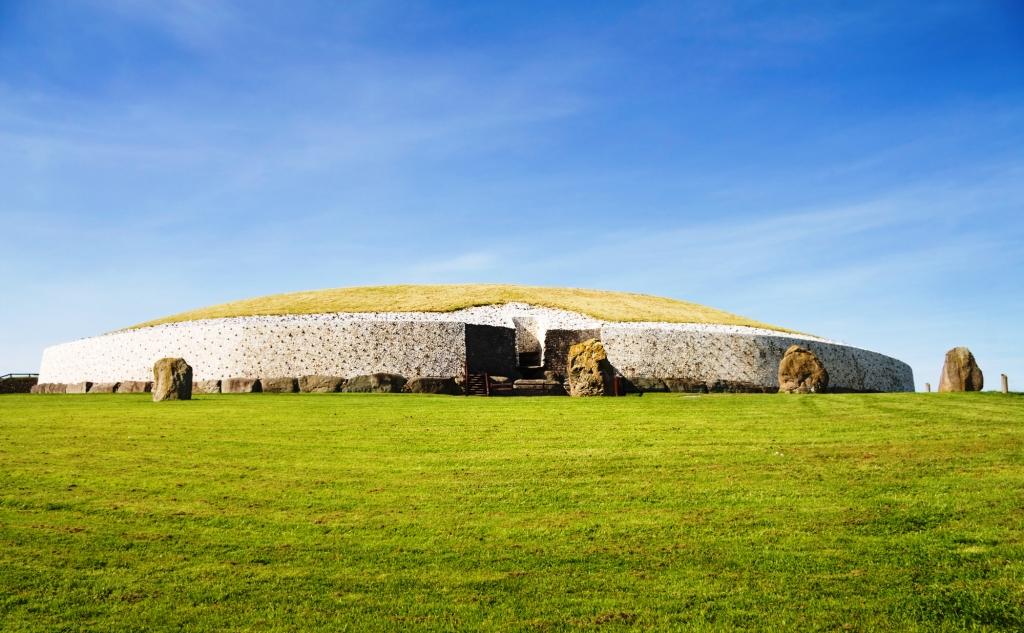
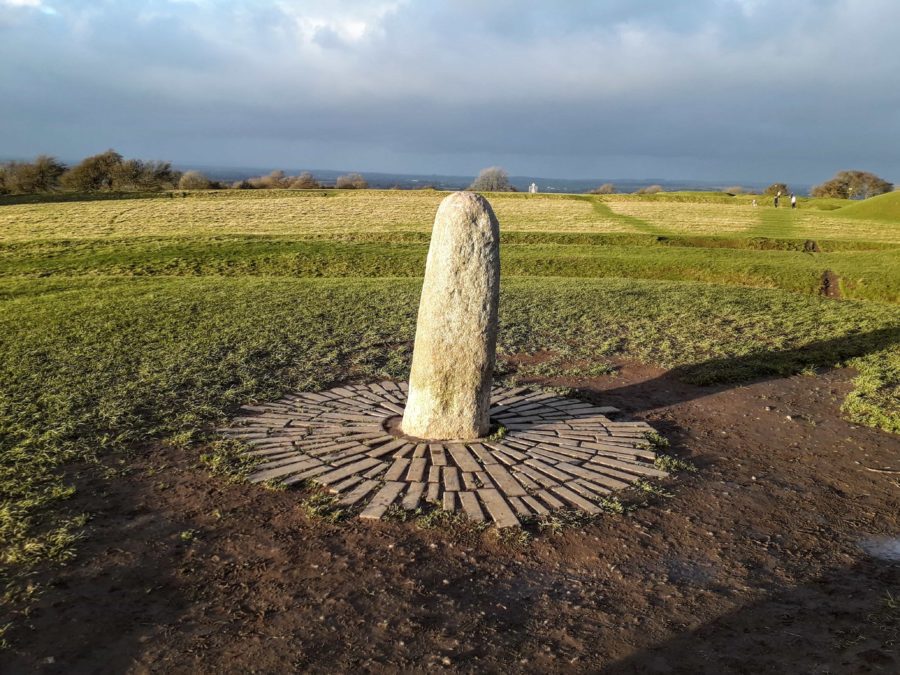
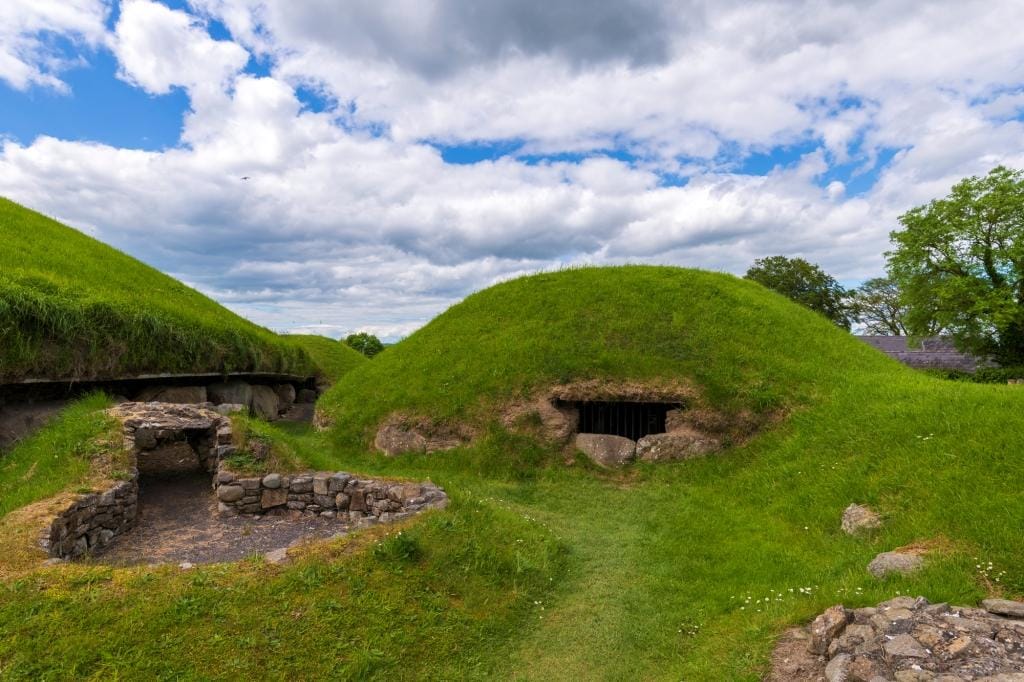
This is Ireland’s Ancient East at its most concentrated and it’s ideal for a first Dublin day. Start at Newgrange, the UNESCO-listed passage tomb that predates the pyramids; prebooking is essential and a full visit takes 2–3 hours. Continue to the Hill of Tara for panoramic views and the Lia Fáil, then on to Trim Castle—famous from Braveheart—for a guided tour of the Norman keep. Finish at Mellifont Abbey, a peaceful 12th‑century Cistercian ruin with Romanesque arches. A rental car offers the smoothest link between sites, but select day tours also cover parts of this loop.

Getting there and timing:
Dublin to Brú na Bóinne Visitor Centre (Newgrange) by car is about 45–60 minutes; access to the monuments is only via the Visitor Centre shuttle and guided tour. From Drogheda (train from Dublin Connolly 40 minutes), a local bus links to the Visitor Centre. Tara is 30 minutes from Newgrange by road; Trim Castle 35 minutes from Tara; Mellifont Abbey is 25 minutes from Newgrange.
Accessibility notes:
The Brú na Bóinne Visitor Centre has lifts, accessible toilets, and support materials; the passage interiors have low, narrow sections and are not wheelchair accessible. Tara is open grassland with uneven ground. Trim Castle’s keep involves steep stairs; the grounds have gravel/grass paths. Mellifont’s ruins sit on uneven surfaces; facilities are limited.
Belfast City and the Causeway Coast: Giant’s Causeway and Dunluce Castle (Northern Ireland)
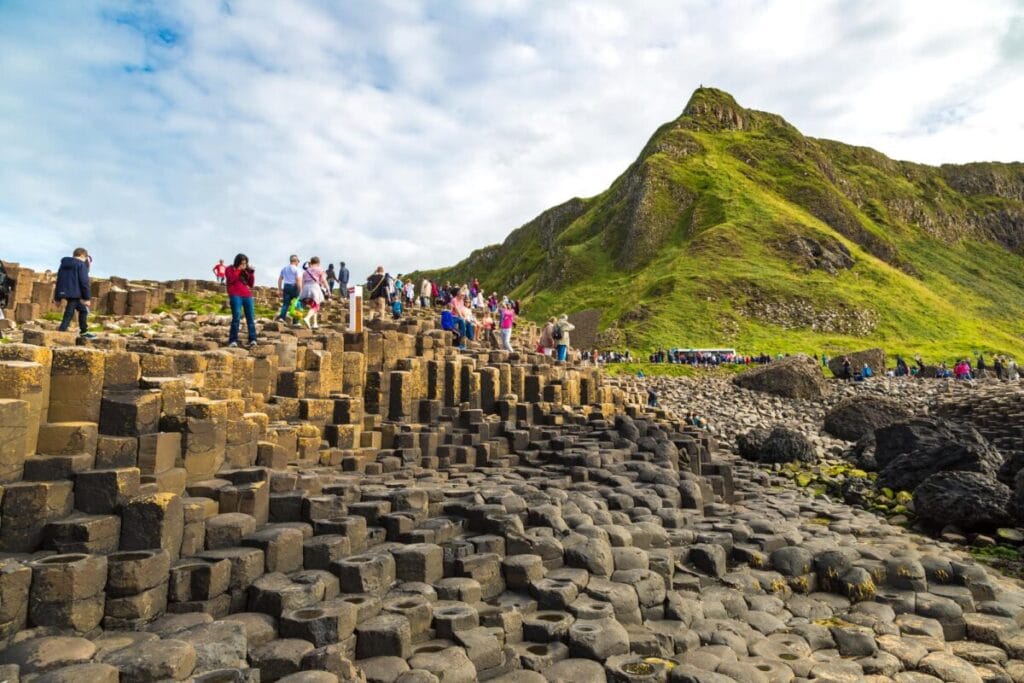
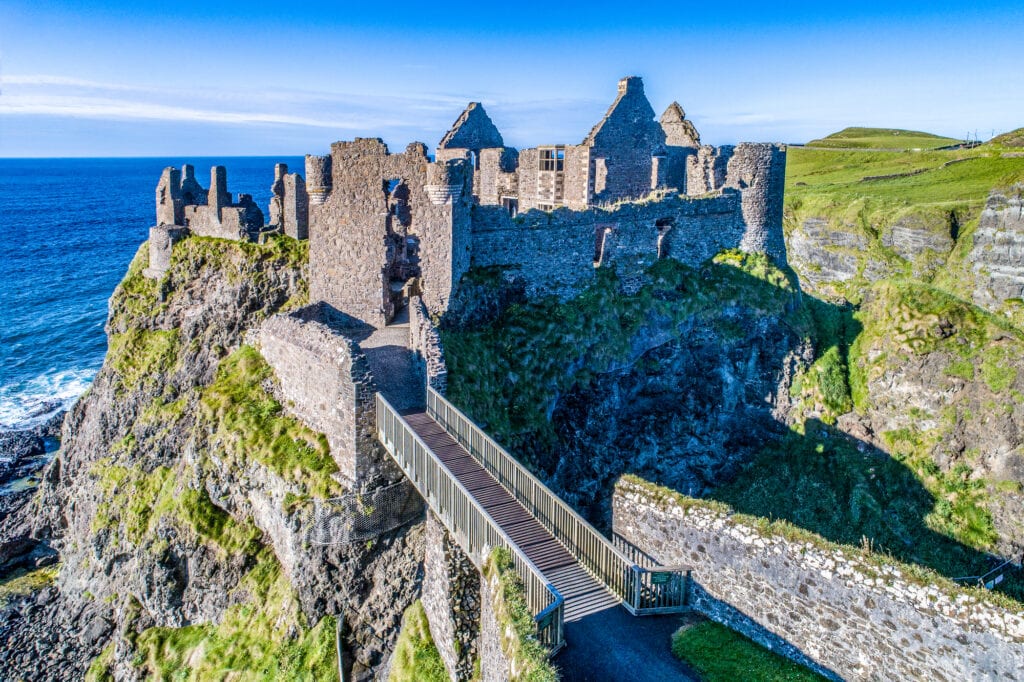
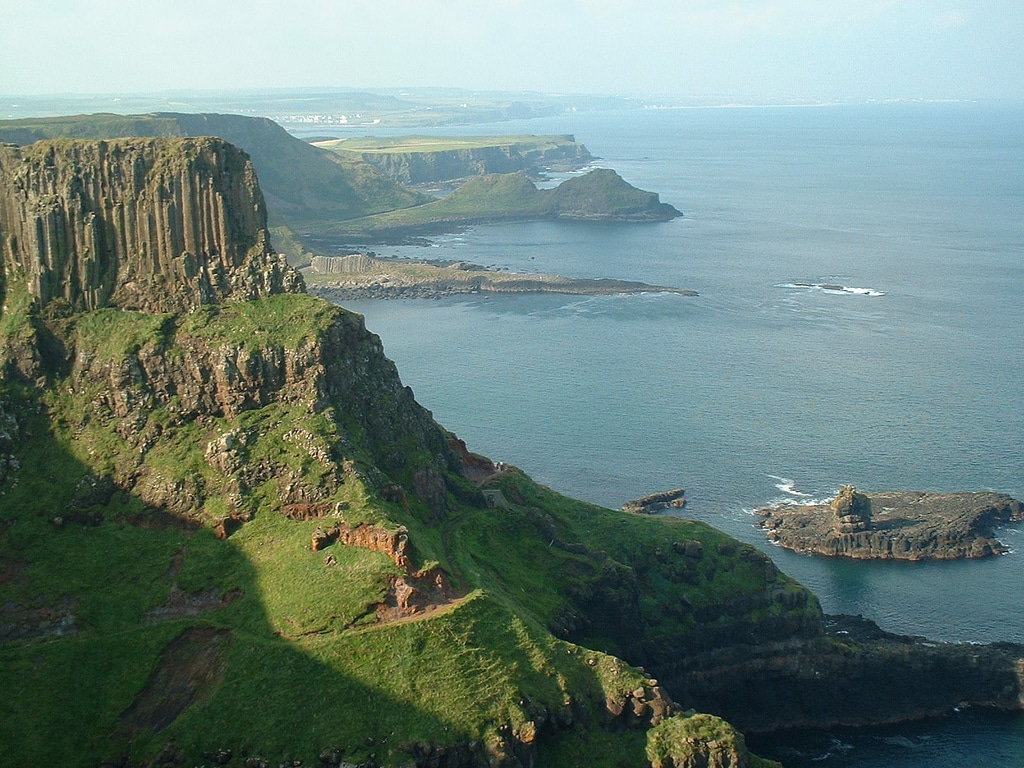
If you want drama, pair Belfast’s energy with the basalt columns of the Giant’s Causeway. Begin with Belfast City, Titanic Belfast or a Black Taxi tour for context, before heading north along the causeway coast to the Giant’s Causeway and the cliff‑top ruins of Dunluce Castle. It’s a long but unforgettable day that crosses the border into Northern Ireland.
Getting there and timing:
Train from Dublin Connolly to Belfast Lanyon Place takes 2 hours; from there, join a local tour for the coast or rent a car (Causeway is 1 hour 15 minutes from Belfast). Driving Dublin–Belfast is 2 hours; Belfast–Causeway 1 hour 15 minutes; Causeway–Dunluce 10 minutes. Full-day coach tours from Dublin typically run 12–13 hours.
Accessibility notes:
At the Giant’s Causeway, an accessible shuttle runs between the Visitor Centre and the stones; there are accessible viewpoints and facilities. Titanic Belfast is fully accessible with lifts and step-free routes. Dunluce Castle has partial access with uneven ground and steps.
Cliffs of Moher via Galway City (Wild Atlantic Way)
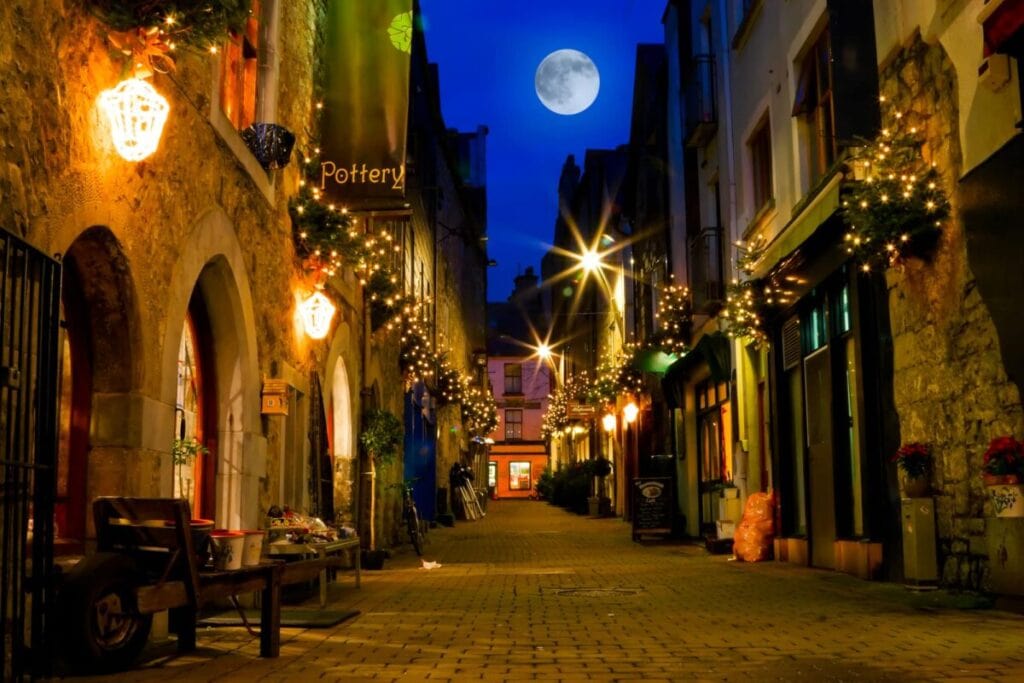
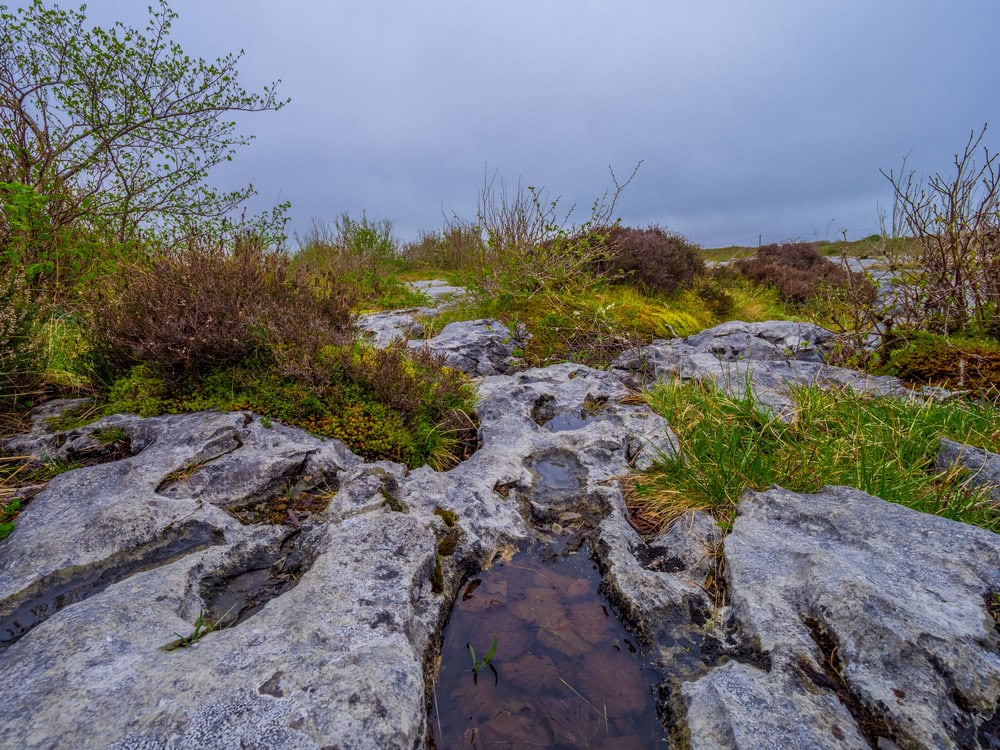
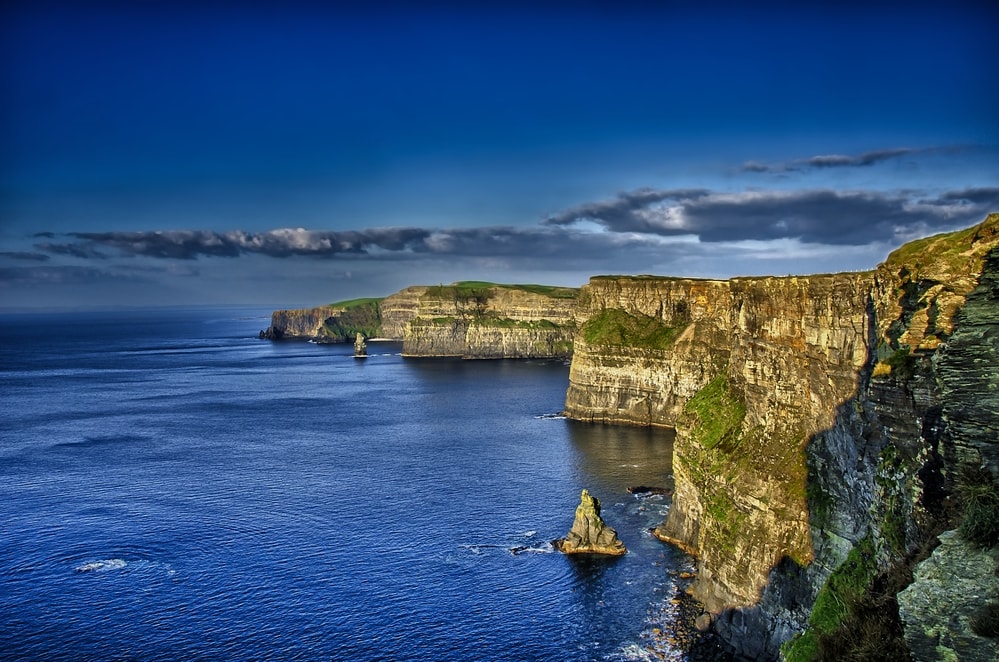
For a taste of the Wild Atlantic Way, combine Galway City with Ireland’s most famous cliffs. Galway’s Latin Quarter hums with street music and cafés and it’s a handy springboard to Moher and the lunar landscapes of the Burren. The most seamless approach is a Dublin-based day tour that includes both Galway and the cliffs. Independent travellers can take the train to Galway and join a local bus tour to Moher; driving from Dublin takes roughly 3–3.5 hours each way.
Getting there and timing:
Dublin–Galway by train or coach is 2.5 hours; Galway–Cliffs of Moher by bus tour is 1.5–2 hours each way with scenic stops. Driving Dublin–Cliffs direct via M7/M18 is 3.5 hours.
Accessibility notes:
At Moher, the Visitor Centre and main paved paths near O’Brien’s Tower provide step‑free viewpoints and accessible facilities; sections of the cliff path beyond are uneven and exposed. In Galway, city pavements are generally accessible; some historic buildings have steps.
Wicklow Mountains and Glendalough—plus Dublin’s nearest cliffs at Howth
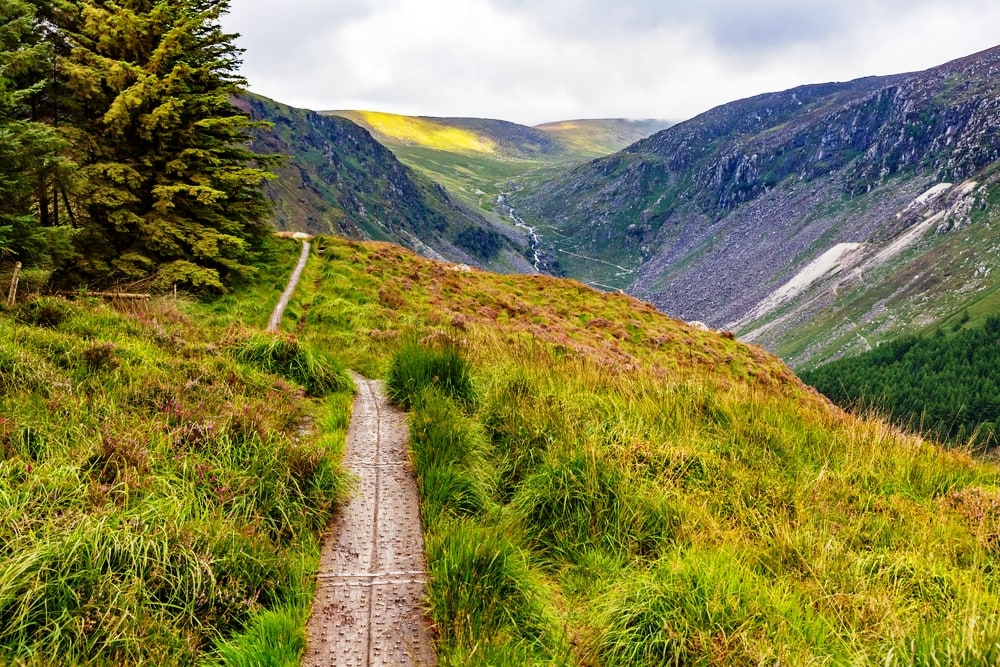
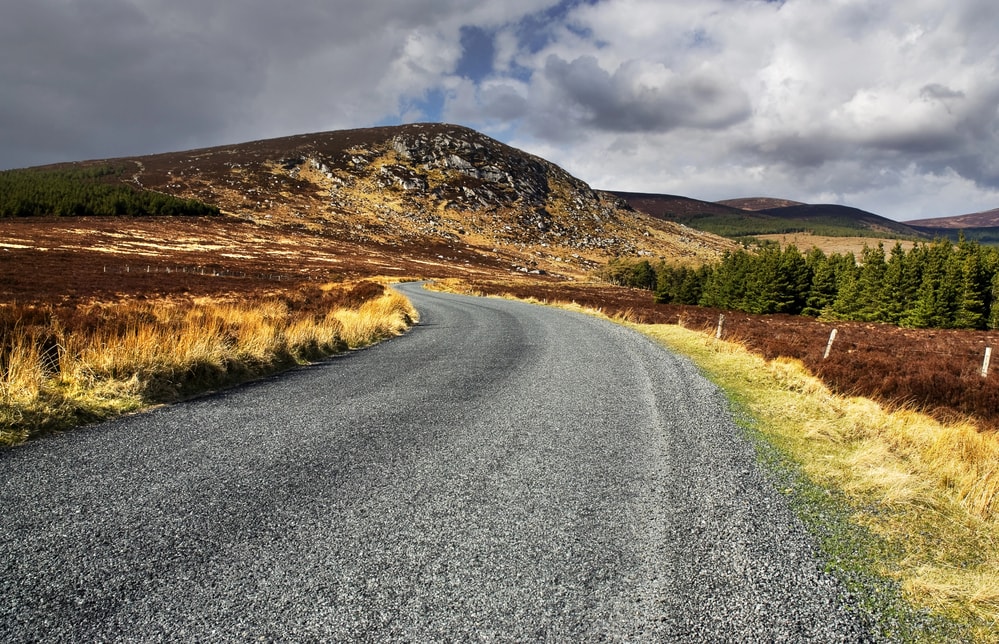
South of the city, Wicklow’s valleys, lakes, and monastic ruins make a restorative day. Explore Glendalough’s round tower and lakes, then cross the Sally Gap for heathered uplands and film locations. It’s close enough to add a coastal finish back in Dublin at Howth: hop the DART train for sea air, harbour seals, and the famed Howth cliff path.

Getting there and timing:
Dublin–Glendalough by car is 60–75 minutes; small‑group tours run 8–9 hours round‑trip. Howth is 30 minutes by DART from Dublin city centre, with frequent trains.
Accessibility notes:
Glendalough’s Visitor Centre is accessible; lakeside paths vary from paved to rough tracks. The Howth cliff path is narrow and uneven with steep drops; stick to marked trails. Village harbourside is largely level.
Kilkenny and the Medieval Mile
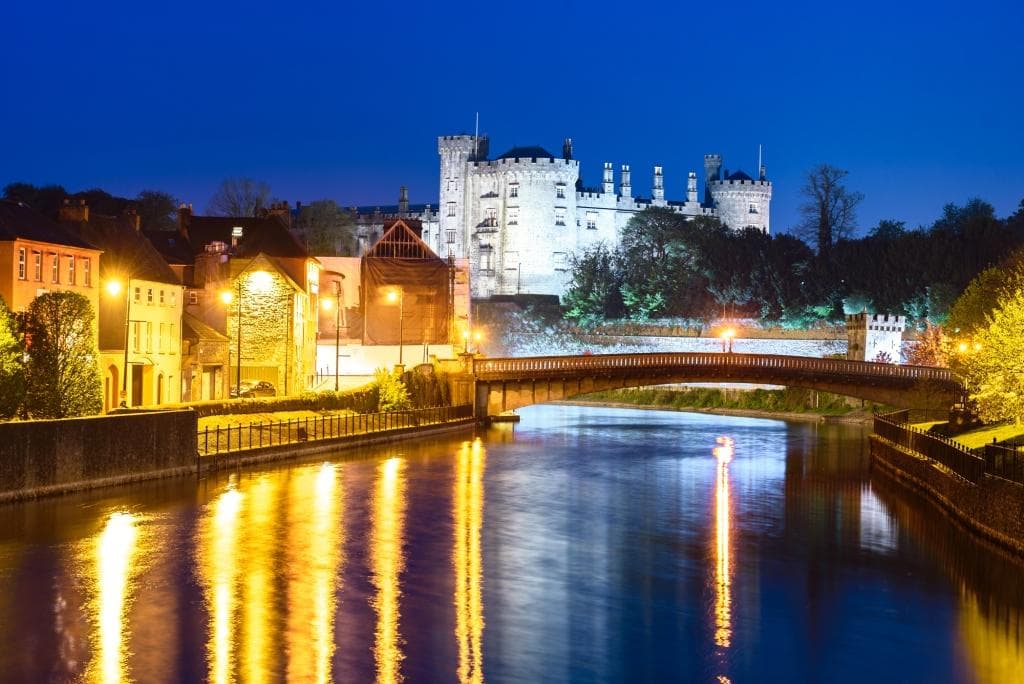
Eastward, Kilkenny blends craft, cuisine, and medieval architecture. Tour Kilkenny Castle, stroll the Medieval Mile to St. Canice’s Cathedral, and—if conditions are calm—climb the round tower for skyline views. With boutiques, galleries, and traditional pubs, Kilkenny makes a relaxed alternative to the bigger-ticket coast and Atlantic excursions.


Getting there and timing:
Train from Dublin (Heuston) to Kilkenny’s MacDonagh Station takes 1.5 hours; driving via M9 is 1 hour 45 minutes. Sites are walkable in the compact centre.
Accessibility notes:
Kilkenny Castle has step‑free access to parts of the ground floor and accessible facilities; upper floors may require stairs. Medieval lanes are cobbled in places.
Blarney Castle and Cork City in one sweep
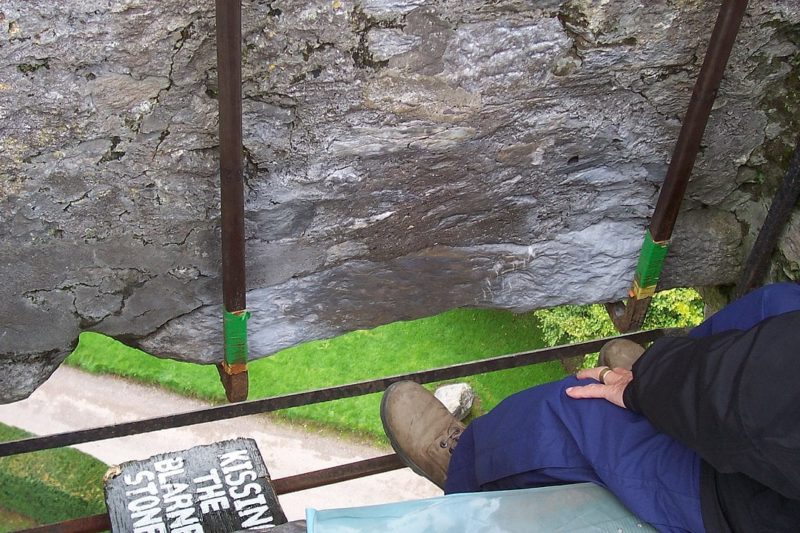
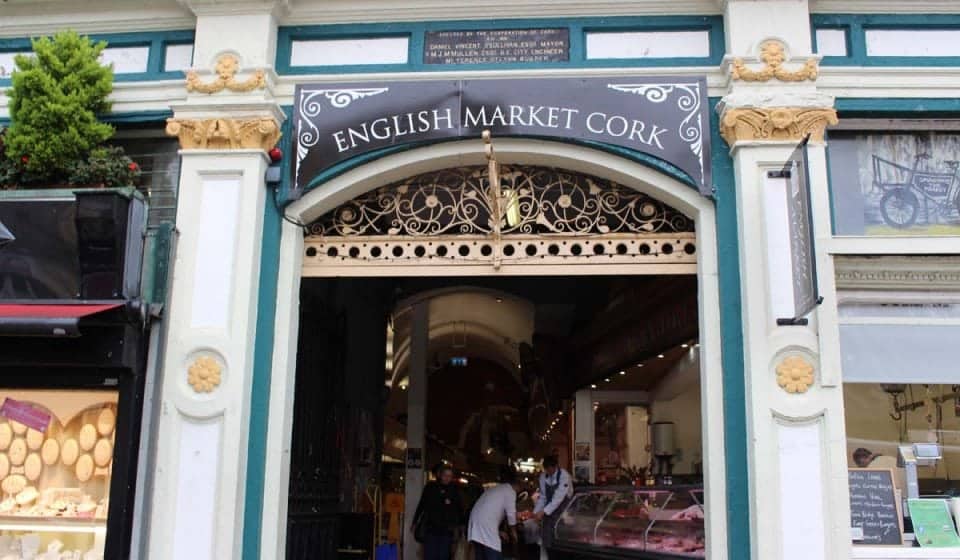
Kiss the Blarney Stone, wander the fern‑rich gardens and the Poison Garden, then continue into Cork for the English Market and riverside strolls. It’s a big day from Dublin, but day tours make the logistics painless. If you prefer independence, take the train to Cork and connect to Blarney by local bus.

Getting there and timing:
Dublin–Cork by train is 2.5–3 hours; Cork city to Blarney by local bus is 20–30 minutes. Driving Dublin–Blarney is 3 hours each way.
Accessibility notes:
The castle keep has very steep, narrow spiral stairs and is not accessible; the extensive gardens and grounds include step‑free paths and accessible facilities.
Aran Islands sampler from Galway (ambitious but memorable)
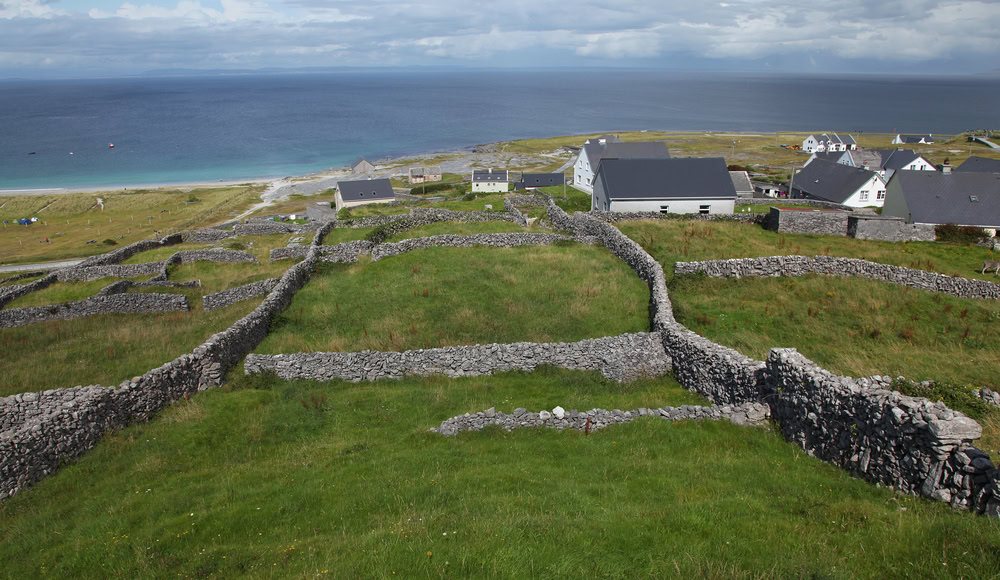
On long summer days, it’s possible to reach the Aran Islands for a window onto traditional life on the Atlantic edge low stone walls, Irish spoken daily, and the cliff‑side fort of Dún Aonghasa on Inis Mór. The classic flow is Dublin to Galway, shuttle/bus to Rossaveal (Ros a’ Mhíl), ferry to the islands, then bike hire or a local minibus tour once you dock. Because ferries are weather‑dependent, keep plans flexible or consider an overnight in Galway.

Getting there and timing:
Dublin–Galway by train or coach is 2.5 hours. Galway city to Rossaveal is 45–60 minutes by the Aran Island Ferries shuttle or Bus Éireann route 424. Ferries Rossaveal–Inis Mór typically take 40–45 minutes (slightly less/more to Inis Meáin and Inis Oírr). Alternative via Doolin (from Dublin 3.5 hours by car; ferries 30–45 minutes to the islands). In summer, Aer Arann Islands runs short flights from Connemara Airport (near Inverin) to all three islands (8–15 minutes airborne); allow transfers from Galway.
Accessibility notes:
Vessels vary—contact your chosen ferry in advance to confirm gangway access and assistance; boarding can be affected by sea conditions and tides. Island piers are step‑free; island roads are mostly paved but often narrow and uneven in places. Minibus tours are available on arrival and can be more suitable than cycling for reduced mobility. The walk to Dún Aonghasa includes uneven limestone and some gradients; sturdy footwear is advisable.
Whether you’re chasing ancient tombs in the Boyne Valley, the wild drama of the Cliffs of Moher and the Wild Atlantic, or Northern Ireland’s Causeway Coast with Belfast City and the Giant’s Causeway, Dublin is the perfect springboard. Pick two or three Dublin day trips that match your style, history, castles, city culture, or cliffs then choose the right mode for each (train, guided day tours, or a rental car). With a little timing and transport planning, you’ll see how close the Emerald Isle’s greatest hits really are from Kilkenny’s medieval lanes to Blarney Castle’s gardens, from Galway City’s music‑filled streets to Dunluce Castle’s windswept perch on the causeway.
Start Planning Your Trip
👉 Public Transportation in Ireland
👉 Hidden Gems in Ireland – 32 Secret places to visit
👉 Answering all your travel questions about Ireland
👉What to pack for your Ireland trip
👉 Northern Ireland Public Transportation