
Transportation & Getting Around the UK: A Complete, Practical Guide
Planning a trip to the UK? This guide covers trains, the London Underground, buses and coaches, domestic flights, ferries, driving, taxis, cycling, accessibility, tickets, payments, and money‑saving strategies—plus etiquette, safety, and tips from first‑hand experience traveling across England, Scotland, Wales, and Northern Ireland.
From experience: in London, don’t drive—use the bus, Tube, or train. In Oxford and other larger cities, look for Park and Ride. In some cases, a hop‑on hop‑off bus makes more sense and helps you decide what to revisit in depth.

Why listen to this guide?
After years of frequent travel and living in the UK and Ireland—commuting in London, long‑distance rail trips between cities, road trips and slow travel through rural Scotland and Wales—I’ve compiled what actually helps visitors move smoothly, save money, and avoid common pitfalls. This is practical, experience‑driven advice, paired with vetted facts about how UK transport systems work.
Note: Timetables, fares, and accessibility features change. Always verify key details with official operator websites before you travel.
- Transportation & Getting Around the UK: A Complete, Practical Guide
- Why listen to this guide?
- Planning the best route
- London transport: Tube, Overground, DLR, buses
- London’s public transport is extensive
- Buses and coaches across the UK
- Domestic flights and ferries
- Driving in the UK
- Taxis, ride‑hailing, and private hire
- Cycling and walking
- Accessibility
- Tickets, payments, railcards, and passes
- Peak vs off‑peak travel
- Money‑saving tips
- Train ticket discounts & advance fares
- UK travel passes
- Safety, etiquette, and luggage
- Disruptions and strikes: how to handle
- Essential apps and resources
- Regional notes
- Example itineraries
- FAQs
- Final takeaways

Planning the best route
Choose mode by distance and density: trains for city‑to‑city (e.g., London–Edinburgh), Tube/Overground for London neighbourhoods, buses for short hops and rural links, coaches for budget intercity, flights for remote regions or time‑critical journeys, and driving for flexibility in countryside.
Prioritize stations and stops near your accommodation to minimize transfers. In London, being near a Tube or major bus corridor can halve your travel time.
Build buffer time. UK transport is reliable overall, but capacity, weather, and engineering works can cause delays—especially on Sundays and bank holidays.
Check service patterns: many routes have reduced late‑night and Sunday frequency. First and last services matter if you have early flights or theatre plans.

UK rail: intercity and regional trains
The UK rail network connects major cities and smaller towns efficiently:
Intercity fast services: London to Birmingham, Manchester, Liverpool, Leeds, Newcastle, Edinburgh, Bristol, Cardiff, etc. Book in advance for the lowest fares on long‑distance routes.
Regional trains: link smaller towns and suburbs. Expect more stops and variable frequency.
Open‑access and franchised operators: multiple companies run trains. Some tickets are “Any Permitted” (usable on different operators) while others are operator‑specific—check before you buy.
Seat reservations: useful on busy intercity services; check your ticket or make a free reservation where available.
Luggage: there’s limited rack space; keep suitcases compact and avoid blocking aisles or doors. For very large bags, arrive early to board and stow safely.
Onboard amenities: most intercity trains have Wi‑Fi, power sockets, and refreshments; regional trains may be basic.
Station names: many cities have multiple stations (e.g., Manchester Piccadilly vs Oxford Road). Verify the correct station for your departure/arrival.
Experience tip: For London–Edinburgh, advance tickets can be dramatically cheaper than walk‑up fares, but they tie you to a specific train. If flexibility matters, consider off‑peak return tickets at a higher—but more forgiving—price.
London transport: Tube, Overground, DLR, buses
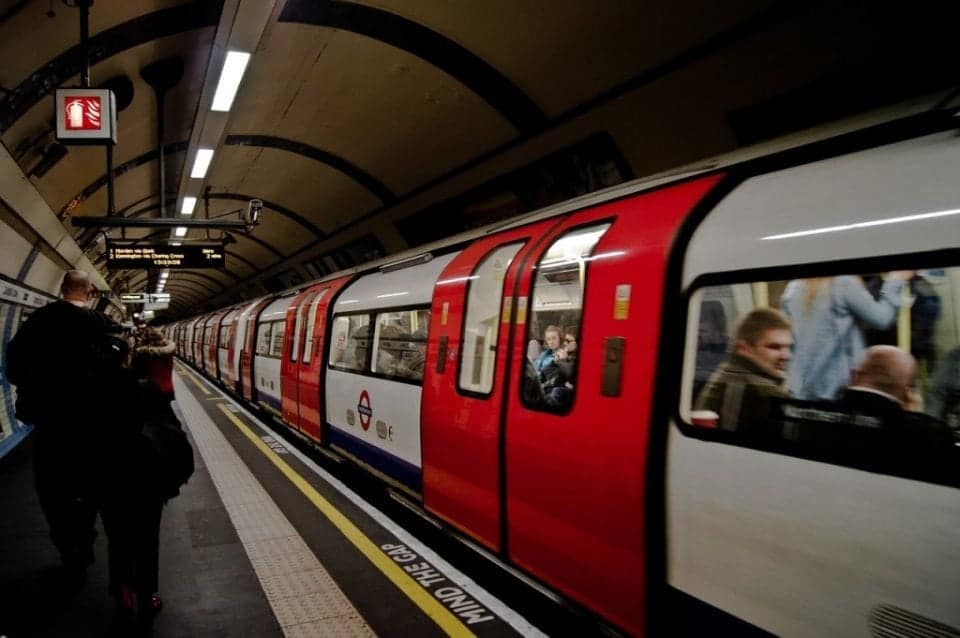
London’s public transport is extensive
Tube (Underground): the backbone for fast cross‑city travel. Trains run frequently; peak hours are busy. Air‑conditioned stock varies by line. The Tube is generally accessible but do check for station upgrades. I headed to Camden Market one day and on my way back they told me the accessible station was out of service and the old station required a staircase of 96 steps. For step‑free planning and lift status, use Transport for London’s accessibility tools.
Overground and Elizabeth line: suburban and cross‑city services great for east‑west travel and outer zones.
DLR (Docklands Light Railway): driverless trains serving East London and Docklands; perfect for Canary Wharf, Greenwich and the Cutty Sark, and City Airport links.
Buses: slower but scenic; invaluable where the Tube is sparse. Night buses cover key corridors after the Tube closes.
Oyster and contactless: tap in and out on Tube/rail; tap on buses (no tap‑out). Daily capping keeps costs in check. To ensure caps apply, use the same card or device for all taps that day.
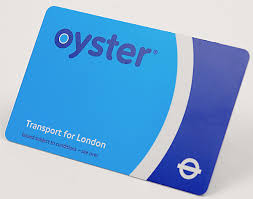
In much of the UK, buses accept contactless card payments, and that includes many Canadian and US debit or credit cards (Visa, Mastercard, Amex in some cases). You simply tap your card on the reader when you board, just like a local card. This works especially well in larger cities and in places using systems similar to Transport for London, I used my Scotiabank card all over London with no issues whatsoever.
That said, keep in mind:
· Foreign transaction fees may apply, depending on your bank
· Some smaller towns or rural bus operators still don’t support contactless
· You must use the same card for each tap on that journey
· Apple Pay / Google Pay linked to your US or Canadian card often works even more reliably than the physical card
If contactless isn’t accepted on a particular route, drivers usually sell single tickets or you can use a local travel card or app. As a backup, it’s smart to have a little cash or a transit app handy — but in most UK cities, tapping with a North American card works just fine.
Zones: fares depend on zones traveled. Most sightseeing is within Zones 1–2, but airports and outer areas may be Zones 3–6.
Experience tip: In Central London, combine Tube for long hops with buses for short cross‑neighborhood trips. Buses can be faster than expected if you’re only going 1–2 miles and avoid transfers.
Buses and coaches across the UK

Local buses: towns and cities have reliable coverage; rural services can be infrequent. Carry a payment card or exact change where contactless isn’t accepted.
Coaches (e.g., long‑distance buses): budget option between major cities and airports. They’re slower than trains but cheaper; Wi‑Fi and power may be available.
Timetables: Sundays and late evenings often have reduced service; check last buses to avoid pricey taxis.
Experience tip: For airport transfers outside London, coaches can be direct and cost‑effective (e.g., Bristol Airport–Bristol city, Edinburgh Airport–city). Book in advance during peak travel periods.
Domestic flights and ferries
Flights: Useful for longer distances where rail is slower or indirect (e.g., London to Inverness, Belfast, or the Isles). Be mindful of airport transfers and security time; trains are often faster door‑to‑door for mid‑range trips. RyanAir is cheap as chips as they say but factor in getting to the airport and waiting times for flights.
Ferries: Key for travel to islands and across certain crossings (e.g., Scotland’s Hebrides, Guernsey and Jersey, Isle of Wight) and even across to Northern Ireland. Foot passengers are common; car ferries require booking. Weather can affect sailings.

Driving in the UK
In the UK, Park and Ride let motorists leave their cars at dedicated car parks on the edge of a town or city and complete their journey using public transport, usually a frequent bus service.
I’ve used these services many times and they are fantastic. One ticket usually covers parking and the bus. Check the map or ask staff which route serves your destination—you don’t want to end up at a retail park when you meant to visit York city centre.
Park and Ride is especially common in historic or compact cities where central parking is limited, offering a convenient balance between car use and public transport.
Left‑hand driving: UK drives on the left; right‑hand‑drive cars have the wheel on the right. Roundabouts require yielding to traffic from the right.
Licensing: Visitors can usually drive with their home license for short stays; check eligibility on official guidance before you travel.
Manual vs automatic: Manuals are common; if you need an automatic, reserve early.
Navigation: Sat‑nav apps work well, but rural lanes can be narrow with hedges and blind bends. Reduce speed and use passing places.
Parking: City parking is limited and expensive. Use park‑and‑ride or public transport for city centers.
Congestion and emissions zones: Cities like London have charges for driving in certain areas. Verify rules before entering.
Fuel: Petrol (gasoline) and diesel stations are widespread; prices vary.
Experience tip: In the Lake District, Scottish Highlands, and Welsh national parks, driving offers unmatched flexibility—but plan fuel stops and daylight hours carefully, and don’t rely on constant mobile coverage.

Taxis, ride‑hailing, and private hire
Black cabs (hackney carriages): Licensed, metered, and can be hailed on the street in major cities. Drivers have deep local knowledge.
Private hire (mini-cabs) and ride‑hailing apps: Typically cheaper, must be pre‑booked via app. Good for early mornings or areas with fewer cabs.
Payment: Cards widely accepted; confirm before you ride in smaller towns.

Cycling and walking
Cycling: Many UK cities have bike lanes and hire schemes (e.g., London’s cycle hire). Helmets are optional but recommended; lights are mandatory after dark.
Trains and bikes: Off‑peak bikes are often allowed; some lines require reservations or have limits. Folded bikes are usually treated as luggage.
Walking: Cities are compact and pedestrian‑friendly. Invest in comfortable, waterproof shoes—weather shifts quickly.
Experience tip: In Oxford, Cambridge, and York, cycling or walking beats driving. In London, consider cycling along canals and marked “Quietway” routes to avoid heavy traffic.

Accessibility
Stations and stops: Many rail and Tube stations have step‑free access, but not all. Plan routes using accessibility filters and official station accessibility pages.
Buses: Low‑floor buses with ramps are common; drivers deploy ramps for wheelchair users.
Assistance: Rail services offer “Passenger Assist” for boarding, alighting, and transfers—book ahead when possible.
Facilities: Accessible toilets and lifts vary by station; check station details before travel. Download the Accessible toilet map for guidance.
Experience tip: If you need step‑free in London, prioritize the Elizabeth line and newer Overground stations; they were designed with accessibility in mind.

Tickets, payments, railcards, and passes
Contactless and Oyster (London): Tap a bank card or phone on readers. Daily caps automatically apply; no need to pre‑buy a paper ticket for most travel in zones. See Transport for London for current fares and caps.
Paper and e‑tickets (national rail): Available via operator sites and apps. Advance fares are cheapest but restricted to specific trains; anytime/off‑peak are flexible.
Railcards: Discount cards (e.g., 16–25, Senior, Two Together, Family & Friends) reduce fares—typically 1/3 off many tickets. Worth it if you’ll take multiple trips within validity.
Group and split tickets: Traveling together or “split‑ticketing” on certain routes can cut costs. Use reputable split‑ticket services for transparency.
Airport links: Dedicated tickets for express services (e.g., London airports) may be separate from standard fares—compare vs regular stopping services for savings.
Refunds and exchanges: Policies vary; advance tickets are usually non‑refundable unless disrupted. Consider flexibility for time‑critical journeys.
Peak vs off‑peak travel
Peak hours: Generally weekday mornings and late afternoons; fares are higher and services crowded.
Off‑peak: Cheaper and more relaxed. For intercity rail, off‑peak can drastically reduce price without big time penalties.
Weekends: Saturday busy for leisure; Sunday schedules can be reduced due to engineering works—plan accordingly.

Money‑saving tips
Book long‑distance rail in advance and be flexible on departure time.
Use contactless in London to benefit from daily caps; avoid buying single paper tickets.
Consider coaches for budget intercity trips—especially late‑booked travel.
Compare airport express vs standard rail or coach; the slower option can be much cheaper.
Check railcards if eligible; the discount often pays for itself in one or two journeys.
Travel off‑peak when possible; avoid commuter rush for comfort and price.
Walk short distances in city centers—often faster than transfers and free.

Train ticket discounts & advance fares
Advance, Off-Peak, and Super Off-Peak tickets that can be significantly cheaper if you book early. This applies to journeys like Reading/Berkshire to London. National Rail ticket types
National Rail “Days Out” and 2FOR1 offers
travel to London by train, you can use the National Rail Days Out Guide to get 2‑for‑1 entry (or similar discounts) at many attractions (e.g., Tower of London, London Eye, Westminster Abbey, etc.). Days Out Guide
You usually download a voucher and present it with your valid train ticket at the attraction’s ticket office.

UK travel passes
BritRail can save money and give flexibility.
For London contactless/Oyster caps and accessibility.
Safety, etiquette, and luggage
Keep right on escalators (especially in London); stand on the right, walk on the left.
Queueing: The UK appreciates orderly queues—join the line and wait your turn.
Priority seating: Offer seats to those who need them; look for marked seats.
Quiet cars: Some trains have quiet coaches—limit phone calls and loud music.
Luggage: Label bags, keep valuables close, and use overhead racks responsibly. Don’t block doors.
Night travel: Well‑lit areas and main routes are safest; use licensed taxis or ride‑hailing when late.

Disruptions and strikes: how to handle
Engineering works: Common on weekends; trains may be replaced by buses. Always check your route the day before.
Strikes: Contingency timetables may reduce frequency; if your journey is essential, travel the day before or after where possible.
Weather: Heavy rain, wind, or snow can affect services—especially rural lines and ferries.
Experience tip: If a strike or engineering work is announced, lock in refundable accommodation near your departure station and switch to an earlier train. Having a backup (coach or an alternative rail operator) reduces stress.

Essential apps and resources
Journey planners: National rail and city transport apps give live departures, platforms, and disruption alerts.
Rail operator apps: Useful for mobile tickets and delay notifications.
Coach operators: Check timetables, stops, and fares; book seats in advance.
Cycling and walking: Map apps with offline routing help in low‑signal areas.
Regional notes
Scotland: Rail covers major corridors (Edinburgh–Glasgow, Highlands hubs), but rural buses may be sparse. Ferries matter for islands; book vehicles early in summer.
Wales: Scenic lines (e.g., Cambrian, Conwy Valley) and robust bus networks in South Wales metros; rural planning is key in the north and west.
Northern Ireland: Trains and buses are run under a unified system; coaches link to the Republic of Ireland.
ngland outside London: Cities like Lincoln, Scarborough, and Brighton have dense bus networks and growing tram/metro systems; trains are the fastest for intercity travel.

Example itineraries
London–Bath–Cotswolds: Train to Bath, local bus to villages, short car hire for flexibility in rural lanes; return coach if your train is disrupted.
Edinburgh–Inverness–Skye: Train to Inverness, coach/ferry to Skye; optional car hire on the island for remote trails.
Cardiff–Brecon Beacons: Bus to park gateways; consider car hire for trailheads and scenic driving.
FAQs
Is contactless cheaper than paper tickets in London? Usually. Contactless and Oyster apply daily caps, which paper singles do not. Tap in and out correctly to avoid unintended charges.
Do I need an Oyster card? Not necessarily. If you have a contactless bank card or phone wallet, use that. Oyster is useful for visitors without contactless or for managing child/discount products.
How early should I book trains? For long‑distance routes, as soon as tickets are released (often weeks in advance). Prices rise closer to departure; flexible tickets cost more but provide peace of mind.
Should I fly or take the train between London and Edinburgh? The train is comfortable, scenic, and city‑center to city‑center; total time is competitive once you add airport transfers. Fly only if your schedule requires it.
Can I rely on buses in rural areas? Sometimes, but service can be infrequent. Check timetables closely and have a backup (taxi or car hire) for evenings and weekends.
Is driving stressful? City centres can be, due to traffic and parking. Rural driving is relaxed but demands caution on narrow lanes. If you’re new to left‑side driving, start with short daytime trips.
What’s the best way to save money? Advance rail tickets for long trips, off‑peak travel, contactless capping in London, railcards if eligible, and coaches for budget intercity.
Are trains safe at night? Generally, yes on main routes. Choose well‑lit carriages, sit near other passengers, and avoid isolated stations if possible.

Final takeaways
Use trains for fast intercity travel; buses and coaches fill gaps and save money.
In London, tap contactless/Oyster and mix Tube with buses to minimize transfers.
For countryside, consider driving—plan routes, fuel, and daylight.
Build buffers for disruptions; check works and strikes before you travel.
Pack light, respect local etiquette, and prioritize accessibility if needed.