
Campervan in Ireland Hire Guide: Costs, Insurance and Best Routes
A week’s campervan hire in Ireland runs roughly €420 in low season to €2,150+ in peak summer, depending on vehicle size, plus a €2,000–€2,600 insurance excess held on your credit card. A standard car licence (Category B) covers drivers 21 and over. Stick to Ireland’s 100+ campsites rather than wild camping, since there’s no legal right to camp on unowned land, and book 2–3 months ahead for July and August, when minimum stays jump to 7 nights and popular sites fill fast.

Having camped in a tent when younger I decided that it was either a campervan or nothing, and there is no better way to travel Ireland slowly than with your own bed, your own kitchen and the freedom to follow the weather. A campervan holiday lets you wake up beside Bantry Bay one morning and under the Wicklow Mountains the next, with nothing booked and nowhere you have to be. This guide walks you through the practical side of an Ireland campervan trip, including what it costs, how to book, the insurance you actually need and where to point the van once you have it.
Ireland is a small island with surprisingly big distances once you leave the motorways. The places most visitors come to see, the coastal drives, the mountain passes, the quiet villages and the national parks, sit well away from the cities and the train lines. That is exactly where a campervan earns its keep. You travel at your own pace, you stop when a view demands it, and you carry your accommodation with you.

Below you will find honest, practical advice for planning a motorhome holiday in Ireland, north and south, along with a slow route that takes in Dublin, the Wicklow Mountains, the Wild Atlantic Way and Belfast.
- Campervan in Ireland Hire Guide: Costs, Insurance and Best Routes
- Why Choose a Campervan Holiday in Ireland?
- Ireland Campervan Hire at a Glance
- How Much Does Campervan Hire in Ireland Cost?
- How to Book a Campervan in Ireland
- What Insurance Do You Need for a Campervan in Ireland?
- Who Can Drive a Campervan in Ireland?
- Driving in Ireland: What to Expect
- The Golden Rules of Wild Camping in Ireland
- Roads a Campervan Should Think Twice About
- Crossing Ireland's Ancient East to the Wild Atlantic Way
- Campsites or Wild Camping in Ireland?
- Practical Tips for Your Ireland Campervan Holiday
- Plan Your Ireland Campervan Trip
- Frequently Asked Questions
Why Choose a Campervan Holiday in Ireland?
For a country this scenic, a campervan is close to the perfect way to get around. You are not tied to hotel check-in times, you can change your plans when the forecast turns, and you can reach places that buses and trains simply do not serve.
A campervan holiday in Ireland suits you if you:
- want to explore rural coastlines and mountain roads at your own pace
- like the idea of cooking your own meals and saving on restaurants
- prefer waking up in nature rather than a city car park
- are travelling as a couple, a family or a small group
- want one booking to cover both transport and accommodation
It is worth being realistic too. Irish roads in the west and the mountains are narrow, the weather is changeable even in summer, and you will need to plan where you sleep rather than pulling up anywhere you fancy. None of that should put you off. It just means a little preparation goes a long way.
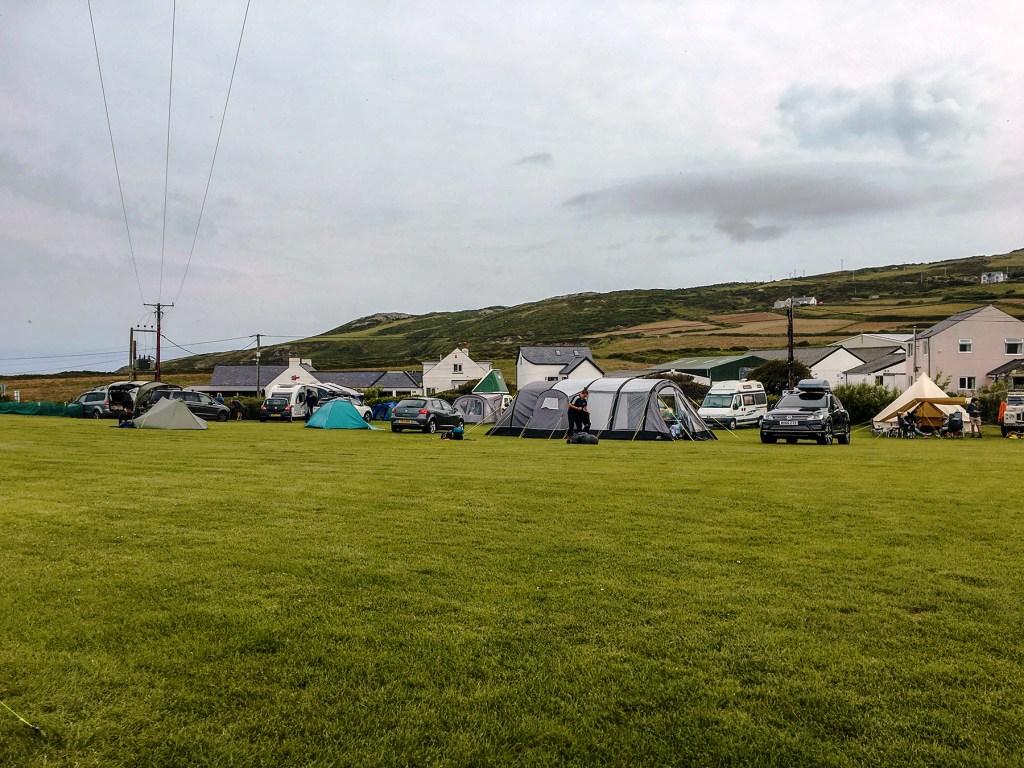
Ireland Campervan Hire at a Glance
| Vehicle type | Sleeps | Best for | Things to know |
| Compact campervan | 2 to 4 | Couples, easy driving on narrow roads | Smaller kitchens, easier to park |
| Mid-size motorhome | 4 | Families, longer trips | More comfort, harder on tight lanes |
| Large motorhome | 6 | Groups, families with children | Watch length limits at campsites and on ferries |
| 4WD camper | 2 | Off the beaten track touring | Higher cost, great for remote routes |
Most rental campervans in Ireland weigh under 3,500kg, which means you can drive them on a standard car licence. More on that below.
How Much Does Campervan Hire in Ireland Cost?
Prices for an Ireland campervan rental vary with the season, the size of the vehicle and how far ahead you book. As a rule, the cheapest time to hire is the off-peak season from roughly October to April, while peak season runs from May to September and carries the highest nightly rates.
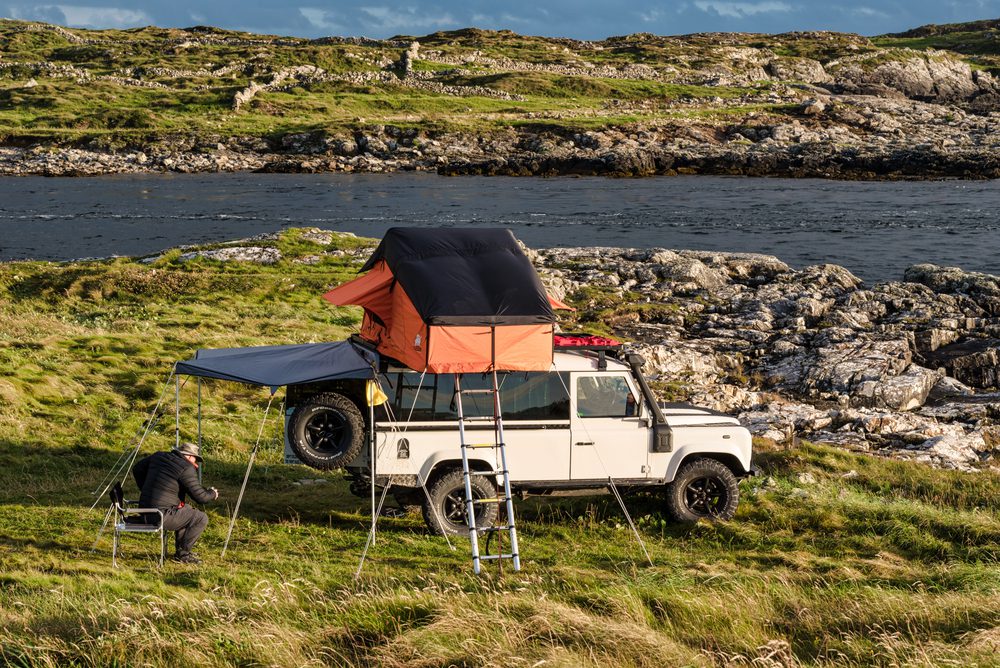
Here is what to budget for beyond the headline nightly price:
- Minimum hire periods. Many operators ask for a minimum of three nights off-peak and seven nights during the summer peak. You can sometimes hire for fewer nights, but you will still pay the minimum charge.
- Booking deposit. A non-refundable deposit, often around 25 percent of the total, is usually due at the time of booking, with the balance payable a set number of days before you travel, commonly 28 days.
- Security deposit. A refundable security deposit is held against damage while the van is out. Expect this to start at around 300 euro and rise depending on the vehicle. You will almost always need a credit card in the main driver’s name to cover it.
- Campsite fees. Ireland has well over 100 campsites, with pitch prices commonly starting from around 15 euro per night and rising for serviced pitches in popular spots.
- Fuel. Most campervans run on diesel, and fuel is a real cost on a touring holiday, so factor it in.
A few operators include generous extras as standard, such as outdoor furniture, a gas bottle and kitchen equipment. Others charge for these separately. Always read what is and is not included before you compare two prices, because the cheaper nightly rate is not always the cheaper holiday.

How to Book a Campervan in Ireland
Booking a campervan in Ireland is straightforward once you know the steps. The trick is to lock in the right vehicle for your dates well ahead of the summer rush.
- Decide on your dates and rough route. This tells you the size of van you need and how many nights you are hiring.
- Choose your pick-up location. Dublin is the most common starting point and is well placed for heading in any direction. Belfast is a good base if you want to begin in Northern Ireland.
- Compare operators and what is included. Look closely at mileage limits, insurance, deposits and the minimum hire period. A comparison platform lets you line up several campervan hire options side by side so you can see the real total rather than just the nightly rate.
- Check the driver requirements. Confirm your licence and age qualify before you pay anything.
- Pay the deposit and read the hire agreement. Your booking is only confirmed when the operator sends written confirmation, so keep that email.
- Arrange your pick-up time. Depots often keep limited hours, so book your flights or ferry around the collection window, not the other way round.
Book early for July and August. The best vans and the best value go first, and last-minute summer availability in Ireland is thin.
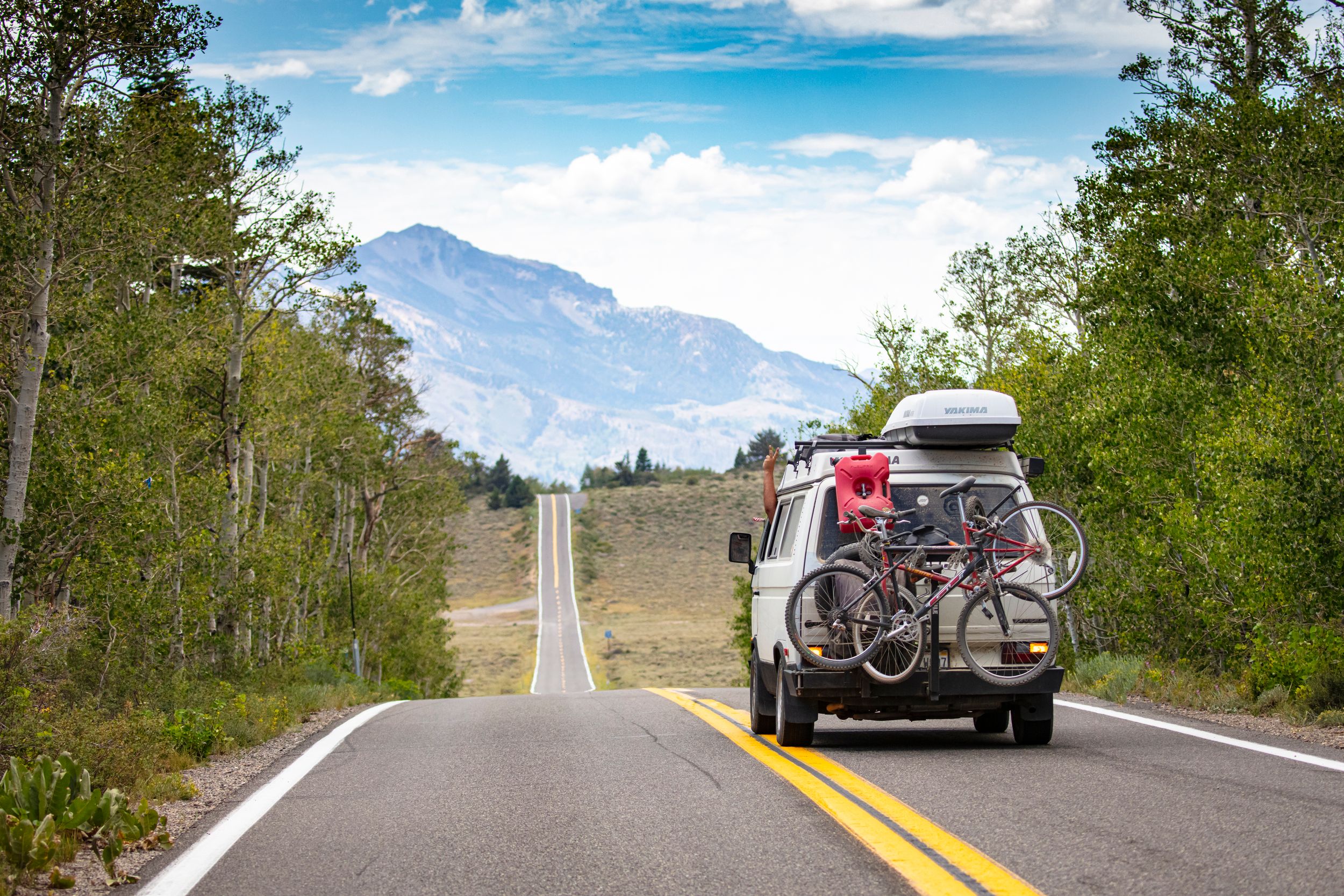
What Insurance Do You Need for a Campervan in Ireland?
Insurance is the part most people find confusing, so here is the plain version.
Standard hire almost always includes comprehensive insurance for one named driver for the rental period. What that policy does not do is wipe out your liability if something goes wrong. That is where the excess comes in.
- The excess. This is the maximum you would pay towards repairs after an incident. In the Republic of Ireland it can run up to around 2,600 euro, and in Northern Ireland it is typically in the region of 1,500 to 2,000 pounds. The security deposit on your credit card covers this amount while you have the van.
- Collision Damage Waiver. A CDW or excess reduction package lowers that liability for a daily fee. As an example, one operator reduces the excess from 1,950 euro to 850 euro for around 24 euro per day. Whether it is worth it depends on your appetite for risk.
- Common extras. Additional driver cover, often around 9 euro per day, plus optional cover for windscreen, tyres, glass, mirrors and lost keys. Tyres and windscreens are exactly the things rough rural roads tend to catch, so think carefully before skipping them.
Bring a credit card with a limit comfortably above the excess, because the deposit is held, not just authorised, and released after the van is returned and checked.
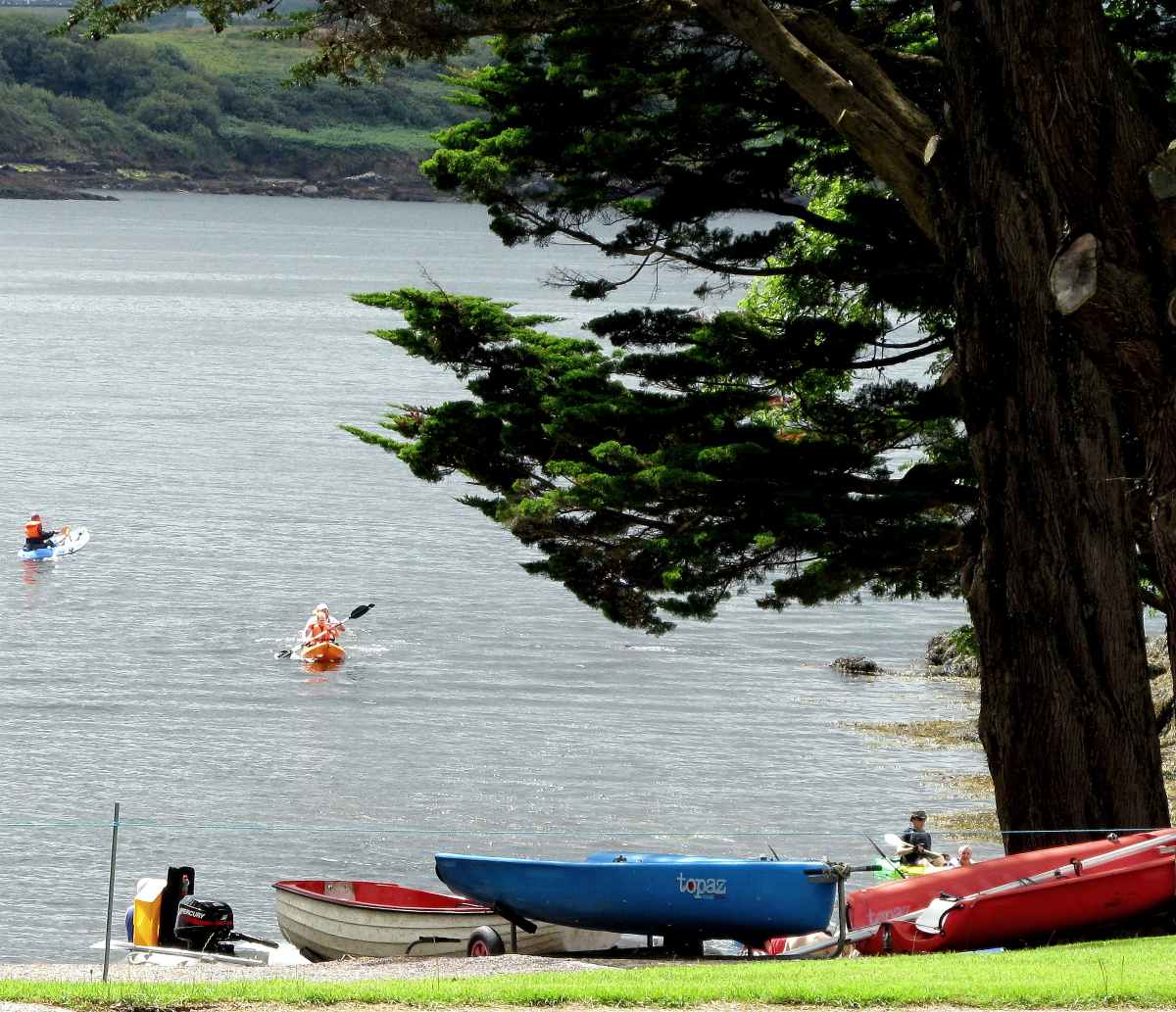
Who Can Drive a Campervan in Ireland?
The licence rules are simpler than the insurance ones.
- Because most rental campervans are under 3,500kg, a full Category B car licence covers you, the same one you use for an ordinary car.
- Most operators ask that you have held your licence for at least two years.
- Licences from the UK, North America, the EEA and Switzerland are accepted as they are. If yours was issued elsewhere, you will usually need an International Driving Permit alongside it.
- On age, you can legally drive a hire camper in the Republic from 21, but many companies prefer drivers to be 25 or older, and younger drivers may pay a surcharge. Larger motorhomes often carry a higher minimum age, and some operators set an upper age limit too, so check the small print.
If you want an automatic rather than a manual, say so when you book. Manual vans are still the default in Ireland and automatics can be limited.
Driving in Ireland: What to Expect
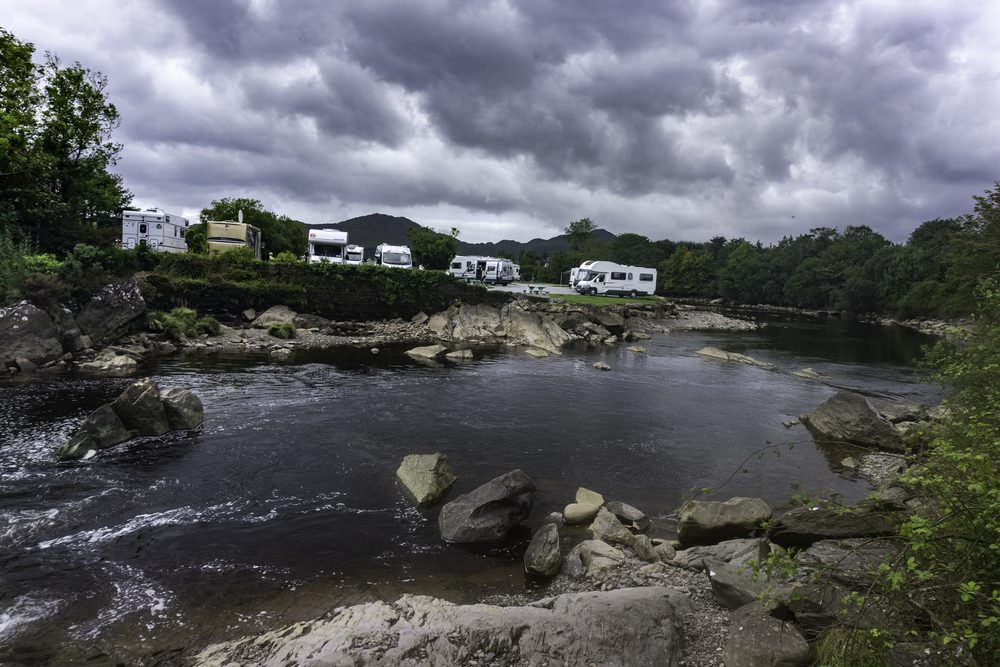
Driving in Ireland is a pleasure once you settle into its rhythm, but it does have its quirks, especially in a larger vehicle.
- You drive on the left. Roundabouts run clockwise, and you give way to traffic coming from your right.
- Rural roads are narrow. Many are bordered by stone walls or hedges with little room to pass. Slow down, use the marked passing places, and do not be shy about pulling in to let locals by.
- Distances are deceptive. A short hop on the map can take far longer than you expect once you factor in the bends and the scenery. Allow extra time, always.
- Tolls. Most are simple barrier tolls you pay at the booth. The exception is the M50 around Dublin, which is barrier-free and uses the eFlow system. There are no booths, so you pay online shortly after using it. Check eFlow.ie if your route crosses it.
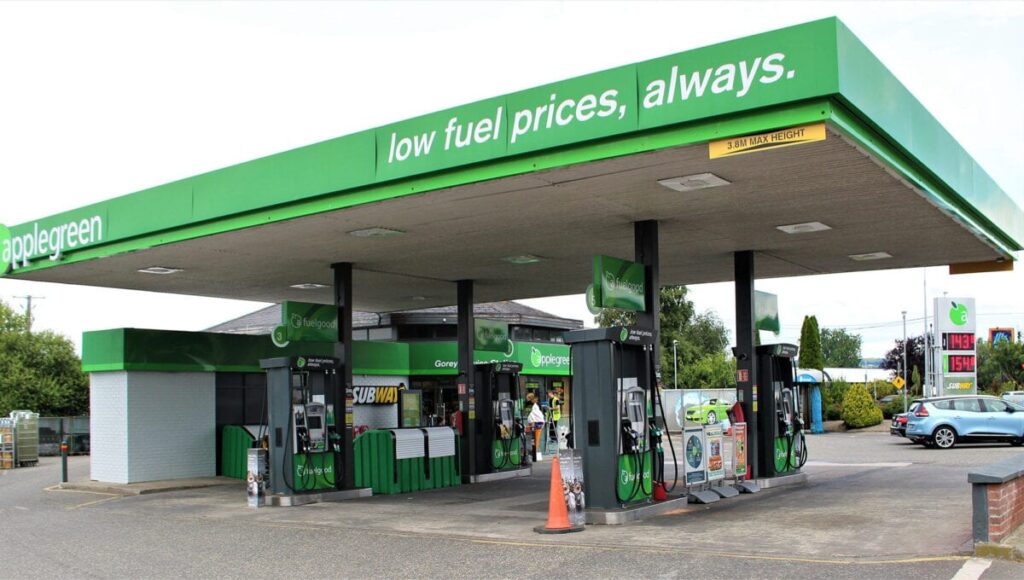
- Fuel and gas. Diesel is widely available. LPG for refilling onboard gas can be harder to find outside the larger towns, so plan refills in advance.
- Service points. Many SuperValu supermarkets have motorhome service points for waste, and forecourts like Circle K and Maxol often have fresh water taps. A self-contained van makes the whole trip easier.
- Ferries to islands. If your route includes an island hop, larger vehicles usually need to be booked on in advance, particularly in summer.
The single best piece of driving advice for Ireland is to slow down and build in more time than you think you need. The country rewards the unhurried.


The Golden Rules of Wild Camping in Ireland
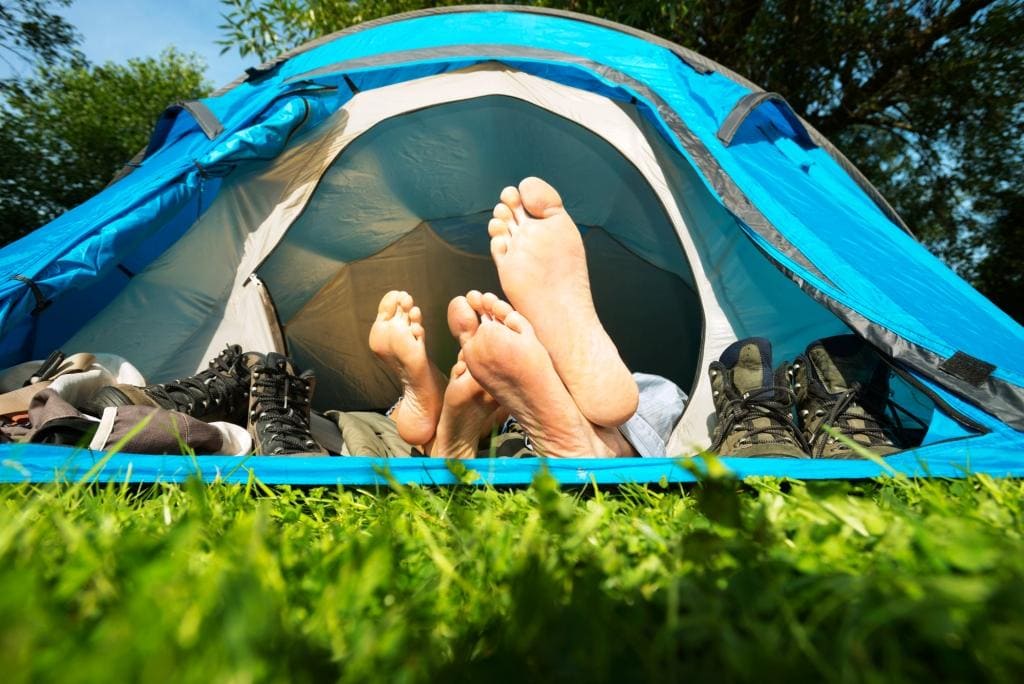
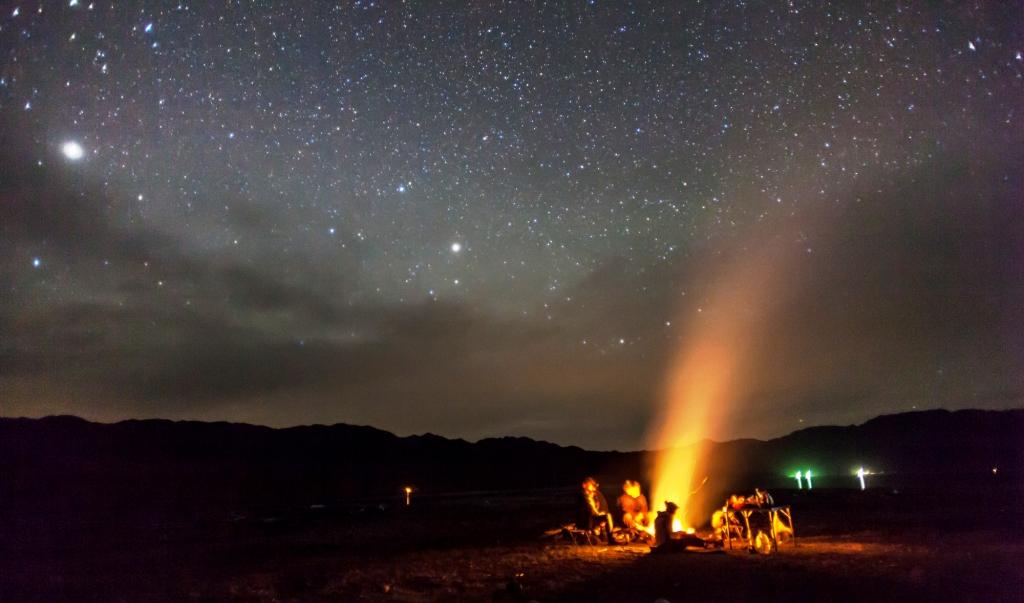
If you are dreaming of pitching a tent under a blanket of Irish stars, you need to know a quick legal truth first: there is actually no such thing as “unowned land” in Ireland. Every square inch of the Emerald Isle belongs to either a private landowner (usually a farmer) or the state. Unlike Scotland, Ireland does not have a legal “Right to Roam.” Pitching a tent on random property without asking is technically trespassing.
However, don’t unpack your bags just yet! Responsible, respectful outdoor enthusiasts can still easily enjoy the magic of Irish nature through what we call wild camping.
To stay on the right side of the law and the locals, just follow this simple guide to finding your perfect, legal campsite.
Seek Out “Permissive Access” Land
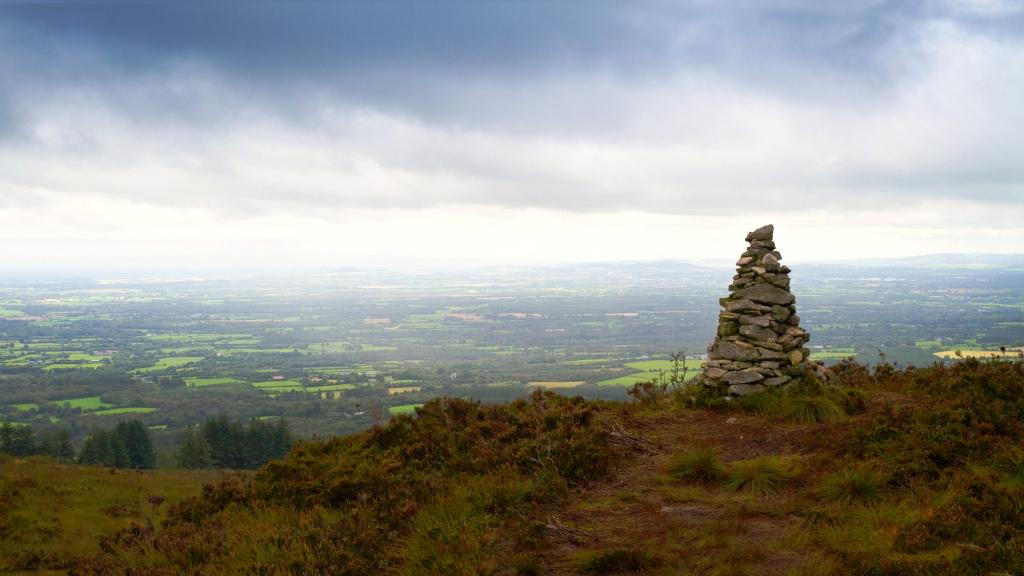
Many of Ireland’s spectacular mountains, hills, and walking trails cross privately owned land where the owners grant permissive access. This means they kindly tolerate walkers and low-impact overnight campers. The unwritten rule here is all about discretion: hike deep into the uplands, pitch your tent late in the evening, pack up early in the morning, and always camp far out of sight of residential homes and livestock.
Head to Designated National Parks
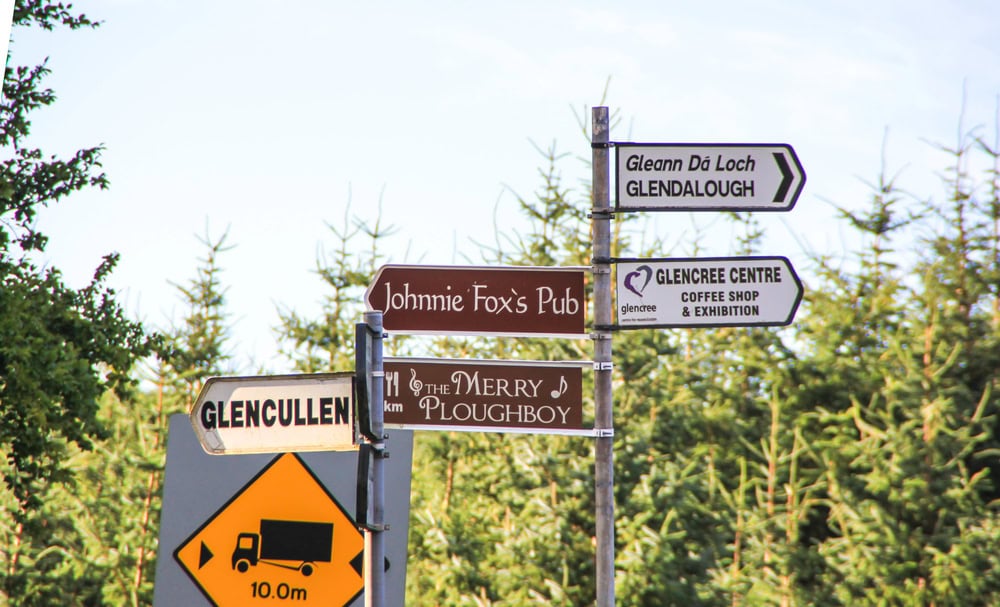
You cannot camp just anywhere in Ireland’s National Parks, but a few—like the stunning Wicklow Mountains National Park—fully welcome backpackers. They operate under a strict Wild Wilderness Camping Code. To camp here legally, you must pitch your tent a certain distance away from main roads, historical ruins, and main vehicle access points. Always check the specific park’s official website before you head out, as places like Killarney National Park strictly forbid it.

Use Coillte Forestry Sites
Coillte is the state-owned body that manages Ireland’s public forests. To encourage sustainable tourism, they have established a network of designated Wild Camping Sites tucked away in remote forest areas. These are minimalist, leave-no-trace pockets designed specifically for self-sufficient backpackers who are traveling on foot.
The Golden Rule: Ask a Farmer!
If you find a beautiful, untouched field or coastal spot that looks perfect but is clearly fenced-in private farmland, just look for the nearest farmhouse. Knock on the door, be polite, and ask the landowner for permission. Irish farmers are famously friendly; as long as you don’t have a campfire, don’t disturb their animals, and promise to leave the place exactly as you found it, many will happily tell you to go ahead and pitch your tent.
Always Leave No Trace
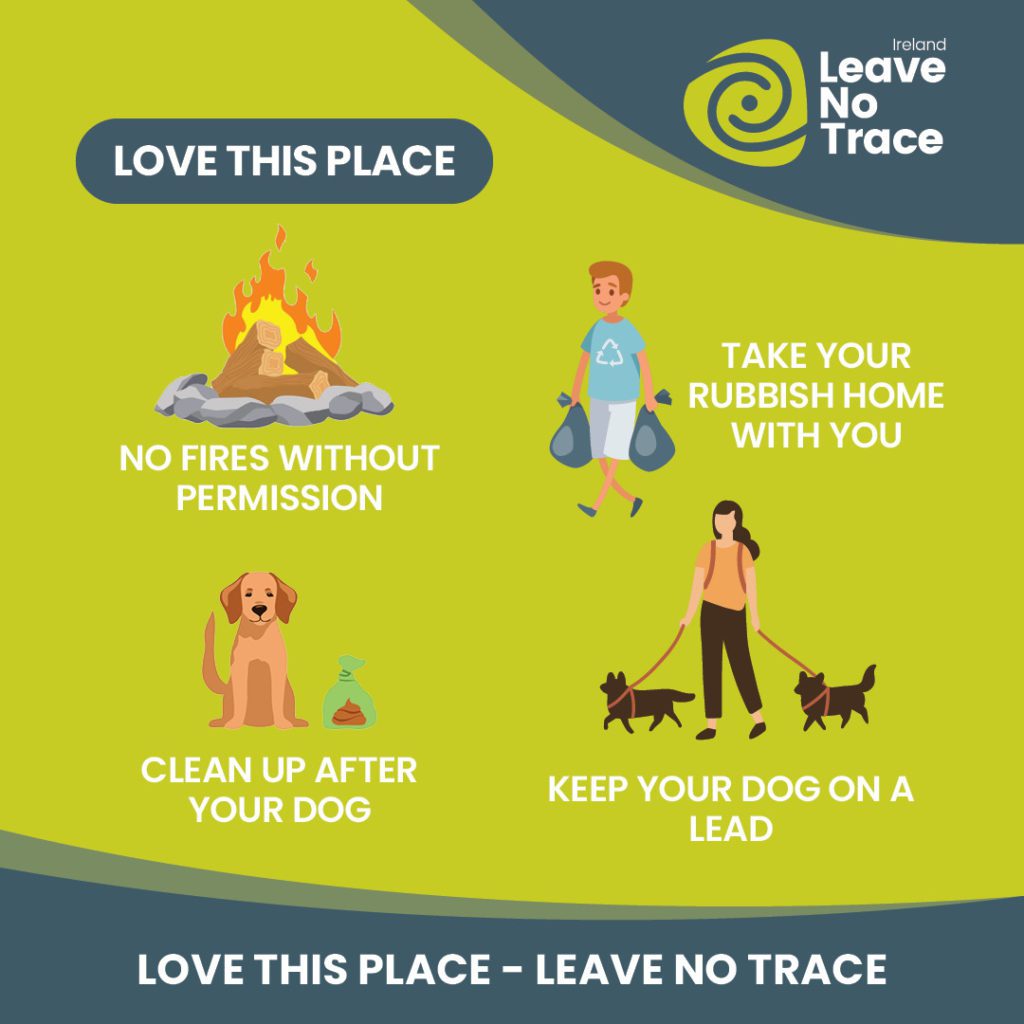
Wild camping in Ireland is a privilege built entirely on mutual respect between outdoor lovers and landowners. No matter where you pitch your tent, strictly follow the principles of Leave No Trace Ireland. Pack out every single scrap of your rubbish, protect the local wildlife, and leave the landscape pristine for the next explorer.
Roads a Campervan Should Think Twice About
The general narrow-roads warning above undersells how specific the problem gets in a handful of well-known spots. Having driven all these road several times in both a small car and a van I know the limits. On the Dingle Peninsula, Slea Head Drive narrows considerably in places and shares the road with tour coaches all summer, making it one of the tightest squeezes on the entire Wild Atlantic Way for anything bigger than a compact van.
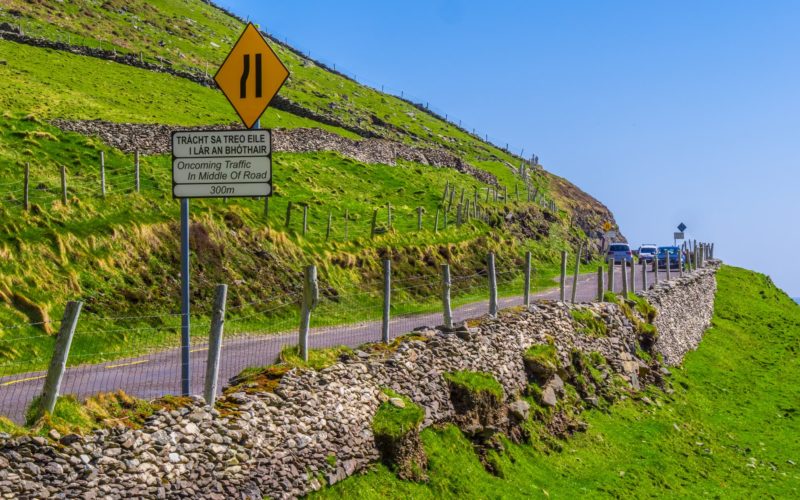
Near Clifden in Connemara, the Sky Road has single-lane stretches that catch out larger motorhomes, and further south the Old Head, Sheep’s Head and Mizen Head peninsulas all carry narrow coastal tracks with little room either side. On Achill Island, the Atlantic Drive has tight cliff-side sections that leave almost no margin for error. The Ring of Kerry deserves its own mention: always drive it anti-clockwise, the same direction the tour buses use, so you’re not meeting one head-on on a blind bend.
Width causes more trouble than length on these roads. A van over 2 metres wide will find several of the mountain passes on the west coast genuinely tight, and larger coachbuilt or A-class motorhomes struggle on the windy single-track roads where hairpin bends are hemmed in by stone walls with nowhere to give. Height is the other recurring issue, and arguably the more persistent one: barriers are increasingly common on car parks, including some of the signposted Wild Atlantic Way beach viewpoints, so it’s worth knowing your van’s exact height before you set off, not just its width.

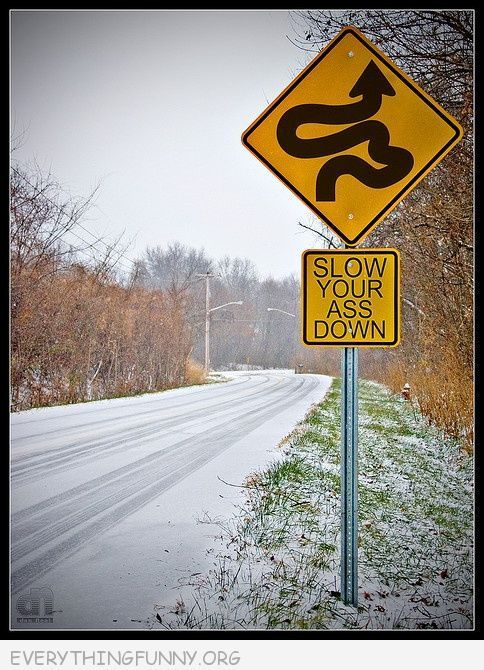
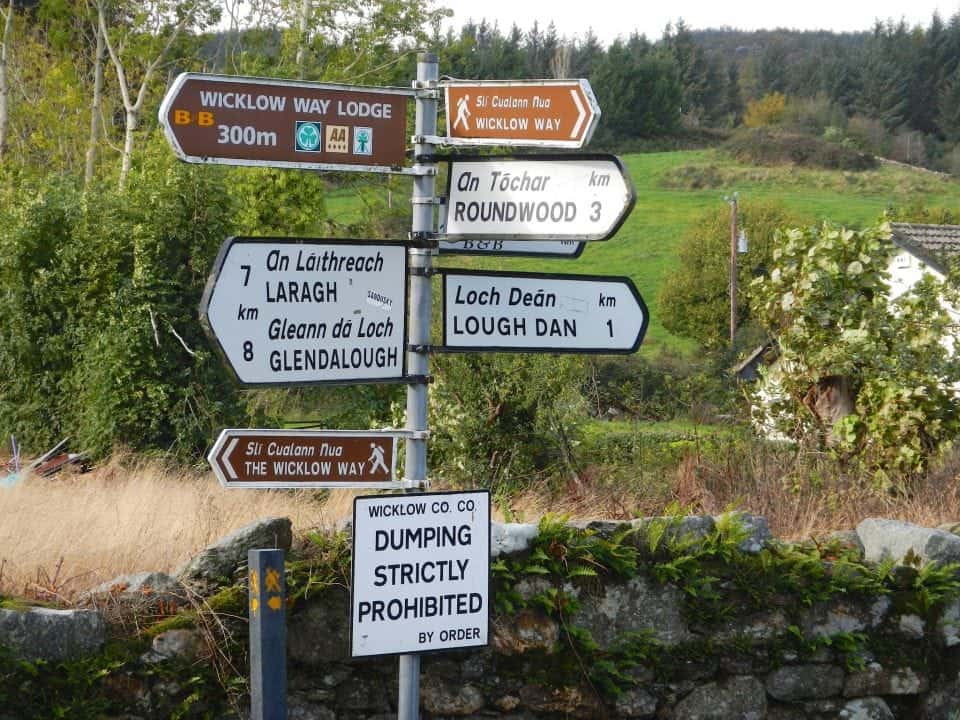
Town centres bring their own version of the problem. Medieval towns like Kilkenny, Westport and Ennis have extremely narrow one-way streets, and the same applies to tight seaside villages such as Kinsale, Doolin and Kilmore Quay. In all of these, stick to the main regional and national roads (the R and N routes) rather than following your GPS through the old town core — sat-nav is generally reliable in Ireland, but it will happily route you down a backroad never meant for anything wider than a tractor. As a rule of thumb, treat the smallest “L” roads on the map with real caution across both Ireland’s Ancient East and the Wild Atlantic Way, and where a route has a recommended direction of travel, follow it, since it usually exists to stop you meeting a coach head-on.
None of this puts these places out of reach. A compact 2-to-4-berth van, the size already recommended earlier in this guide for narrow roads, handles almost all of them without much drama. It’s the larger 6-berth and A-class motorhomes that are better off planning wider alternate routes around Slea Head, the Sky Road and the West Cork peninsulas, and building extra time into the day everywhere else.
Where to Drive
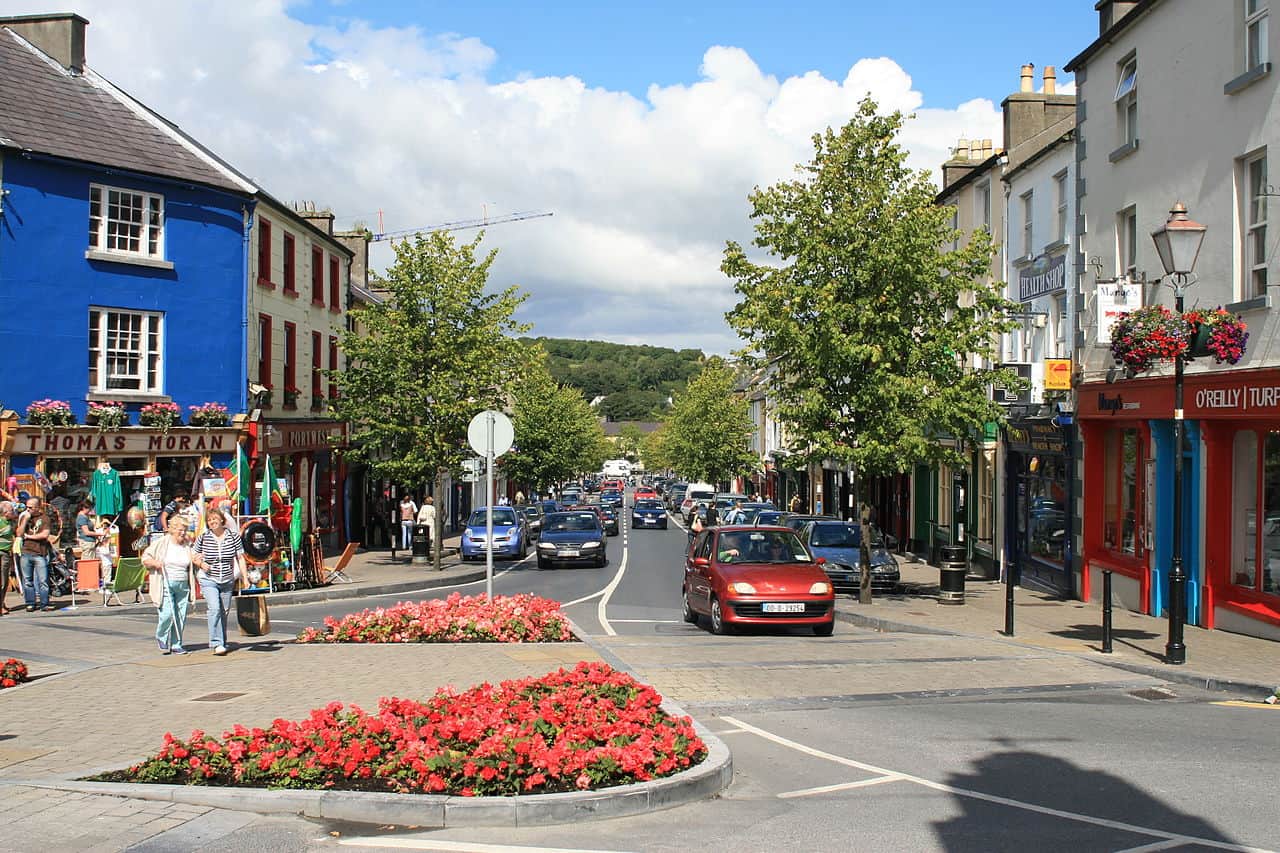
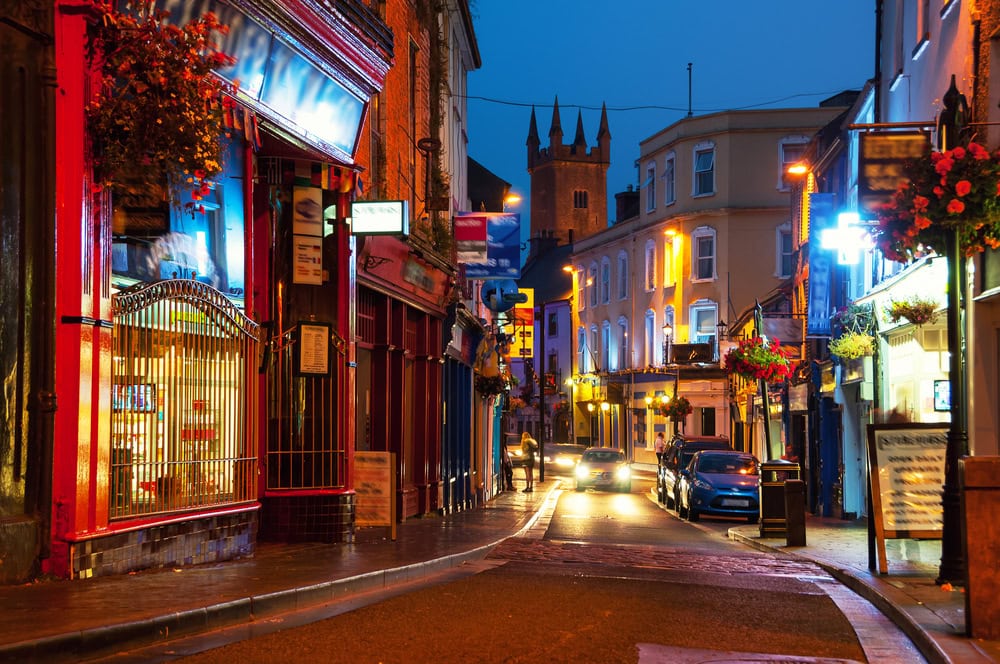
A popular slow route starts in Dublin, heads south into the Wicklow Mountains and Glendalough, crosses Ireland’s Ancient East through the Boyne Valley and Kilkenny, continues to the Wild Atlantic Way, and finishes by crossing into Northern Ireland for Belfast and the Causeway Coast.
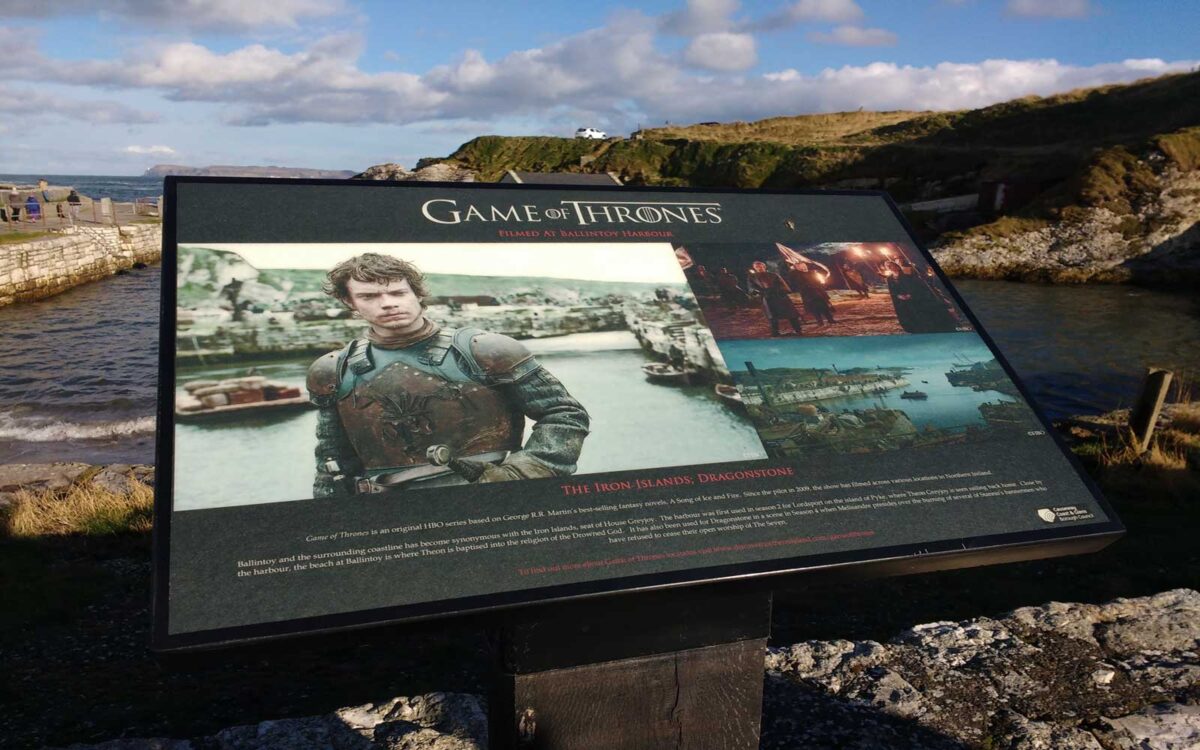
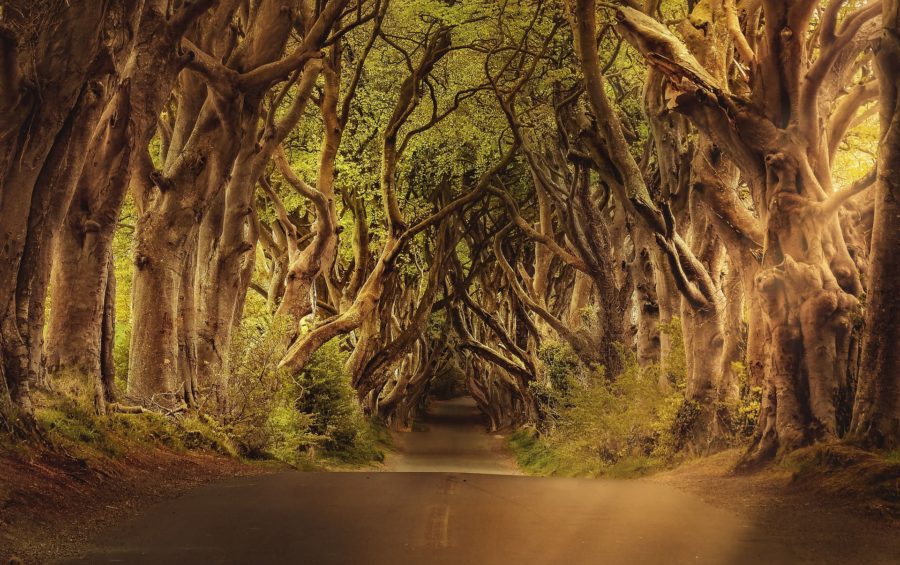
For the full day-by-day itinerary, including campsite recommendations, accessibility notes, and Game of Thrones filming locations along the way, see the Ireland Road Trip for Campers itinerary.
Starting in Dublin
Most campervan hire in Ireland begins in or near Dublin, and the city is worth a day or two before you collect the van rather than after, since a motorhome is more hassle than help in the centre. See Trinity College, the Book of Kells, the museums and a traditional session or two, then pick up your camper and point it south.
A useful quirk of the Dublin ports and Dublin airport is that you do not need to cross the city centre to reach County Wicklow. Follow the M50 and N11 and you are in the mountains within the hour.
The Wicklow Mountains and Glendalough
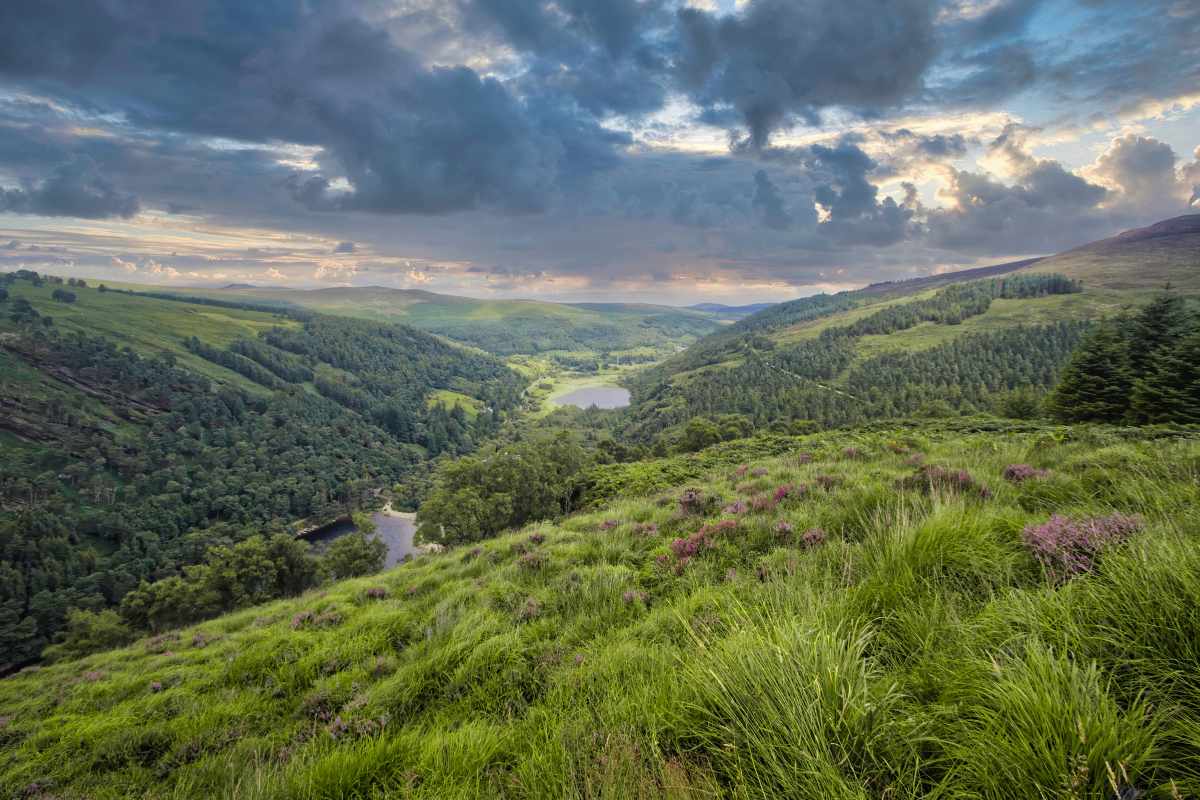
Just south of Dublin, the Wicklow Mountains are often called the garden of Ireland, and the drive over the Sally Gap and the Wicklow Gap is one of the finest short mountain routes in the country. The monastic ruins at Glendalough, the gardens and waterfall at Powerscourt, and the dark waters of Lough Tay and Lough Dan are all within easy reach. These were the magnificent filming sites for the HBO Series of The Vikings.


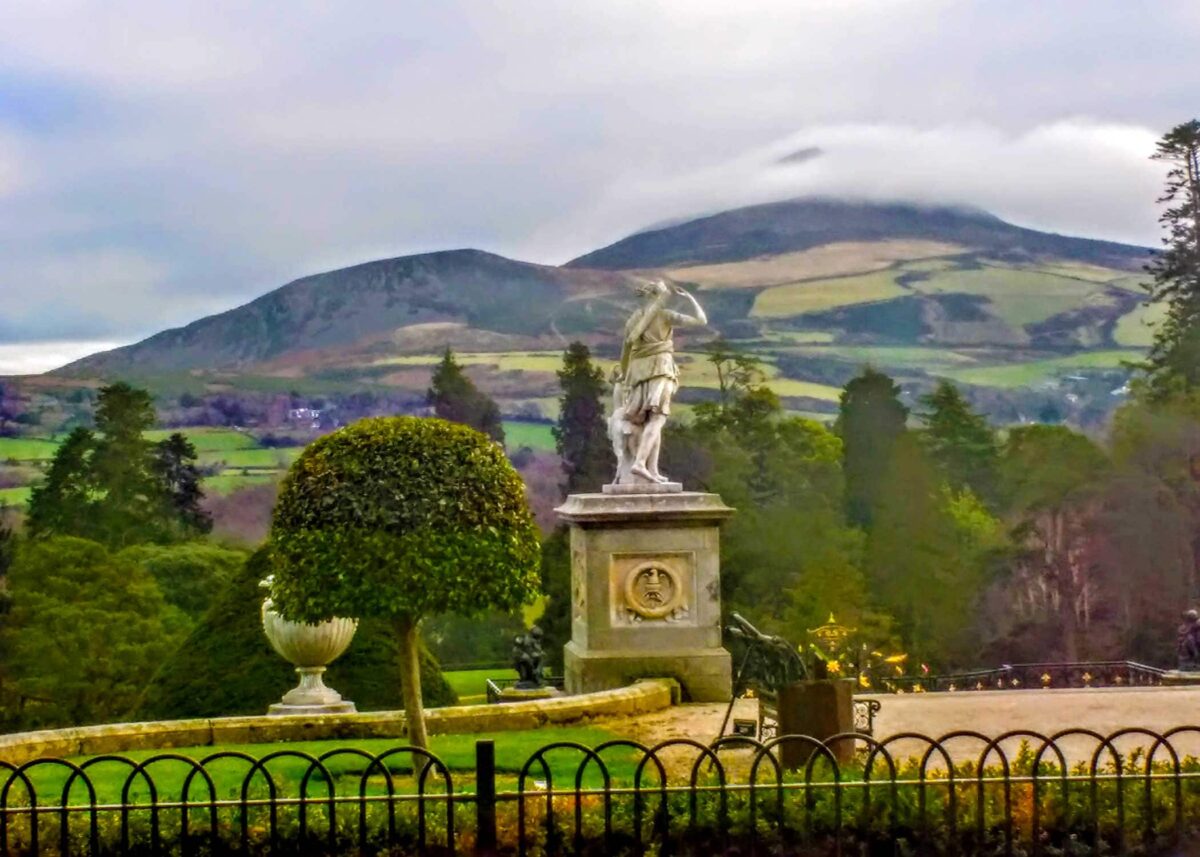
A reliable base here is Roundwood Caravan and Camping Park, set in Roundwood village, which sits at 238 metres and claims the title of the highest village in Ireland. It is a four-star park established back in 1966, with 42 hardstanding pitches for motorhomes and caravans on 16-amp hook-ups, plus space for tents. Facilities include a heated campers’ kitchen and dining room, a TV lounge, laundry, a shop, showers, a motorhome service point, chemical disposal, a playground and bike hire. There is 24-hour security and a night-time noise curfew, and a daily St Kevin’s bus runs to Dublin, Bray and Glendalough if you want to leave the van parked. Glendalough is about 15 minutes away by road.
One thing to know before you plan: overnight camping is not permitted inside Wicklow Mountains National Park itself, so treat the park as a place to drive and walk by day, and sleep at a proper campsite nearby.
Crossing Ireland’s Ancient East to the Wild Atlantic Way
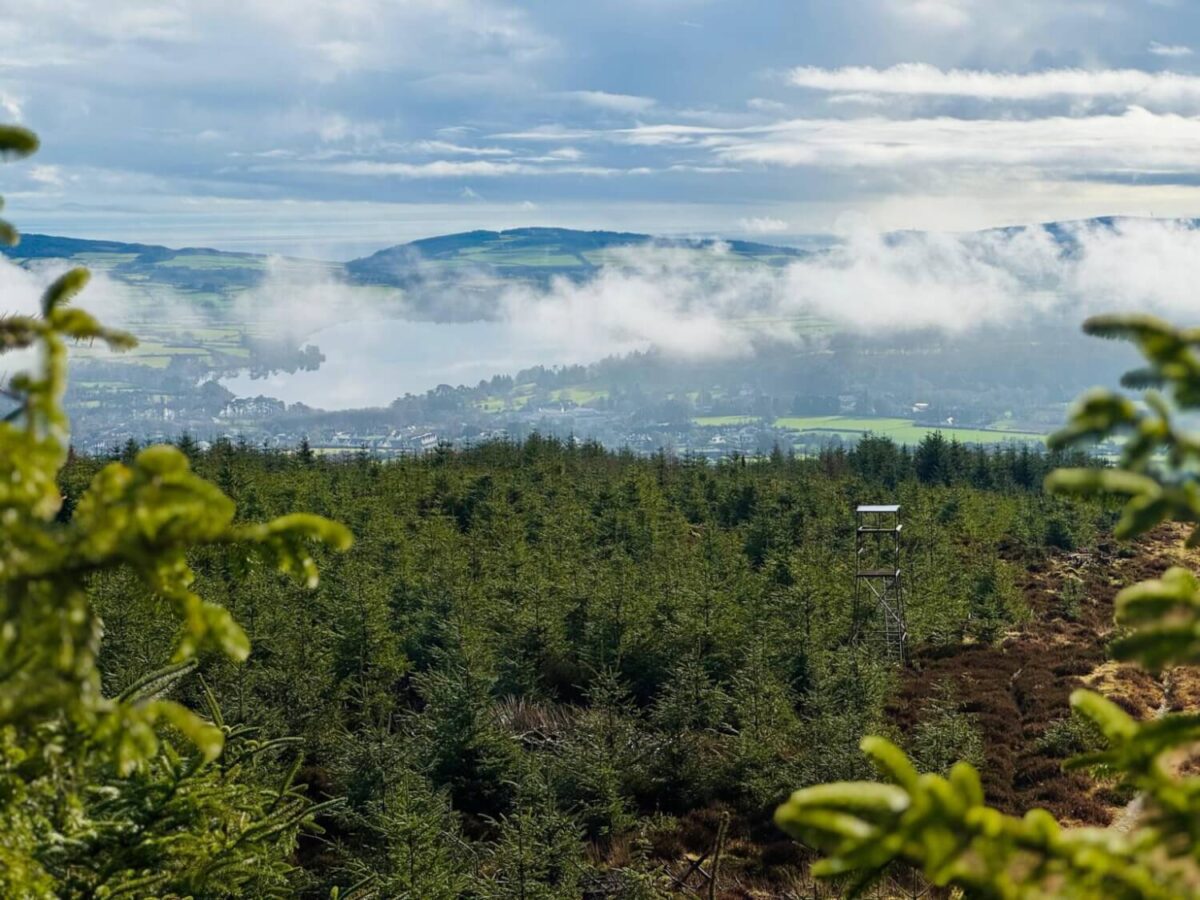
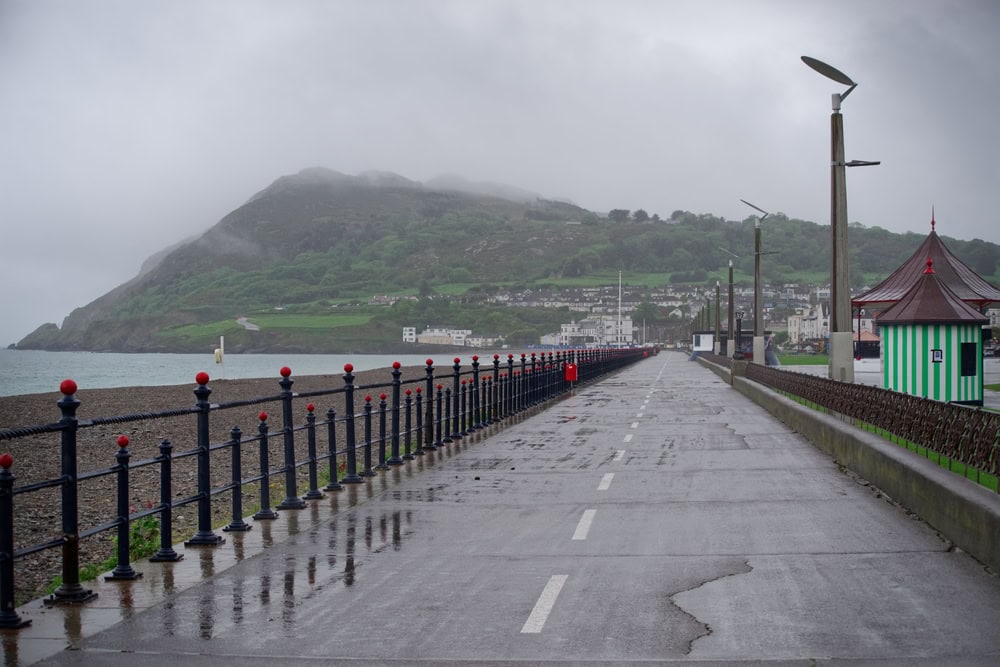
Before you ever reach the cliffs and coves of the west, Ireland’s Ancient East gives a campervan trip its depth. The region stretches from Carlingford in the north down through Cavan, Meath, Wicklow, Kilkenny and Waterford to Cork, and it covers roughly 5,000 years of history in a landscape built for slow, meandering driving rather than motorway miles.
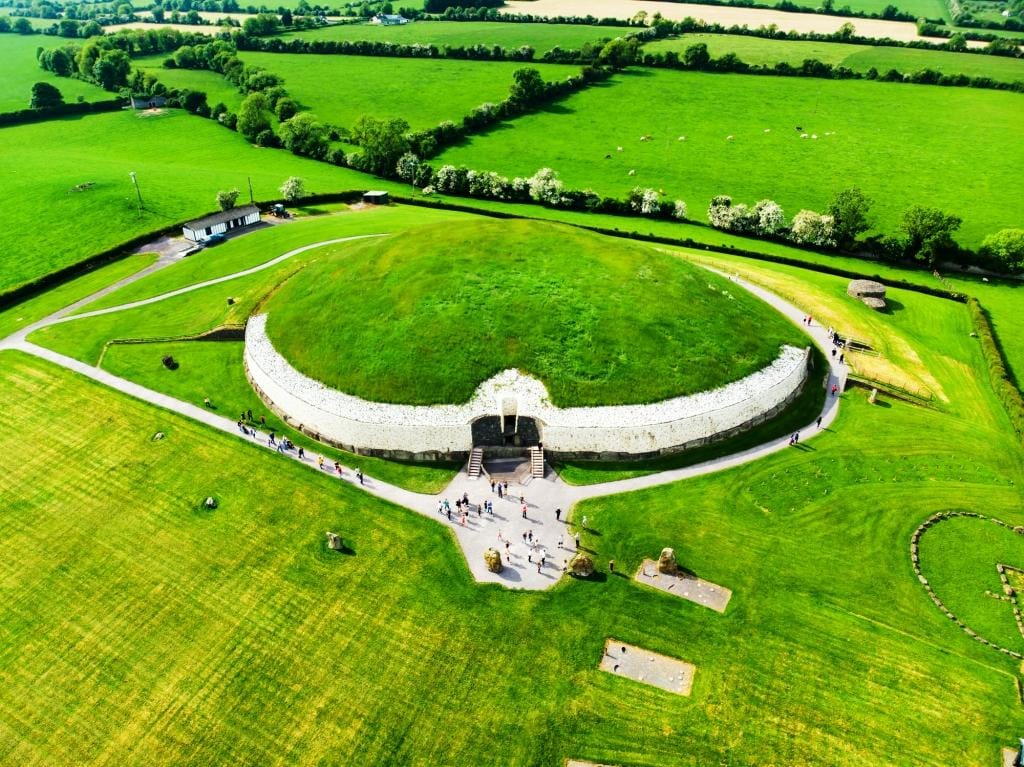
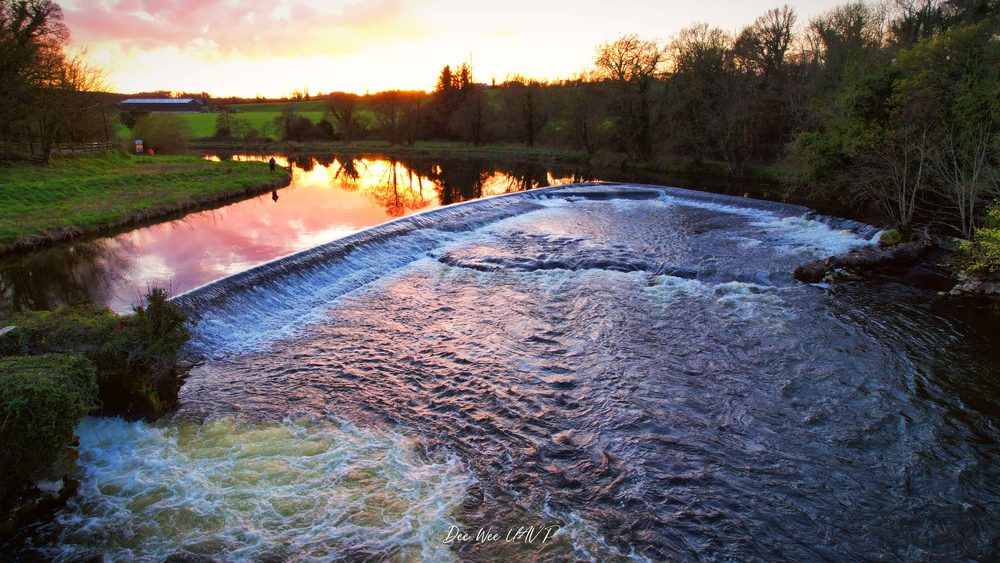
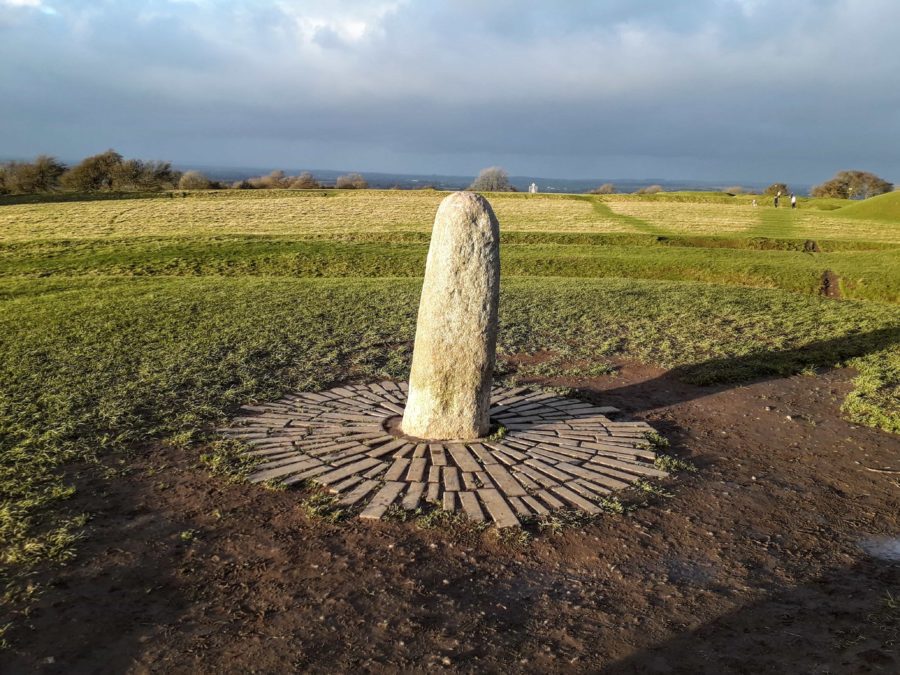
From Dublin, many campervan routes head first to the Boyne Valley to see Newgrange, a Neolithic passage tomb older than the pyramids, and the Hill of Tara, once the seat of Ireland’s High Kings, before curving south through Kilkenny’s medieval streets and Kilkenny Castle.
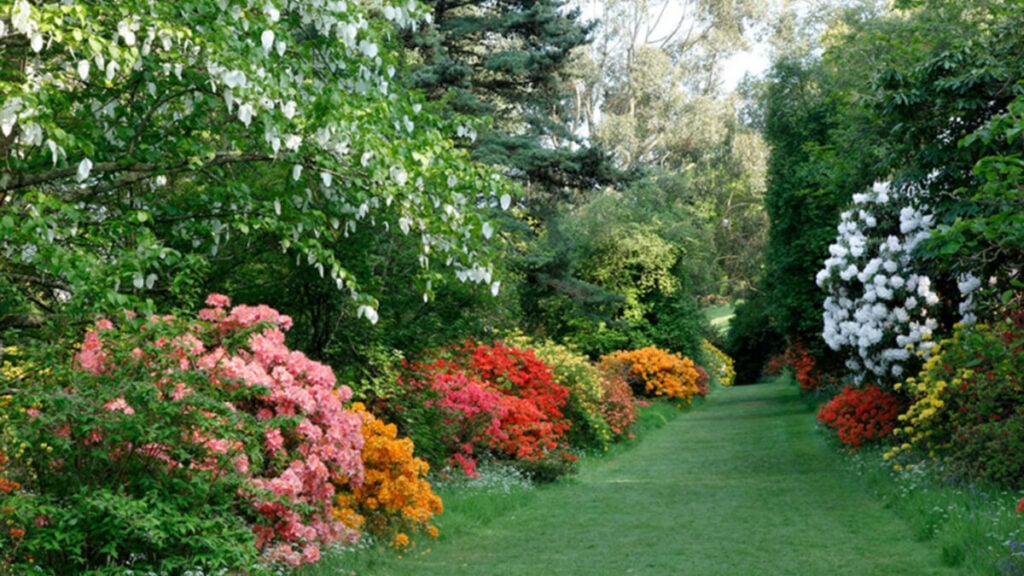
A comfortable stop along this stretch is Lough Ennell Caravan and Camping Park in County Westmeath, a sheltered site with an on-site restaurant that makes a good overnight base for exploring the surrounding lakes. Further south, River Valley Caravan & Camping Holiday Park near the Wicklow coast adds a heated indoor pool and games room to the mix, useful on a wet afternoon, and sits close enough to Mount Usher Gardens and Glendalough to fill a full day without moving the van.
Continuing south and west, the Ancient East theme carries through Tipperary, where the Rock of Cashel rises dramatically over the surrounding plain, and Glen of Aherlow Caravan & Camping Park makes a scenic base at the foot of the Galtee Mountains for walkers as much as drivers.
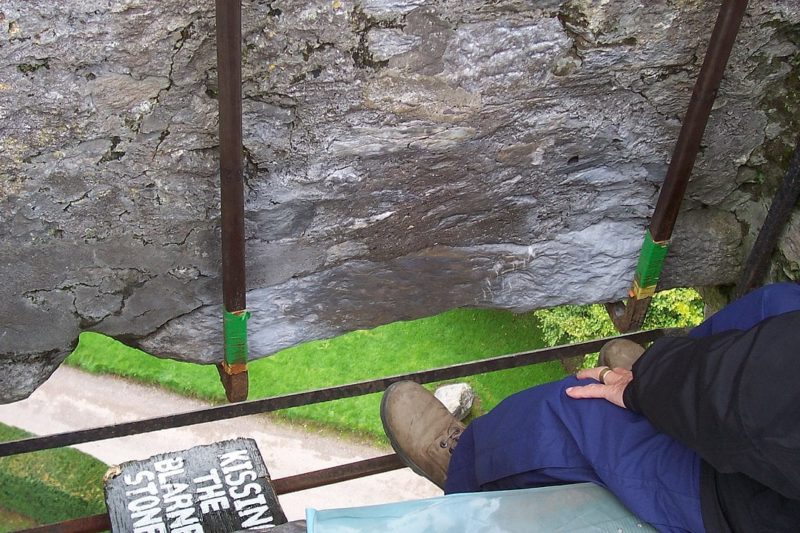
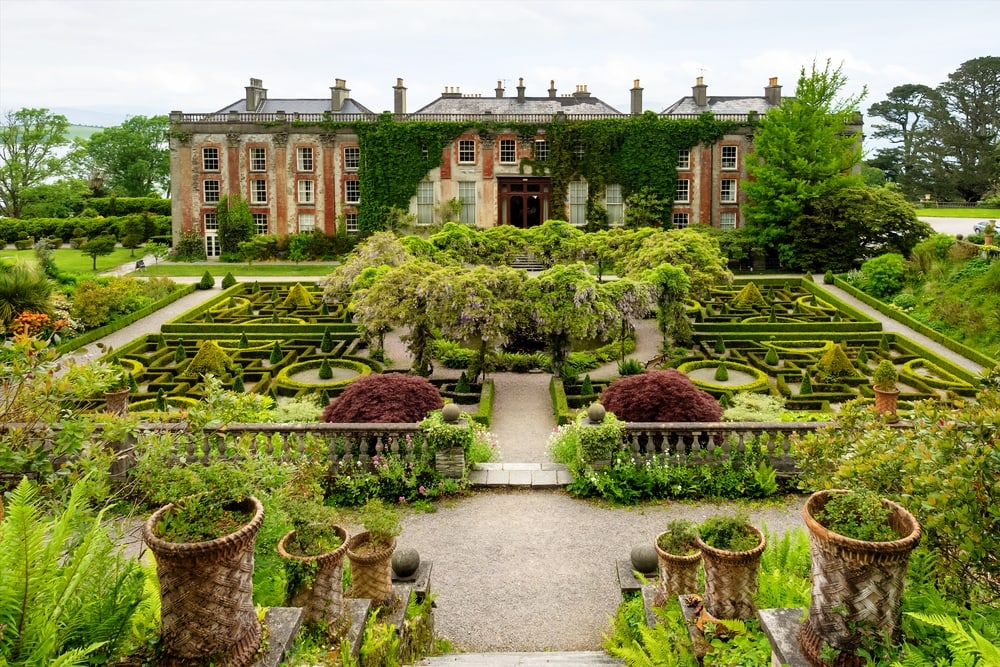
From here, Cork draws you further southwest: Blarney Castle is the obvious stop, and Blarney Caravan & Camping Park sits close enough to the castle grounds to walk in rather than drive. This is also where the Ancient East quietly hands off to the Wild Atlantic Way. Push on from Cork city into West Cork, and the historic-house-and-castle rhythm of the east gives way to the cliffs, harbours and open water of the Atlantic coast, with Eagle Point Camping on Bantry Bay as the natural first stop on that leg, covered earlier in this guide.
Treated as one continuous trip rather than two separate holidays, the drive from the Boyne Valley to Bantry Bay is really the fullest version of an Ireland campervan route: ancient monuments and walled towns for the first half, wild Atlantic scenery for the second, and a proper campsite with hookups and hot showers waiting at the end of each day.
The Wild Atlantic Way and Eagle Point Camping
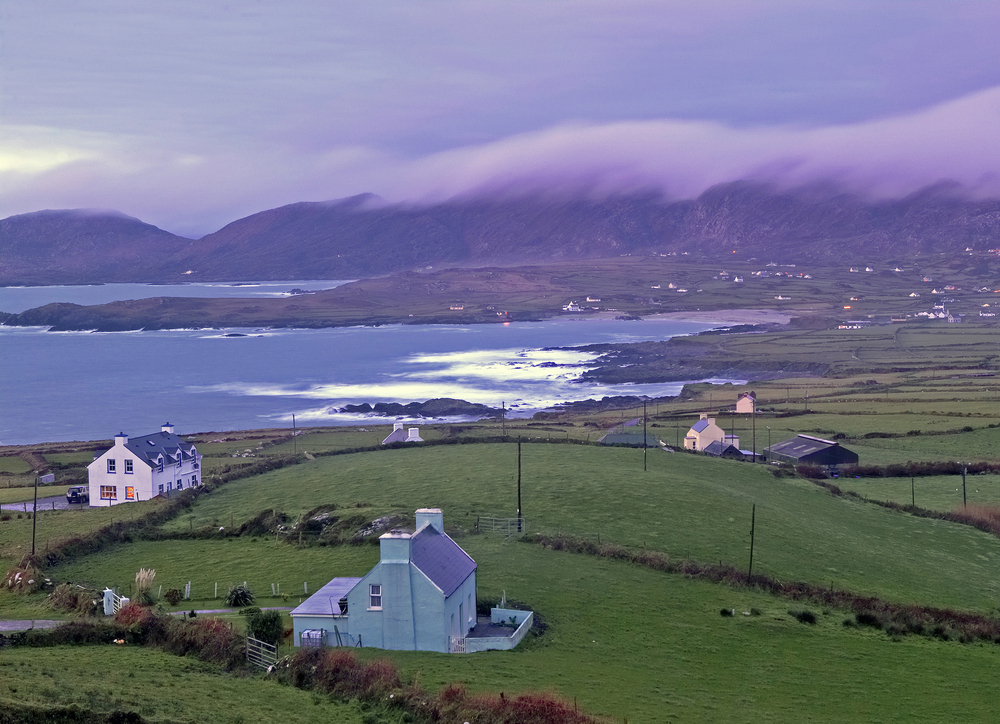
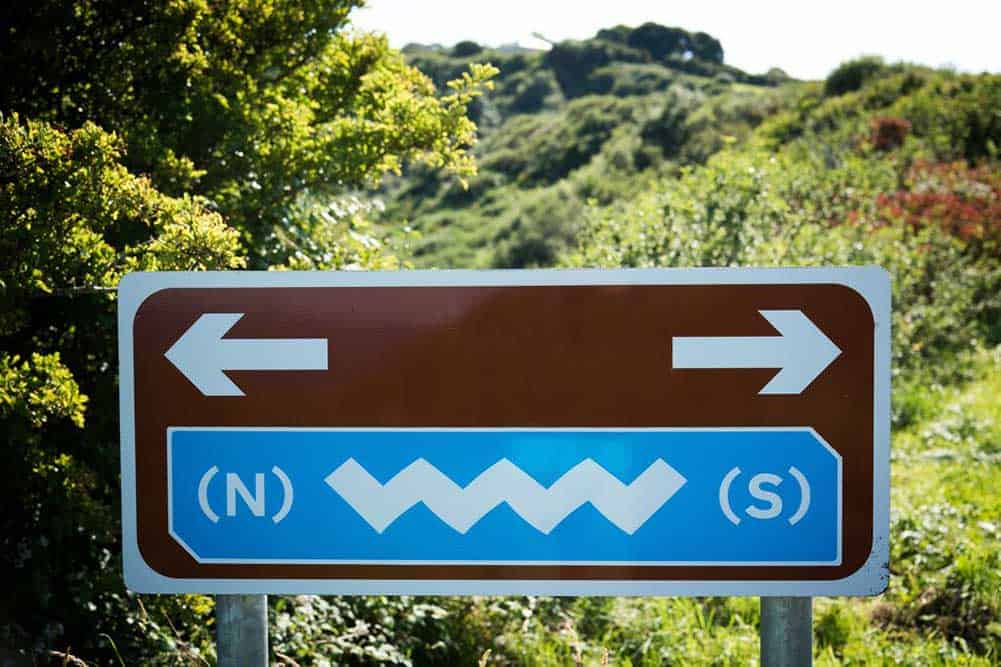
From Wicklow, the long drive west brings you to the Wild Atlantic Way, the 2,500-kilometre coastal route that runs the length of Ireland’s Atlantic seaboard. This is the heart of any Ireland road trip. Expect cliffs, harbours, surf beaches, peninsulas and some of the best driving roads in Europe, all strung along the edge of the Atlantic.
Eagle Point Camping in West Cork, on its own peninsula overlooking Bantry Bay, is one of the standout stops on this route see the full Ireland Road Trip for Campers itinerary for details on this and the rest of the campsites along the way.

A couple of practical notes. The maximum caravan or motorhome length here is 7.5 metres, so check your van fits. And if you approach from the Glengarriff direction, be aware of the low mountain tunnel on that road, which has a height limit of around 3.6 metres. Bantry town is roughly 6 kilometres away and Glengarriff about 11 kilometres, and the site is a brilliant base for the Sheep’s Head Way, the Beara Peninsula, Garnish Island and Bantry House and Gardens.
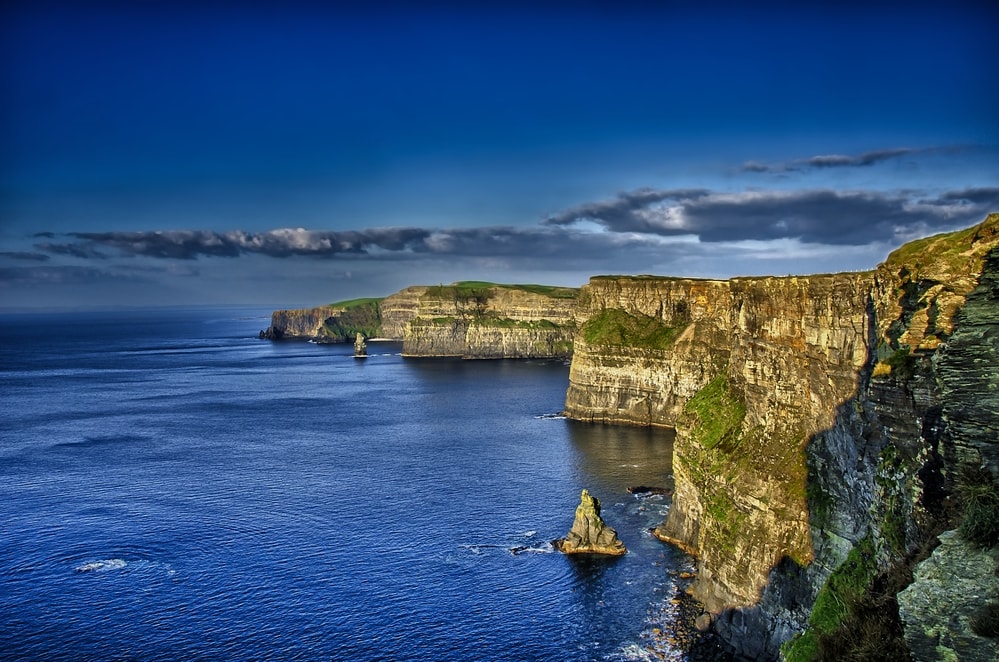
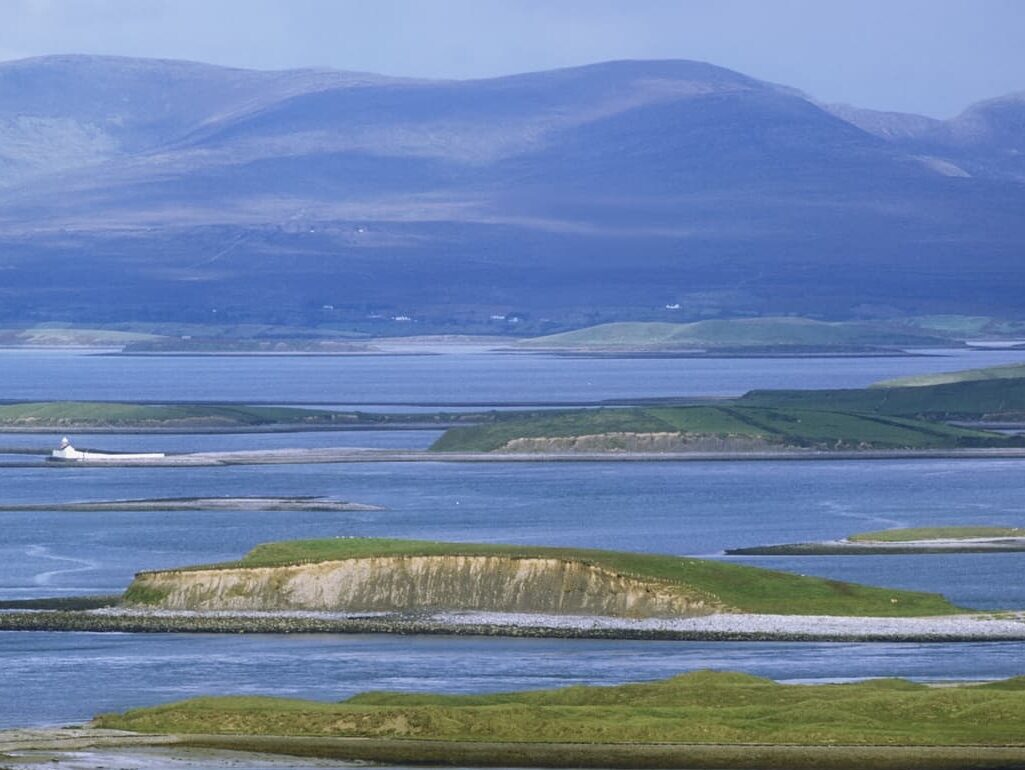
From West Cork you can carry the Wild Atlantic Way theme as far north as your time allows, through Kerry, Clare and the Cliffs of Moher, Galway, Mayo and the Ceide Fields and on into Donegal and the Inishowen Peninsula picking up campsites as you go.

Crossing into Northern Ireland: Belfast and the Causeway Coast
No Ireland campervan trip is complete without the north. The border is open and unmarked, and most hire companies allow you to cross it, though you should confirm this with your operator before you book.
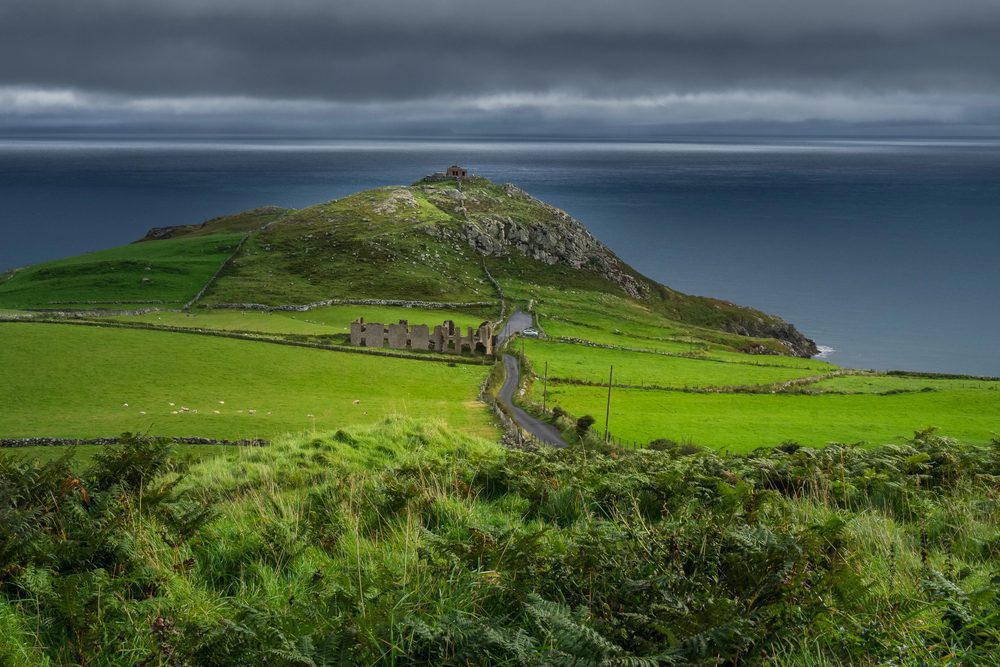
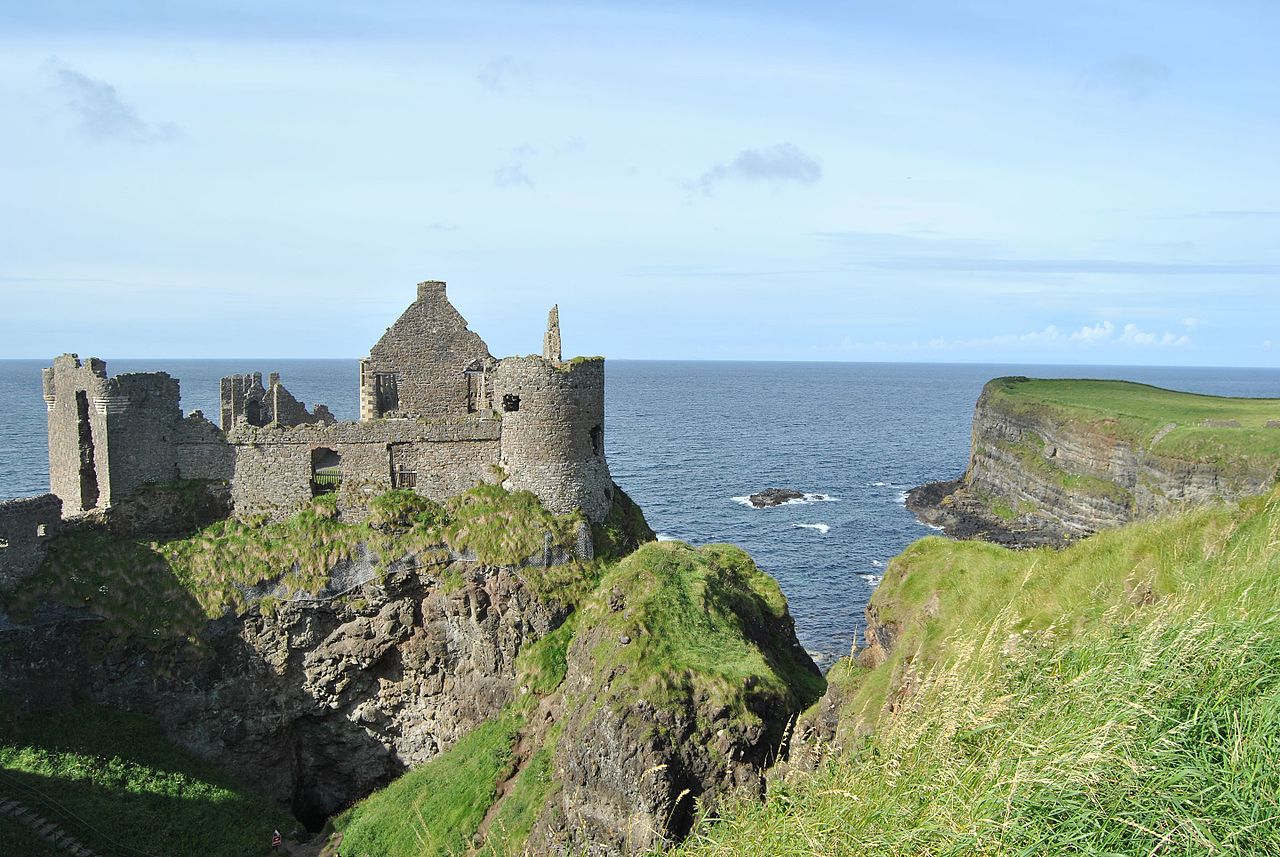
A few things change once you are in Northern Ireland. The currency is pound sterling rather than euro, the insurance excess is quoted in pounds, and road signs switch to miles. Belfast is the obvious anchor, with the Titanic Quarter, the murals, the Cathedral Quarter and St George’s Market all worth your time. From there the Causeway Coastal Route north through County Antrim is a spectacular drive, taking in the stunning 9 Glens of Antrim, the Giant’s Causeway and Dunluce Castle.
For overnight stays, Northern Ireland has plenty of commercial campsites, and the Northern Ireland Forestry Service runs campsites and issues permits at some of its forest parks, with Tollymore Forest Park (which featured in Game of Thrones) near Newcastle a well-known option. One date to keep in mind: around the marching season of 11 and 12 July, many shops and businesses close for a few days, so stock up in advance if you are travelling then.
Campsites or Wild Camping in Ireland?
This is the question that trips up a lot of first-time visitors, so it deserves a clear answer.
There is no right to roam in Ireland, in either the Republic or Northern Ireland. Effectively all land is owned, privately or by the state, and camping on it without the owner’s permission is technically trespass. There is no single law that says wild camping is allowed.
In practice, low-impact wild camping in a self-contained van is often tolerated in remote areas if you are discreet, stay a single night, arrive late and leave early, and follow Leave No Trace principles. That tolerance is a privilege rather than a right, and it survives only because most campers behave well.
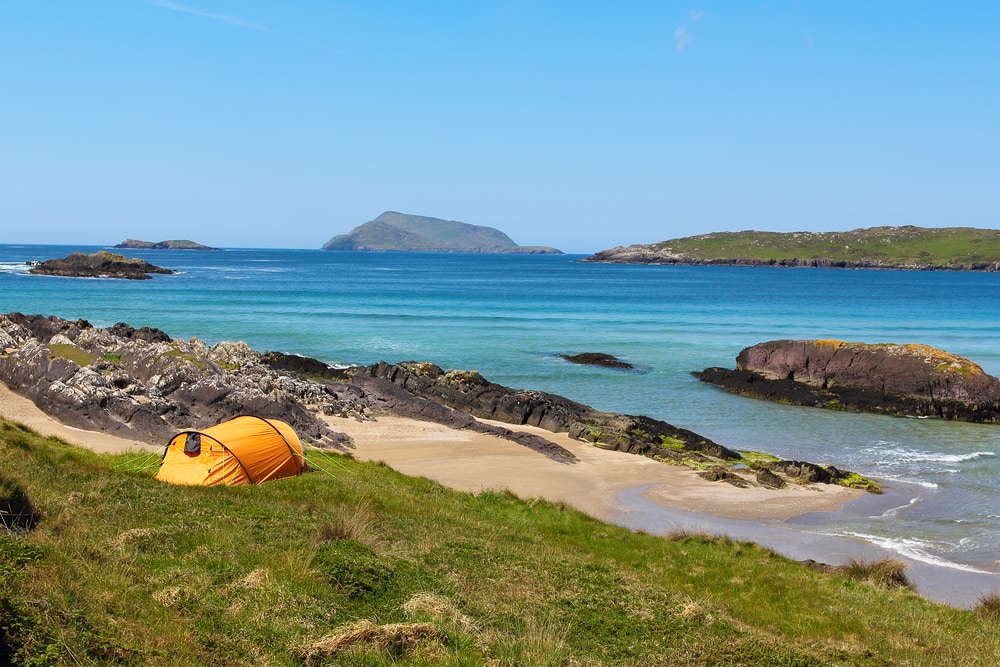
Some firm rules to respect:
- Overnight camping is banned in all six national parks, which are Killarney, Connemara, the Burren, Wicklow Mountains, Glenveagh and Wild Nephin. These are day-use only, including their car parks.
- Watch the signs. A “no overnight parking” sign means exactly that. A “no camping” sign generally refers to tents and awnings rather than sleeping in a vehicle, but if in doubt, move on.
- Many coastal and beach car parks are covered by local byelaws that prohibit overnight stays, so do not assume an empty car park is fair game.
- Never light fires, always carry out every scrap of rubbish, and keep well away from farmland, houses and water sources.
The honest recommendation for a hired campervan is to build your trip around Ireland’s excellent campsites, which start from around 15 euro a night, and treat any wild camping as the occasional, carefully chosen exception rather than the plan. Campsites give you power, hot showers, waste disposal and fresh water, and your money goes straight into the rural communities you are there to enjoy.
Practical Tips for Your Ireland Campervan Holiday
A handful of small things make a big difference on the road:
- Pack for four seasons in one day. Even summer brings rain and wind, so bring waterproofs and a warm layer.
- Carry cash. Some campsites take payment, shower tokens or honesty boxes in cash only.
- Download offline maps. Mobile signal drops out in the mountains and along remote stretches of coast.
- Shop in the bigger towns. Rural shops are charming but limited, so stock the fridge before you head into the wild.
- Mind your height and length. Note both for tunnels, low bridges, ferries and tight campsite pitches.
- Book popular campsites ahead in summer. Places like Eagle Point fill up fast in July and August.
- Build in slow days. The best moments on an Ireland road trip are usually the unplanned ones.
Plan Your Ireland Campervan Trip
A campervan turns Ireland from a checklist into a journey. You can chase the light along the Wild Atlantic Way, linger an extra night when a village wins you over, and fall asleep to the sound of the sea at places like Eagle Point. With the practicalities sorted, the costs, the insurance, the licence and a realistic sense of the roads, you are free to do what Ireland does best, which is to slow you down.
If you are weighing up vehicles and dates, it is worth taking a moment to compare campervan hire in Ireland in one place, so you can see the real total for each van rather than just the nightly rate and find the right fit for your route and budget. Then all that is left is to pick a direction and go.
Frequently Asked Questions
How much does it cost to hire a campervan in Ireland?
Cost depends on the season, vehicle size and how far ahead you book. Peak season runs May to September and carries the highest rates, while October to April is cheapest. Beyond the nightly rate, budget for a non-refundable booking deposit (often around 25%), a refundable security deposit (from around 300 euro), campsite fees (from around 15 euro a night) and diesel.
Do I need a special licence to drive a campervan in Ireland?
No. Most rental campervans weigh under 3,500kg, so a standard full Category B car licence is enough. Most operators require you to have held your licence for at least two years, and you can legally drive from age 21 in the Republic, though many companies prefer drivers to be 25 or older and may charge younger drivers a surcharge.
What insurance do I actually need for a campervan hire?
Standard hire usually includes comprehensive insurance for one named driver, but you’re still liable for an excess if something goes wrong: up to around 2,600 euro in the Republic, or roughly 1,500 to 2,000 pounds in Northern Ireland. A Collision Damage Waiver (CDW) lowers this excess for a daily fee, and it’s worth weighing up against your appetite for risk.
Can you wild camp in a campervan in Ireland?
There is no legal right to wild camp in Ireland, and nearly all land is owned privately or by the state. Low-impact overnight stays in remote areas are sometimes tolerated if you’re discreet and follow Leave No Trace principles, but this is not a legal right. Overnight camping is banned outright in all six national parks, including Wicklow Mountains and Killarney.

Can I drive a hired campervan from the Republic of Ireland into Northern Ireland?
Most hire companies allow you to cross into Northern Ireland, but you should confirm this with your operator before booking. Once across the border, the currency switches to pound sterling, insurance excess is quoted in pounds, and road signs switch to miles.
Where should a first-time Ireland campervan route start and go?
A popular slow route starts in Dublin, heads south into the Wicklow Mountains and Glendalough, continues west to the Wild Atlantic Way (with West Cork’s Eagle Point Camping as a highlight), and finishes by crossing into Northern Ireland for Belfast and the Causeway Coastal Route.
What size campervan should I book?
It depends on group size and route. Compact campervans (sleeping 2 to 4) suit couples and are easier on narrow roads. Mid-size motorhomes suit families on longer trips. Large motorhomes (sleeping up to 6) suit groups, but check length limits at campsites and on ferries. A 4WD camper is best for touring off the beaten track.
How far in advance should I book a campervan for Ireland?
Book as early as possible for July and August, as the best vans and value go first and last-minute summer availability is thin. Popular campsites, such as Eagle Point Camping in West Cork, also fill up fast in peak summer months.
If you’re working out what your trip will actually cost, read my How Much Does a Trip to Ireland Cost? 2026/27 Budget Breakdown for a full pricing breakdown by category.
Join 7,500 Ireland travellers in my Ireland Uncovered Facebook Group and 1,897 on my XYUandBEYOND PAGE
Start Planning Your Trip
👉 Public Transportation in Ireland
👉 Hidden Gems in Ireland – 32 Secret places to visit
👉 Answering all your travel questions about Ireland