
Chasing the Sun: The Joys of Sailing destinations in Europe
Europe’s maritime heritage spans millennia, from ancient Phoenician trading routes to modern luxury yachting havens. Today’s sailors inherit this rich legacy, with access to an unparalleled variety of sailing experiences across the continent’s diverse waters. Whether navigating the protected coves of Croatia’s Dalmatian Coast or mastering the challenging conditions of the Greek Aegean, each region offers distinct advantages for different sailing abilities and interests.
From novice sailors seeking sheltered waters to experienced skippers planning extended voyages, these destinations offer carefully curated routes and world-class facilities. Modern marina infrastructure blends seamlessly with historic ports, while ancient trading routes have evolved into popular sailing passages, creating perfect environments for both day trips and extended voyages.
- Chasing the Sun: The Joys of Sailing destinations in Europe
- Maritime Legacy: A Historical Context
- Planning Your European Sailing Adventure
- Winter Sailing destinations in Europe: Regional Considerations
- Best places to sail in Europe
- Atlantic Winter Options
- Winter Sailing Advantages
- Essential Winter Preparation
- Sailing destinations in Europe – chasing the sun
- The Greek Islands: A Sailor's Paradise
- The Balearic Islands: Mediterranean's Perfect Sailing Playground
- Croatia's Dalmatian Coast: A Thousand Islands of Adventure
- The Canary Islands: Where Europe Meets the Atlantic
- Malta: Mediterranean's Living History Book
- The Amalfi Coast: Where Maritime Splendor Meets Italian Romance
- The Turkish Turquoise Coast: Where Ancient Meets Azure
- Yacht Charter or Bareboat sailing?
- Sailing Destinations in Europe
Maritime Legacy: A Historical Context
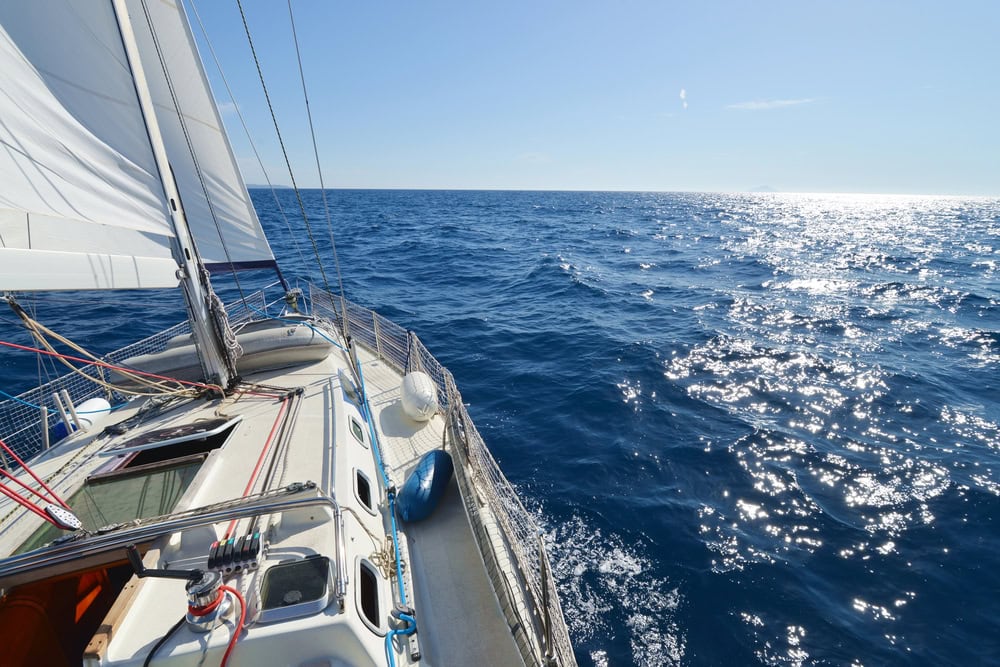
Europe’s waters have shaped maritime history for over three millennia, creating the sailing routes we use today. This rich heritage began with:
Phoenician traders establishing the first Mediterranean routes (1500-300 BCE)
Greek colonization creating the network of harbor cities still vital today
Roman engineering leaving lasting port infrastructure
Medieval maritime republics (Venice, Genoa, Amalfi, Pisa) developing sophisticated navigation and maritime law
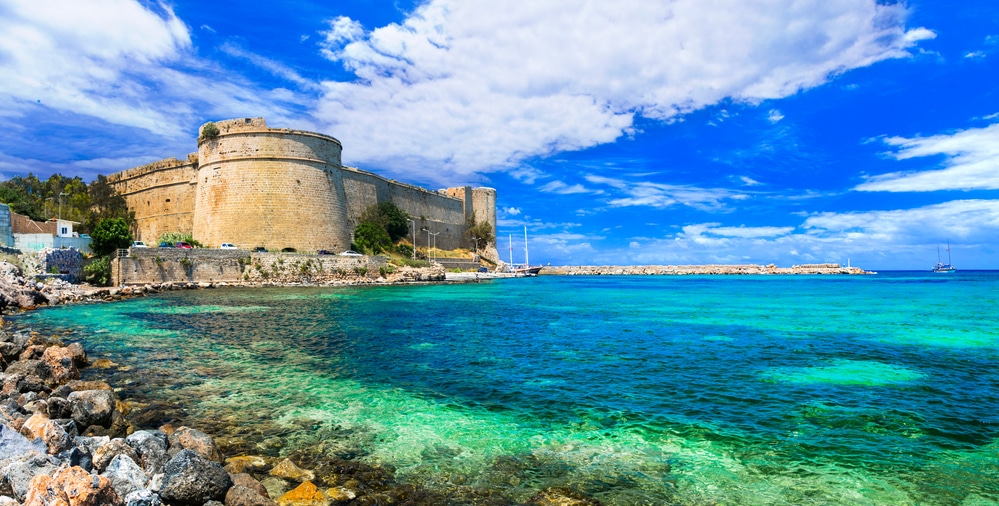
Ottoman influence shaping the eastern Mediterranean
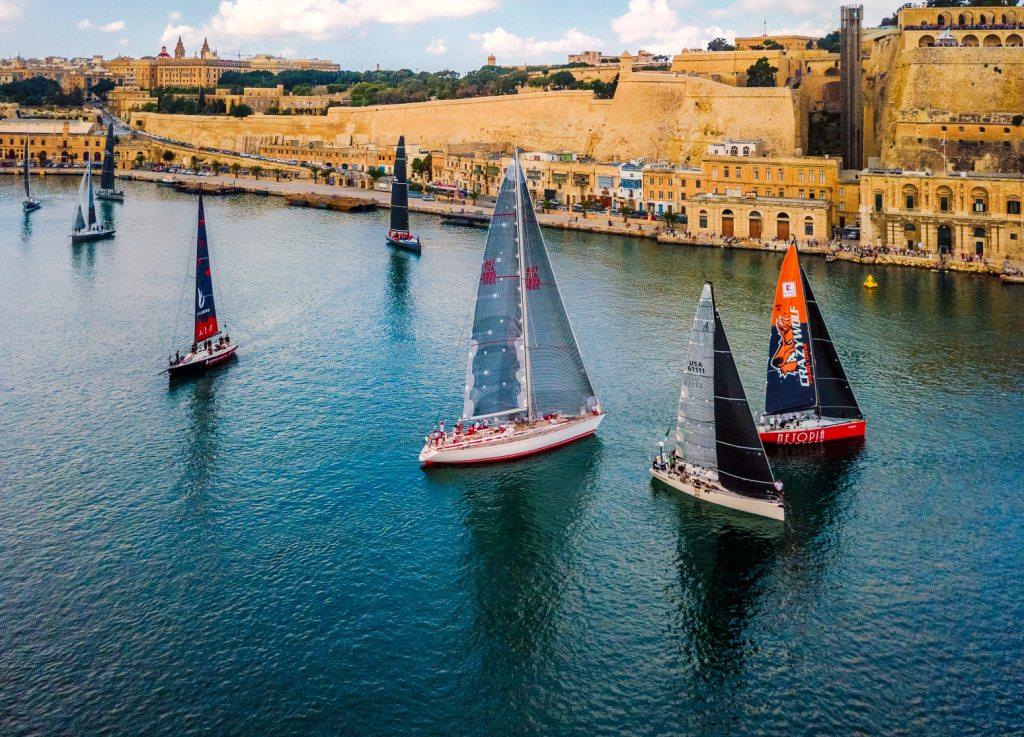
British naval presence establishing strategic bases like Malta
Portuguese and Spanish exploration defining Atlantic routes through the Canaries
Today’s sailors inherit this legacy while enjoying modern amenities, with each region offering distinct advantages for different sailing abilities and interests. Whether navigating Croatia’s protected coves or mastering the challenging conditions of the Greek Aegean, these time-tested waters provide unparalleled sailing experiences.
Planning Your European Sailing Adventure
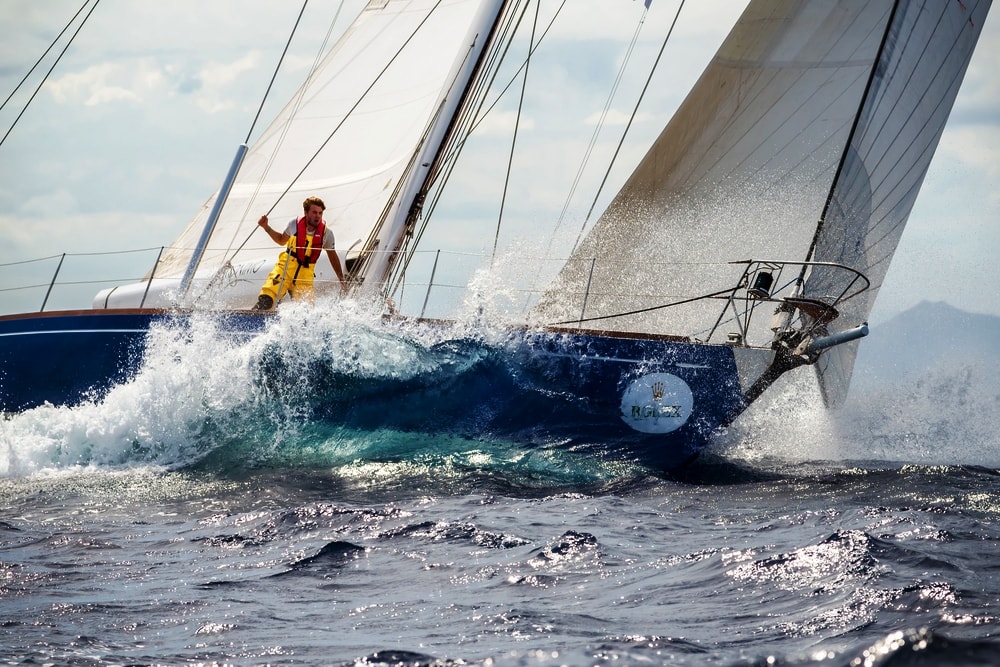
Europe’s most celebrated sailing destinations each offer unique experiences for maritime enthusiasts. From the historic harbours of the Mediterranean to the pristine waters of the Aegean, sailors can choose from a variety of distinctive regions:
The Dalmatian Coast: Croatia’s stunning coastline features over 1,000 islands and crystal-clear waters
Greek Islands: Both the Ionian and Aegean seas offer iconic sailing experiences with ancient history at every port
Balearic Islands: Spain’s Mediterranean archipelago combines natural beauty with vibrant culture
Amalfi Coast: Italy’s dramatic coastline provides a perfect blend of scenic beauty and cultural richness
Turkish Turquoise Coast: Offers unique combinations of ancient ruins and secluded bays

Each destination has its optimal sailing season, local regulations, and distinct maritime culture. The following sections explore these premier sailing locations in detail, providing essential information for planning your journey.
Winter Sailing destinations in Europe: Regional Considerations
Winter sailing in Europe offers unique advantages for experienced mariners, with each region presenting distinct opportunities and challenges. Understanding these regional variations is crucial for safe and enjoyable winter navigation.
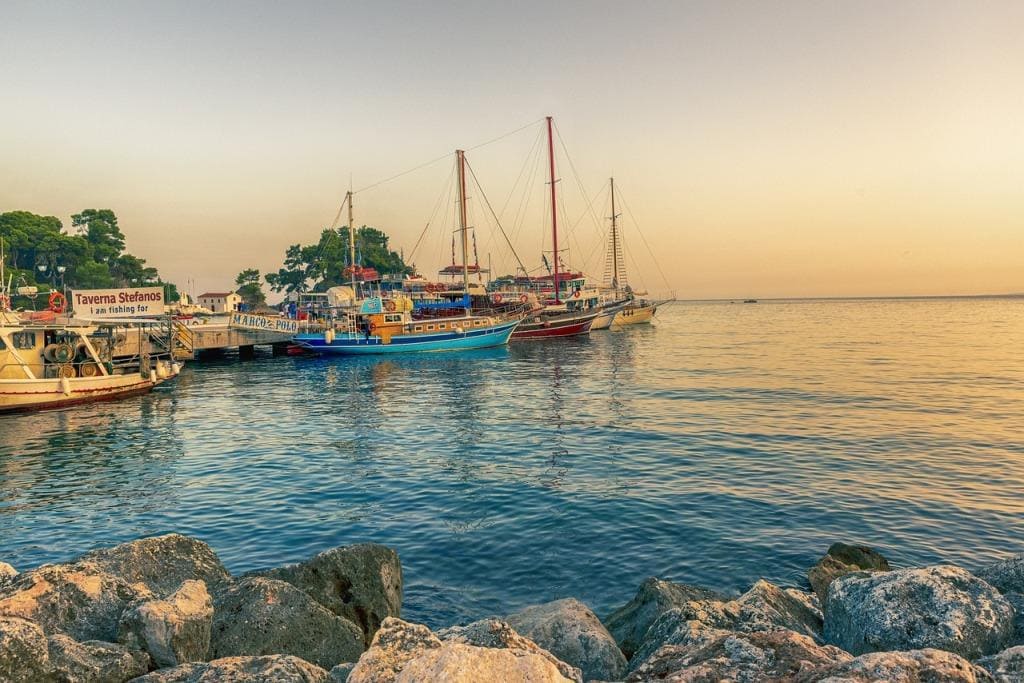
Best places to sail in Europe
The Mediterranean divides into three primary winter sailing zones:
Western Mediterranean (Balearics & Malta)
Reliable winter conditions with moderate temperatures (12-18°C)
Protected harbours every 15-20 nautical miles
Strong Mistral winds require careful planning
Essential equipment: winter sailing jacket and storm jib
Eastern Mediterranean (Greece & Turkey)
Milder winters in the Dodecanese and Southern Turkish coast
Reliable infrastructure remains operational year-round
Meltemi winds decrease significantly
Regular weather windows for island hopping
Adriatic (Croatian Coast)
Protected waters between islands
Modern marina facilities remain open
Southerly Jugo winds require monitoring
Excellent winter berth options
Atlantic Winter Options
Canary Islands
Year-round sailing potential
Consistent trade winds
Modern facilities in all major ports
Ideal for winter training and extended stays
Winter Sailing Advantages
Reduced marina fees (30-50% off peak rates)
Authentic local experiences
Available berths in popular harbours
Access to top tourist destinations without crowds
Essential Winter Preparation
- Weather Planning
- Multiple forecast sources
- Flexible itinerary
- Understanding local wind patterns
- Equipment Requirements
- Heavy weather gear
- Reliable heating system
- Enhanced safety equipment
- Storm sails
- Port Selection
- Year-round facilities
- All-weather access
- Emergency services availability
- Provision availability
You’ll need to make sure you have a decent winter sailing jacket and warm under layers for the chillier days onboard. A hot water bottle is also recommended! You will want your boat to be well-equipped for possible rough conditions, with strong sails and a reliable engine.
All this talk of bad weather might have you questioning whether sailing Europe in winter is a good idea, but rest assured that if you pick the right destination you will have more good sailing days than bad, and you will also have some of the top tourist destinations to yourself for an authentic travel experience.
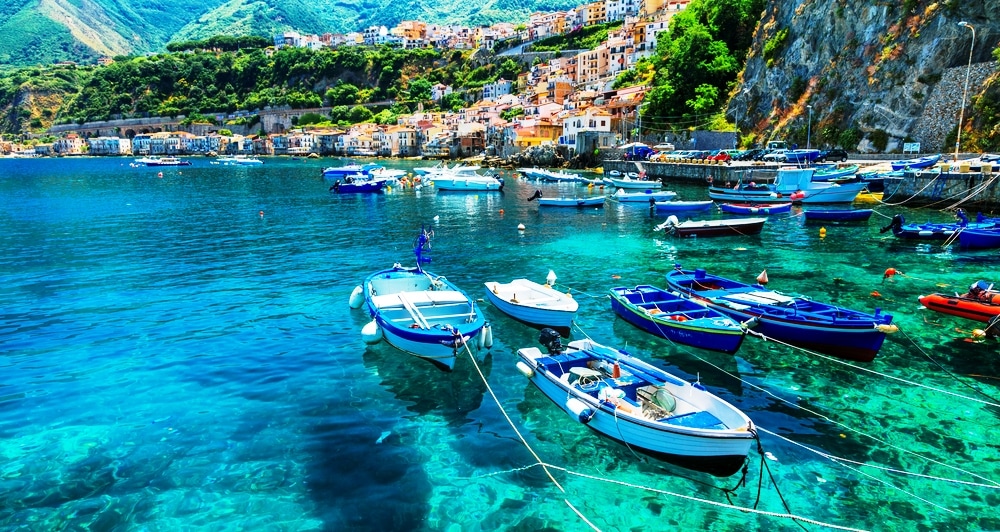
Sailing destinations in Europe – chasing the sun
Savvy sailors know Europe’s secret: following the sun across its waters creates an endless summer. While northern ports hibernate under winter skies, the Mediterranean’s southern reaches offer warm escapes. From the Canary Islands’ year-round sunshine to Malta’s gentle winter winds, strategic sailing routes let mariners trace ancient paths to perpetual warmth.
Winter transforms crowded summer hotspots into peaceful havens, where sailors find solitary anchorages in the same azure waters that overflow with boats during peak season. This solar pursuit isn’t just about weather—it’s about discovering Europe’s maritime treasures in their most authentic light, when local life returns to historic ports and winter rates make luxury marinas accessible to all.
The Greek Islands: A Sailor’s Paradise
The Greek islands offer two distinct sailing experiences: the gentle Ionian Sea, perfect for beginners, and the more challenging Aegean, ideal for experienced sailors. Each region presents unique conditions and attractions throughout the sailing season.
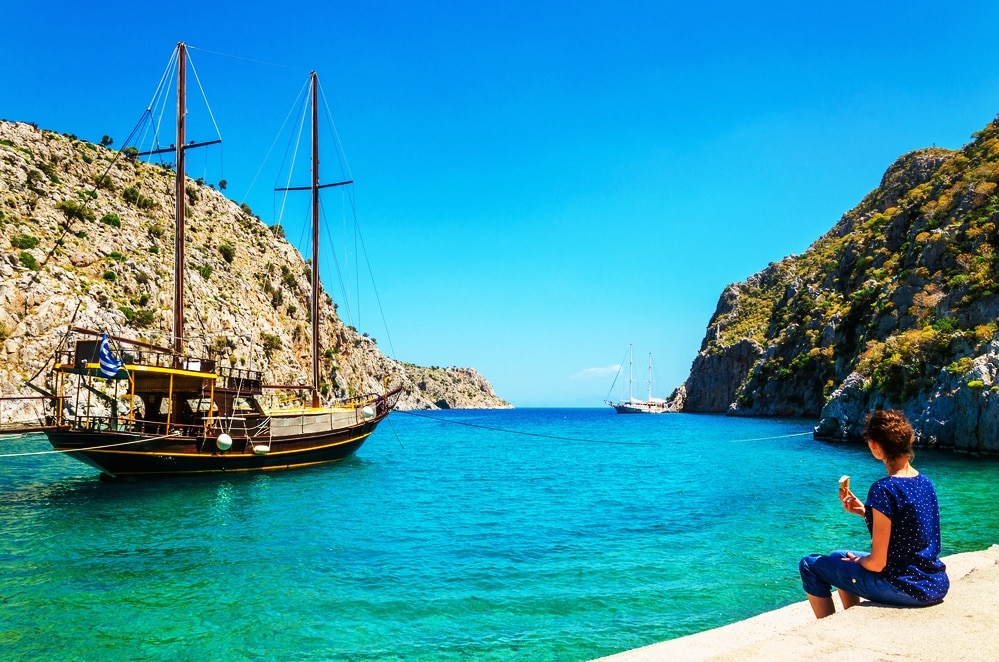
In the Ionian Sea, sailors find themselves in a gentle paradise perfect for beginners and those seeking a relaxed journey. The journey from Corfu to Zakynthos unfolds like chapters in a book, each stop revealing new treasures. Paros charms visitors with its olive groves and intimate harbors, while Kefalonia’s dramatic cliffs and serene bays provide perfect anchoring spots for sunset views.
For those planning a Greek sailing adventure, proper documentation is essential. An ICC or equivalent certification opens the door to these waters, From Fiskardo’s protected harbour to Milos Bay’s dramatic sunsets, each stop offers excellent anchoring and modern safety services, with emergency support available on Channel 16 VHF.
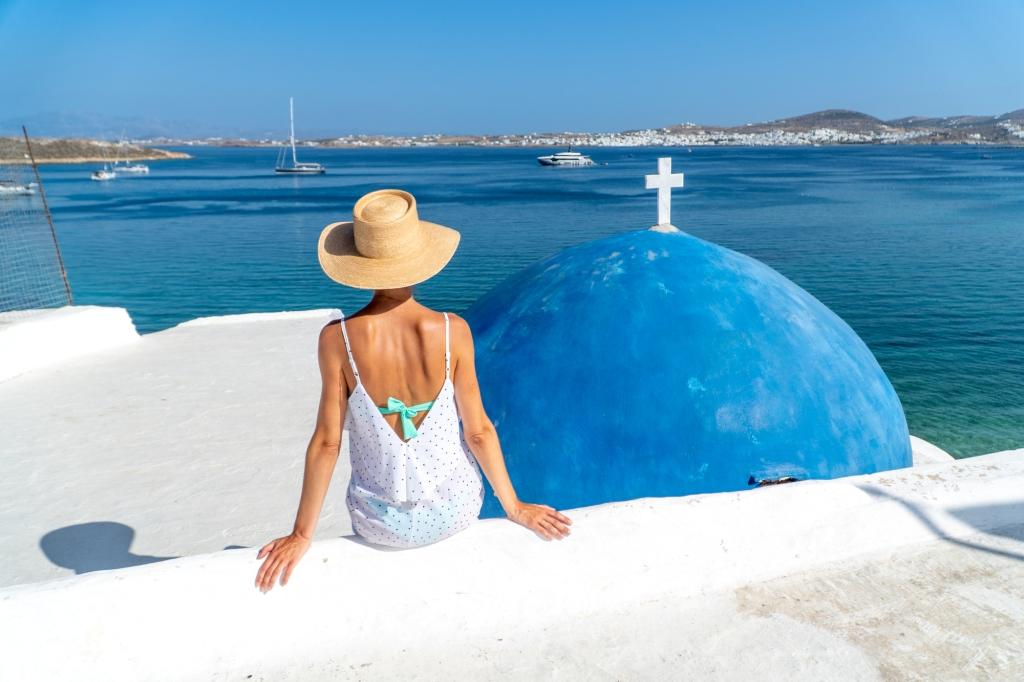
Beyond sailing, each Greek island offers unique attractions: secluded beaches reachable only by boat, family-run tavernas serving fresh catches, and stunning coastal viewpoints. The variety of experiences makes every stop memorable and distinct.
For those seeking to extend their Greek sailing adventure, Santorini beckons as a captivating winter destination. During the off-season, sailors find this iconic island especially rewarding, with its dramatic caldera and whitewashed villages free from summer crowds. While anchoring options are limited, the island’s marinas provide safe harbour from which to explore the volcanic landscape and sample the region’s renowned wines.
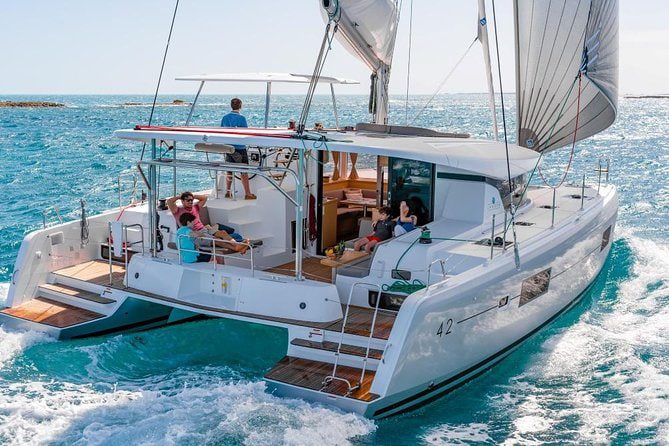
The nearby island of Naxos offers a different perspective on Cycladic life, where ancient marble quarries and Byzantine churches dot the landscape. Further along, Paros reveals itself as a sailor’s paradise, combining excellent holding grounds with authentic Greek island culture. Here, traditional fishing villages like Naoussa provide both shelter and a chance to explore the island’s renowned marble craftsmanship and vibrant culinary scene.
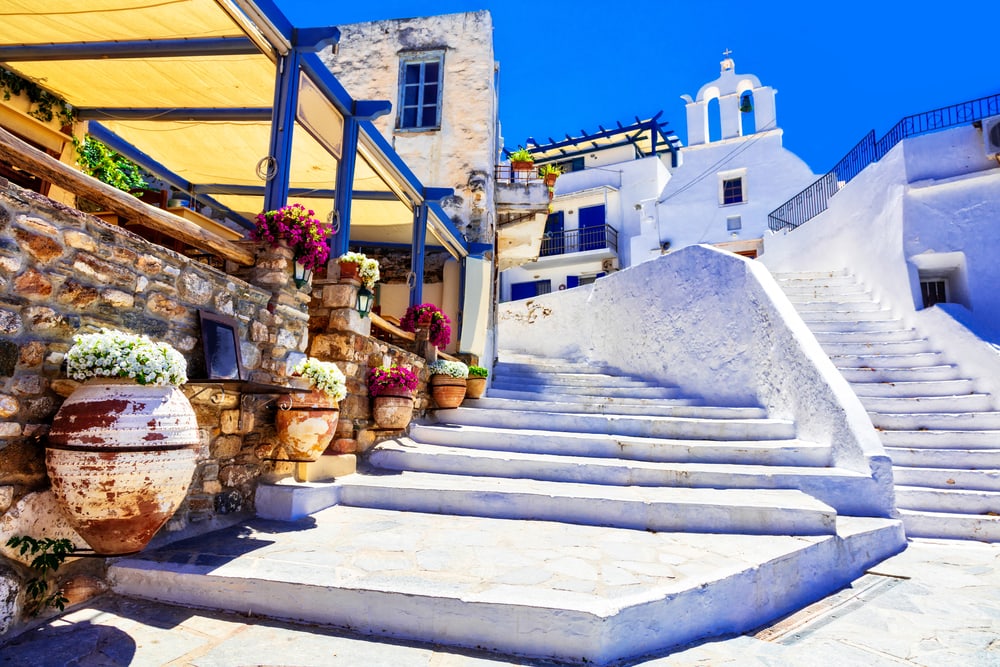
The Greek sailing experience extends far beyond the helm, inviting mariners to explore the rich cultural tapestry of these ancient islands. From discovering the hidden gems of Naxos to crafting the perfect three-day Santorini sojourn, each stop offers new adventures ashore. Sailors can enhance their journey by exploring the authentic flavours of Greek cuisine in local tavernas, while those seeking quieter harbours often find themselves drawn to the enchanting shores of Paros, where traditional island life continues much as it has for centuries.
The Balearic Islands: Mediterranean’s Perfect Sailing Playground
The Balearic archipelago emerges from the Mediterranean like a sailor’s dream, where each island – Mallorca, Menorca, Ibiza, and Formentera – tells its own unique story. These sun-blessed islands combine pristine natural beauty with rich cultural heritage, offering sailors an enchanting mix of experiences from secluded coves to vibrant coastal towns.
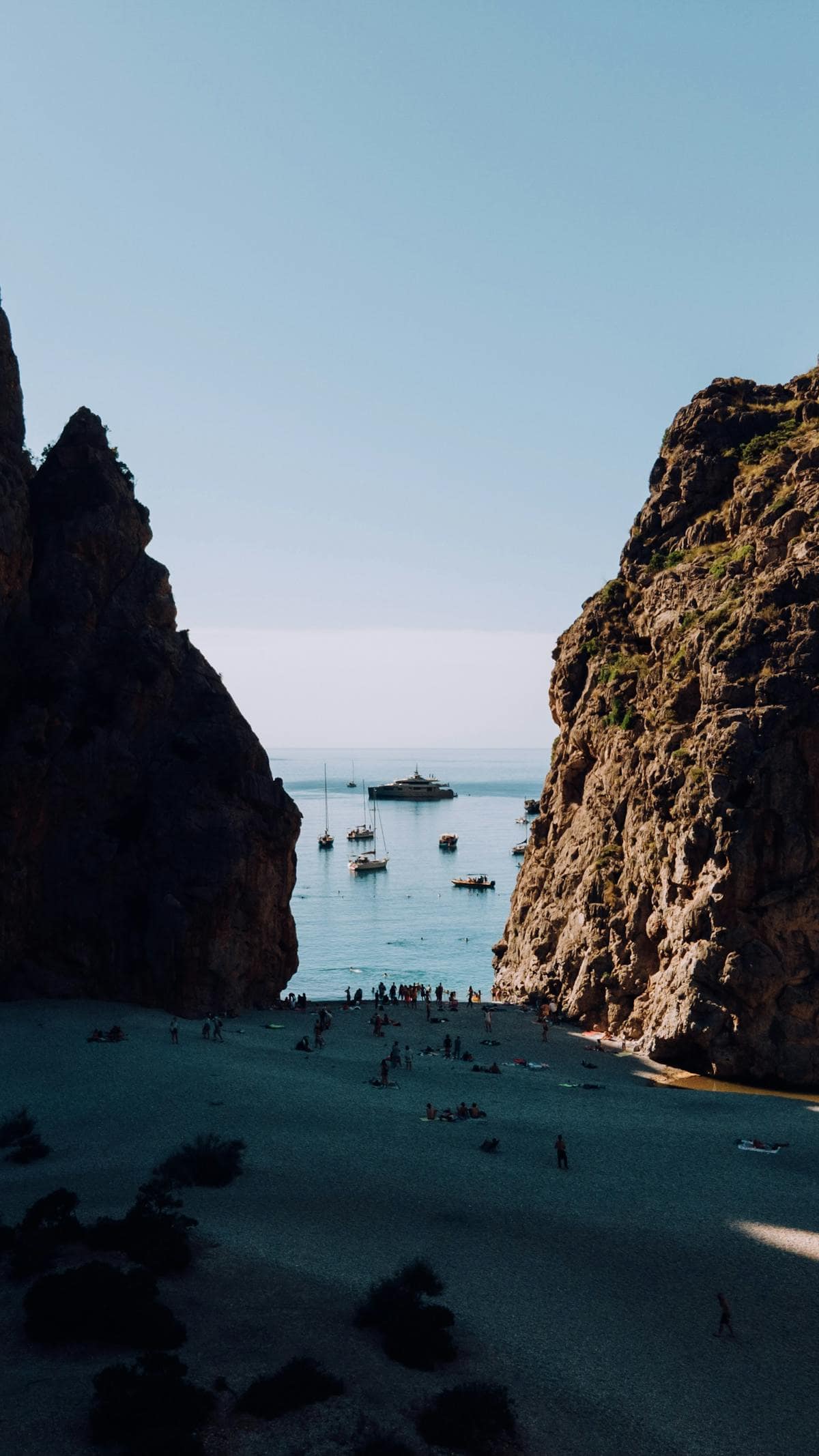
Mallorca, the largest of the Balearics, serves as an ideal starting point for any sailing adventure. Its coastline unfolds like a treasure map, with the dramatic Serra de Tramuntana mountains plunging into the sea along the north coast, creating spectacular sailing conditions and unforgettable views. The island’s eastern shore reveals a gentler face, where strings of calas (coves) like Cala Pi and Cala d’Or provide perfect anchoring spots with emerald-tinted Mediterranean waters reflecting the pine forests above… limestone calas (inlets) like Benirràs, where red-rock cliffs create natural amphitheatres.
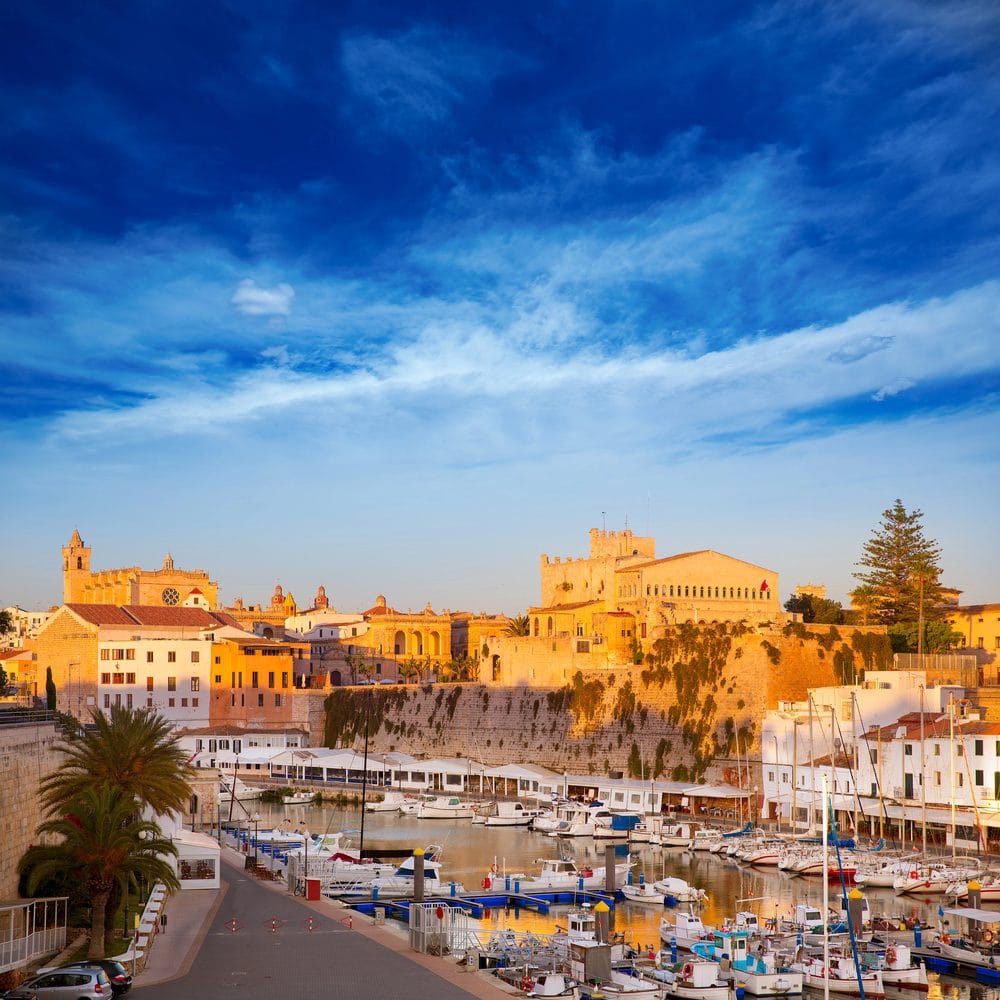
Menorca, designated as a UNESCO Biosphere Reserve, offers a more tranquil sailing experience. The island’s coastline alternates between rugged cliffs and serene beaches, with gems like Cala Macarella and Cala Galdana providing some of the Mediterranean’s most picturesque anchorages. The island’s two main ports, Mahón and Ciutadella, bookend the island with their distinctive character – one a grand natural harbor, the other a charming historic port.
While Ibiza’s reputation for nightlife precedes it, sailors discover a different side to the island. Hidden coves like Cala Benirràs offer peaceful retreats where the only evening entertainment is the spectacular sunset, often accompanied by the gentle drumming of local musicians. The nearby Es Vedrà islet rises dramatically from the sea, creating an iconic silhouette that has inspired countless sailing photographs.
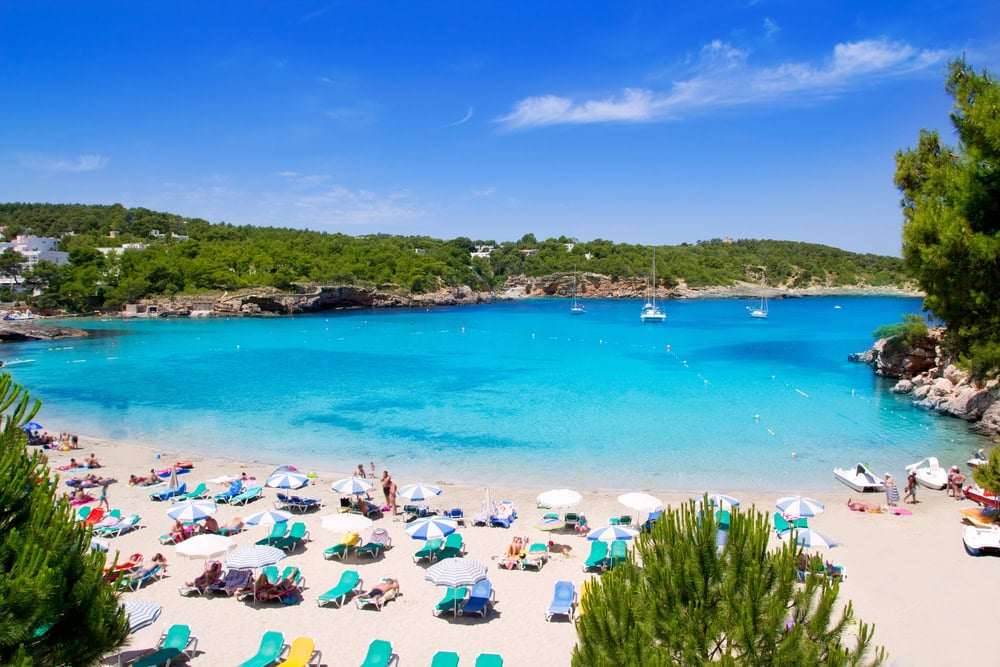
Formentera, the smallest of the main islands, presents sailors with Caribbean-like waters and a laid-back atmosphere that feels worlds away from its busier neighbours. The waters around Ses Illetes beach shine with impossible shades of blue, while the island’s handful of ports maintain their authentic charm despite their growing popularity.
Modern marina facilities throughout the islands provide excellent services for sailors, while numerous protected anchorages offer natural alternatives for those seeking closer communion with the elements. The islands’ proximity to one another creates perfect hop-sailing opportunities, with most crossings manageable within a few hours.

Whether you’re seeking vibrant coastal culture or serene natural beauty, the Balearic Islands offer a sailing paradise where every day brings new discoveries and every sunset promises another perfect Mediterranean moment.
Croatia’s Dalmatian Coast: A Thousand Islands of Adventure
Along Croatia’s stunning Adriatic shoreline, the Dalmatian Coast unfolds like a mariner’s dream, where over a thousand islands create a sailor’s playground of infinite possibility. From vibrant Split to dramatic Dubrovnik, this coastline offers an extraordinary blend of natural beauty and living coastal culture.
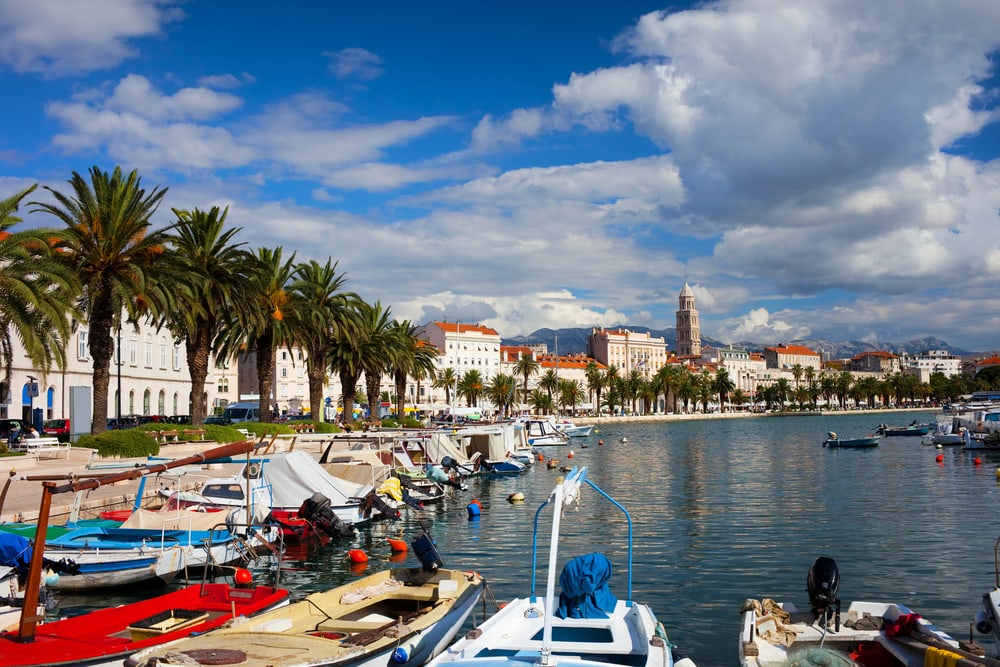
The heart of Croatian sailing lies in its remarkable island chain. Hvar, with its lavender-scented hillsides and vibrant harbor town, serves as a sophisticated stopping point where mega-yachts and local fishing boats share the same crystalline waters. Further south, Korčula emerges from the Adriatic, its distinctive architecture creating a striking silhouette against the sea, while its narrow streets pulse with local life.
For those seeking solitude, islands like Vis offer a glimpse into authentic Croatian life. Once closed to visitors as a military base, Vis now welcomes sailors with its unspoiled beaches and family-run konobas serving traditional Dalmatian cuisine. Nearby, the Blue Cave on Biševo Island creates an otherworldly spectacle as sunlight transforms its interior into a luminescent blue chamber.
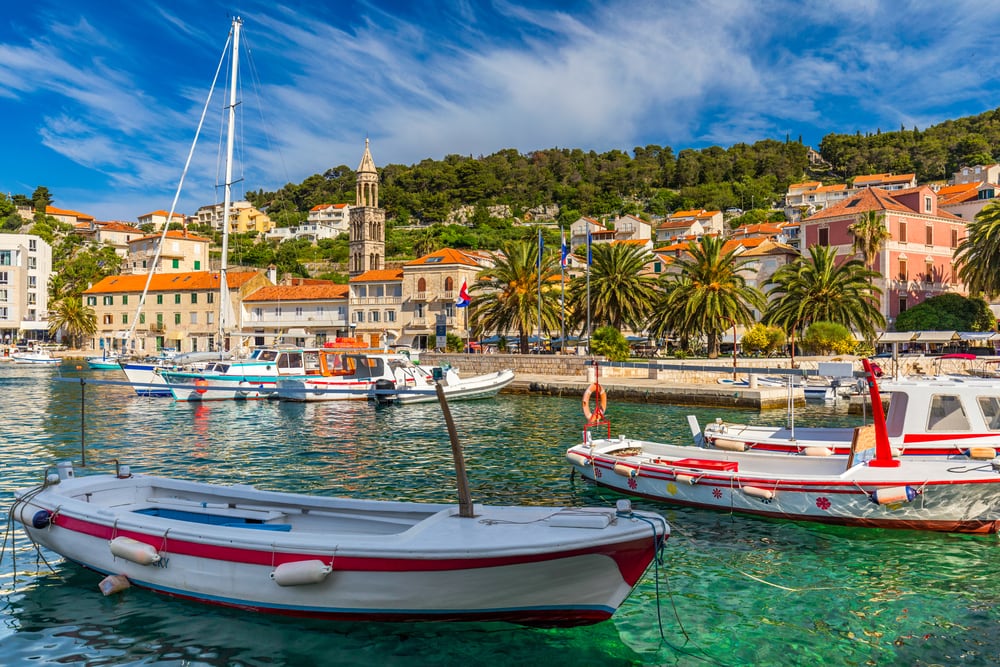
Nature enthusiasts find paradise in Mljet National Park, where pine-forested islands surround saltwater lakes perfect for afternoon swims. The park provides safe overnight mooring, allowing sailors to wake to the sound of birds and gentle waves rather than busy harbour noise.
Croatia’s sailing infrastructure caters to all experiences levels, from novice sailors to seasoned skippers. Modern marinas dot the coastline, offering essential services, while traditional Mediterranean stone harbours provide authentic alternatives. The country’s indented coastline creates natural protection from severe weather, making it an ideal destination for both day sailors and those on extended voyages.
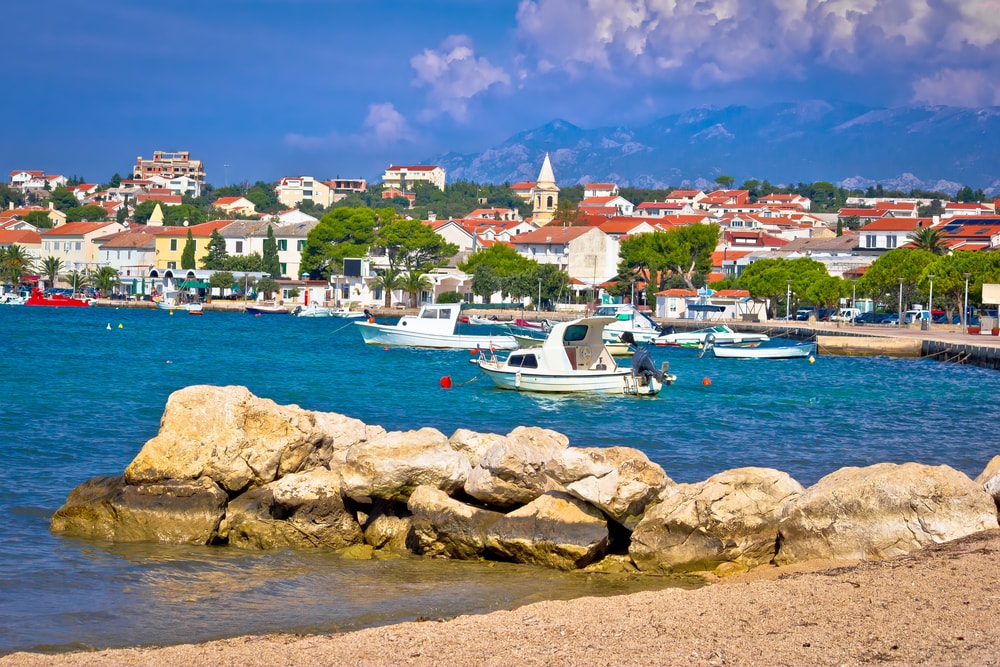
There are several islands just a few hours’ sail from Dubrovnik so you can base yourself in the sheltered marina there and head out to explore on an all-inclusive cruises around Croatia.
For sailors seeking to deepen their Croatian adventure, the possibilities unfold beyond the horizon. From discovering the hidden treasures of Split to savouring the rich tapestry of Croatian cuisine in coastal konobas, each port of call reveals new dimensions of this maritime nation.

Whether following a carefully crafted seven-day sailing itinerary or considering a longer stay to experience the authentic rhythms of Croatian life, the Dalmatian Coast offers endless opportunities for exploration. Many sailors begin their journey from Dubrovnik’s sheltered marina, taking advantage of all-inclusive cruising options to explore the nearby islands at their leisure.
The Canary Islands: Where Europe Meets the Atlantic
Off Africa’s north-western coast, the Canary Islands rise from the Atlantic as Spain’s subtropical sailing paradise. This volcanic archipelago, with its seven main islands—Tenerife, Gran Canaria, Lanzarote, Fuerteventura, La Palma, La Gomera, and El Hierro—offers sailors a unique blend of reliable trade winds, year-round sunshine, and dramatically diverse landscapes.
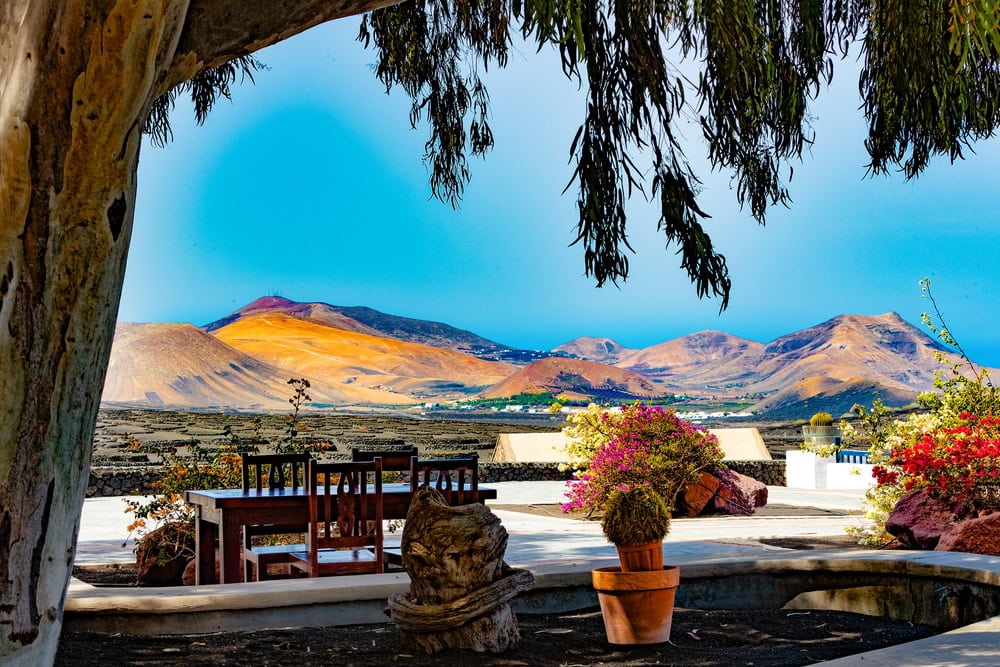
Setting sail from any of the islands’ well-equipped marinas, sailors immediately sense the archipelago’s dual nature: European comfort merged with Atlantic adventure. The reliable northeast trade winds provide ideal conditions for both casual cruising and serious sailing.
Each island presents its own distinct character to visiting sailors. Tenerife, dominated by Mount Teide’s towering presence, offers a mix of modern marina facilities and traditional fishing harbours. Its southern waters provide regular encounters with pilot whales and dolphins, turning everyday passages into wildlife adventures. Meanwhile, the sheltered bays along its western coast create perfect overnight anchorages beneath dramatic cliffs.
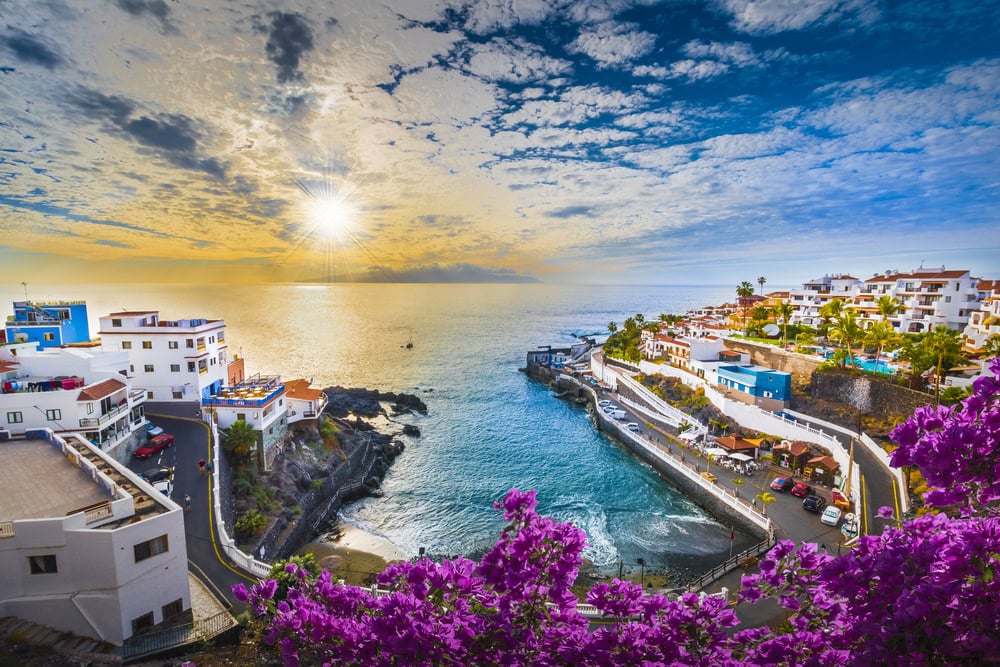
Lanzarote’s otherworldly volcanic landscapes provide a stark contrast to the azure waters surrounding it. The island’s marina network, cantered around Marina Rubicón and Puerto Calero, offers excellent facilities for winter berthing. Sailors exploring its eastern coast discover a string of pristine beaches and clear-water anchorages, while the waters around La Graciosa present some of the archipelago’s most serene sailing experiences.
Gran Canaria serves as a crucial hub for Atlantic sailors, its Puerto de Las Palmas bustling with vessels preparing for ocean crossings. Yet the island’s southern reaches offer tranquil alternatives, with resorts like Puerto de Mogán—”Little Venice”—providing charming shelter from the prevailing winds.

The smaller islands reveal the archipelago’s quieter side. La Gomera’s circular route presents ever-changing views of steep ravines and lush valleys, while El Hierro’s crystal-clear waters have earned it fame among diving enthusiasts. La Palma combines dramatic volcanic landscapes with some of the archipelago’s most pristine waters, its western coast offering sanctuary when the trade winds strengthen.

Modern facilities throughout the islands cater to every need, from basic provisions to complex repairs. Yet beyond the marinas, traditional fishing villages remind visitors of the islands’ maritime heritage, where local fishermen maintain traditional navigation practices.
Malta: Mediterranean’s Living History Book
Malta emerges from the Mediterranean as a fusion of cultures and natural wonders. The Blue Grotto on Malta’s southern coast captivates visitors with its cobalt-tinted depths, where ancient limestone formations filter sunlight into mesmerizing blue reflections, while the more remote Blue Lagoon between Comino and Cominotto offers a paradise-like anchorage where mineral-rich Mediterranean waters create a natural swimming pool of impossible azure hues.
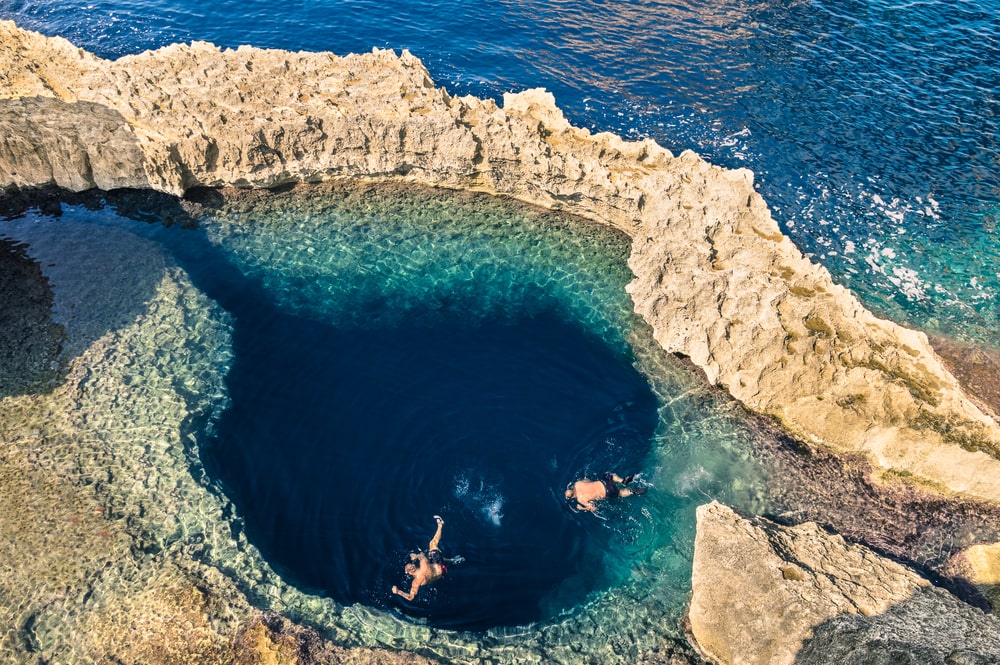
Valletta’s Grand Harbour and the capital’s designation as a UNESCO World Heritage site represents an unforgettable first impression, its massive honey-colored fortifications rising dramatically from the sea.
Gozo, Malta’s sister island, presents a more tranquil face to sailing visitors. Its rugged coastline conceals peaceful bays like Dwejra, where the azure window once stood, and Mgarrix-Xini, a narrow inlet that seems to transport sailors back through centuries. The island’s peaceful atmosphere and excellent holding ground make it a favourite among those seeking authentic Mediterranean experiences away from crowded harbours.
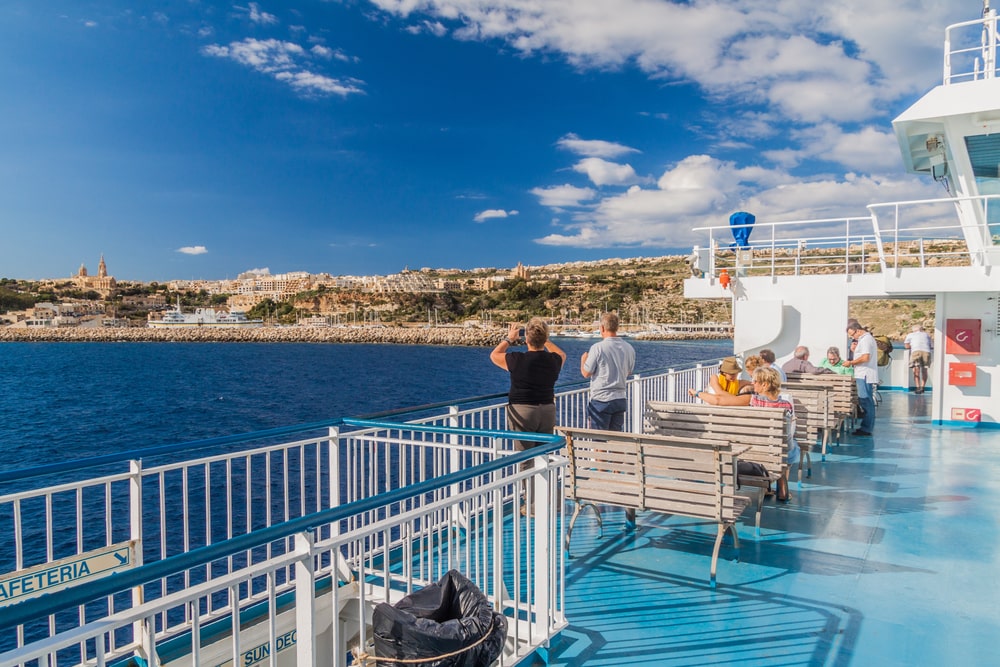
Modern marina facilities complement the historic settings, with full-service yards available for maintenance and repairs. The islands’ small size means sailors can easily shift between different anchorages as weather conditions dictate, while the proximity of Sicily opens up possibilities for longer passages.
Local maritime traditions remain strong, with colourful fishing boats, called luzzu, still bringing in daily catches to waterfront markets. Each harbour town offers its own specialties, from fresh lampuki (dorado) in season to traditional Maltese ftira sandwiches, perfect for provisioning or sampling in local restaurants that have served the maritime community for generations.

Beyond the nautical adventures, Malta offers sailors countless opportunities to explore its rich heritage ashore. Whether discovering the island’s hidden corners or sampling its unique culinary traditions, each port of call reveals new facets of Maltese life. Even a brief two-day stopover can provide an enriching experience, while those exploring independently discover authentic local connections. Throughout the year, the islands come alive with vibrant festivals and celebrations, offering sailors a chance to time their visits with these colourful cultural events.
The Amalfi Coast: Where Maritime Splendor Meets Italian Romance
The Amalfi Coast stands as a testament to nature’s artistry and human perseverance, where dramatic cliffs plunge into the Tyrrhenian Sea and pastel-colored towns cling precariously to the mountainside. This UNESCO World Heritage coastline offers sailors an extraordinary blend of natural grandeur, historical significance, and celebrated Italian culture.

Setting sail from Naples or Sorrento, mariners encounter a coastline that has captivated seafarers for millennia. The journey south reveals Positano first, its iconic cascade of pink, peach, and terracotta buildings creating a striking first impression against the coastal cliffs. Here, skilled skippers can anchor in the bay, where the town’s famous beach and boutique-lined streets await exploration.
Further along the coast, the town of Amalfi emerges as a reminder of its past maritime glory. The town’s rich heritage is evident in its grand Cathedral of Sant’Andrea and medieval streets.
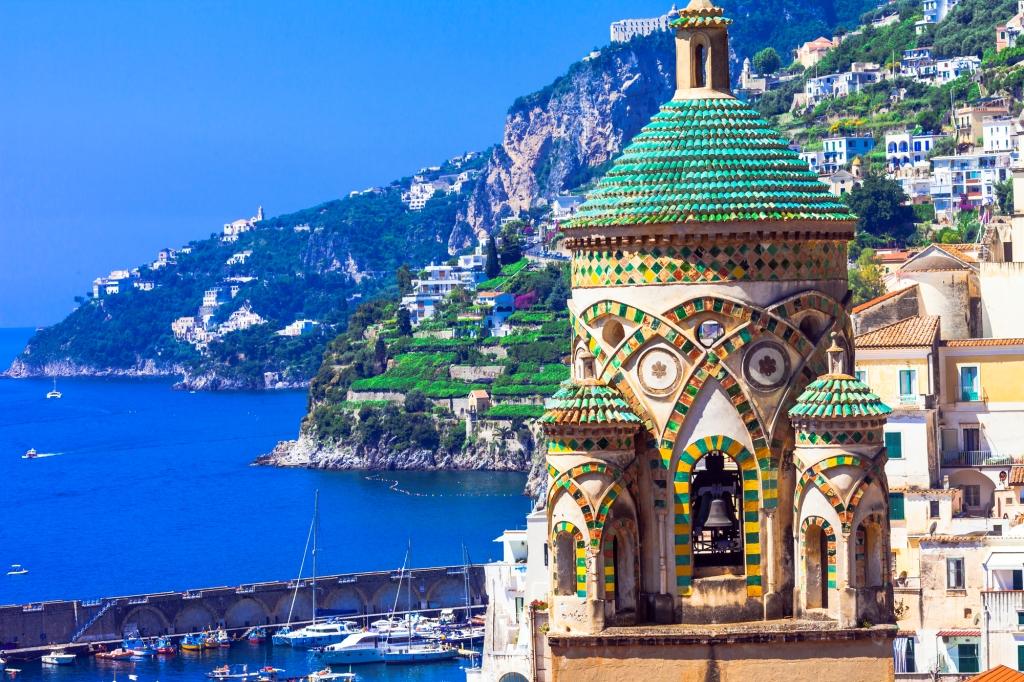
The waters around Li Galli islands, once home to Rudolf Nureyev, provide some of the coast’s most serene anchorages. These three small islands, according to legend the home of Homer’s sirens, offer crystal-clear waters perfect for swimming and snorkelling, with views of both the mainland and Capri in the distance.
The coast’s infrastructure caters well to sailors, with marina facilities in key towns providing essential services. However, the real magic lies in the numerous small coves and bays that dot the coastline, many accessible only by boat. These hidden gems offer sailors private swimming spots and peaceful overnight anchorages away from the bustling tourist crowds above.

For those seeking cultural experiences, each stop along the coast offers its own specialties. Sample Cetara’s famous anchovy sauce, taste limoncello in its spiritual home, or dock in Marina di Praia to dine at restaurants carved into the cliffs. The maritime tradition here remains strong, with local fishermen still heading out at dawn, their boats dancing on the same waters that have sustained this coast for generations.
Whether you’re navigating the famous waters between Capri and the mainland or finding shelter in a quiet cove near Ravello, the Amalfi Coast provides sailors with an incomparable blend of natural beauty, historical significance, and Italian charm. Each nautical mile reveals new wonders, making this stretch of coastline one of the Mediterranean’s most rewarding sailing destinations.
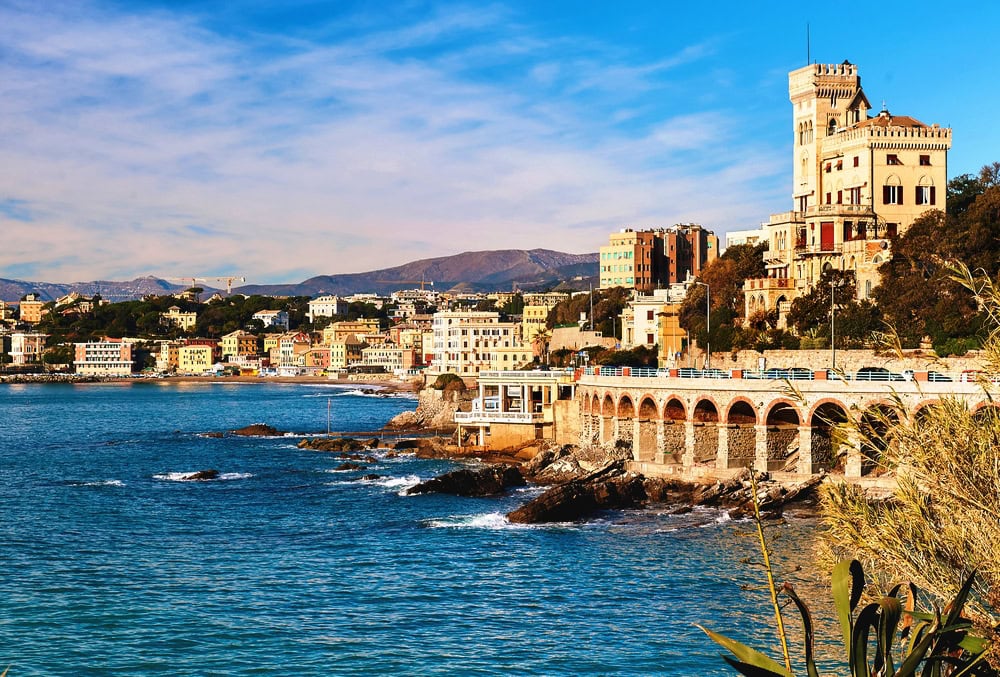
For those seeking to explore beyond the Amalfi Coast, Italy offers countless maritime adventures. From discovering hidden harbours near Genoa to sailing the protected waters of Cinque Terre’s colourful villages, each region presents unique sailing challenges and rewards. After dropping anchor, sample Rome’s culinary treasures or explore Italy’s most captivating destinations.
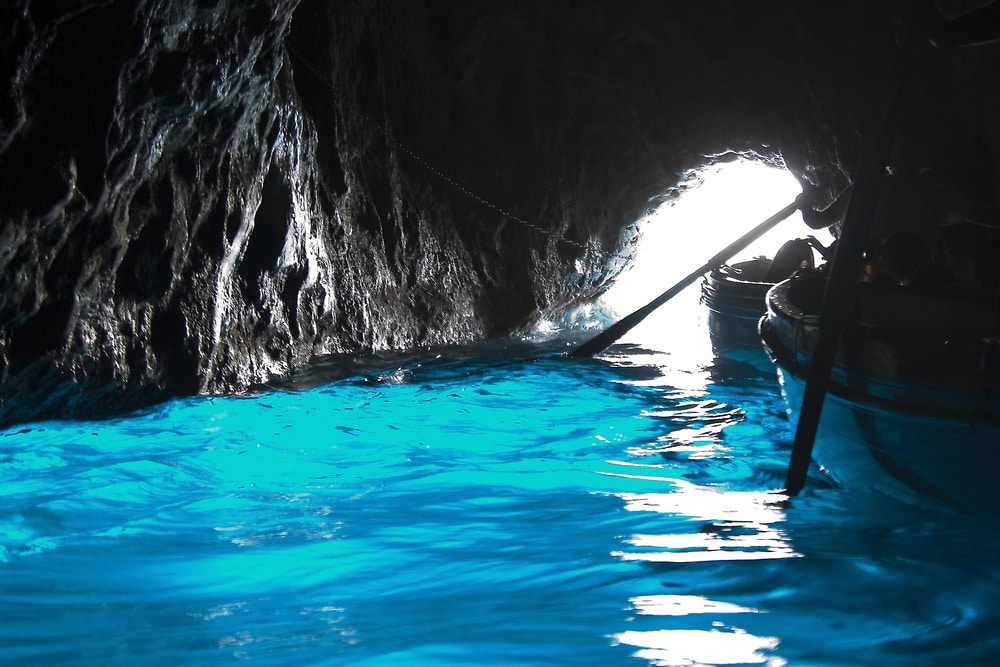
The nearby isle of Capri offers excellent day-anchorages, while Sardinia’s pristine beaches provide perfect overnight stops. Whether exploring the charming towns of the Amalfi Coast or planning extended Mediterranean cruising, be sure to check our essential Italian packing guide for your maritime adventure.
The Turkish Turquoise Coast: Where Ancient Meets Azure
Along Turkey’s south-western shores, the Turquoise Coast unveils a sailing paradise where aquamarine waters shift to deep indigo over ancient ruins… sheltered stone-lined bays, accessible through narrow passages carved by centuries of waves. This stretch of coastline, from Bodrum to Antalya, earned its name from the impossibly blue waters that lap against its shores, creating a sailor’s playground dotted with archaeological treasures and hidden coves.

Setting sail from Bodrum’s sophisticated harbour, where traditional gulets and modern yachts share pristine waters. The coastline presents a stunning mix of natural wonders and cultural attractions.
Göcek’s archipelago presents sailors with a pristine playground of twelve islands, where pine-forested slopes meet turquoise waters in secluded bays. Here, the modern world seems to slip away as you drop anchor in spots like Cleopatra’s Bay, where ancient ruins lie half-submerged in crystal-clear waters.

At the meeting point of the Aegean and Mediterranean, Knidos offers sailors a sheltered double harbor system and unique coastal exploration opportunities. The site’s remarkable location makes it a natural stopping point for vessels traversing these waters.
The Data Peninsula reveals a wilder side of Turkish sailing, with dramatic cliffs plunging into deep blue waters and hidden coves accessible only to those who know where to look. The ancient Lycian tombs carved into the cliffs Near Kaş, dramatic rock-carved facades create striking silhouettes against the setting sun, offering one of the coast’s most photogenic anchorages.

Modern amenities blend seamlessly with this historical landscape. Well-equipped marinas in Marmaris, Fethiye, and other major ports provide all necessary services while maintaining their distinctive Turkish character. Local cuisine adds another dimension to the journey, with harbourside restaurants serving fresh seafood and traditional mezze.
The coast’s renowned culinary scene, from fresh-caught seafood to traditional mezze spreads, provides a flavourful complement to days spent on the water. Whether you’re interested in archaeological sites, cultural experiences, or simply finding the perfect hidden cove, the Turkish Riviera rewards those who take time to explore its multifaceted charms.
After docking in Bodrum or Fethiye, indulge in traditional Turkish cuisine, where rich flavors like kebabs, mezes, and baklava tell stories of centuries-old culinary traditions. A short sail north leads to Ephesus, where ancient ruins whisper tales of Greco-Roman grandeur, while nearby, the Temple of Artemis, one of the Seven Wonders of the Ancient World, stands as a testament to Turkey’s legendary past.
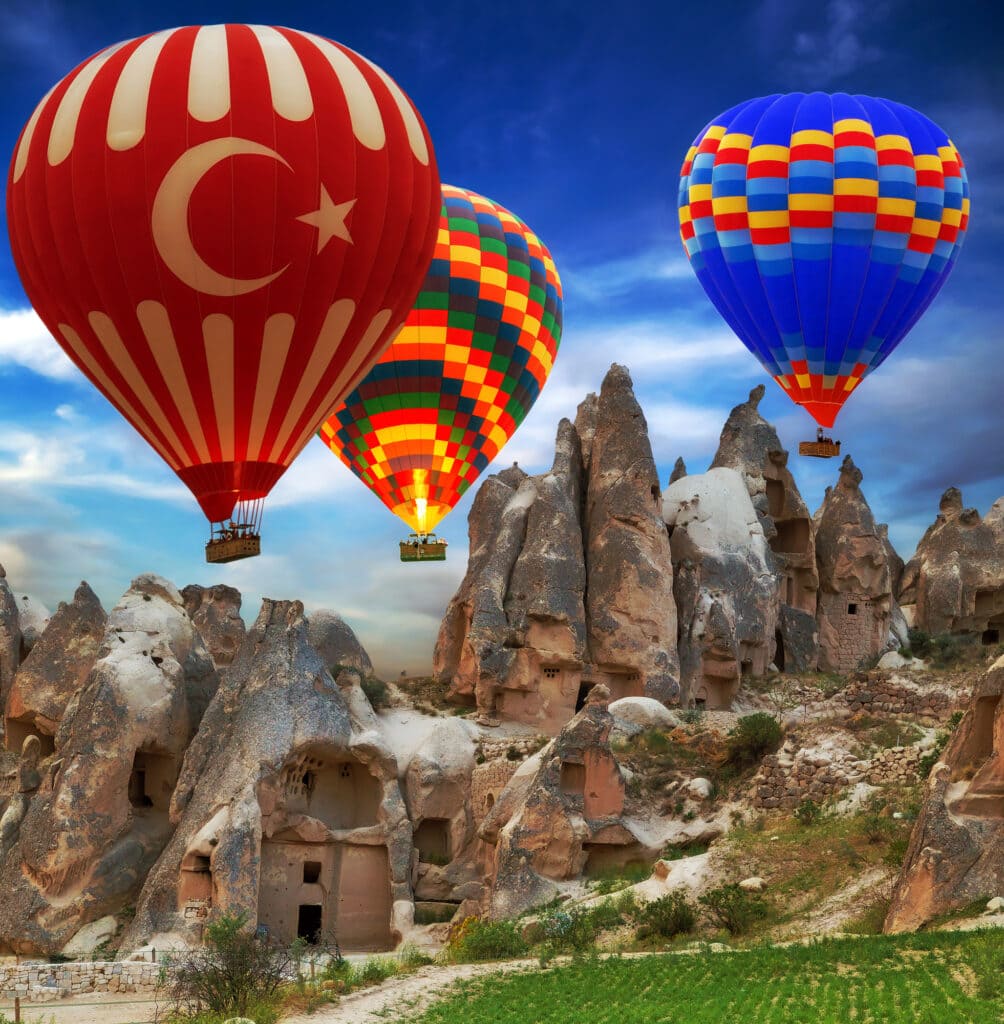
For a spiritual interlude, a visit to the House of the Virgin Mary offers a serene retreat amid lush forests. And no voyage is complete without sipping Turkish coffee, a ritual steeped in history and hospitality. If winter sailing brings you to Turkey’s shores, a detour to Cappadocia’s fairy-tale landscapes, with its snow-dusted rock formations and hot air balloon-filled skies, makes for an unforgettable escape.
Yacht Charter or Bareboat sailing?
A yacht charter typically involves renting a fully crewed vessel, which includes not only the yacht itself but also a professional captain and sometimes additional crew members, such as a chef or deckhand. This option is ideal for those who prefer a guided experience or lack sailing experience, as the crew handles navigation, docking, meal preparation, and all onboard maintenance. Yacht charters offer a luxurious, hands-off experience, allowing you to focus on relaxing and exploring European destinations like the French Riviera, Greek Isles, or Croatian coast without worrying about the technical aspects of sailing.

Bareboat Sailing
Bareboat sailing, on the other hand, is for those with sufficient sailing experience and qualifications (often required by European charter companies), as you take full responsibility for the vessel. This type of rental is popular among sailors seeking complete independence and flexibility in route planning, as it gives you the freedom to explore and navigate at your own pace without crew.
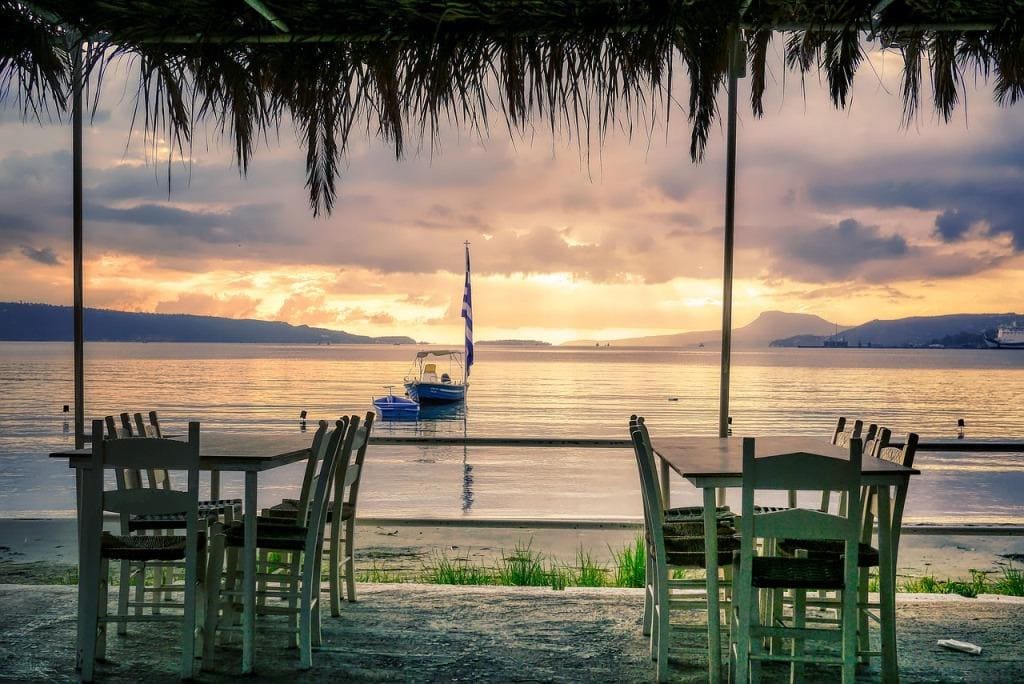
Bare boating can be a more budget-friendly option as you’re responsible for your meals, fuel, and any additional port fees, making it a favoured choice for experienced sailors exploring areas like the Balearic Islands or Amalfi Coast.
Europe offers some of the world’s most spectacular sailing destinations, from the turquoise waters of the Mediterranean to the rugged fjords of Scandinavia. Whether you’re an experienced sailor looking for a bareboat charter or prefer a skippered yacht tour with a professional crew check out Searadar they take care of all yacht related matters: itinerary and boat selection, communication with charter companies, paperwork, payments.
Sailing Destinations in Europe
If you’re looking for a winter sailing destination in Europe, any of these best sailing spots Europe would be perfect. With plenty of ports and marinas to choose from, you will have no trouble finding the right place to dock your boat and explore everything that each location has to offer. What are you waiting for? Grab your cold weather sailing gear and start planning your winter sailing trip today!