
40+ Best Tourist Attractions in Northern Ireland: A Local’s Guide
The best Northern Ireland tourist attractions cluster around three areas: the Causeway Coast (Giant’s Causeway, Carrick a Rede, Old Bushmills Distillery, Dunluce Castle), Belfast (Titanic Belfast, the Cathedral Quarter, the Titanic Quarter) and the walled city of Derry Londonderry. Add the Glens of Antrim, the Mourne Mountains and the Fermanagh lakelands and you have a week of driving that rarely repeats a view.
I was born in Coleraine, a few miles from that coastline, and my family’s roots in the north run deep. These days I live across the border in Donegal, and I am back in Northern Ireland often enough that I know which car park fills up by ten in the morning and which castle ruin nobody else bothers to visit. This guide is built from those repeat trips, not a single once-over.
Tourism Northern Ireland reported that the Giant’s Causeway alone welcomed roughly 2.5 million visitors in 2024, and that number has kept climbing since the region became a filming backdrop for Game of Thrones. Most first-time visitors see four or five sites and go home thinking they have seen Northern Ireland. They have not. What follows are more than 40 tourist attractions in Northern Ireland, organised so you can build a realistic itinerary rather than a wish list, with ticket prices, parking details and accessibility notes for each one.

- 40+ Best Tourist Attractions in Northern Ireland: A Local’s Guide
- What Counts as a Northern Ireland Tourist Attraction
- How to Plan Your Northern Ireland Tourist Attractions Itinerary
- Giant’s Causeway and the Causeway Coastal Route
- Titanic Belfast and the Titanic Quarter
- Castle Heritage Across Northern Ireland
- Game of Thrones Filming Locations
- Ancient and Sacred Heritage Sites
- The Glens of Antrim and the Mourne Mountains
- Derry Londonderry: Ireland’s Only Complete Walled City
- Islands and Waterways: Rathlin, Strangford and Lough Erne
- A Word on the Wild Atlantic Way
- Hidden Gems Only Locals Tend to Know
- Things to Do for Kids
- Accessibility, Parking and Practical Planning
- Where to Eat and Stay
- Northern Ireland Tourist Attractions Personal Thoughts
- Frequently Asked Questions
- Additional Resources
What Counts as a Northern Ireland Tourist Attraction
Northern Ireland is a small, dense region of the United Kingdom, roughly 85 miles from Belfast to Derry, yet it packs in a UNESCO World Heritage Site, a walled Plantation city, more than 30 Game of Thrones filming locations and one of the largest sea loughs in the British Isles.
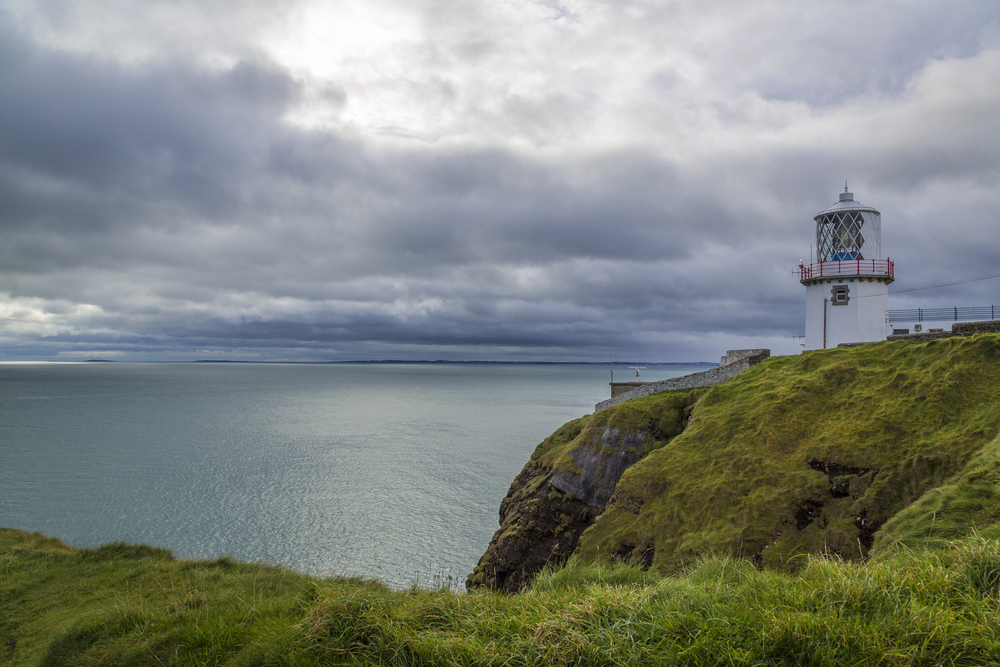
A “tourist attraction” here spans four broad categories: natural wonders such as the Giant’s Causeway and the Mourne Mountains, built heritage like castles and the Derry walls, cultural sites including museums and murals, and screen tourism tied to Game of Thrones. Understanding those categories helps you plan by interest rather than by geography alone, and it is how I have grouped the sites below.
How to Plan Your Northern Ireland Tourist Attractions Itinerary
A common mistake is trying to see the whole Causeway Coast and Belfast in a single long day trip from Dublin. You will spend more time on the bus than at the sites. Here is the planning sequence I give friends and family before every visit.
- Pick your base first. Belfast suits city sightseeing and day trips to County Down. Portrush, Bushmills or Portstewart put you inside the Causeway Coastal Route. Derry works well if you are combining Northern Ireland with a Donegal or Wild Atlantic Way trip.
- Book timed tickets in advance. Giant’s Causeway, Carrick a Rede and Titanic Belfast all use timed entry slots, and popular summer times sell out days ahead.
- Allow one full day for the Causeway Coast alone. Giant’s Causeway, Carrick a Rede, Dunluce Castle, Old Bushmills Distillery and the Dark Hedges are all within a 20 minute drive of one another, but rushing them defeats the purpose.
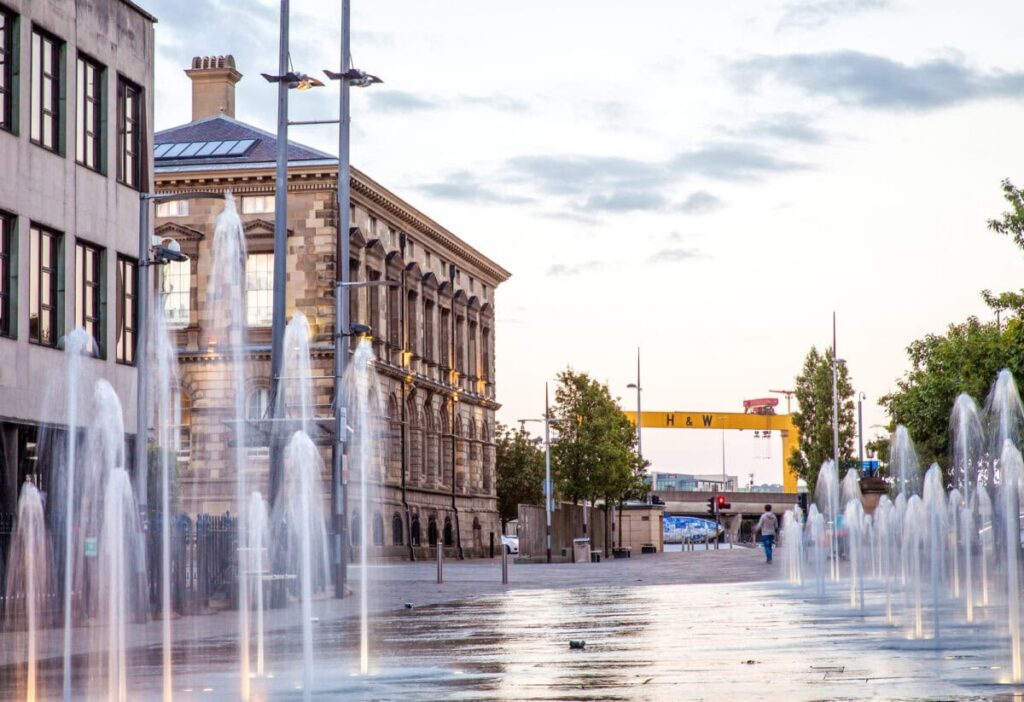
- Separate Belfast city sites from coastal sites. Titanic Belfast, the murals and the Cathedral Quarter deserve their own day, ideally with an overnight stay so you are not driving after a long museum visit.
- Check accessibility needs against each site before booking. Some locations, like Carrick a Rede, involve significant steps and uneven ground, while others, including Titanic Belfast and the Giant’s Causeway Green Trail, are fully wheelchair accessible.
- Build in one unplanned half day. The Glens of Antrim, a lakeside stop in Fermanagh or an extra hour at a hidden gem almost always becomes the highlight people mention afterwards.

Giant’s Causeway and the Causeway Coastal Route
The Causeway Coastal Route is the backbone of Northern Ireland tourism, and for good reason. It links six of the most photographed sites in the country along roughly 30 miles of coast road.
Giant’s Causeway
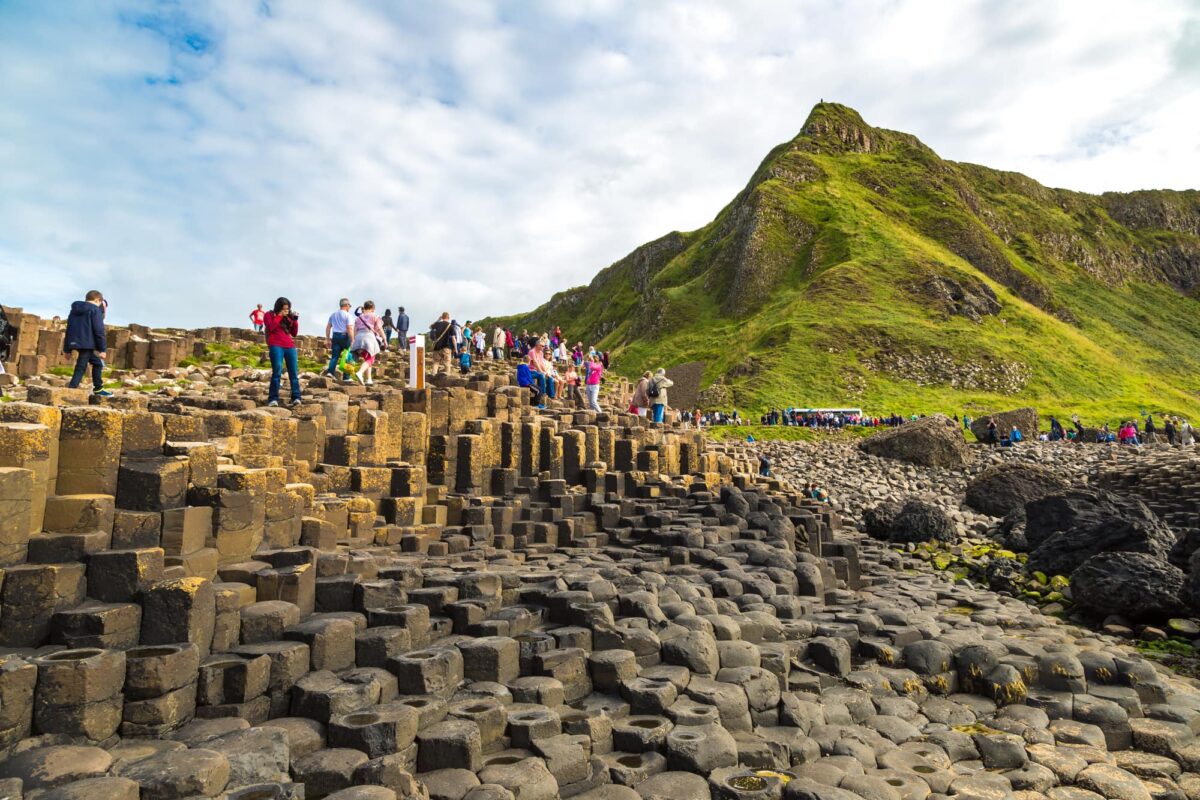
The Giant’s Causeway is Northern Ireland’s only UNESCO World Heritage Site, formed from around 40,000 interlocking basalt columns created by volcanic activity roughly 60 million years ago. Walking down to the stones themselves is free and always has been, thanks to a public right of way established in a Dublin court case back in 1897. What you pay for is the Visitor Experience, run by the National Trust, which includes reserved parking, a guided tour or audio guide, and access to the exhibition.

As of 2026, the Visitor Experience runs around £14 to £15 for an adult and £7.50 for a child outside peak summer weeks, with a family ticket around £37.50, and National Trust members go free. If you would rather skip the fee entirely, park in Bushmills village or at a nearby pub, have lunch, and walk in along the public path. Visit at opening time or in the last hour before closing if you want the causeway stones without the coach tour crowds.

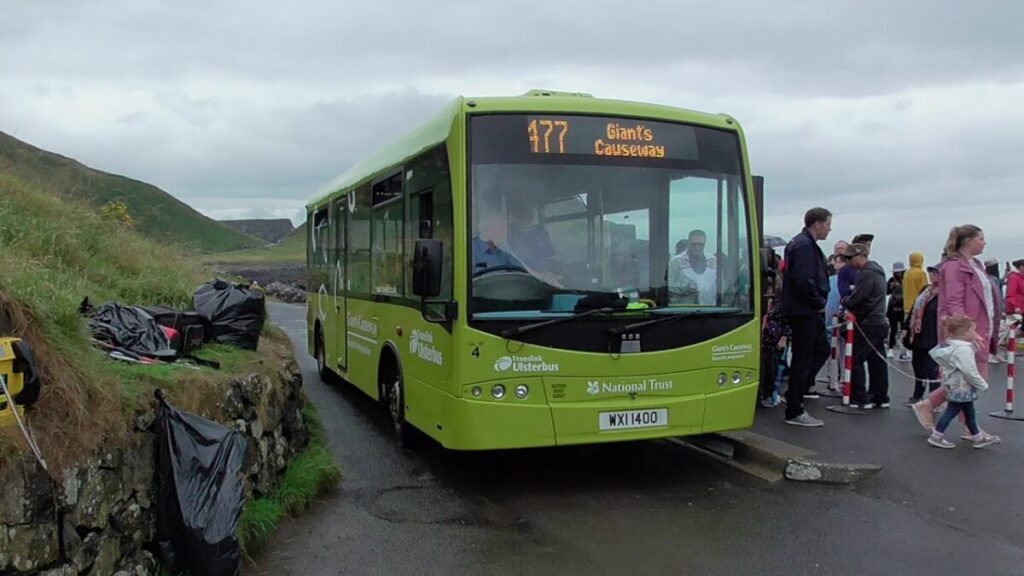
Location: 44 Causeway Road, Bushmills, County Antrim BT57 8SU. Parking: On site with a Visitor Experience ticket, or the Causeway Coast Way car park nearby for walkers at around £12 per vehicle. Accessibility: The Green Trail and Visitor Centre are wheelchair and pram accessible, with loan wheelchairs and mobility scooters available. Full details and current prices are on the National Trust Giant’s Causeway page.
Carrick a Rede Rope Bridge
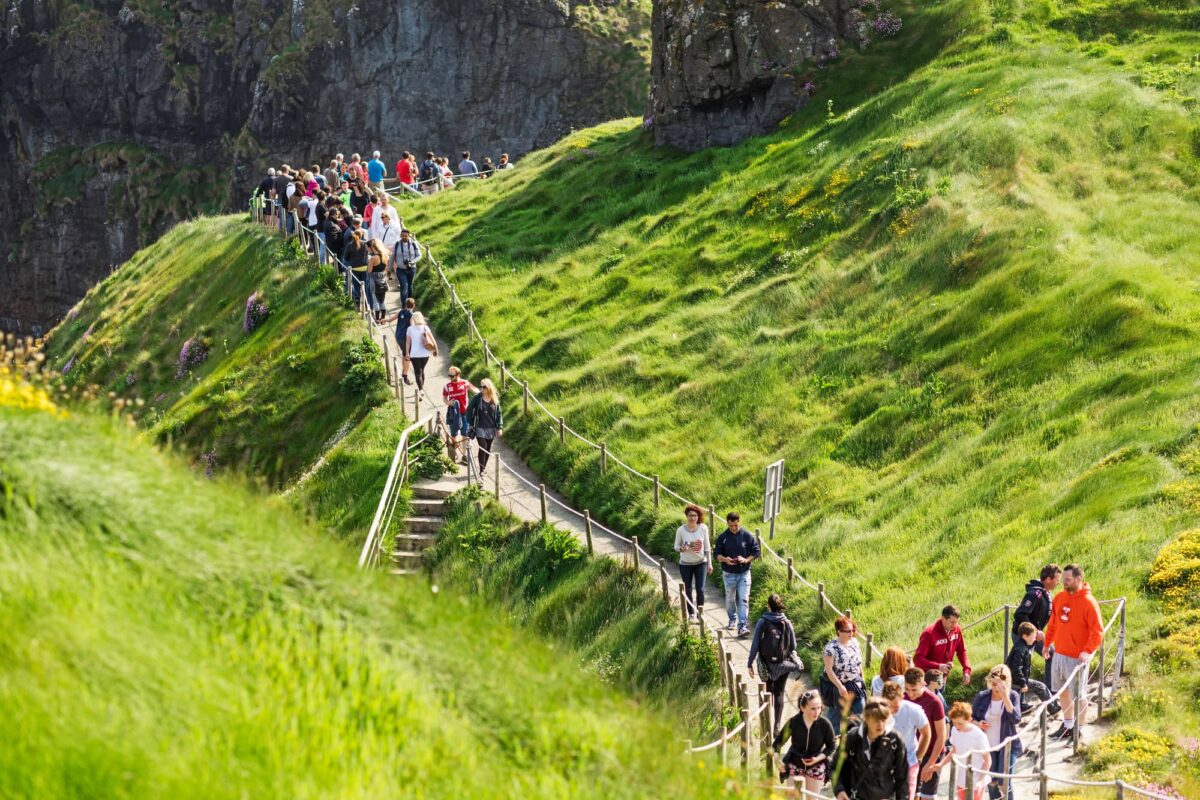
Salmon fishermen first strung a rope bridge across this 20 metre chasm in 1755 to reach fishing grounds on Carrick Island. The last fisherman left in 2002, and today the National Trust maintains a sturdier version for around 250,000 visitors a year. In my experience this is the site people underestimate most. It is a genuinely difficult walk for anyone with mobility issues, involving a mile long coastal path with steps down to the bridge itself.
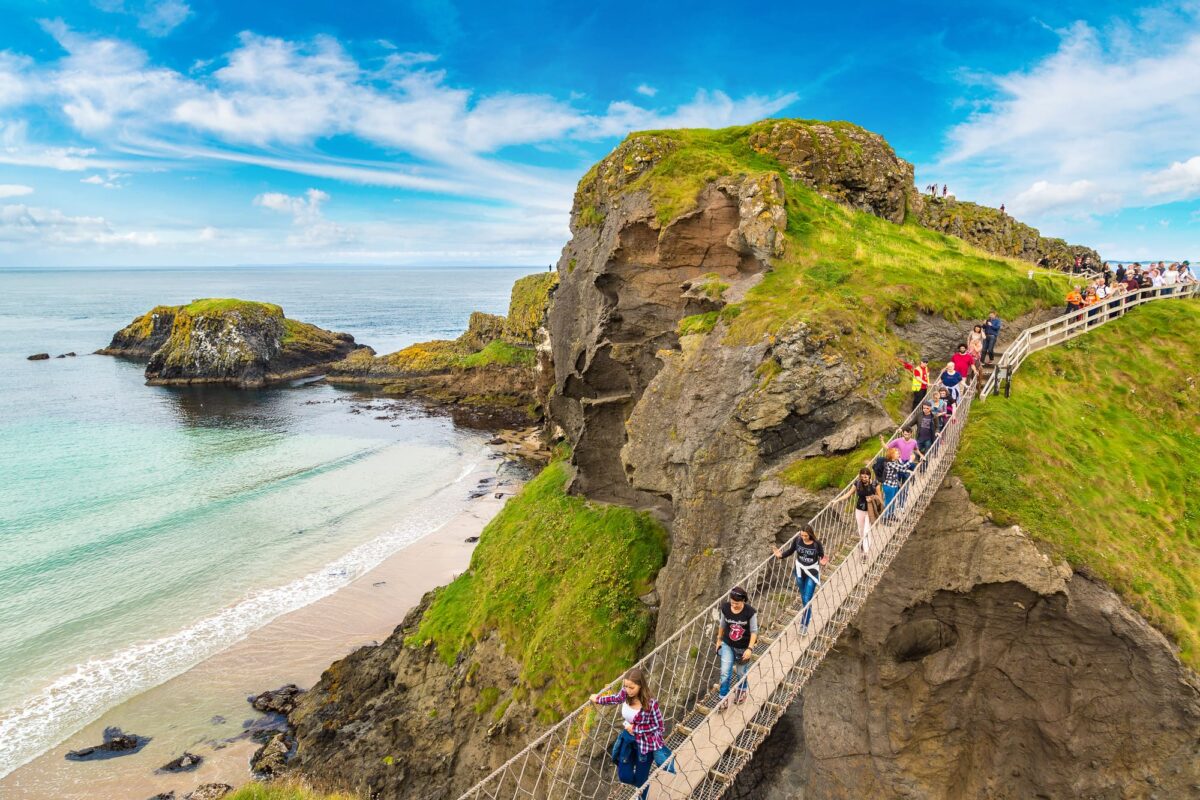
Adult tickets run around £15.50 and include parking, with a family ticket around £32.50. Parking without a bridge ticket costs about £10. Pre-booking is essential in summer, and the bridge closes in high winds with a full refund if that happens to your slot.
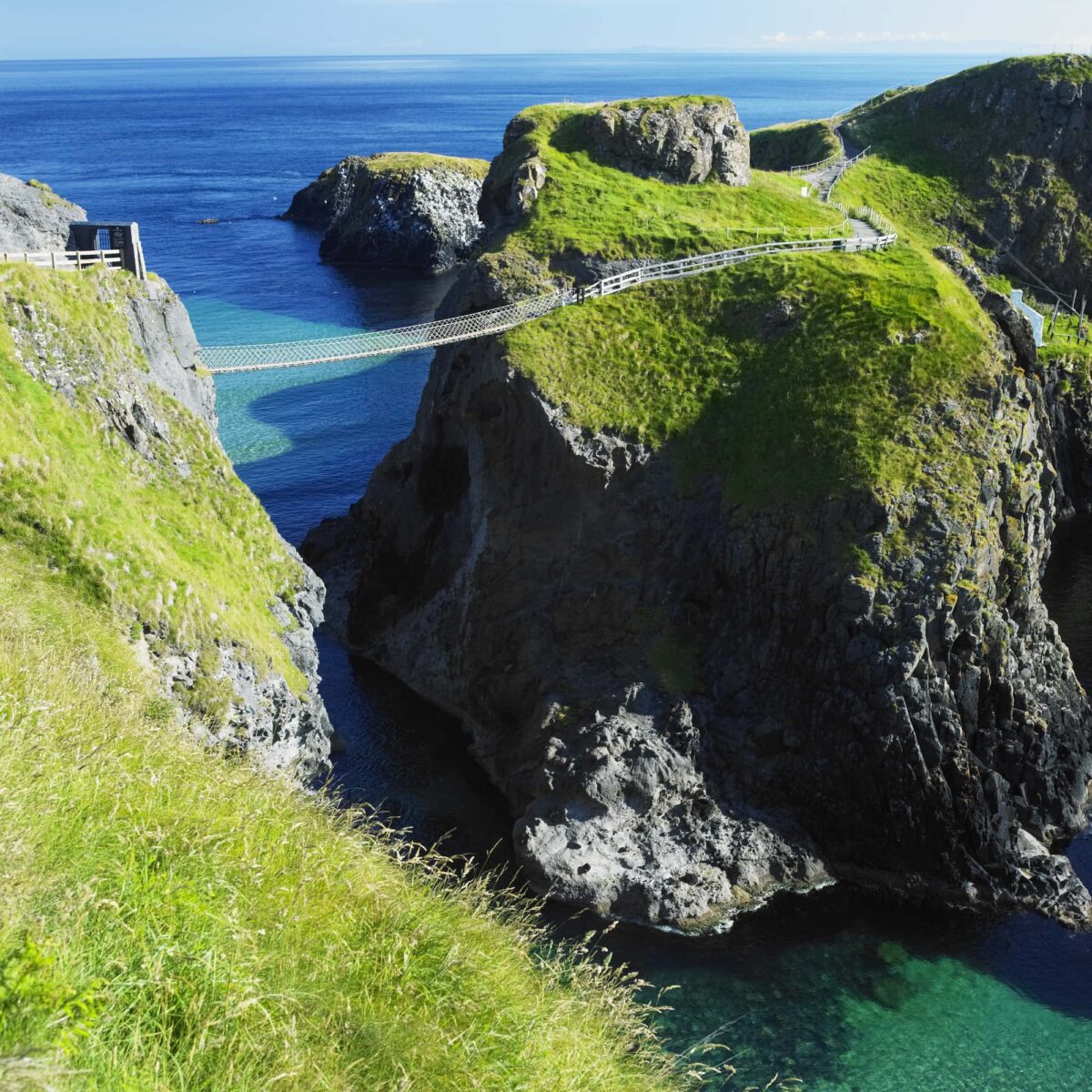
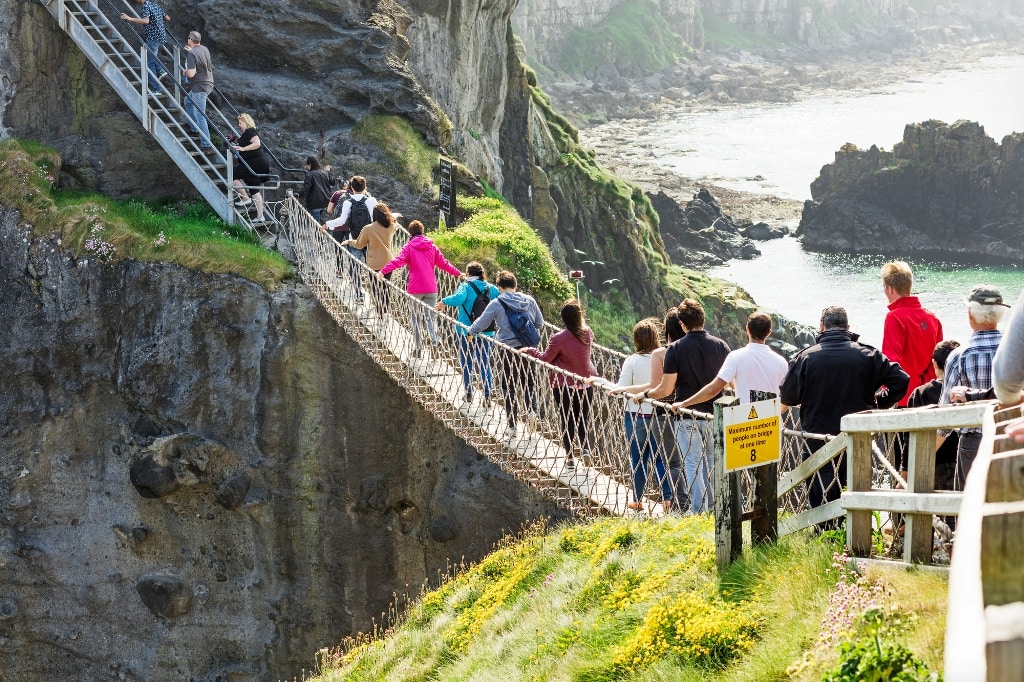
Location: 119a Whitepark Road, Ballintoy, County Antrim. Parking: On site, included in the ticket price. Accessibility: The first half kilometre of coastal path is accessible with an accessible viewing telescope, but steep slopes and two long flights of steps follow, and dogs cannot cross the bridge. See my full post on Carrick-a-Rede for more information on accessible viewpoints.
Old Bushmills Distillery
Bushmills holds a licence to distil whiskey dating to 1608, making it one of the oldest licensed whiskey distilleries in the world, though the company that runs it today was formally established in 1784. A standard guided tour lasts roughly 40 to 75 minutes and takes you through malting, fermentation, the pot stills and a tasting in the Distillers Bar. Tickets range from around £20 for a standard tour up to £50 for premium tasting experiences.
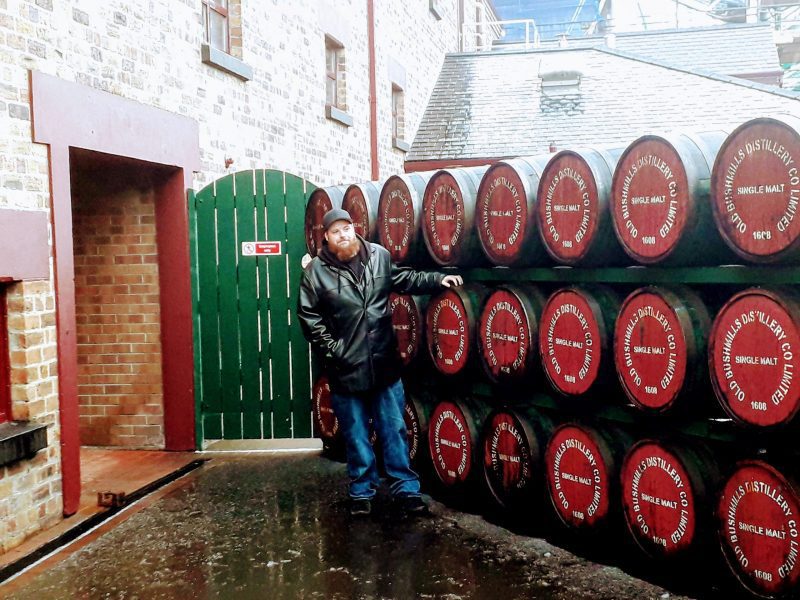
I always send visiting friends here on a wet afternoon, since it is one of the few Causeway Coast stops that works just as well in the rain. Parking is free.
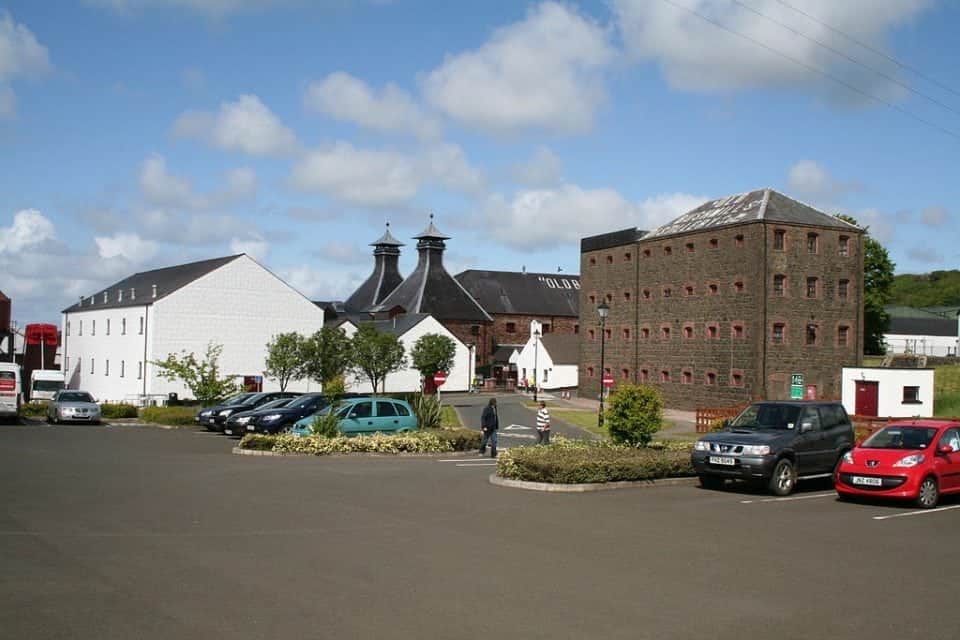
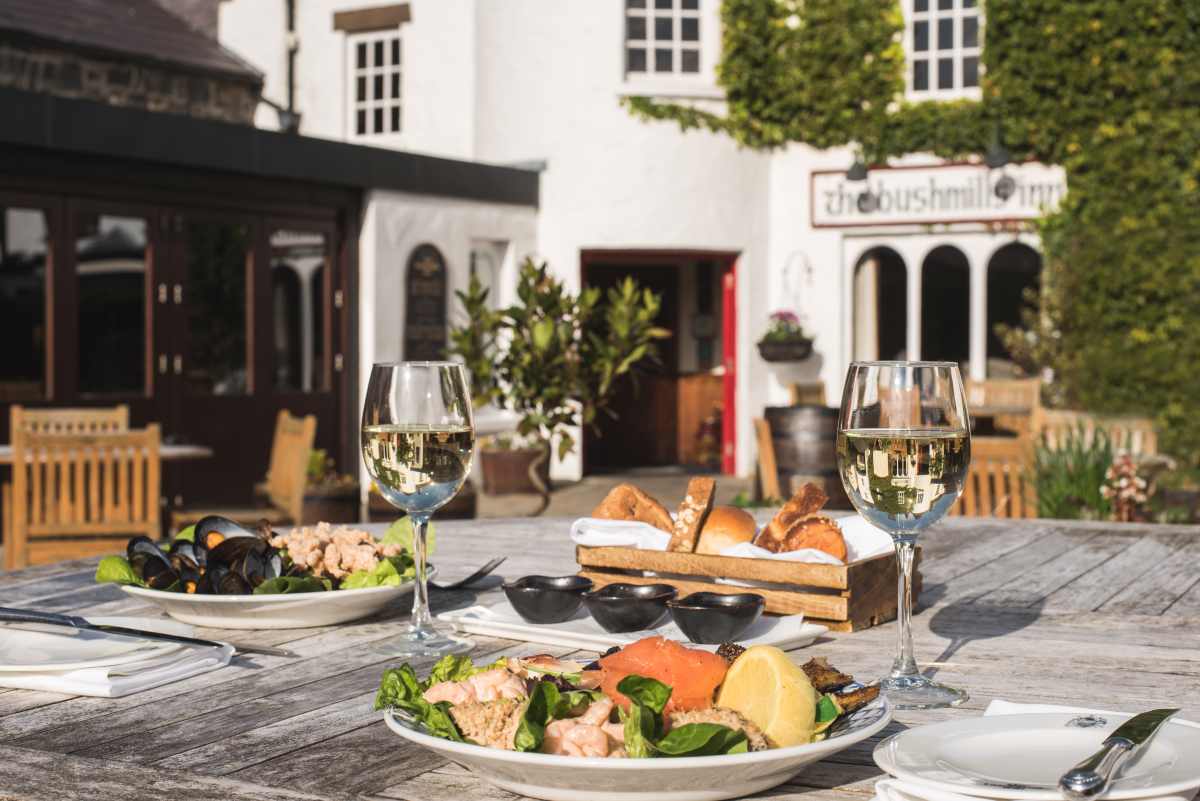
Location: 2 Distillery Road, Bushmills, County Antrim BT57 8XH. Parking: Free on site. Nearby: The Bushmills Inn, a coaching inn with turf fires and a well regarded restaurant, sits a short walk away. Book tours through the official Bushmills distillery page.
Dunluce Castle
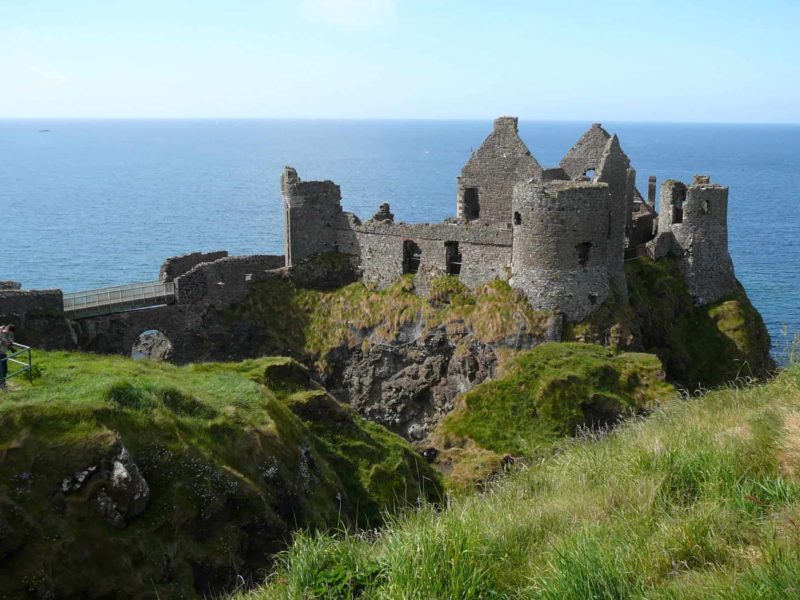
Perched on a headland with a sheer drop to the sea on either side, Dunluce is a ruined medieval castle said to have inspired C. S. Lewis and appeared on screen as House Greyjoy’s Pyke Castle in Game of Thrones. Part of the kitchen famously collapsed into the sea in 1639, taking several servants with it, a detail that still gets a reaction from every tour group I have brought here.

Location: 87 Dunluce Road, Bushmills BT57 8UY. Hours: Daily, typically 9.30am to 5pm with shorter winter hours. Admission: Around £6 for an adult, cheaper for children, managed by the Historic Environment Division. Accessibility: Uneven ground and no vehicle access to the ruins themselves; a viewing point from the road is possible for anyone who cannot manage the walk.
The Dark Hedges
This tunnel of beech trees was planted in the 18th century by the Stuart family to impress visitors arriving at their mansion, and it became instantly recognisable as the King’s Road in Game of Thrones. The trees are well over a century old now, past their natural lifespan, and storms have already claimed several. Visit before 8am if you want the empty, cathedral like shot you have seen on Instagram, because by mid morning the road fills with tour coaches.
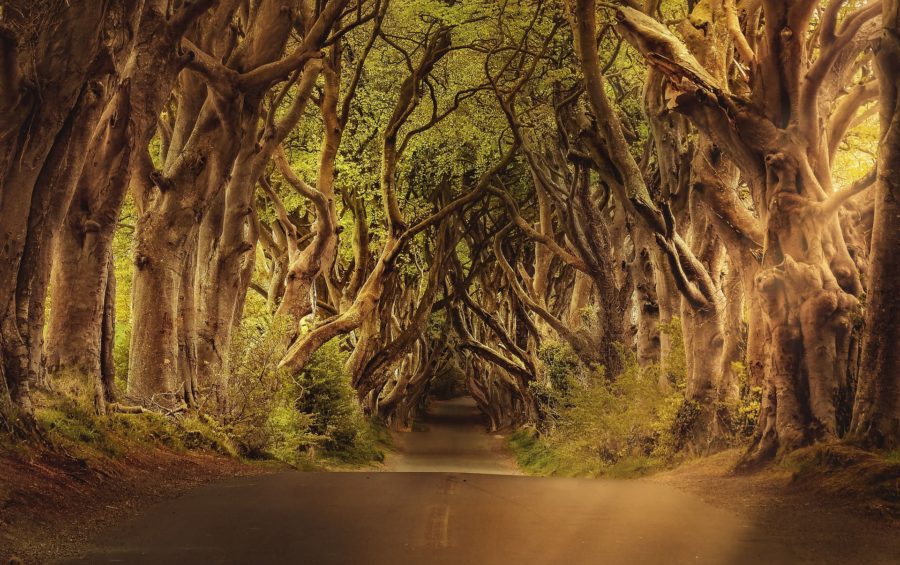
Location: Bregagh Road, Armoy, County Antrim. Parking: A small free car park nearby, with overflow parking in Armoy village. Access: Free, at any time.
Mussenden Temple and Downhill Demesne
Frederick Hervey, the Earl of Bristol and Bishop of Derry, built the Mussenden Temple as a circular neoclassical library on the cliffs above Magilligan Strand in the 18th century as part of his Downhill estate. It is one of the most photogenic clifftop buildings in Ireland, especially at sunset with Lough Foyle and the Donegal hills in the background.
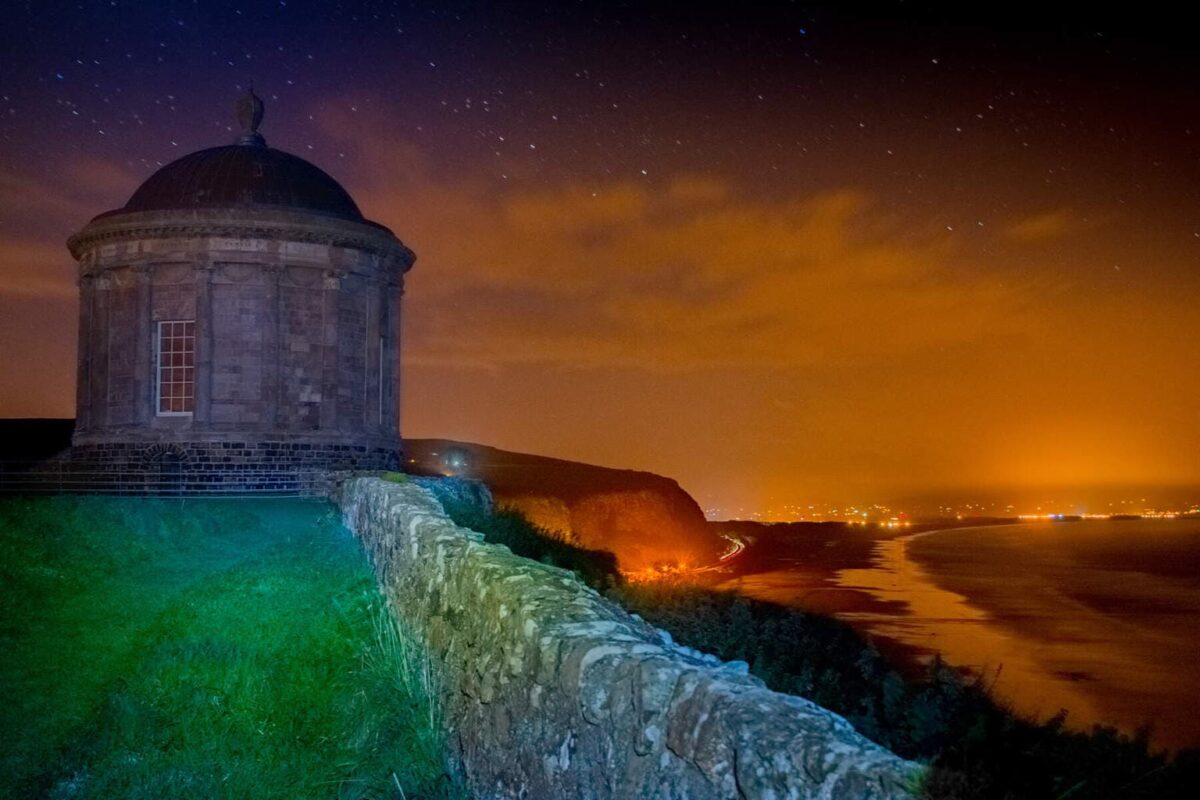
Location: Downhill Estate, Mussenden Road, Castlerock BT51 4RP. Admission: Around £10 for an adult, £5 for a child, including the wider Downhill Demesne. Parking: On site car park.
Fair Head, Torr Head and Kinbane Castle
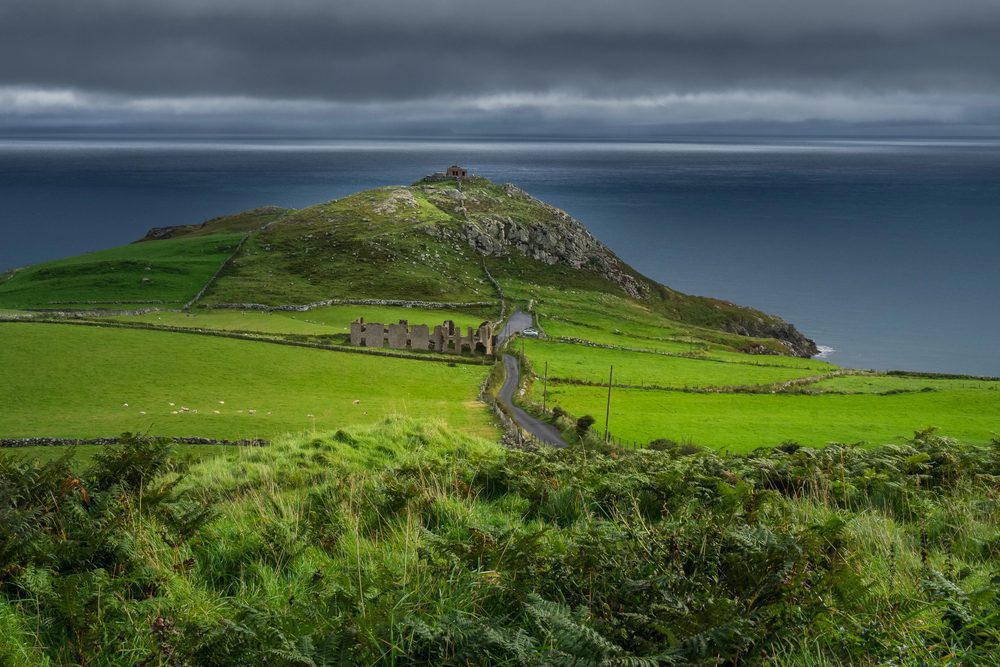
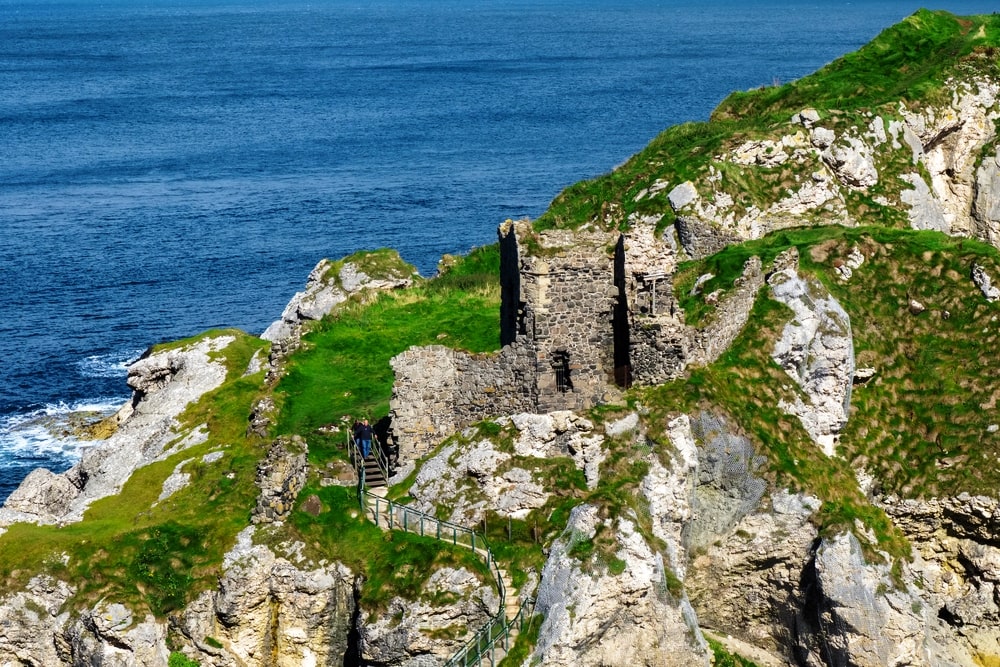
These three headlands rarely make the standard tour itinerary, which is exactly why I love them. Fair Head is Northern Ireland’s tallest cliff face at 196 metres, with rock climbing routes and views to the Mull of Kintyre in Scotland on a clear day. Torr Head is a former smuggling lookout where Ireland and Scotland feel close enough to touch. Kinbane Castle is a 16th century ruin on a limestone headland near Ballycastle, reached by 140 steps down from the car park, and it is usually empty even in August.
Titanic Belfast and the Titanic Quarter
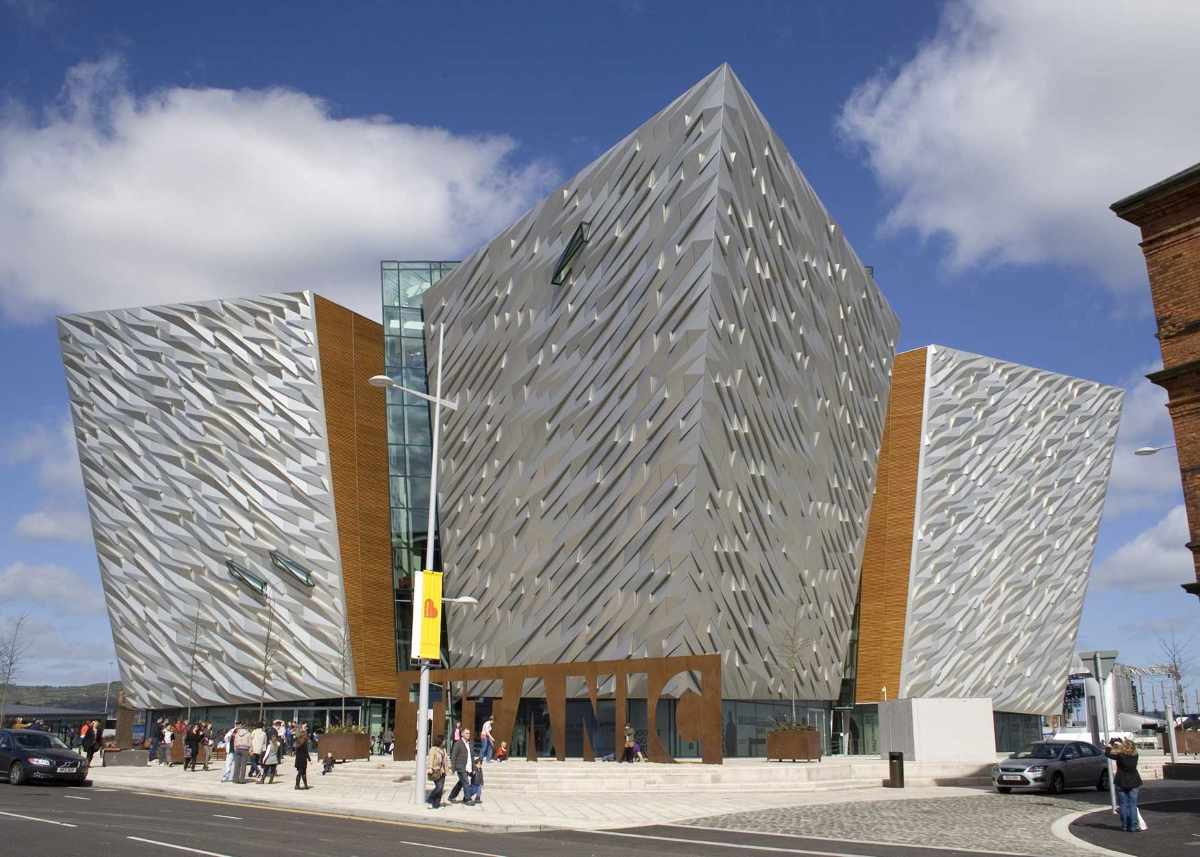
Titanic Belfast sits beside the actual slipways where RMS Titanic was designed, built and launched, in the shipyard once run by Harland and Wolff. The building’s angular, ship shaped exterior alone is worth the walk along the Maritime Mile. Inside, nine interactive galleries cover Belfast’s shipbuilding boom, the ship’s construction, its maiden voyage and its sinking, and your ticket also includes SS Nomadic, the last surviving White Star Line vessel, docked nearby.

As of 2026, standard adult admission booked online runs around £25, with children aged 5 to 15 around £11 and a family ticket around £62; under 5s and essential carers go free. Walk up prices at the door are higher, so book ahead. The main circulation spaces have level access and lifts throughout, though the Shipyard Ride’s accessible car has size limits for larger wheelchairs and mobility scooters.
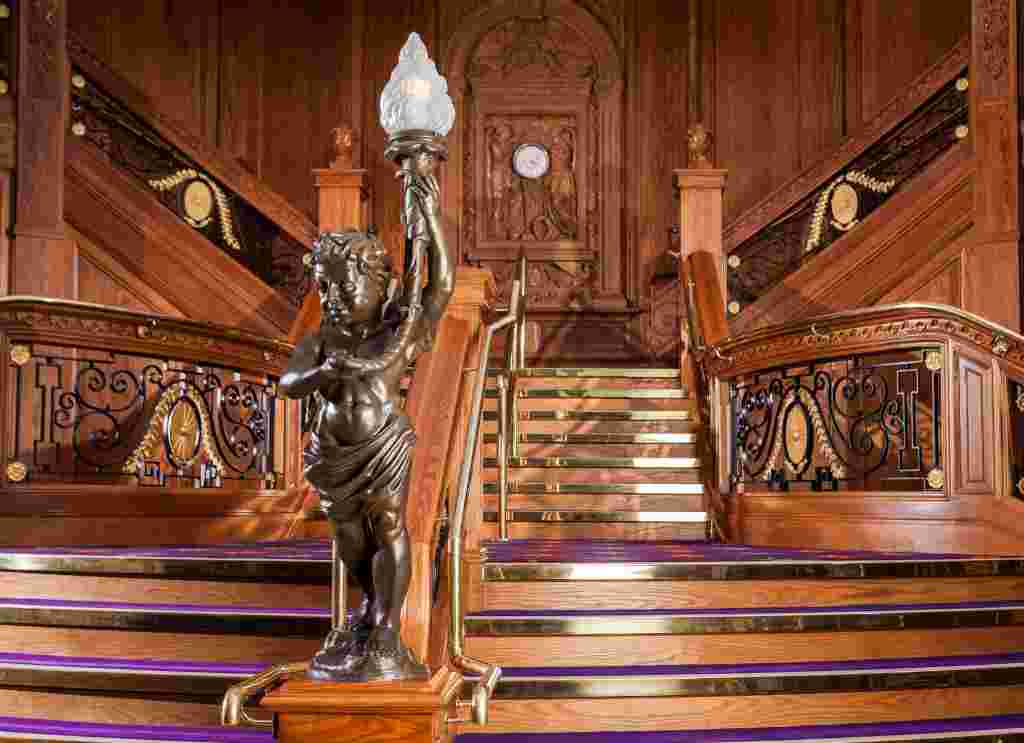

Location: 1 Olympic Way, Queen’s Road, Titanic Quarter, Belfast BT3 9EP. Parking: Paid parking on site and nearby in Titanic Quarter. Nearby food: The Galley Cafe inside the building, or Hickson’s Point bar on the plaza for something more substantial. Full pricing and timed slots are on the Titanic Belfast prices page.
Castle Heritage Across Northern Ireland
Northern Ireland’s castles range from intact Norman fortresses to romantic ruins to still lived in family estates, and together they tell the story of eight centuries of conflict and settlement.
Carrickfergus Castle is Ireland’s best preserved Norman castle, standing guard over Belfast Lough since the 12th century. Adult admission is around £7.50, with a family ticket around £20, and local legend holds that the ghost of a drummer boy still walks its walls. It is fully paved and largely accessible on the ground floor.

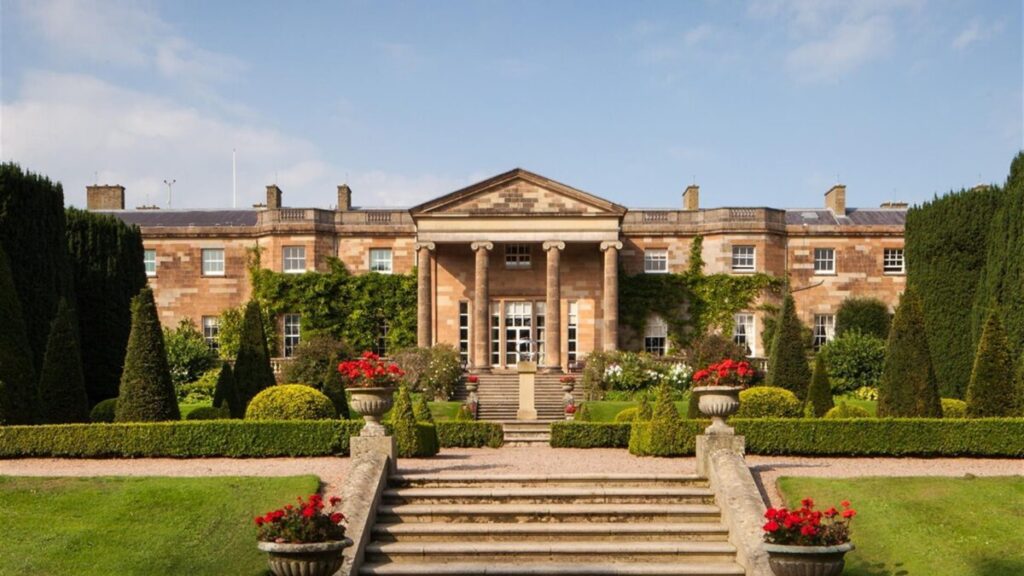
Hillsborough Castle is a working royal residence and the official home of the Secretary of State for Northern Ireland, set in expansive Georgian gardens about 12 miles from Belfast. Adult tickets run around £20. Because it hosts official government business, tours can be altered at short notice, so check before you travel.
Glenarm Castle, the seat of the Earls of Antrim, sits at the entrance to the first of the nine Glens of Antrim and holds one of Ireland’s oldest walled gardens. Garden and tea room entry runs around £7.50 per adult, while castle tours require separate advance booking and cost more.

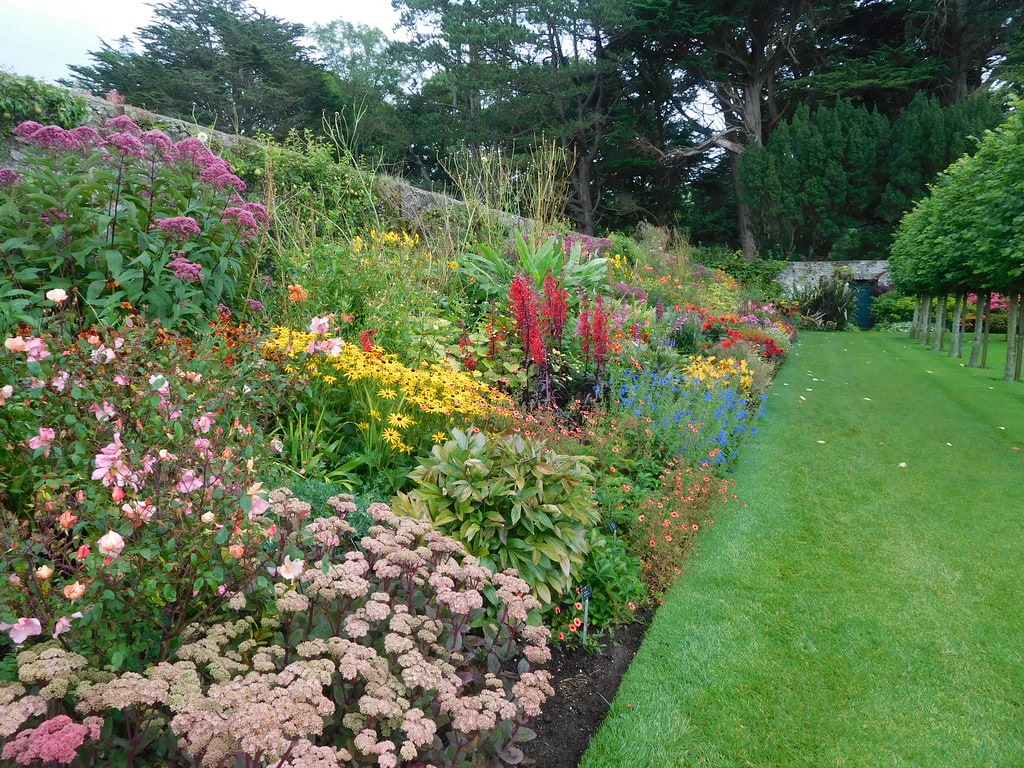
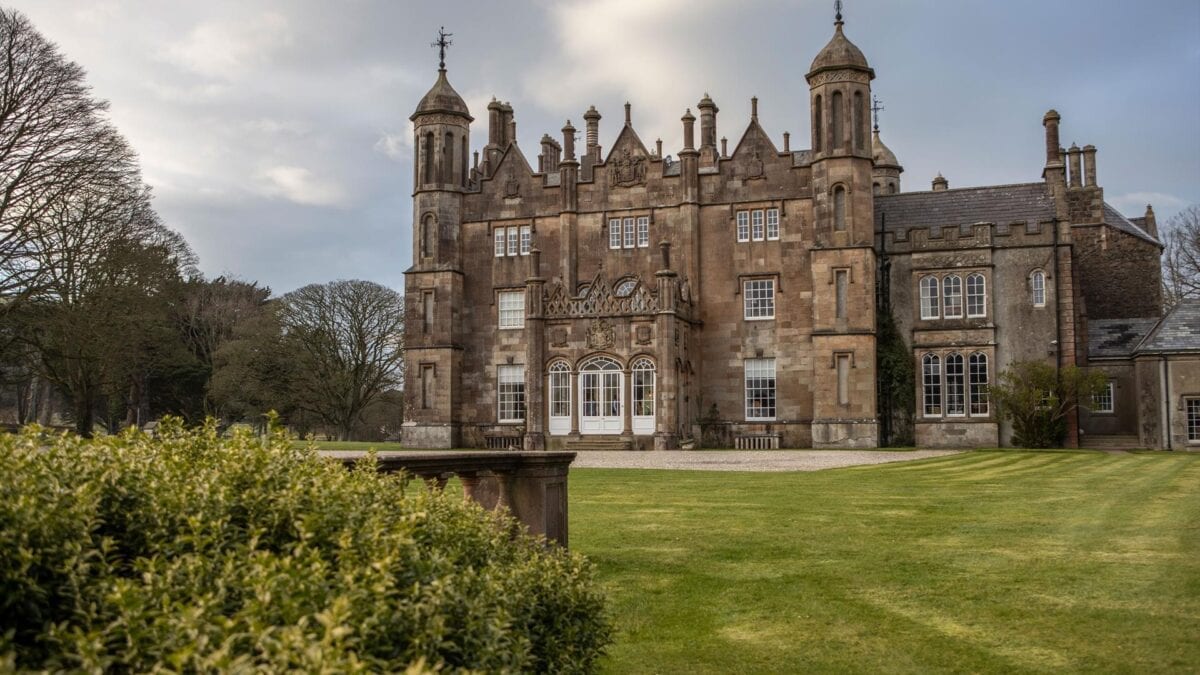
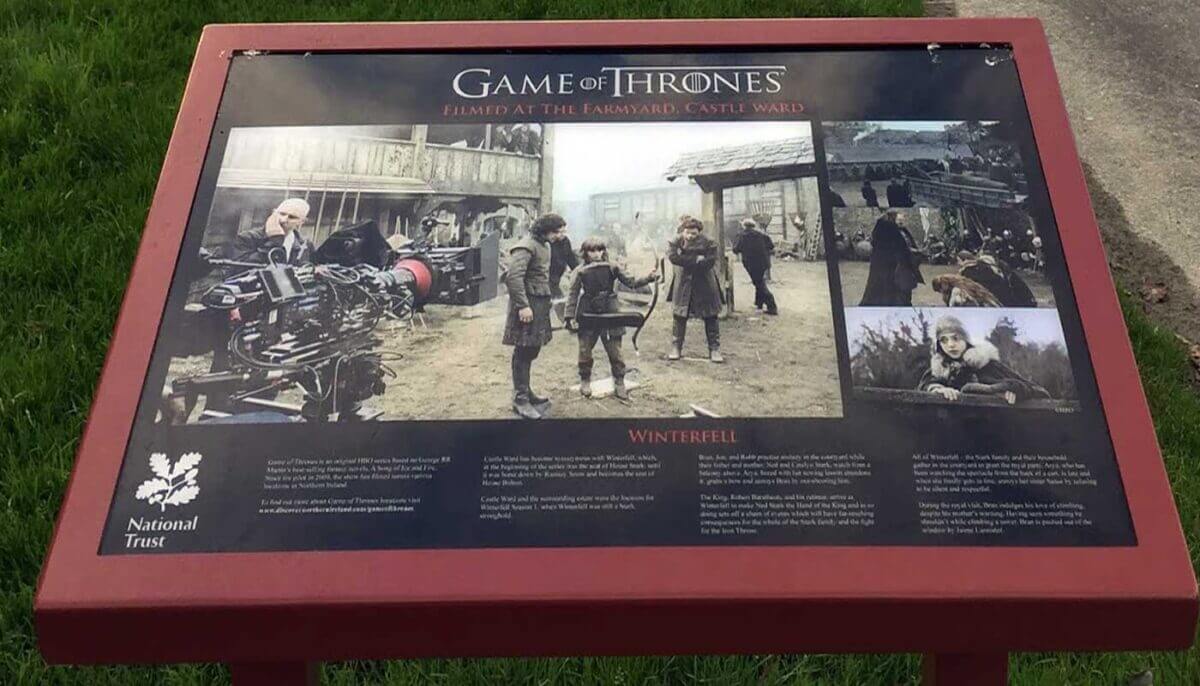
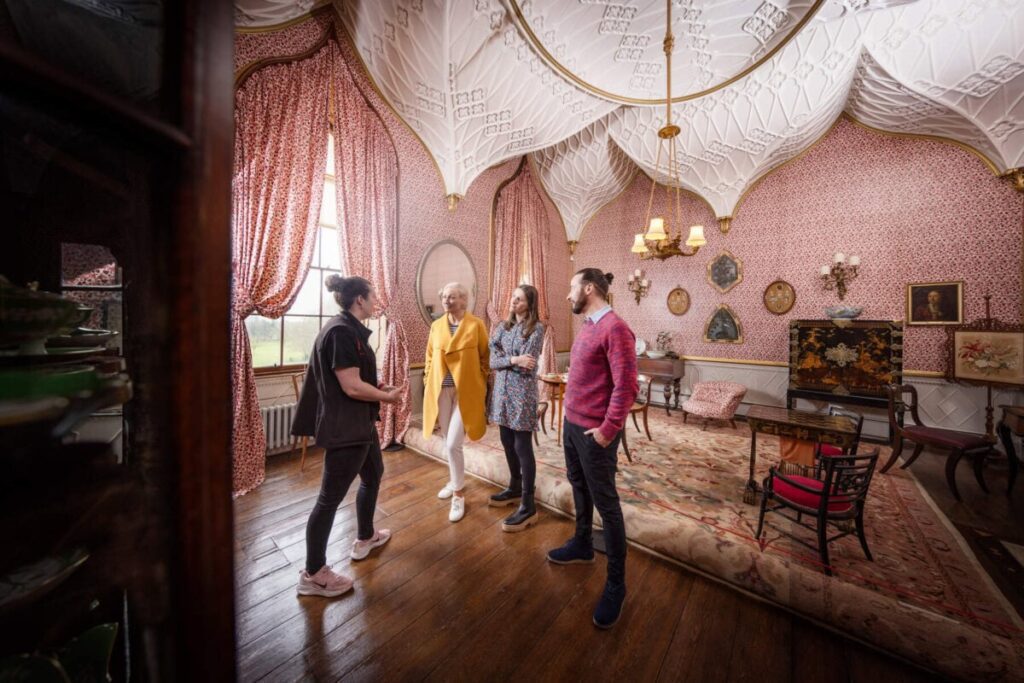
Castle Ward, overlooking Strangford Lough, is a National Trust property famous for its split personality: one side Classical, one side Gothic, reflecting a disagreement between the 18th century couple who built it. It also served as Winterfell in Game of Thrones. A full experience pass covering the house, gardens and working farm costs around £14.50 for an adult, and the 820 acre estate means comfortable shoes are not optional.

Enniskillen Castle, guarding a crossing point between Upper and Lower Lough Erne, dates to the 15th century and now houses two museums covering more than 600 years of Fermanagh history. Adult admission is around £8.50.
Tully Castle, a ruined 17th century Scottish plantation castle on the shores of Lower Lough Erne, is free to visit and rarely crowded, which makes it one of the better hidden gems on this list.


Game of Thrones Filming Locations
Northern Ireland hosted more than 30 Game of Thrones filming locations, and the show remains one of the biggest drivers of screen tourism the region has ever had. Beyond the outdoor sites already mentioned, the Game of Thrones Studio Tour at Linen Mill Studios in Banbridge, about 30 minutes south of Belfast, lets you walk through the actual Great Hall of Winterfell, sit on a replica Iron Throne, and see original costumes, weapons and props. Morning slots give better lighting for photos, and you should allow two to three hours for the full visit.
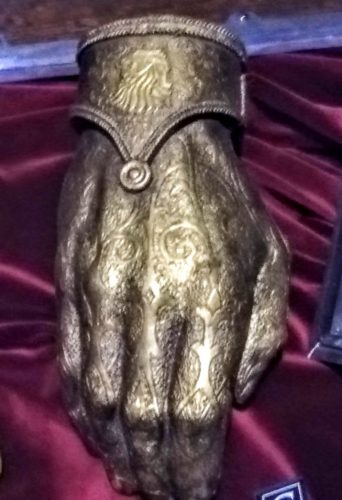

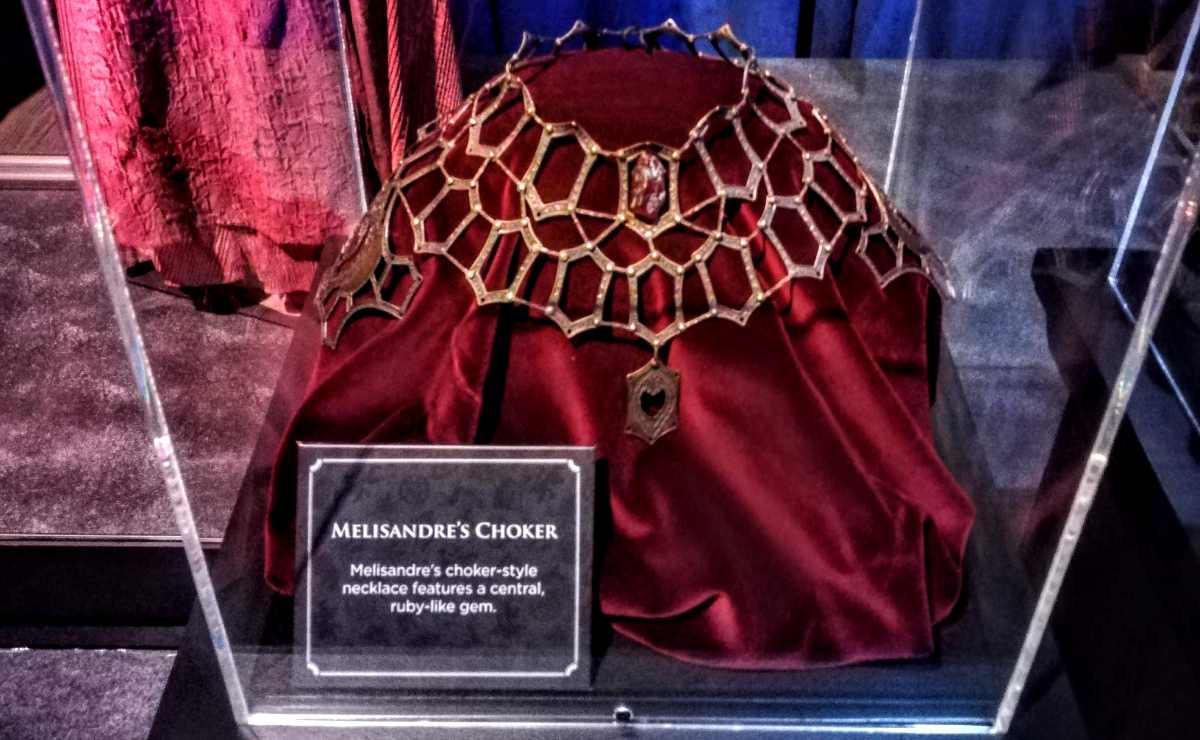
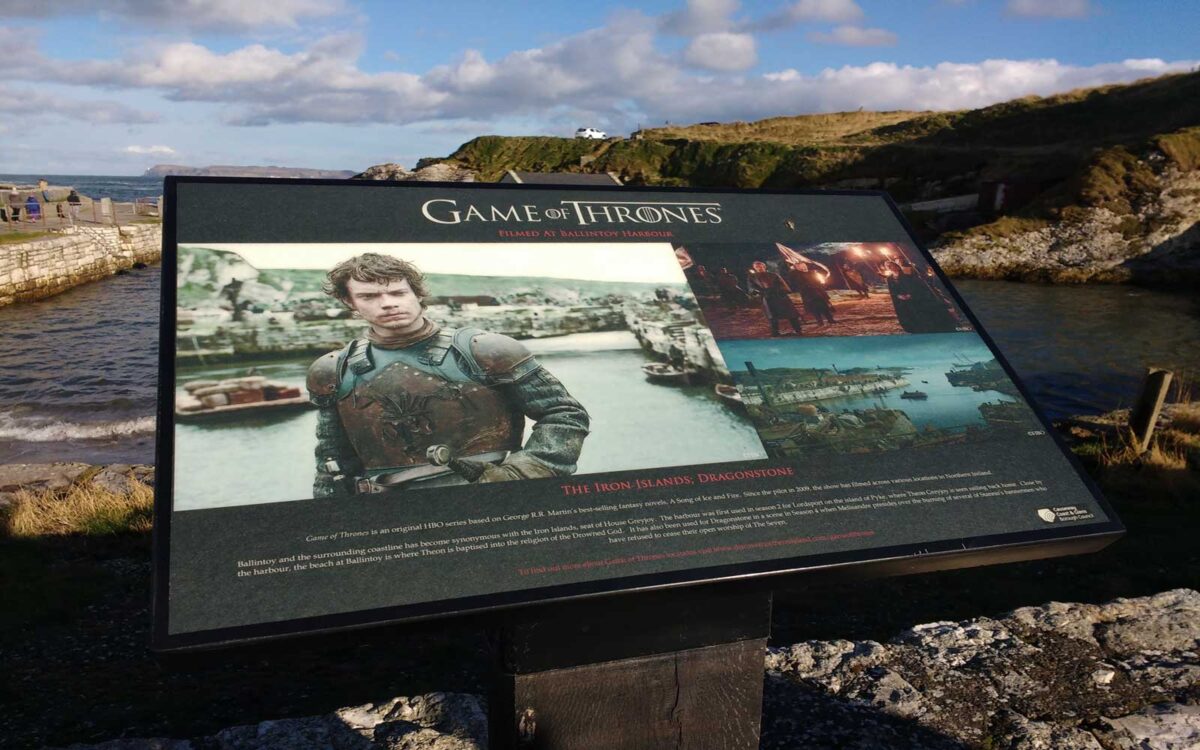
Away from the studio, Castle Ward’s courtyard scenes were filmed on location even though the interior shots used studio sets, Dunluce Castle stood in for House Greyjoy’s home at Pyke, and the Dark Hedges appear as Arya Stark’s escape route from King’s Landing in season two. If you want to follow the trail further, the Game of Thrones Doors trail scatters ten carved wooden doors, made from a fallen Dark Hedges tree, across pubs and hotels throughout Northern Ireland.


Ancient and Sacred Heritage Sites
Long before castles or television crews arrived, Northern Ireland was home to some of Ireland’s oldest ceremonial sites, and most of them are free to visit.
Navan Fort, near Armagh, was the ancient capital of Ulster and one of the most important archaeological and mythological sites on the island. Adult admission to the visitor centre is around £8.
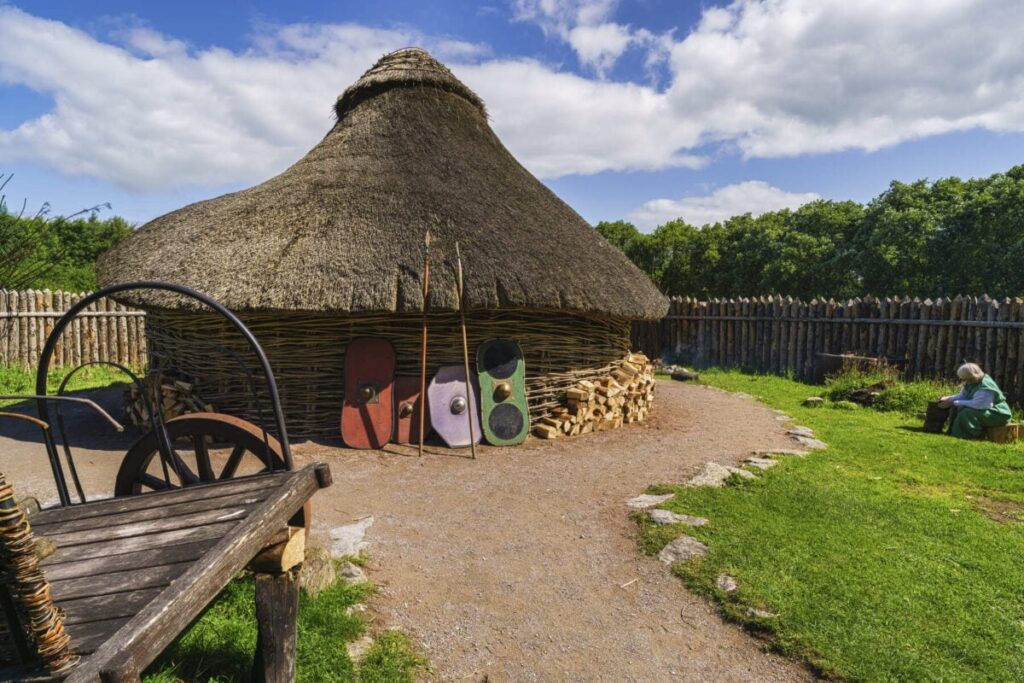
Beaghmore Stone Circles, near Cookstown, is a Bronze Age complex of seven stone circles and cairns with alignments that appear to track the summer solstice. Entry is free and the site is open around the clock, which makes dawn or dusk visits genuinely atmospheric.

Giant’s Ring, an earthwork henge outside Belfast enclosing a megalithic tomb, predates the Egyptian pyramids and is also free to visit.

Boa Island’s Janus Figure, a two faced pre-Christian stone carving over 2,000 years old, sits in tiny Caldragh Cemetery on Lower Lough Erne. The ground is a little uneven but the short walk from the lane is manageable for most visitors, and it pairs well with a stop at nearby Lusty Beg Island.
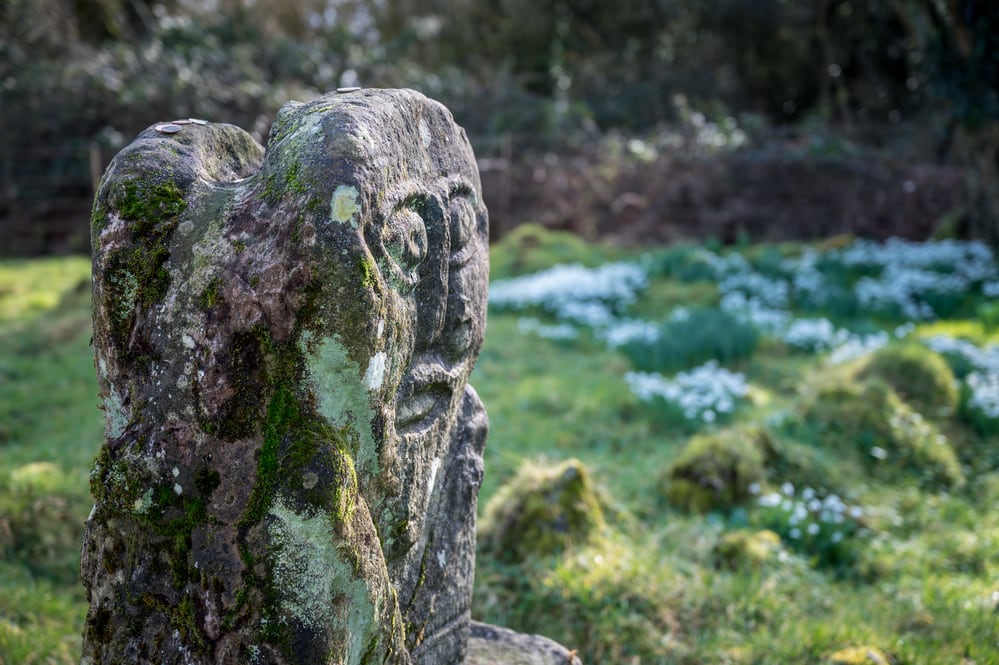
White Island, also on Lower Lough Erne, holds seven enigmatic carved stone figures likely dating to the 8th or 9th century, from an earlier monastic site. Access is by a free public ferry, but it is run by a local boatman rather than a scheduled service, so call ahead, particularly outside peak summer months, on +44 (0) 7968 348 726.


The Glens of Antrim and the Mourne Mountains
The nine Glens of Antrim run north to south along the County Antrim plateau, each with its own Irish name and character, from Glentaisie in the north to Glenarm, the valley of the army, in the south. Glenariff, known as the Queen of the Glens, is the most visited, with waterfall walks through its forest park. Allow a full day to properly explore three or four glens, and stop in Cushendun for a bowl of stew at Mary McBride’s Bar, reputed to be one of the smallest pubs in Ireland.

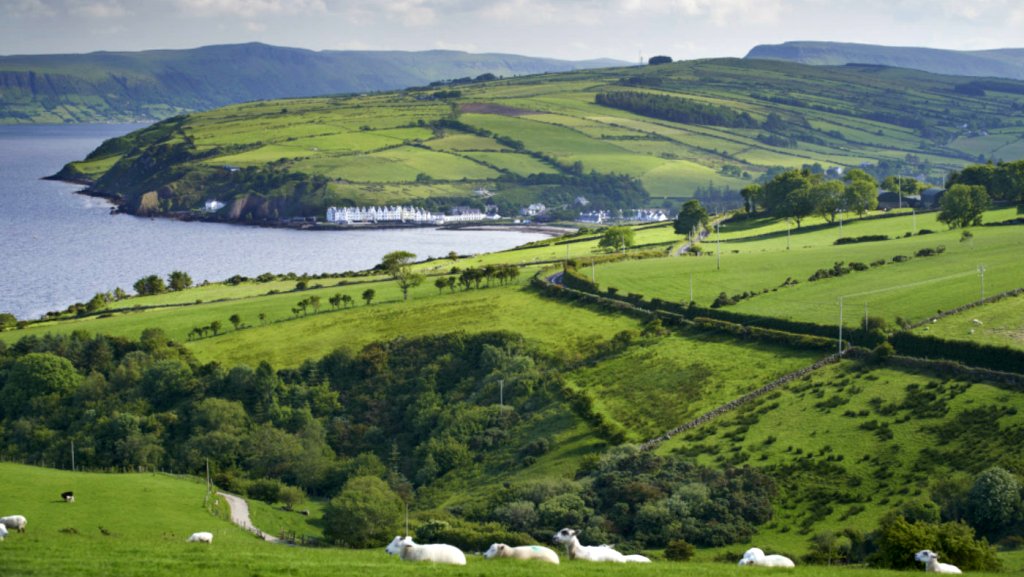

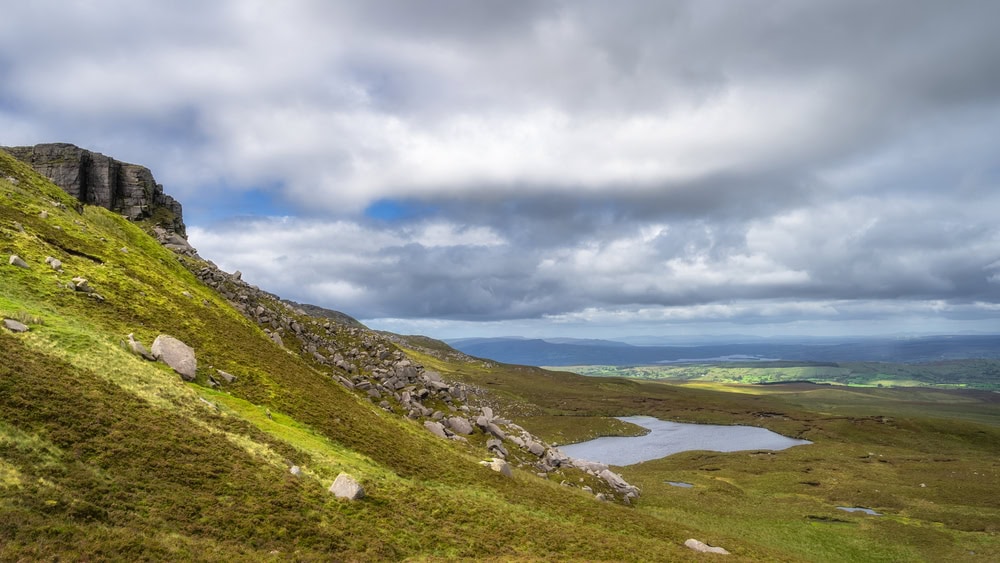
The Mourne Mountains, immortalised as an inspiration for C. S. Lewis’s Narnia, hold Northern Ireland’s highest peak, Slieve Donard, at 850 metres. The Mourne Wall, a 22 mile dry stone wall completed in 1922 after 18 years of construction, employed over 2,000 men during a period of real economic hardship, and sections of it remain a popular walking route today. The Brandy Pad trail follows old 18th century smugglers’ routes from Newcastle harbour into the mountains, with hoof marks still visible in places.


Derry Londonderry: Ireland’s Only Complete Walled City
Derry’s city walls, completed in 1619, are the most complete set of city fortifications in Ireland and among the finest surviving examples in Europe. They have never been breached in their history, which earned Derry the nickname the Maiden City. The full circuit is 1.5 kilometres, takes about 45 minutes on foot, and passes seven historic gates and bastions along the way.

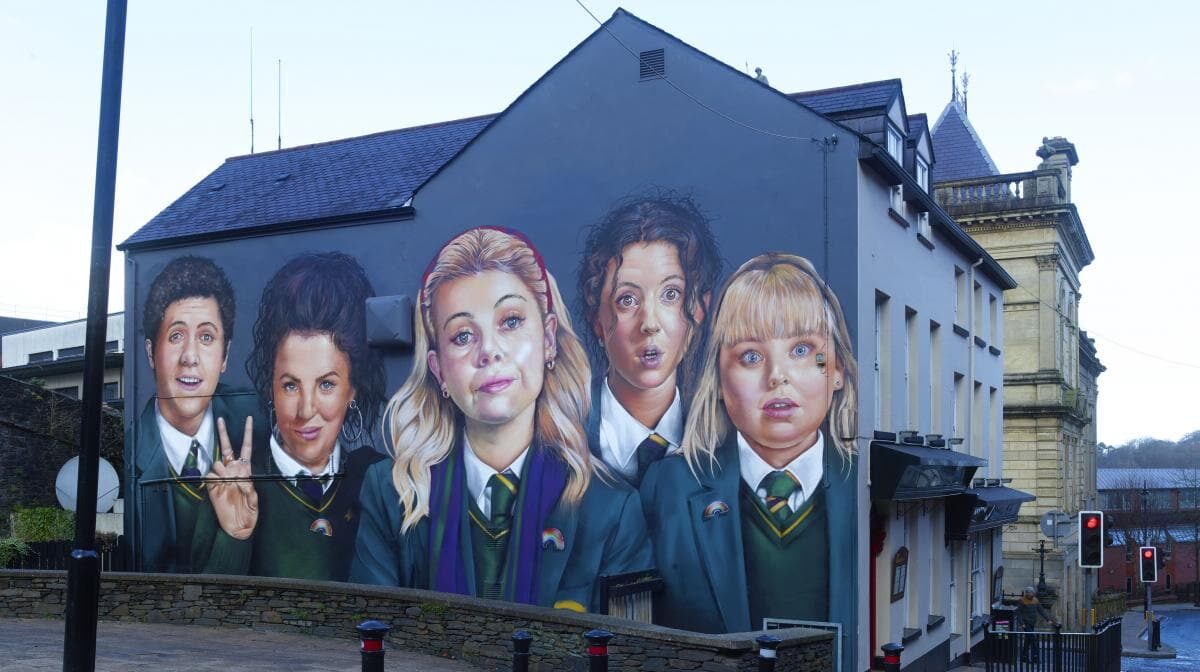
The city carries more recent history too. The Bloody Sunday Memorial marks the site where 14 civilians were killed by British paratroopers on 30 January 1972, an event the Saville Inquiry later confirmed involved unarmed victims, leading to a formal apology from the British government. Nearby, the Bogside murals, around 12 to 15 large scale works painted mainly by the Bogside Artists, document the civil rights era and the Troubles as an open air history lesson. If your visit lines up with late October, Derry’s Halloween festival, Samhain, is considered one of the largest in the world, but accommodation books out early.

Islands and Waterways: Rathlin, Strangford and Lough Erne
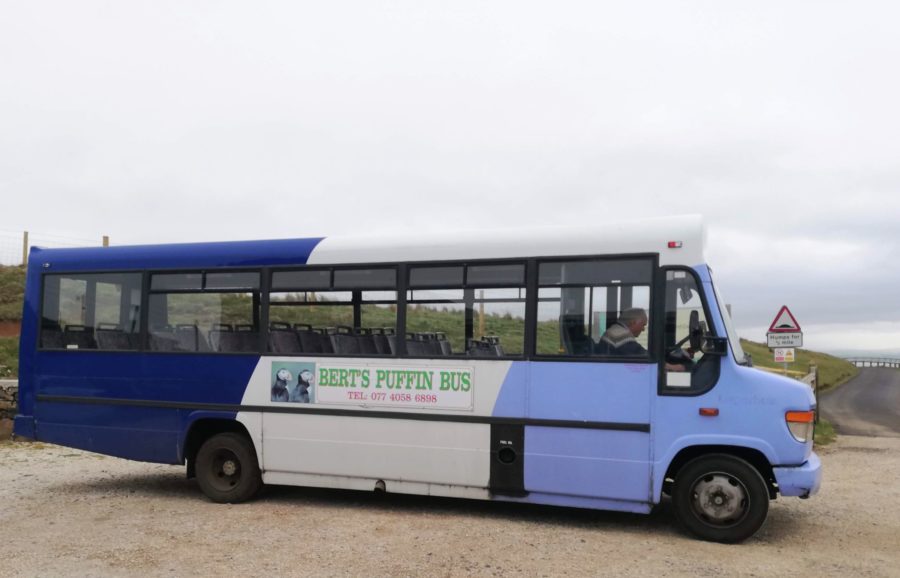
Rathlin Island, reached by ferry from Ballycastle, is Northern Ireland’s only inhabited offshore island and home to tens of thousands of seabirds, including puffins between April and July. A return ferry ticket costs around £12 for an adult, and Bert’s Puffin Bus meets the ferry to run visitors to the RSPB Seabird Centre for a small cash fare.


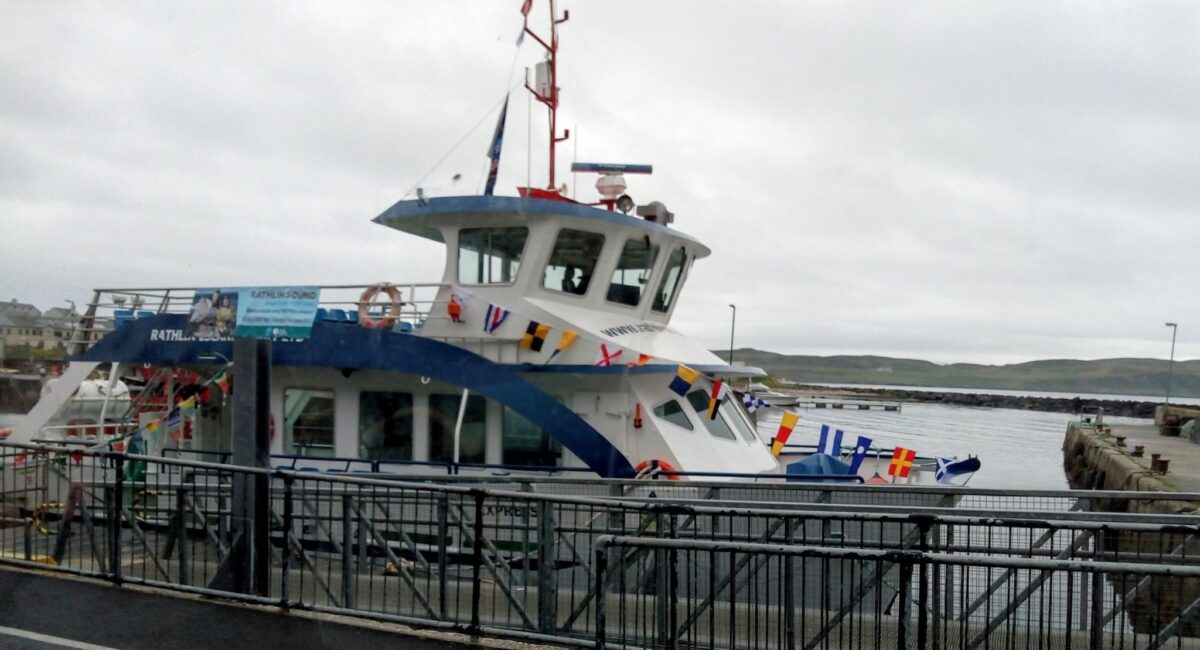
Strangford Lough is the largest sea lough in the British Isles, rich in seals and porpoises, and the short Strangford Ferry across the Narrows to Portaferry saves a lengthy drive around the lough while giving you one of the best views in County Down.


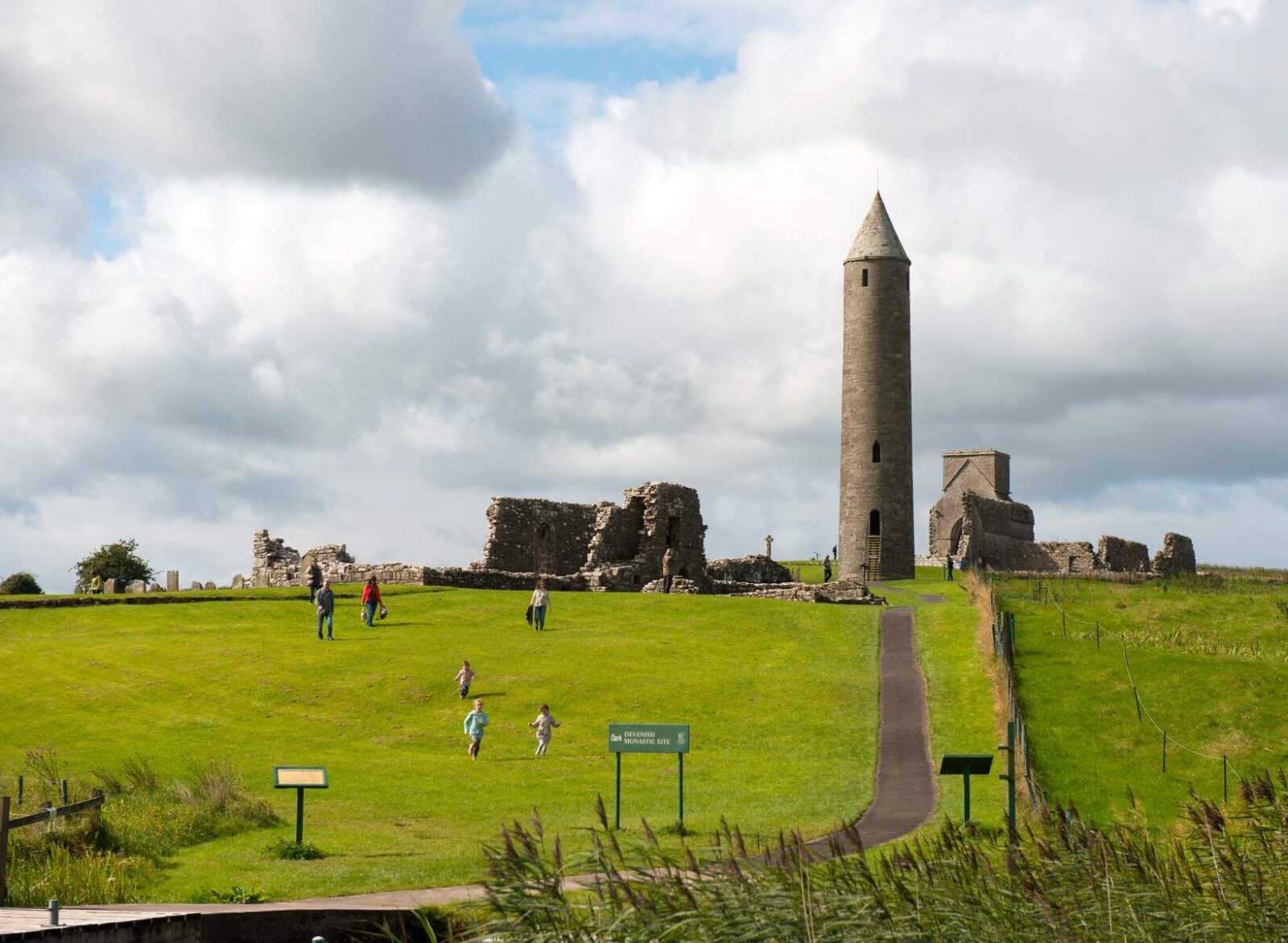
Lough Erne, in County Fermanagh, is dotted with monastic island ruins including Devenish Island and White Island, and boat hire runs from around £30 an hour if you want to explore at your own pace.

A Word on the Wild Atlantic Way
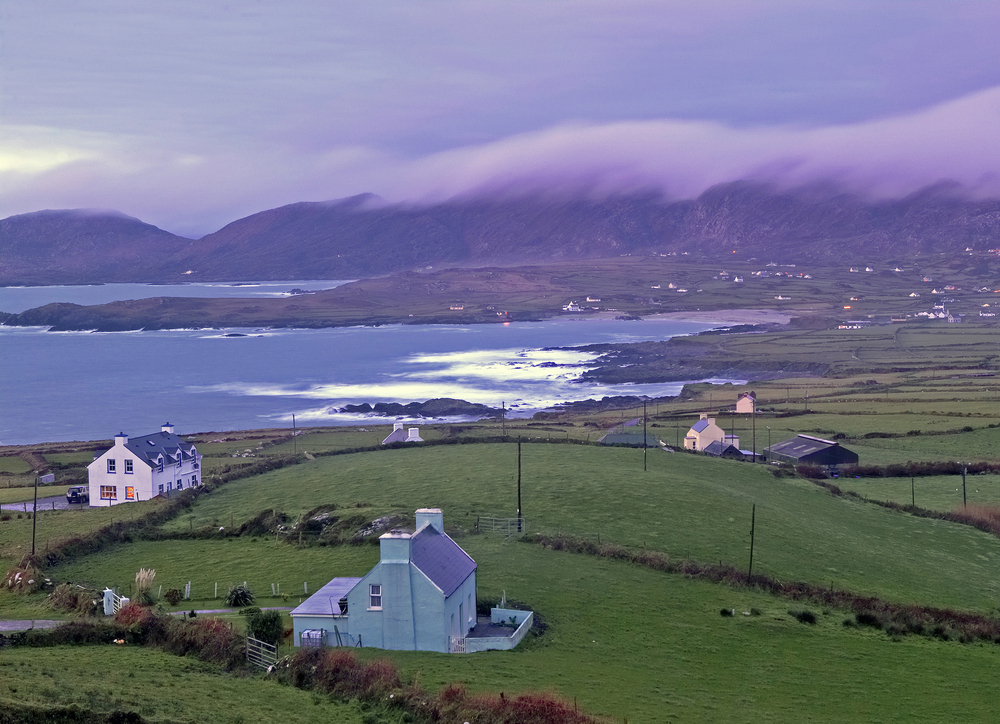
Visitors sometimes assume the Wild Atlantic Way runs through Northern Ireland because it is so often mentioned alongside the Causeway Coast. In fact, the Wild Atlantic Way officially begins at Malin Head on the Inishowen Peninsula in County Donegal, in the Republic of Ireland, and runs 2,500 kilometres south to Kinsale in County Cork. It does not cross into Northern Ireland at all. If you are combining both, the natural route is to finish the Causeway Coastal Route at Derry, cross the border near Muff, and pick up the Wild Atlantic Way from there, a combination I have driven myself more times than I can count.

Hidden Gems Only Locals Tend to Know
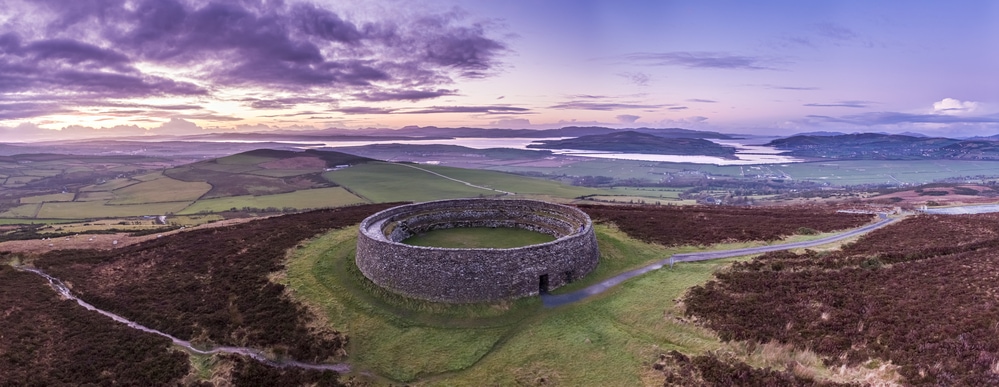
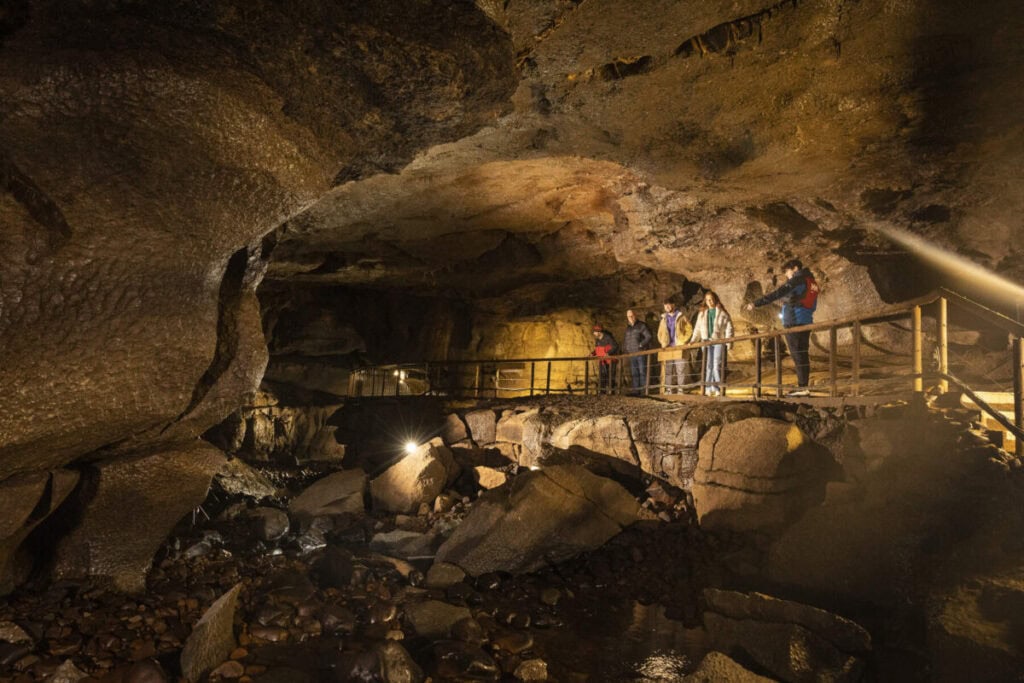
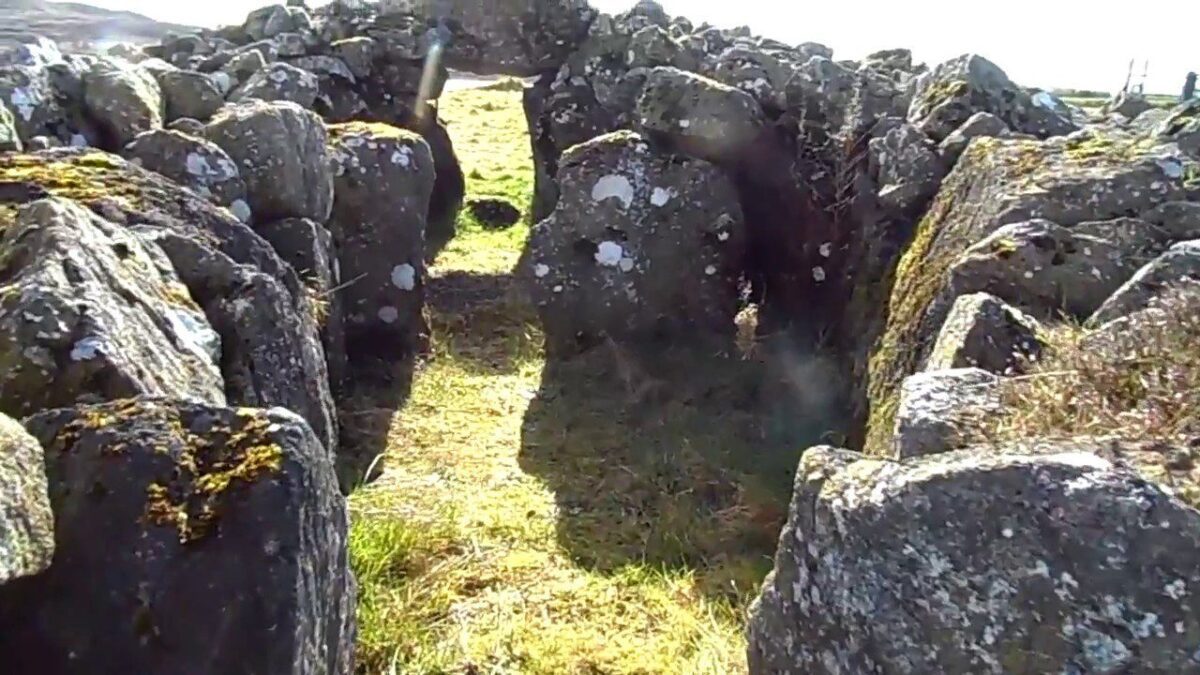
A few places rarely make the big lists, but they are the ones I actually send friends to when they have already ticked off the famous sites. Creggandevesky Court Tomb near Carrickmore is one of Ireland’s finest Neolithic tombs and is almost always empty. Marble Arch Caves, straddling the Fermanagh border, offers an underground boat tour through show caves that rival anything in Europe. Tully Castle, mentioned above, and Boa Island’s Janus Figure both fall into this category too. If you have transport and a spare afternoon, these are worth the detour more than a fourth stop at a famous coastal site.

Things to Do for Kids
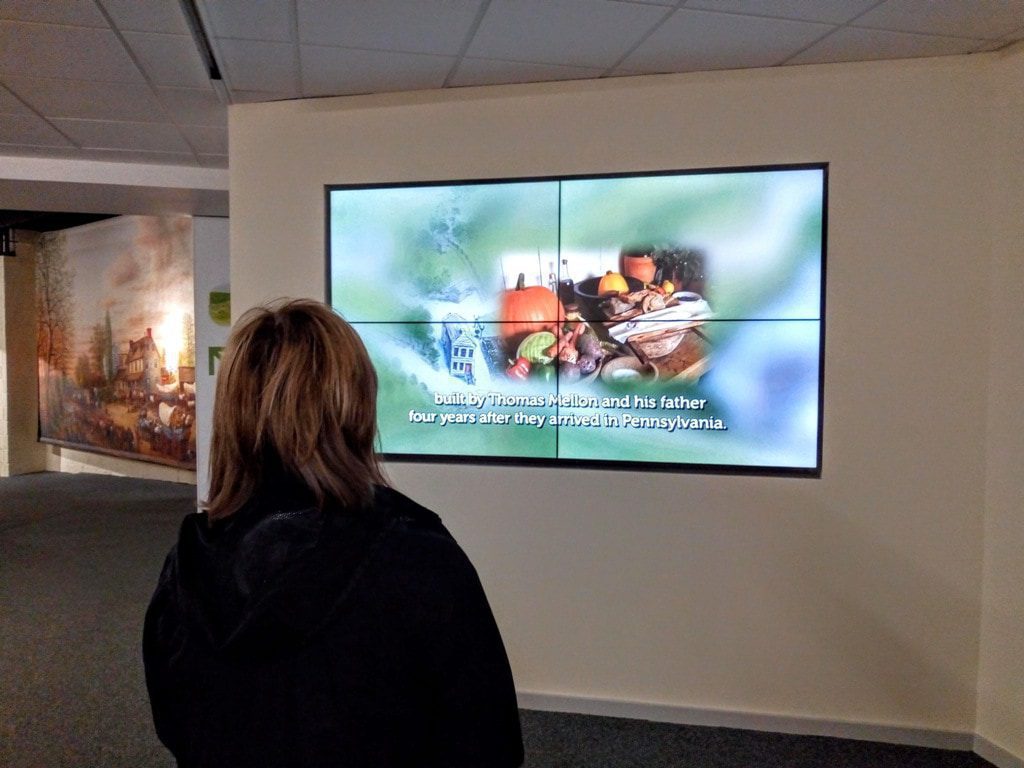
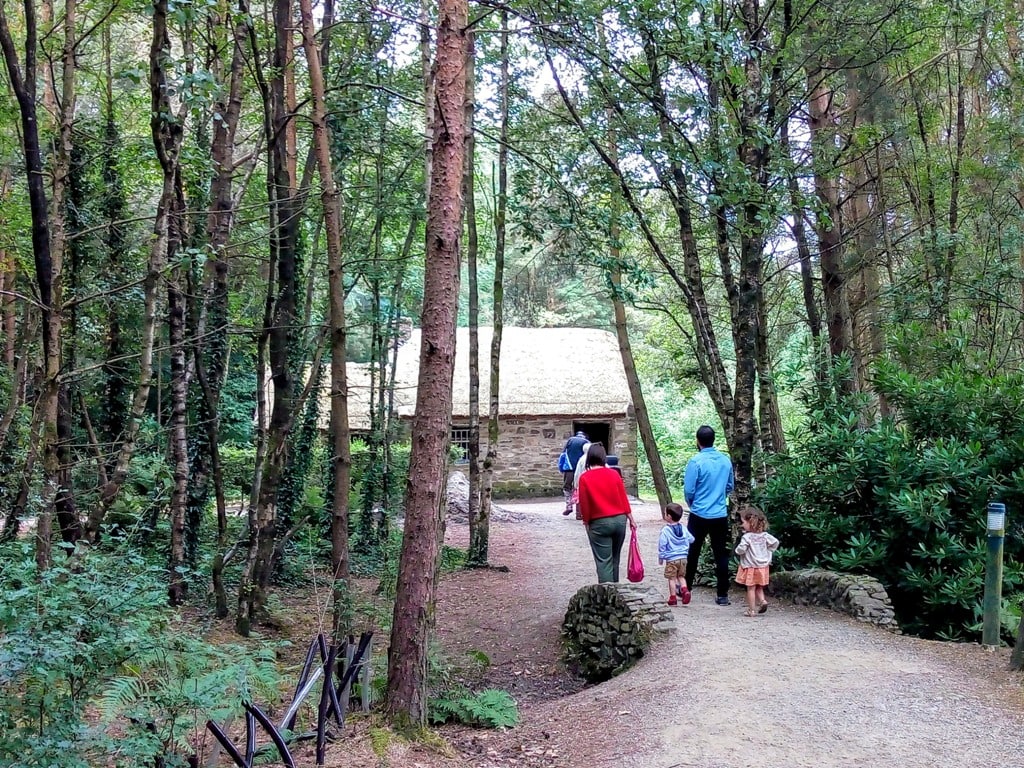
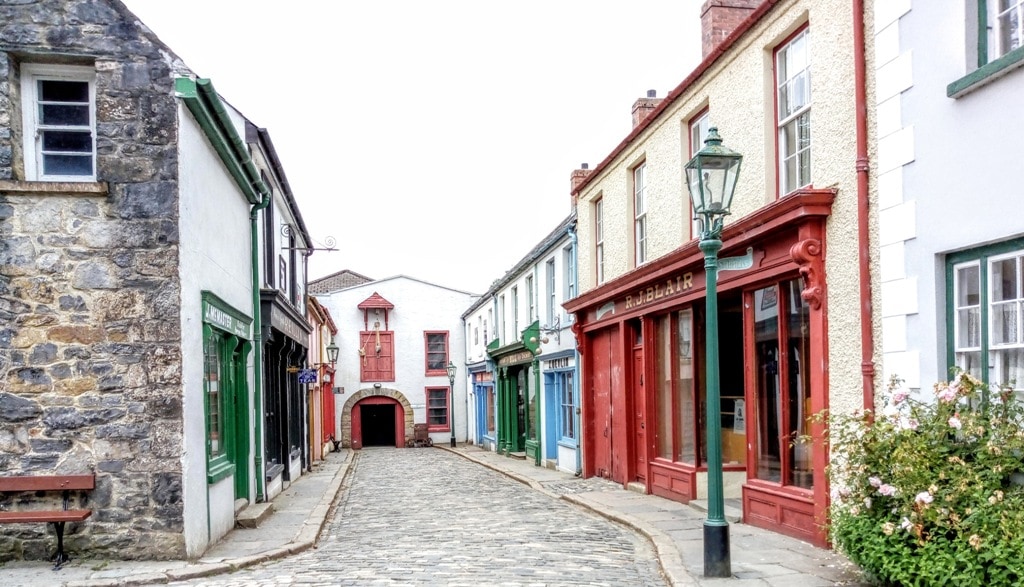
Families are well served here. The Ulster Folk and Transport Museum at Cultra recreates early 20th century Ulster life with costumed guides and hands on craft demonstrations that keep younger children engaged for hours. The Ulster American Folk Park near Omagh includes a full scale recreated emigrant ship that older kids find genuinely gripping.
Rathlin Island’s puffin season and Bert’s Puffin Bus are an easy win with younger children, and the Giant’s Causeway shuttle bus turns a long walk into an adventure rather than a complaint. The Game of Thrones Studio Tour tends to appeal most to children aged eight and up who already know the series or its younger companion content.
Accessibility, Parking and Practical Planning
As someone who travels with mobility considerations myself, I pay close attention to this, and Northern Ireland’s larger attractions have improved significantly in recent years. Titanic Belfast and the Ulster Folk and Transport Museum are fully accessible with level access and loan equipment. The Giant’s Causeway Green Trail and Visitor Centre are wheelchair and pram friendly, with all terrain wheelchairs available to borrow at no extra cost.
Carrick a Rede, Kinbane Castle and Dunluce Castle are the three sites on this list that involve genuine physical challenge, with steps, uneven ground or both. If mobility is a concern, all three still offer a worthwhile view from the car park or the first section of path even if the full route is not possible. Blue Badge parking is available at National Trust sites on a first come basis, and it is worth calling ahead during peak season to confirm space.
Where to Eat and Stay
You will find everything from cosy pubs to fine dining along this route. In Bushmills, The Bushmills Inn combines turf fires with an AA Rosette restaurant and has step free access to its ground floor bar and dining room. In Belfast, The Galley Cafe inside Titanic Belfast covers a quick, accessible lunch, while the Cathedral Quarter has a dense cluster of independent restaurants for an evening out. In the Glens, Mary McBride’s Bar in Cushendun is a genuine local institution for a bowl of stew, though its historic building has limited accessible access, so call ahead if that matters to you.
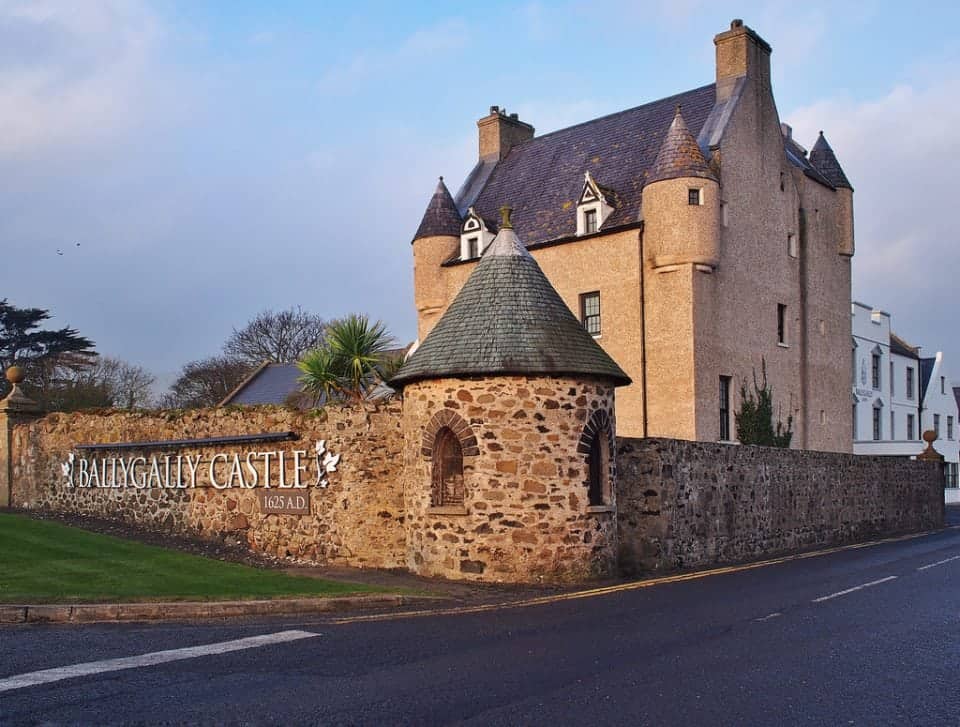
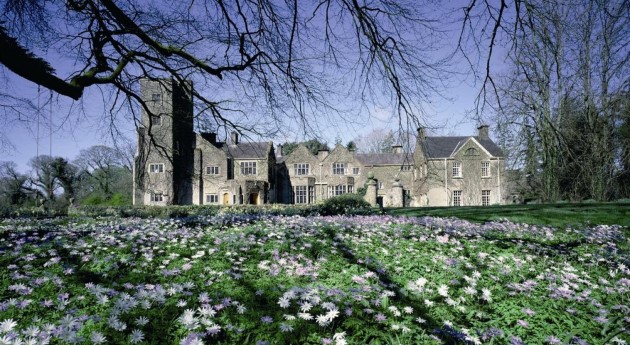
For a castle stay, Ballygally Castle on the Antrim coast offers rooms from around £180 a night with sea views and a resident ghost story, while Belle Isle Castle on Lough Erne, with rates from around £250 a night, suits a longer, quieter stay away from the coast road.
Northern Ireland Tourist Attractions Personal Thoughts
Since the Good Friday Agreement in 1998, Northern Ireland has rebuilt its tourism industry from almost nothing into one of the more compelling destinations in Europe, and the honesty of its storytelling, from ancient legend through to the Troubles with Black Taxi Tours, is part of what makes a visit stay with you. After years of bringing friends and family through these same tourist attractions in Northern Ireland, my consistent advice is to plan two to three major sites a day and leave room for whatever you stumble onto in between. Those unplanned moments, a quiet glen, an empty ruin, a chat with a local in a pub, are usually what people remember longest.

Frequently Asked Questions
What are the top tourist attractions in Northern Ireland? The Giant’s Causeway, Titanic Belfast, Carrick a Rede Rope Bridge, the Derry city walls and the Game of Thrones Studio Tour at Linen Mill Studios are consistently the most visited sites, alongside Old Bushmills Distillery and Dunluce Castle on the Causeway Coast.
Is the Giant’s Causeway free to visit? Walking down to the stones is free thanks to a long standing public right of way. You only pay if you want the Visitor Experience, which includes parking, the exhibition and a guided or audio tour, currently around £14 to £15 for an adult.

How many days do you need to see Northern Ireland’s tourist attractions? A minimum of four days covers Belfast, the Causeway Coast and Derry without rushing. A week allows time for the Glens of Antrim, the Mourne Mountains and the Fermanagh lakelands as well.
Is Northern Ireland safe for tourists? Yes. Northern Ireland has been largely peaceful since the Good Friday Agreement of 1998, and millions of tourists visit every year without incident. As with any destination, it is worth being respectful around sensitive historical sites such as the Bloody Sunday Memorial and the Bogside murals in Derry.

Where are the Game of Thrones filming locations in Northern Ireland? Key sites include Castle Ward as Winterfell, Dunluce Castle as House Greyjoy’s Pyke, the Dark Hedges as the King’s Road, and the Game of Thrones Studio Tour at Linen Mill Studios in Banbridge, which houses original sets and props.
Is the Wild Atlantic Way part of Northern Ireland? No. The Wild Atlantic Way runs entirely within the Republic of Ireland, from Malin Head in County Donegal to Kinsale in County Cork. Visitors often combine it with the Causeway Coastal Route by crossing the border near Derry.

What is the best time of year to visit Northern Ireland’s tourist attractions? April, May, September and October offer milder weather and smaller crowds than July and August, particularly at Game of Thrones sites and the Giant’s Causeway.
Additional Resources
- Tourism Northern Ireland / Discover Northern Ireland
- National Trust Northern Ireland
- Historic Environment Division, Department for Communities
- Titanic Belfast
- Old Bushmills Distillery
Prices and opening hours were checked against official sources in July 2026. Attractions review their pricing seasonally, so please confirm current rates and time slots on the official websites linked above before you travel.
Have you visited any of these Northern Ireland tourist attractions? Share your experience in the comments, or get in touch for personalised itinerary planning. You can also subscribe to the newsletter for honest, slow travel advice on Ireland, the UK and Europe a few times a month, with no spam.
Start Planning Your Trip
👉 Public Transportation in Ireland
👉 Hidden Gems in Ireland – 32 Secret places to visit
👉 Answering all your travel questions about Ireland
👉What to pack for your Ireland trip
👉 Northern Ireland Public Transportation
This guide is part of a wider Accessible Ireland travel series, offering realistic, first-hand advice for limited-mobility travel across Ireland.
➡️Accessible Causeway Coast Route
➡️Accessible Wild Atlantic Way
If you encounter changes (e.g., temporary lift closures or construction), please let me know so I can update this page promptly.
Road trips, slower-paced journeys, family-friendly routes, and culture-led itineraries that reflect different ways of experiencing Northern Ireland. Here are a few articles for you to discover the region.
Explore the Counties of Northern Ireland
Walking the Carrick-a-Rede Rope Bridge
Trying authentic Northern Irish food
Best Northern Ireland tourist Attractions