
Is Donegal Worth Visiting? A Local’s Complete Guide to County Donegal
Yes Donegal is absolutely worth visiting. But whether you will love it depends on what kind of traveler you are.
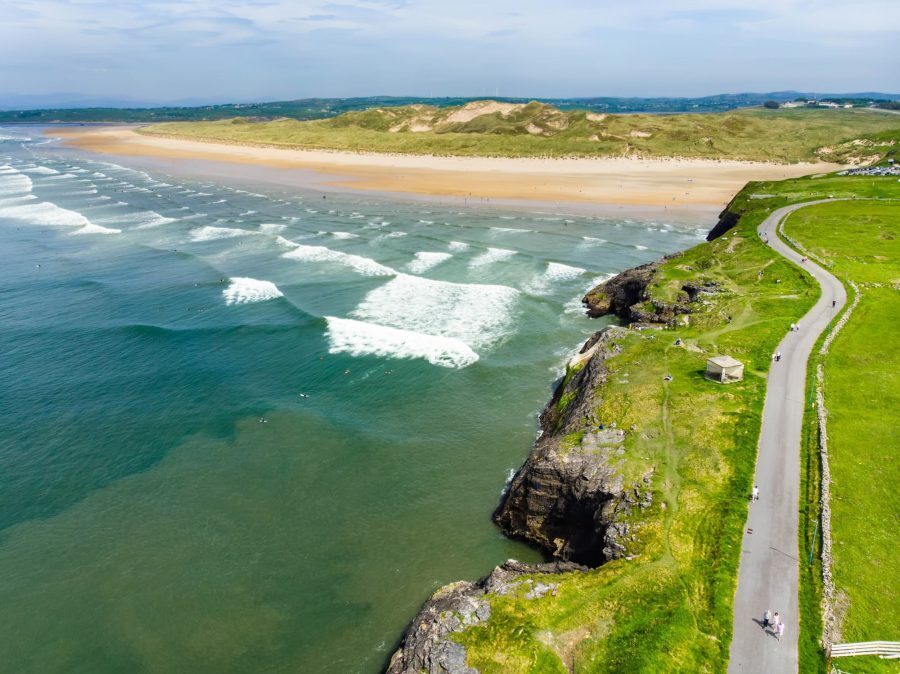
I live in County Donegal and spend my time exploring its coastline, mountains, villages, and back roads across every season. This guide is built from lived experience not a single summer visit, but years of watching how the light shifts across the cliffs, how winter reshapes beaches, and how quickly weather can rewrite a day’s plans.
Donegal is not polished. It is not curated. It is not built around convenience.
It is wild, spacious, deeply local and unforgettable if you approach it the right way.
- Is Donegal Worth Visiting? A Local’s Complete Guide to County Donegal
- What Makes Donegal Different?
- Where to Stay in Donegal (Choosing the Right Base)
- Donegal’s Food & Culture
- Best Time to Visit Donegal
- Is Donegal Expensive?
- Common Mistakes First Time Visitors Make
- How Many Days Do You Need?
- Who Donegal Is Perfect For
- Final Verdict: Is Donegal Worth Visiting?
- Explore More Donegal Guides
This guide covers:
What makes Donegal different from other Irish counties
The best areas to stay (and why base choice matters)
Hidden local gems in each region
Food, culture, and traditions
Costs and practical planning
When to visit
Common mistakes first time visitors make
A realistic 3–7 day structure


What Makes Donegal Different?
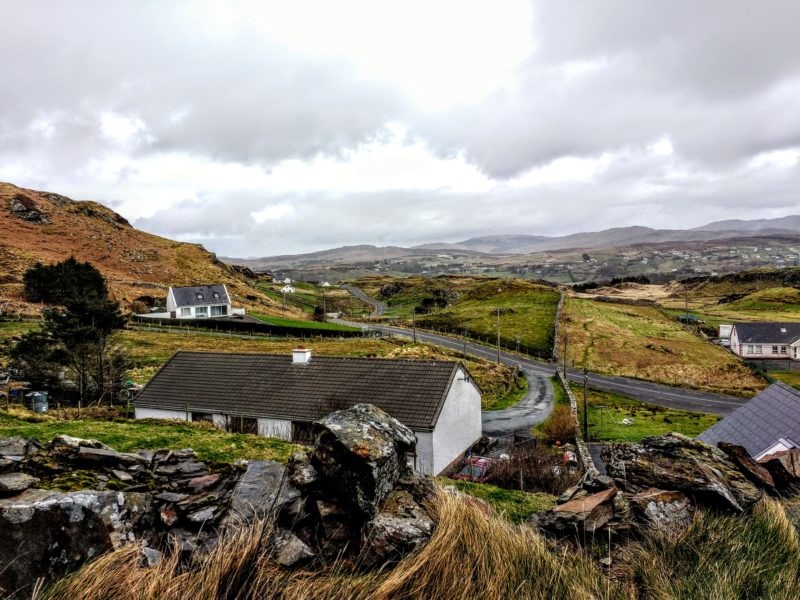
County Donegal sits in Ireland’s far northwest, physically connected to Northern Ireland more than to Dublin. It feels separate geographically and culturally.
You won’t find major cities here. You won’t find big designer shopping streets or dense nightlife districts.
What you will find:
Some of Ireland’s highest sea cliffs

Vast Atlantic beaches with barely another footprint
Mountain ranges with minimal infrastructure
Gaeltacht (Irish speaking) communities
Small fishing harbours landing fresh catch daily
Donegal rewards people who value space, weather, and atmosphere over attractions you “mark off on a bucket list”.
Where to Stay in Donegal (Choosing the Right Base)
Donegal is large. Driving times between regions are longer than first time visitors expect. Your base determines your experience.
Southwest Donegal: Slieve League & Killybegs
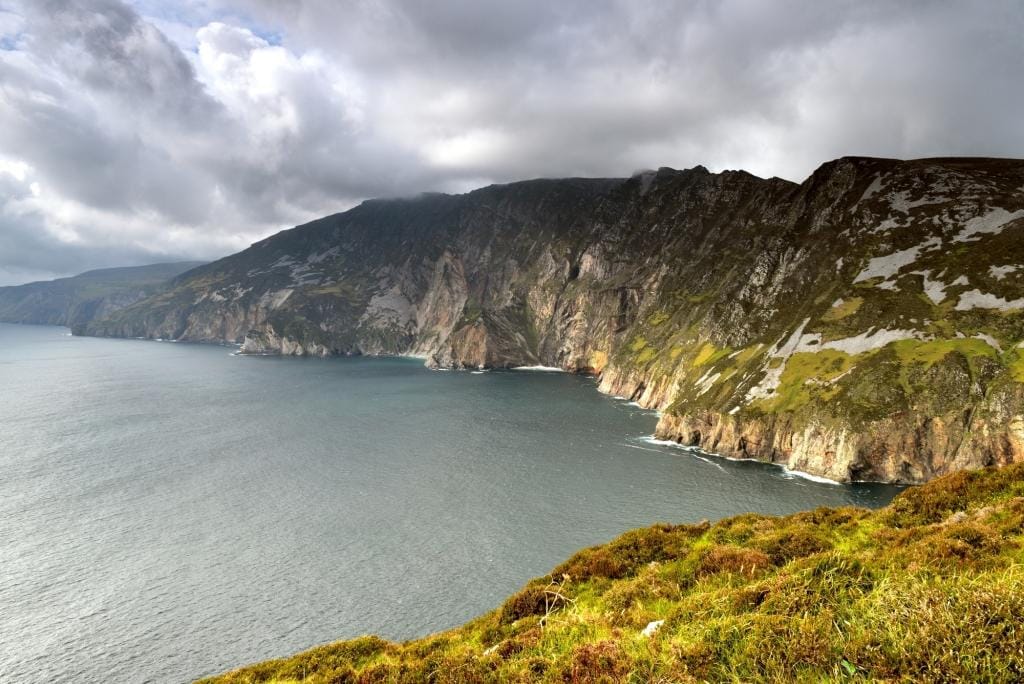
Slieve League are among Europe’s highest sea cliffs and one of Ireland’s most dramatic natural landmarks.
Most visitors park at Bunglass and walk the obvious route. Living here has taught me that the quieter pull ins beyond the main parking area often deliver better light and fewer crowds, especially late in the evening.

Nestled at the mouth of the River Eske on Donegal Bay, Donegal Town serves as an ideal and practical base for exploring the County. Its strategic location positions it as a true “gateway to Ireland’s wild northwest,” anchoring one end of the famous Wild Atlantic Way and providing a natural starting point for any county adventure .


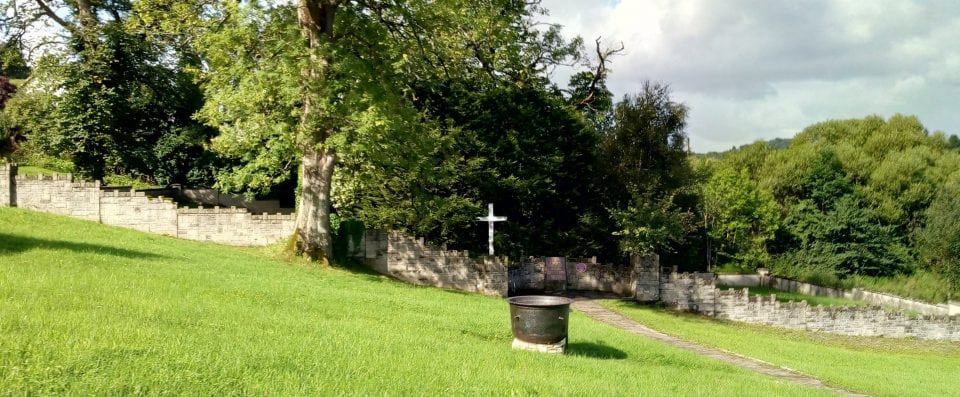
The town itself is compact and walkable, offering a wealth of amenities from cozy pubs and acclaimed restaurants serving fresh local seafood to unique shops like Magee 1866 and Hanna Hats all within a short stroll around the Diamond (Town centre) . More importantly, its central situation means that within a short drive, visitors can reach far-flung destinations; for instance, the dramatic landscapes of Dunlewey and the base of Mount Errigal are approximately an hour away by car, while the scenic drives of the Inishowen Peninsula are also readily accessible.
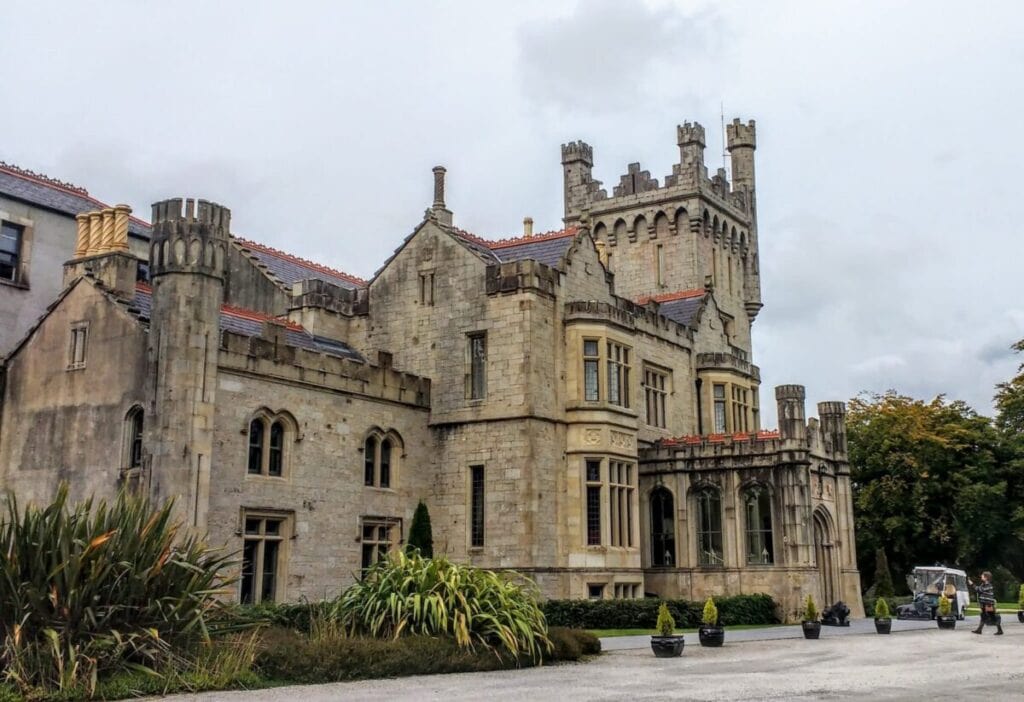
With a range of welcoming accommodations, from B&Bs to luxury castles such as Lough Eske Castle and excellent bus links from the town centre, Donegal Town offers both the charm and the infrastructure needed for a comfortable and well-connected stay, making it effortless to return to its inviting streets each evening after a day of exploration .
Killybegs is also a practical base. As Ireland’s largest fishing port, it consistently serves exceptional seafood. The Fleet Inn and smaller harbor facing pubs often serve fish landed that same morning. For seafood Chowder fans head to the Seafood Shack on the harbour front you won’t be disappointed.


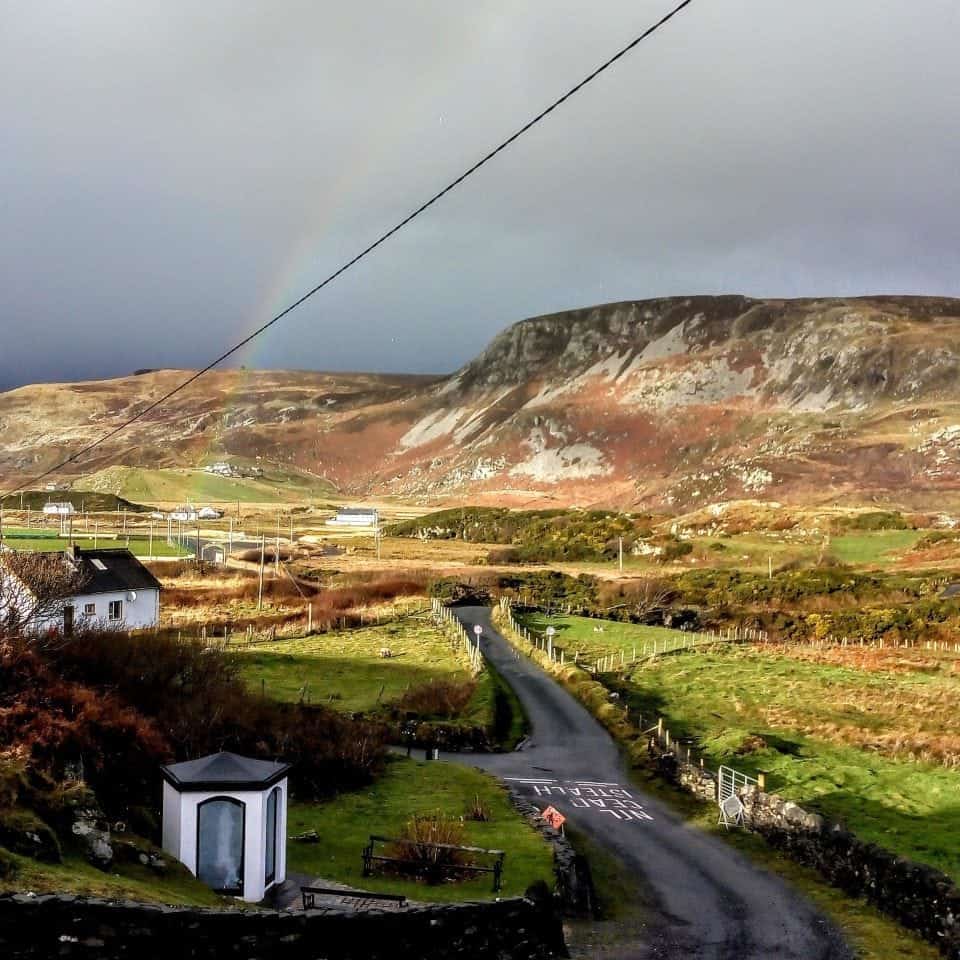
If you want deeper immersion, stay in Teelin or Glencolmcille. The Pilgrim’s Path from Teelin to Slieve League is a challenging hike. Maghera Beach nearby is spectacular at low tide but dangerous if tides are ignored. Stay at the Rusty Mackerel in Teelin and have a few pints of Guinness while listening to some trad music in the bar.
This region suits travelers who want cliffs, seafood, and quieter evenings.


Silver Strand & Malin Beg
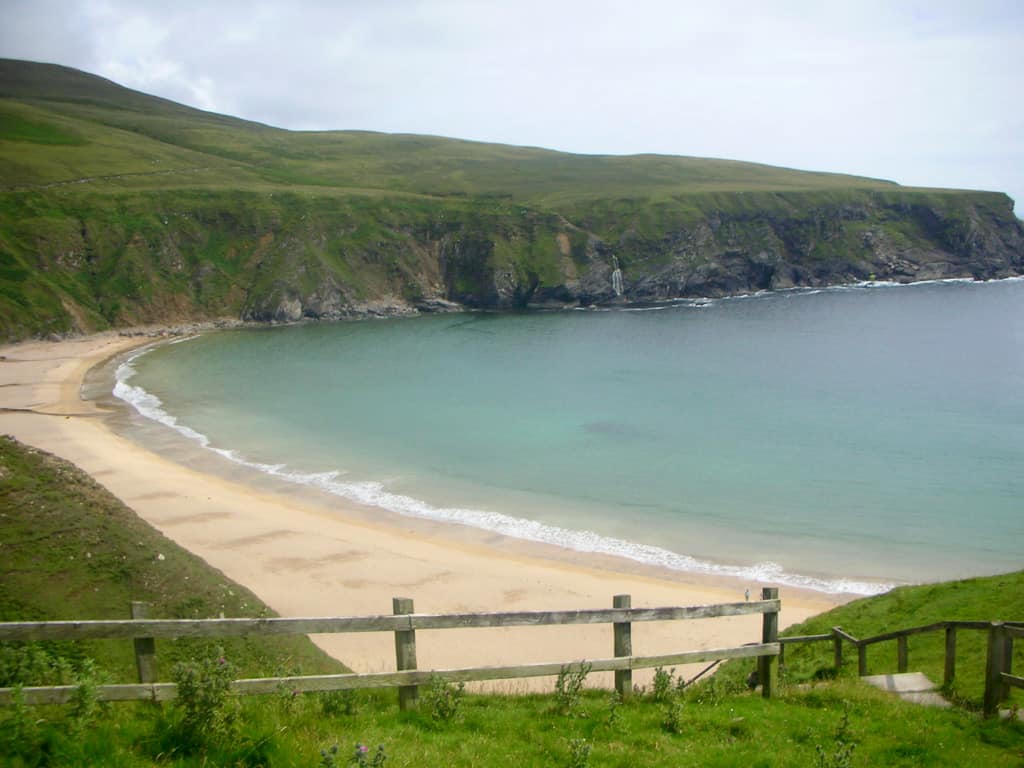
Silver Strand is one of Ireland’s most photogenic beaches, accessed via a steep staircase carved into the cliff.
Silver Strand is best at mid-to-low tide. Wind direction dramatically changes the experience something only repeated visits make obvious.
The headland above Malin Beg pier offers one of the best sunset perspectives in the county something most visitors miss entirely.
Kilcar makes a simple, authentic base. Family run guesthouses here feel more connected to local life than larger hotels elsewhere.

Fanad Peninsula & Lough Swilly
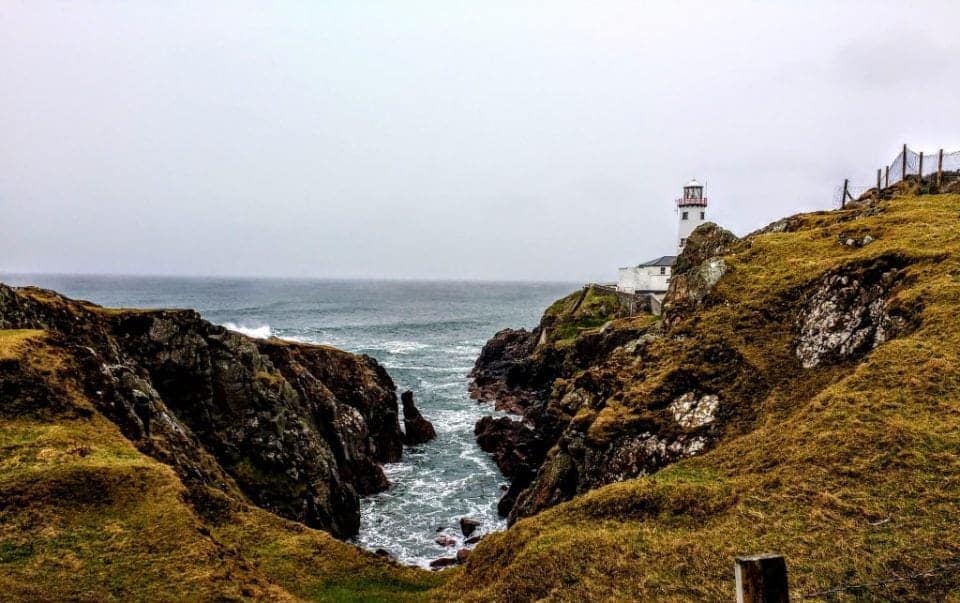
Fanad Head Lighthouse sits dramatically on a rocky promontory and remains one of Donegal’s defining images.
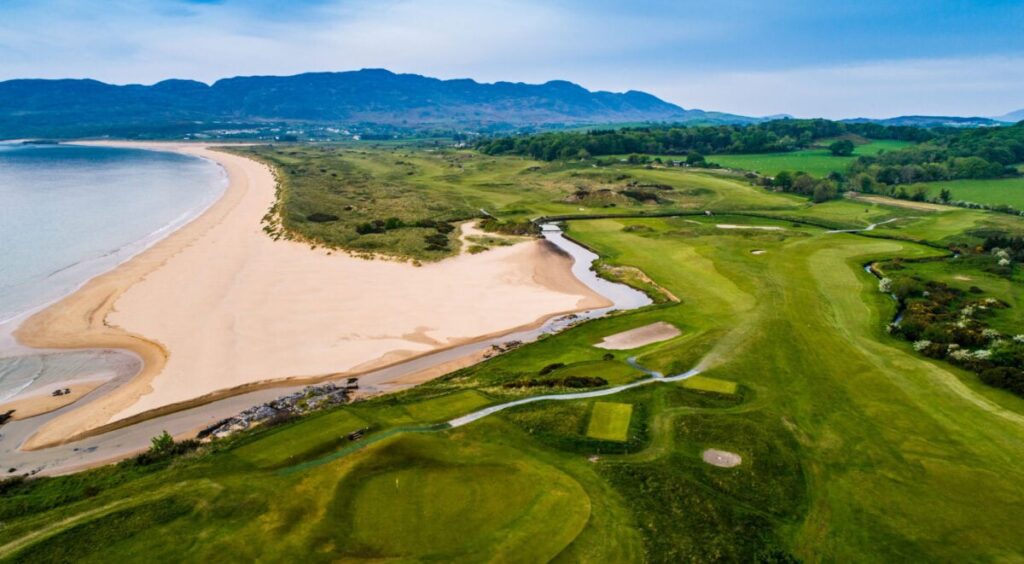
However, the peninsula’s smaller unnamed beaches are often more rewarding than the lighthouse itself.
Rathmullan provides a balanced base with calm Lough swimming, woodland walks, and refined accommodation like Rathmullan House.
Portsalon is wilder, closer to Ballymastocker Bay, and more exposed.
Weather moves quickly here. Fog on the Atlantic side can mean sunshine ten minutes away on the Lough.

Inishowen & Malin Head
Malin Head feels elemental in every season. The otherworldly terrain of Malin Head, Ireland’s most northerly point, was used to depict the planet Ahch-To in Star Wars the hidden refuge of Luke Skywalker. The production’s presence made such an impact that the local pub, Farren’s Bar, painted a giant mural of Yoda on its wall, and the area now offers a Star Wars walking trail for fans to explore the iconic sites .

Banba’s Crown is best at sunset once tour traffic thins. On rare clear winter nights, locals watch aurora forecasts and drive north when conditions align.
Carndonagh offers reliable cafés and bakeries. Buncrana provides more accommodation options and shoreline walks.
This peninsula is ideal if you want expansive horizons and fewer visitors

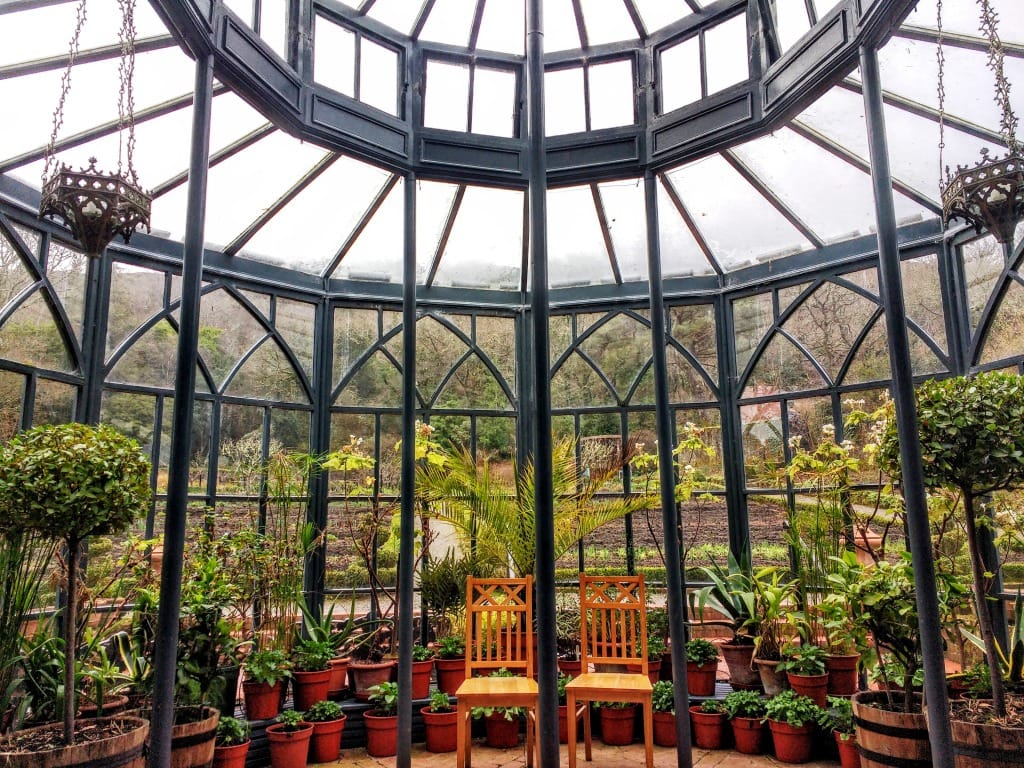
Glenveagh National Park & Mount Errigal
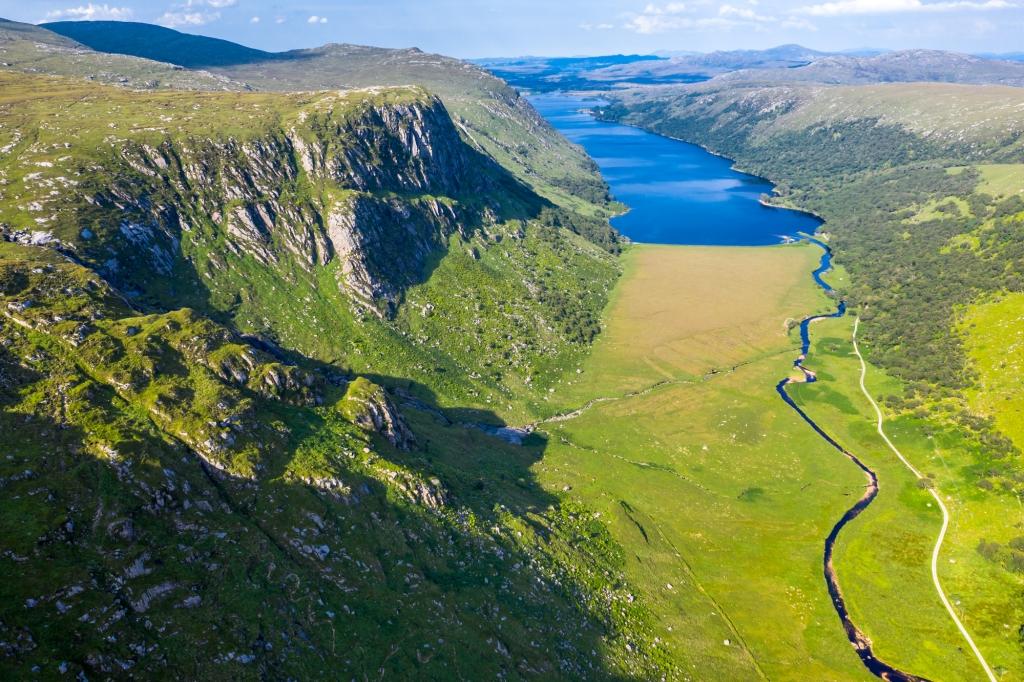
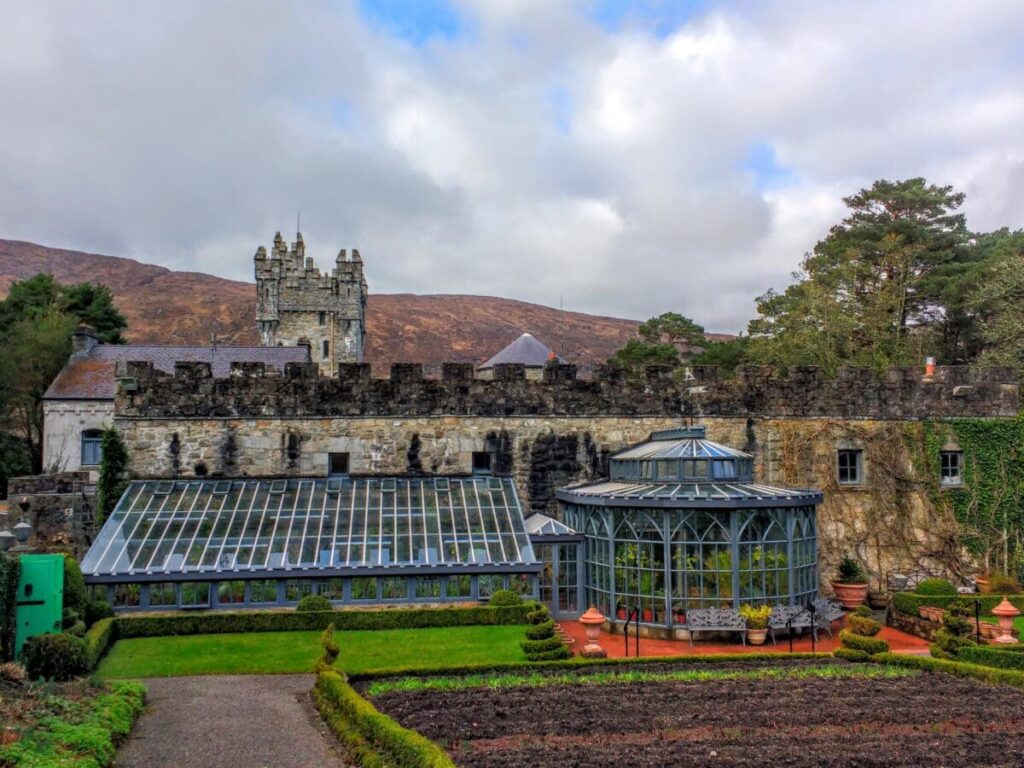
Glenveagh National Park offers castle gardens, moorland, and mountain scenery centered on Lough Veagh.
The main lakeside walk is accessible and scenic, but the quieter outer loops offer real solitude.
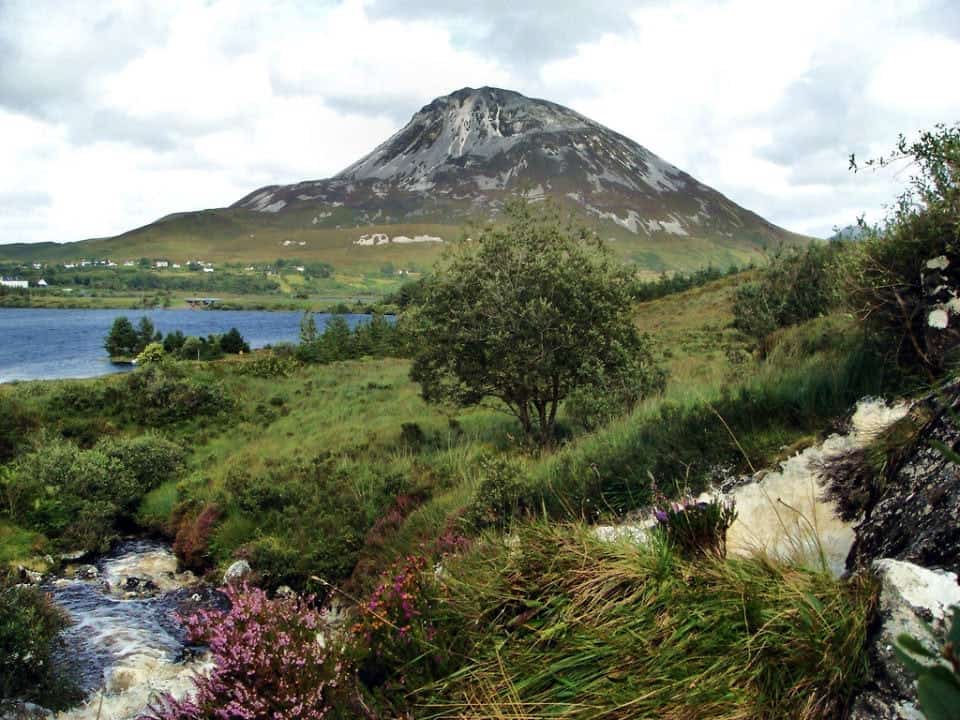
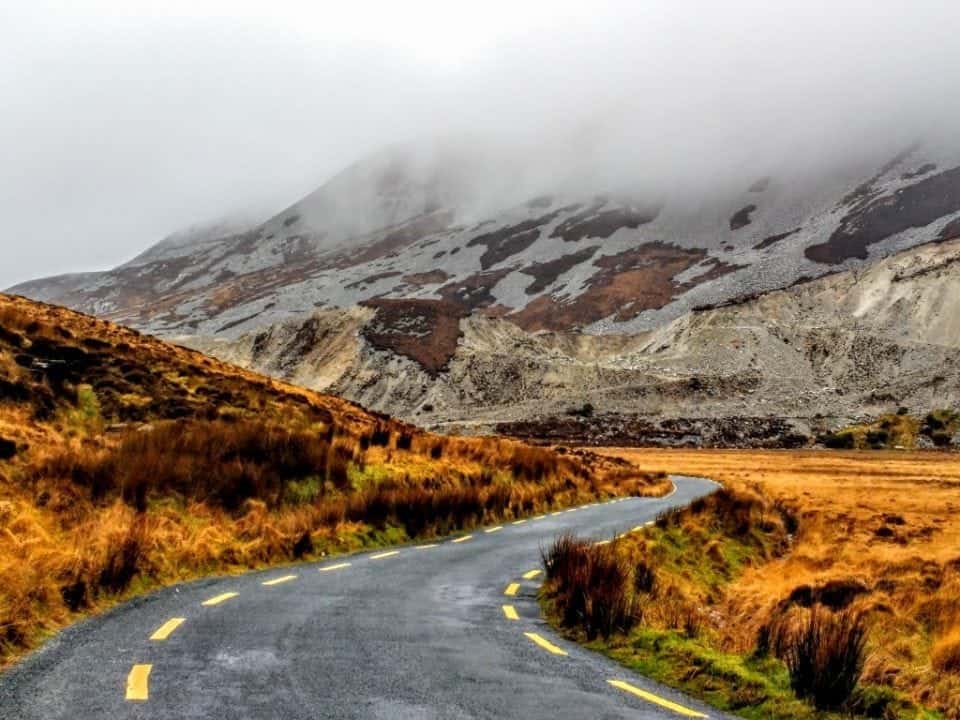
Mount Errigal is Donegal’s most recognizable mountain. Most photos come from the main car park; better sunset views are often found across the Poisoned Glen.
Letterkenny is the most convenient base although I have to say while it has some excellent restaurants there is not a lot to see in town. Churchill offers a quieter alternative.
This region suits hikers and photographers.
Dunfanaghy & Horn Head
Dunfanaghy balances village life with dramatic scenery.
Horn Head is best experienced partly on foot, not just by driving the loop.
Tramore Beach transforms completely with the tide.
Breac.House offers one of the most thoughtfully designed stays in the county, combining modern architecture with Atlantic exposure.


Donegal’s Food & Culture
Seafood is central in coastal towns like Killybegs. Expect simple, well executed dishes built around fresh catch rather than elaborate plating.

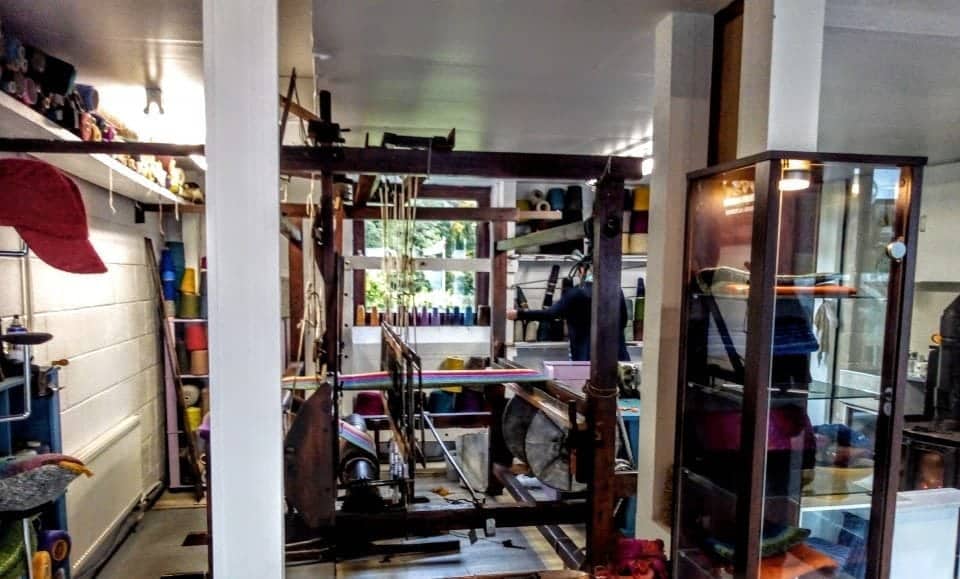
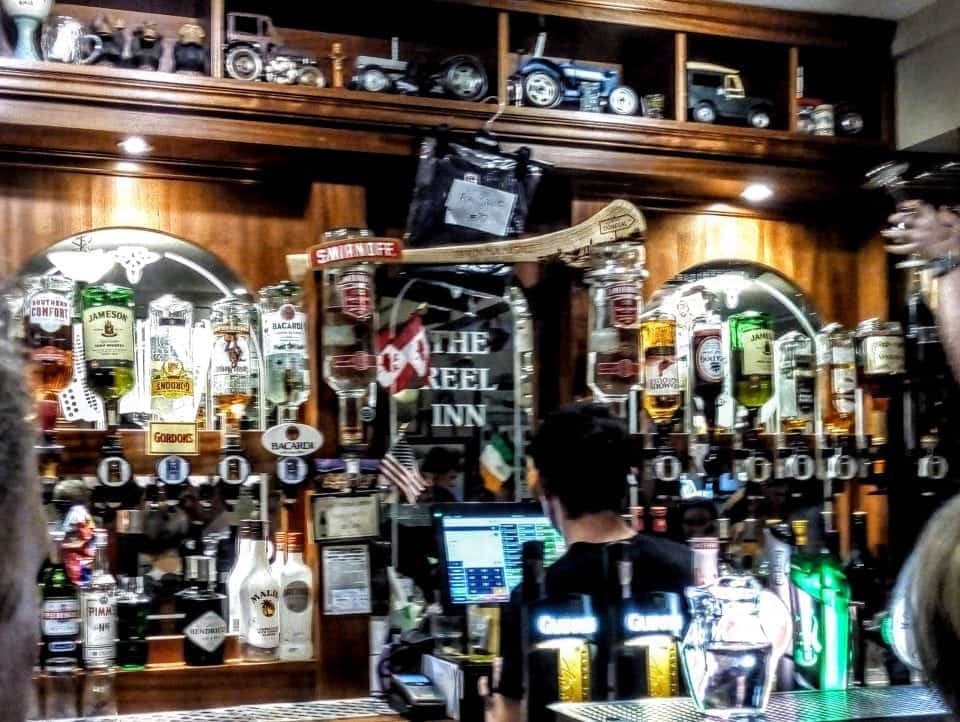
In Ardara, Donegal tweed remains part of living tradition rather than tourist nostalgia. Craft weaving and traditional music continues to define the town’s identity. Experience the heart of Irish music at The Ceili House Bar with live traditional sessions every night during the summer (May-Sept) and on winter weekends, the craic is always mighty. Musicians are always welcome to the open sessions from 9:30pm.
Traditional music sessions feel organic rather than staged. In smaller villages, music emerges naturally rather than being scheduled as entertainment.
The Trad Trail bus operates 6 nights a week (ex Saturday) from May to October, leaving the Tourist Information Offices on the Quay in Donegal Town at 9pm (returning approx midnight), bringing you to the towns of Ardara, Dunkineely and Glenties (depending on what night the session is on) to experience the true, authentic Donegal Traditional Irish Music Session.
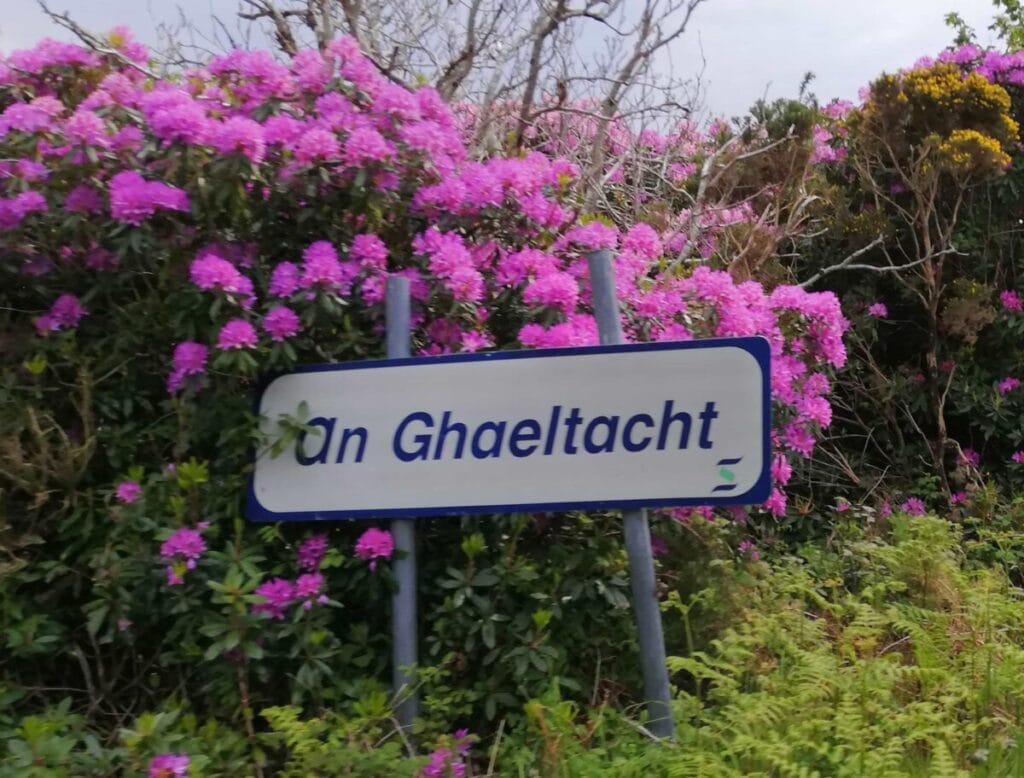
Gaeltacht areas like Gweedore and parts of southwest Donegal still use Irish conversationally.
Best Time to Visit Donegal
May through September offers long daylight hours and better odds of stable weather. April and October are quieter but unpredictable. Winter is stark and dramatic. Atlantic storms reshape beaches. Daylight is limited but powerful. Living here teaches you that no forecast is final.
Is Donegal Expensive?
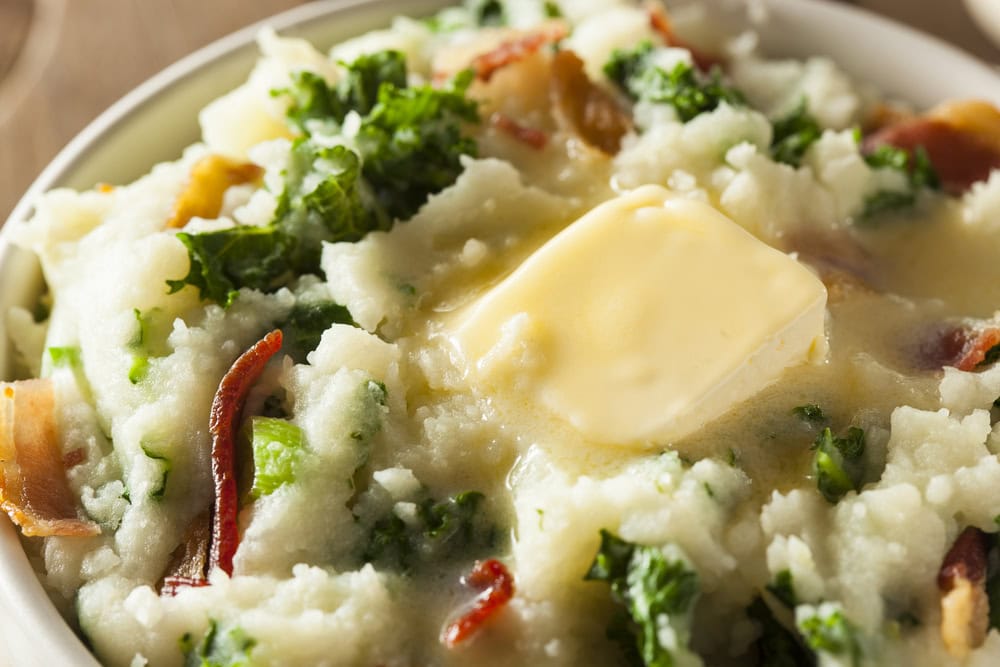
Compared to Kerry or Dublin, Donegal is generally more affordable. Accommodation ranges from modest B&Bs to higher end estate hotels. Fuel costs and driving distances should be factored in. Dining is typically good value, and you will find everything from a full Irish breakfast to some amazing Indian and Mexican dishes alongside traditional Irish food.

Common Mistakes First Time Visitors Make
The biggest mistake is trying to see too much. Donegal looks compact on a map but driving times add up.
Another mistake is ignoring tides and weather. Beaches like Maghera and Silver Strand change completely depending on conditions. If you plan to find the Secret Waterfall be warned the tides can trap you and it is quite a hike down to the area.
Rushing through on a tight schedule often leads to frustration. Donegal rewards flexibility.
How Many Days Do You Need?
Three days allows a focused regional experience.
Five days lets you combine southwest cliffs, Glenveagh, and parts of Inishowen.
Seven days allows for weather pivots and genuine immersion.
Less than three days feels rushed.

Who Donegal Is Perfect For
Donegal is ideal if you value:
- Landscape over nightlife
- Space over spectacle
- Local pubs over curated experiences
- Scenic drives and mountain walks
It may not suit travelers seeking city energy or highly structured attractions.


Final Verdict: Is Donegal Worth Visiting?
Yes deeply so.
But only if you embrace what it is.
Donegal is not about checking off attractions. It’s about adjusting to the wind, watching the tide, following the light, and allowing smaller roads to surprise you.
Living here has shown me that its magic is rarely at the signposted stop. It’s in the quiet harbor at dusk, the cliff you reach when you walk past the obvious viewpoint, the beach that empties entirely as the tide pulls away.
That elemental, unpolished quality is precisely why Donegal is worth your time and why it continues to reveal more each time you return.
Slán go fóill… until next time, may the tides lead you back
Explore More Donegal Guides
If you’re planning a trip around the county, you might also enjoy these guides:
Best time to visit Donegal – A guide to our 4 seasons in one day when visiting
Things to Do in Donegal – The county’s most spectacular landscapes and attractions
Donegal Travel Guide – Tips for exploring Ireland’s wild northwest
Donegal without a Car – Ways to explore Donegal without a car