
The Anti-Tourist’s Guide to Summer in Europe
Let’s be honest: Summer tourism in Europe has become a victim of its own success. Picture the scene: Endless queues at the Louvre, selfie-stick forests at the Trevi Fountain, and overpriced mediocre meals in tourist-trap restaurants. This isn’t the authentic Europe you dreamed of experiencing.

But here’s the truth: While millions of tourists follow the same well-worn paths through Europe’s capitals, locals are quietly enjoying their cities in completely different ways. They’re sipping coffee in hidden piazzas, discovering art in overlooked museums, and dining in restaurants you won’t find in guidebooks.
- The Anti-Tourist's Guide to Summer in Europe
- The New Rules of travelling Europe in summer
- Rule #1: Timing Is Everything
- Rule #2: The Best Views Aren't Where You Think
- Rule #3: Follow the Local Calendar
- Rule #4: Master Local Transportation
- Rule #5: Embrace the Siesta Rhythm
- Rule #6: Choose Your Base Strategically
- Rule #7: Learn the Local Food Schedule
- Rule #8: Master the Art of the Side Trip
- Rule #9: Use the "One for One" Rule
- Major Cities: The Local's Way
- Paris Beyond the Postcard
- Rome's Hidden Rhythms
- Barcelona Through Local Eyes
- London's Hidden Corners
- Amsterdam: A Local's Field Guide
- Berlin's Summer Rhythms
- Vienna's Summer Symphony
- Madrid's Summer Dance
- Lisbon's Light: A Day in the Life
- Athens Like a Local
- Florence Beyond the Centre
- Prague's Quiet Corners
- Venice for Venetians
- Coastal Escapes: Where Locals Find Their Beach Bliss
- Practical Tips for the Anti-Tourist
- A Final Note: The Real Europe Awaits
- The New Rules of travelling Europe in summer
The New Rules of travelling Europe in summer
Rule #1: Timing Is Everything
The typical tourist arrives at attractions at mid-day and eats dinner at 6 PM. Do the opposite. Visit major sites at opening time or just before closing. Eat dinner at 9 PM like a Spaniard or a Roman. The Europe you want to experience exists in these off-hours.
Rule #2: The Best Views Aren’t Where You Think
While tourists crowd the Eiffel Tower observation deck, Parisians enjoy equally stunning views from the hills of Belleville or the rooftop of Le Perchoir. Every major city has these alternative viewpoints – places where locals actually go to appreciate their city.
Rule #3: Follow the Local Calendar
European life revolves around regional festivals, seasonal markets, and local traditions that most tourists never hear about. These events – from neighbourhood festivals in Berlin to small-town festivals in Italy – offer authentic experiences without the tourist crowds.
Rule #4: Master Local Transportation
Learn to use local transportation like the vaporetto in Venice or the tram systems in Lisbon. Not only will you save money, but you’ll also experience the city as residents do.
Rule #5: Embrace the Siesta Rhythm
Tourist guides often warn against afternoon closures as an inconvenience. Instead, use this time like locals do. While tourists wilt in the mid-day heat, duck into small museums that empty out after lunch, or join locals for the cherished tradition of a long, lazy lunch. The real magic of Mediterranean cities happens after 6 PM anyway.
Rule #6: Choose Your Base Strategically
Skip the tourist zones. In Rome, trade Termini for Testaccio. In Barcelona, choose Gràcia over Las Ramblas. In Paris, pick Canal Saint-Martin over the Champs-Élysées. These neighbourhoods offer authentic local life, better restaurants, and quieter streets – plus easy access to major sites.
Rule #7: Learn the Local Food Schedule
Breakfast at 10 AM in Spain, aperitivo at 7 PM in Italy, dinner at 9 PM in Greece. Fighting these rhythms means settling for tourist-oriented restaurants. Following them opens doors to authentic dining experiences where you might be the only non-local.
Rule #8: Master the Art of the Side Trip
While tourists crowd into Venice, locals escape to Chioggia. When Barcelona peaks, Catalans head to Sites. Every major destination has these smaller siblings – places that offer similar charm with a fraction of the crowds. Make these your breathing spaces between major stops.
Rule #9: Use the “One for One” Rule
For every major tourist site, visit one local alternative. See the Colosseum, then explore the Quartiere Coppedè. Visit the Louvre, then check out the Musée Carnavalet. This balance keeps your trip grounded in authentic experiences while still hitting the must-sees.
Major Cities: The Local’s Way
Paris Beyond the Postcard
Instead of fighting crowds at the usual spots, discover Paris like a true Parisian. While tourists flock to the Champs-Élysées, locals start their mornings with leisurely walks along Canal Saint-Martin, coffee in hand from their favourite neighborhood café.

Come weekend afternoons, you’ll find them spreading blankets at Parc des Buttes-Chaumont, far from the manicured lawns of the Tuileries. Art lovers know to visit the intimate galleries of the Marais during midweek, when tourists are packed into the Louvre and Musée d’Orsay.
As evening approaches, the bustling markets of Belleville come alive with locals shopping for dinner, while the hidden jazz clubs of the 13th arrondissement offer nights of authentic Parisian culture.
Rome’s Hidden Rhythms
Dawn: Early risers catch the golden light in Trastevere’s winding streets before the crowds descend. Morning: Local life unfolds in the Jewish Ghetto’s bakeries and cafes. Afternoon: While tourists wilt, Romans disappear into Pigneto’s shaded courtyards. Evening: The city truly awakens as the passeggiata begins in Monteverde Vecchio. Night: Testaccio’s restaurants fill with the sounds of clinking glasses and Roman dialect.

Barcelona Through Local Eyes
Dear Tourist, Forget what you’ve read about Las Ramblas. Let me show you my Barcelona instead. Start your day where I do, among the morning vendors at Sant Antoni market, their voices mixing with the smell of fresh coffee and pan con tomate. When the beach calls, they head to Bogatell instead of cramped Barceloneta, finding space to breathe and swim in peace.
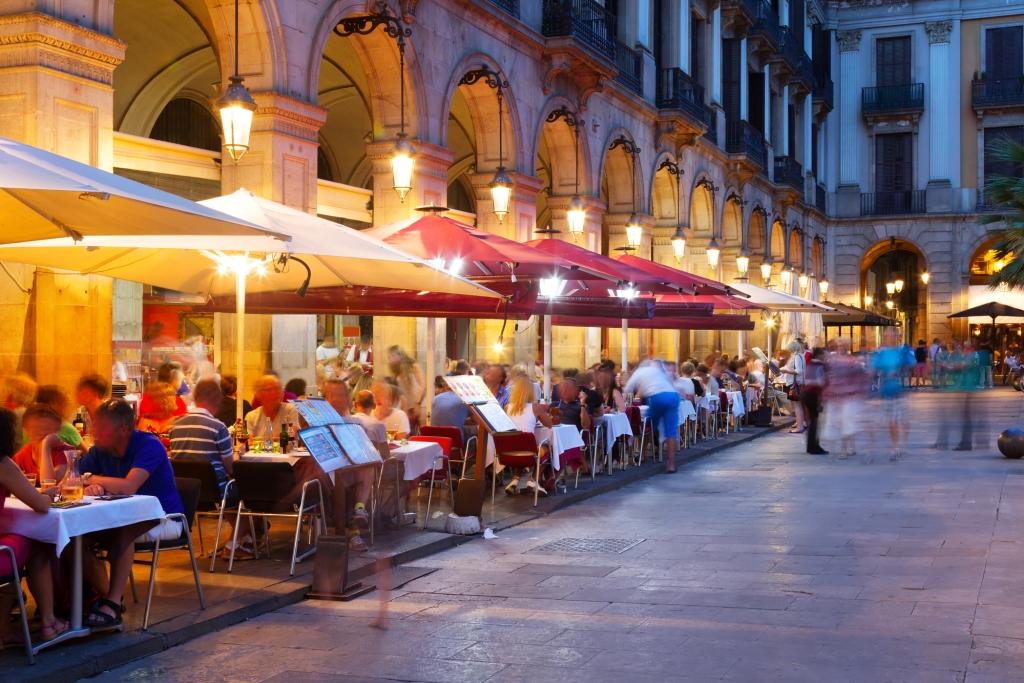
Evenings start with vermouth in Gràcia’s intimate plazas, where neighborhood life unfolds at its own pace. Dinner happens late in the authentic tapas bars of Poble Sec, and weekends might find them escaping to the hiking trails of Collserola, Barcelona’s mountainous backdrop.
London’s Hidden Corners
Maltby Street & Bermondsey
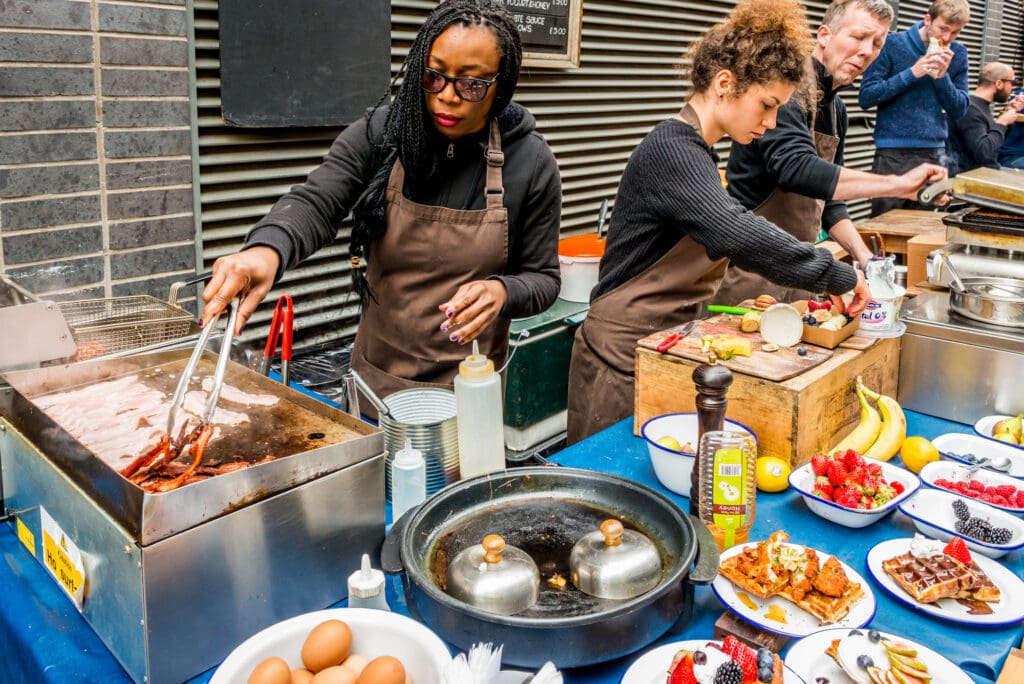
The day begins where artists and food lovers collide. Skip Borough Market’s crowds and join locals at Maltby Street’s railway arches, where coffee roasters and sourdough bakers have been serving the same faces for years. The warehouse galleries nearby hide London’s emerging art scene in plain sight.
Hampstead’s Wild Side
When the heat rises, follow North Londoners to their secret summer retreat. The Heath’s swimming ponds have been cooling locals for centuries – women’s pond regulars have been meeting for morning dips for decades. Picnics happen on Parliament Hill, where the city skyline feels like a distant dream.

Broadway Market
East London’s living room comes alive as the day cools. Local producers who’ve held the same market stalls for generations chat with regulars, while the canal paths fill with residents walking home. Pull up a chair at any pub and watch London’s real theatre unfold.

Walthamstow
When even Broadway Market feels discovered, follow locals further east to ‘Stow Village.’ The William Morris Gallery gardens host impromptu picnics, while Europe’s longest street market stays stubbornly, gloriously local.
Amsterdam: A Local’s Field Guide
In the heart of Amsterdam, De Pijp’s cosy coffee shops and corner cafes serve as the natural habitat for locals seeking a quiet start to their day. For the best people-watching, early mornings in Westerpark offer a serene atmosphere before the tourist crowds arrive.

As temperatures rise, a noticeable migration pattern emerges, with residents shifting from the city centre to the cooler, more relaxed vibes of Noord. Come evening, the waterfront at Hannekes Boom becomes a prime gathering spot, where locals unwind against the backdrop of a stunning sunset.

On weekends, the maritime markets of Oostelijke Eilanden come alive, offering a charming ritual of browsing fresh produce, vintage finds, and artisanal goods—a perfect way to soak in Amsterdam’s vibrant local culture.
Berlin’s Summer Rhythms
While tourists cluster around Checkpoint Charlie’s manufactured history, Berlin’s true summer life unfolds in the leafy corners of Prenzlauer Berg, where morning light filters through chestnut trees onto quiet café terraces. Locals start their days with coffee and fresh pastries in Kollwitzkiez, stretching breakfast conversations well into lunch.

As the heat rises, they abandon the tourist-heavy Tiergarten for the shaded paths of Volkspark Friedrichshain, where generations of Berliners have perfected the art of the afternoon picnic.

The city’s creative pulse beats strongest in Wedding’s gallery spaces, where Berlin’s ever-evolving art scene thrives in converted factories far from the East Side Gallery crowds. Evening brings everyone to Kreuzkölln’s hidden courtyards for impromptu garden parties, while the waterfront at Urbanhafen becomes an unofficial sunset gathering spot, where the only admission price is bringing enough beers to share with newfound friends.
Vienna’s Summer Symphony
The morning movement begins softly in Vienna’s 7th district, where locals have perfected the art of avoiding tourist-packed cafés. While cameras click endlessly at Café Central, Viennese residents slip into their neighbourhood coffeehouses, where the morning paper still arrives pressed between wooden holders and the Melange comes without Instagram-worthy foam art.
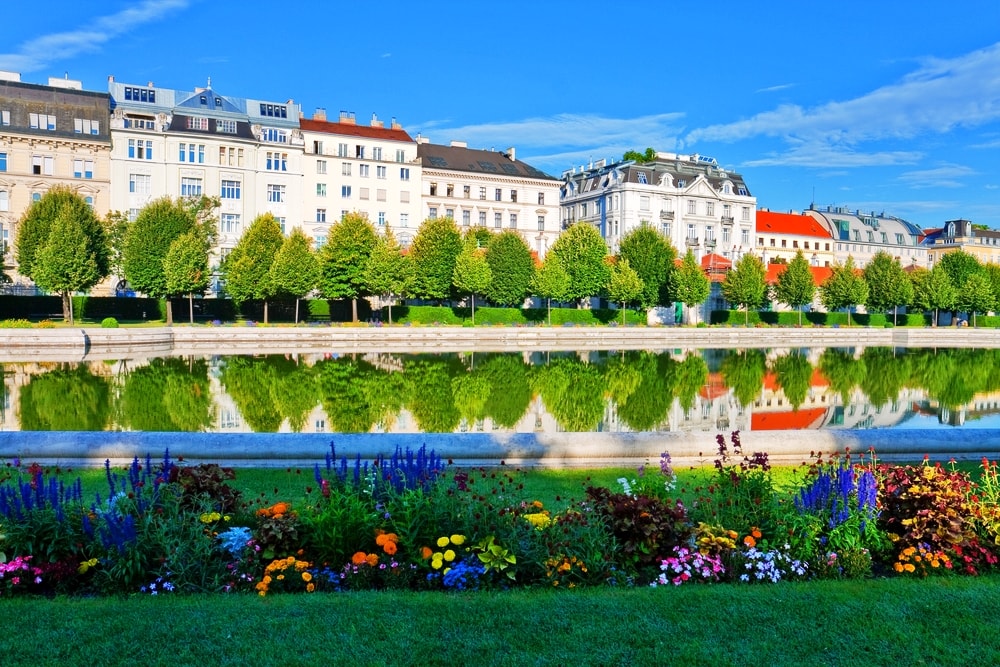
As the heat rises, the city’s rhythm shifts to its afternoon cadenza. Locals ascend to the vine-covered hills of Grinzing, where historic Heurigen (wine taverns) offer shelter and sustenance. These family-run establishments have been serving the same house wines for generations, their wooden tables marked by decades of glasses and conversations.
The evening movement swells from the University quarter, where music drifts through hidden courtyards and mingles with the sound of clinking glasses. While tourists crowd the Naschmarkt, those in the know head to Karmelitermarkt in the 2nd district, where vendors still call out their wares in thick Viennese dialect.
Madrid’s Summer Dance
While tourists swelter in Plaza Mayor, Madrid’s true summer rhythm moves to a different beat entirely. The day begins in Casa de Campo’s hidden corners, where locals have mastered the art of early morning exercise before the sun claims the city. As markets spring to life, those in the know skip the tourist-packed Mercado de San Miguel, instead following old-timers to the neighbourhood stalls of Prosperidad, where vendors greet regulars by name and save the best produce for their faithful customers.
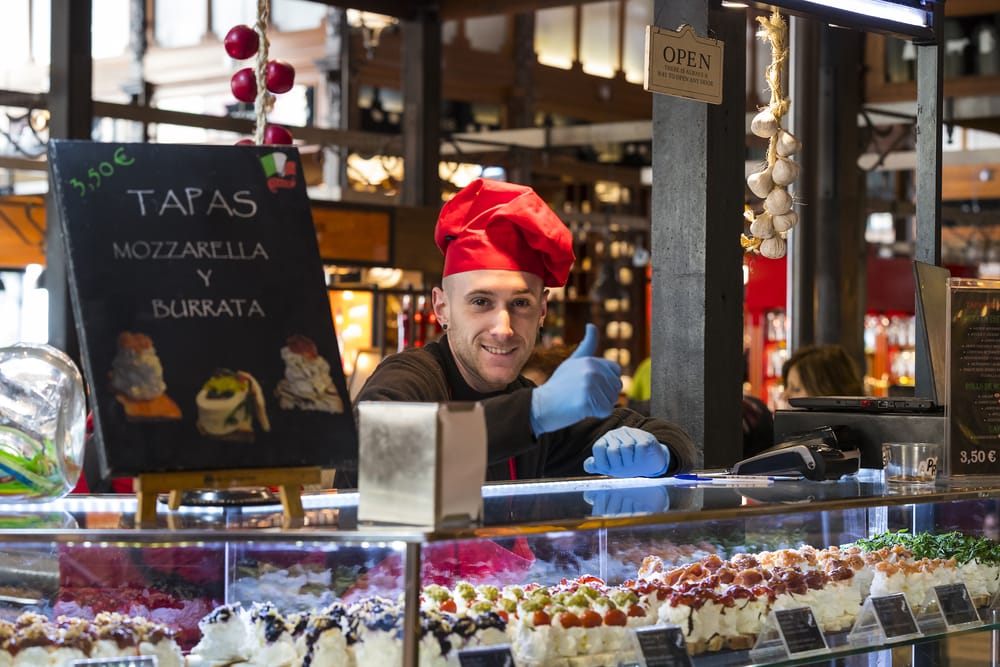
When afternoon heat transforms the centro into a terracotta furnace, Madrileños disappear into the time-worn tabernas of Lavapiés, where decades of conversation have stained the walls as deeply as the wine. As evening’s coolness seeps back into the streets, they emerge to claim their spots and enjoy tapa in the rooftop gardens of Delicias, watching the sky turn from blue to gold to purple.
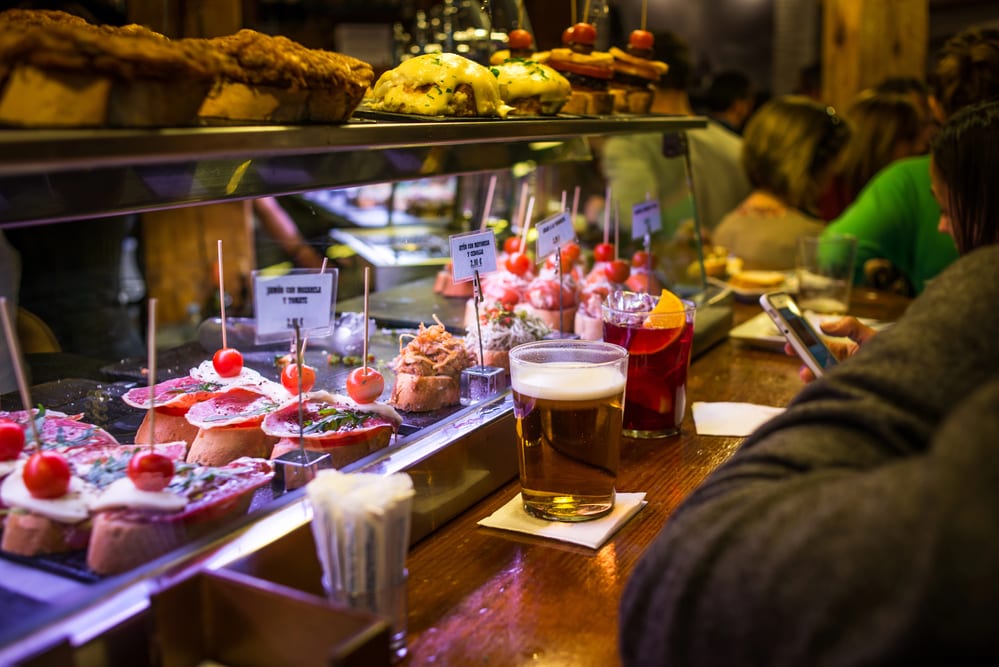
Only at midnight does Madrid truly awaken, as traditional bars in La Latina fill with the sounds of clinking glasses and rapid-fire Spanish, while tourists sleep soundly in their centro hotels, unaware that the real Madrid is just beginning its nightly celebration.
Lisbon’s Light: A Day in the Life
In Lisbon, the day unfolds with the light. While tourists queue at Pastéis de Belém, locals slip into the marble-topped cafes of Campo de Ourique, where morning sun streams through century-old windows onto perfectly burnished pastéis de nata. The regulars don’t need to order – their coffee arrives as they sit, accompanied by knowing smiles and unhurried conversation.

As the heat builds, Lisboetas master the city’s steep terrain their own way, catching the 28E tram at Martim Moniz before the tourist crowds arrive. They know which carriages still have the original wooden seats, and which drivers take the corners with an artful flourish that makes the ride feel like sailing through the city’s narrow streets.
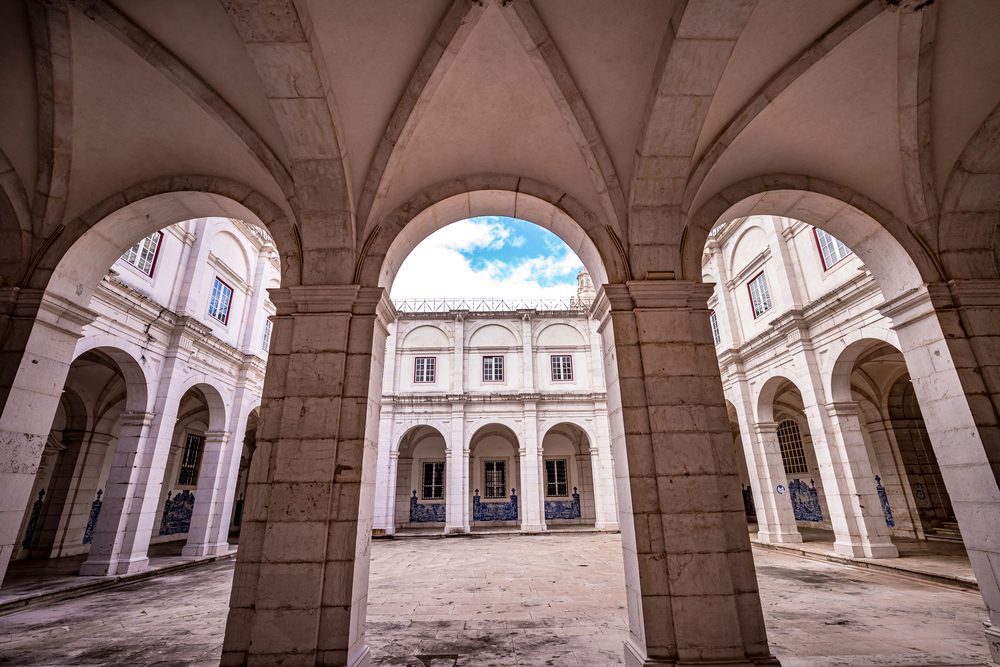
Afternoon brings a different rhythm. While Baixa bakes in the summer sun, locals disappear into the cool cloisters of São Vicente de Fora, where centuries of history provide perfect shelter for long lunches and longer conversations. Some find refuge in the shaded corners of Príncipe Real’s gardens, where kiosks serve cold vinho verde and time slows to a proper Portuguese pace.
As evening’s golden hour approaches, those in the know make their way to the secret miradouros of Graça – not the ones marked on tourist maps, but the hidden viewpoints where residents bring folding chairs and bottles of wine to watch their city turn from gold to purple. Only then does dinner begin, in the family-run tascas of Alcântara, where fado rises spontaneously from corner tables, and the night unfolds in its own sweet time.
Athens Like a Local
Athenians have their own ways of embracing summer in their ancient city. Dawn finds locals climbing the hidden paths of Filopappou Hill, avoiding the tourist crowds at the Acropolis while enjoying equally stunning views.

For breakfast, they gather in the traditional kafeneia of Exarcheia, where political discourse flows as freely as Greek coffee. During the afternoon heat, they seek refuge in the marble-cooled halls of the Benaki Museum’s lesser-known branches, emerging for evening walks in the fragrant National Gardens.

As night falls, they ascend to the rooftop bars of Koukaki, where the illuminated Parthenon provides a backdrop to conversations that stretch until dawn.
Florence Beyond the Centre
Florentines escape the tourist crush with centuries of practiced ease. Their mornings begin in the artisan workshops of the Oltrarno, where craft traditions continue behind unmarked doors. When the heat rises, they retreat to the elevated gardens of Villa Bardini, leaving the crowded Boboli Gardens to visitors. Lunch might find them in the family-run trattorias of Sant’Ambrogio, while afternoon gelato happens at small-batch makers in San Frediano. Evening aperitivo unfolds in the hidden courtyards of San Niccolò, where Renaissance palazzos host informal gatherings far from the tourist zones.

Prague’s Quiet Corners
While tourists crowd Charles Bridge, Prague residents create their own summer rhythms. Morning coffee happens in the art nouveau cafes of Vinohrady, far from the Old Town crowds. When heat shimners off the cobblestones, locals retreat to the beer gardens hidden in Riegrovy Sady, where castle views come without the tourist prices. Afternoon culture unfolds in the modernist villas of Dejvice, while evening brings them to the riverside parks of Karlín, where community events and food festivals create a village atmosphere in the heart of the city.

Venice for Venetians
True Venetians know their city is more than San Marco. Their days begin with brioche and espresso in the neighbourhood bacari of Cannaregio, where morning light plays on quiet canals. When cruise ship passengers and day trippers flood the centre, they escape to the gardens hidden behind monastery walls on Giudecca.

Lunch means cicchetti in the local bars of Via Garibaldi, while afternoon brings them to the artisan workshops of Dorsoduro. Evening aperitivo unfolds in the campo of San Giacomo dell’Orio, where children play and neighbours gather far from the tourist crowds.
Coastal Escapes: Where Locals Find Their Beach Bliss
The Italian Riviera’s Hidden Coves
While tourists flock to the famous Cinque Terre villages, Ligurians have their own coastal sanctuaries. The pristine beaches of Bergeggi offer crystal waters without the crowds, while the medieval town of Noli combines history with perfect swimming spots.

Local families spend weekends in Baia dei Saraceni near Varigotti, where limestone cliffs cradle secret coves. For evening entertainment, they gather in the elegant seaside town of Camogli, where waterfront restaurants serve the day’s catch away from tourist prices.
Croatia’s Island Secrets
Forget Hvar and Dubrovnik in summer. Croatians escape to Vis, where military restrictions preserved the island from mass tourism. They spend mornings in the fishing village of Komiža, afternoons swimming in Stiniva Cove, and evenings sampling local wines in family-run konobas. The car-free island of Silba offers another peaceful refuge, where locals while away summer days on pine-fringed beaches and nights under stars unpolluted by city lights.

Greece’s Alternative Archipelago
While cruise ships descend on Santorini, Greeks find solitude in the Lesser Cyclades. The tiny island of Iraklia offers empty beaches and crystal waters, while Donousa’s hiking trails lead to secluded coves accessible only by foot. On Koufonisia, locals start their days at Pori Beach, moving to hidden coves as the day progresses. Evening entertainment means fresh fish at family tavernas where recipes haven’t changed in generations.
Spain’s Wild Coast
Catalans bypass crowded Costa Brava resorts for the rugged Cap de Creus peninsula, where Salvador Dalí found inspiration. They spend mornings hiking to hidden coves like Cala Tamariua, afternoons swimming in the crystal waters of Cala Montjoi, and evenings in the authentic fishing village of El Port de la Selva. Further north, the protected coves of Cap de Creus Natural Park offer solitude even in peak season.

France’s Secret Riviera
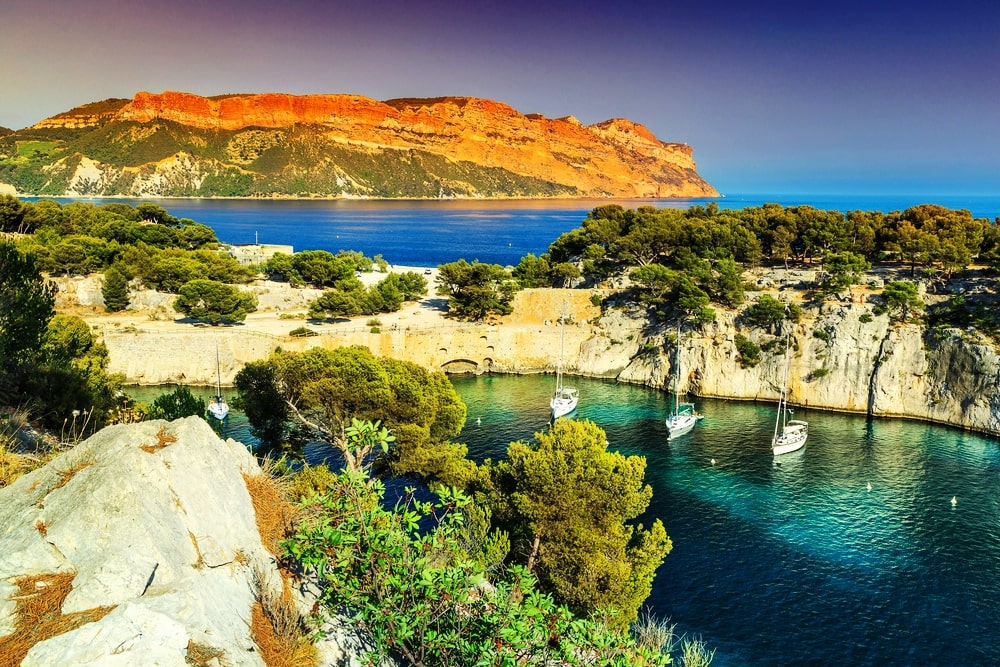
While tourists jam the beaches of Saint-Tropez, French locals head to the Calanques between Marseille and Cassis. These limestone coves, accessible only by boat or hiking trail, offer Caribbean-blue waters without the Côte d’Azur crowds. The small port of Les Goudes provides an authentic alternative to tourist harbors, while evening drinks happen in the fishing village of Callelongue, where time seems to stand still.
Portugal’s Wild Atlantic
While tourists crowd the Algarve, Portuguese locals head north to Costa Vicentina. This dramatic stretch of Atlantic coastline offers pristine beaches like Praia da Arrifana, where surfers catch morning waves before the wind picks up. The fishing village of Porto Covo provides an authentic base, with its whitewashed houses and family-run seafood restaurants. Further north, the protected shoreline of Comporta offers miles of unspoiled beach backed by rice paddies and pine forests, where Lisbon’s creative class escapes the city heat.

Sicily’s Hidden Shores
Sicilians bypass tourist-heavy Taormina for the quieter Aeolian Islands. On Salina, they spend mornings in the sleepy port of Rinella, afternoons swimming in crystal waters off Pollara beach, and evenings sampling Malvasia wine in hillside villages. The tiny island of Filicudi offers even more solitude, with ancient mule paths leading to secret swimming spots and evening meals in fishermen’s homes turned casual restaurants.

The Secret Greek Islands
Greeks themselves favour the lesser-known Northeastern Aegean islands. Ikaria, where locals famously live longer than almost anywhere else in Europe, offers thermal springs and uncrowded beaches like Seychelles Beach. On Lemnos, ancient volcanic landscapes cradle secret coves, while evenings mean fresh fish and local wine in the port town of Myrina, where tourism hasn’t changed the rhythm of local life.

Practical Tips for the Anti-Tourist
Think of these tips not as rules, but as keys to unlocking a different kind of European summer. After years of both making mistakes and stumbling upon magical moments, here’s what I’ve learned about experiencing Europe like a local:
The Art of Timing
I once made the classic mistake of visiting Rome in August, when the city feels like a beautiful but overcrowded sauna. Now I know better. The sweet spots are late May to mid-June, when jasmine perfumes the air and locals still outnumber tourists, or early September, when grape harvests begin and the light turns golden.
Moving Like a Local
Do what I learned in Amsterdam: download the local transport app, buy a week pass, and suddenly you’re part of the city’s daily rhythm. In Barcelona, I discovered that a T-Casual ticket offers ten rides for the price of about four tourist trips. In Venice, I found that route 13 of the vaporetto offers the same Grand Canal views as the tourist routes, but with actual Venetians commuting to work.

Living in Local Neighbourhoods
My best experiences have come from staying in residential areas. In Rome, trading a hotel near Termini for an apartment in Testaccio changed everything. Instead of tourist menus, I found myself buying vegetables from the same vendor every morning, who eventually started choosing my tomatoes for me. In Paris, staying in the 11th meant morning croissants from a bakery where the same customers arrived at the same time every day, each with their own quick conversation with the baker.

The Language of Respect
You don’t need to be fluent, but learning a few key phrases opens doors. I’ll never forget the smile of an elderly Portuguese woman when I managed to order my coffee in broken Portuguese – she proceeded to tell me about a tiny beach that became my favourite spot in Lagos. Even mastering “Good morning” and “Thank you” in the local language changes the entire tone of your interactions.

Smart Money Moves
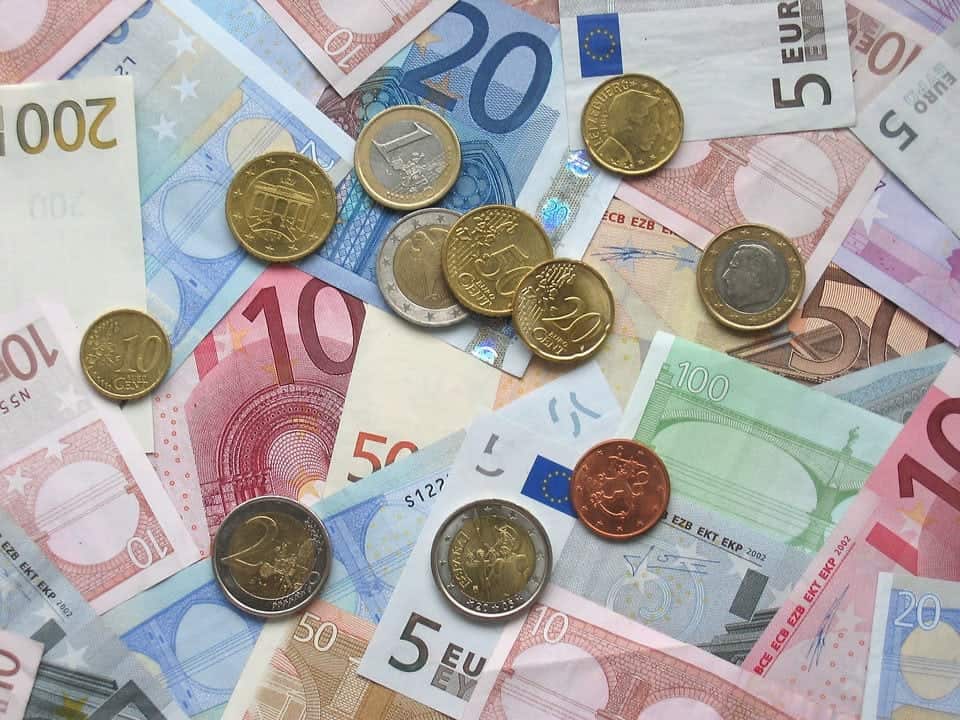
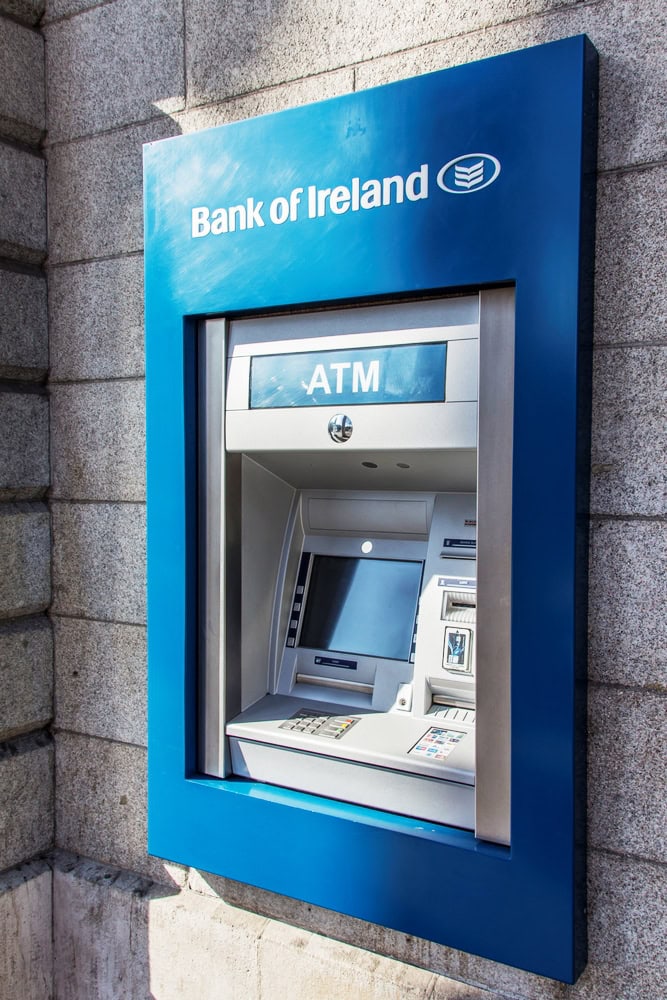
I learned the hard way about tourist-trap ATMs in Barcelona that charged €15 per withdrawal. Now I know to use bank ATMs, carry a credit card without foreign transaction fees, and keep cash for small shops and markets. In Greece, I discovered that knowing typical local prices helps avoid tourist mark-ups – that €5 coffee might cost €1.50 two streets away.
Smart Money Moves
I learned the hard way about tourist-trap ATMs in Barcelona that charged €15 per withdrawal. Now I know to use bank ATMs, carry a credit card without foreign transaction fees, and keep cash for small shops and markets. In Greece, I discovered that knowing typical local prices helps avoid tourist mark-ups – that €5 coffee might cost €1.50 two streets away.
The Art of Local Markets & Food
The best advice an Italian grandmother ever gave me was to shop where the old ladies shop. It took me years of mistakes to truly understand what she meant. Now, when I arrive in a new European city, I look for the market that opens before the tourists wake up.

In Paris’s Marché d’Aligre, I learned that 7 AM on a Tuesday is when local chefs quietly pick the best produce. In Barcelona’s Santa Caterina, I discovered that following the nuns who shop for their convents leads you to the freshest fish and the crispest vegetables.
But it’s not just about when to shop – it’s about learning the rhythm of local food culture. I’ve learned to spot authentic restaurants not by their TripAdvisor stickers, but by their handwritten daily menus and the sight of solo elderly diners who’ve been coming there for decades. The best meals I’ve had in Europe have always been in places where I was the only non-local, where the menu was incomprehensible but the waiter’s smile told me everything I needed to know about what to order.

Essential Digital Tools
My phone has become my secret weapon for living like a local. After countless mishaps with tourist apps, I’ve built my European survival kit: Citymapper for navigating like a resident (it knows bus shortcuts that Google Maps hasn’t heard of), Too Good To Go for finding local bakeries and their off-hours deals, and city-specific apps that locals actually use – Moovit in Rome, DB Navigator in Berlin. I keep a folder of transport apps that have saved me countless times when the tourist options failed.
Packing Like a Local
My suitcase has evolved from “obvious tourist” to “could be from anywhere.” Gone are the bright colours and comfort-first choices that screamed “Canadian abroad.” Now I pack like I’m moving in: neutral colours that work in European cities, one nice outfit for unexpected invitations to local events, and shoes that can handle cobblestones without marking me as a tourist. I’ve learned that a proper shopping bag and a small umbrella are worth their weight in gold.

Before You Go
The month before my trip has become sacred preparation time, but not in the way guidebooks suggest. Instead of booking tours, I join local Facebook groups and neighbourhood forums. Rather than memorizing museum hours, I learn basic phrases that show respect for local culture. I research neighbourhood markets near my accommodation and save offline maps of places locals love. Most importantly, I study the rhythm of my destination – when locals eat, how they spend their Sundays, which festivals might close down entire neighbourhoods. This knowledge has opened more doors than any guidebook ever could.
A Final Note: The Real Europe Awaits
After a decade of summers spent getting lost in European backstreets, making countless mistakes, and slowly learning to see beyond the guidebook highlights, I’ve come to understand something essential: The Europe that captures our imagination isn’t found in the tourist hotspots – it lives in the quiet moments between them.

These moments can’t be scheduled or booked online. They happen when we dare to step away from the tried-and-true tourist paths, when we make the effort to learn a few words in the local language, when we’re willing to get a little lost and trust that something wonderful might be waiting around the next corner.
The real magic of European summer travel isn’t about checking off famous sites or capturing perfect Instagram moments. It’s about finding your own quiet corner of this ancient continent, about discovering how locals have perfected the art of enjoying their cities and landscapes, and about learning to move through these spaces not as a visitor, but as a temporary resident of somewhere extraordinary.

So put down the tourist map. Close the guidebook. Look up from your phone. The authentic Europe is still there, hiding in plain sight, waiting for those willing to slow down and see it through local eyes.
After all, the best stories from your European summer won’t be about the time you saw the Mona Lisa through a forest of selfie sticks. They’ll be about the morning you found yourself sharing coffee and life stories with a Florentine artist in their studio, or the afternoon you discovered your favourite beach because you missed a bus stop and decided to explore anyway.
That’s the real Europe. And it’s still there, just waiting to be discovered by those willing to travel differently.
This is one part of the full Europe Travel Resource Guide see also How to Pay in Europe and the Europe Travel Documents Checklist. Continue planning your trip with check Travel Scams in Europe for more on protecting your money while travelling. Other resources include Best Travel Apps for Europe and Do you need a voltage converter in Europe. Don’t forget to read up on Essential carry-on guidelines in Europe. Last but not least Budgeting your European Travel.
check out these European Travel Guides