
European Cities for Art and Culture: Ballet, Opera, Music and Architecture
I grew up at the barre. My grandparents loved opera and classical music; my mother and grandmother ran ballet schools in England, Ireland and Wales they followed the Royal Ballet School curriculum. My childhood was fifth positions and plies, sewing elastics onto shoes, and napping in theatre seats during dress rehearsals, and sewing many a tutu.
As a mature traveller I don’t go to “do culture.” I want to experience all the beauty of that European city – I don’t go to shop I want to experience the art that made that city great, so I focus on cultural events, historic buildings and festivals of dance, and music so I focus on slow travel.

I go to visit buildings and stages that shaped the art I learned at home. This is a guide to the cities where ballet, opera, music, and architecture feel alive—told from the point of view of someone who lived and breathed dance for years.
Europe gives you too many good choices. If you try to see everything, you won’t feel anything. I’ve wasted an entire day running between big-name sights only to remember nothing but sore feet. What works is simple: pick a few themes, plan a daily rhythm, and mix famous houses with smaller rooms where you can see the work up close. This guide puts stages and rehearsal rooms at the center and then uses museums and architecture to fill the days around shows and performances.
- European Cities for Art and Culture: Ballet, Opera, Music and Architecture
- Cities, stages, and what to look for in European Cities for Art and Culture
- Paris: Where ballet sits inside a palace
- London: Where the Royal Ballet teaches musicality
- Vienna: Where the ear rules the body
- Milan: Where standards are the show
- Berlin: Where experiments get a stage
- Florence: Where technique began
- Barcelona: Where line becomes play
- Madrid: Where paintings talk back
- Prague: Where theaters feel close
- Budapest: Where tradition carries weight
- How to plan a trip that feels like practice, not a checklist
- Sample circuits built around the stage
- Practical add-ons
Cities, stages, and what to look for in European Cities for Art and Culture
Paris: Where ballet sits inside a palace
Ballet and opera: The Paris Opera Ballet at Palais Garnier is the reason many of us fell in love with ballet on DVD or streaming. Even if you see a performance at Opéra Bastille, go stand inside Garnier’s grand staircase and imagine the shoes that climbed it.
I you want to view the Palais in all its balletic splendor look for the TV series Étoile (2023). It is about two elite ballet companies—one in New York City and one in Paris—that swap their top stars for a year in an ambitious attempt to revitalize their institutions and boost ticket sales

Music: The Philharmonie de Paris is clean, bright, and sounds honest. For a more intimate fix, look for chamber concerts at the Théâtre des Champs-Élysées.
Art and architecture: The Musée d’Orsay is my reset button—one floor, one period, then out. Walk the Haussmann boulevards and notice how the city makes room for entrances and exits. It’s choreography in stone.

London: Where the Royal Ballet teaches musicality
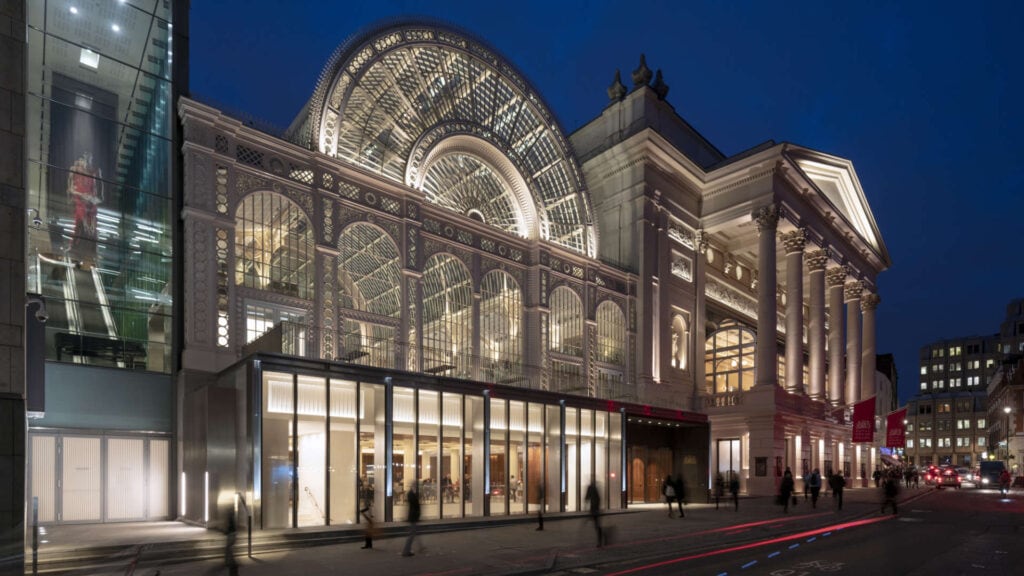
Ballet and opera: The Royal Opera House is home base for the Royal Ballet and the Royal Opera in Covent Garden. Book a matinée and an evening to feel the house change character. If there’s a company class or backstage tour, take it—you’ll learn more from one hour of class than a stack of program notes.

Music: Wigmore Hall is where you hear how breath carries a phrase. The Proms at the Royal Albert Hall are a good way to stand close to sound without spending much.
Art and architecture: National Gallery in the morning, Tate Modern in the afternoon—old craft, new ideas. Walk across the Millennium Bridge to understand how London stages contrasts.
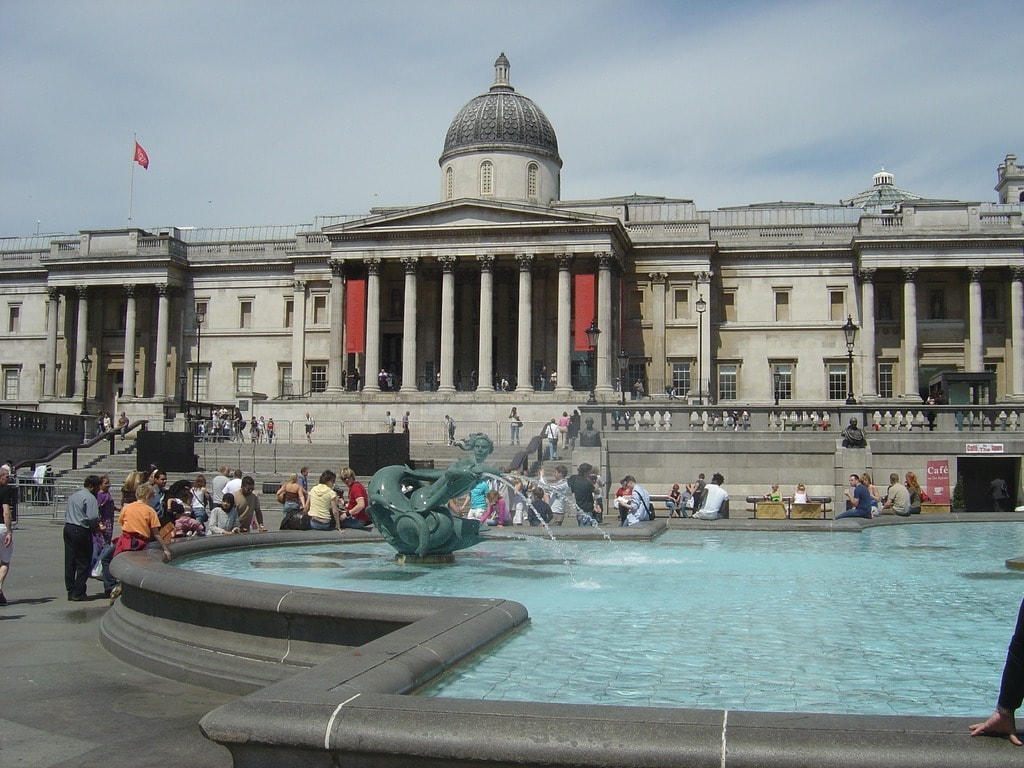
If you know a little about ballet Sir Frederick Ashton is celebrated for developing the distinct “English style” of ballet, which is taught as the Royal Ballet standard. Ashton created over 100 ballets, with some of his most famous works including Cinderella.
Vienna: Where the ear rules the body
Ballet and opera: Vienna State Ballet shares the Staatsoper; it’s a great house to watch corps work—lines, spacing, the discipline that makes the leads look effortless.

Music: The Musikverein is a lesson in how a room can sing. If you’ve only heard a symphony on recordings, this will change your sense of volume and blend. The Konzerthaus gives you range and often more adventurous programming.
Art and architecture: See Klimt’s Beethoven Frieze at the Secession and then listen to Beethoven that night; the conversation becomes obvious. Walk the Ringstrasse to see how the city presents its institutions like a set.

Personal note: My grandfather played vinyl of the Vienna Philharmonic all the time. The first time I sat in the Golden Hall, the sound matched the memory.
Milan: Where standards are the show
Ballet and opera: La Scala Ballet and La Scala Opera trade the spotlight in a house that treats precision as love. Watch how the audience listens—Milan holds artists to a line.

Music: Smaller venues like LaVerdi (Auditorium di Milano) are useful when La Scala is sold out.
Art and architecture: The Duomo’s forest of spires teaches verticality. Brera is where I go to revel in the Bohemian aesthetic.
Berlin: Where experiments get a stage
Ballet and opera: Staatsballett Berlin dances across venues. Seek a mixed program to see range. For opera, the Komische Oper often takes risks; the Staatsoper is polish.
Music: The Berlin Philharmonie is a masterclass in audience–orchestra intimacy. Any seat works; vineyard seating is kinder to budgets.

Art and architecture: Museum Island gives you context; the city’s postwar buildings teach you how to look at repair without romance. Rather like the Japanese wabi-sabi and kinsugi celebrating the beauty of the imperfect.
Florence: Where technique began
Ballet and opera: Not a ballet capital, but Maggio Musicale’s opera and symphonic offerings are strong.
Art and architecture: The Uffizi is about problem-solving—perspective, light, anatomy.

Barcelona: Where line becomes play
Ballet and opera: The Gran Teatre del Liceu hosts visiting ballet and strong opera seasons. Look for touring companies or local contemporary dance at Mercat de les Flors.
Music: Palau de la Música Catalana is a small miracle. Book anything to be in that room.
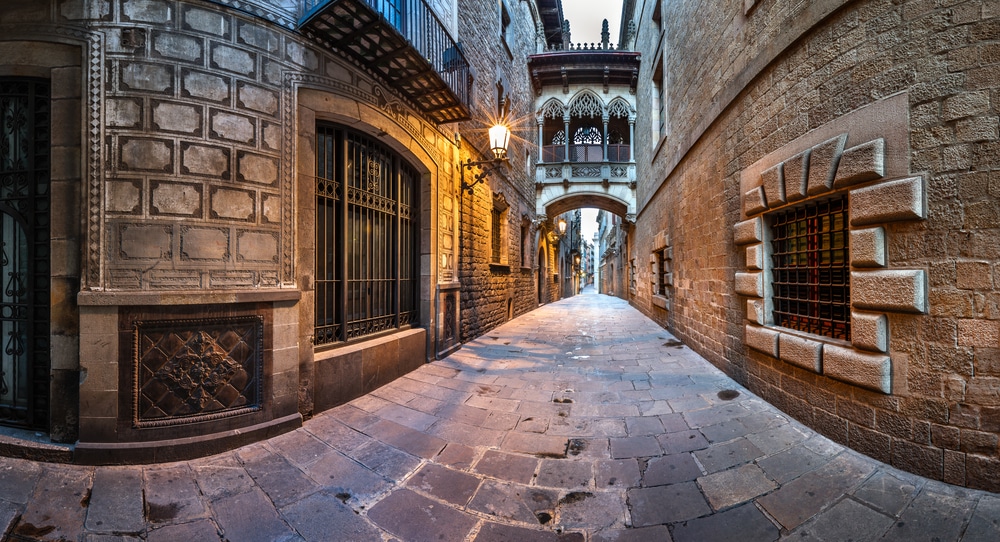
Art and architecture: Gaudí’s buildings show you that structure can be soft. Walk the Eixample medieval neighbourhood and admire how much of the architecture remains.

Madrid: Where paintings talk back
Ballet and opera: Teatro Real brings in first-rate ballet companies and runs a serious opera program. Check for guest performances by Compañía Nacional de Danza.

Music: The Auditorio Nacional is reliable for orchestral clarity.
Art and architecture: Do the “triangle” (Prado, Reina Sofía, Thyssen) but keep it human—one a day.
Prague: Where theaters feel close
Ballet and opera: The National Theatre and State Opera are perfect for seeing ballet’s story tradition up close. Sightlines are good; you feel part of the room.
Music: Catch a chamber concert in a church; Prague does intimacy well.
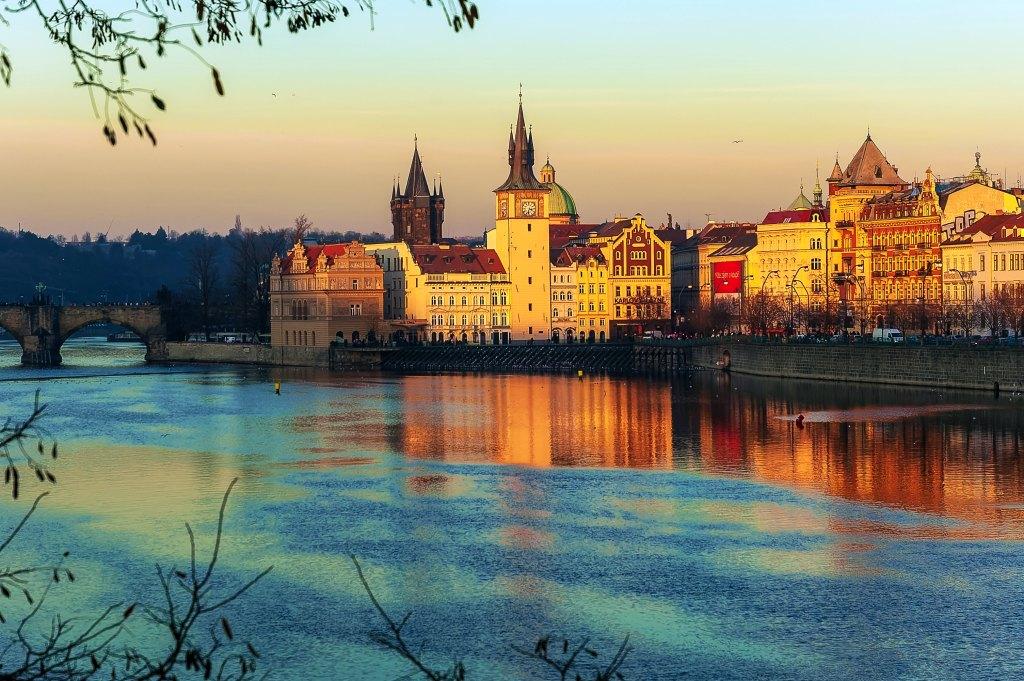
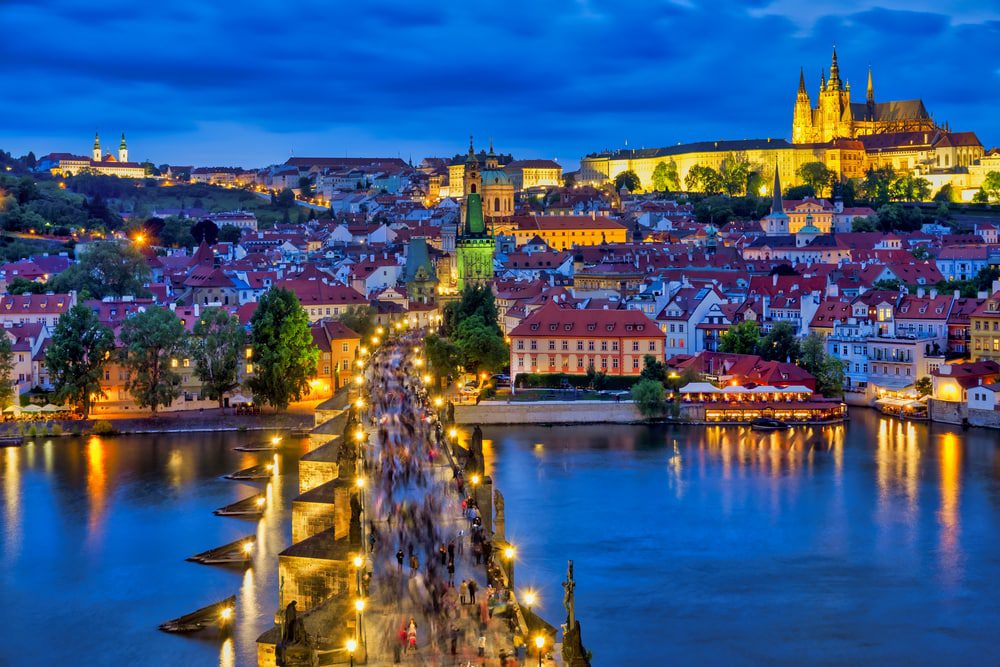
Art and architecture: Bridges and spires set the mood; walk early or at dusk.
Budapest: Where tradition carries weight
Ballet and opera: The Hungarian National Ballet at the Hungarian State Opera balances classical repertory with new work. The refurbished house is worth the ticket alone.

Music: The Liszt Academy connects student energy with high craft.
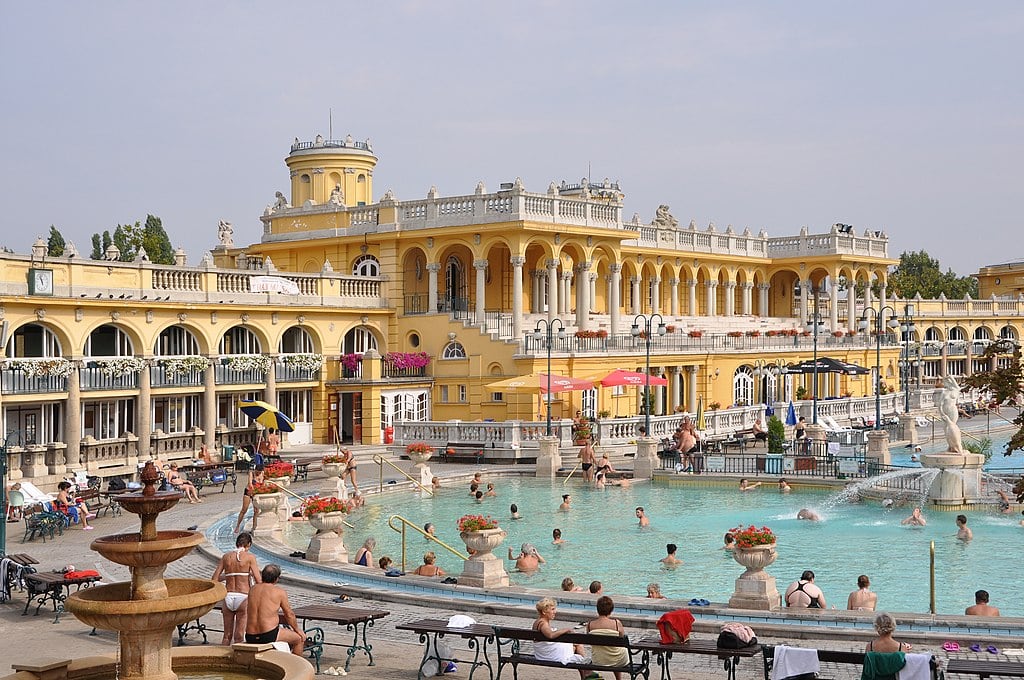
Art and architecture: Thermal baths as civic architecture teach you that buildings can set the tempo of a day.
How to plan a trip that feels like practice, not a checklist
This is the routine that keeps trips honest and enjoyable.
- Pick a focus
- Ballet-first: Anchor each city with a ballet night, then add one opera and one concert.
- House study: Choose a few major theaters (Garnier, ROH, La Scala, Staatsoper) and learn their personalities.
- The modern turn: Pair 1900s art with 20th-century scores and contemporary choreography.
Set a daily rhythm
Morning: One museum, one floor or one period. Leave while you still want more.

Afternoon: A walk with a simple prompt (Where does this city hide rehearsal? How does light enter its rooms?).
Evening: A performance. If budgets are tight, choose standing room (Vienna, Berlin, ROH) or day-of rush.
Mix scale
Pair big houses with small stages: studio showings, school performances, church recitals, project spaces.
Balance icons with working spaces: an opera house plus a costume or set exhibit; a gallery plus an artist-run space.
Make ballet easier to access
Check company calendars early; mixed bills show range, full-lengths show line and stamina.
Book two casts when possible. Compare phrasing, not just tricks.
Look for open classes, company class viewings, or school showcases. If you trained, a drop-in technique class connects the trip to your body.

Buy smart
Spend on the right seat, not the fanciest house. For orchestras, central rows in shoebox halls (Musikverein) are gold; for opera, balance sound and sight.
Use student/under-26 offers, same-day releases, and standing room. Berlin and Vienna are friendly to this.
- Keep a small notebook
- Write down one thing: a step that landed, a color that stayed, a detail in a facade. This builds a memory better than photos.
Sample circuits built around the stage
Circuit 1: Ballet (Paris, London, Milan, Vienna)
Paris: Paris Opera Ballet at Garnier; day at Orsay; evening wander through the Opéra district.
London: Royal Ballet at ROH (two casts if possible); National Gallery + Millennium Bridge walk.
Milan: La Scala Ballet; Brera; Duomo roof at sunset.

Vienna: Vienna State Ballet or Staatsoper repertory; Musikverein; Secession’s Beethoven Frieze.
Circuit 2: Opera and choreography in conversation (Berlin, Madrid, Barcelona, Prague)
Berlin: Komische Oper or Staatsoper; Philharmonie; gallery crawl in Mitte/Kreuzberg.
Madrid: Teatro Real (check visiting ballet); Reina Sofía; Auditorio Nacional.

Barcelona: Liceu for opera or visiting ballet; Palau de la Música; Gaudí afternoon.
Prague: National Theatre Ballet; chamber concert; early walk across Charles Bridge.
Circuit 3: Central Europe, close-up (Vienna, Budapest, Prague)
Vienna: State Opera + class or tour if offered; coffeehouse morning; Ringstrasse walk.
Budapest: Hungarian National Ballet; Liszt Academy; thermal baths as architecture.
Prague: State Opera; National Gallery; backstreets of Old Town.
I used to measure trips by how many “greats” I could fit in. Now I measure by how a city changed my eye and ear. Ballet taught me to care about lines; opera taught me to wait for payoff; orchestras taught me to listen to balance; buildings taught me that space carries meaning. When you plan around a few good nights in strong houses, the days arrange themselves. You don’t need lofty language to justify it. You just need a seat, a score, and time.

If your life has a little rosin in it—if someone you love corrected your tendu or taught you where middle C sits—you’ll find that Europe feels familiar. These cities aren’t distant capitals; they’re big studios with open doors. Go in, sit down, and let the work teach you again.
Practical add-ons
Timing: Check seasons—opera and ballet companies go dark or tour in summer; festivals can help fill gaps.
Money: Standing room, rush, and partial-view seats beat skipping the show.
Food: Eat near the house after the curtain; the conversations in nearby cafés are part of the experience.
Packing: Bring a soft pair of flats and a small notebook. If you’ll take class, pack your shoes.

Keep it simple
One museum, one long walk, one performance. That’s a good day. Repeat a few times, and you’ll come home with more than photos—you’ll come home with a clearer ear, a steadier eye, and a few moments you’ll replay for years.
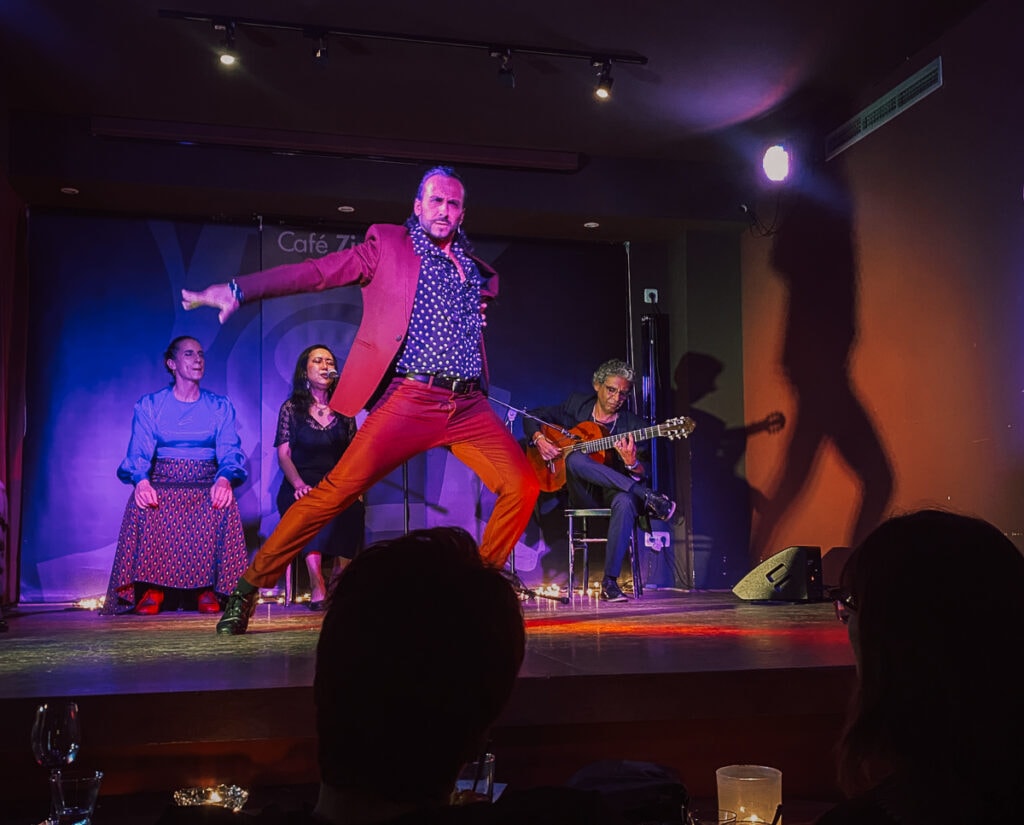
Our grand tour of European dance and music culminates as a vibrant tapestry of sensory delights, from the fiery passion of a flamenco performance in Barcelona’s Gothic Quarter and the masterpieces of Goya (and the amazing food and mercados) in Madrid, to the haunting strains of a classical concert echoing through Prague’s cobblestone streets.
Born in Andalusia, Southern Spain, from a rich fusion of Gypsy, Arab, Jewish, and Christian cultures, flamenco evolved into a formal art in the 18th century. Today, it is a UNESCO-recognized treasure, with key hubs in Seville, Jerez, and Granada.
We were transported by the timeless elegance of Swan Lake at London’s Covent Garden, moved by the haunting folk melodies on a twilight cruise along the Danube in Budapest, and left in awe before the gilded opulence of the Palais Garnier in Paris. From the soaring arias in Vienna (and fabulous pastries) to the final, powerful chord in a Parisian concert hall, this journey is a symphony of sight, sound and dance.