
Things to Do in Meath: Best Attractions in Ireland’s Royal County
Where is County Meath? Just north of Dublin in Ireland’s Ancient East, Meath is the “Royal County,” home to the High Kings at the Hill of Tara and the UNESCO‑listed Brú na Bóinne, Newgrange, Knowth and Dowth. If you only have a short visit to Ireland, you can’t go wrong focusing time here.
I’m an Irish‑Canadian writer living in Ireland and a mobility‑challenged traveller. I’ve travelled to Meath many times when family has come to visit and I’ve tried to include everything from Meath’s family attractions to ancient ruins.
- Things to Do in Meath: Best Attractions in Ireland’s Royal County
Where is Meath, Ireland?
Meath sits in Leinster, bordered by Monaghan, Louth, Fingal (Dublin), Kildare, Offaly, Westmeath and Cavan. There’s a short Irish Sea coastline between the Boyne and Delvin rivers around Laytown, Bettystown and Gormanston.
Getting around: Rural public transport is limited; the Boyne Valley sites are best done by car. It’s a gorgeous loop if you’ve rented a car.
Boyne Valley Drive: 9,000 Years in a Day
The Boyne Valley concentrates millennia of history in a compact, scenic area with sites clustered close together.

Battle of the Boyne Visitor Centre
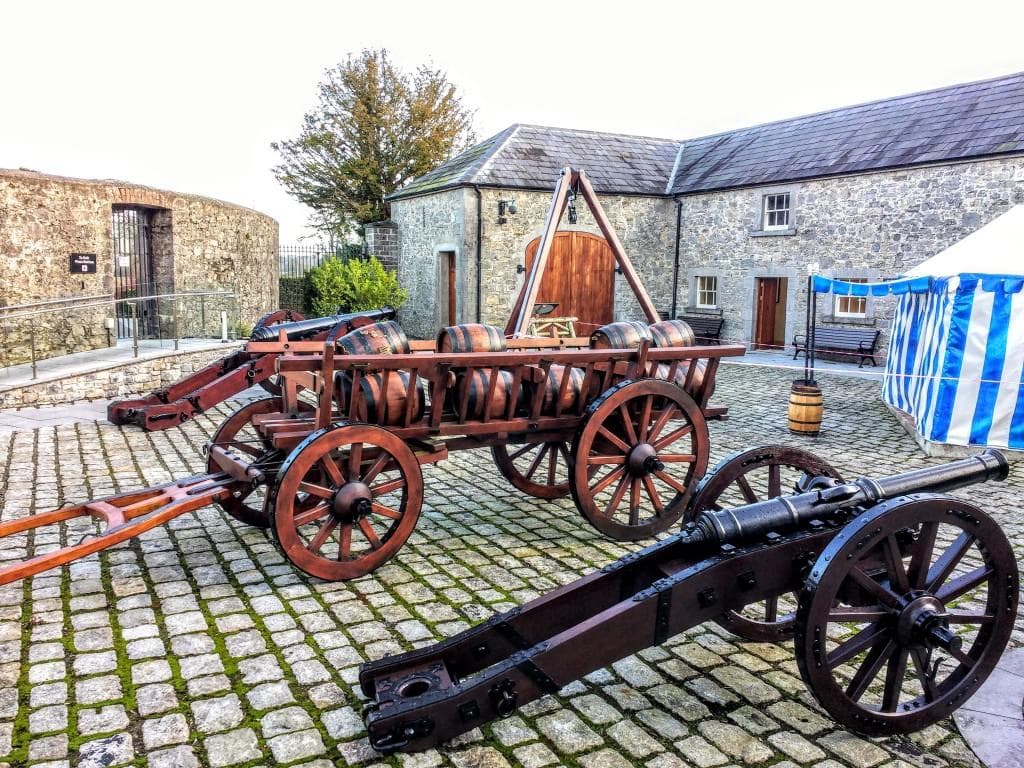
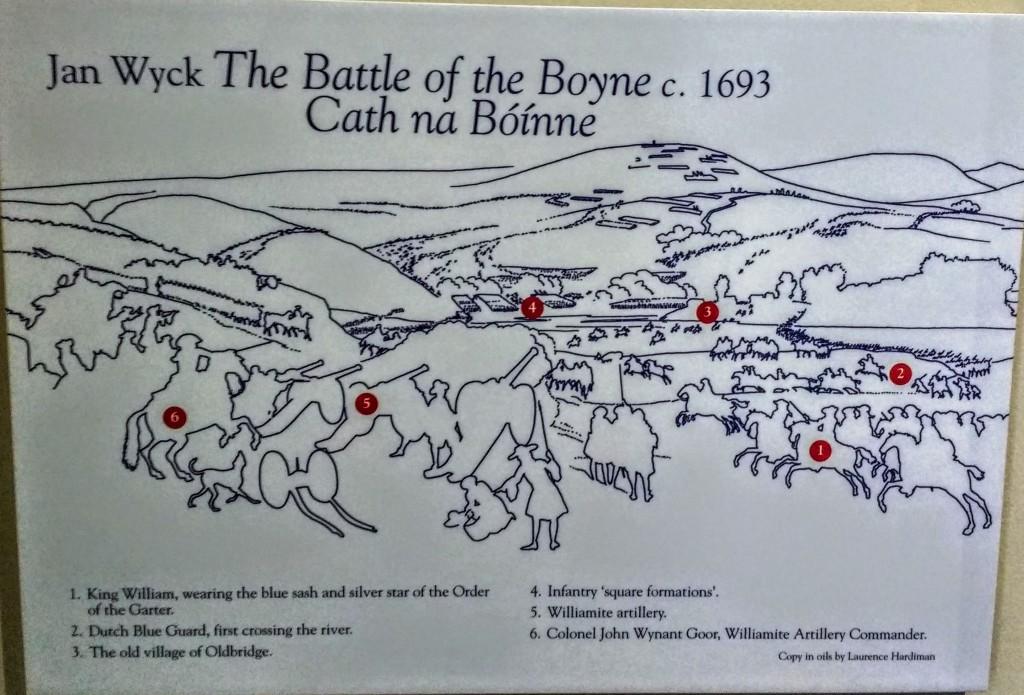
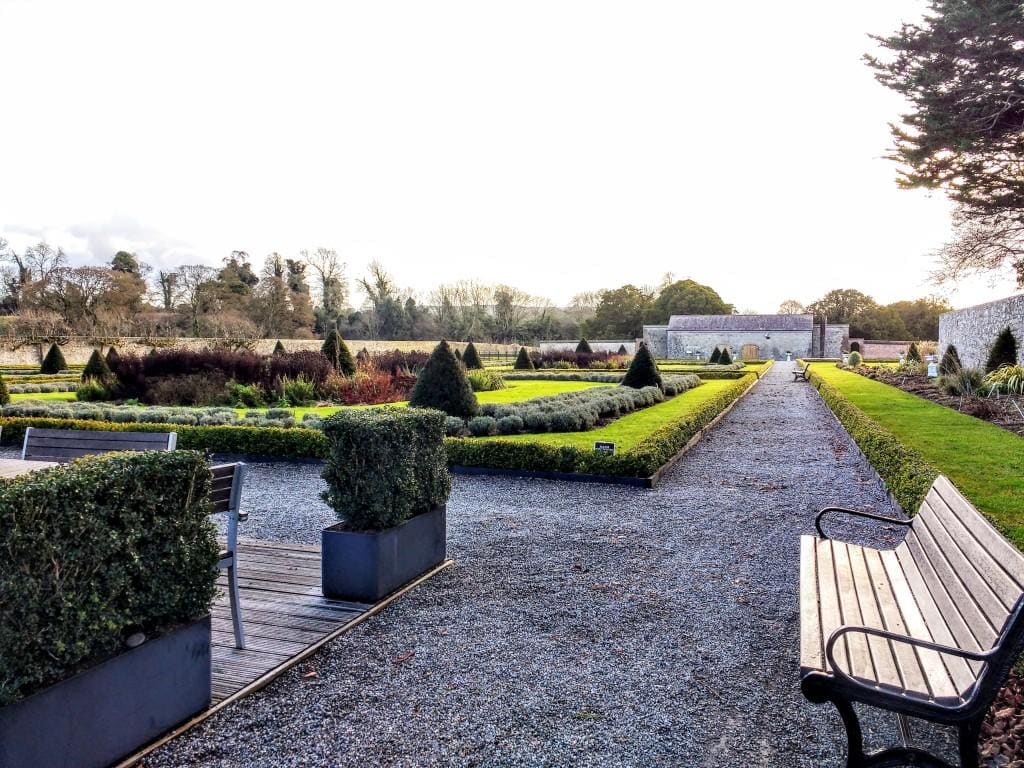
The Battle of the Boyne Visitor Centre commemorates the pivotal 1690 battle that reshaped Irish and British history. The centre features detailed exhibitions, period artefacts, and an impressive audio-visual presentation centred around a large three-dimensional battle map. The surrounding parkland is peaceful and expansive, offering valuable context to the events that unfolded here.
Accessibility: Allow 60–90 minutes. Surfaces are mostly firm; parking is close.
Brú na Bóinne – Newgrange
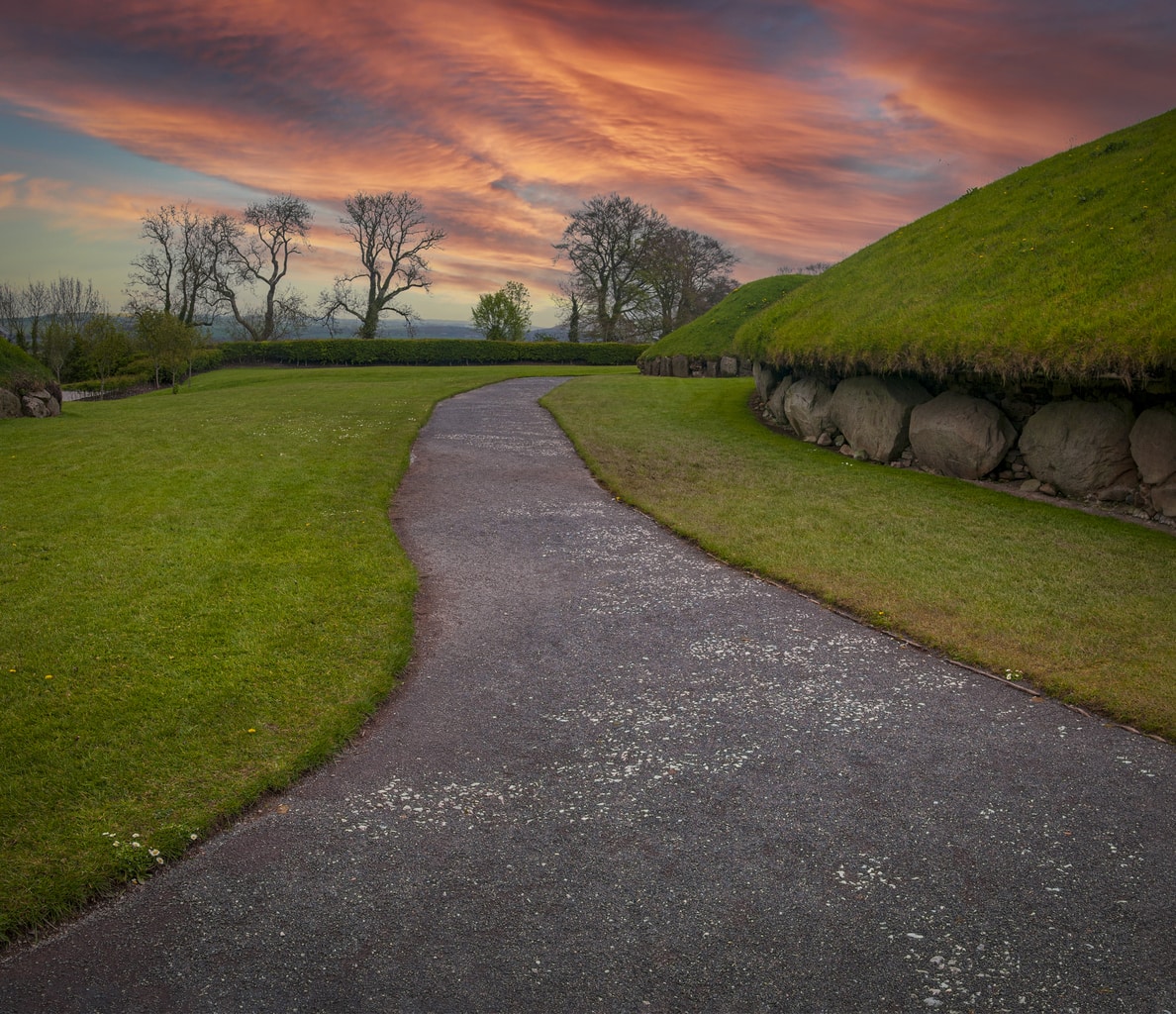
What is Meath famous for? Newgrange, older than Stonehenge and the Pyramids, was built c. 3200 BC. Along with Knowth and Dowth, it forms part of a UNESCO World Heritage Site. The great mound is ringed with 97 kerbstones, many carved with megalithic art, and encircled by a later stone circle.
Accessibility: All visits to Newgrange and Knowth start at Brú na Bóinne Visitor Centre. Book peak‑season tours ahead. Tours include a shuttle and timed entry. The passage is narrow with low clearance.
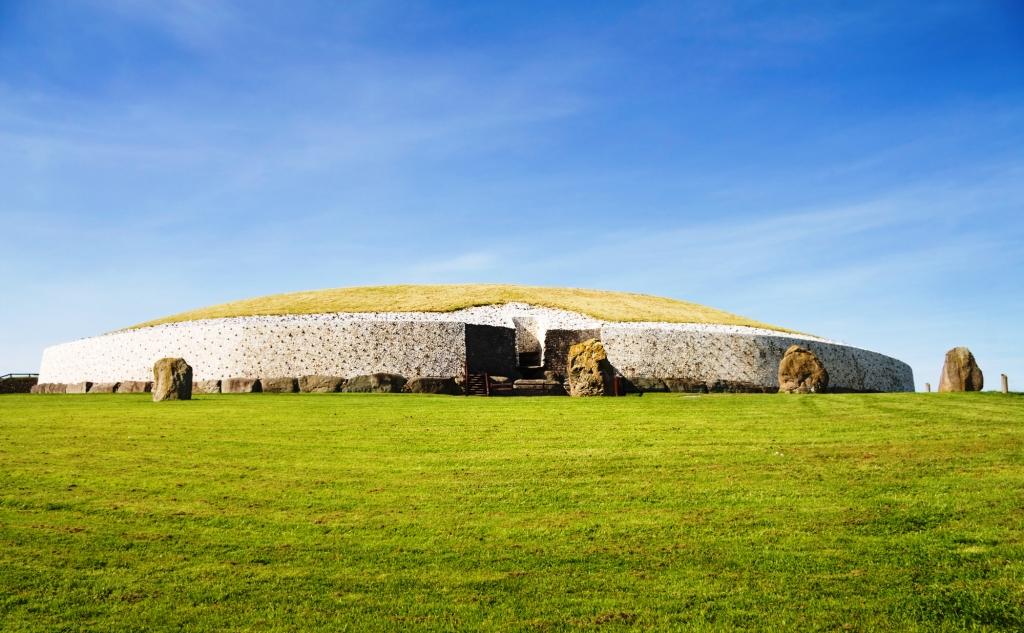
Winter Solstice at Newgrange
At dawn on the winter solstice, sunlight pierces the passage to light the inner chamber. Due to the tomb’s size, Newgrange runs a lottery every year for a handful of places, a once‑in‑a‑lifetime memory if you’re lucky.

Knowth and Dowth
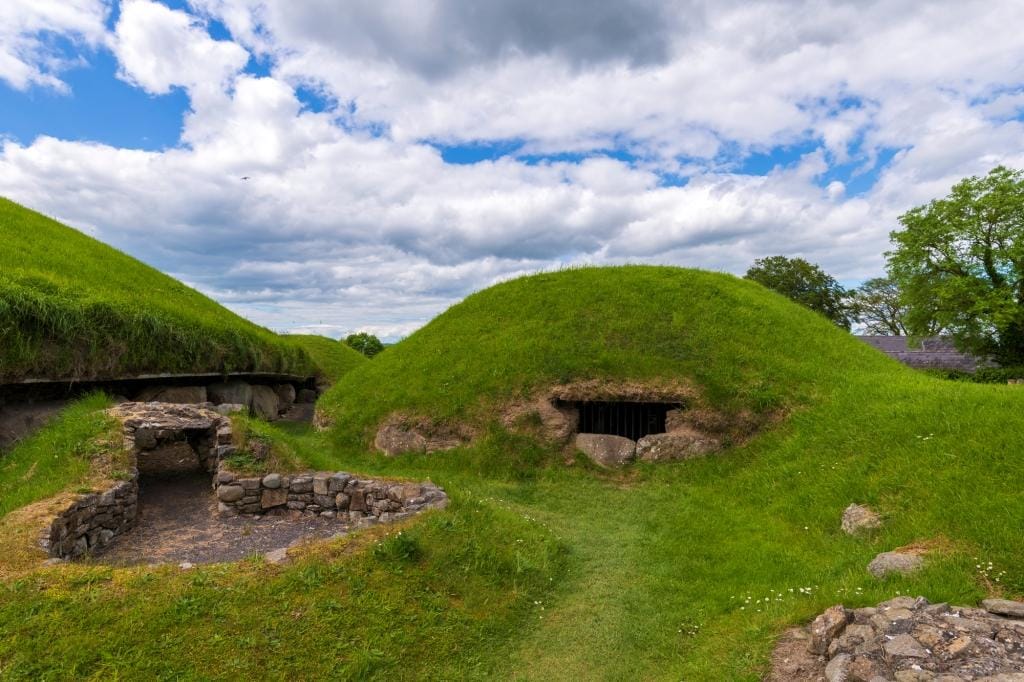
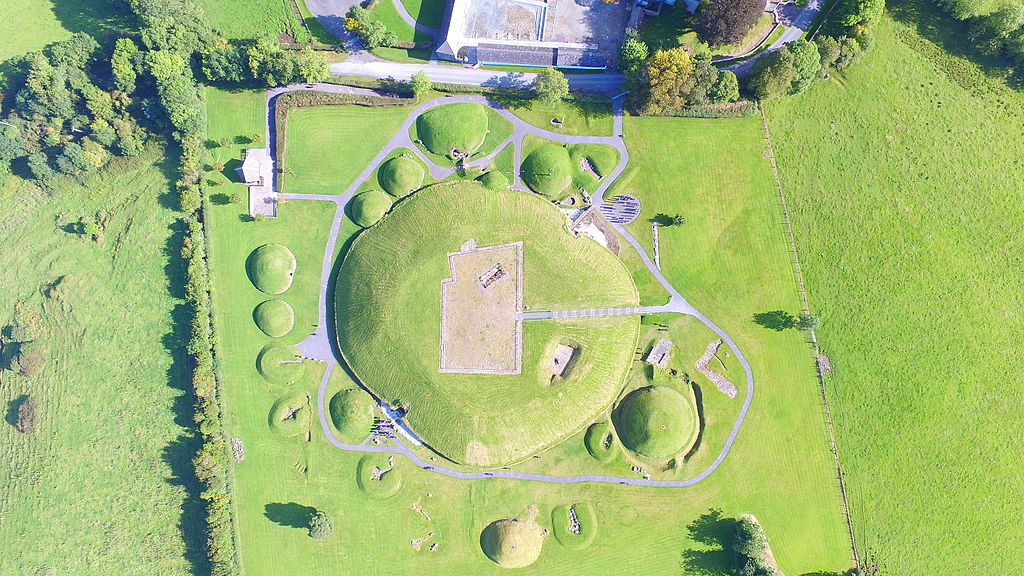
From the site you can make out façades of many smaller tombs awaiting excavation. Knowth is a multi‑period complex with 18 satellite tombs. Many remain unexcavated, adding to the mystery.
Dowth: Dowth is not fully excavated, but two passage tombs are known within the mound. It’s quieter than its siblings, good for photos and reflection.
Accessibility tip (personal): The visitor centre is step‑free; the shuttle requires a small step up. Inside passages are not wheelchair accessible.
Sacred Landscapes: Tara, Loughcrew, Slane
Hill of Tara
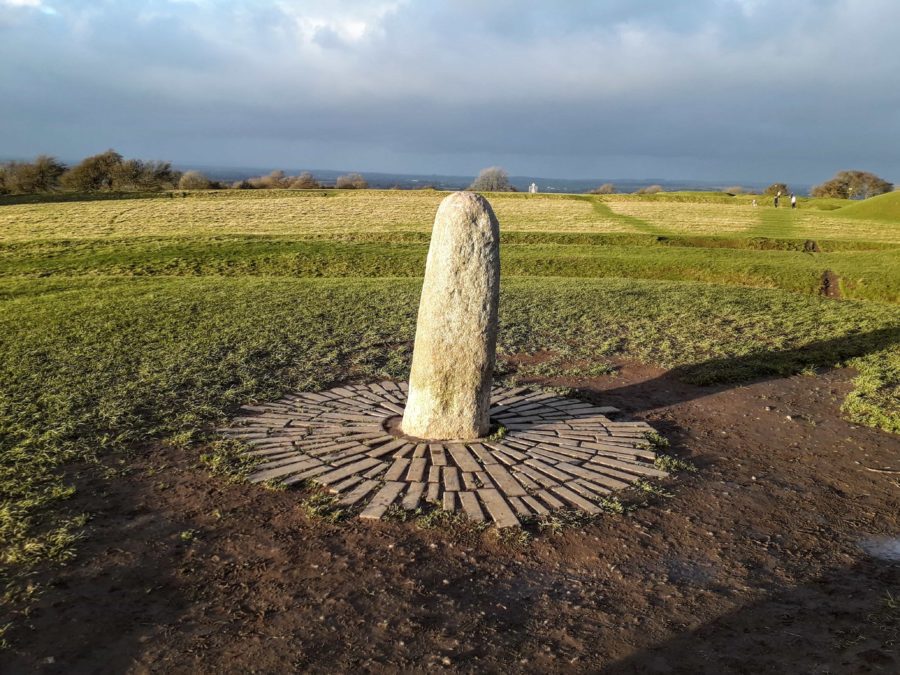
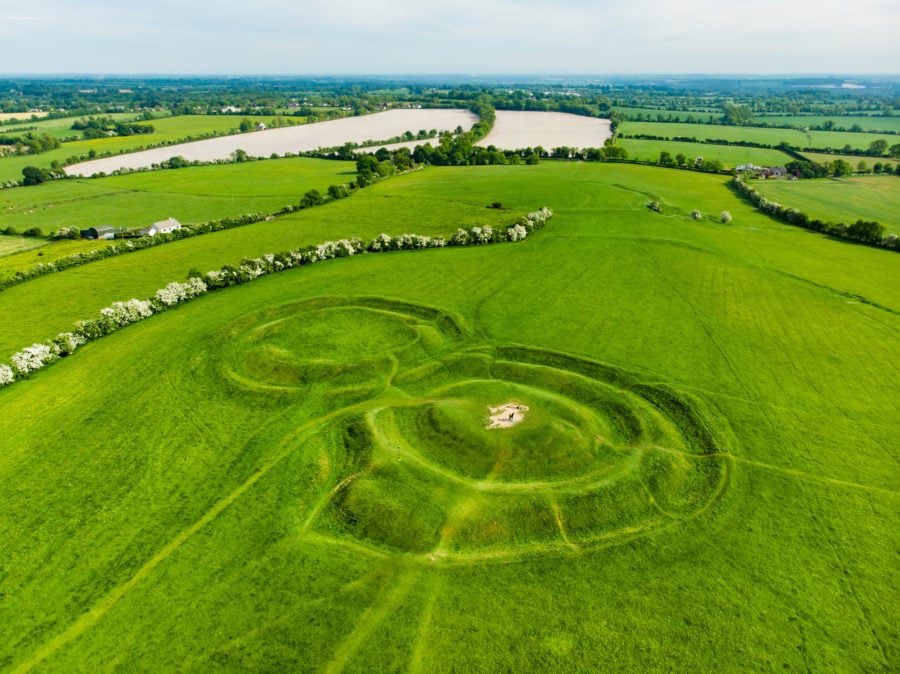
One of Ireland’s most revered ancient historical sites, Tara was the ceremonial seat of the High Kings. Highlights include the Rath of the Synods, the Mound of the Hostages and the Lia Fáil (Stone of Destiny).
Accessibility: Open access; grass paths are uneven and boggy after rain. Parking on site; sweeping views.
Loughcrew Cairns
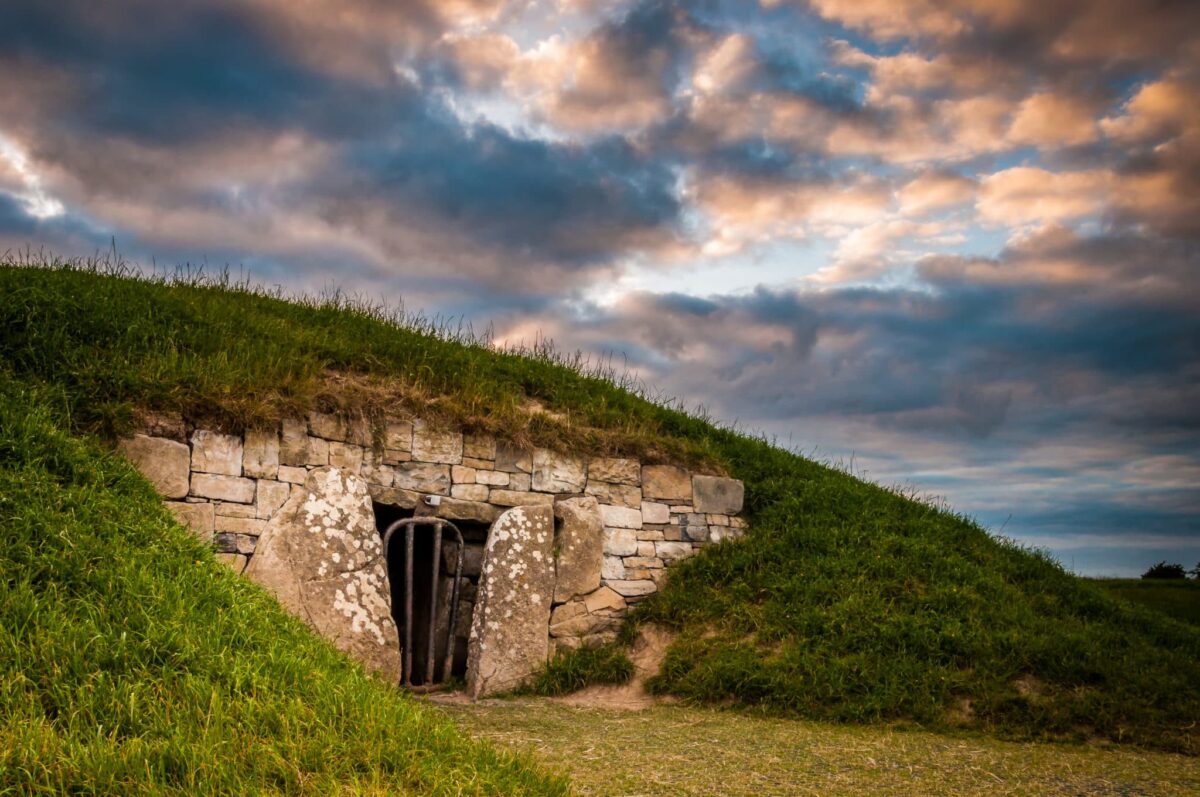
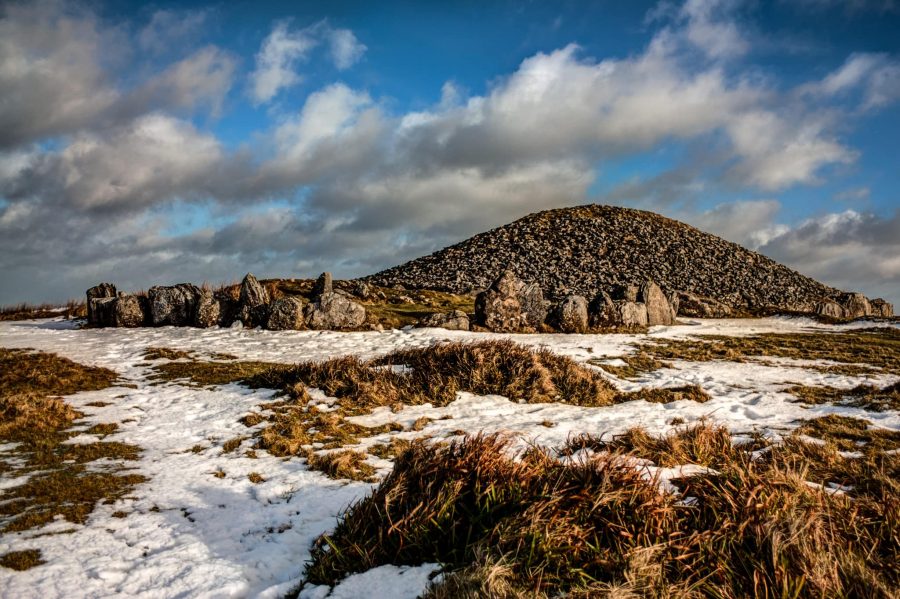
A ridge of passage tombs crowns these hills. ‘Cairn T’ is open in season; inside you’ll find spirals and sunbursts carved into orthostats. Like Newgrange’s solstice alignment, Cairn T aligns with the equinox sunrise.
Accessibility: Steep, grassy climb to Cairn T, wear boots and bring a jacket. Access is weather‑dependent.


Hill of Slane
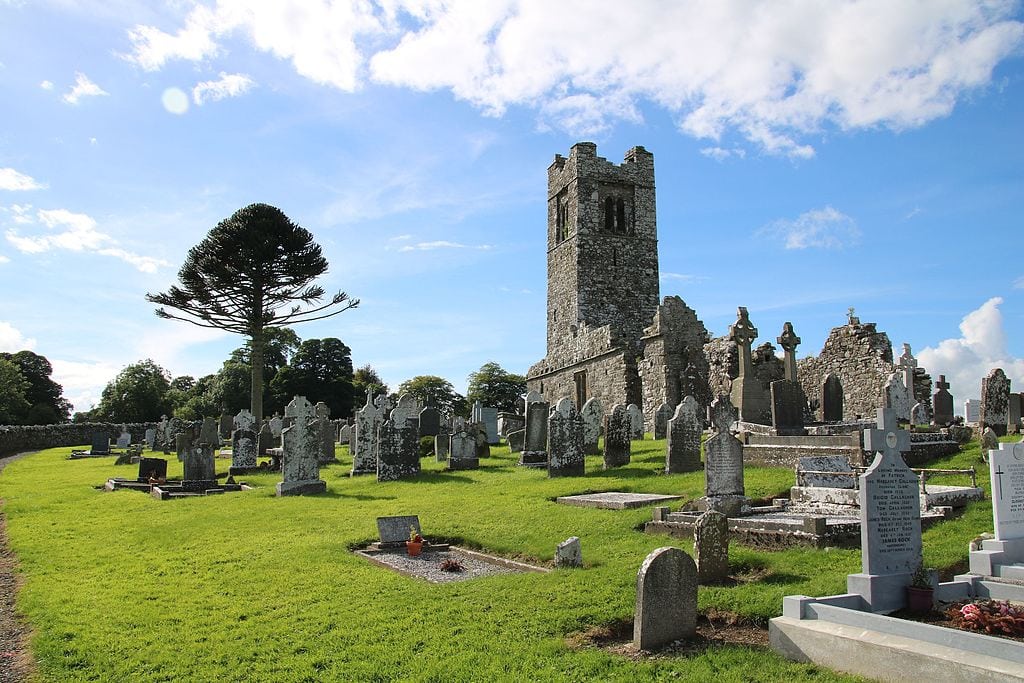
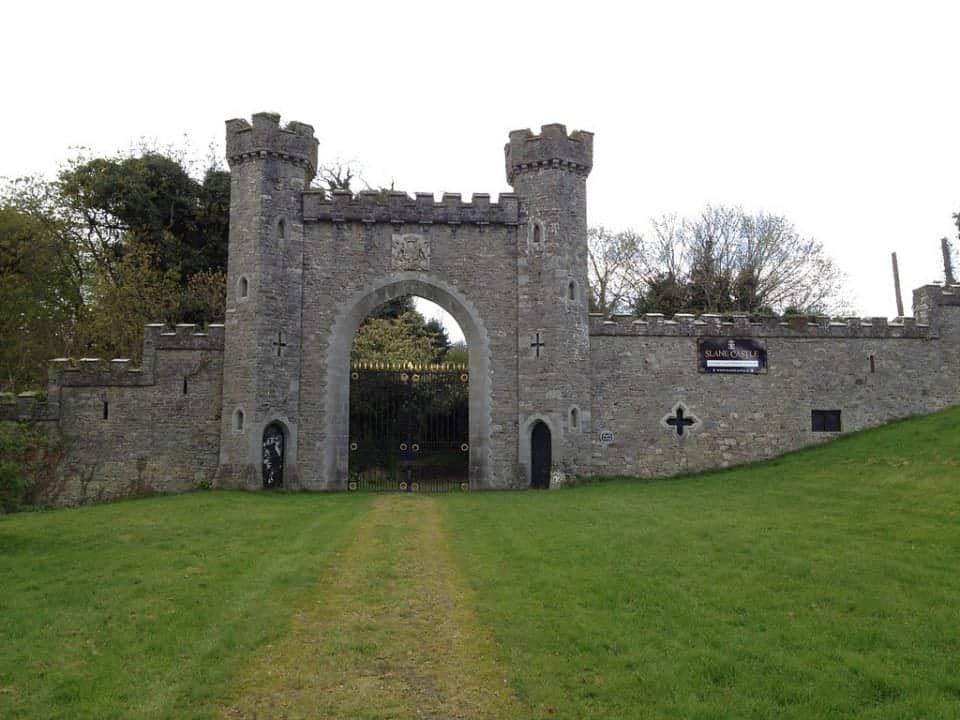
Rising 158m, the hill carries atmospheric Franciscan monastery ruins (1512) and views as far as Tara, 16km away. St. Erc founded an earlier monastery here; the Flemings, Barons of Slane, later endowed the site. Look for their coat of arms on the college quadrangle wall.
Slane Distillery and Tours
Slane Distillery is located within the restored 18th-century stable yard on the Slane Castle estate, blending historic architecture with modern Irish whiskey production. Guided tours take visitors through the full whiskey-making process, tastings are included and are thoughtfully paced, making the experience approachable for newcomers and informative for seasoned whiskey drinkers alike.
Castles, Abbeys and Round Towers
Trim Castle
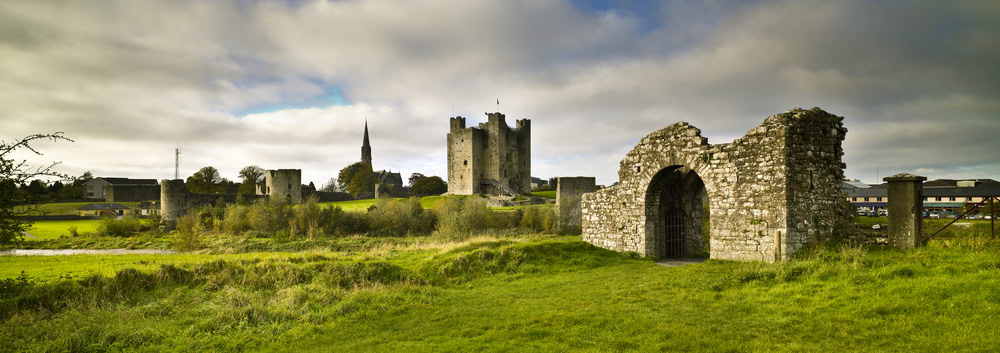
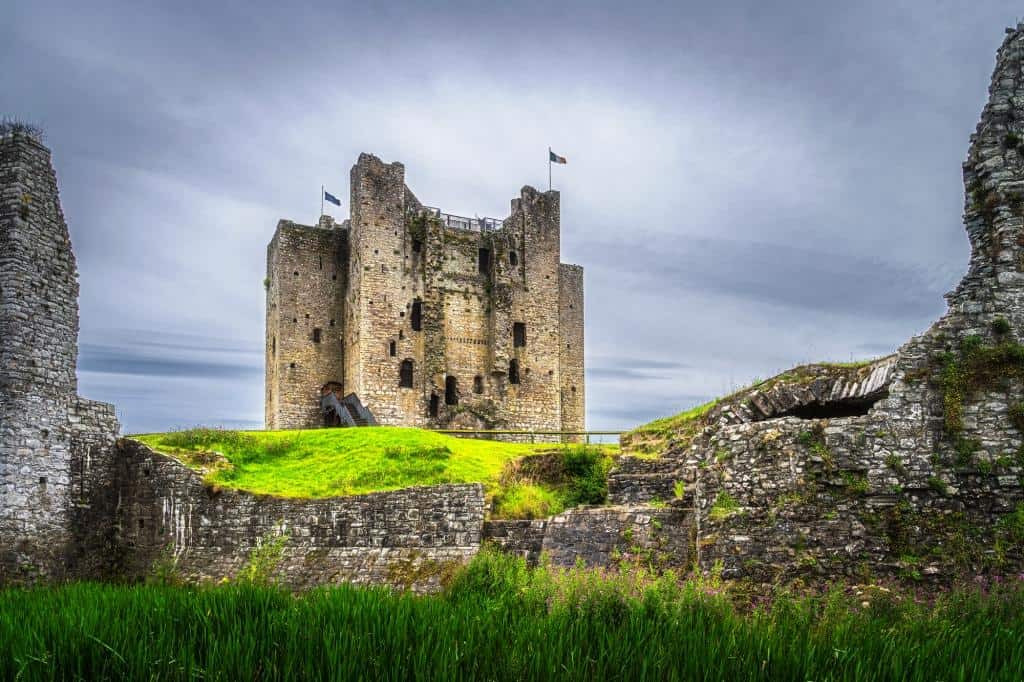
The largest Norman castle in Ireland, Trim was built over 30 years by Hugh de Lacy and his son Walter. It doubled for Scotland in Braveheart and is visitable by guided tour (about 90 minutes). Some say the castle is haunted; guests at the Trim Castle Hotel across the road have reported spectral nuns, its grounds include an old convent cemetery.
Seasonal: During Samhain, Trim stages a brilliant Halloween festival.
Accessibility: Grounds have firm paths; the keep has stairs and confined spaces.

Athlumney Castle
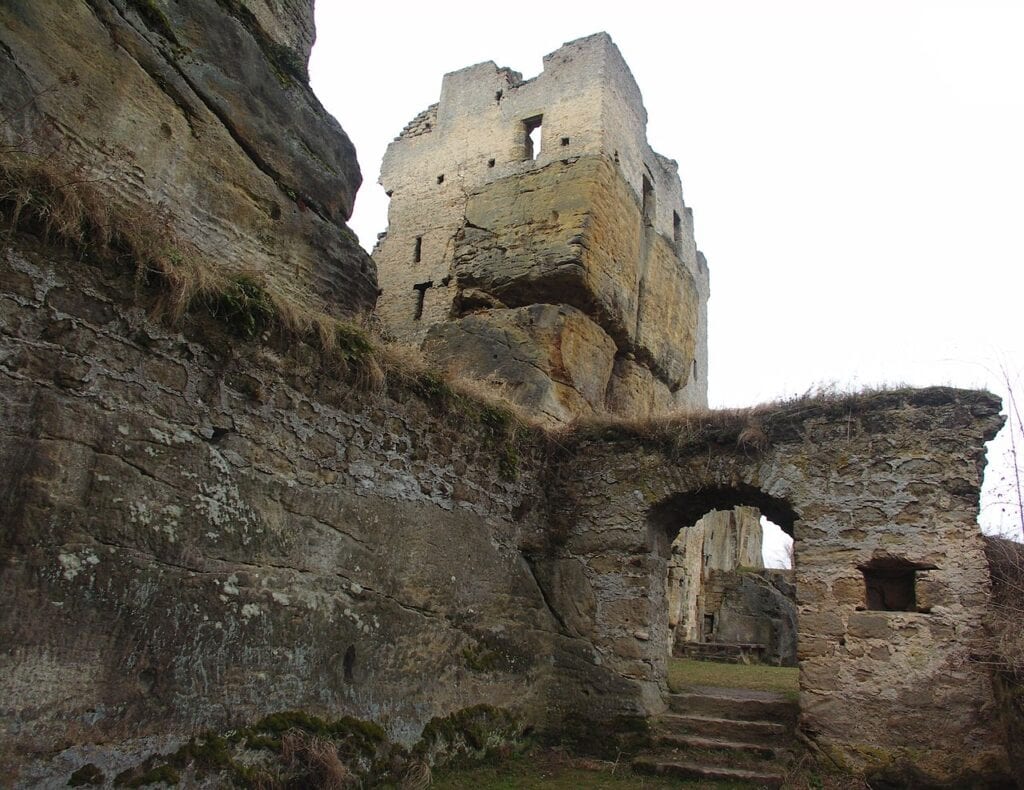
A four‑storey 15th‑century tower house expanded in the 1630s with a mullioned‑window manor. The Maguires set it ablaze in 1649 rather than surrender to Cromwell; it burned again around the 1690 Boyne campaign and has been a romantic ruin since.
Accessibility: Athlumney Castle is a historic ruin and access is limited. The castle sits on uneven ground with no formal paths, handrails, or safety barriers. Entry into the structure is not permitted, and all viewing is external. Athlumney is best viewed from a distance, and while atmospheric, it is not an accessible site in a practical sense.
Dunmoe Castle
A 15th‑century D’Arcy stronghold on the Boyne. Once with four turrets (two remain), it survived Cromwellian fire and the 1690 battle, only to be gutted during the 1798 rebellion.
Accessibility: Dunmoe Castle is located on private land beside the River Boyne, the castle can only be viewed from nearby public vantage points or from the river itself. For mobility-challenged visitors, Dunmoe Castle is best appreciated as a scenic stop rather than a walk-through site

Slane Castle and Estate
Seat of the Conyngham family since the 18th century, Slane is famous for summer concerts, a whiskey distillery, and glamping.
Tour: The distillery ingeniously occupies 250‑year‑old stables and offers tastings.
Accessibility: Slane Castle offers mixed but generally better accessibility, depending on what part of the estate you are visiting. The estate itself involves long walks and gentle slopes, so pacing and transport assistance are important considerations for visitors with limited stamina or mobility.
Glamping at Slane Castle
Rock Farm Slane offers stylish yurts and two shepherd huts beside the Boyne, with a communal kitchen, firepit, pizza oven and a riverside hot tub.

Mellifont Abbey
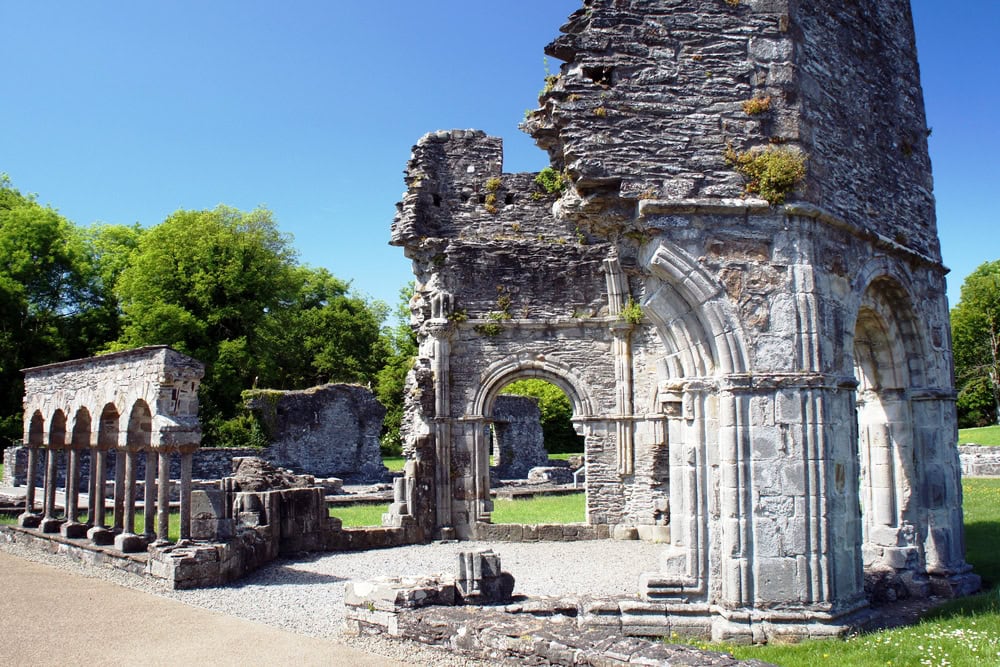
Just over the county line in Louth but essential to any Boyne Valley itinerary, Mellifont Abbey is Ireland’s first Cistercian monastery, founded in 1142. The ruins are among the most evocative in the country, with a rare octagonal lavabo used by monks for ritual washing, elegant Romanesque arches, and finely carved stonework that speaks to the abbey’s former importance.
Tickets & Booking: Access is free. No booking is required. Parking is available nearby, and the site is open year-round during daylight hours.
Accessibility: The main visitor area has relatively level gravel paths and is more accessible than many monastic ruins. However, surfaces can be uneven, particularly around the cloister and grassed areas.


Bective Abbey
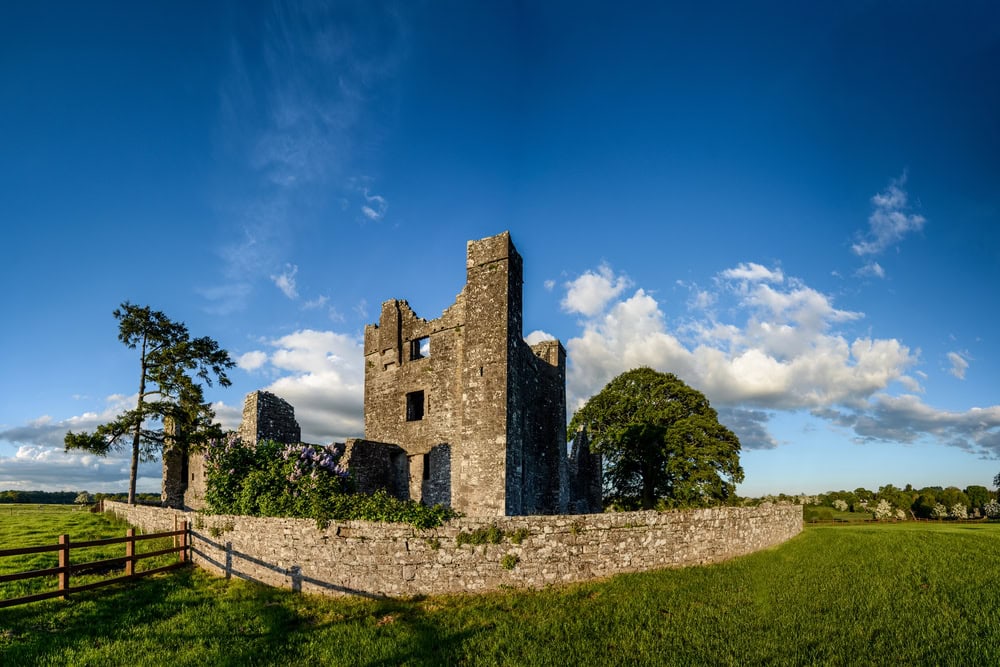
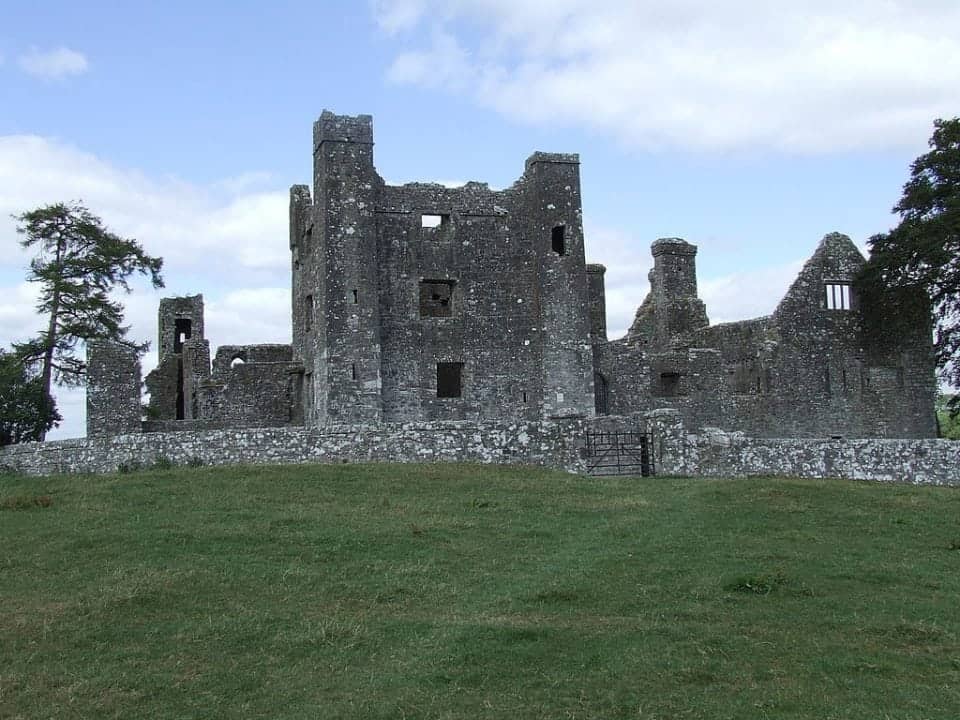
Founded in 1147, Bective Abbey later evolved into a fortified residence after the dissolution of the monasteries, giving the site a distinctive vertical tower that rises above the cloister. The surviving church, chapter house, and cloister feature classic Cistercian Gothic arches and are exceptionally photogenic from every angle.
Tickets & Booking: Free to visit. No tickets or advance booking required. This is an open-access heritage site.
Accessibility: Access is via uneven ground and grassy paths, with no paved routes through the site. Entry into buildings involves steps and rough thresholds. The abbey is not wheelchair accessible.

Donaghmore Round Tower
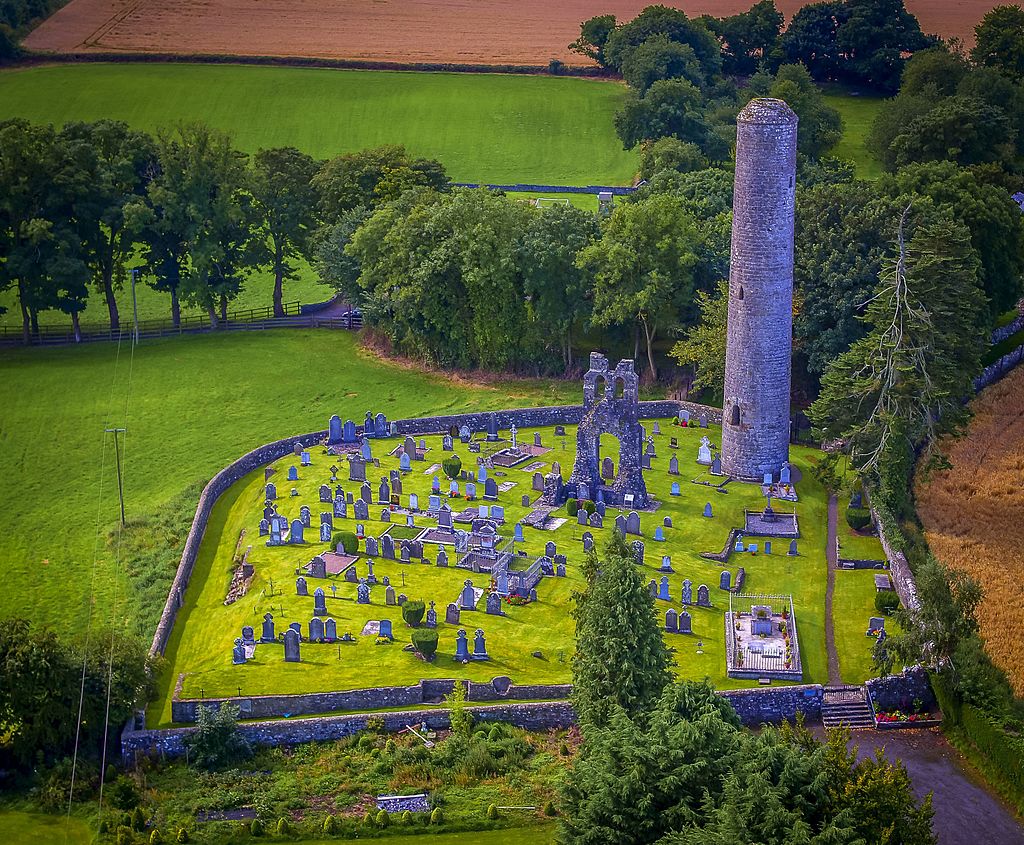
Located just outside Navan, the Donaghmore monastic site reflects Ireland’s early Christian landscape. Historical records linked to the Book of Kells note that monks from Kells purchased these lands before 1094. The surviving round tower dates from the period of Viking incursions and would have served as both a refuge and a storage space during times of attack.
Tickets & Booking: Free public access. No tickets or booking required. There are no staffed facilities on site.
Accessibility: The site is open and informal, with no visitor centre or structured pathways. Ground conditions are grassy and uneven. The round tower is viewable from the exterior only. Suitable for short visits, but not accessible for wheelchairs and potentially difficult for those with limited mobility.
Monasterboice and Kells Abbey
Monasterboice is home to Ireland’s finest collection of high crosses, including Muiredach’s South Cross and the Tall (West) Cross, both masterpieces of early medieval stone carving. Nearby, Kells Abbey rose to prominence in the 6th century under St. Colmcille and became associated with the Book of Kells, one of the world’s most famous illuminated manuscripts. Believed to have originated on Iona in Scotland, the book was likely brought to Kells during Viking raids and now resides at Trinity College Dublin, where a new page is displayed daily.
Tickets & Booking: Free entry. No booking required. Parking is available adjacent to the site.
Accessibility: At Monasterboice, the main crosses are visible from level paths, though surfaces are gravel and grass. Access around the graveyard is uneven. Kells Abbey is centrally located in the town, with paved access to the main exterior features. Interior access is limited, but the site is generally easier to navigate than rural ruins.


Hidden History: Wells, Ogham, and Quiet Ruins
Carnaross Holy Well
Near Kells, the holy well at Carnaross is one of Ireland’s most sacred pilgrimage sites. Long before Christianity, it was a place of ritual significance, later embraced by Christian worship. Visitors still tie clooties, or prayer rags, to the overhanging tree, and a nearby stone is traditionally believed to cure warts with a touch.
Tickets & Booking: Free access at all times. No tickets or booking required. Visitors are asked to respect the site’s religious significance.
Accessibility: The well is reached via unpaved ground and can be muddy. There are no handrails or formal paths. Access may be difficult for wheelchairs and those with mobility challenges, particularly after rain.

Castlekeeran and the Ogham Stone
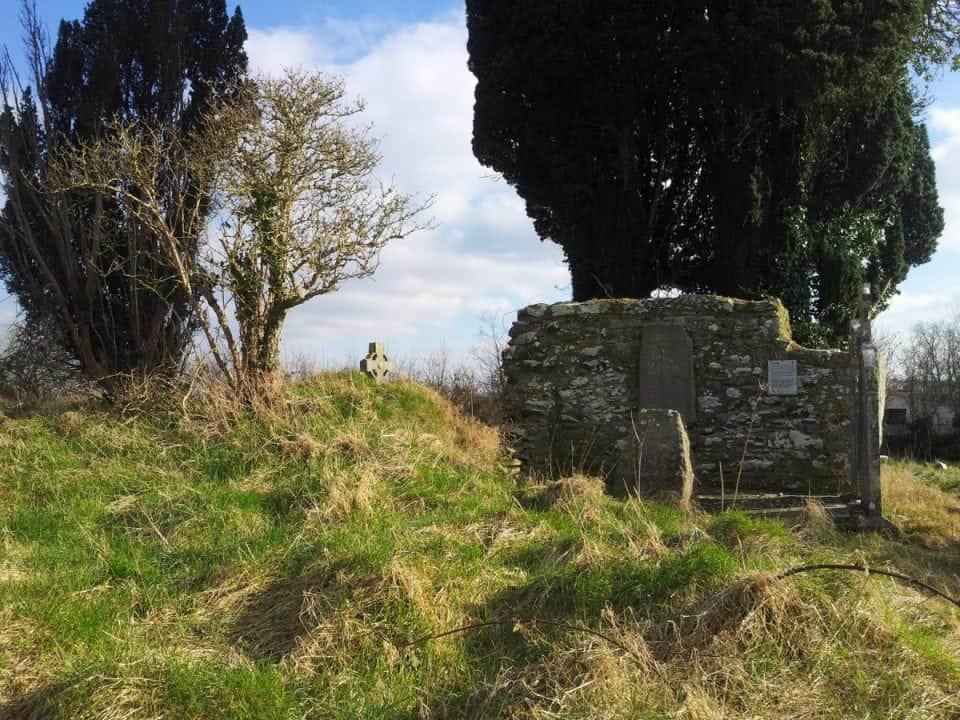
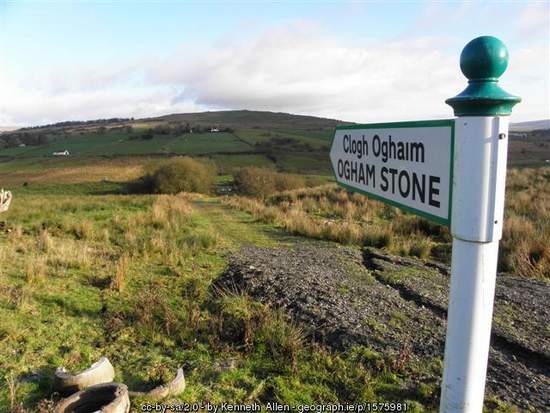
Set within a farmer’s field, Castlekeeran monastery was founded by Saint Ciarán, who died around 770. The site was raided by Vikings in 949 and later burned by Diarmait Mac Murchada. In nearby Keim churchyard, an ogham stone discovered during grave digging now rests against the old church wall, inscribed with “COVAGNI MAQI MUCOI LUGUNI,” translated as “Cuana, son of the people of Lugh.”
Tickets & Booking: Free to view. No tickets or booking required. Castlekeeran lies on farmland and should be visited respectfully; access conditions may vary.
Accessibility: Castlekeeran is remote and informal, with no defined access routes. Field conditions vary and may involve livestock. The ogham stone at Keim churchyard is easier to view but still involves uneven ground. Not suitable for wheelchairs.

Outdoors and Experiences
Newgrange Falconry
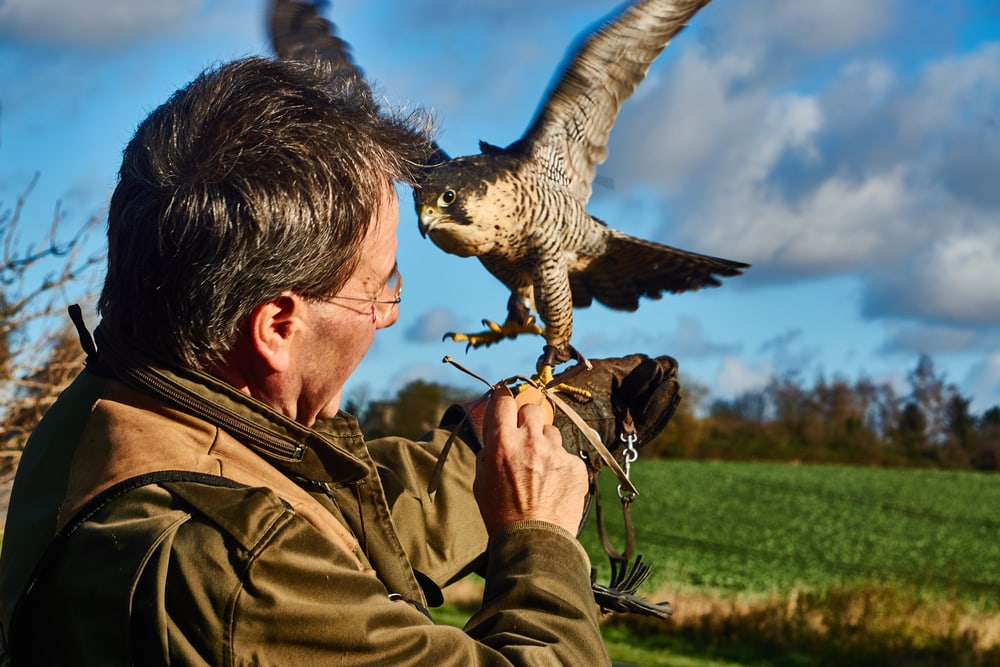
Newgrange Falconry offers ethical, hands-on encounters with owls, hawks, and eagles. Small-group sessions focus on education and conservation, making this a memorable experience for wildlife lovers of all ages.
Tickets & Booking: Paid experience. Advance booking is required, especially during peak seasons. Prices vary depending on session type and duration.
Accessibility: Staff are generally accommodating, and experiences can often be adapted. Terrain is outdoors and uneven in places. Visitors should contact the centre in advance to discuss specific mobility or sensory needs.
Balrath Woods (Knockcomra)
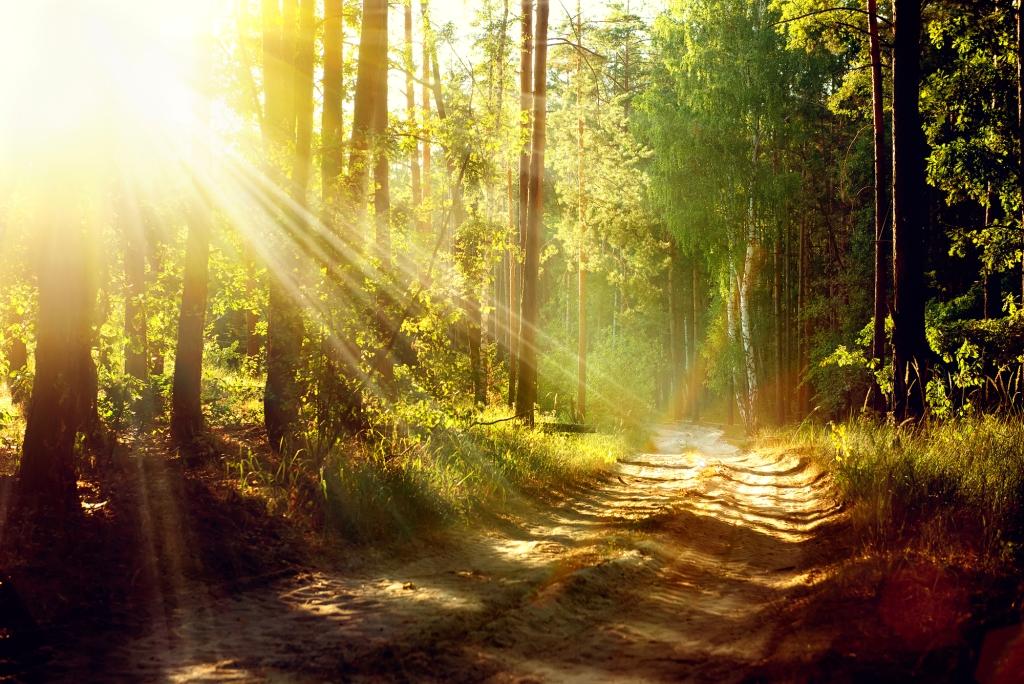
Balrath Woods is ideal for a gentle woodland wander, with shaded paths, children’s play areas, and three marked walking trails looping from the car park. The Nature Walk is the shortest and most manageable.
Accessibility: Paths are a mix of compacted gravel and earth. Some benches are available along the routes. Suitable for assisted walking, though not fully wheelchair accessible in wet conditions.
Golf in County Meath
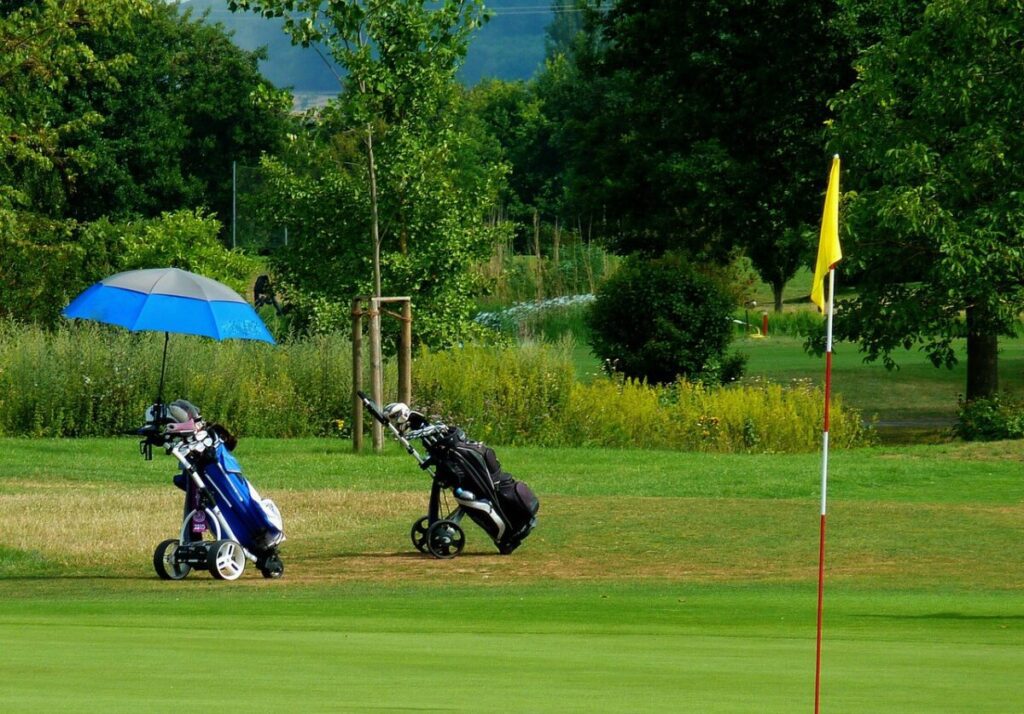
Meath is home to several highly regarded golf courses, including Royal Tara and Killeen Castle. Courses range from parkland to championship layouts, and resources like the Irish Golf Advisor provide up-to-date ratings and green fee information.
Accessibility: Most courses offer buggies and accessible clubhouses, but course terrain varies. Advance enquiry is recommended.
Beaches in County Meath
County Meath may be better known for ancient monuments than coastline, but its beaches are a genuine highlight, particularly for relaxed walks, fresh sea air, and family time. Bettystown Beach is a long, sandy strand popular with swimmers and children, and it carries a fascinating layer of history: the famous Tara Brooch was reportedly discovered here in a wooden box on the sands. Parking is available close to beach access points, though the soft sand can make independent wheelchair movement difficult without assistance.
Nearby Laytown Beach holds a unique place in Irish sporting tradition as the home of Ireland’s only horse race run on a beach under Turf Club rules, a spectacle that has taken place since 1868. The village itself is easy to access, but the beach surface is uneven, and race days can be extremely busy.
Further along the coast, Gormanston Beach forms part of Meath’s so-called Gold Coast, a ten-kilometre stretch ideal for long, bracing walks and quiet moments by the sea. Access varies depending on entry point, with uneven sand and limited facilities, making it best suited to visitors comfortable with natural, undeveloped coastal terrain.

Things to Do Near Meath: Family Favourites
The Open Farm
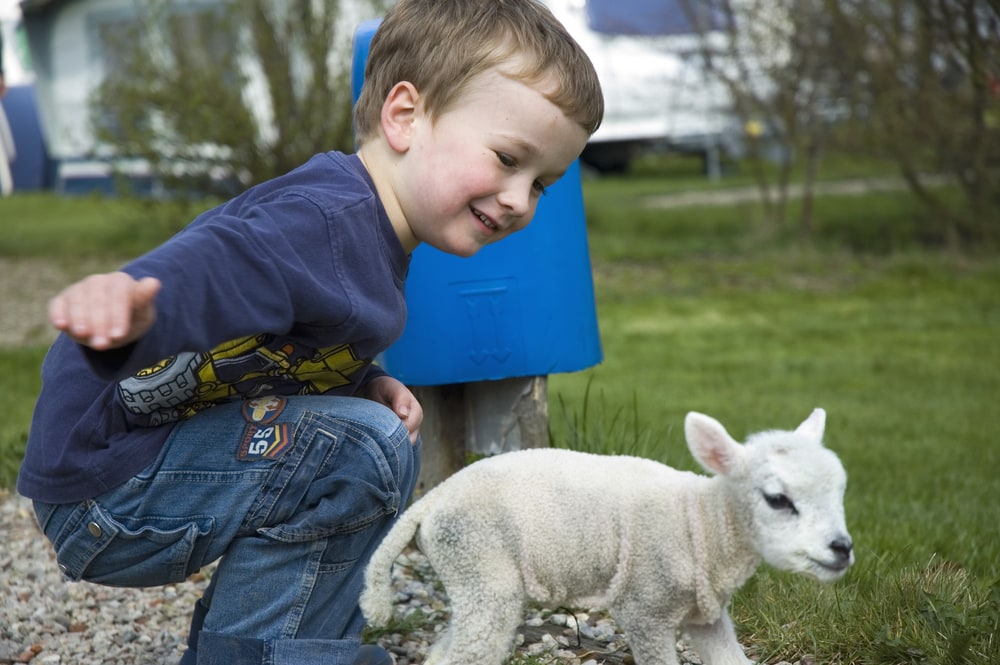
A relaxed, engaging petting farm where visitors can meet donkeys, goats, pigs, and chickens. The Donkey Shed café offers a comfortable spot for tea and scones.
Tickets & Booking: Paid admission. Advance booking is recommended during school holidays and weekends. Tickets are typically purchased online.
Accessibility: Generally good, with parking close to entrances and mostly level paths, though farm surfaces can be muddy.
Causey Farm
A working farm offering seasonal events and hands-on rural experiences across 300 acres. Especially popular with families who enjoy interactive, outdoor activities.
Tickets & Booking: Paid admission. Advance booking is recommended during school holidays and weekends. Tickets are typically purchased online.
Accessibility: Activities involve uneven ground and physical participation. Some experiences may not be suitable for mobility-limited visitors without support.
Spire of Lloyd
A striking Victorian folly shaped like an inland lighthouse, built for viewing horse races. On clear days, views extend as far as the Mourne Mountains. Open free to the public on Bank Holiday Mondays.
Tickets & Booking: Ground access is free. Entry to climb the spire is free on Bank Holiday Mondays when open; no booking required.
Accessibility: Ground-level access is straightforward, but climbing the spire involves steep stairs and is not accessible.

Babes Bridge
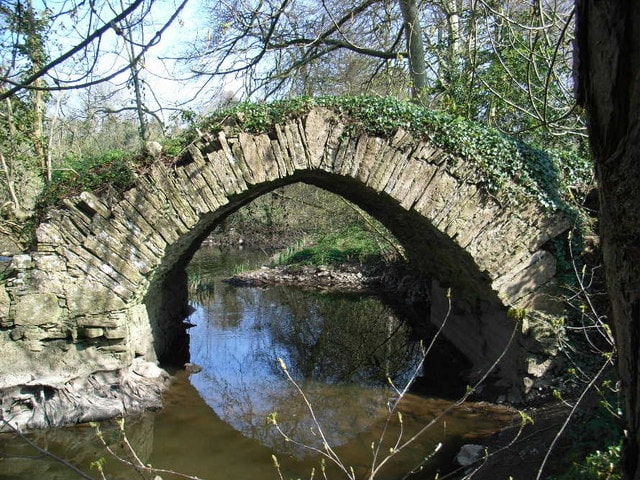
Often cited as Ireland’s oldest bridge, Babes Bridge spans the River Boyne and is recorded in the Annals of the Four Masters as the only bridge to survive the great flood of 1330.
Accessibility:Viewable from nearby roads and paths, but no formal viewing platform. Terrain varies.
Irish Military War Museum
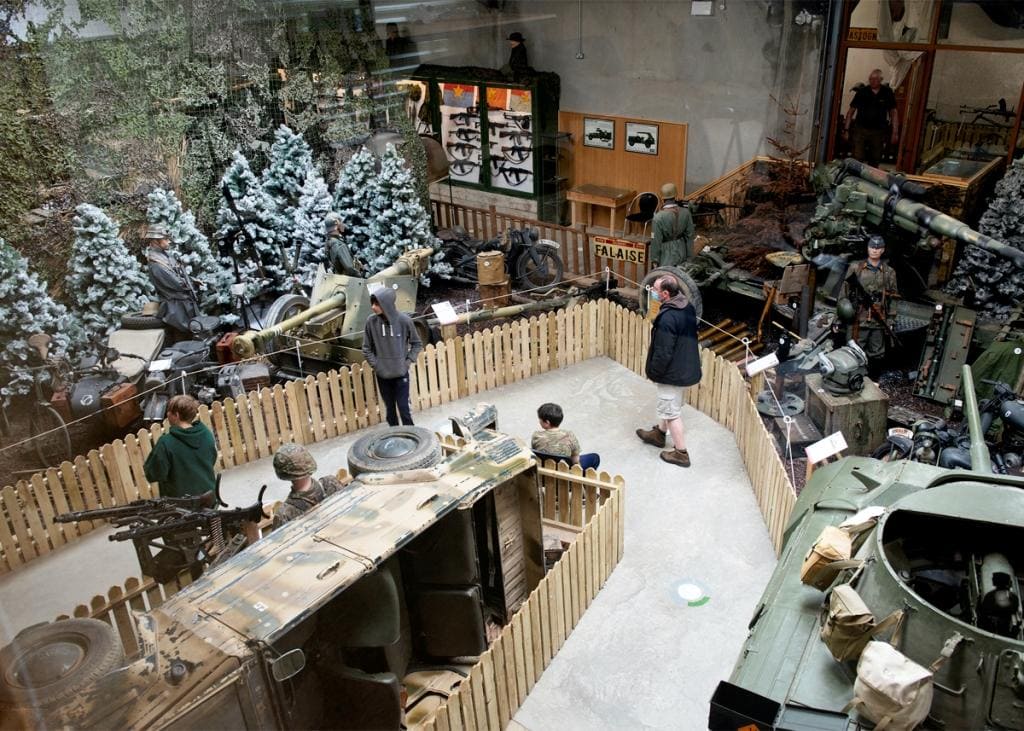
One of Europe’s most extensive private military collections, the museum spans World War I, World War II, the 1916 Rising, and the Vietnam War, alongside film props from major productions. Visitors can even experience operating an FV432 APC.
Tickets & Booking: Paid entry. Tickets can be purchased on-site or booked in advance online. Special experiences and group visits should be booked ahead.
Accessibility: Generally good, with level access to most exhibition areas and staff assistance available. Some outdoor exhibits may involve uneven surfaces.
Pubs to visit in Meath
If you are looking for what to do in Meath of an evening, look for those pubs and venues that play traditional Irish music you won’t want to miss the craic in an Irish pub.
The Snailbox, Kilmoon
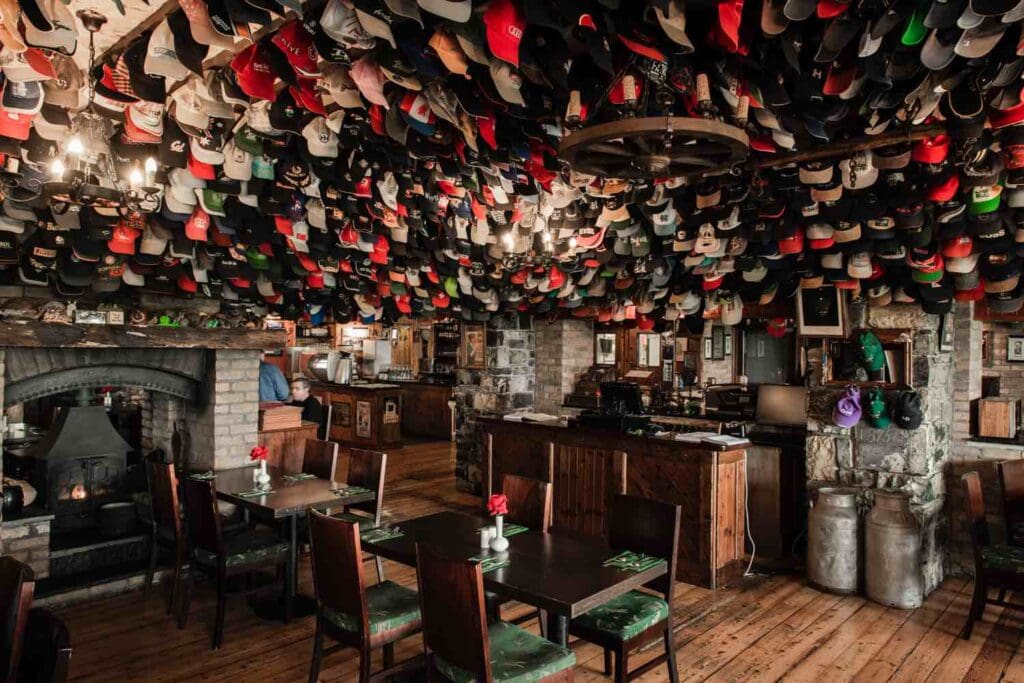
The Snailbox is a wonderfully eccentric rural pub, instantly recognisable for its walls lined with more than 6,000 baseball caps. Visitors can even swap their own cap for a Snailbox original. Traditional music sessions are a regular feature, and the food is consistently good, making this a memorable stop rather than a novelty.
Brady’s Pub, Dunboyne
Established in 1870, Brady’s is a classic Irish pub and widely tipped by locals as serving one of the best pints of Guinness in Meath. Thursday nights bring lively traditional music sessions, with plenty of opportunity to join in the singing.
O’Connell’s Pub Skryne
O’Connell’s in Skryne is an old-school Irish pub that famously appeared in a Guinness Christmas commercial. Expect worn floors, antique furniture, a wooden ceiling, and pints of plain rather than craft beer. There’s no food beyond crisps, but the views from the Hill of Skryne stretch across to the Hill of Tara, Dublin Airport, and into County Louth, making this a place to linger.

Where to stay in Meath
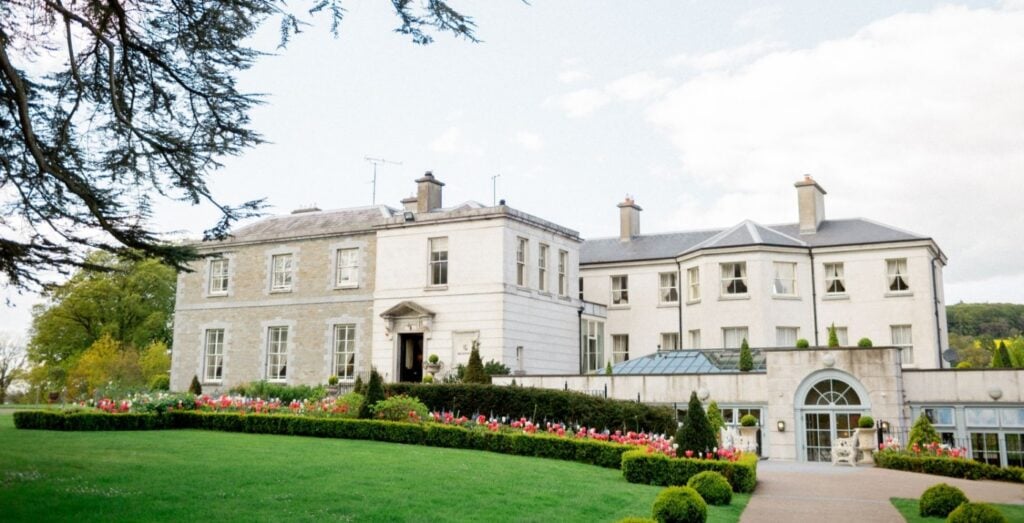
Tankardstown House
Exuding elegance and luxury, Tankardstown comprises an impressive 18th Century Manor House & Orangery.
Connells House thatched Cottage
Connells House Thatched Cottage in Duleek offers a restaurant and a garden.The cottage has 4 bedrooms an equipped kitchen with a dishwasher and a microwave.
Trim Castle Hotel
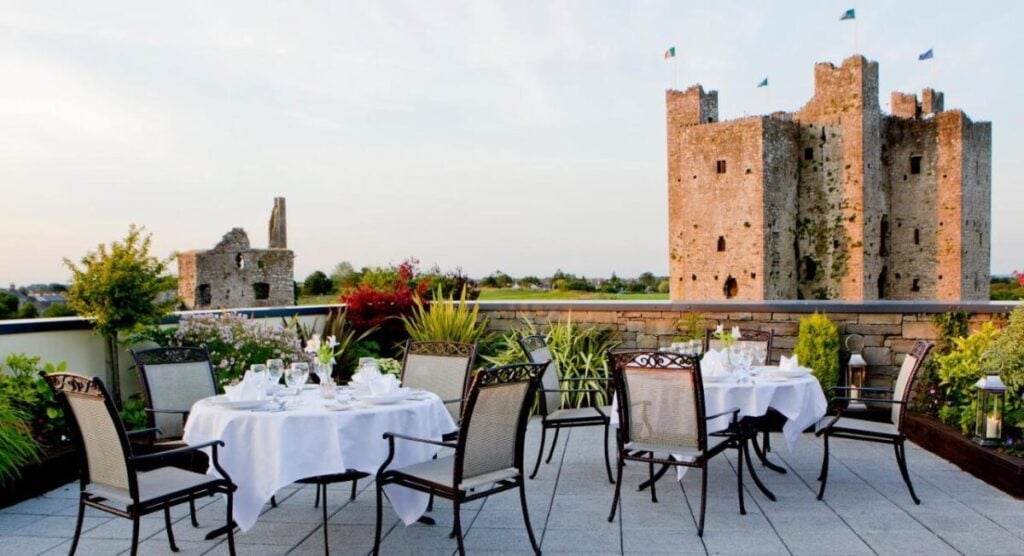
This Trim Castle hotel overlooks Trim Castle, which was used, among other things, as a filming location for the film Braveheart. Trim Castle is the largest Anglo-Norman castles in Ireland. The Trim Hotel has been designed to blend in with this historic setting while providing excellent service and modern amenities.
That’s 37 things to do in Meath, from solstice‑lit tombs and High Kings’ earthworks to castles, abbeys, beaches, farms and trad‑filled pubs. You can swim, play golf, ride horses on the beach, visit ancient ruins and learn about ogham, all within an hour of Dublin. The Royal County rewards slow travel and curiosity.