
Ley Lines in Ireland: Sacred Alignments and Ancient Sites
Ireland’s landscape is filled with ancient monuments, passage tombs, stone circles, sacred hills, and ritual sites, many of which appear to form deliberate patterns across the land. These alignments are often referred to as ley lines, a term used to describe straight lines connecting important ancient places, believed by some to mark spiritual pathways, ceremonial routes, or symbolic connections within the landscape.
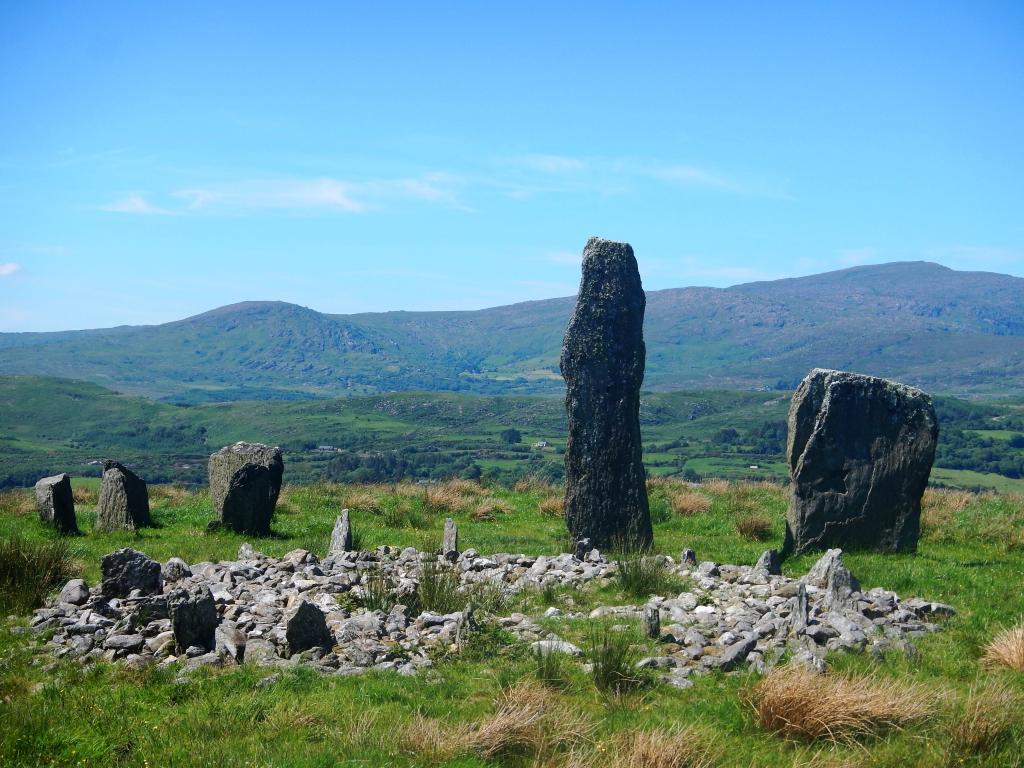
Whether viewed as mystical energy lines or as meaningful cultural alignments, ley lines have become an important way of understanding Ireland’s sacred geography.
What Are Ley Lines?
Ley lines are theoretical alignments that link ancient sites such as stone circles, burial mounds, hilltop sanctuaries, and early religious centres. The idea was first popularised in the early 20th century, but the concept resonates strongly in Ireland due to the island’s extraordinary density of prehistoric and sacred sites.
In Ireland, ley lines are often associated with:
Sacred hills
Neolithic monuments
Seasonal and ceremonial landscapes
Rather than isolated locations, these places appear as part of a wider, interconnected system shaped by belief, ritual, and long memory. From personal experience of visiting Ley line sites there is an almost mystical feel to these places.

Ireland’s Sacred Landscape
Ireland’s ancient builders clearly understood the importance of place. Many major sites occupy high ground, overlook rivers or valleys, or align with the sun at key times of year. These locations remained spiritually important long after their original builders were gone.
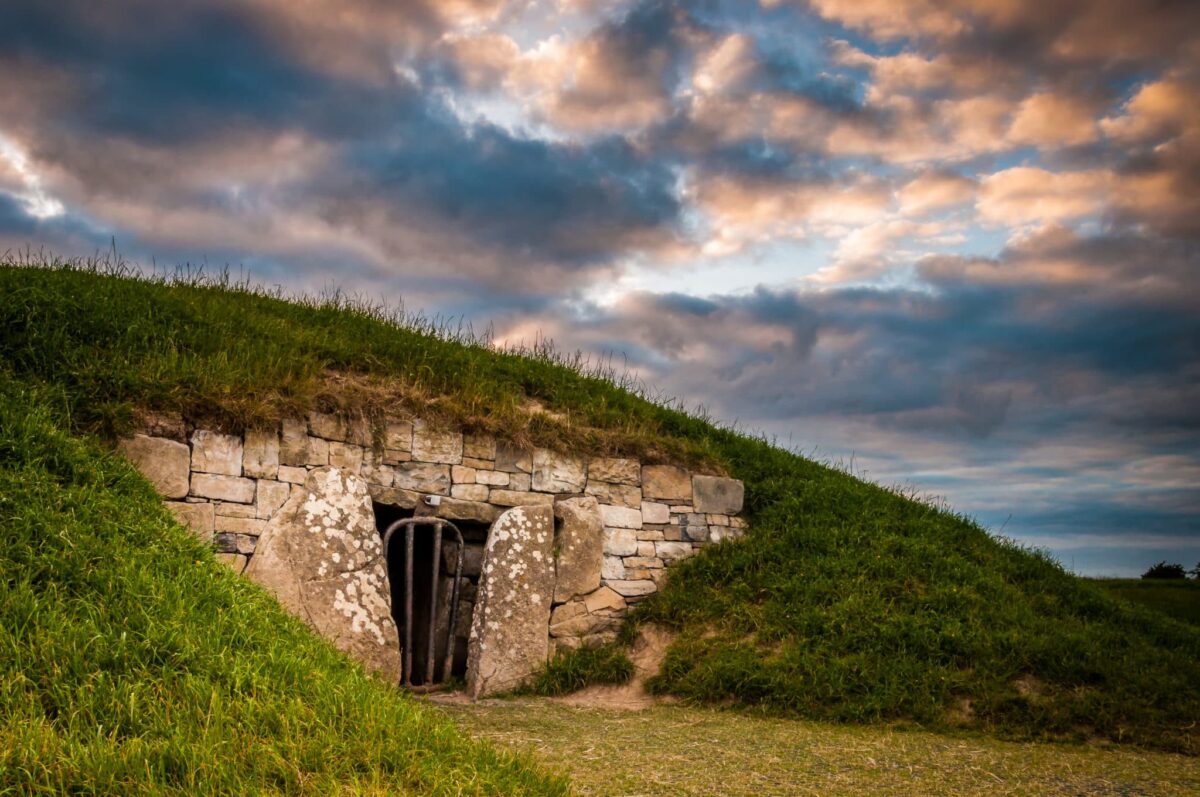
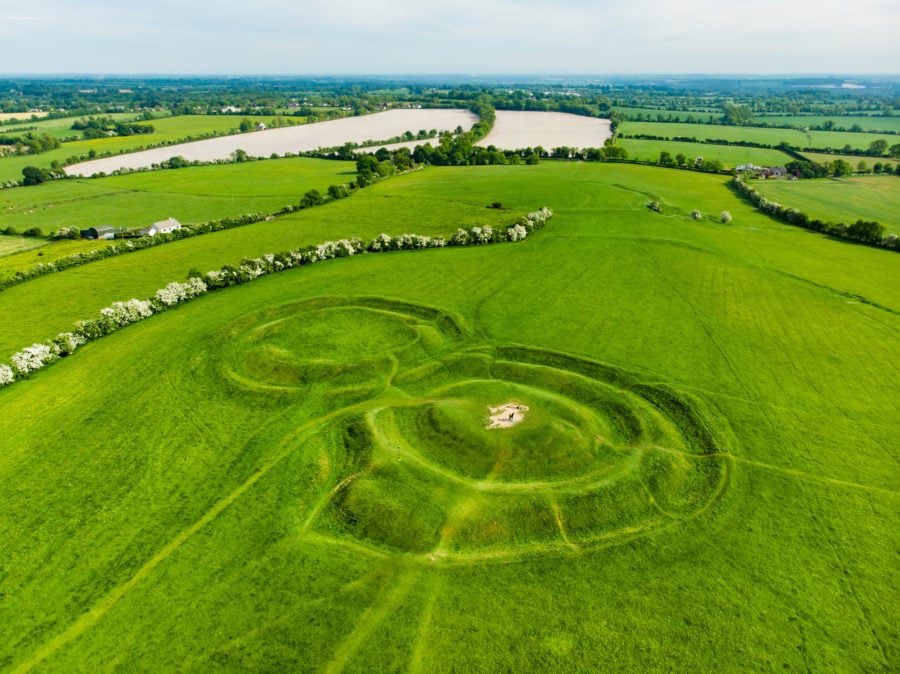
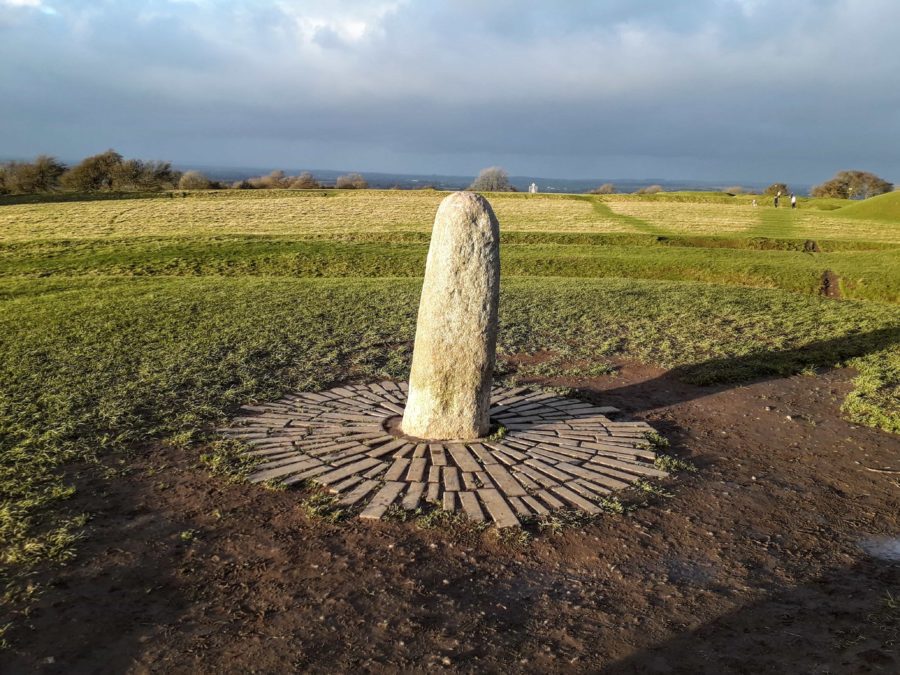
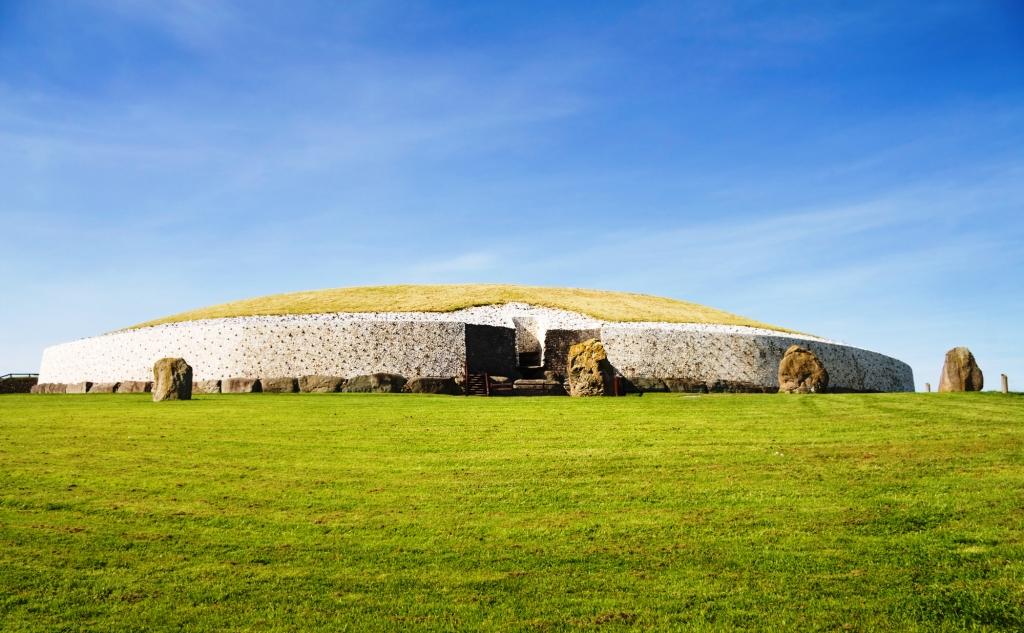
Hills such as Hill of Tara and Hill of Uisneach were regarded as centres of kingship and ritual, while monument complexes like Newgrange demonstrate a sophisticated understanding of astronomy and seasonal time.
At Newgrange evidence of large-scale Neolithic farming has been found recently in the area centuries before the great tomb was built around 3200 BC. This challenges the old idea of a pristine, ritual-only landscape and shows the tomb was constructed by a well-established, prosperous agricultural community.
Ley line theories suggest these sites were not chosen randomly, but formed part of a deliberate sacred layout across the island.


Famous Ley Lines in Ireland
The Tara–Uisneach Alignment
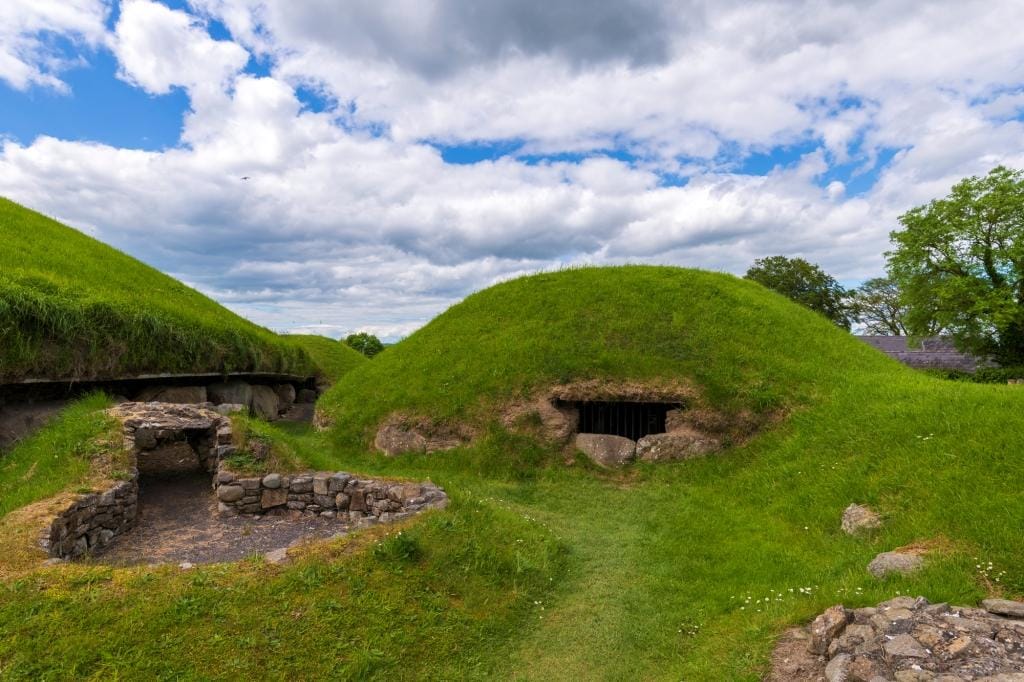
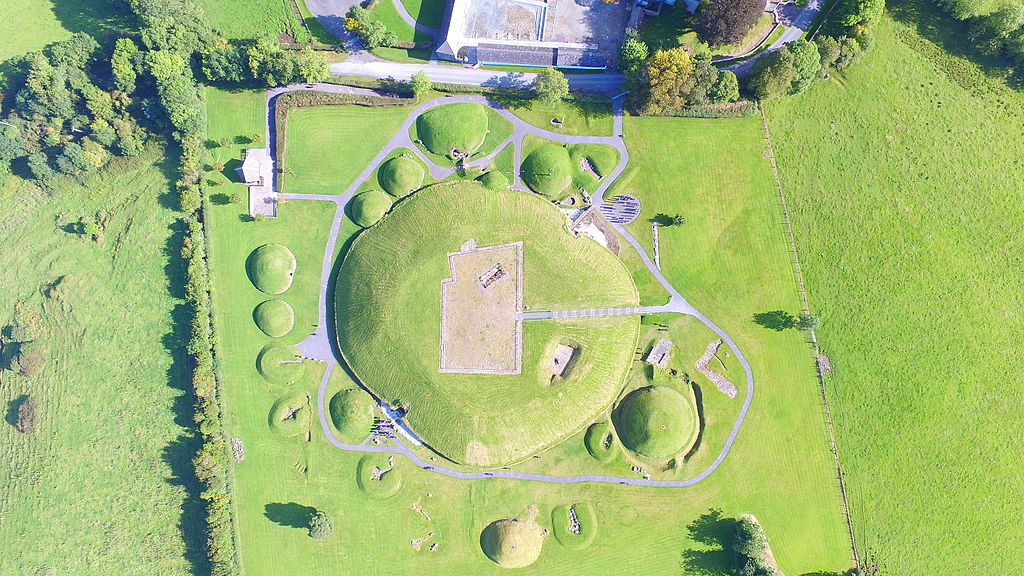
One of the most discussed alignments connects the Hill of Tara, the seat of the High Kings, with Hill of Uisneach, long considered the sacred centre of Ireland. Along this route lie other significant sites such as Loughcrew, reinforcing the idea of a ceremonial axis linking royal and ritual power.
The Boyne Valley Alignment
The Boyne Valley in County Meath contains a remarkable concentration of Neolithic monuments, including Newgrange and its surrounding sites. These monuments are often discussed as part of a wider alignment extending through Boyne Valley, linking burial, kingship, and solar symbolism.
The Sligo Sacred Landscape
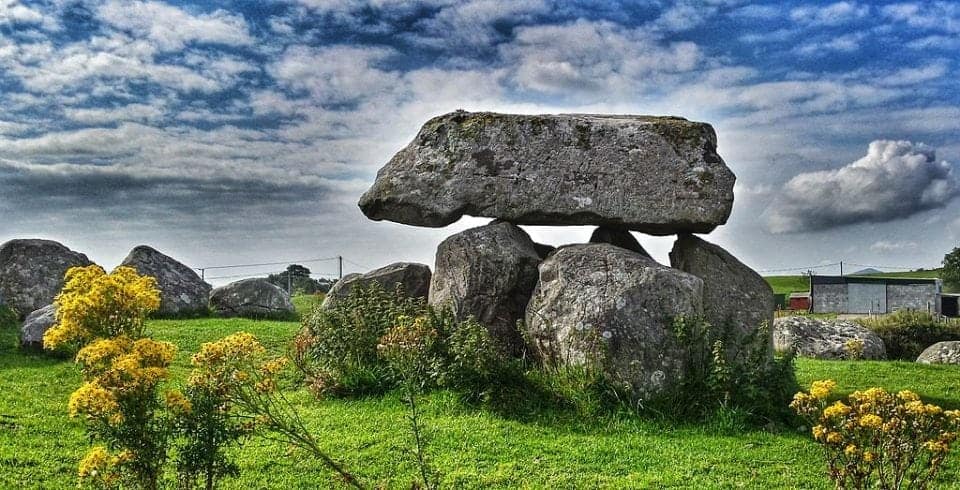
County Sligo is frequently cited in discussions of Irish ley lines due to the alignment of sites such as Carrowmore, Carrowkeel, and Knocknarea. Together, these form a powerful ceremonial landscape tied to mythology, burial traditions, and seasonal ritual.


The Kerry Sacred Route
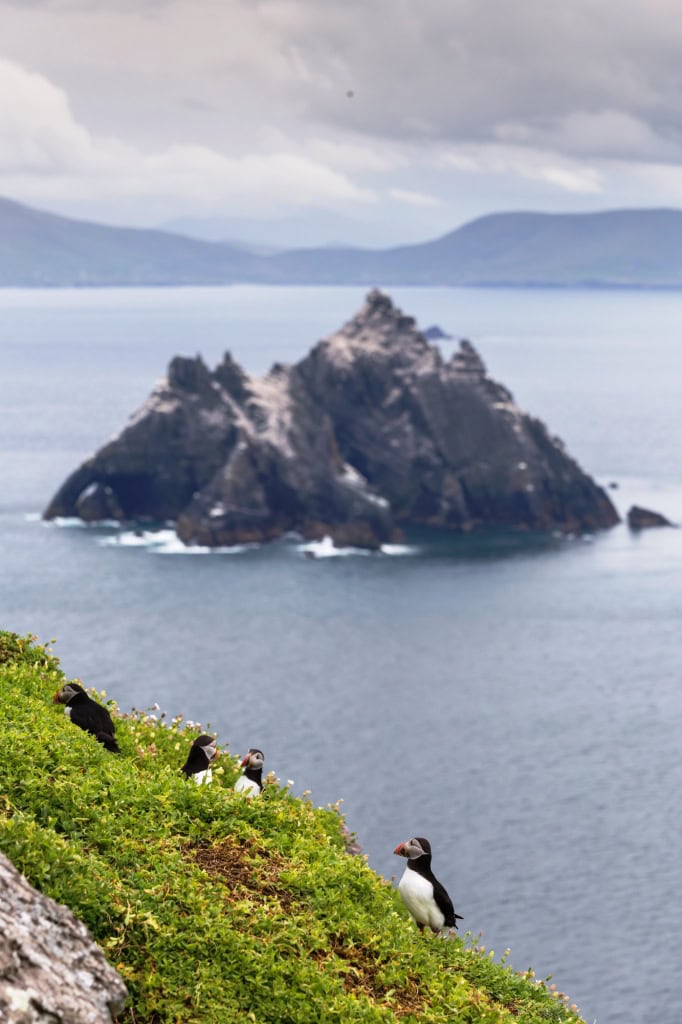
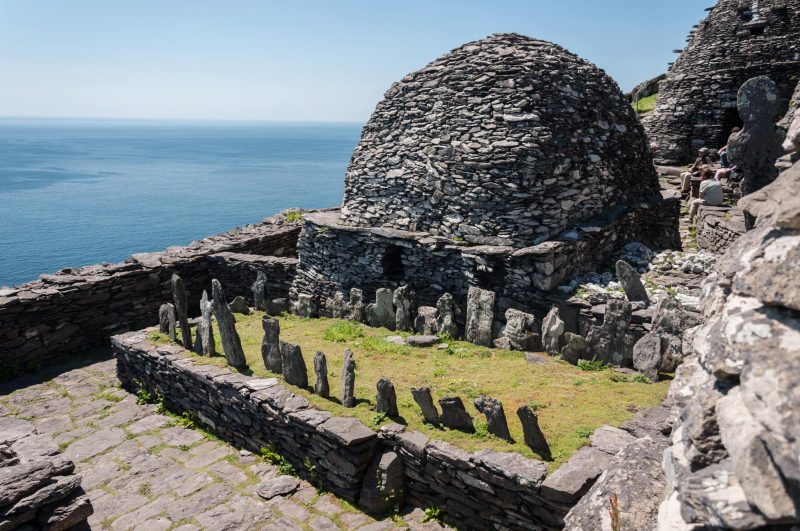
In the southwest along the Ring of Kerry alignments are often suggested between Mount Brandon, Gallarus Oratory, and Skellig Michael, linking prehistoric sacred mountains with early Christian pilgrimage sites. This continuity highlights how later traditions reused older sacred routes rather than abandoning them.

Ley Lines in Northern Ireland
Northern Ireland plays an important role in discussions of ley lines and sacred alignment. Sites such as The Giant’s Ring demonstrate large-scale ceremonial planning, while early settlement sites like Mountsandel show continuity of human presence in carefully chosen landscapes.
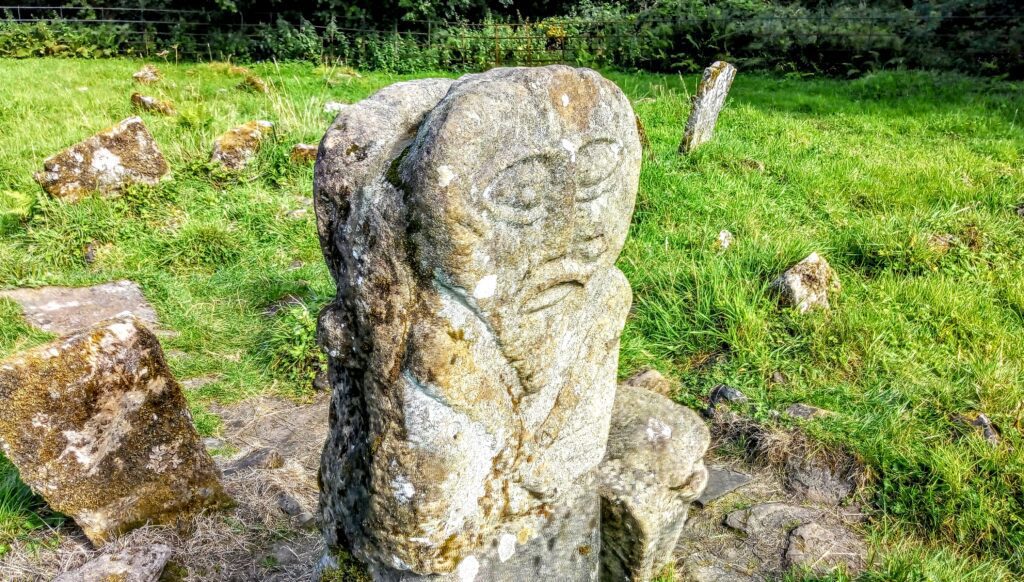
Other locations, including Boa Island in County Fermanagh, add to the sense that sacred places in Northern Ireland were integrated into wider ritual networks across the island.


Are Ley Lines Real?
From an academic perspective, there is no definitive archaeological proof that ancient Irish people intentionally created island-wide straight-line alignments. However, there is clear evidence that:
Sites were deliberately placed
Landscapes held symbolic meaning
Certain locations remained sacred for thousands of years
For many, ley lines offer a symbolic way of understanding how ancient people connected place, memory, and belief. Whether interpreted spiritually, culturally, or metaphorically, they reflect a long-standing intuition that Ireland’s sacred sites are part of a greater whole.

Visiting Ireland’s Ley Line Sites Today
Many sites associated with ley lines remain accessible today, from major monuments like Newgrange and the Hill of Tara to more remote landscapes in Sligo, Kerry, and Cork. Visiting these places often reveals why they were chosen commanding views, silence, and a powerful sense of presence.


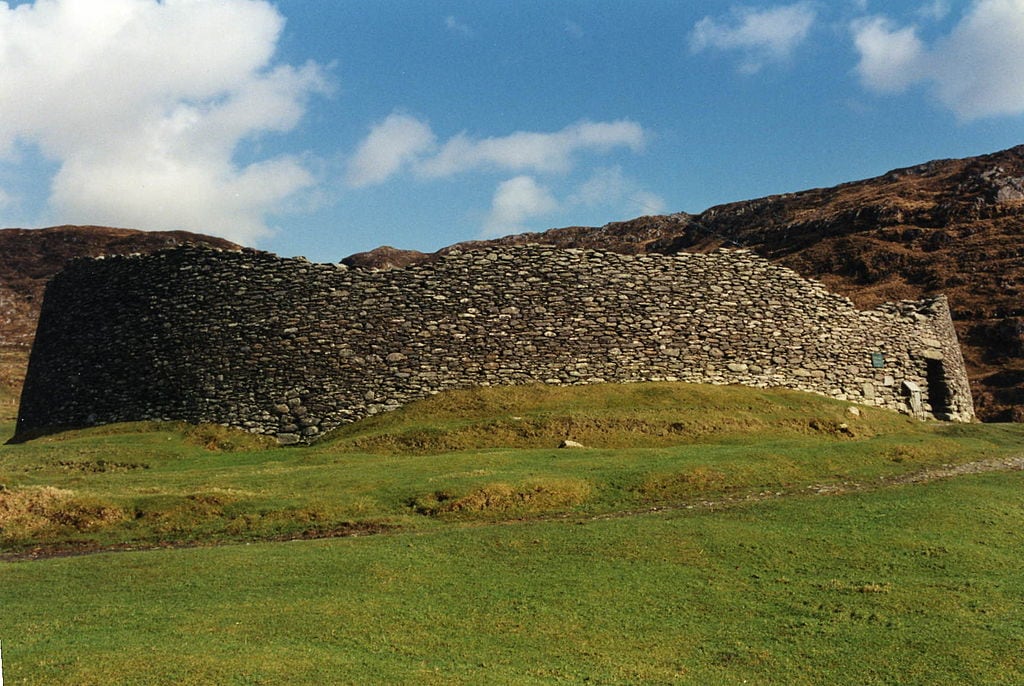
When exploring, visitors are encouraged to respect the sites, follow access guidelines, and remember that these places remain meaningful to many people.
Ley Lines and Ireland’s Enduring Mysticism
Ley lines are ultimately part of Ireland’s broader mythic tradition — a way of reading the land that blends archaeology, folklore, and modern spiritual thought. They invite us to see Ireland not as a scatter of ruins, but as a connected sacred landscape shaped by thousands of years of belief.
Related Reading
Ancient Ireland: Sacred Sites, Druids, Mythology & Prehistoric History