
Donegal Travel Guide: Things to Do, Hidden Gems and Local Tips
County Donegal sits at the wild edge of Ireland, where the Atlantic Ocean shapes cliffs, beaches, and mountains into some of the most dramatic landscapes in the country. With more than 1,200 kilometres of coastline along the Wild Atlantic Way, Donegal offers an extraordinary mix of rugged scenery, traditional villages, and quiet places that still feel largely untouched.
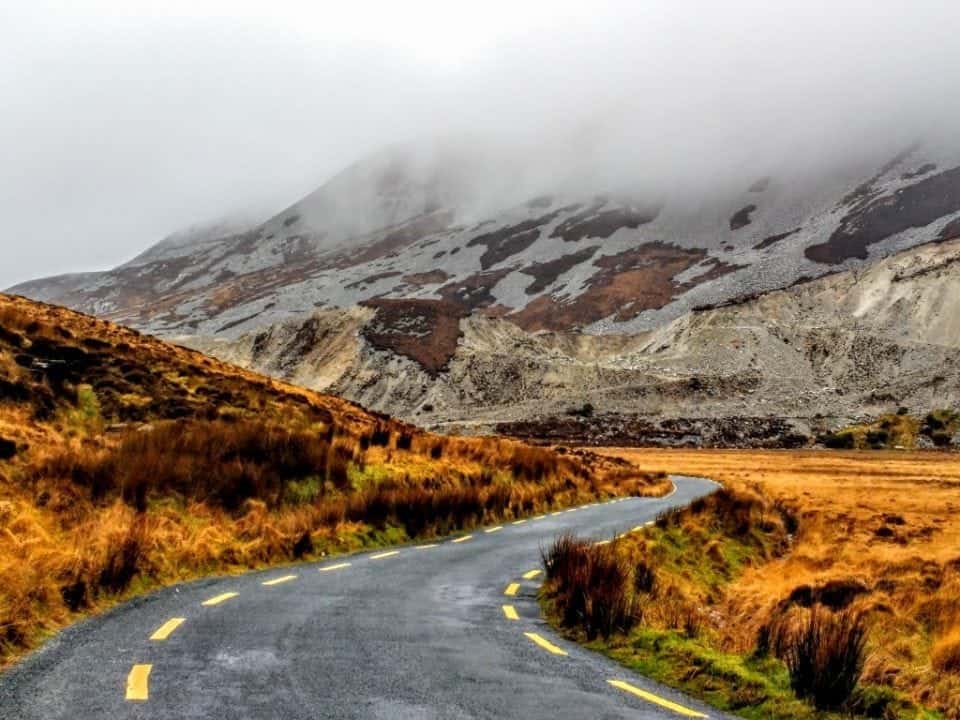
I live in Donegal and spend much of the year exploring the county’s coastline, hills, and small towns. What makes this part of Ireland special isn’t just the well-known landmarks, but the feeling of space and discovery that still exists here. It’s common to drive down a narrow road expecting nothing more than a viewpoint and suddenly find a beautiful beach or coastal walk waiting at the end.
This guide brings together my articles about Donegal so you can easily explore the county’s best beaches, mountains, scenic drives, and hidden places.
These quick facts will help you plan your visit to Donegal, one of the wildest and most beautiful counties along Ireland’s Wild Atlantic Way.
Donegal Travel Facts
| Best time to visit | May–September |
| Ideal trip length | 3–5 days |
| Nearest airport | Donegal Airport |
| Famous for | Wild Atlantic Way cliffs and rugged coastal scenery |
| Top highlights | Slieve League, Glenveagh Castle glenveagh national park, Donegal Town |
- Donegal Travel Guide: Things to Do, Hidden Gems and Local Tips
- Quick Travel Guide to Donegal
- Map of the Best Places to Visit in Donegal
- Why Visit Donegal?
- Things to Do in Donegal
- Best Beaches in Donegal
- Explore Donegal Town
- Famous Places to Visit in Donegal
- Practical Tips for Visiting Donegal
- When to Visit Donegal
- Is Donegal Worth Visiting?
- Travel Costs in Donegal
- Where to Eat in Donegal Town
- Getting Around Donegal
- Where to Stay in Donegal
- Frequently Asked Questions About Visiting Donegal
Quick Travel Guide to Donegal
• Location: Northwest Ireland along the Wild Atlantic Way
• Famous for: Dramatic cliffs, quiet beaches, Gaelic culture, and wild landscapes
• Best time to visit: May–September for weather, spring and autumn for fewer crowds
• Ideal trip length: 3–5 days
• Nearest airports: Donegal Airport and City of Derry Airport
• Do you need a car? Yes for most travelers exploring the county
• Top highlights: Slieve League cliffs, Glenveagh National Park, Donegal Town, Malin Head
Map of the Best Places to Visit in Donegal
This map shows the best places to visit in Donegal including beaches, cliffs, hidden gems and scenic drives along the Wild Atlantic Way.
Why Visit Donegal?
Donegal is one of Ireland’s most scenic counties, yet it remains quieter than many of the country’s better-known destinations. Visitors come for the dramatic Atlantic coastline, traditional music in small pubs, and landscapes that feel both vast and untamed.
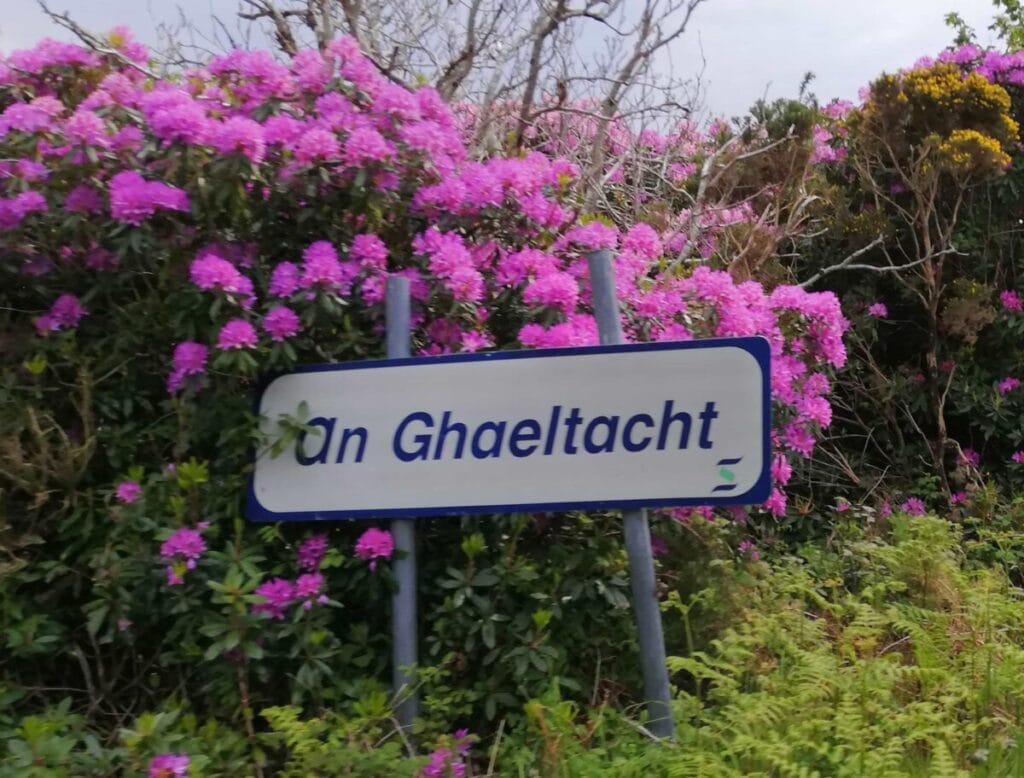
Highlights of the county include towering sea cliffs, long sandy beaches, remote peninsulas, and mountain ranges like the Derryveagh Mountains. The region is also home to several Gaeltacht areas where the Irish language is still spoken daily.
For travellers exploring the Wild Atlantic Way, Donegal offers some of the most memorable scenery anywhere along the route.
Things to Do in Donegal
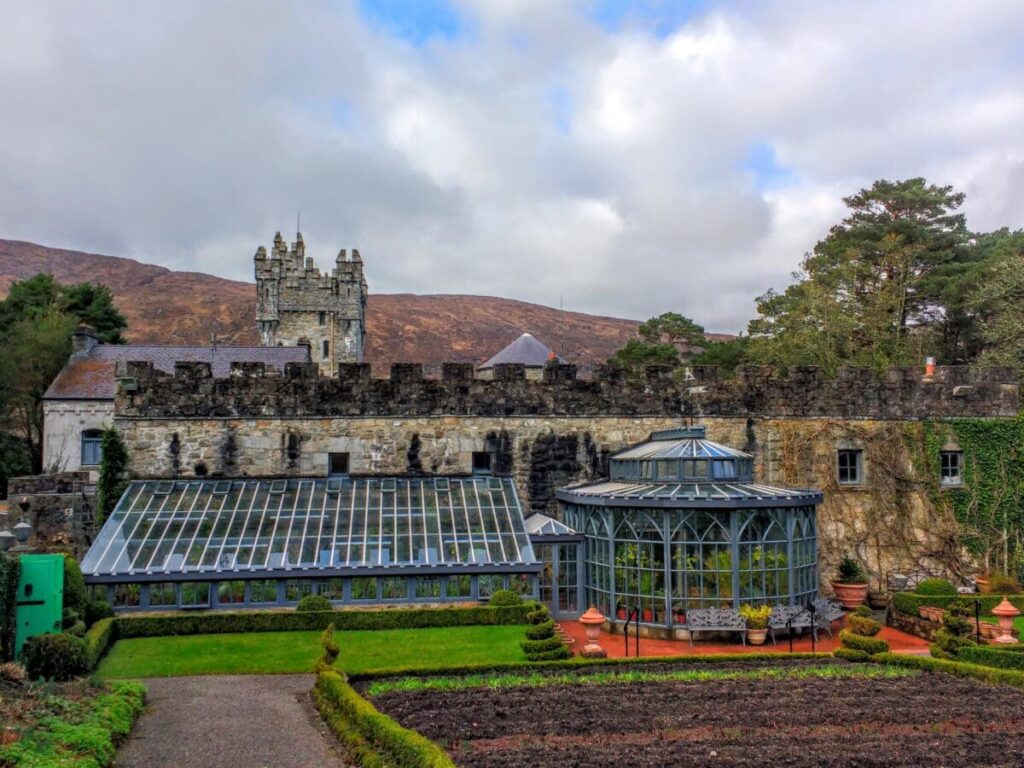
Discover the highlights of the county including dramatic cliffs, castles, beaches and traditional towns. You can read my full guide here: Things to Do in Donegal


Best Beaches in Donegal
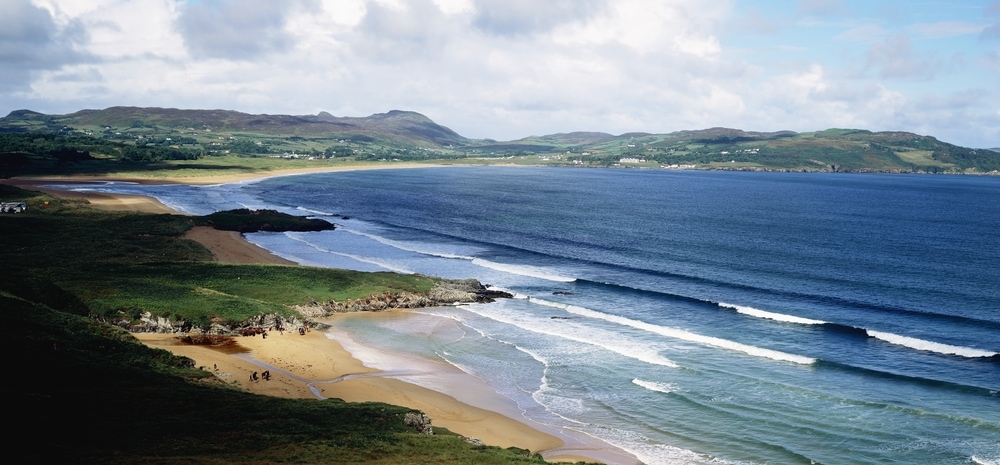
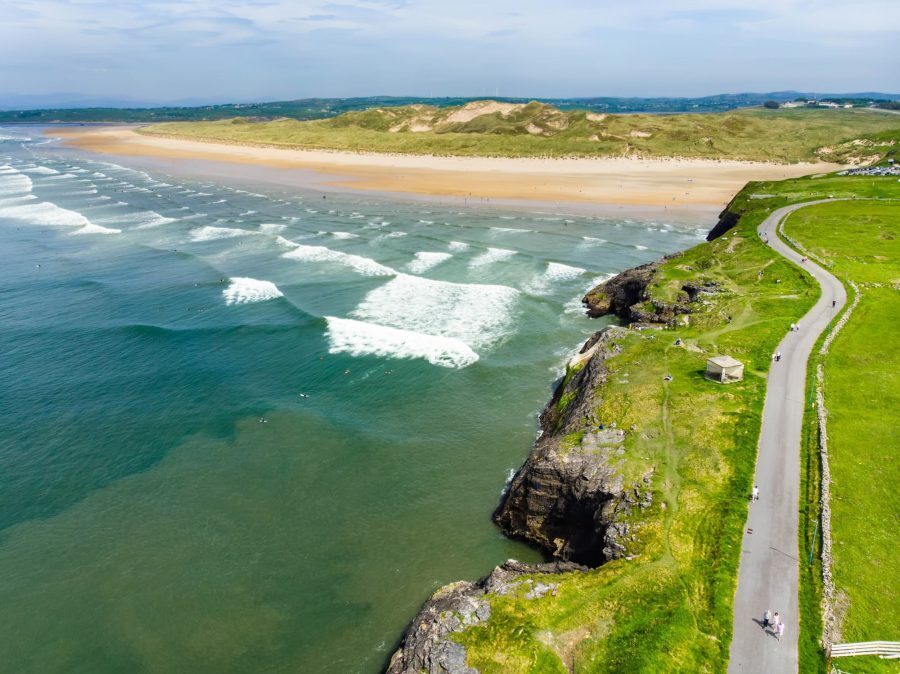
Donegal has some of the most beautiful beaches in Ireland, ranging from long surfing beaches to quiet coves hidden beneath cliffs.
Popular beaches include Rossnowlagh for surfing, Ballymastocker Bay near Portsalon for swimming, and Culdaff Beach in Inishowen for family-friendly sand and shallow water.
Explore the full guide here: Best Beaches in Donegal

Explore Donegal Town
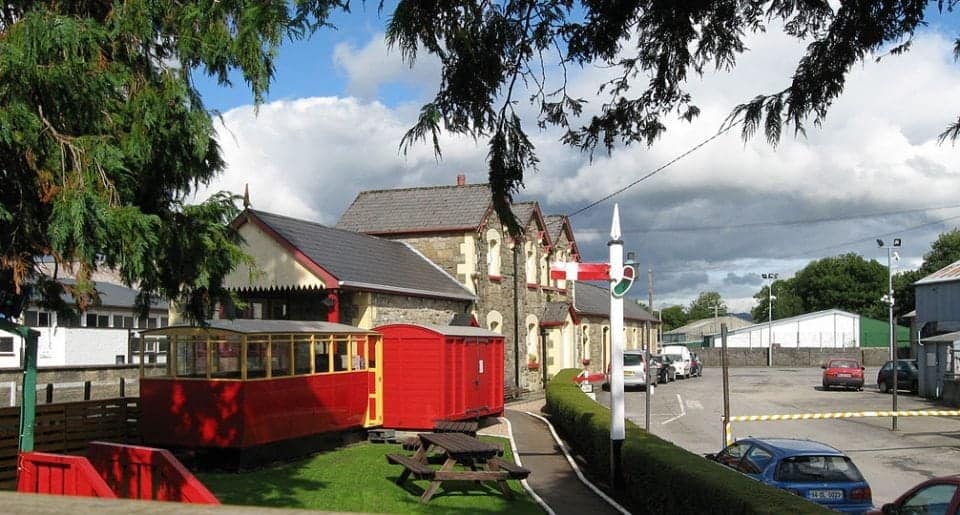
Nestled where the River Eske meets the bay, Donegal Town is a compact gem of rugged beauty and history. You can explore the 15th-century Donegal Castle, stroll past colourful shops selling traditional tweed, and soak in the lively atmosphere of The Diamond. After a day of exploring, relax in a cozy pub to the sound of traditional music, all with the stunning backdrop of Donegal Harbour.
Explore the full guide here: Donegal Town

Famous Places to Visit in Donegal
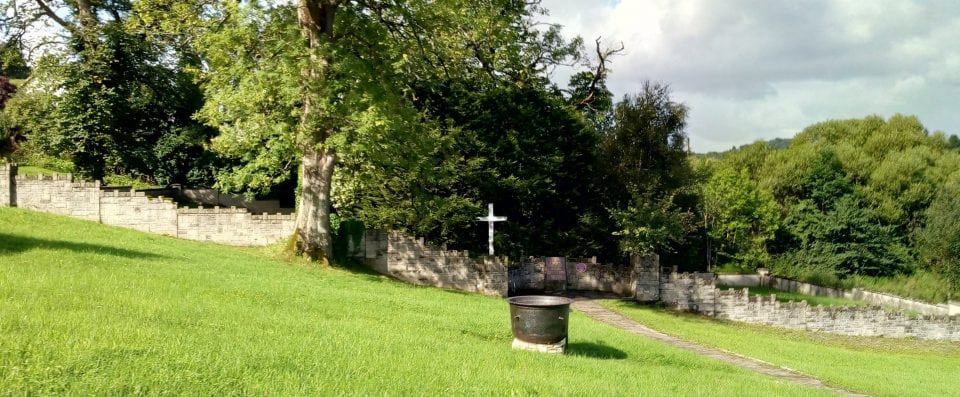
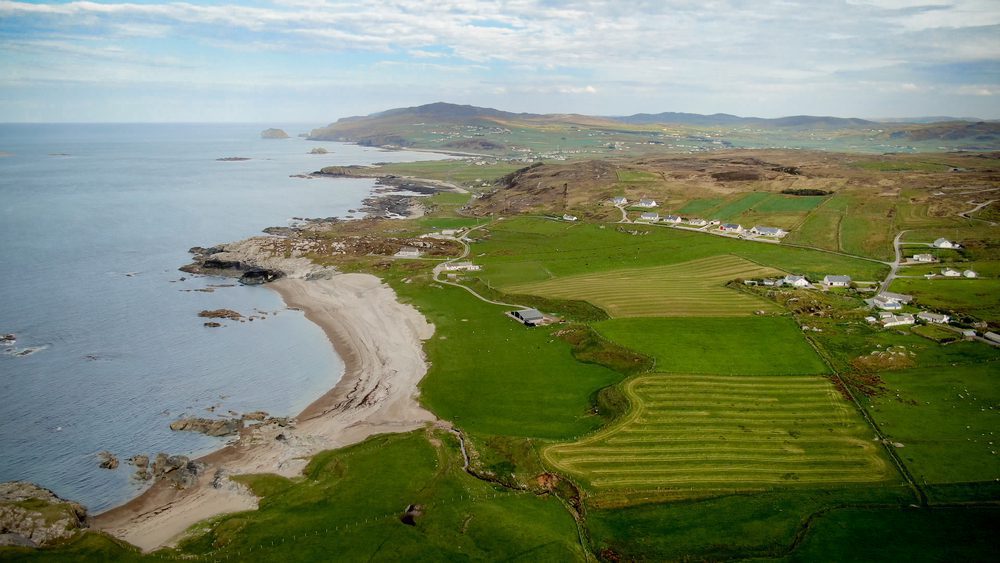
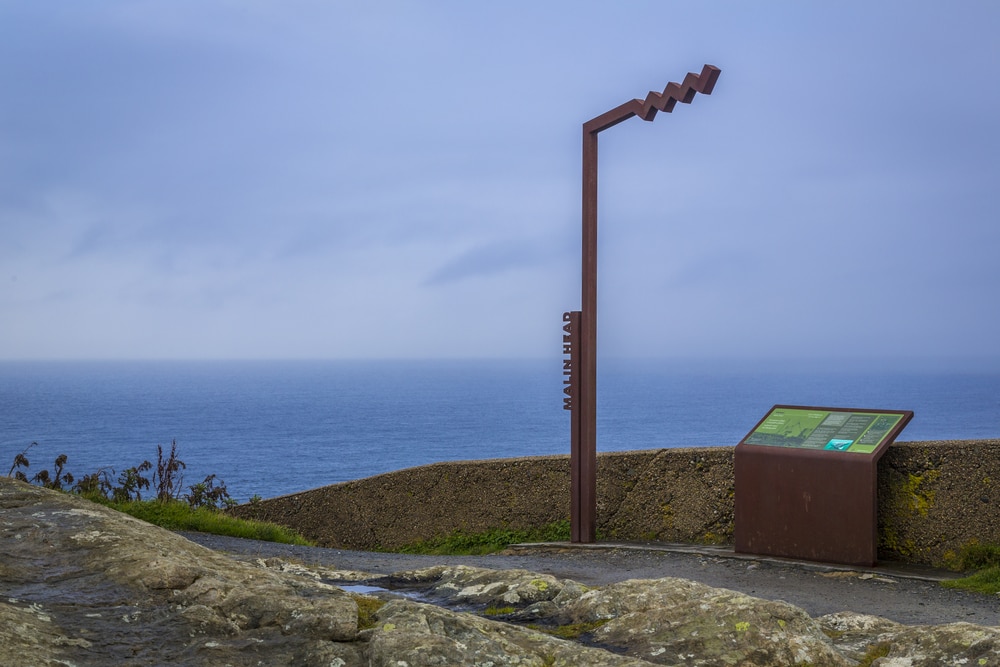
County Donegal is home to some of Ireland’s most breathtaking landmarks. The mighty Slieve League Cliffs boasts some of the highest accessible sea cliffs in Europe, towering nearly 600 metres above the Atlantic. The vast Inishowen Peninsula, the largest on the island, is crowned by Malin Head, Ireland’s most northerly point, famous for its rugged scenery and Star Wars connection. Tucked away in a national park, the picturesque Glenveagh Castle offers a glimpse into a more tranquil, romantic history with its stunning castle gardens.

Practical Tips for Visiting Donegal
• Driving distances can be long
• Weather changes quickly
• Summer accommodation fills quickly
• Many scenic areas require a car
When to Visit Donegal
Donegal is beautiful in every season, but the experience can change dramatically depending on the weather, daylight hours, and crowds. Summer brings the best conditions for coastal walks and beaches, while spring and autumn offer quieter roads and dramatic Atlantic scenery. If you’re planning a trip, read Best Time to Visit Donegal: Weather, Seasons and Travel Tips to understand what each season is really like.
Is Donegal Worth Visiting?
Absolutely. Donegal is one of Ireland’s wildest and least crowded counties, known for its dramatic cliffs, quiet beaches, and strong Gaelic culture. Travelers who venture here discover landscapes that feel far removed from the busier tourist routes. If you’re wondering whether it should be part of your trip, read Is Donegal Worth Visiting? A Local’s Complete Guide.


Travel Costs in Donegal
Compared with many popular destinations in Ireland, Donegal can be surprisingly affordable, especially outside the peak summer months. Accommodation, food, and activities vary depending on where you stay and when you visit. For a realistic breakdown of prices, see Is Donegal Expensive to Visit? Cost Guide by a Local.
Where to Eat in Donegal Town
Donegal Town has an excellent food scene for a small coastal town, with everything from traditional pubs serving hearty Irish dishes to seafood restaurants overlooking the harbour. Local produce and Atlantic seafood feature heavily on many menus. For the best places to try, see Best Restaurants in Donegal Town.

Getting Around Donegal
Donegal is a large and rural county with many scenic areas far from train stations or major transport hubs. While buses connect some towns, many of the most beautiful places are easiest to reach by car. To understand the options and when a car is essential, read Do You Need a Car in Donegal? What to Know Before You Visit.
Where to Stay in Donegal
Accommodation in Donegal ranges from cosy guesthouses and boutique B&Bs to luxury lakeside hotels surrounded by wild landscapes. Many visitors base themselves near Donegal Town or along the coast to explore the Wild Atlantic Way. One of the county’s most memorable places to stay is Lough Eske Castle Hotel, Donegal, a restored castle set beside the tranquil waters of Lough Eske.

Frequently Asked Questions About Visiting Donegal
How many days do you need in Donegal?
Most visitors need 3–5 days to explore Donegal properly. This allows time to visit the dramatic cliffs at Slieve League, explore Glenveagh National Park, enjoy Donegal Town, and discover some of the county’s quieter beaches and coastal drives.
What is Donegal famous for?
Donegal is famous for its wild landscapes along the Wild Atlantic Way, including towering sea cliffs, remote beaches, traditional Irish culture, and scenic drives. Highlights include Slieve League cliffs, Glenveagh National Park, Malin Head, and the lively harbour town of Donegal.

Do you need a car to visit Donegal?
In most cases, yes. While buses connect some towns, many of the county’s most spectacular places including beaches, cliffs, and scenic viewpoints are easier to reach with a car. Having your own transport makes it much easier to explore at your own pace.
Is Donegal expensive to visit?
Donegal can be more affordable than many other Irish destinations, especially outside the summer months. Accommodation ranges from budget-friendly guesthouses to luxury hotels, and many of the best experiences beaches, coastal walks, and scenic drives are completely free.

What is the best time of year to visit Donegal?
Late spring through early autumn (May to September) generally offers the best weather and longest daylight hours. However, spring and autumn can be excellent times to visit if you prefer fewer crowds and dramatic Atlantic scenery.
Where should I base myself in Donegal?
Many travelers choose Donegal Town as a base because it has restaurants, accommodation, and easy access to nearby attractions. Other popular areas include Dunfanaghy, Ardara, and parts of the Inishowen Peninsula depending on which areas of the county you want to explore.

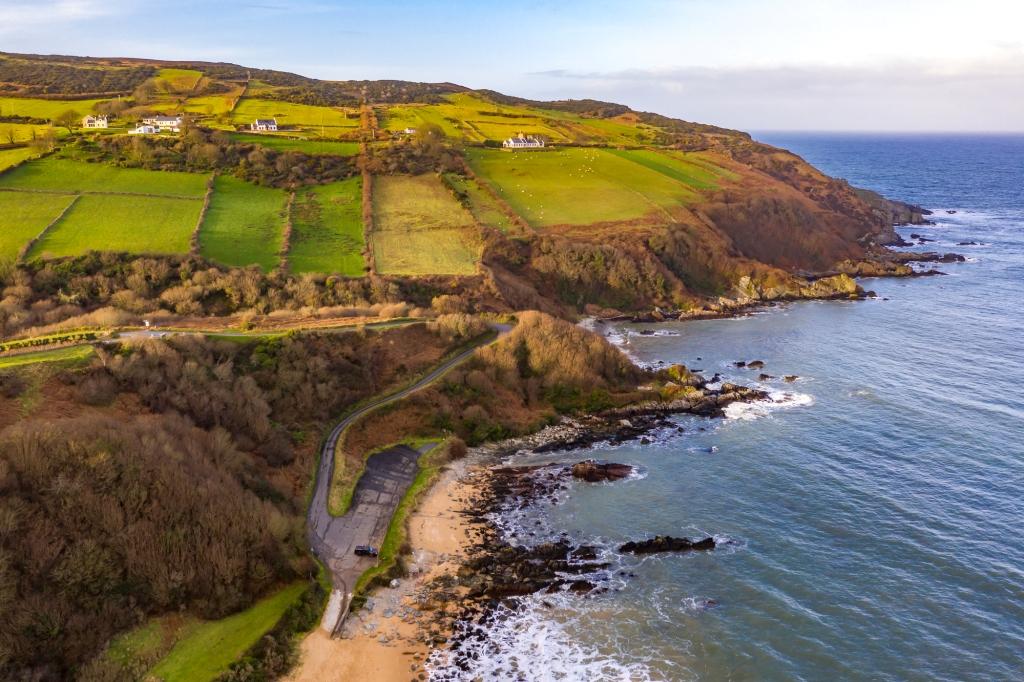
Donegal is one of Ireland’s most remarkable regions, where rugged cliffs, quiet beaches, and traditional culture combine to create a landscape that still feels wild and untouched. Whether you come for the dramatic scenery of the Wild Atlantic Way, peaceful coastal drives, or the welcoming atmosphere of small towns and villages, the county offers a travel experience that is both authentic and unforgettable.
From exploring hidden beaches and scenic headlands to enjoying fresh seafood in Donegal Town or hiking through Glenveagh National Park, there is always something new to discover. With a little planning and a sense of adventure, a trip to Donegal can easily become one of the highlights of any journey through Ireland.