
26 Hidden Gems in Northern Ireland: Local Secrets
The best hidden gems in Northern Ireland include Mussenden Temple, Kinbane Castle, Rathlin Island, Murlough Bay, Glenariff Forest Park, Marble Arch Caves, and the Sperrin Mountains. These off-the-beaten-path locations offer dramatic coastal scenery, fewer crowds, and more authentic local experiences than typical tourist stops. The best way to explore them is on a 3–5 day road trip, especially along the Causeway Coastal Route with key detours inland.
Check out my Northern Ireland Travel Tips Guide before you go
Why Northern Ireland Still Has Real Hidden Gems (And Why Most People Miss Them)
I often get asked by friends on social media – Is Ireland worth visiting? I usually say a resounding yes and Northern Ireland is one of the few places where the term “hidden gem” still genuinely applies, and that’s not just something you read in travel guides it’s something you notice the more time you spend here. Growing up in Coleraine and now living in Donegal, I’ve seen how differently people experience this part of the country depending on how they approach it.
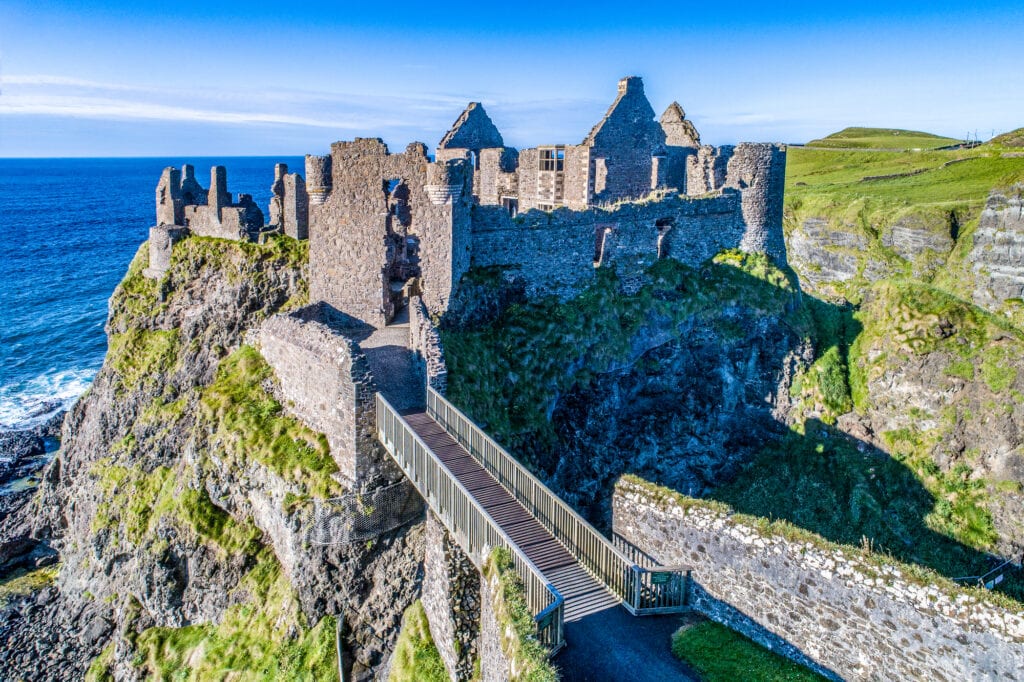
Most visitors follow a very similar route. They start in Belfast city, explore a few well-known spots, and then head north along the Causeway Coastal Route. Along the way, they stop at the Giant’s Causeway, a UNESCO World Heritage Site, visit Dunluce Castle for the classic cliffside view, and tick off a handful of other well-known locations like the Carrick-a-Rede Bridge.


And while those places are worth visiting, they only represent a small part of what Northern Ireland actually offers.
The real difference comes from what happens in between those stops. Hidden gems here aren’t hidden because they’re secret they’re hidden because they require a slightly different mindset. You need to be willing to slow down, take a road that doesn’t look obvious, or spend longer in one place instead of rushing through multiple stops in a single day.
Tourism Ireland has done a great job of putting Northern Ireland on the map, but naturally, that focus is on major attractions. That leaves a gap for travellers who want something quieter and more personal.
From experience, the places that stay with you aren’t always the ones you planned to visit they’re the ones you discovered along the way. That might be a quiet beach with no one else around, a viewpoint just beyond where most people stop, or a small pub that feels completely local.
👉 Plan your Northern Ireland road trip: 101 Landmarks in Northern Ireland
and: Belfast city guide

Map of Northern Ireland’s Hidden Gems
🗺️ Map Key
· Blue → Coastal Route
· Red → Mournes and South
· Green → Inland and the West
· Orange → North Coast Guide
· Purple → Belfast and nearby
👉 View full map with categories and legend
Tip: Save this map before your trip it’s the easiest way to plan a Northern Ireland road trip with hidden stops.
- 26 Hidden Gems in Northern Ireland: Local Secrets
- Why Northern Ireland Still Has Real Hidden Gems (And Why Most People Miss Them)
- Map of Northern Ireland's Hidden Gems
- Hidden Gems Along the Causeway Coastal Route (Best Stops Most People Miss)
- Mussenden Temple & Downhill Demesne
- Kinbane Castle (Quiet Cliffside Ruin Most Visitors Miss)
- Rathlin Island (Puffins, Coastal Views & One of Northern Ireland’s Most Unique Hidden Gems)
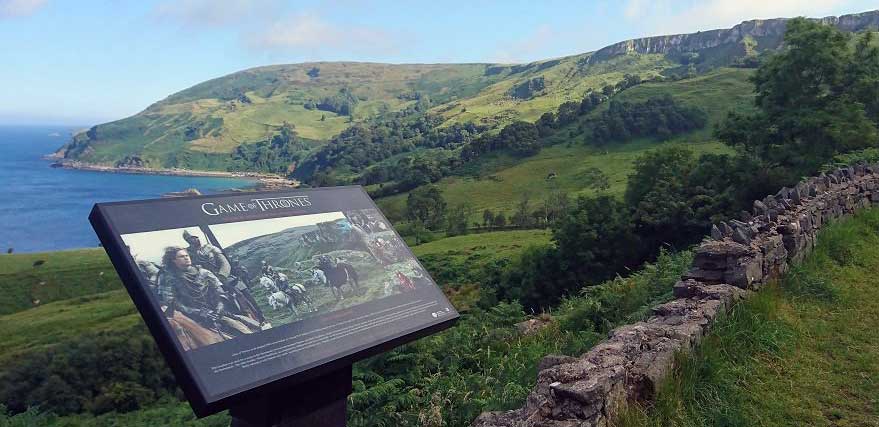
- Murlough Bay & Cushendun Caves (Dramatic Coastal Scenery & Quiet Atmosphere)
- Ballintoy Harbour & Torr Head (Where the Coastal Route Becomes More Wild)
- Glenariff Forest Park (Waterfalls, Forest Trails & A Different Side of Northern Ireland)
- Benone Beach & Dunseverick Castle (Wide Open Coast & Quiet Historic Stop)
- Sperrin Mountains (Northern Ireland’s Most Underrated and Wild Landscape)
- Marble Arch Caves (Underground Hidden Gem & UNESCO Geopark Experience)
- Slieve Gullion (Ancient Landscape, Views & One of the Most Overlooked Hidden Gems)
- Tollymore Forest Park (Game of Thrones Location & One of the Best Walks in Northern Ireland)
- Castlewellan Peace Maze & Mourne Mountains Hidden Gems
- Giant’s Ring (Ancient Site Near Belfast Without the Crowds)
- Knockmany Passage Tomb (One of Northern Ireland’s Least Visited Ancient Sites)
- Crawfordsburn Country Park (Coastal Walks Near Belfast)
- Carlingford Lough & Kilbroney Park (A Different Side of Northern Ireland)
- Best Hidden Gems for a Northern Ireland Day Trip
- FAQ: Hidden Gems in Northern Ireland
- The Northern Ireland Most People Never See
- Start Planning Your Trip
Hidden Gems Along the Causeway Coastal Route (Best Stops Most People Miss)
The Causeway Coastal Route is often described as one of the most scenic drives in Europe, and once you’ve experienced it, it’s easy to understand why. The combination of cliffs, ocean views, small villages, and winding roads creates a journey that feels far more immersive than a typical road trip.
But what most guides don’t explain is that the best parts of the route aren’t always the main stops.
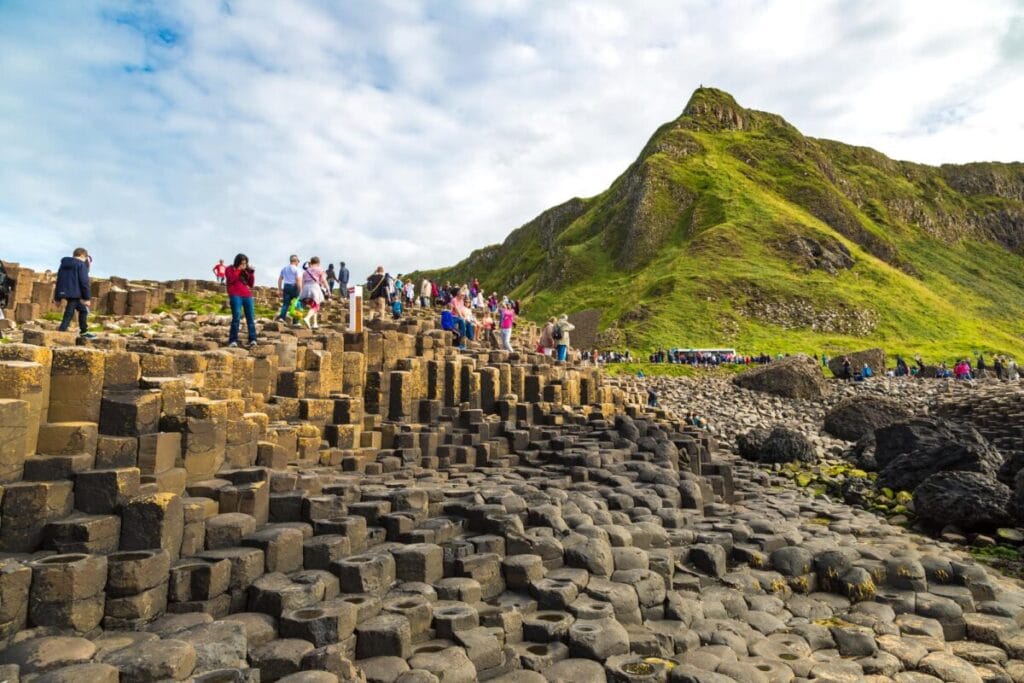
The Giant’s Causeway, as a UNESCO World Heritage Site, attracts the majority of visitors, and Dunluce Castle is one of the most photographed landmarks in Northern Ireland. These places are worth seeing, but they’re also the busiest. The experience can often feel rushed, especially during peak travel months. The real hidden gems along the Causeway Coastal Route are usually just slightly off the main road. The Dark Hedges for example are not truly a hidden gem anymore nor are they on the Coastal route. They can be found in County Antrim, on the Bregagh Road.
Kinbane Castle is a perfect example. It’s only a short detour from the main route, but the descent down to the ruins creates a sense of separation that makes it feel completely different from nearby attractions. Murlough Bay offers one of the most dramatic coastal landscapes in Northern Ireland, yet many people drive straight past the turn without even noticing it.
From experience, the biggest mistake people make is trying to see too much in one day. The route isn’t about how many stops you make it’s about how you experience them. Taking fewer stops and spending more time at each one will always lead to a better trip.
Timing also plays a huge role. Early mornings and late evenings completely change the atmosphere. The roads are quieter, the light is better, and the entire experience feels more personal.
👉 See the full Causeway Coastal Route guide
Mussenden Temple & Downhill Demesne
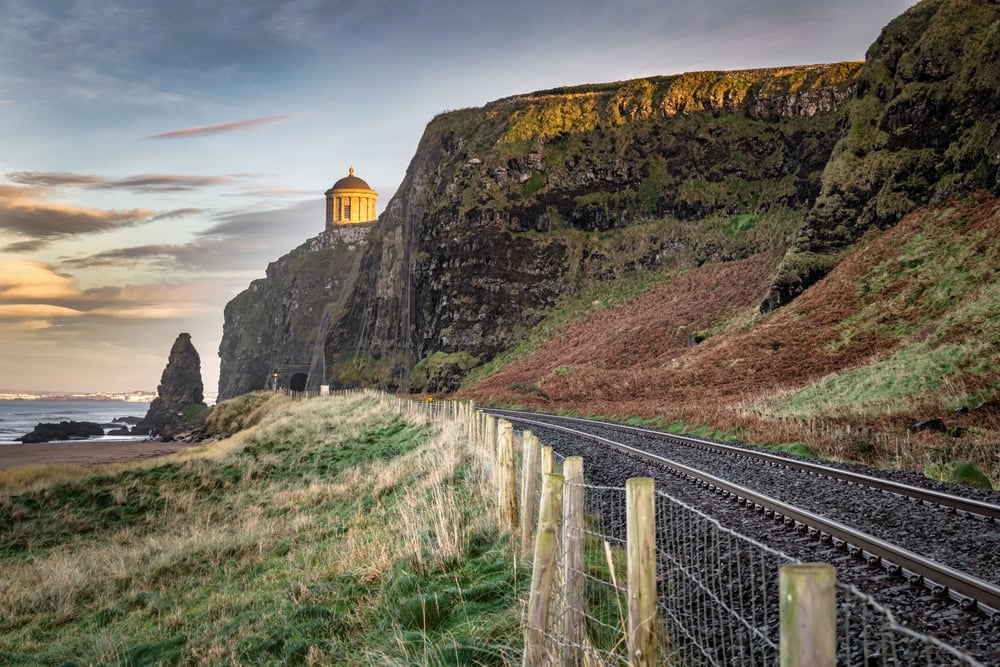
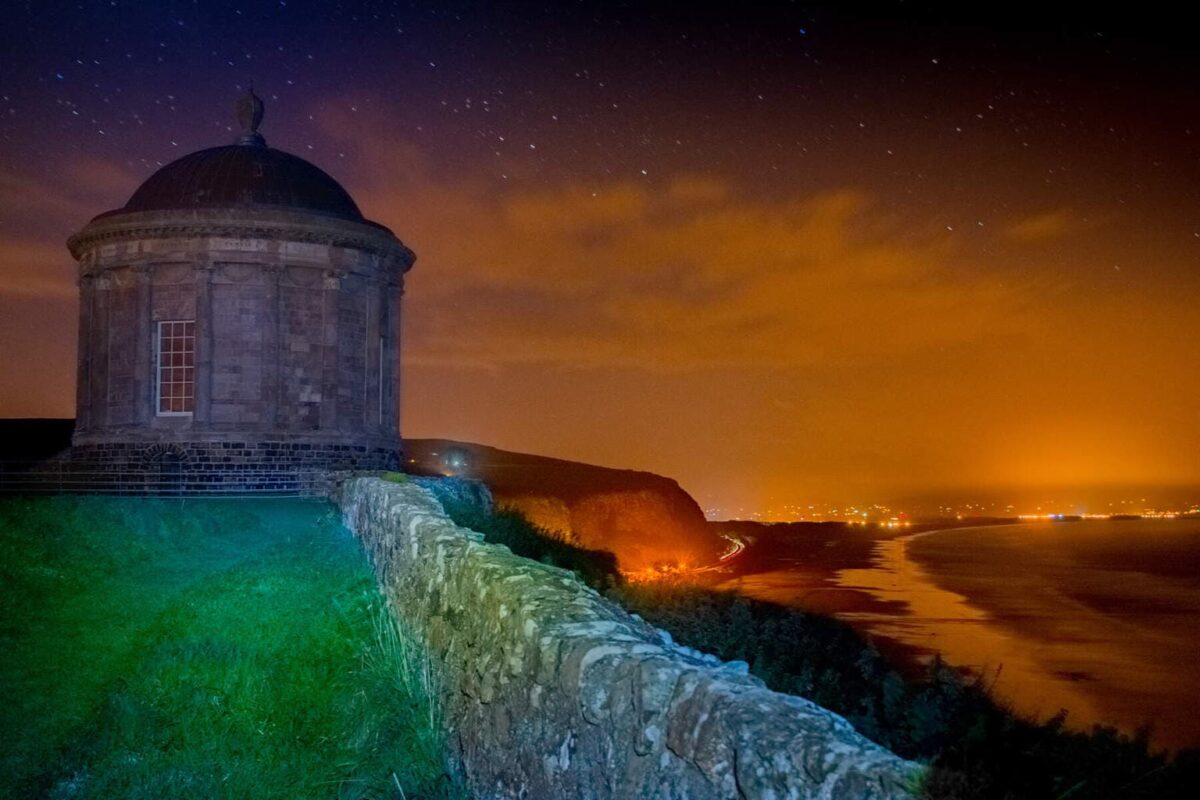
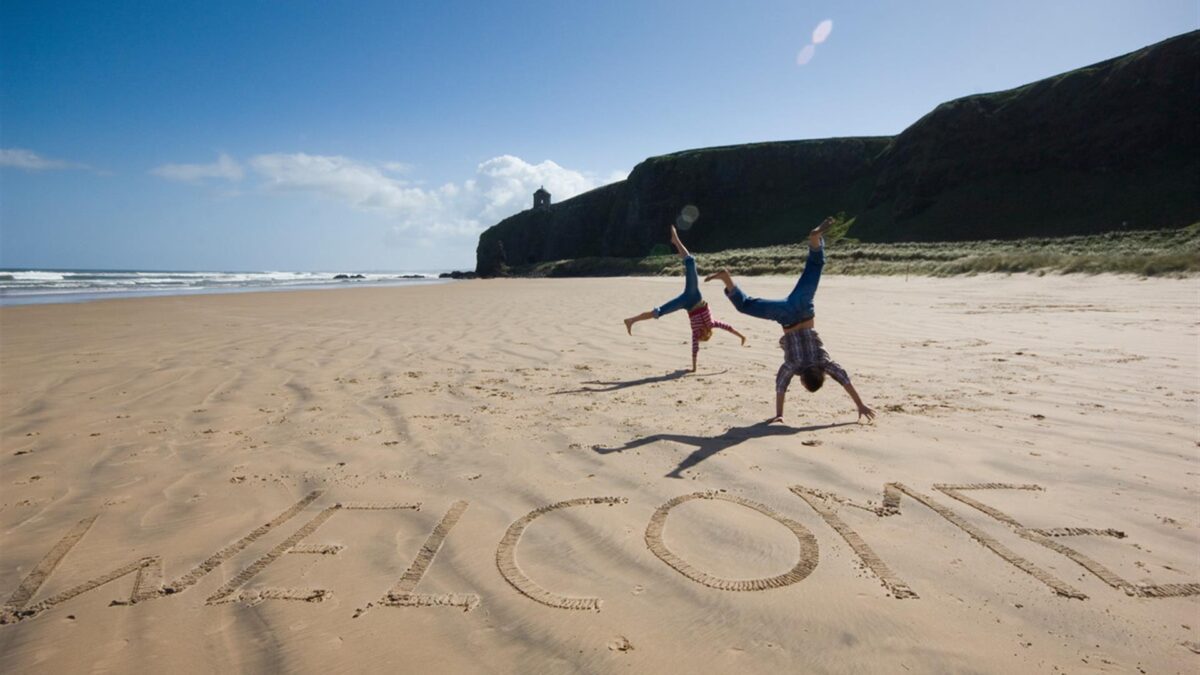
Mussenden Temple is one of the most recognisable viewpoints in Northern Ireland, but it’s also one of the easiest places to misunderstand. Most people arrive, walk straight to the edge for a photo, and leave within minutes. If that’s all you do, you’re missing what actually makes this place special.
Set high on a cliff edge overlooking Downhill Strand, the temple offers one of the most expansive views along the Causeway Coastal Route. On a clear day, you can see across to Donegal, and even after years of coming back here, it’s still one of those places that never really loses its impact. The scale of the coastline, the movement of the sea, and the openness of the landscape all combine to create something that feels much bigger than a typical viewpoint.
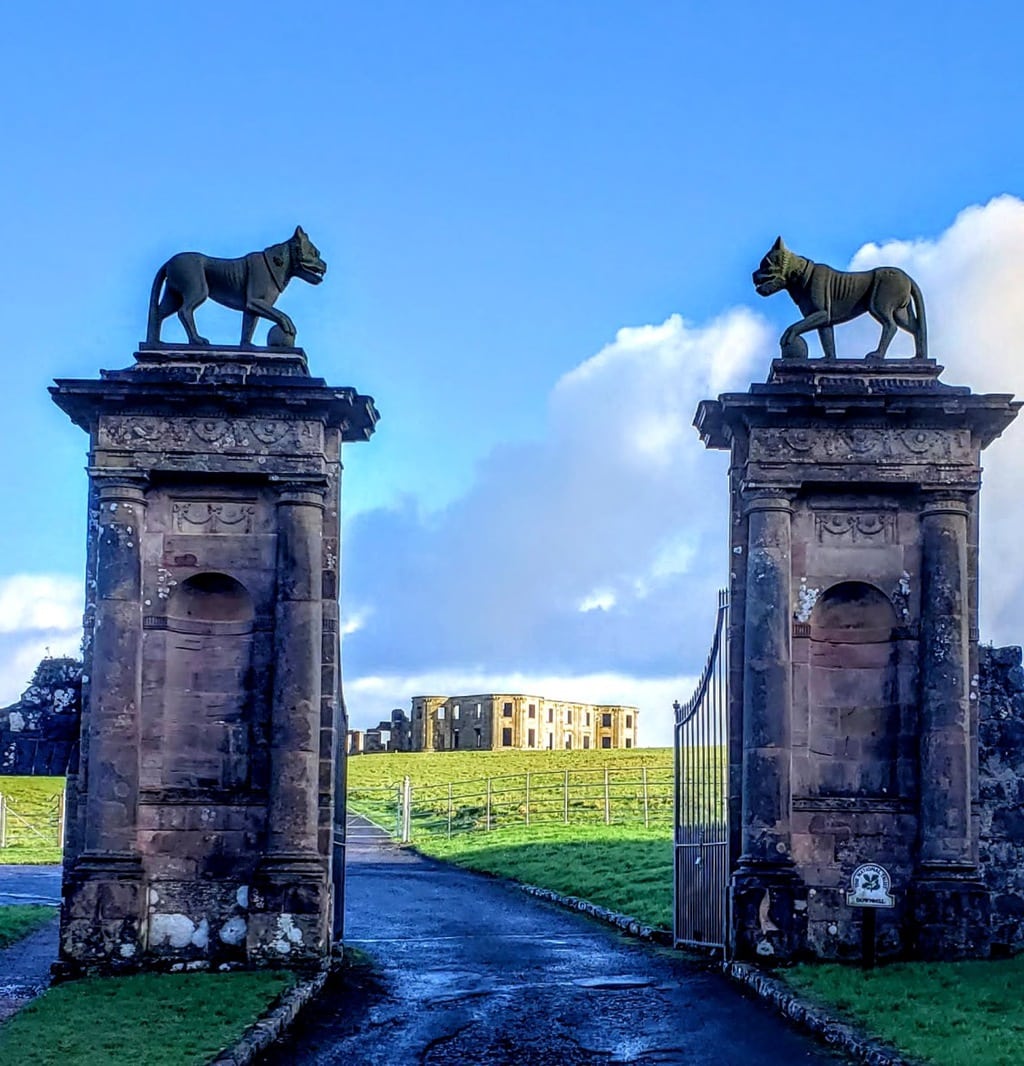
What most people don’t realise is that the temple is only one part of a much larger area. Downhill Demesne stretches far beyond the main viewpoint, and once you move away from that central spot, the crowds drop away quickly. You’ll find ruins, quiet walking paths, and alternative viewpoints that often offer a better experience than the main one.
I’ve been back here in all kinds of conditions, and it’s one of the few places where even bad weather adds something. Wind and cloud make the cliffs feel more dramatic, while calmer days highlight the scale of the coastline.
How to get there:
Located near Castlerock with a National Trust car park and a short walk to the temple.
How long to spend:
1–2 hours if exploring beyond the main viewpoint.
Best time:
Early morning or sunset for fewer crowds and better light.
Local tip:
Walk past the main viewing area most people don’t, and that’s where the experience improves.
Where to eat nearby: Harry’s Shack in Portstewart is one of the best food stops on the north coast.
👉 See the full Mussenden Temple Guide here
Kinbane Castle (Quiet Cliffside Ruin Most Visitors Miss)
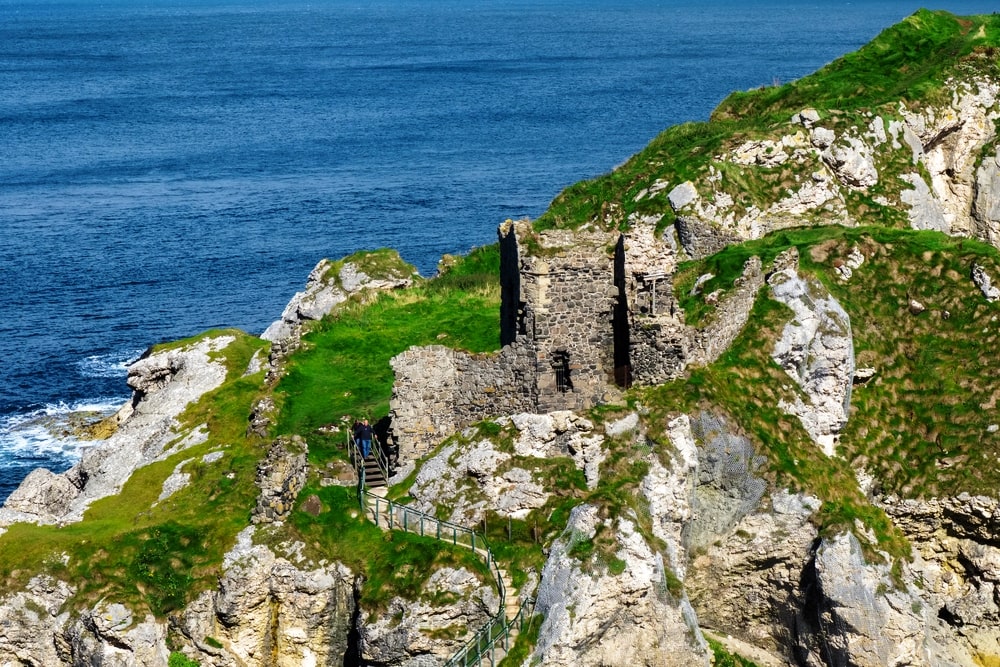
Kinbane Castle is one of the most underrated places along the Causeway Coastal Route, and it’s the kind of location that most people drive straight past without ever realising what they’ve missed. Compared to Dunluce Castle, which is firmly on most bucket list itineraries, Kinbane feels quieter, less developed, and far more immersive.
The experience starts before you even reach the ruins. From the small parking area, a steep set of stone steps leads down toward a narrow limestone headland. It’s not a long walk, but it’s enough to filter out most visitors. By the time you reach the bottom, it feels like you’ve stepped away from the main tourist route entirely.
The ruins themselves date back to the 16th century and were built by the MacDonnell clan. They’re modest in scale, but that’s part of the appeal. This place isn’t about the structure it’s about the setting. Surrounded by cliffs and open sea, it offers a level of quiet that’s increasingly rare along this coastline.
Every time I’ve visited, the experience has felt slightly different. On clear days, the coastline stretches out in every direction. In rougher weather, the waves and wind add a completely different atmosphere.
How to get there:
Small roadside parking area just off the Causeway Coastal Route.
How long to spend:
1–1.5 hours.
Best time:
Morning or late afternoon.
Local tip:
Take your time on the descent the view builds gradually and is part of the experience.
Where to eat nearby:
Morton’s Fish & Chips in Ballycastle is a classic stop, while Central Wine Bar offers a relaxed sit-down option.
Rathlin Island (Puffins, Coastal Views & One of Northern Ireland’s Most Unique Hidden Gems)
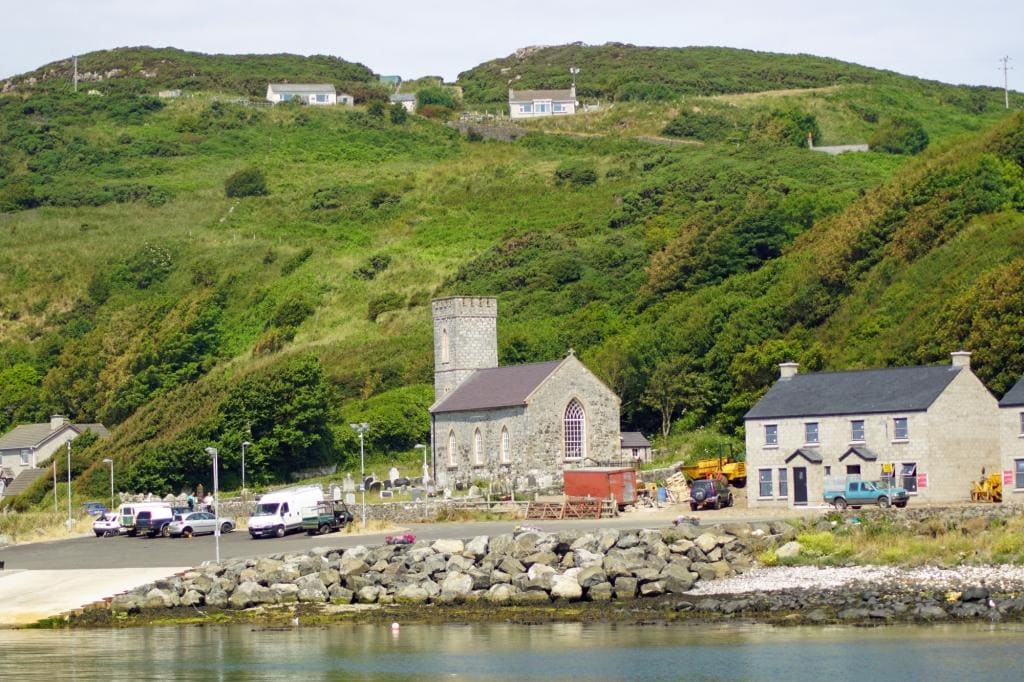
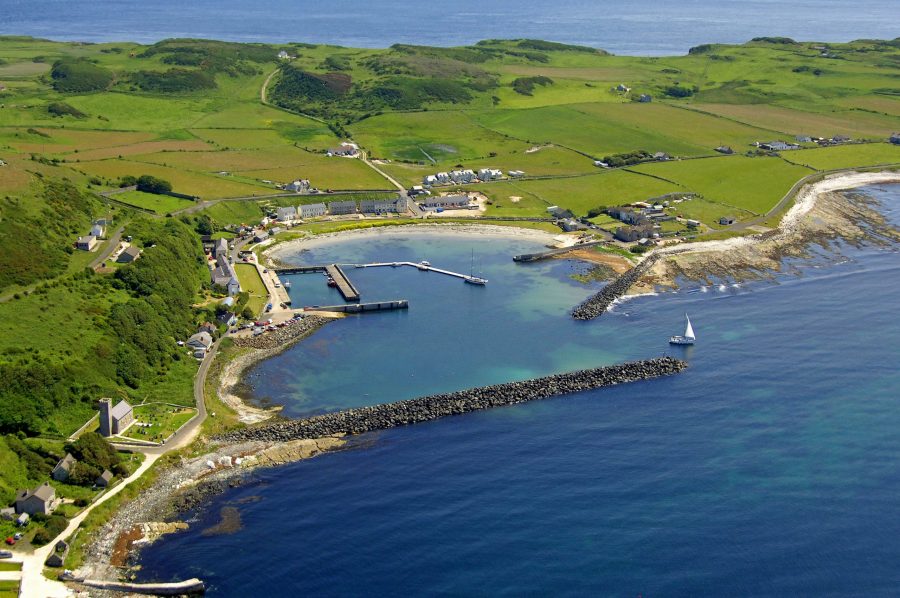
Rathlin Island is one of the most distinctive hidden gems in Northern Ireland, and despite being just a short ferry journey from Ballycastle, it feels completely separate from the mainland. The crossing itself creates a sense of distance, and once you arrive, the pace changes immediately. It’s quieter, less structured, and far less crowded than most places along the Causeway Coastal Route.
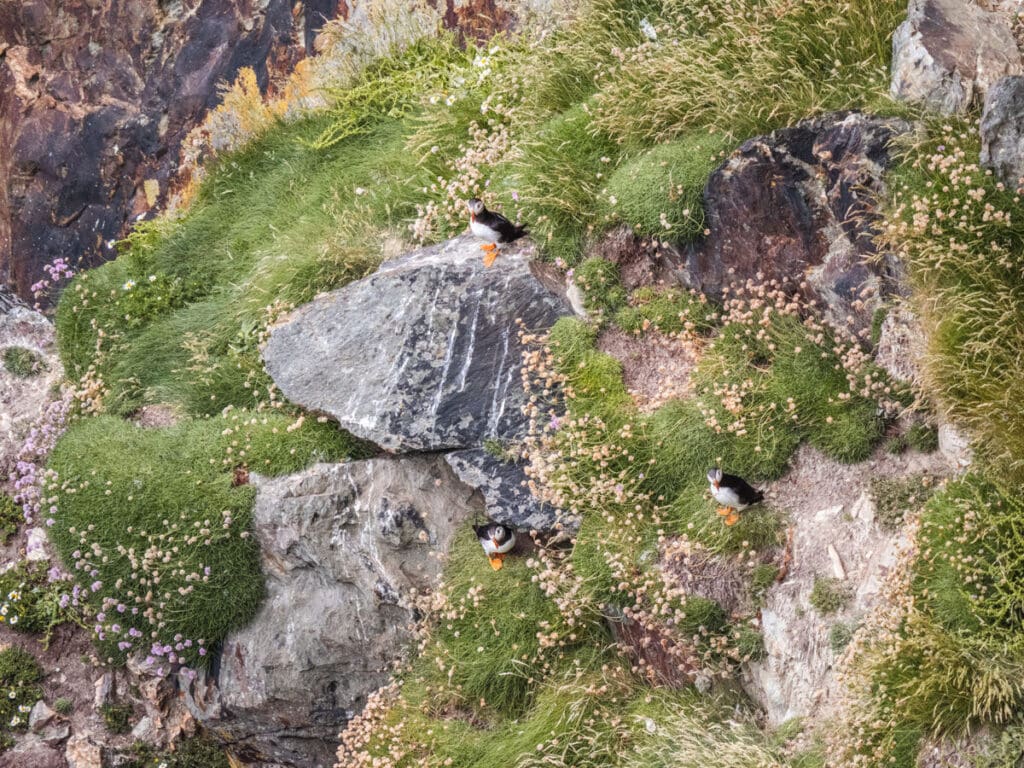
What sets Rathlin apart is its wildlife, particularly the puffins that nest along the cliffs at the Rathlin West Light Seabird Centre. During late spring and early summer, these birds return in large numbers, and it’s one of the few places in Northern Ireland where you can see them up close. Watching puffins come in from the sea and land just metres away is a completely different experience from anything else along the coast.

Beyond the wildlife, the island offers rugged scenery, open coastal views, and quiet roads that are ideal for walking or cycling. It’s not somewhere you rush through. Even growing up nearby, it’s one of those places that still feels like a proper escape every time you visit. The distances might not look far on a map, but once you’re there, you realise it’s a place that rewards slowing down.
How to get there:
Ferry departs from Ballycastle Harbour, easily accessible from the Causeway Coastal Route. Crossing takes around 25–40 minutes.
How long to spend:
Half a day to a full day to explore properly.
Best time:
Late April to early August for puffin season, with May and June being peak.
Local tip:
Book ferry tickets in advance during summer and consider renting a bike on arrival.
Where to eat nearby:
The Manor House and McCuaig’s Bar in Church Bay offer simple food and a relaxed place to sit after exploring.
👉 See my personal Rathlin Island Guide here


Murlough Bay & Cushendun Caves (Dramatic Coastal Scenery & Quiet Atmosphere)
Murlough Bay is one of the most dramatic coastal locations in Northern Ireland, yet it remains surprisingly quiet compared to nearby attractions. The reason is simple the turn-off is easy to miss, and the road down is narrow and steep enough to put some visitors off. That small barrier is exactly what preserves its hidden gem status.
Once you reach the bay, the landscape opens up in a way that feels completely different from the rest of the coast. The cliffs drop sharply into the sea, the coastline feels more rugged and untouched, and on clear days you can see across to Scotland. It’s not a place filled with signposts or structured viewpoints. Instead, it’s somewhere you stop, take your time, and let the surroundings unfold naturally.
Just a short drive away, Cushendun offers a completely different kind of experience. The village itself feels slower and more traditional, with a character that stands out from other coastal stops. The Cushendun Caves, formed naturally over time by the sea, add another layer to the area and are easily accessible without needing a long walk.
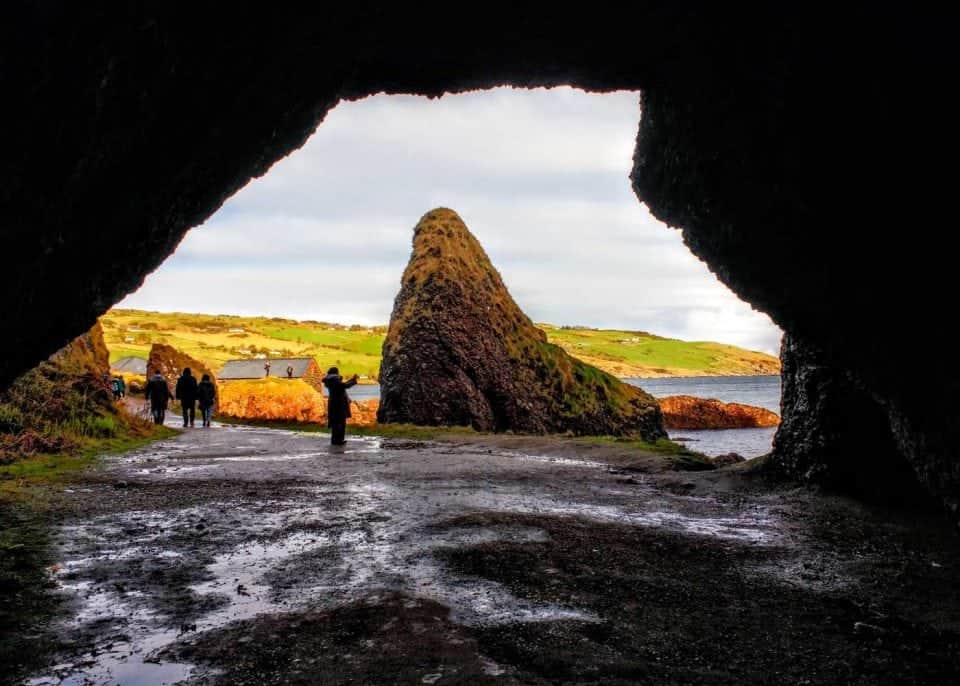
From experience, this part of the coast always feels more relaxed. Even during busier months, it retains a sense of quiet that’s hard to find elsewhere.
How to get there:
Turn off from the Causeway Coastal Route and follow the narrow road carefully.
How long to spend:
1–2 hours combined.
Best time:
Late afternoon or early evening.
Local tip:
Most people don’t take the turn if you do, give yourself time to stay.
Where to eat nearby:
Mary McBride’s Bar is one of the most atmospheric pubs in Northern Ireland.
Ballintoy Harbour & Torr Head (Where the Coastal Route Becomes More Wild)
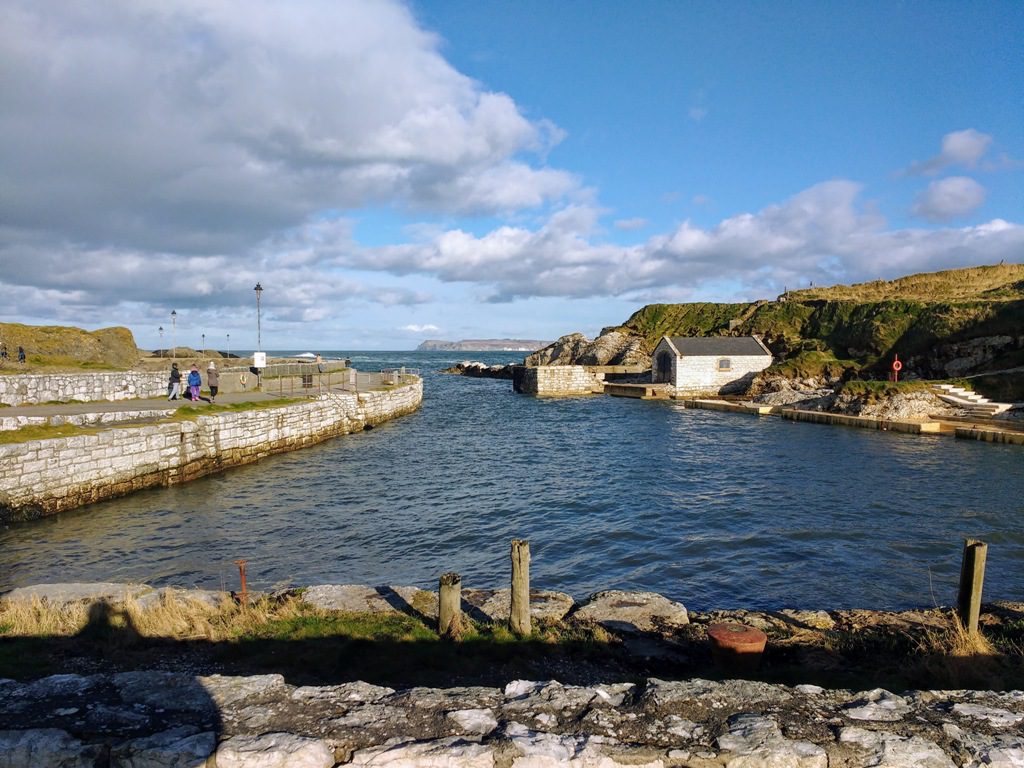
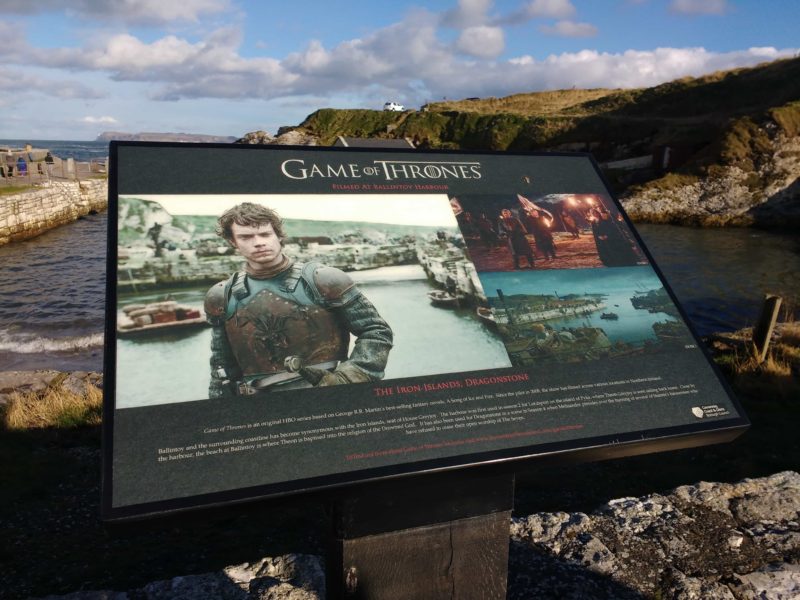
Ballintoy Harbour is one of the more recognisable stops along the Causeway Coastal Route, but like many places here, it’s often rushed. Most visitors arrive, take a few photos, and leave without exploring beyond the immediate area.
The harbour itself is only part of the experience. Once you start walking along the surrounding coastline, the landscape begins to open up. Rock formations, tidal pools, and quieter viewpoints are all within reach, but they’re often overlooked simply because they require a bit more time.
Growing up nearby, this was never a quick stop it was somewhere you explored slowly. That approach still makes the biggest difference today.
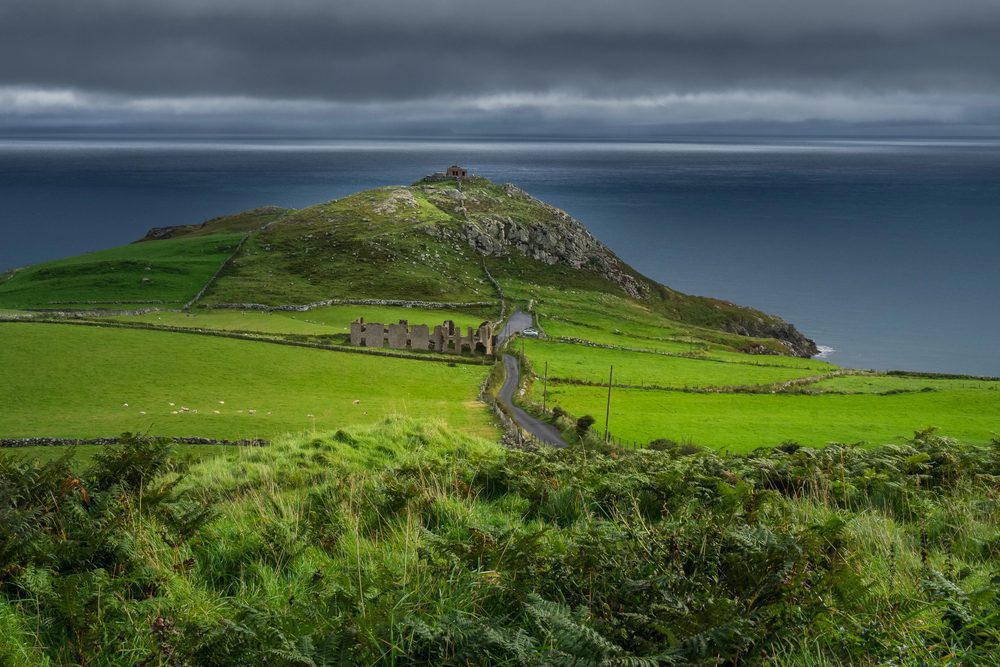
Further along, the Torr Head scenic route offers one of the most dramatic driving experiences in Northern Ireland. The road becomes narrower, the views more intense, and the entire experience feels less structured. It’s not a route for rushing it’s one that forces you to slow down and pay attention.
Together, Ballintoy and Torr Head represent a shift in the coastal route. This is where it becomes less about ticking off locations and more about experiencing the landscape.
How to get there:
Accessible from the main Causeway Coastal Route.
How long to spend:
1–2 hours.
Best time:
Clear days for visibility, though all weather adds atmosphere.
Local tip:
Drive slowly and stop often many of the best views aren’t signposted.
Where to eat nearby:
Ursa Minor Bakehouse in Ballycastle is one of the best food stops in the area. Locally sourced ingredients and all sour dough breads baked in-house.
👉Visit these locations on a Game of Thrones Tour
Glenariff Forest Park (Waterfalls, Forest Trails & A Different Side of Northern Ireland)
Glenariff Forest Park offers a completely different perspective on Northern Ireland, and that contrast is what makes it stand out. After spending time along the coast, arriving here feels like stepping into another landscape entirely.
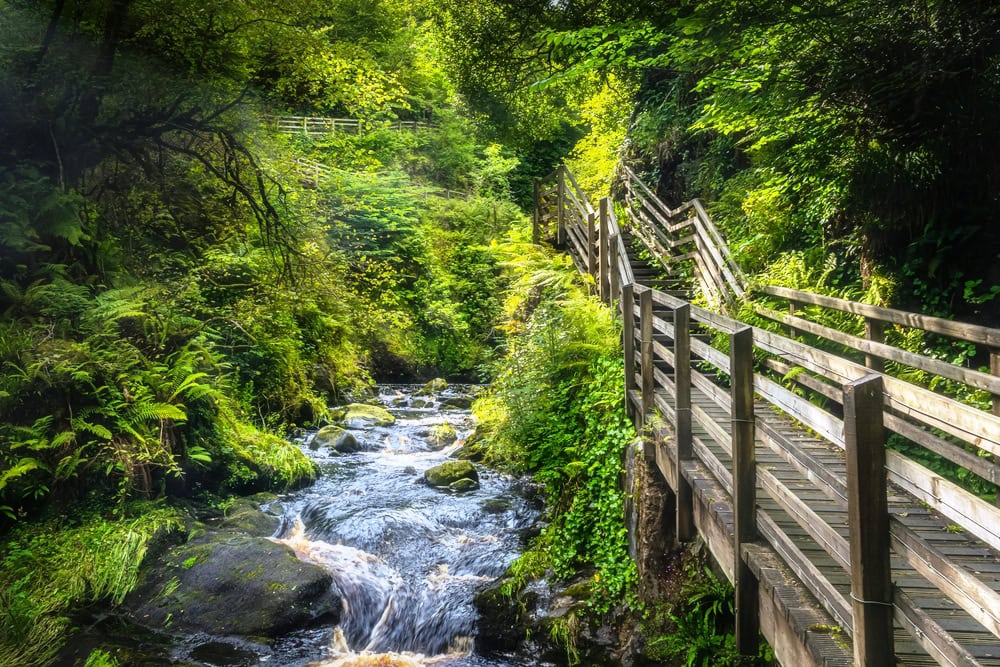
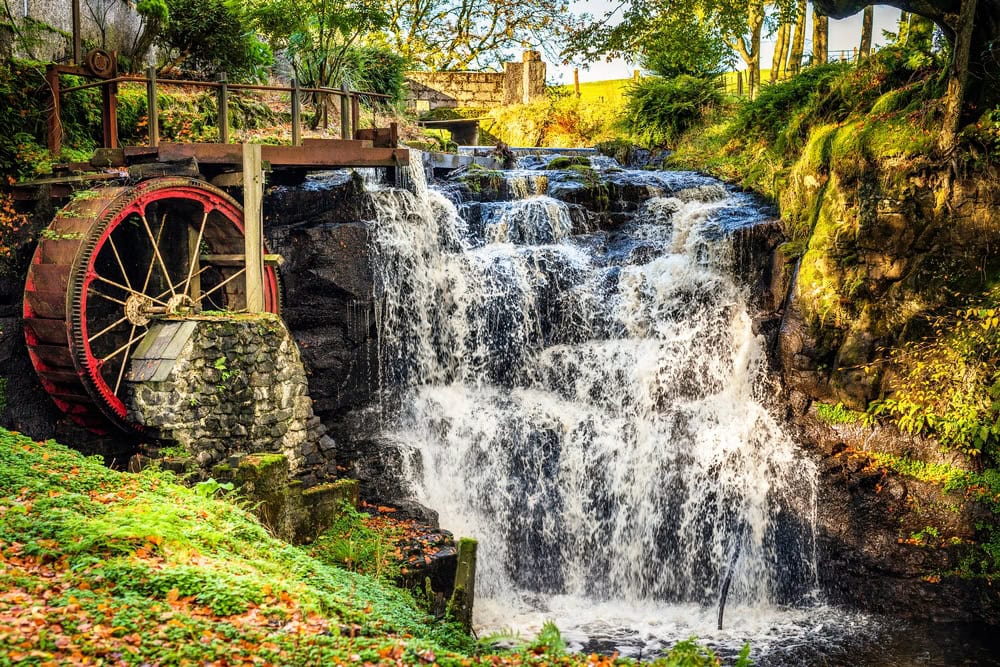
One of the 9 glens of Antrim and known as the “Queen of the Glens,” Glenariff is defined by its waterfalls, forest trails, and a quieter, more enclosed environment. The waterfall walk is the main highlight, guiding you through a series of cascading falls connected by wooden pathways. It’s one of the most accessible walks in the area, but it still feels immersive.
My Dad and Uncle used to argue all the time about whether or not to explore the Glens or go fishing on the Coast. From experience, this is one of the best places to reset during a trip. After the openness of the coast, the enclosed nature of the forest creates a completely different atmosphere.
How to get there:
Well signposted with a main car park.
How long to spend:
2–3 hours.
Best time:
Morning or early afternoon.
Local tip:
Don’t stop at the waterfall walk explore further into the forest.
Where to eat nearby:
Laragh Lodge offers one of the best dining views in the area.

Benone Beach & Dunseverick Castle (Wide Open Coast & Quiet Historic Stop)
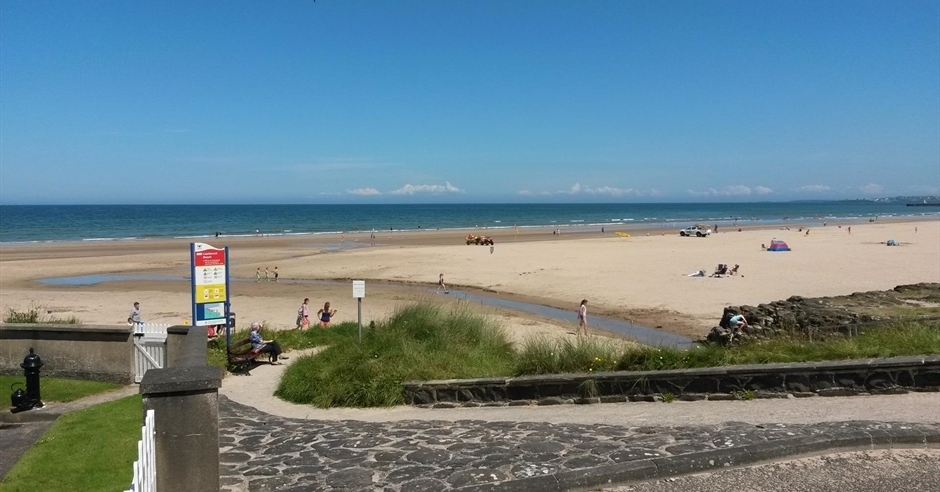
Benone Beach is one of the most overlooked coastal spots in Northern Ireland, despite being one of the largest beaches in the country. Its size is exactly what keeps it feeling quiet. Even on busier days, you can walk for several minutes and find yourself completely alone.
The beach stretches for miles, offering uninterrupted views along the coastline and across to Donegal. It’s one of those places where the experience changes depending on the conditions. On calm days, it feels open and peaceful, while windier weather adds a more dramatic edge.
Nearby, Dunseverick Castle offers a completely different kind of stop. The ruins themselves are minimal, but the setting on the cliffs gives it a strong sense of history. It’s often overlooked because of its proximity to more famous locations, but that’s exactly why it works as a hidden gem.
From experience, combining these two locations creates a more balanced stop open coastline followed by a quieter historical site.
How to get there:
Accessible from the Causeway Coastal Route.
How long to spend:
1–2 hours combined.
Best time:
Early morning or evening.
Local tip:
Walk further along Benone Beach the further you go, the quieter it gets.
Where to eat nearby:
Local cafés in Limavady or Castlerock offer simple options nearby.
Sperrin Mountains (Northern Ireland’s Most Underrated and Wild Landscape)
The Sperrin Mountains are one of the least visited regions in Northern Ireland, which is exactly what makes them one of the most rewarding hidden gems. While most visitors focus on the Causeway Coastal Route, the Sperrins offer something completely different wide open landscapes, quiet roads, and a sense of space that feels increasingly rare.
This is where Northern Ireland feels at its most untouched. You’re not moving between crowded attractions you’re simply experiencing the landscape as it unfolds. There’s also a strong cultural element here. Small villages, traditional music, and a deeper sense of local identity add another layer to the experience. It doesn’t feel curated it feels real.
How to get there:
Best explored by car from Omagh, Maghera, or Cookstown.
How long to spend:
Half a day to a full day depending on how much you explore.
Best time:
Clear days for long-distance views, though cloud and mist add atmosphere.
Local tip:
Don’t over-plan some of the best views come from unplanned stops.
Where to eat nearby:
The Ponderosa Bar, Ireland’s highest pub, offers a proper local experience.

Marble Arch Caves (Underground Hidden Gem & UNESCO Geopark Experience)
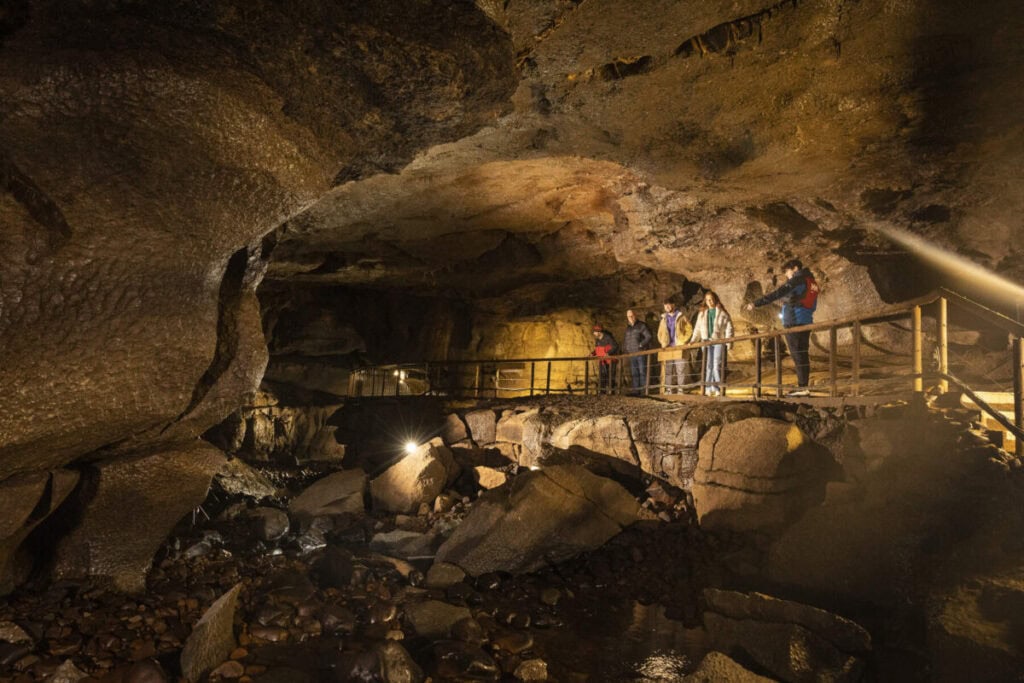
The Marble Arch Caves offer one of the most unique hidden gem experiences in Northern Ireland, and they’re often overlooked simply because they sit inland rather than along the coast. Located within a UNESCO Global Geopark in County Fermanagh, they provide a completely different perspective compared to the cliffs and beaches most visitors focus on.
The experience here is unlike anything else in the country. Guided tours take you through underground rivers, limestone formations, and vast caverns that have formed over thousands of years. In some sections, you’ll travel by boat, which adds another layer to the experience and makes it feel far more immersive.
From experience, this is one of those places that exceeds expectations. People often arrive out of curiosity and leave feeling like it was one of the most memorable parts of their trip.
How to get there:
Located in County Fermanagh, accessible by car.
How long to spend:
1–2 hours including the guided tour.
Best time:
Spring through early autumn.
Local tip:
Book in advance during peak months spaces fill quickly.
Where to eat nearby:
Local cafés in Enniskillen or surrounding villages offer simple options.
👉My personal guide to exploring Fermanagh a true hidden gem
Slieve Gullion (Ancient Landscape, Views & One of the Most Overlooked Hidden Gems)
Slieve Gullion is one of the most underrated places in Northern Ireland, yet it offers some of the most impressive views anywhere in the country. Located in County Armagh, it sits within the Ring of Gullion, an area known for its natural beauty and geological significance, but still largely overlooked by mainstream tourism.
What makes Slieve Gullion stand out is the combination of landscape and history. The mountain itself is relatively accessible, but the views from the top are surprisingly expansive. On clear days, you can see across large parts of Northern Ireland and even into neighbouring counties, which gives a completely different sense of scale compared to the coastline.
At the summit, you’ll find ancient passage tombs, adding a historical layer to the experience. These features are subtle rather than heavily signposted, which allows you to explore them at your own pace without feeling like you’re following a structured attraction.
From experience, this is one of the best places to visit if you want something quieter and less predictable. Even during peak months, it rarely feels crowded.
How to get there:
Access via Slieve Gullion Forest Park.
How long to spend:
2–3 hours.
Best time:
Clear days for views.
Local tip:
Drive the scenic route before walking it changes your perspective.
Where to eat nearby:
Local cafés in nearby villages offer simple food options.
👉Explore the hidden gem of County Armagh

Tollymore Forest Park (Game of Thrones Location & One of the Best Walks in Northern Ireland)
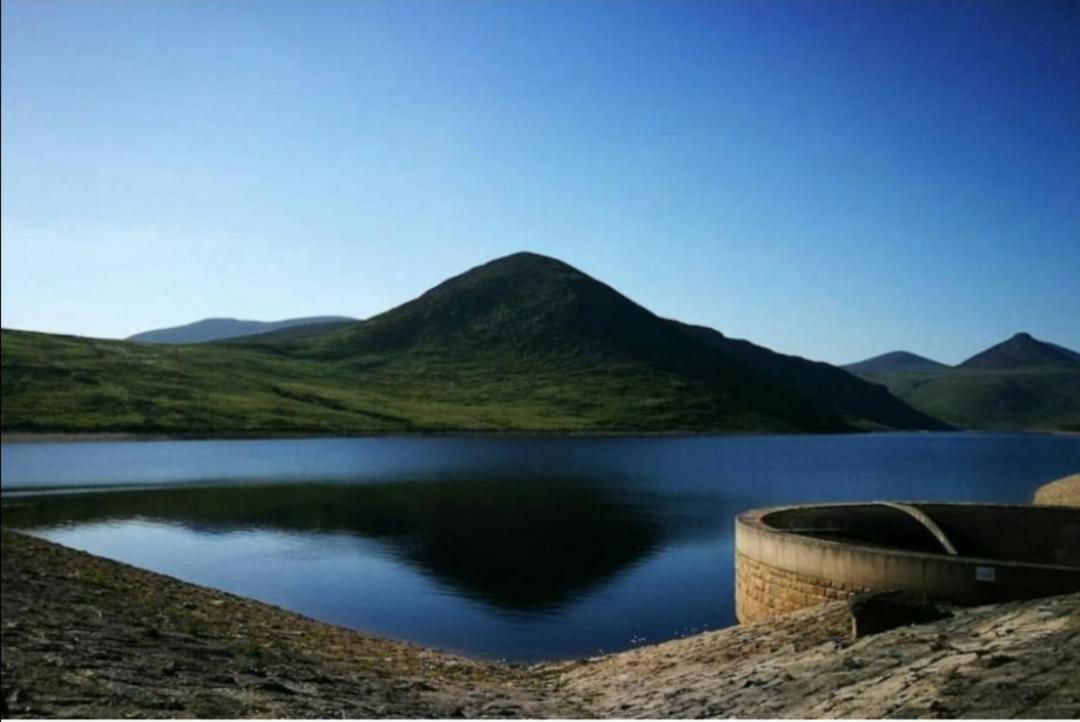
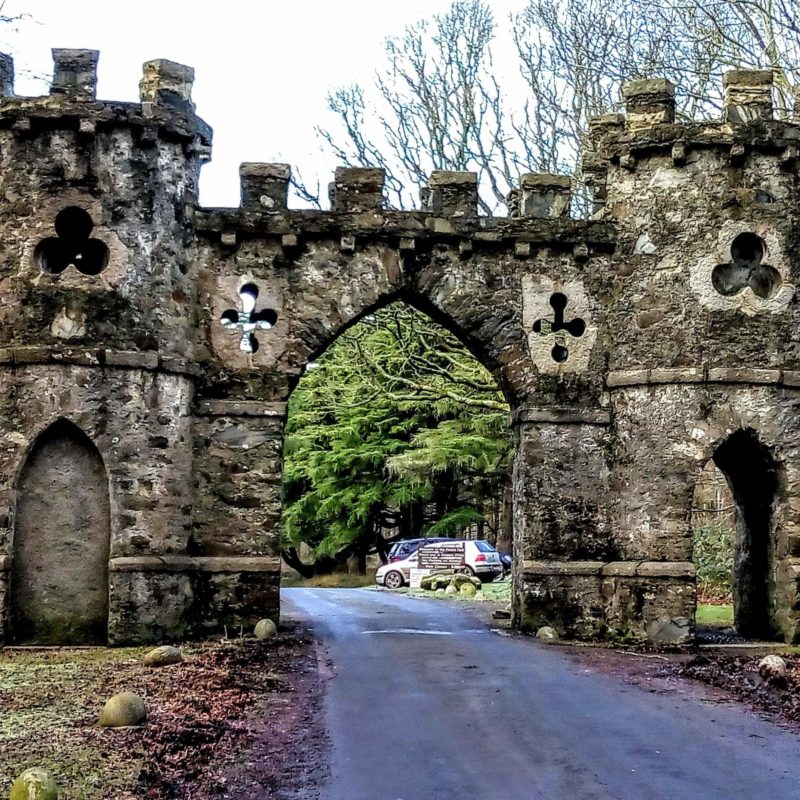
Tollymore Forest Park is often associated with its role as a Game of Thrones filming location, but even without that connection, it would still be one of the best places to visit in Northern Ireland. Located near the Mourne Mountains, it offers a completely different kind of landscape dense woodland, rivers, stone bridges, and walking trails that feel far more immersive than most coastal stops.
What makes Tollymore stand out is the variety of its trails. You can take shorter walks along the river or head deeper into the forest for longer routes that feel far more secluded. The paths are well maintained, but they don’t feel overly structured, which helps preserve the natural atmosphere.
From experience, this is one of those places where you end up staying longer than planned. What starts as a short walk often turns into several hours of exploring.
How to get there:
Located near Newcastle with easy access and parking.
How long to spend:
2–4 hours.
Best time:
Morning or early afternoon.
Local tip:
Arrive early to avoid the busiest times.
Where to eat nearby:
Newcastle offers plenty of cafés and restaurants after your visit.
👉Explore Hidden Gems in County Down
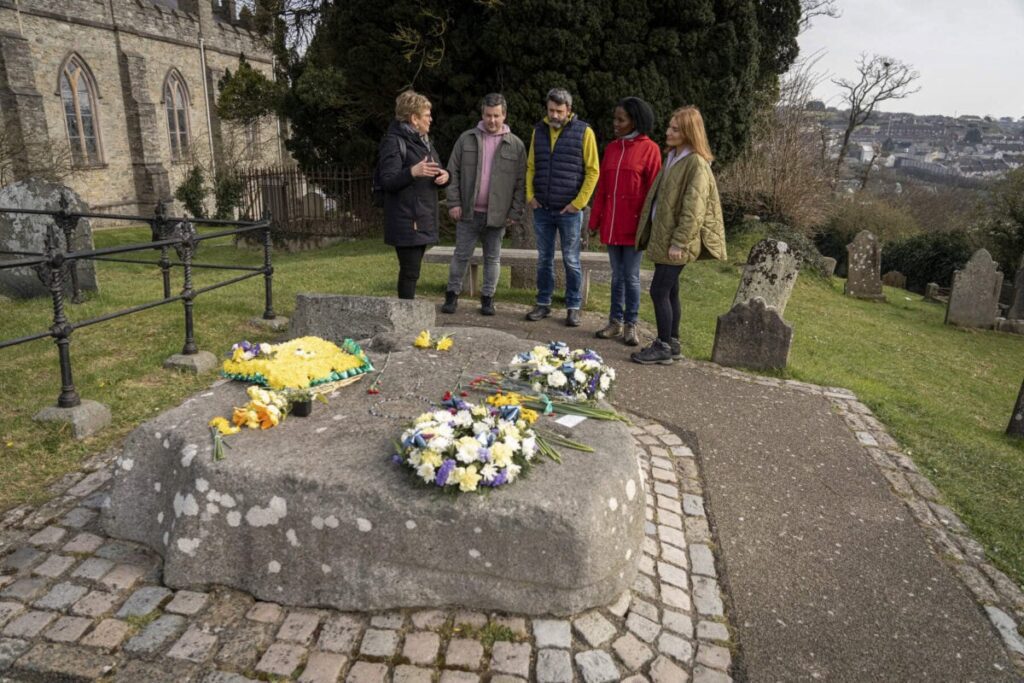
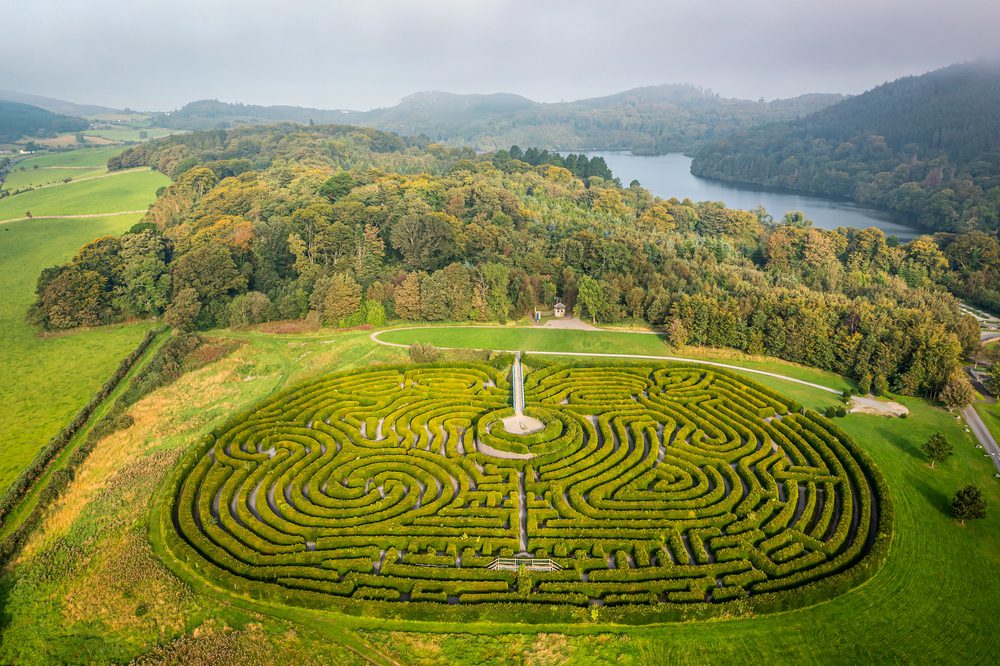
Castlewellan Peace Maze & Mourne Mountains Hidden Gems
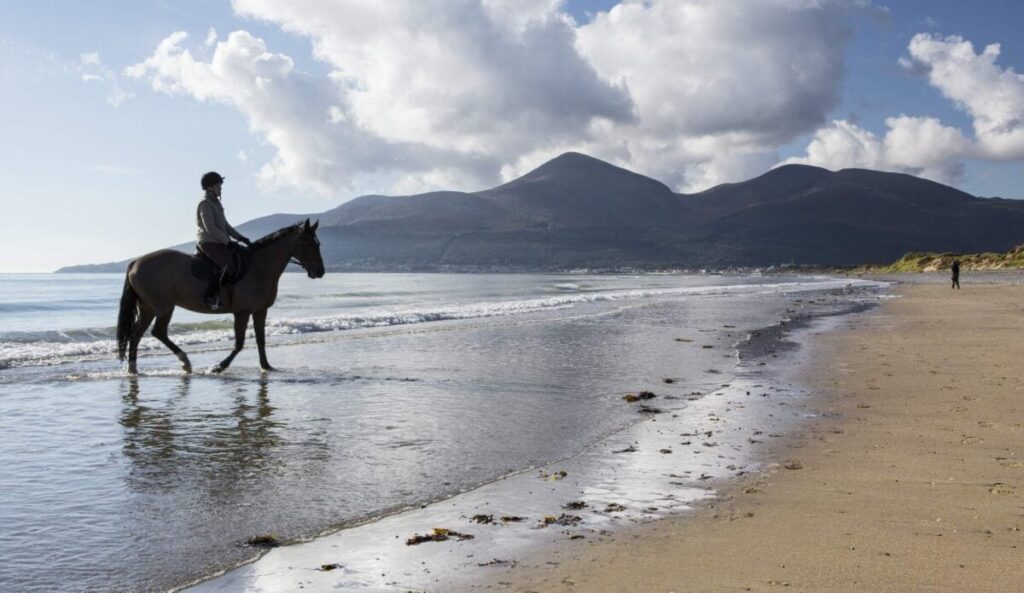
Castlewellan is often overlooked despite sitting right beside the Mourne Mountains, one of the most well-known landscapes in Northern Ireland. The Peace Maze itself is one of the largest hedge mazes in Europe, but it’s only part of what makes this area worth visiting.
The wider park includes a large lake, walking trails, and views toward the Mourne Mountains, creating a setting that feels much bigger than a single attraction. It’s one of those places where you can easily spend more time than planned without realising it.
Nearby, the Mourne Mountains hidden gems include quieter trails and viewpoints that most visitors never explore. While many people focus on the main peaks, there are smaller routes that offer just as much reward without the crowds.
How to get there:
Located near Newcastle.
How long to spend:
2–3 hours.
Best time:
Daytime for full access.
Local tip:
Combine with Tollymore for a full day.
Where to eat nearby:
Newcastle has a strong selection of food options.

Giant’s Ring (Ancient Site Near Belfast Without the Crowds)
The Giant’s Ring is one of the most underrated historical sites in Northern Ireland. Located just outside Belfast city, it’s often overlooked in favour of more well-known landmarks, but in many ways, it offers a better experience.
This prehistoric site consists of a large circular earthwork with a passage tomb at its centre. What makes it stand out is its simplicity. There are no barriers, no queues, and no structured pathways. You can walk freely around the site, which creates a much more natural and immersive experience.
From experience, this is one of the places that feels closest to how it might have been used historically. It’s quiet, open, and allows you to take it in at your own pace.
How to get there:
Short drive from Belfast.
How long to spend:
1 hour.
Best time:
Early morning or evening.
Local tip:
Visit outside peak hours for complete quiet.
Where to eat nearby:
Belfast city offers plenty of options nearby.


Knockmany Passage Tomb (One of Northern Ireland’s Least Visited Ancient Sites)
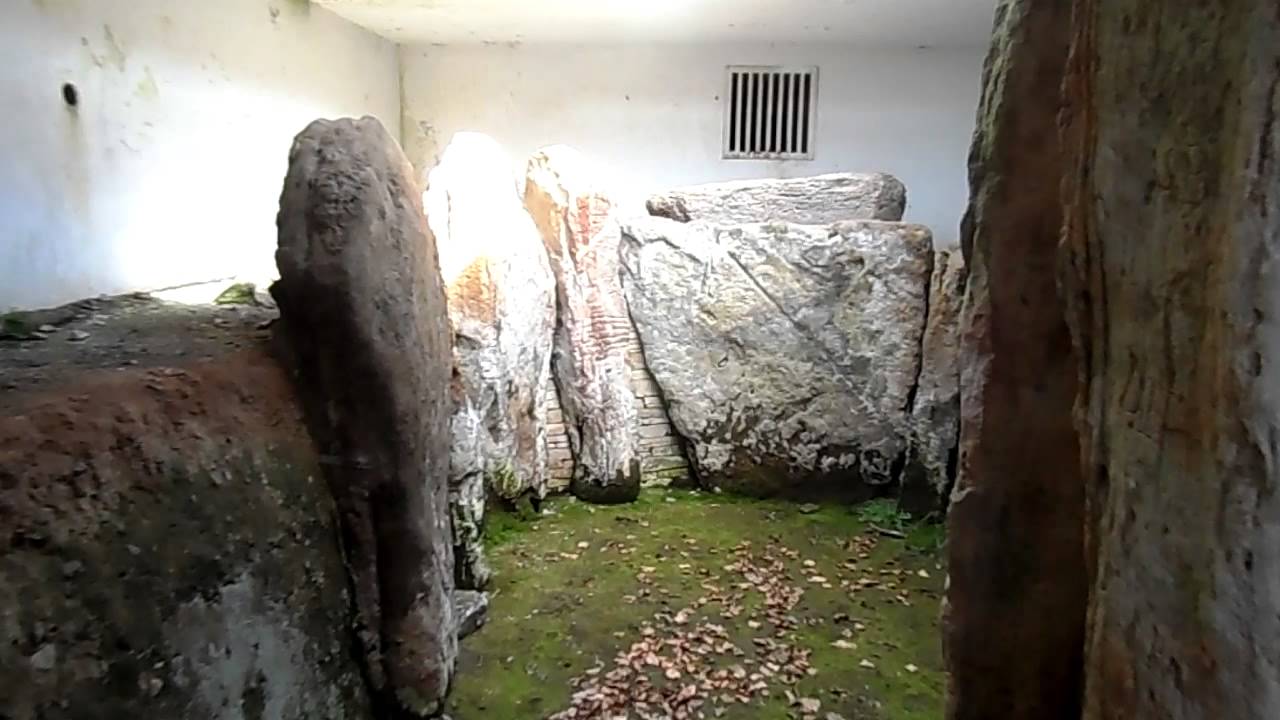
Knockmany Passage Tomb is one of the least visited historical sites in Northern Ireland, and that’s exactly what makes it so rewarding. Located in County Tyrone, around an hours drive from Derry City, it requires a short walk to reach the summit, but the experience feels far removed from more popular attractions.
The tomb itself dates back thousands of years, and the surrounding landscape adds to its impact. From the top, the views stretch across the countryside, creating a sense of openness that’s hard to match.
This is the kind of place that rarely appears in mainstream guides, which makes it feel like a genuine discovery.
How to get there:
Short uphill walk required.
How long to spend:
1–2 hours.
Best time:
Clear weather for views.
Local tip:
Wear proper footwear the path can be uneven.
Where to eat nearby:
Local towns offer simple food options.
👉Discover the hidden gems in County Tyrone
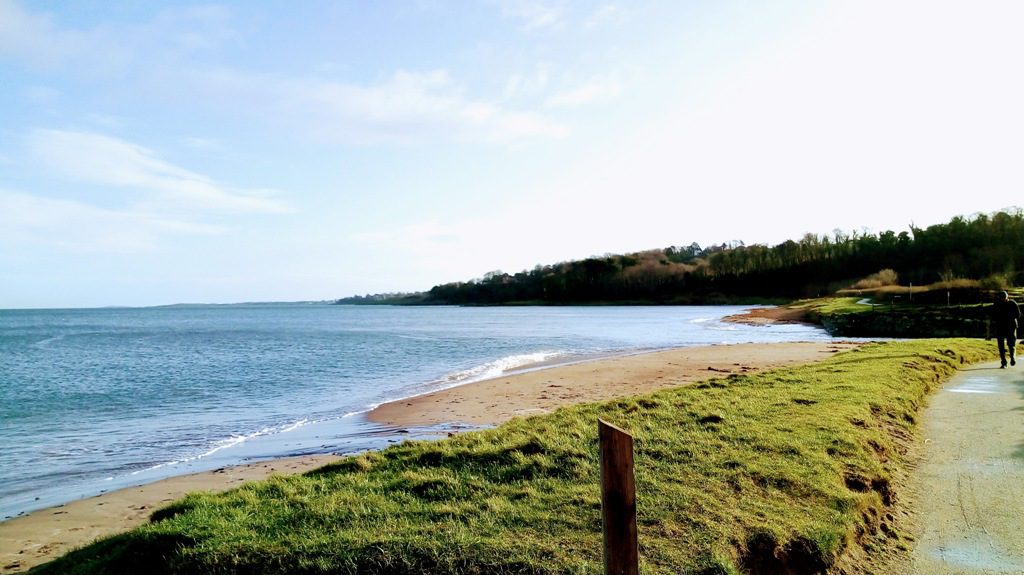
Crawfordsburn Country Park (Coastal Walks Near Belfast)
Crawfordsburn Country Park is one of the most accessible hidden gems near Belfast, but it still manages to feel surprisingly quiet, especially outside peak times. The combination of woodland and coastline creates a varied experience that works well for a shorter visit.
You can walk through forest paths and then emerge onto a beach within minutes, which gives the park a natural flow that’s easy to enjoy. It’s ideal if you want to experience both landscapes without travelling far.
How to get there:
Short drive from Belfast.
How long to spend:
1–2 hours.
Best time:
Morning.
Local tip:
Combine woodland and coastal paths.
Where to eat nearby:
Bangor offers several good options nearby.
Carlingford Lough & Kilbroney Park (A Different Side of Northern Ireland)
Carlingford Lough offers a completely different experience from the north coast. Instead of dramatic cliffs, you get calmer water, rolling hills, and a more relaxed atmosphere. Combined with Kilbroney Park, it creates one of the best hidden gem areas in the south of Northern Ireland.
The park itself includes forest walks, open viewpoints, and access to the Cloughmore Stone, one of the most recognisable features in the area. From here, the views stretch across the lough toward the Cooley Peninsula, offering a perspective that feels very different from the coastal route.
How to get there:
Located near Rostrevor.
How long to spend:
2–4 hours.
Best time:
Clear days for views.
Local tip:
Take time to reach the higher viewpoints.
Where to eat nearby:
The Rostrevor Inn offers a great local option.

Best Hidden Gems for a Northern Ireland Day Trip
One of the biggest mistakes people make when visiting Northern Ireland is trying to see too much in a single day. On paper, it looks manageable distances are short, and many of the key locations appear close together. But in reality, the experience changes completely depending on how you structure your time.
If you only have one day, the best approach is to focus on one region rather than trying to cover the entire country. The Causeway Coastal Route is the most popular option, and for good reason, but even here, it’s easy to overdo it. Instead of trying to stop at every major viewpoint, choose three or four key locations and give yourself time to experience them properly.
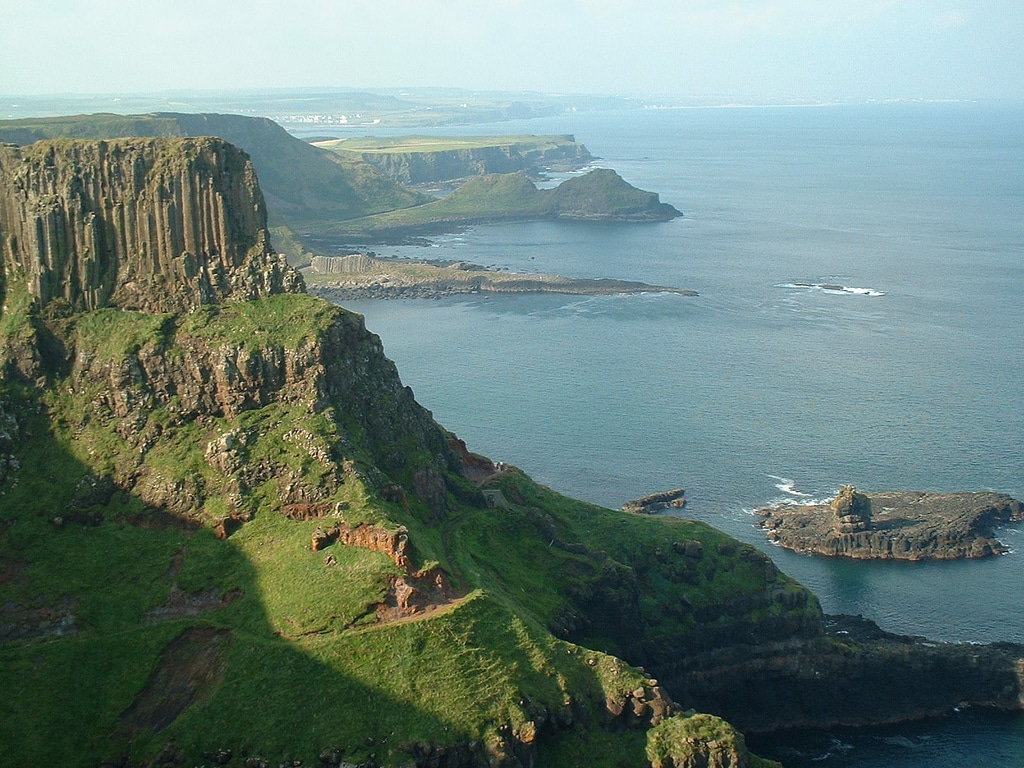
A strong north coast day trip might start at Mussenden Temple early in the morning, before the crowds arrive. From there, you could head toward Benone Beach for a quieter coastal walk, then continue along the route toward Kinbane Castle or Ballintoy Harbour. Finishing the day around Ballycastle or Cushendun allows you to slow down and enjoy a proper meal rather than rushing back.
Alternatively, if you want something quieter, a day trip to the Sperrin Mountains offers a completely different experience. You’ll trade coastal views for open landscapes and quiet roads, which can be just as rewarding if you’re looking to avoid crowds.
FAQ: Hidden Gems in Northern Ireland
What are the best hidden gems in Northern Ireland?
Some of the best hidden gems in Northern Ireland include Mussenden Temple, Kinbane Castle, Rathlin Island, Murlough Bay, Glenariff Forest Park, the Sperrin Mountains, Marble Arch Caves, and Carlingford Lough. These locations offer quieter, more authentic experiences away from the main tourist crowds.

Where do locals go in Northern Ireland?
Locals tend to visit quieter places like Murlough Bay, the Sperrin Mountains, Rathlin Island, and lesser-known beaches such as Benone Beach or Portstewart Strand. Smaller villages, scenic drives, and traditional pubs are also a big part of the local experience.
Is the Causeway Coastal Route worth it?
Yes, the Causeway Coastal Route is one of the most scenic drives in Europe. However, the best experience comes from exploring hidden gems along the route, rather than only stopping at major attractions like the Giant’s Causeway and Dunluce Castle.
When is the best time to visit Northern Ireland?
The best time to visit Northern Ireland is from May to September for longer daylight hours and generally better weather. Spring and early autumn are also excellent, offering fewer crowds while still providing great conditions for exploring.
Can you see puffins in Northern Ireland?
Yes, puffins can be seen on Rathlin Island between late April and early August, with peak viewing typically in May and June. This is one of the best wildlife experiences in Northern Ireland.
How many days do you need to explore Northern Ireland properly?
Ideally, you need at least 3 to 5 days to explore Northern Ireland properly. This allows enough time to experience the Causeway Coastal Route, visit hidden gems, and include a mix of coastal, inland, and city locations.
What is the most underrated place in Northern Ireland?
The Sperrin Mountains are often considered one of the most underrated places in Northern Ireland. They offer wide open landscapes, quiet roads, and very few crowds compared to more popular areas.
Is Northern Ireland good for a road trip?
Yes, Northern Ireland is one of the best places in the UK and Ireland for a road trip. Routes like the Causeway Coastal Route combine dramatic scenery, historic sites, and hidden gems, all within relatively short driving distances.
The Northern Ireland Most People Never See
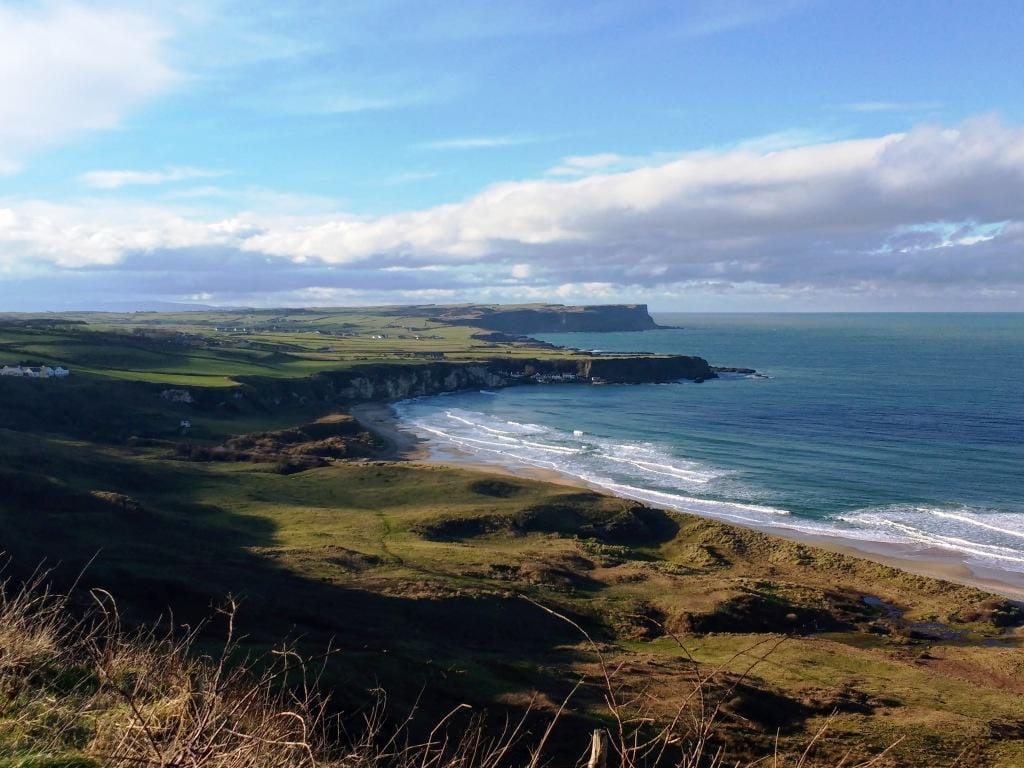
The real Northern Ireland isn’t just found in its most famous landmarks it’s found in the quieter places that sit just beyond them. Growing up in Coleraine and now living in Donegal, I’ve seen how easy it is to follow the same route as everyone else and still feel like something is missing.
It’s the beach you stopped at because it looked quiet, the road you took because it felt less obvious, or the pub you ended up in that wasn’t on any list. Those are the moments that tend to stay with you, and they’re exactly what hidden gems offer.
Northern Ireland still has these places because they require a bit more effort. You have to slow down, look a little closer, and be willing to move away from the main route. But when you do, the experience changes completely.
If you approach your trip this way combining the well-known landmarks with the quieter places in between you’ll end up seeing a side of Northern Ireland that most people miss. And that’s the version that’s worth coming back for.
Start Planning Your Trip
Begin with my full Ireland Travel Guide
Then explore itineraries and road trips
Start Planning Your Trip
👉 Public Transportation in Ireland
👉 Hidden Gems in Ireland – 32 Secret places to visit
👉 Answering all your travel questions about Ireland
👉What to pack for your Ireland trip
👉 Northern Ireland Public Transportation
This guide is part of a wider Accessible Ireland travel series, offering realistic, first-hand advice for limited-mobility travel across Ireland.
➡️Accessible Causeway Coast Route
➡️Accessible Wild Atlantic Way
If you encounter changes (e.g., temporary lift closures or construction), please let me know so I can update this page promptly.
Road trips, slower-paced journeys, family-friendly routes, and culture-led itineraries that reflect different ways of experiencing Northern Ireland. Here are a few articles for you to discover the region.
Explore the Counties of Northern Ireland
Walking the Carrick-a-Rede Rope Bridge
Trying authentic Northern Irish food
Best Northern Ireland tourist Attractions
Renting a car in Northern Ireland and Ireland