
3 Days in Donegal: Perfect Road Trip Itinerary and Map
County Donegal is one of the most spectacular and unspoiled regions in Ireland. Located in the northwest Ireland, this region forms part of the famous Wild Atlantic Way coastal route. Vast golden beaches, historic castles, ancient Celtic monuments, and charming villages where Irish traditions remain strong.

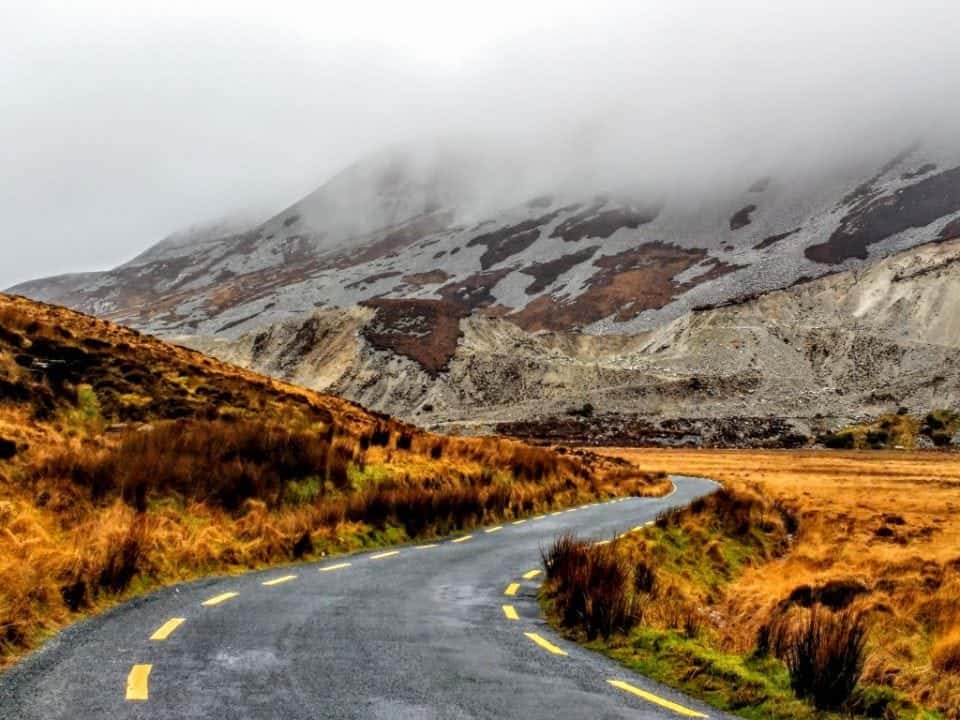
Donegal is my home and every time I leave it to travel it welcomes me back with the scent of the sea, the air redolent with the smell of turf burning, green views, donkeys in fields, the blue Stack mountains shadowed with hues of purple and blue.
Despite being home to some of the most breathtaking scenery in Ireland, Donegal remains far quieter than many other destinations along the Wild Atlantic Way. Visitors who travel here quickly discover a landscape that feels truly wild. Towering sea cliffs plunge into the Atlantic Ocean, winding mountain roads reveal incredible viewpoints, and historic sites tell stories stretching back thousands of years.
What makes Donegal particularly special is the diversity of experiences it offers in a relatively compact area. In just a few days, travelers can explore medieval castles, hike coastal cliffs, visit prehistoric dolmens, discover ancient Celtic crosses, and wander through welcoming harbour towns.
If you are deciding between Ireland’s wild northwest and its famous southwest, our Donegal vs Kerry guide compares scenery, road trips, beaches and overall atmosphere.
This 3-day Donegal itinerary is designed to help you experience the best of the county while traveling at a relaxed pace. It combines iconic attractions like the Sliabh Liag Cliffs and Glenveagh National Park with lesser-known villages, hidden beaches, and historic sites that many visitors miss.
- 3 Days in Donegal: Perfect Road Trip Itinerary and Map
- The guide also includes:
- Why visit Donegal now
- Quick itinerary (3 days)
- Map + driving times
- Do you need a car in Donegal?
- Accessibility & practicals (mobility‑aware)
- Day 1 — Donegal Town, Donegal Castle, and Lough EskeMorning: Donegal Town & Castle
- Day 2 — Slieve League Cliffs, Killybegs, and beaches
- Day 3 Glenveagh National Park, castle gardens, and the northern coast
- Ancient Donegal: crosses, dolmens
- Costs & budget snapshot (per person, per day)
- FAQs
- How many days do you need in Donegal?
- Can you drive to the Slieve League viewpoint?
- Is One Man’s Pass safe?
- How long is the walk to Glenveagh Castle?
- Do you need a car?
- Where should I stay?
- Can I do this 3‑day Donegal itinerary without a car?
- What’s the best time of day to visit Slieve League?
- What should I do in Donegal when it rains?
- Is Donegal good for families?
- How much is a budget 3‑day Donegal trip?
- Is Donegal worth visiting in winter?
- Related Donegal guides (for deeper planning)
- 3 Days in Donegal Done Right
The guide also includes:
The best places to stay in Donegal
The best places to eat and why locals love them
Castles and historic landmarks
Walks and scenic drives
Villages and towns worth visiting
Ancient Celtic crosses and dolmens
Hidden gems most tourists never see
Whether you are planning your first trip to Donegal or returning to explore deeper into the county, this itinerary will help you experience one of Ireland’s most authentic and unforgettable regions.
Why visit Donegal now
Donegal is Ireland’s wild northwest: vast beaches, Gaelic‑speaking villages, medieval castles, and sea cliffs that dwarf the crowds elsewhere. As a Donegal local, I’ve built this relaxed 3‑day plan around real drive times, parking info, and insider tips so you spend more time on cliffs and in cosy pubs, less time u‑turning on single‑track roads.
Quick itinerary (3 days)
Day 1: Donegal Town, Donegal Castle, Lough Eske forest and lake, trad music in town
Day 2: Slieve League Cliffs, Killybegs harbour lunch, Fintra or Muckross Head beach, coastal viewpoints
Day 3: Glenveagh National Park & Castle, Dunfanaghy, Doe Castle or Horn Head viewpoints
If you’re deciding between Ireland’s top cliffs, see our guide to Slieve League vs Cliffs of Moher, and find out is Slieve League dangerous before you go.
Map + driving times
View the full interactive Donegal itinerary map below
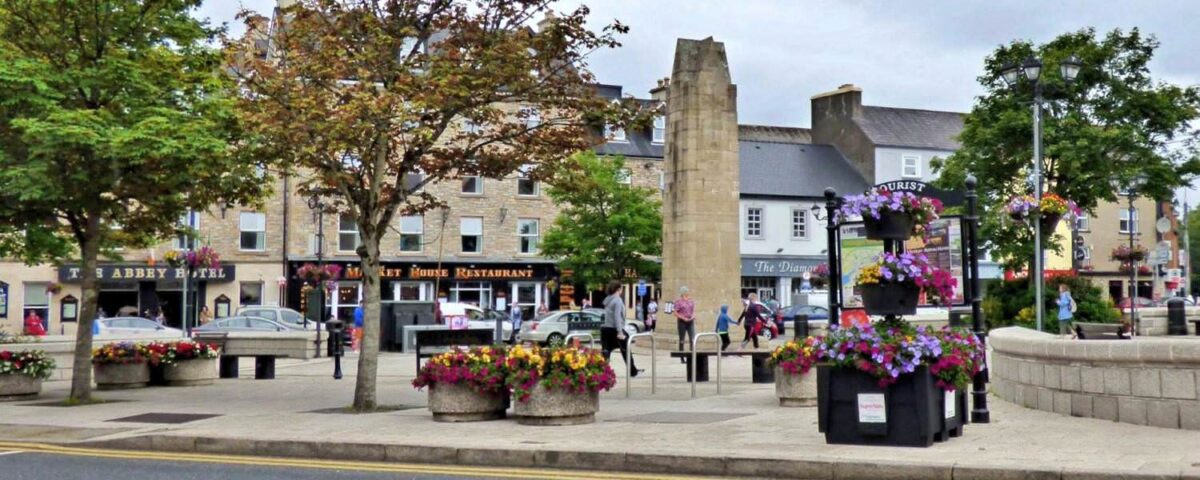
Day 1: Donegal Town loop
Donegal Town → Donegal Castle: 0–5 min on foot (in town)
Donegal Town → Lough Eske (castle/forest): 7 km / 10 min
Day 2: Slieve League & coast
Donegal Town → Slieve League (Bunglass car park): ~45 km / 1 hr 15 min (narrow roads; allow extra)
Slieve League → Killybegs: ~23 km / 35 min
Killybegs → Fintra Beach: ~4 km / 8 min
Fintra/Killybegs → Donegal Town: ~27 km / 35 min

Day 3: Glenveagh & northern coast
Donegal Town → Glenveagh Visitor Centre: ~63 km / 1 hr 20 min (via N15/N56)
Visitor Centre → Glenveagh Castle: 4 km lakeside walk (60–75 min each way) or shuttle (seasonal)
Glenveagh → Dunfanaghy: ~21 km / 25 min
Dunfanaghy → Doe Castle: ~15 km / 20 min
Doe Castle → Donegal Town: ~74 km / 1 hr 30 min
Note: Rural roads are narrow and winding. Drive slowly; sheep have right of way. Expect strong winds on exposed headlands.
Do you need a car in Donegal?
Yes, if you want cliffs, beaches, and national parks without long waits. Buses link main towns (Letterkenny/Donegal Town) but don’t reach Bunglass (Slieve League viewpoint), many beaches, or trailheads. A small car is ideal for single‑track boreens.
Where to base yourself
Best first‑timer base: Donegal Town: walkable centre, restaurants, music pubs, and easy access south to Slieve League and north to Glenveagh.
Splurge: Lough Eske Castle (lake‑side 19th‑century castle hotel; afternoon tea; forest walks on the doorstep).
Mid‑range: The Central Hotel (river views, right on The Diamond; good for pub‑hopping).
The Gateway Lodge (solid breakfasts; parking; 10‑minute walk to Donegal Castle).
Alternative base for Day 3 focus: Dunfanaghy Teachín — small seaside town near Horn Head and Marble Hill beach; cafés and art shops.


Where to eat (local picks)
Donegal Town
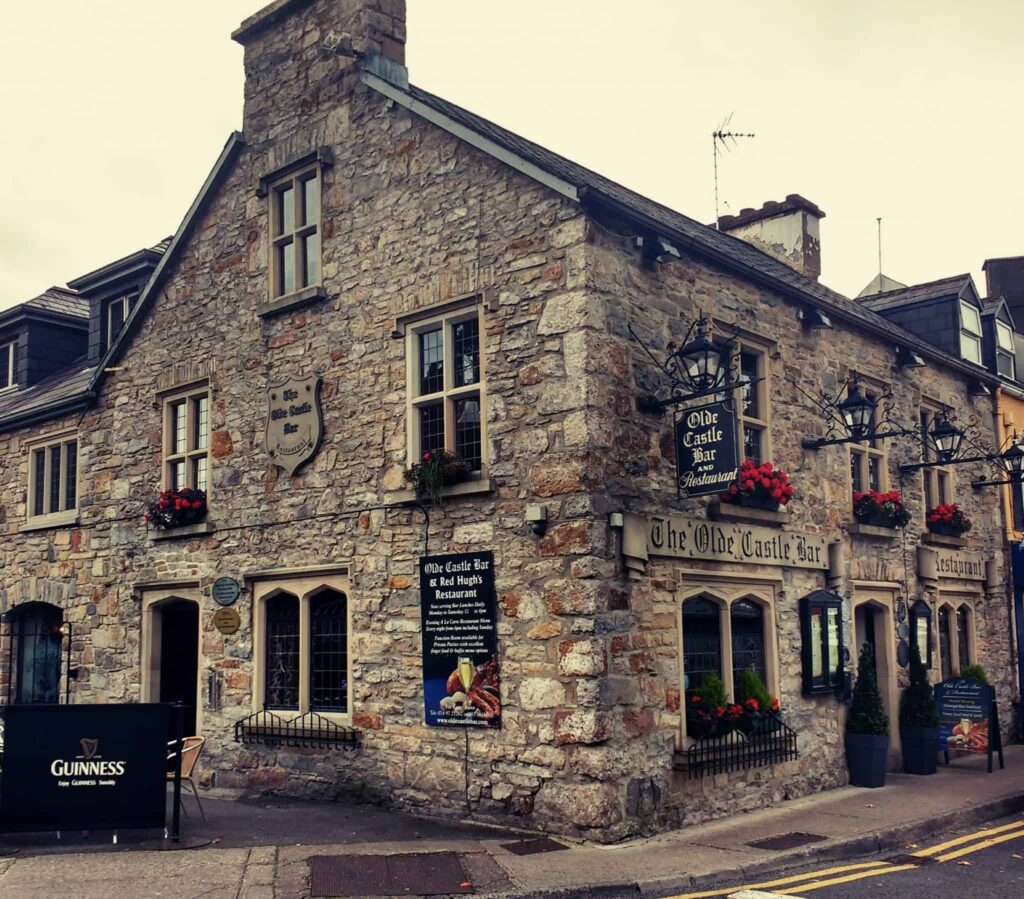
The Olde Castle Bar: seafood chowder; Atlantic salmon; sit by the bay windows.
Chandpur: Indian with local seafood; order the king prawn karahi or a tandoori mixed grill.
The Blueberry: famous for its homemade scones, extensive desserts, and hearty, Traditional Irish lunches.


Killybegs
Killybegs Seafood Shack (seasonal) – fish and chips straight from the pier.
Ahoy Café – chowder and fresh bakes; harbour views.
Anderson’s Boathouse – owned by the same folks who run the Seafood Shack, a more up market dining experience with the freshest seafood available.
Tip: In summer, book dinner in Donegal Town; sessions fill pubs quickly.


Accessibility & practicals (mobility‑aware)
If you’re deciding between Ireland’s top cliffs, see our guide to Slieve League vs Cliffs of Moher, and find out is Slieve League dangerous before you go.
Many viewpoints are drive‑to with short, uneven walks. Slieve League’s main lower car park offers views; the upper Bunglass parking area shortens the walk considerably when open.
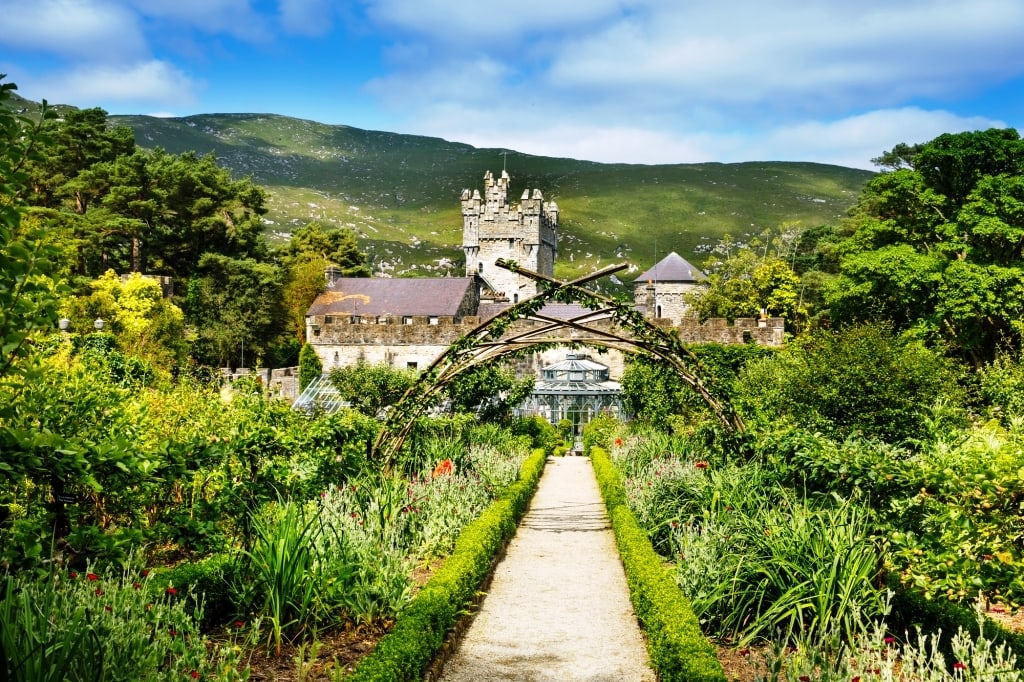
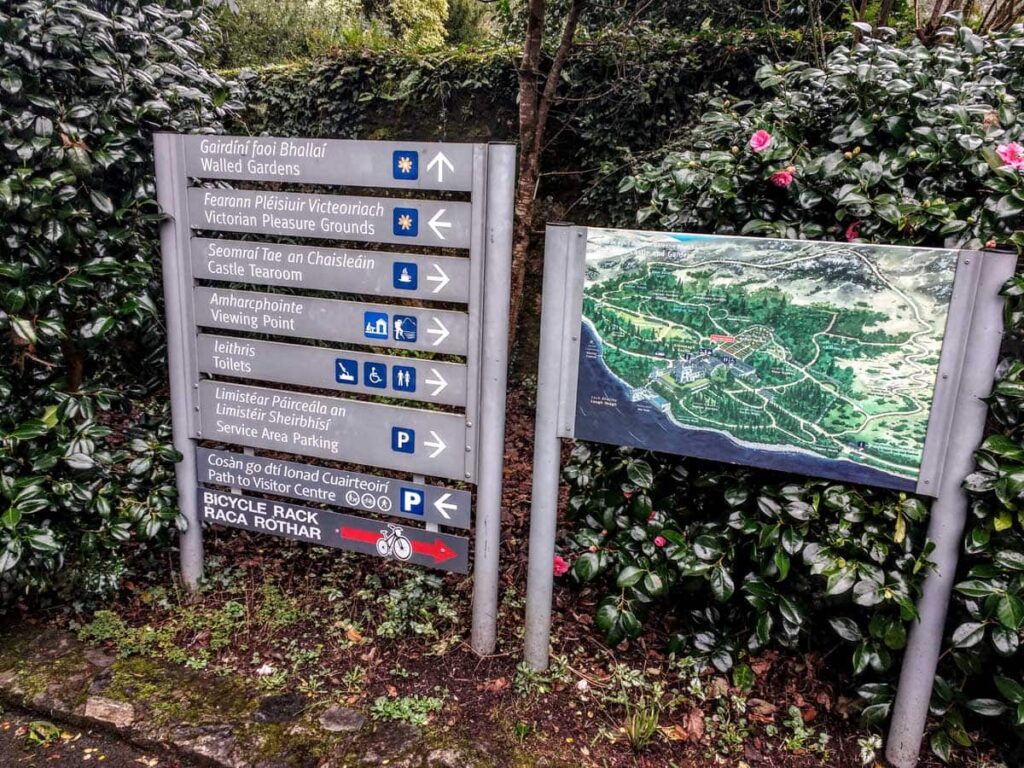
Glenveagh offers a shuttle to the castle (ask about wheelchair access and priority seating); castle interiors have stairs, but gardens include accessible paths.
Cobblestones in Donegal Town around The Diamond; allow extra time.
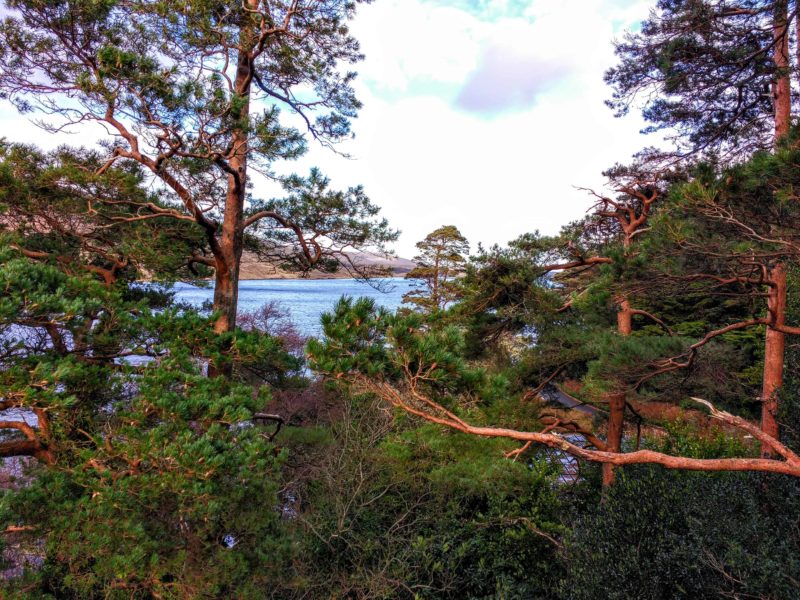
Day 1 — Donegal Town, Donegal Castle, and Lough Eske
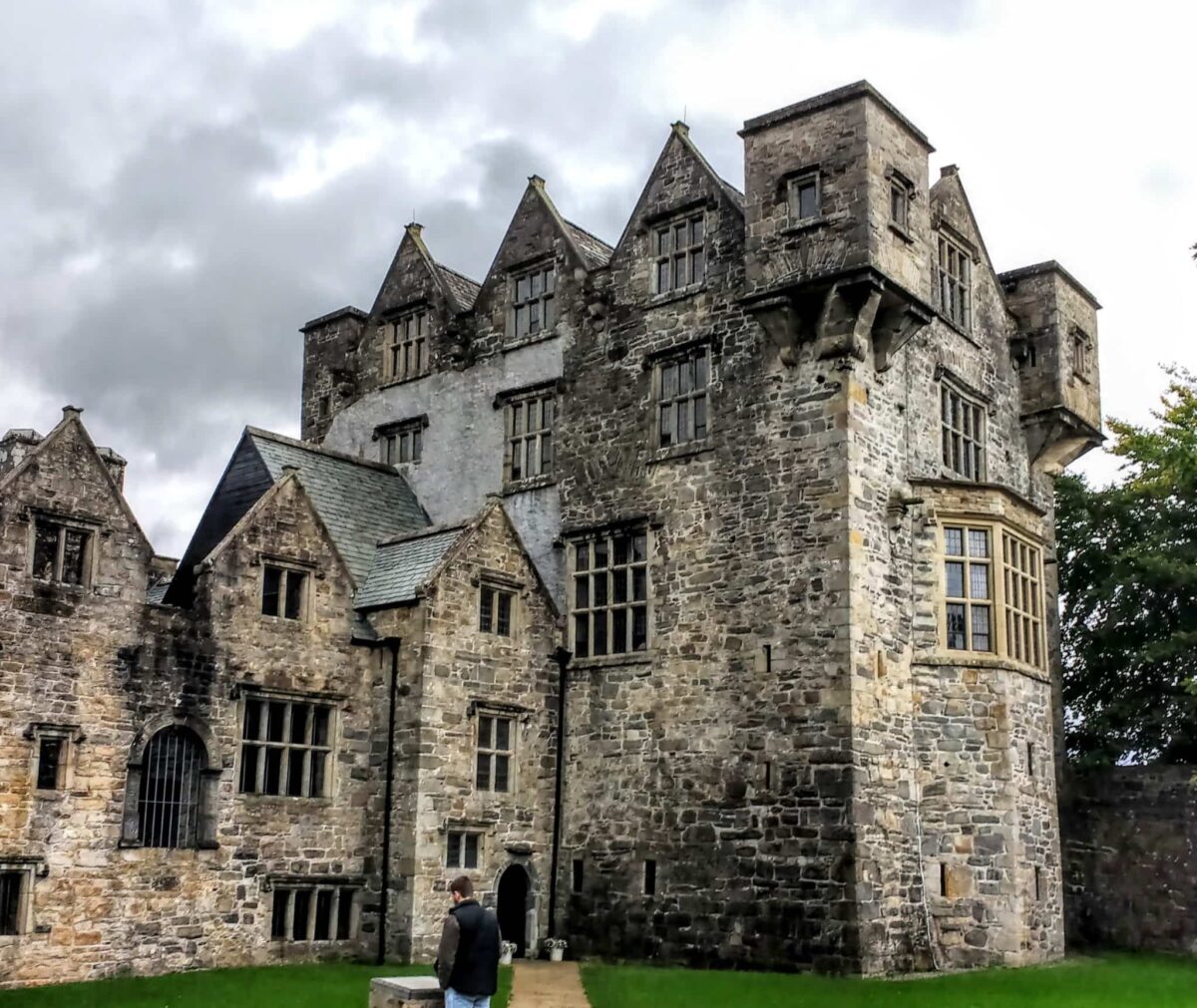
Morning: Donegal Town & Castle
Donegal Castle (15th‑century O’Donnell stronghold) sits by the River Eske. Interiors are restored with panelled halls and a great keep.
Parking: paid on‑street or at The Diamond car parks (short walk).
Hours & tickets: Operated by the Office of Public Works; small entry fee; last admission typically 45 mins before closing (check official site in advance).
Local tip: Climb to the upper room for river views; then loop the riverside path behind the castle.

Midday: Town wander & lunch
The Diamond is the heart: cafés, tweed shops, and a short stroll to the harbour boardwalk.
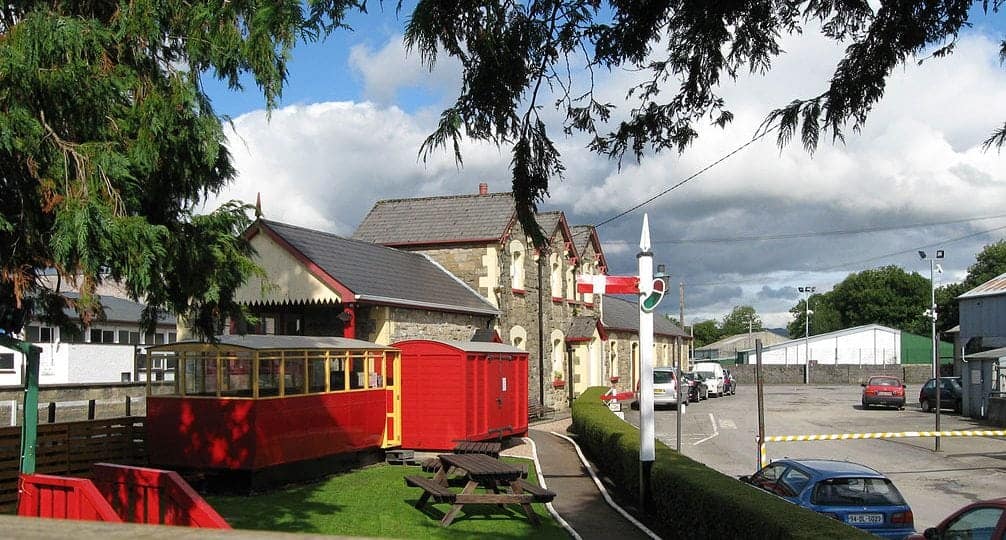
If it’s raining: pop into Donegal Railway Heritage Centre (small museum) or linger over lunch.
Afternoon: Lough Eske
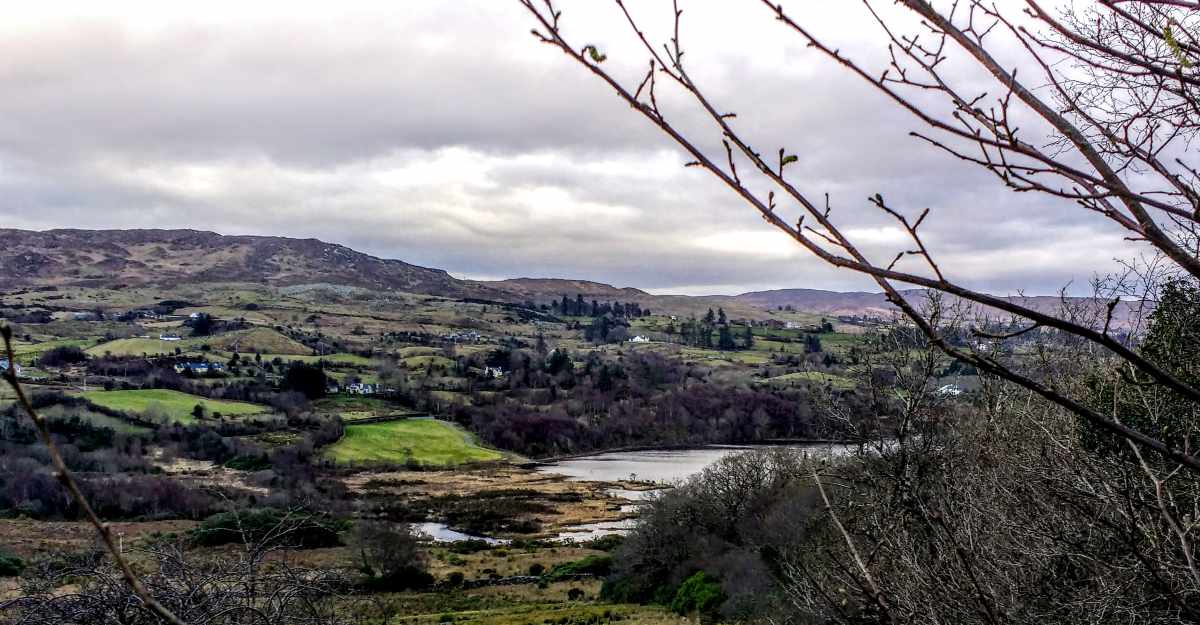
Drive 10 minutes to the lake for forest walks, mirror‑calm water, and mountain views of the Bluestacks.
Highlights:
Lough Eske Castle grounds (walks and afternoon tea; non‑guests welcome for dining).
Way‑marked loops in Ardnamona Wood (roots and rocks; good boots in wet weather).
Parking: free lay‑bys around the lake; hotel parking for guests/diners.
Photo tip: Late afternoon often gives still water reflections.


Rain plan (Day 1)
Donegal Castle interiors and the cosy tearooms in town make for an easy wet‑weather afternoon.
Donegal Railway Heritage Centre is a small, engaging stop near The Diamond.
Browse tweed and craft shops around The Diamond, then linger over chowder or tea until skies clear.
Evening: Pubs & music
Back in town, grab dinner and catch a session at my favourite pub The Reel Inn or one of the pubs off The Diamond. Sessions start late; arrive early for a seat.
Day 2 — Slieve League Cliffs, Killybegs, and beaches
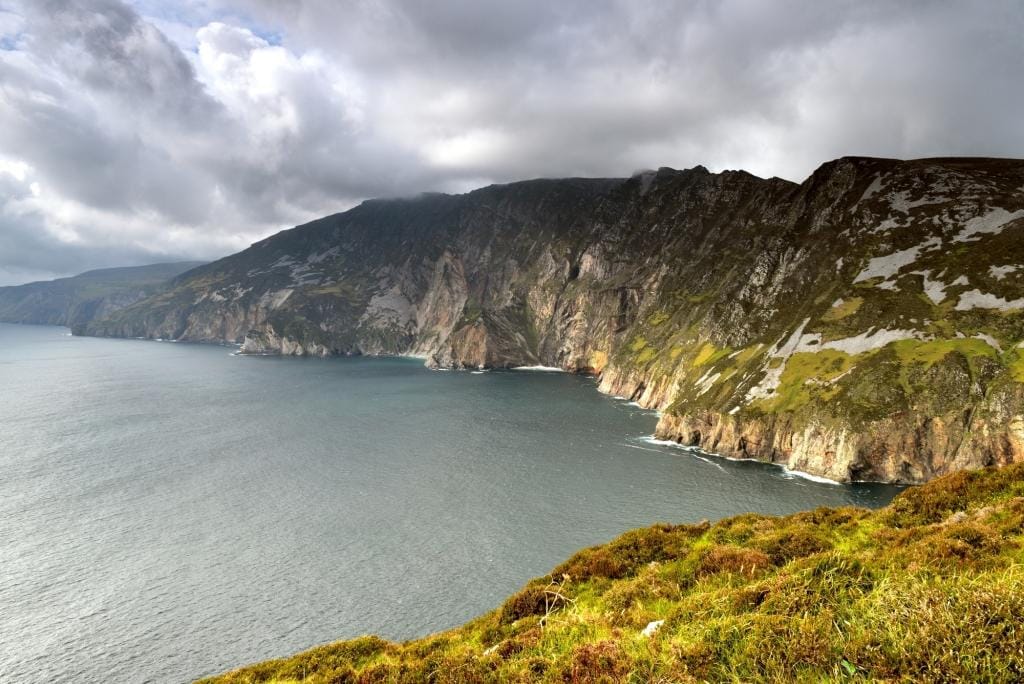
Morning: Slieve League (Sliabh Liag)
Drive toward Teelin and the Bunglass viewpoint.
Parking: Lower car park near the viewpoint gate is free; a seasonal shuttle runs to the upper car park at Bunglass when gate restrictions are in place. On quieter days, you may be able to drive to the upper area; space is limited. Bring coins for any local parking charges/donations.
Views: From Bunglass, the cliffs rise to almost 600 m above the Atlantic; on clear days you’ll see Benbulben to the south.


Walk options:
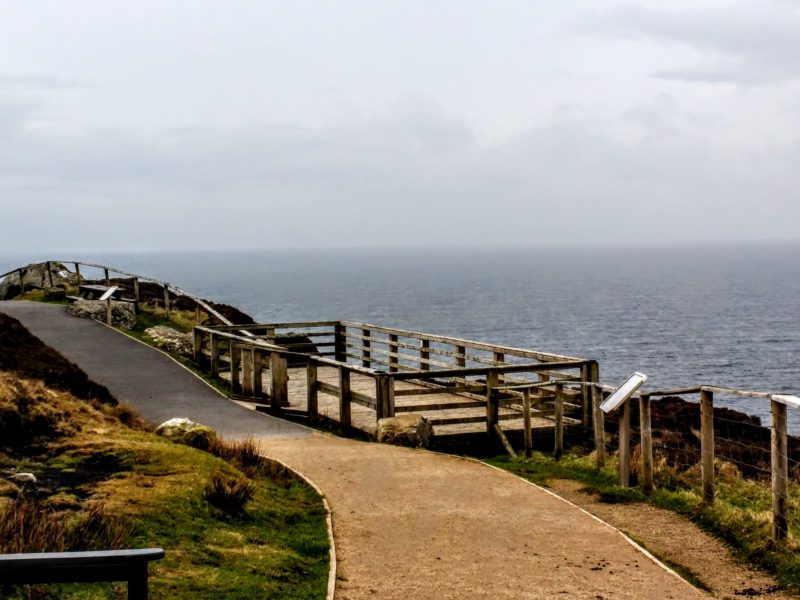
Easy: Paved viewpoint path near Bunglass with railed platforms.
Moderate: Cliffs walk along well‑trodden paths; keep back from edges in wind or fog.
Serious only: One Man’s Pass (exposed ridge). Avoid in wind, rain, or low visibility; not suitable for vertigo or inexperienced hikers.
Midday: Killybegs harbour & lunch
Drive to Killybegs, Ireland’s largest fishing port. Watch the trawlers and grab seafood.
Parking: Along the harbourfront or town car parks (usually free/low cost).
Food: Fish and chips from the pier or a sit‑down chowder with brown bread.

Afternoon: Beaches & headlands
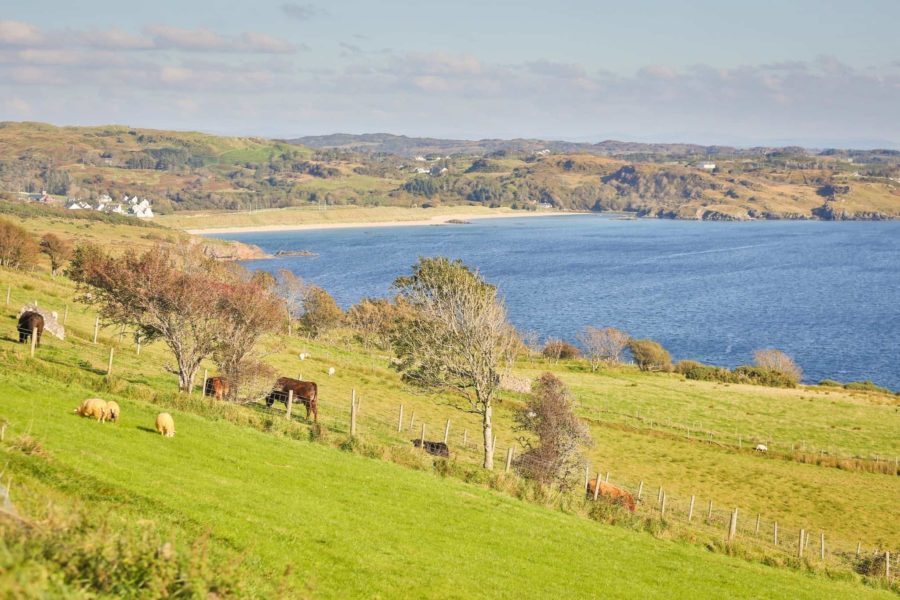
Fintra Beach — golden arc with dunes; short walk from the car park.
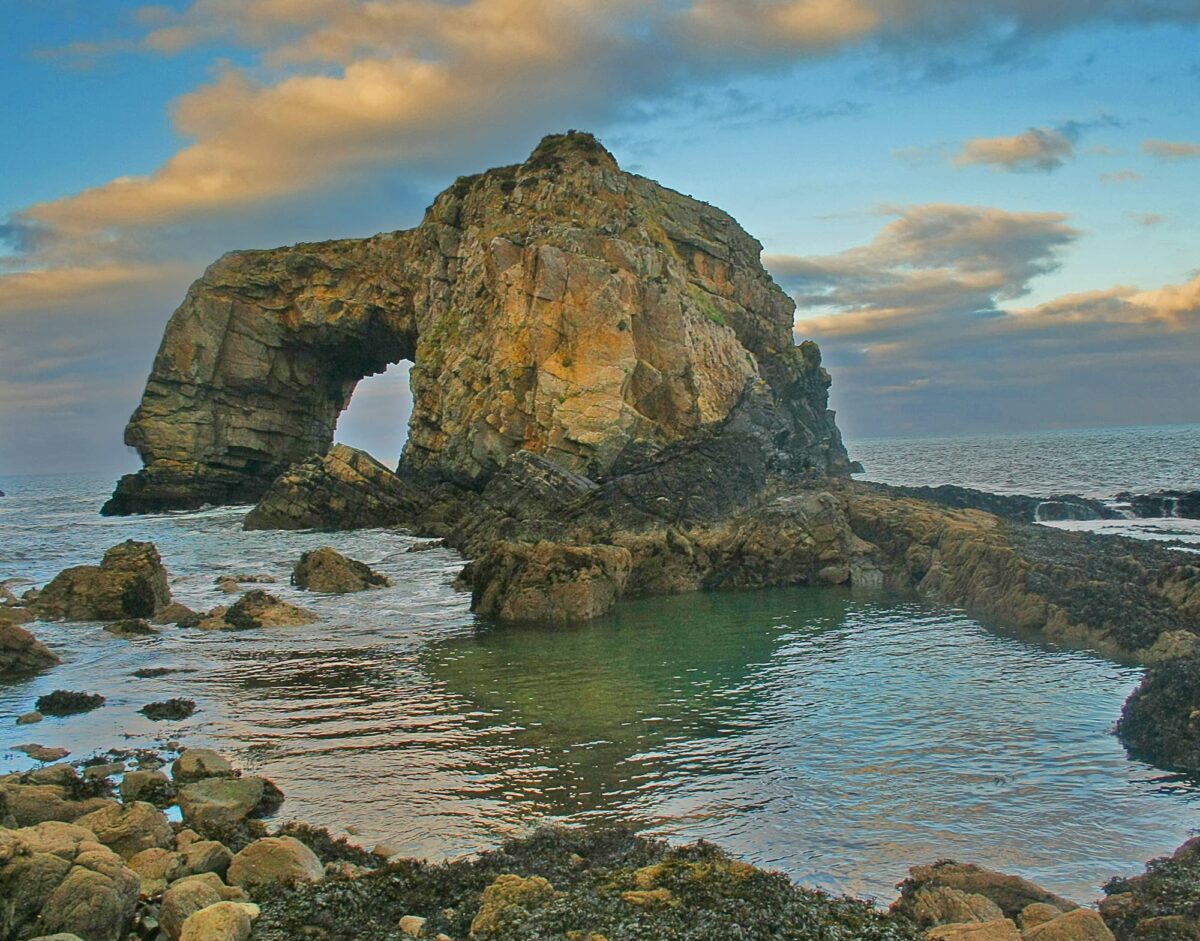
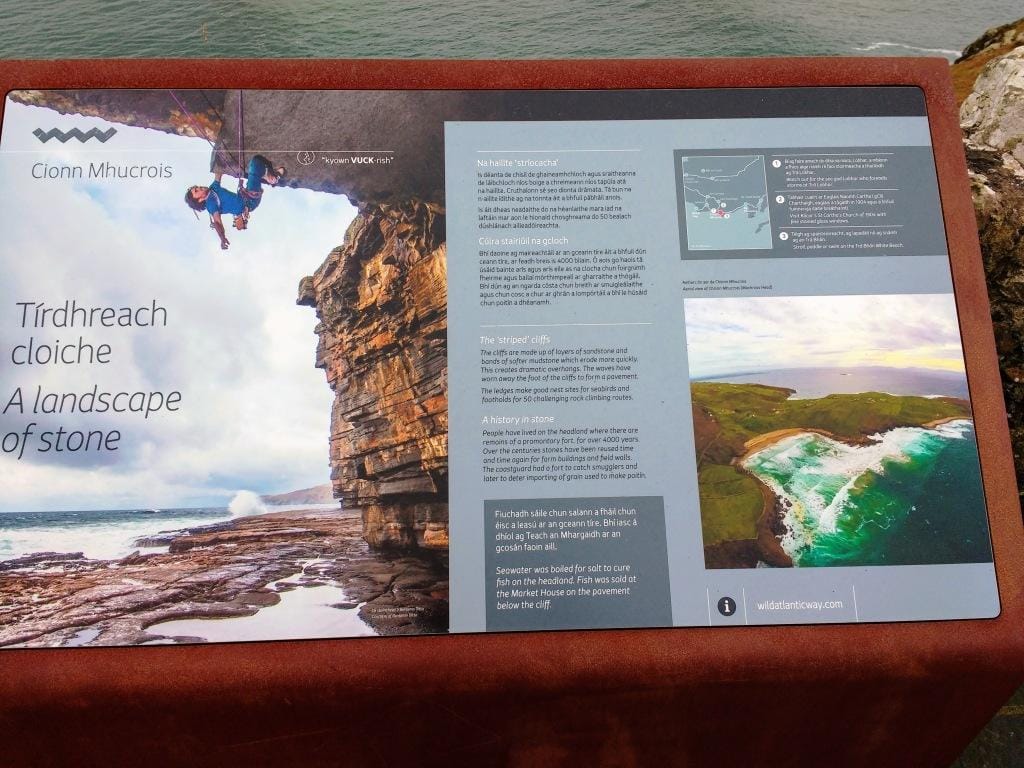
Muckross Head — rugged headland with sea stacks and surfers; small lay‑by parking, uneven paths.
Alternative in rough weather: Drive the coast road slowly; pull into signed lay‑bys for views.
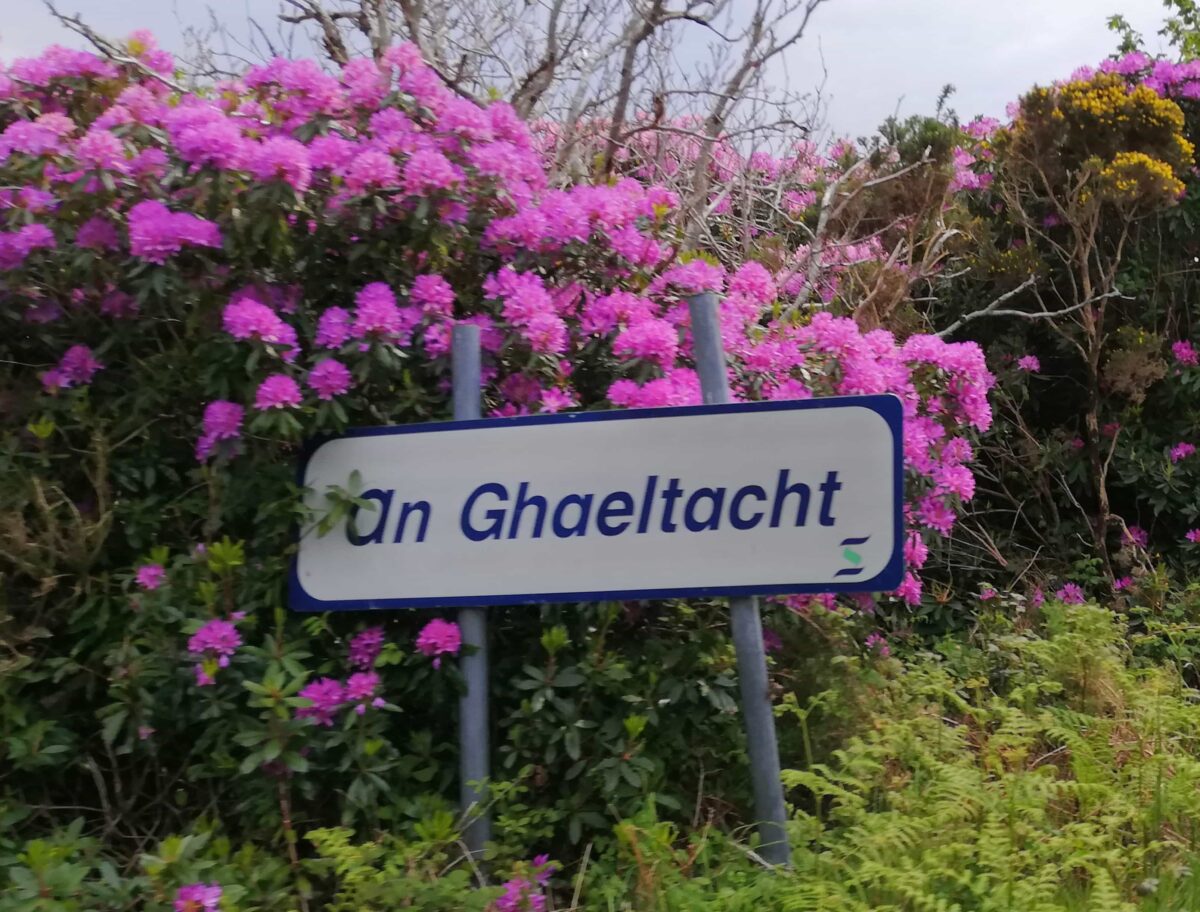
Gaeltacht detour: With extra time, continue west toward Glencolmcille in the Gaeltacht for coastal views, bilingual signs, and a deeper sense of Donegal’s living Irish culture at the Folk Village.
Best time at Slieve League: Aim for early morning or late afternoon—lighter winds, softer light, and easier parking. In peak season, arrive before 10:00 or after 16:00 for a calmer experience.


Rain plan (Day 2)
Low cloud can shroud the tops, but views from the lower Bunglass paths often peek through between showers—bring a waterproof and wait out squalls.
Swap longer cliff walks for a slow coastal drive with viewpoints, then warm up in Killybegs with chowder or fish and chips.
If visibility collapses, detour to Glencolmcille Folk Village (seasonal) for a cultural indoor alternative.
Evening: Return to Donegal Town
Dinner in town; consider a gentle harbour walk at sunset.
Day 3 Glenveagh National Park, castle gardens, and the northern coast
Morning: Glenveagh National Park
Visitor Centre parking is free; pick up trail maps and shuttle tickets.
Shuttle to Glenveagh Castle runs regularly in season; the lakeside path is 4 km each way on a good gravel track if you prefer to walk.
Trails: Lakeside ramble (easy), Derrylahan Nature Trail (short loop), or climb to the viewpoints above the castle (steeper).
Wildlife: Watch for red deer at dawn/dusk; raptors over the ridges.


Midday: Glenveagh Castle & gardens
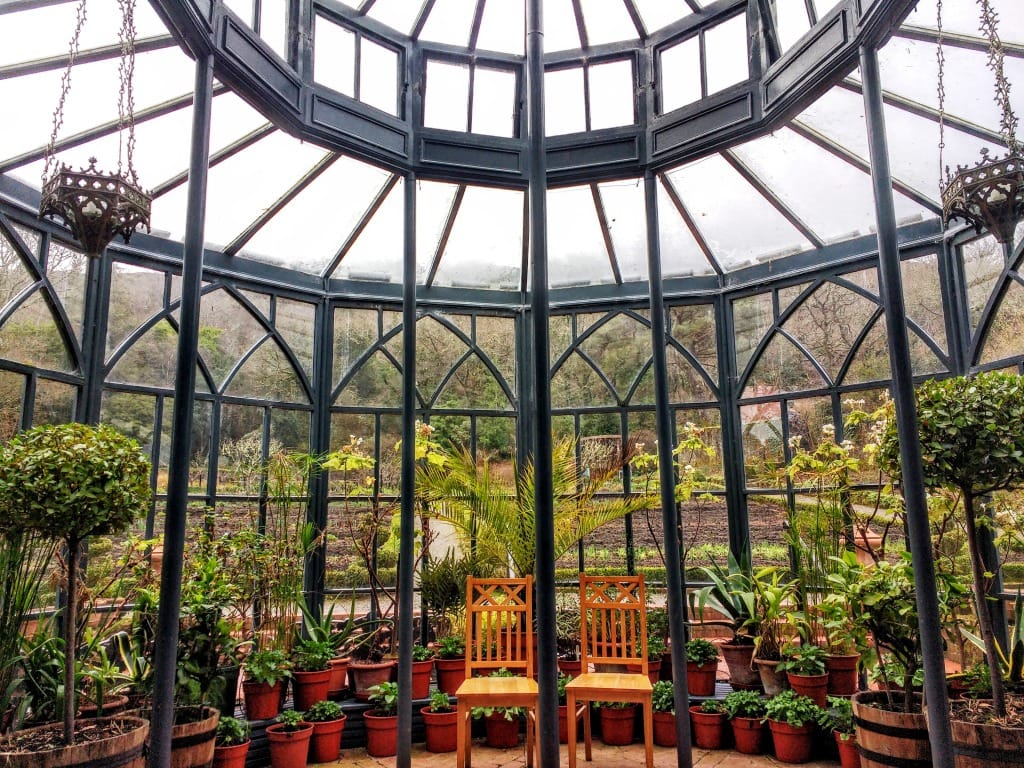
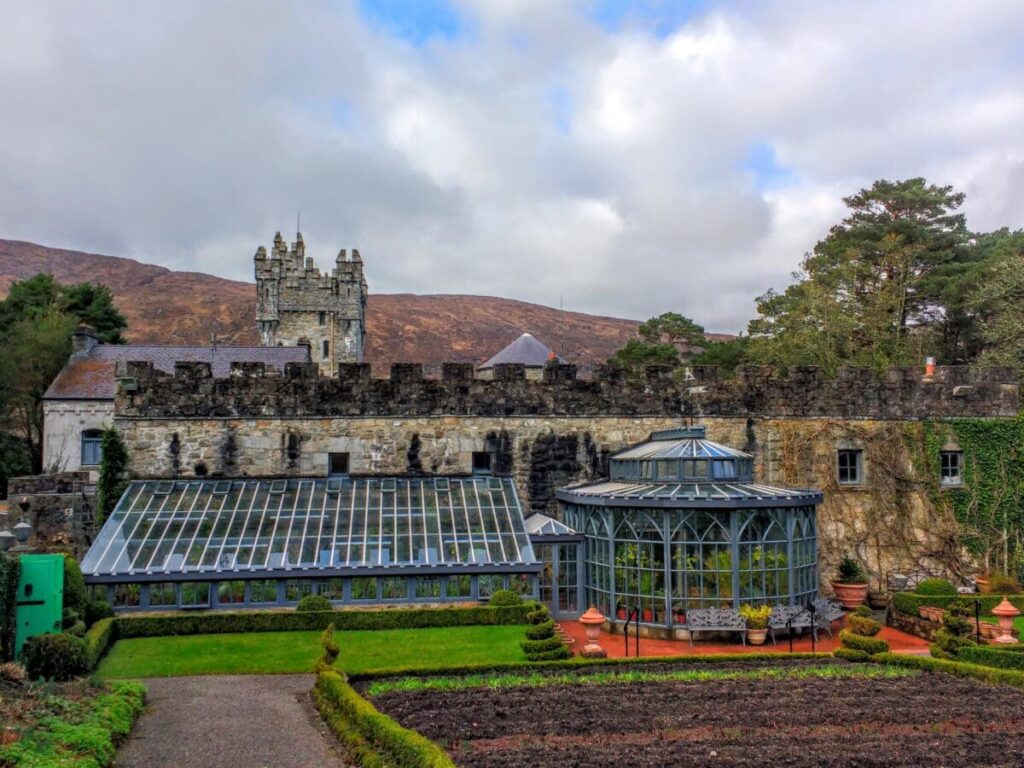
19th‑century baronial house set on Lough Veagh; terraced gardens brim with rhododendrons and exotics in late spring/summer.
Tickets: Small fee for castle interiors; gardens and café access may be separate—check official information.
Afternoon: Northern coast villages
Dunfanaghy: cafés, art shops, and nearby Marble Hill beach.
Doe Castle quiet 16th‑century stronghold on a tidal inlet; photogenic from the shoreline.
Horn Head (if time/conditions allow) sweeping clifftop views; caution on narrow roads and at unfenced edges.
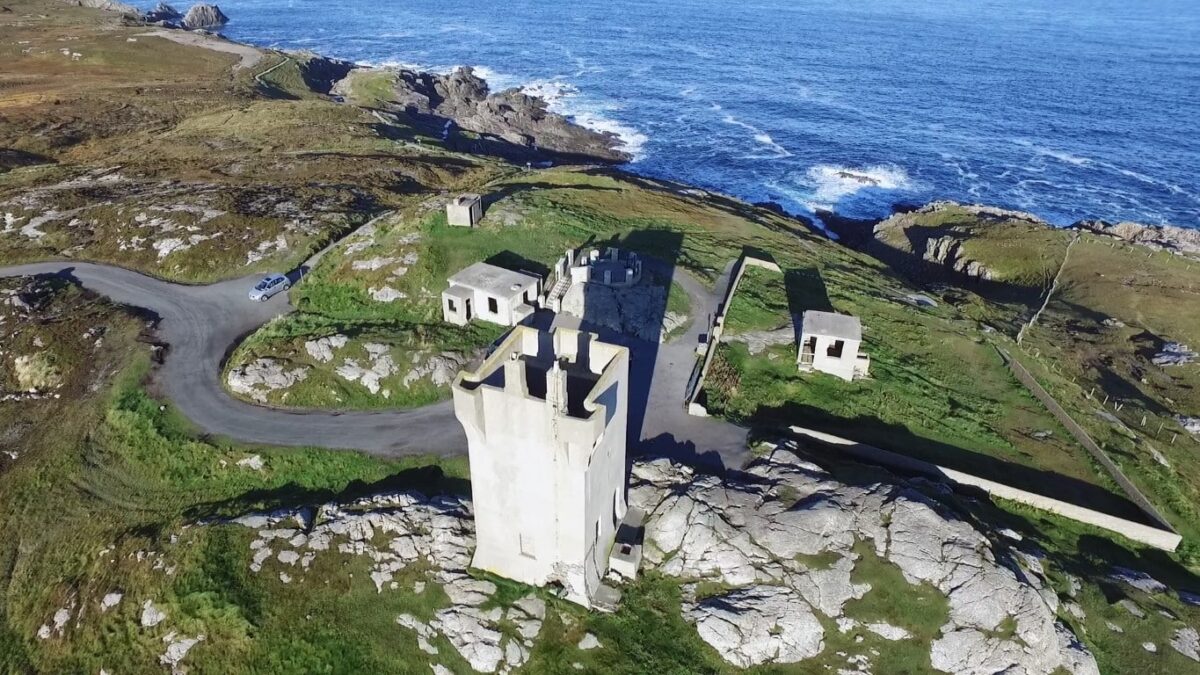
For a Gaeltacht focus, swing west toward Gaoth Dobhair (Gweedore) for seaside views, music pubs, and everyday Irish language in shops and signage.


Rain plan (Day 3)
Take the shuttle to the castle, tour interiors, and enjoy the tea room; gardens have several sheltered sections and gravel paths.
If weather stays wild, pivot to Letterkenny for the Donegal County Museum and a café crawl, then return to Glenveagh if skies lift.
Evening: Return to Donegal Town
Expect 1.5 hours’ drive; refuel in town and toast the trip.
Ancient Donegal: crosses, dolmens
Donegal is home to some remarkable early Christian and prehistoric monuments, including beautifully carved high crosses and ancient portal tombs (dolmens). Sites like the high crosses at Killaghtee Old Church near Dunkineely and Donagh Cross in Carndonagh date back over a thousand years and are decorated with intricate carvings that reflect Ireland’s early Christian heritage.


Even older are the region’s dolmens, megalithic tombs built over 4,000–5,000 years ago — which can still be found scattered across the landscape. Many of these ancient sites are easily accessible and offer a fascinating glimpse into Donegal’s long and layered history.
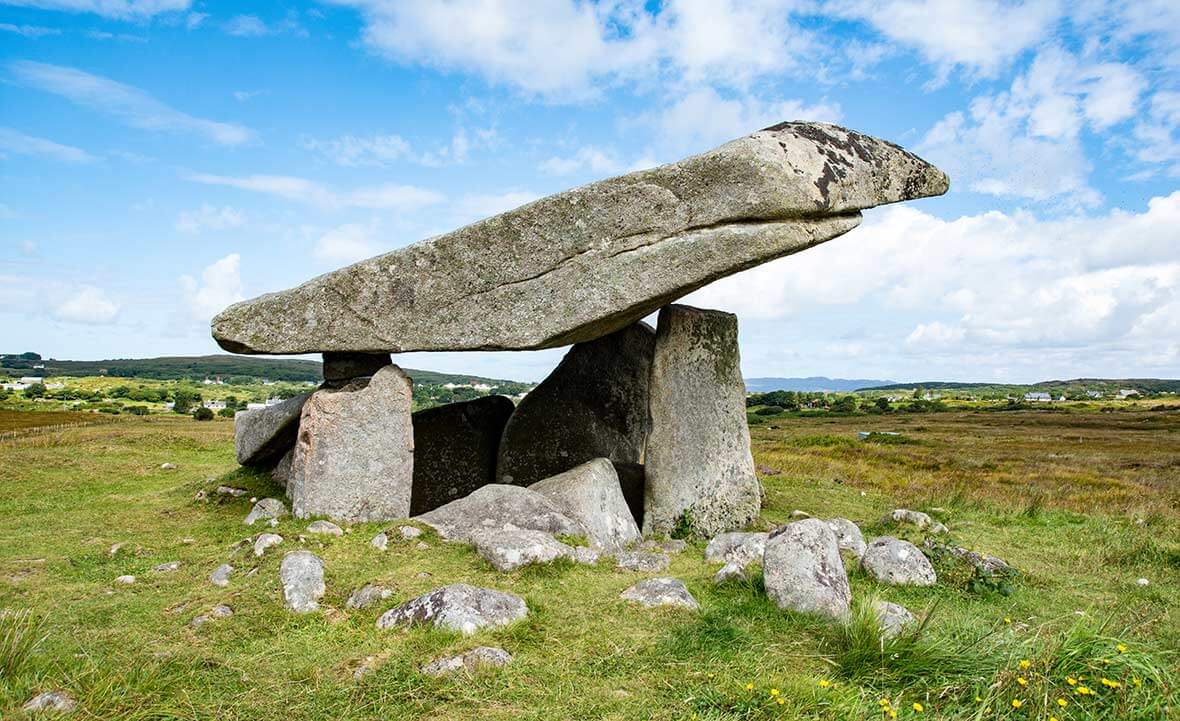
One of the best examples is the Kilclooney Portal Tomb, located a few kilometres outside Ardara. Dating from around 3500 BC, this impressive tomb features a massive capstone balanced on tall standing stones and sits in open farmland just off the N56.
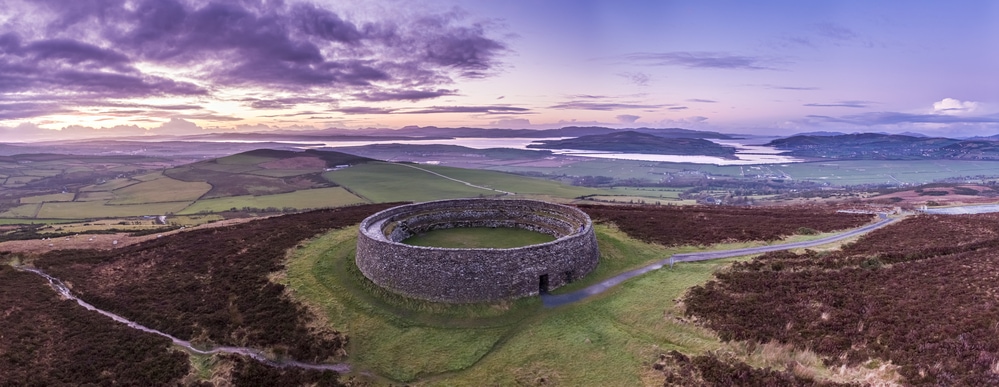
Alongside its high crosses and prehistoric tombs, Donegal is also home to several remarkable ancient landmarks. One of the most impressive is Grianan of Aileach, a dramatic hilltop stone fort overlooking Lough Swilly and Lough Foyle that dates back to early medieval times and was once linked to the ancient kings of Ulster.

Nearby in eastern Donegal, the mysterious Beltany Stone Circle consists of more than 60 standing stones arranged in a large circle on a hillside outside Raphoe. Thought to be over 4,000 years old, it may have been used for seasonal ceremonies or astronomical observations. Sites like these, scattered across Donegal’s hills and coastlines, offer a fascinating glimpse into the region’s ancient past and can easily be added as short stops on a road trip through the county.
Best walks & scenic drives
Cliffs: Slieve League paths from Bunglass (choose safe options in windy weather).
Forest & lake: Ardnamona Wood (Lough Eske) and Glenveagh lakeside path.
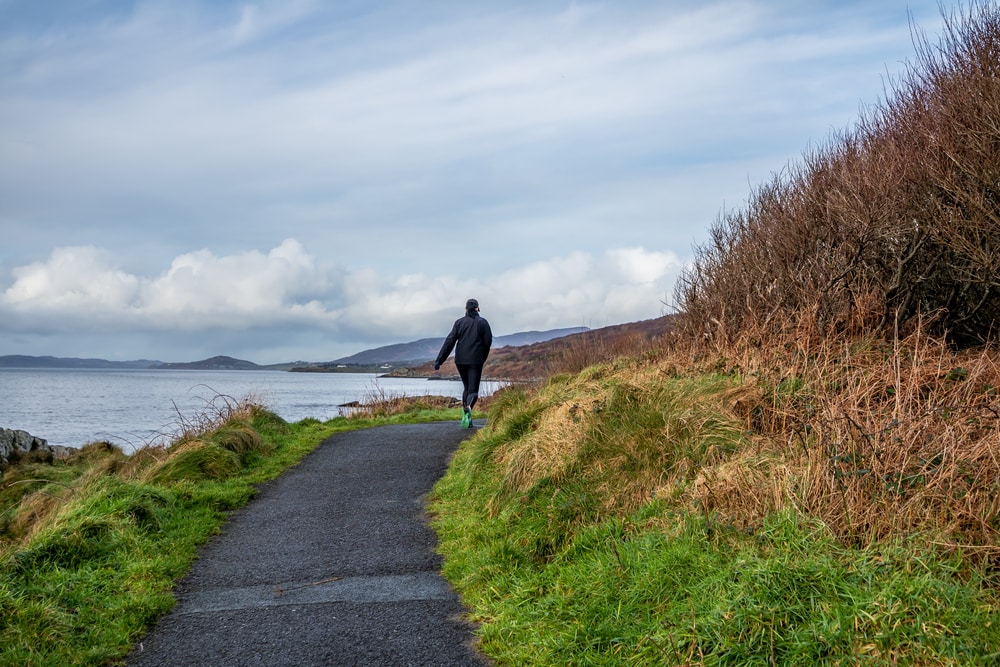
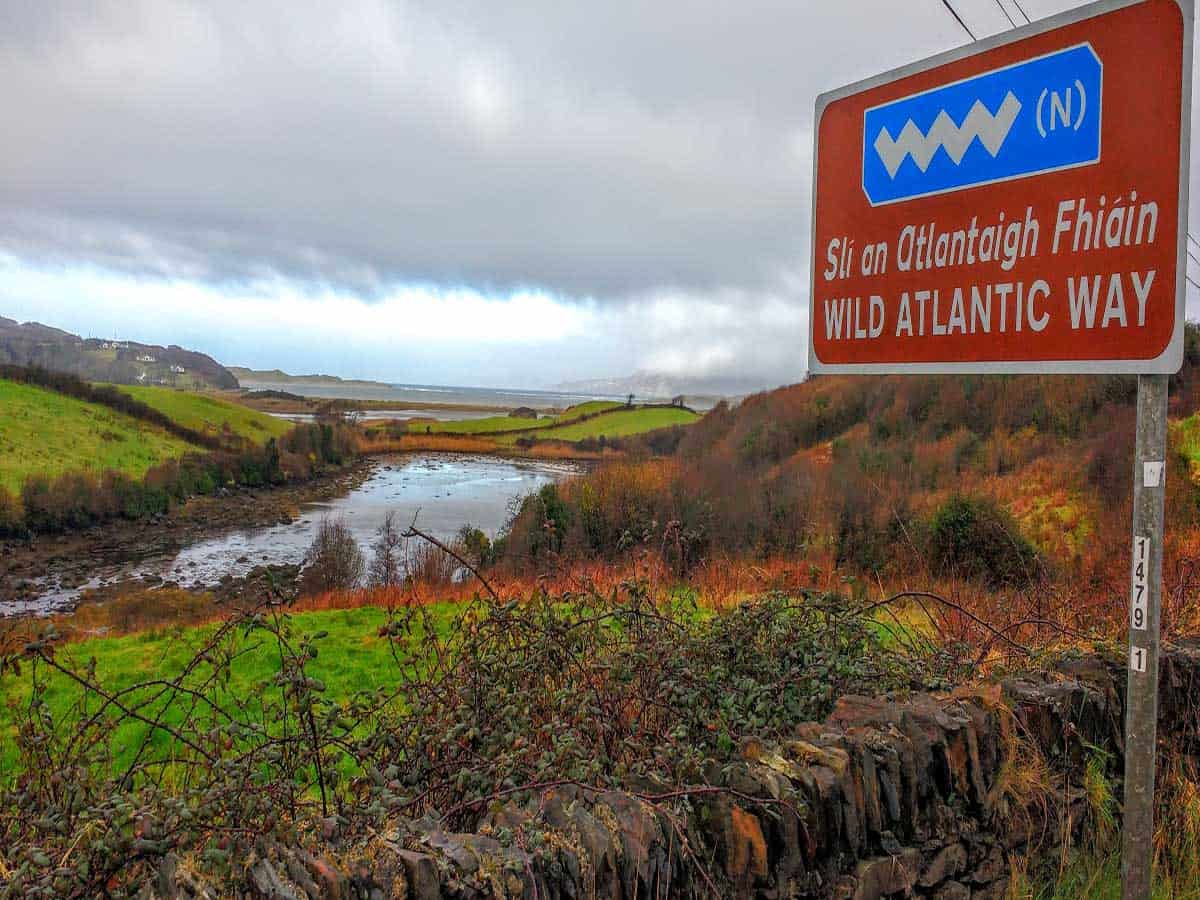
Drives: The Wild Atlantic Way stretches from Killybegs to Glencolmcille and north around Sheephaven Bay—allow time for frequent photo stops.


Best time to visit Donegal
- May–September: Long days, green hills, best chance of dry spells; book stays early.
- April/October: Quieter roads, moody light, fast‑changing weather—pack layers and waterproofs.
- Winter: Empty beaches and roaring fires; limited hours for attractions and shuttles; short daylight.
Winter notes: Expect short daylight (8–9 hours mid‑winter), stormy Atlantic fronts, and limited shuttle/attraction hours. It’s magical for empty beaches and fireside evenings—plan shorter driving days, stick to signed viewpoints in high winds, and book flexible stays.
Costs & budget snapshot (per person, per day)
Car rental & fuel: €40–€70 (split across travelers)
Food & drink: €30–€60 (more with seafood dinners)
Admissions/shuttles/parking: €5–€20
Accommodation: €40–€80 (B&B) to €250+ (castle hotel)
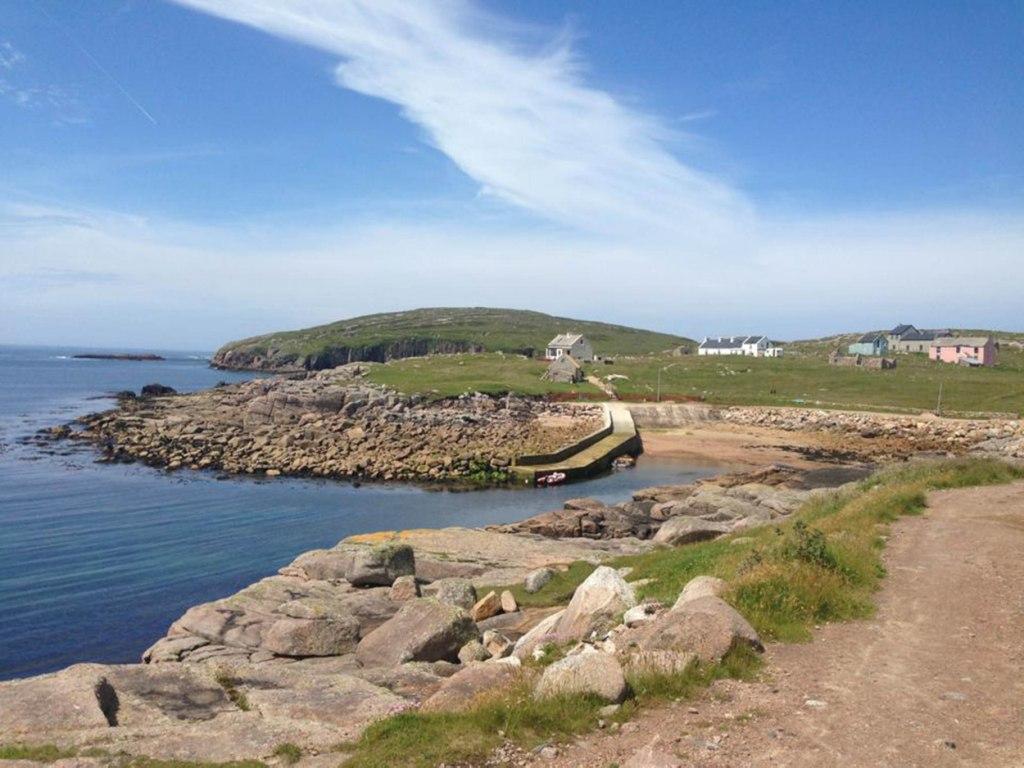
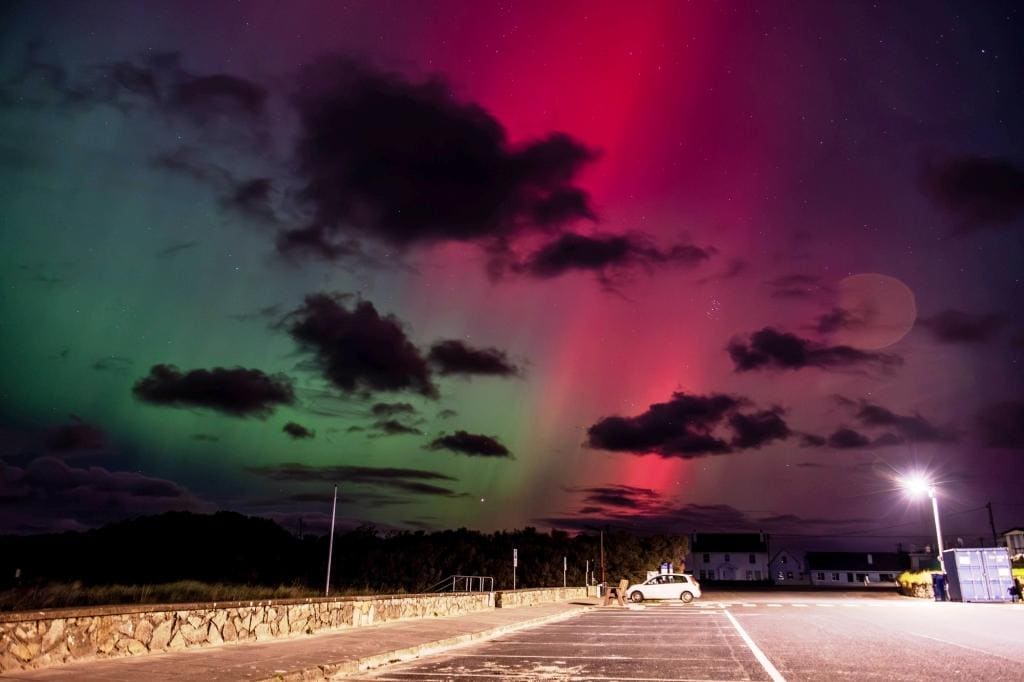
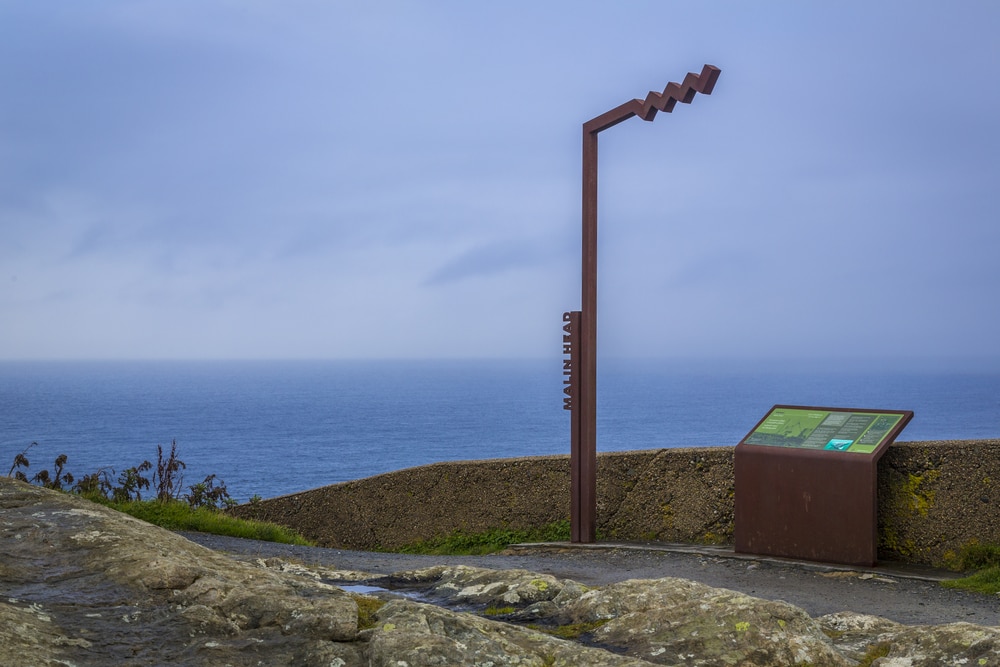
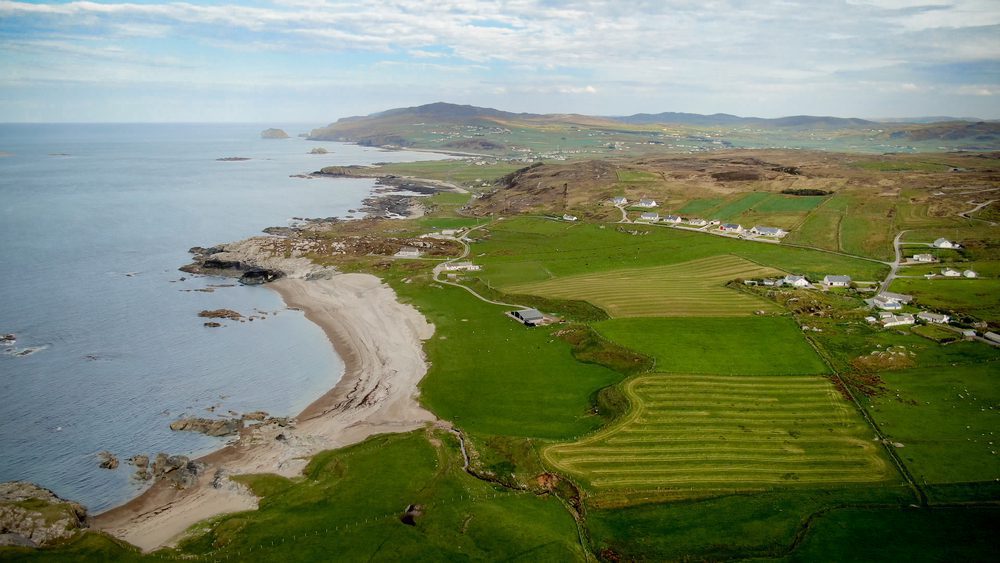
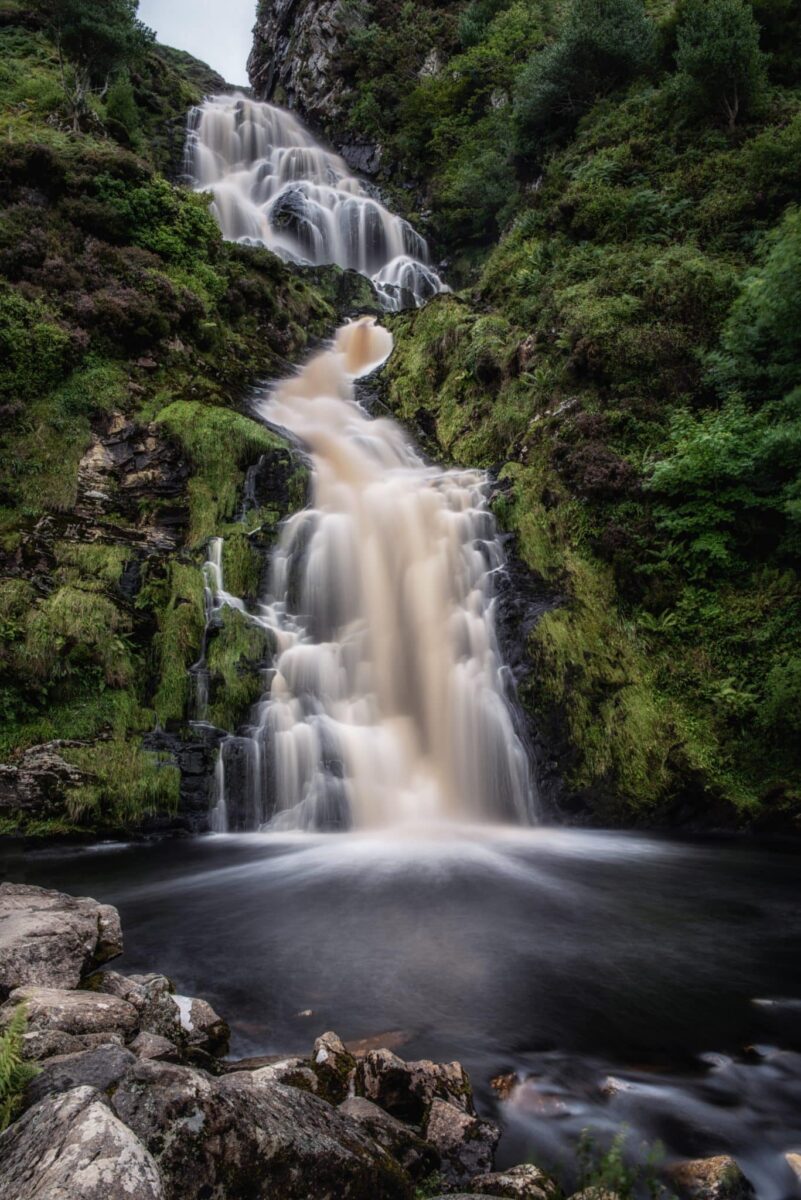
For travelers extending their Donegal road trip, you can head north around the Inishowen Peninsula to Malin Head, Ireland’s northernmost point—with a stop at the early‑medieval Carndonagh Cross; or go from Donegal Town via Killybegs and Kilcar to the Largy “secret waterfall,” continue to Glencolmcille Folk Village, then on to Ardara for Assaranca Waterfall and Maghera Beach and caves, taking the hairpins of Glengesh Pass along the way. Hikers can add the haunting Poisoned Glen beneath Errigal near Dunlewey, and if you’re pairing Donegal with Northern Ireland, connect via Derry/Londonderry to the Causeway Coast.

FAQs
How many days do you need in Donegal?
Three full days hits highlights; five lets you slow down and add Inishowen or the Rosses.
Can you drive to the Slieve League viewpoint?
Often you can reach the upper Bunglass area on quiet days; in busier periods a seasonal shuttle runs from the lower car park/gate. Arrive early or late for easier parking.
Is One Man’s Pass safe?
It’s exposed and narrow. Attempt only in good conditions with proper footwear and experience. There are plenty of safer paths with excellent views.
How long is the walk to Glenveagh Castle?
About 4 km each way on a good track; 60–75 minutes. A shuttle operates in season between the Visitor Centre and the castle.
Do you need a car?
Yes for this itinerary. Without a car, base in Donegal Town and book day tours or taxis for specific legs.
Where should I stay?
Donegal Town is central with food, music, and easy access south and north; Dunfanaghy works well if you’re focusing on the northern coast.
Can I do this 3‑day Donegal itinerary without a car?
Yes base in Donegal Town and combine Bus Éireann routes with local Link public transporation local taxis and day tours. You’ll trade some flexibility for convenience. Read my “Donegal itinerary without a car” guide.

What’s the best time of day to visit Slieve League?
Early mornings and late afternoons offer calmer parking, softer light, and often lighter winds. In summer, avoid late morning–midday when tour traffic peaks.
What should I do in Donegal when it rains?
Keep moving between showers: castle interiors, cafés, museums (Donegal Railway Heritage Centre, Donegal County Museum), coastal drives with viewpoint pauses, and trad music pubs at night.
Is Donegal good for families?
Yes broad beaches (Fintra, Marble Hill), short lake walks at Glenveagh, and castle visits. Skip exposed ridges like One Man’s Pass; choose fenced viewpoints and easy trails.


How much is a budget 3‑day Donegal trip?
With B&Bs, self‑catering, and simple pub meals, plan roughly €70–€120 per person per day (sharing car costs). Free beaches and hikes keep spend down.
Is Donegal worth visiting in winter?
If you love wild weather and quiet roads – absolutely. Shorter days and occasional closures require flexibility, but stormy Atlantic vistas and empty trails are unforgettable.
Related Donegal guides (for deeper planning)
Hidden Gems in Donegal Most Visitors Miss
Wild Atlantic Way Donegal Route Guide
3 Days in Donegal Done Right
With real drive times, parking and shuttle details, safer trail alternatives, and local picks for food and stays, this 3‑day Donegal itinerary is built to keep you out of the car and on the cliffs, lakes, and beaches that make the county unforgettable. Base yourself in Donegal Town, time Slieve League for calmer hours, slow‑roll the coastal lay‑bys, and save a full day for Glenveagh’s lakeside paths and castle gardens.
If you have more time, add Inishowen or the Rosses, dive deeper with the Best Beaches and Hidden Gems guides, and check dates before you go hours and access change with the season. See you on the Wild Atlantic Way.
For travelers planning a slower-paced trip through the northwest, my Accessible Donegal guide covers wheelchair-friendly viewpoints, scenic drives, beaches, parking, transport, and realistic tips for visiting Donegal with limited mobility.
Join 6,519 Ireland travellers in my Ireland Uncovered Facebook Group and 1,897 on my XYUandBEYOND PAGE
Explore a few of my Ireland itineraries below:
👉 An Itinerary for exploring Wicklow
👉 An Itinerary for exploring Kilkenny
👉 A 10 Day Itinerary to discover Ireland
👉 5 Historical Places to visit near Dublin
👉Causeway Coastal Route Itinerary
👉 Celtic Symbols a road trip itinerary
Start Planning Your Trip
👉 Public Transportation in Ireland
👉 Hidden Gems in Ireland – 32 Secret places to visit
👉 Answering all your travel questions about Ireland
👉What to pack for your Ireland trip
👉 Northern Ireland Public Transportation
Road trips, slower-paced journeys, family-friendly routes, and culture-led itineraries that reflect different ways of experiencing Ireland. Here are a few more itinerary articles for you.
➡️ The Perfect Ireland Road Trip
➡️ 5 Historical Places to visit near Dublin