
The Best Day Trips from Belfast: A First-Hand Guide to Northern Ireland’s Most Spectacular Places
| The best day trips from Belfast include the Giant’s Causeway, the Causeway Coastal Route, Derry/Londonderry, the Mourne Mountains, Carrickfergus Castle, Rathlin Island, and Armagh City. Most are within 90 minutes by car. Many are also reachable by public transport or guided tour if you prefer not to drive. |

Why Belfast Is the Perfect Base for Exploring Northern Ireland
Belfast, the vibrant capital of Northern Ireland, punches well above its weight as a travel base. Within 30 minutes of the city centre, you can be standing at a medieval castle, walking ancient coastlines, or hiking through some of the finest mountain scenery in the British Isles.
I have been taking visitors and friends to the locations in this guide for years, as a mobility-challenged traveller myself, and I know which car parks have step-free access, which sites have rough terrain, and which cafes are worth the detour. This is not a cut-and-paste list. These are places I know.
I also recommend renting a car. Once you leave Belfast, the driving is genuinely easy, and as my husband always says, you just need to keep your rear end in the middle of the road. Belfast and Derry are small cities, so if you have driven in any larger North American or Australian city, you will find these roads manageable. A car also means you can reach hidden gems that most visitors completely miss.
At the request of one of my readers, I have put together this comprehensive list of the best day trips from Belfast. I have also included some outstanding bus tours that travel into County Donegal. Donegal is actually further north than Northern Ireland, and if you have time, make the trip. It sits on the Wild Atlantic Way and the scenery is staggering.


- The Best Day Trips from Belfast: A First-Hand Guide to Northern Ireland's Most Spectacular Places
- Why Belfast Is the Perfect Base for Exploring Northern Ireland
- How to Plan Your Day Trips from Belfast: A Step-by-Step Guide
- Giant's Causeway and the Antrim Coast
- The Mourne Mountains, County Down
- Derry/Londonderry: Northern Ireland's Walled City
- Carrickfergus Castle and the Causeway Coastal Route
- The Ards Peninsula and Strangford Lough
- Rathlin Island: Northern Ireland's Only Inhabited Offshore Island
- Armagh City: Ireland's Ecclesiastical Capital
- Game of Thrones Filming Locations: Northern Ireland as Westeros
- Titanic Belfast: The World's Largest Titanic Experience
- Free Things to Do in Northern Ireland
- Guided Bus Tours Across Northern Ireland and Donegal
- Hidden Gems in Northern Ireland and Donegal
- A Personal Note on Exploring Northern Ireland
- Where to Stay in Belfast
- Frequently Asked Questions: The Best Day Trips from Belfast
How to Plan Your Day Trips from Belfast: A Step-by-Step Guide
- Decide whether you prefer to drive or join a guided tour. A rental car gives maximum flexibility; tours are great for first-timers or those who do not want to navigate.
- Choose your priority: coastal scenery, history, Game of Thrones filming locations, or Irish folklore and mythology.
- Book popular sites like the Giant’s Causeway Visitor Centre and Carrick-a-Rede Rope Bridge in advance, especially in summer.
- Check accessibility requirements in advance. Most major sites now have accessible parking and pathways, but some cliff walks and forest trails are not suitable for all mobility levels.
- Combine attractions along the same route rather than doubling back. The Causeway Coastal Route, for example, takes in the Carrick-a-Rede Rope Bridge, Dunluce Castle, and the Giant’s Causeway in one sweep.
- Allow yourself more time than you think you need. Northern Ireland has a habit of making you stop the car every five minutes for views you did not expect.
Giant’s Causeway and the Antrim Coast
| Distance from Belfast: Approximately 1 hour 30 minutes by car. Around 2 hours by public transport. |
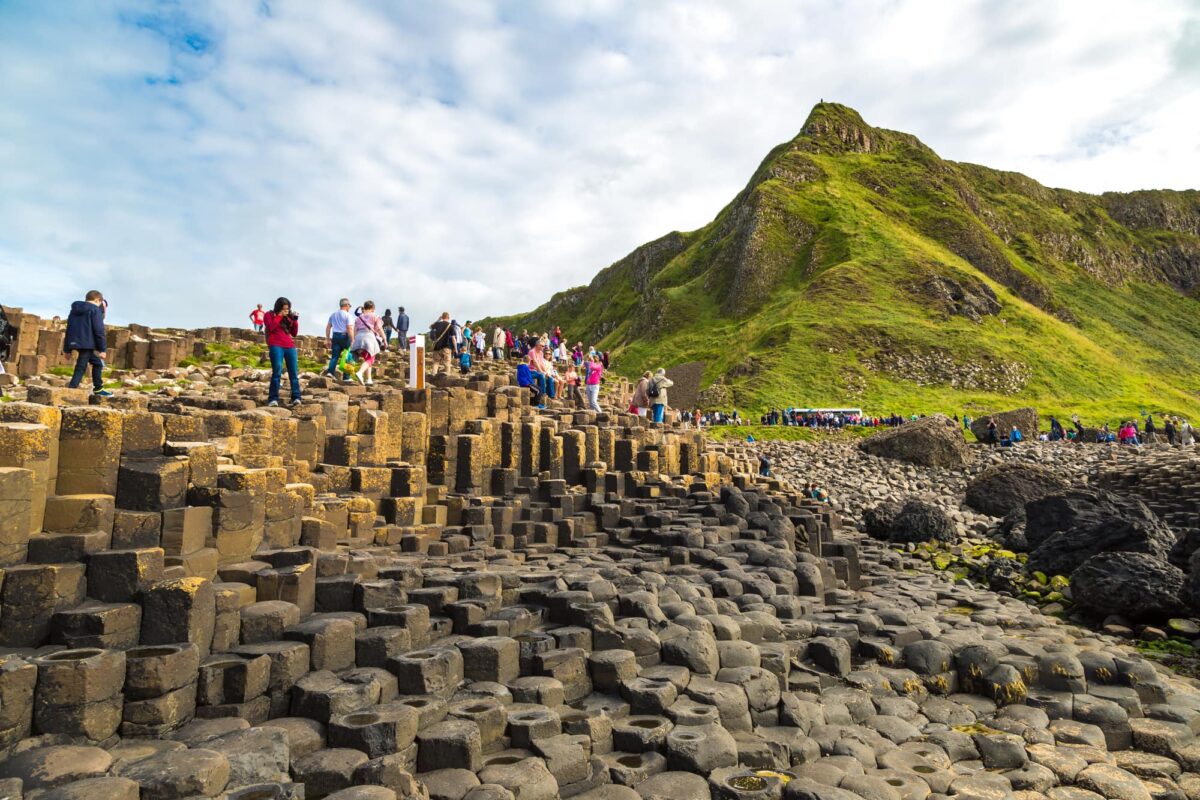
The Giant’s Causeway is Northern Ireland’s only UNESCO World Heritage Site and, in my view, one of the most genuinely astonishing places in Europe. Around 40,000 interlocking basalt columns rise from the sea, formed around 60 million years ago by ancient volcanic activity. The columns range in height from a few centimetres to nearly 12 metres.

The Irish folklore surrounding the site is as compelling as the geology. Legend holds that the giant Finn MacCool built the causeway to walk to Scotland so he could fight his rival Benandonner. When Finn saw how large Benandonner was, his quick-thinking wife disguised him as a baby. Benandonner, terrified of how large the baby must be, fled back to Scotland and tore up the causeway behind him.

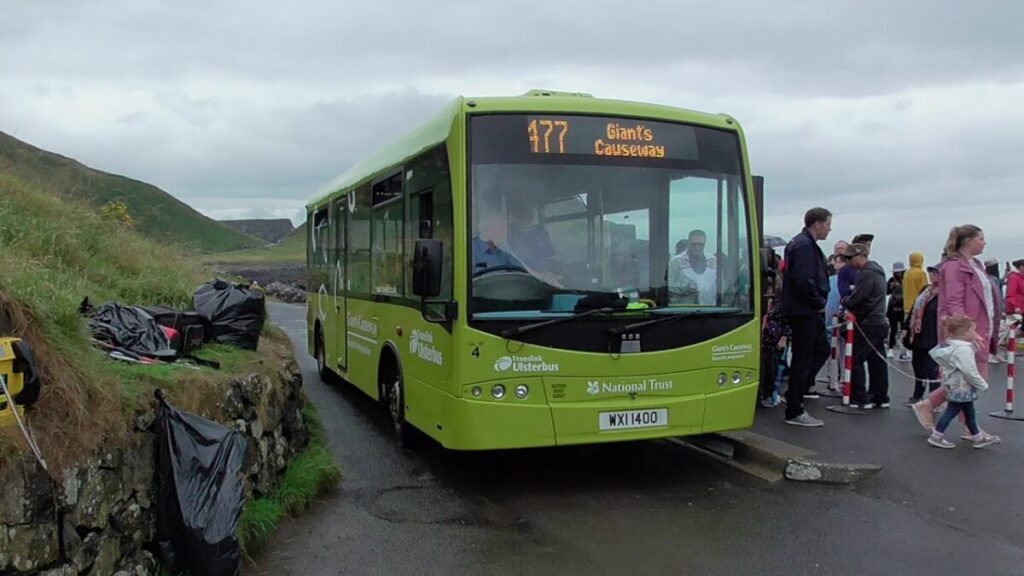
The Giant’s Causeway Visitor Centre is run by the National Trust and £16 per adult and £8.00 per child or £40 for a family of 4 (2 children, 2 adults), it does include parking. The visitor centre includes exhibitions on the geology and folklore, a cafe and restaurant, a gift shop, and accessible toilets. A shuttle bus runs from the visitor centre to the causeway itself for those with mobility challenges and costs £1.00.
Local Tip: Its a steep price to pay but if you want to see the Causeway park nearby and take the tunnel behind the Centre and you can walk to the site for free or pay £1.00 for the shuttle bus.
Practical Information: Giant’s Causeway
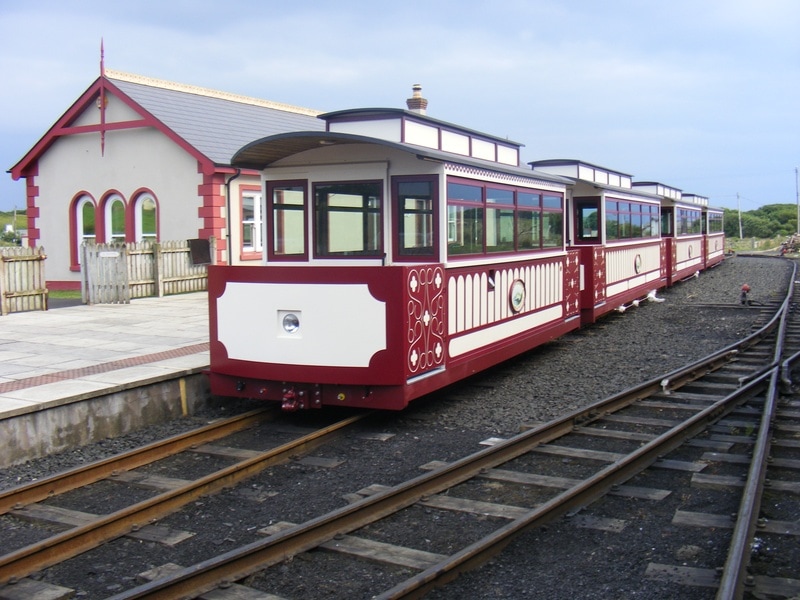
- Parking: Large car park at the visitor centre. Designated disabled parking bays close to the entrance.You can also park at nearby locations such as Bushmills and take the shuttle bus to the site the cost is £2.00 each way and no charge for parking. The Giant’s Causeway and Bushmills Railway is a heritage train that offers a scenic 2-mile journey from Bushmills to a station near the Giant’s Causeway Visitor Centre. Adult £8, Child £6, Family of 4 for £27. Children aged 2 and under travel free. Parking at Bushmills Station is free. The railway runs on Saturdays and Sundays only.
- Entry: Access to the Giant’s Causeway itself is free but you pay for the Visitors Centre and parking if you use it.
- Accessibility: The main basalt columns area involves uneven stepping stones. The cliff path is more accessible. The shuttle bus makes it manageable for many mobility-challenged visitors.
- Where to eat: The Giant’s Causeway Visitor Centre cafe serves light meals and hot drinks. For a fuller meal, the Nook in Bushmills is excellent, or head to the Bushmills Inn for something more formal.
- Bushmills Distillery: The world’s oldest licensed whiskey distillery is just 3 km away and absolutely worth a tour. Book in advance.
Along the Antrim Coast
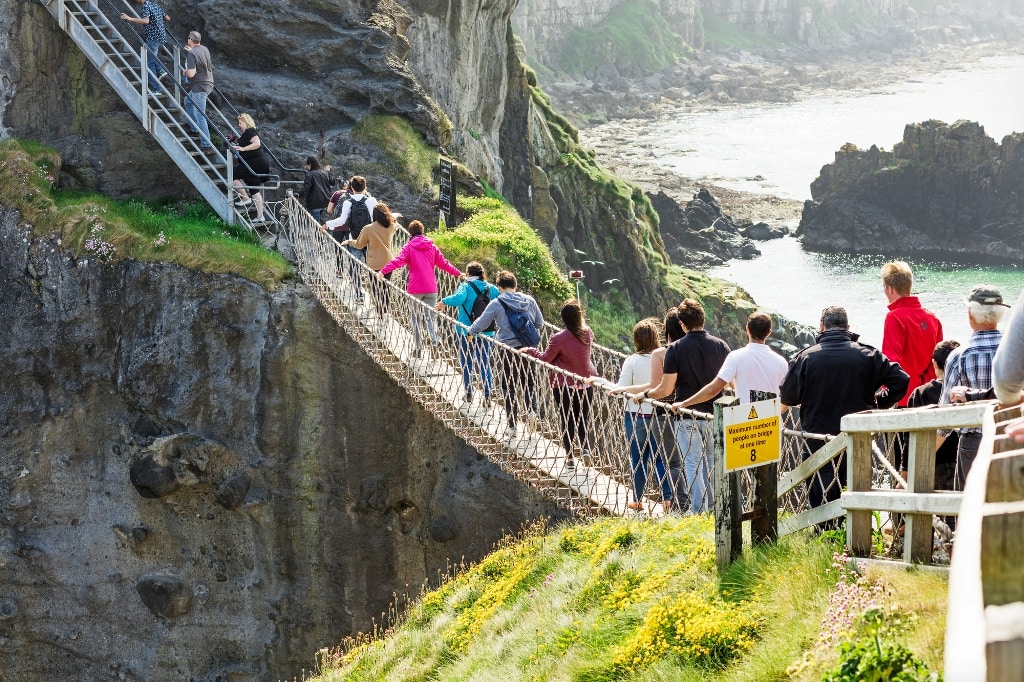
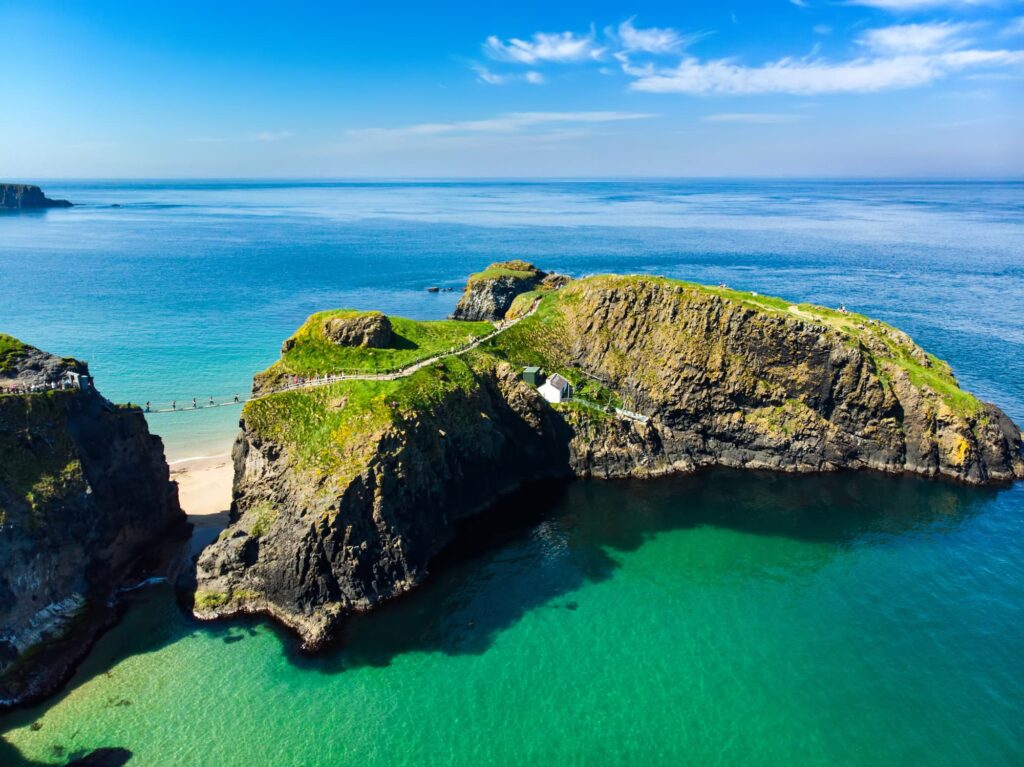
The drive along the Antrim Coast Road is one of the great road journeys of Europe. Stop at the Carrick-a-Rede Rope Bridge, which sways 30 metres above the Atlantic Ocean between two cliff faces. The bridge is owned by the National Trust; tickets must be booked online in advance. The rope bridge is a 1 km walk from the car park, with steps and uneven terrain throughout. The path starts gently enough, winding along the clifftop through windswept grassland with the Atlantic opening out to your left. A section of steps cut into the cliffside means a moderately steep descent just before the rope bridge, followed by a steep steel staircase leading down to the bridge itself.
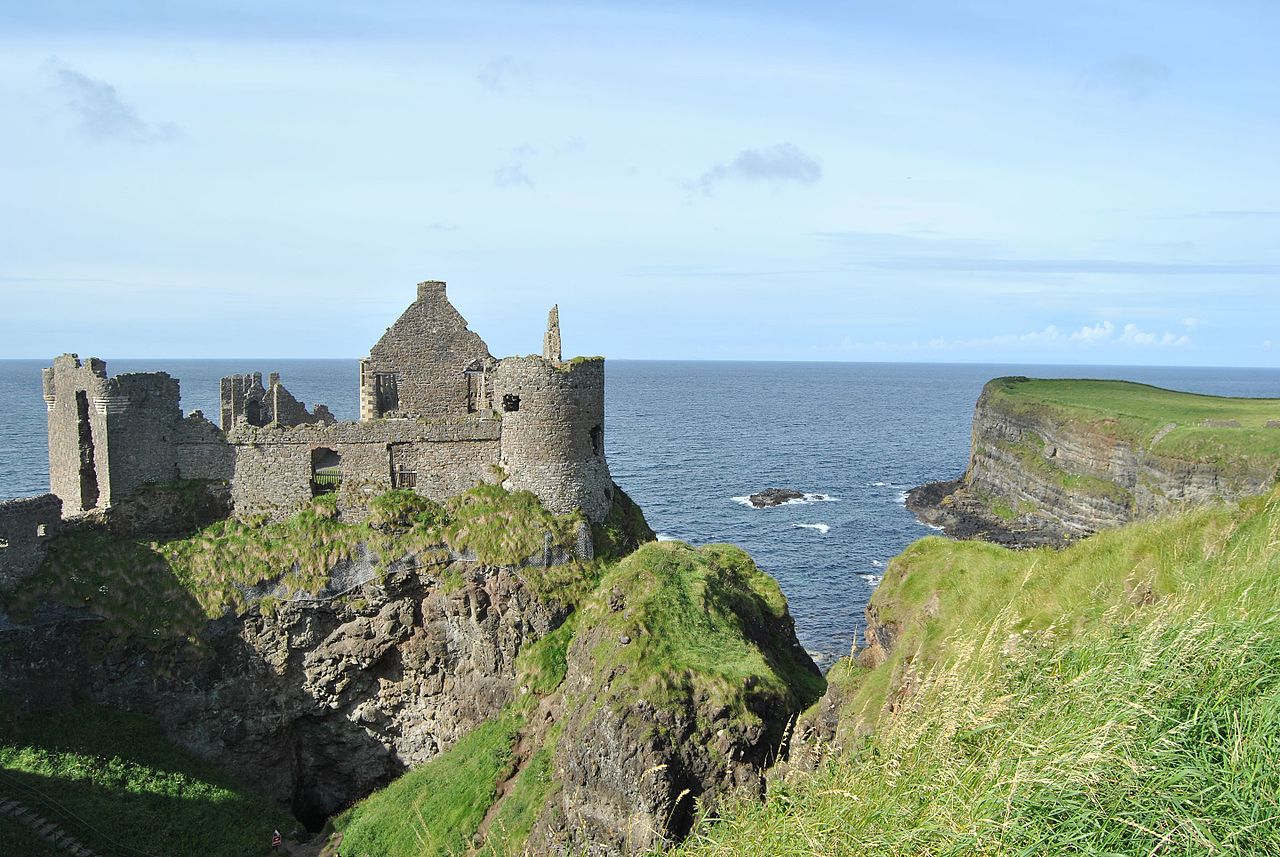
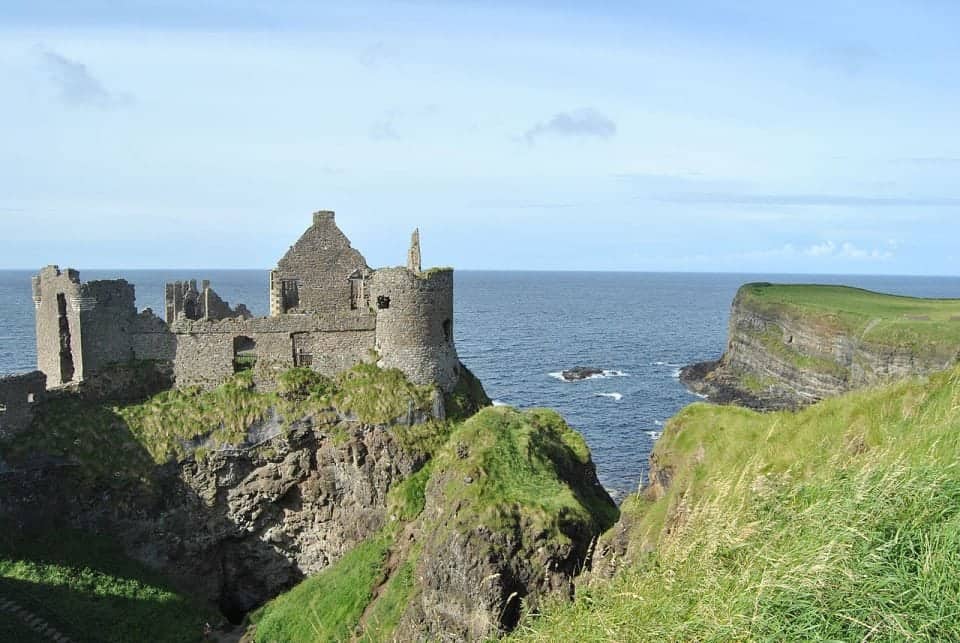
Dunluce Castle, perched dramatically on basalt cliffs, is one of the most photographed ruins in Ireland. Entry is charged; check Historic Environment NI for current ticket prices. There is a small car park at the site with some disabled access to the lower grounds, though the castle ruins involve steps.

The 9 Glens of Antrim stretch south from Ballycastle and each glen has its own character, from the popular Glenariff with its waterfalls to the quieter Glenaan and Glenshesk. Lough Neagh, the largest lake in the British Isles, sits inland and is worth a detour if you have the time.
The Mourne Mountains, County Down
| Distance from Belfast: Approximately 1 hour by car to Newcastle, the main town. |
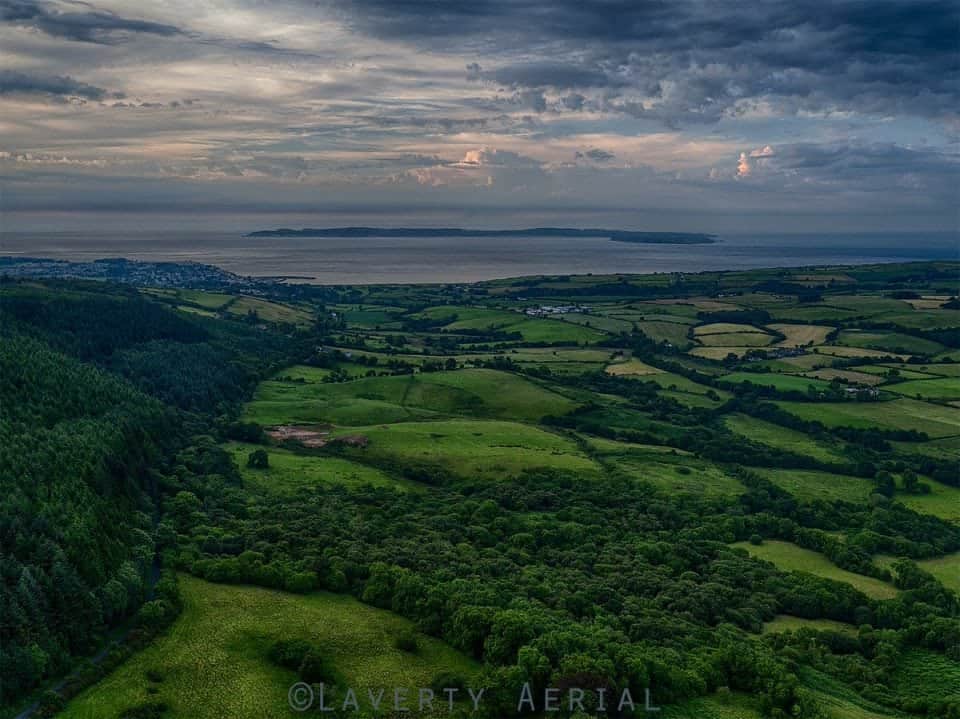
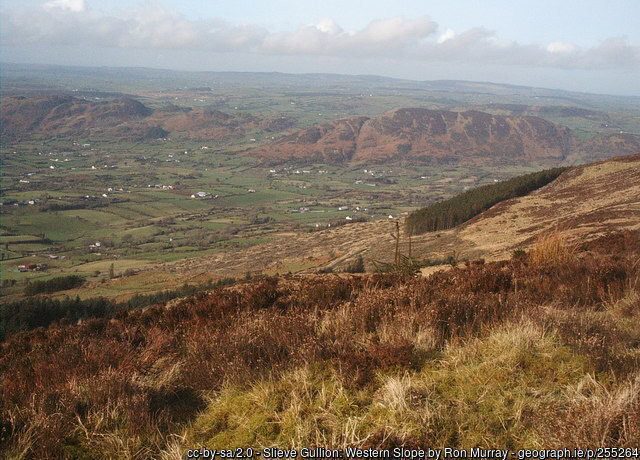
The Mourne Mountains in County Down are designated an Area of Outstanding Natural Beauty and are the inspiration behind C.S. Lewis’s Narnia. Slieve Donard, the highest peak in Northern Ireland at 850 metres, offers challenging trails with panoramic views over the Irish Sea to the Isle of Man, Wales, and Scotland on a clear day.


For those who prefer a less strenuous visit, Tollymore Forest Park is one of the most beautiful woodland walks in Ireland and was used as a Game of Thrones filming location for the Haunted Forest scenes. The forest has well-maintained paths, several bridges over the Shimna River, and is wheelchair-accessible along most of the lower riverside path.
Silent Valley Reservoir, cradled between the mountains, is a peaceful retreat with a visitor centre and beautiful walking routes. Entry and parking charges apply at Silent Valley.


Practical Information: Mourne Mountains
- Parking: Car parks at Tollymore Forest Park, Silent Valley, and Bloody Bridge (trailhead for Slieve Donard). Charges apply at most sites.
- Accessibility: Tollymore Forest Park has accessible lower paths. The mountain trails are rough and not suitable for wheelchairs or limited mobility.
- Where to eat: The Percy French Hotel and Restaurant in Newcastle is a local favourite. Mourne Seafood Bar in Newcastle is excellent for fresh local seafood.
- Tickets: Entry to Tollymore Forest Park and Silent Valley requires payment; check current prices at the respective websites before visiting.

Derry/Londonderry: Northern Ireland’s Walled City
| Distance from Belfast: Approximately 1 hour 30 minutes by car, or 2 hours 15 minutes by train. |
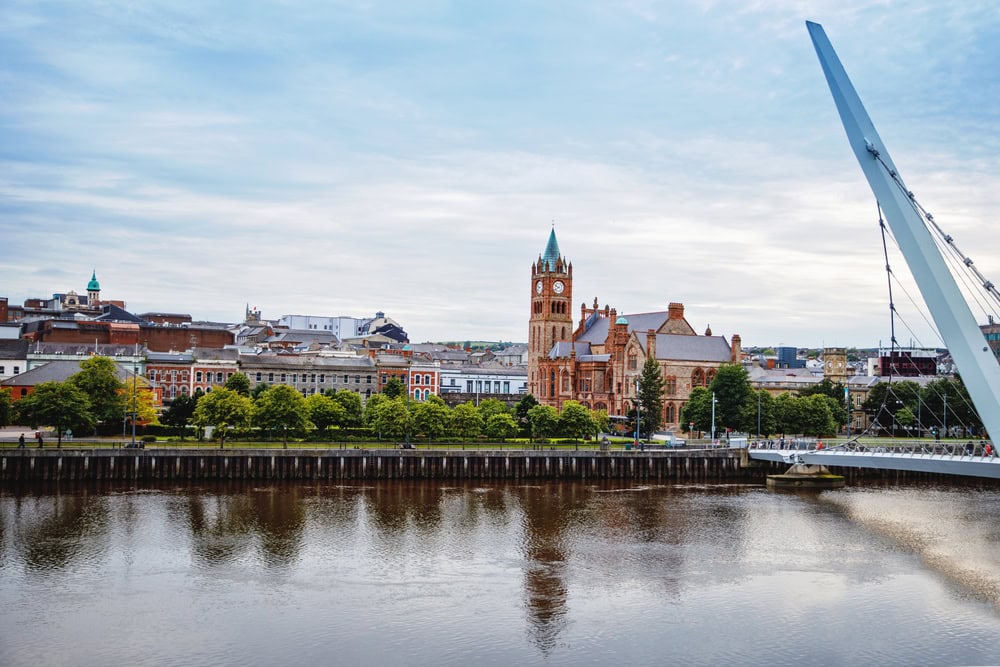
Derry is a city that gets under your skin. The walls, built between 1613 and 1619, are the most complete set of city walls in Ireland and among the best preserved in Europe. You can walk the entire 1.5 km circuit and look out over the Bogside murals below, which document the civil rights movement and the Troubles with extraordinary power.


I would strongly encourage you to take the train from Belfast. The Belfast to Derry rail journey is genuinely one of the most scenic rail routes in the world. The line hugs the coastline north of Castlerock, crosses the River Bann, and follows the shores of Lough Foyle into Derry. It passes quaint coastal villages, ruined castles, and dramatic sea cliffs. If you sit on the right-hand side of the train travelling toward Derry, you will barely be able to put your phone down.
The Museum of Free Derry in the Bogside tells the story of the civil rights movement and the events of Bloody Sunday through first-hand accounts, photographs, and personal testimony. Entry is free, though donations are welcomed. The Guildhall and Tower Museum are also worth your time.
Derry is a city that feels alive. The Foyleside Shopping Centre sits beside the river, the Craft Village is a charming cluster of independent shops and cafes, and the city has a thriving food scene centred around Shipquay Street and Waterloo Street.


Practical Information: Derry/Londonderry
- Parking: Foyleside Shopping Centre car park and Quayside Shopping Centre car park both have accessible spaces. Several pay-and-display car parks in the city centre.
- Accessibility: The city walls walk involves some steps and ramps. The Bogside and most city centre attractions are accessible at street level.
- Where to eat: Browns Restaurant is one of the best restaurants in the north west. Walled City Brewery does excellent food and craft beer. Pyke ‘N’ Pommes food truck has a cult following. Cafe del Monde on Craft Village is lovely for a lighter bite.
- Free things: The city walls walk, the Bogside murals, and the Peace Bridge are all free. The Museum of Free Derry operates on a donations basis.
- Train: Translink NI Railways operates the Belfast to Derry route. Book in advance for better prices.

Carrickfergus Castle and the Causeway Coastal Route
| Distance from Belfast: Approximately 20 minutes by car. Also accessible by train. |
Carrickfergus Castle is one of the best-preserved medieval castles in Ireland and is said by locals to be haunted. Built in 1177 by the Anglo-Norman knight John de Courcy, it has served as a military garrison, a prison, and an air raid shelter. Standing on a basalt promontory above Belfast Lough, it has watched over the sea lanes for over 800 years.

Tickets are required for entry. There is car parking in the town centre with some accessible spaces; the castle itself has limited accessibility due to its medieval structure, though the ground floor and some exhibits are reachable. The Ulster Transport Museum and Whitehead Railway Museum are both worth adding to a day in this area.
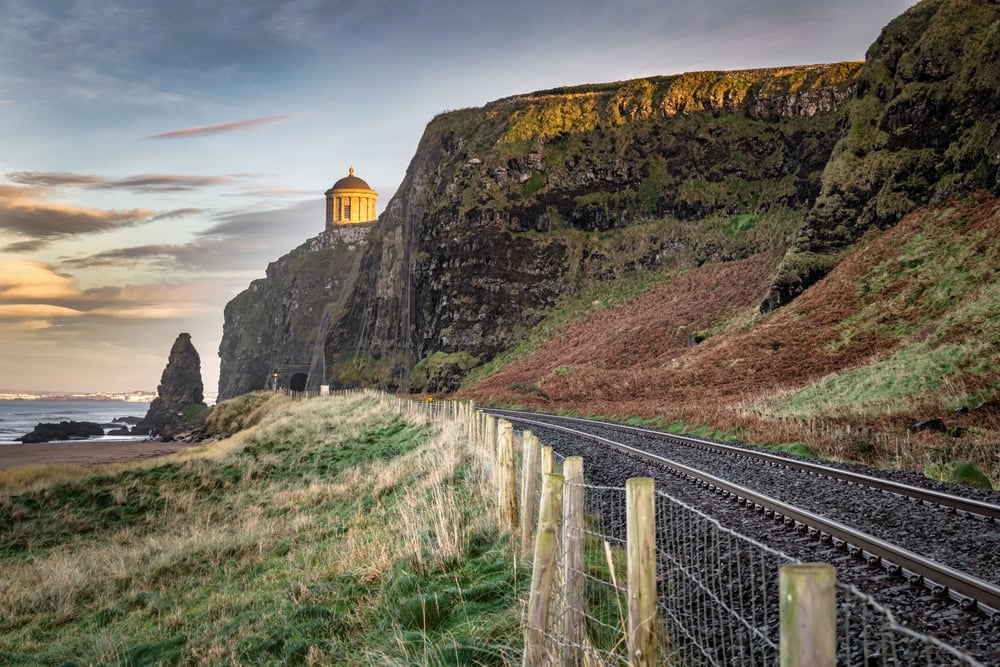
From Carrickfergus, you can pick up the famous Causeway Coastal Route heading north, one of the world’s great road journeys. The route takes you past the Gobbins Cliff Path on the Islandmagee peninsula, an exhilarating coastal walk originally opened in 1902 and restored in 2015. The path is carved into the cliff face, with suspension bridges and tunnels, and wildlife including puffins and seals.
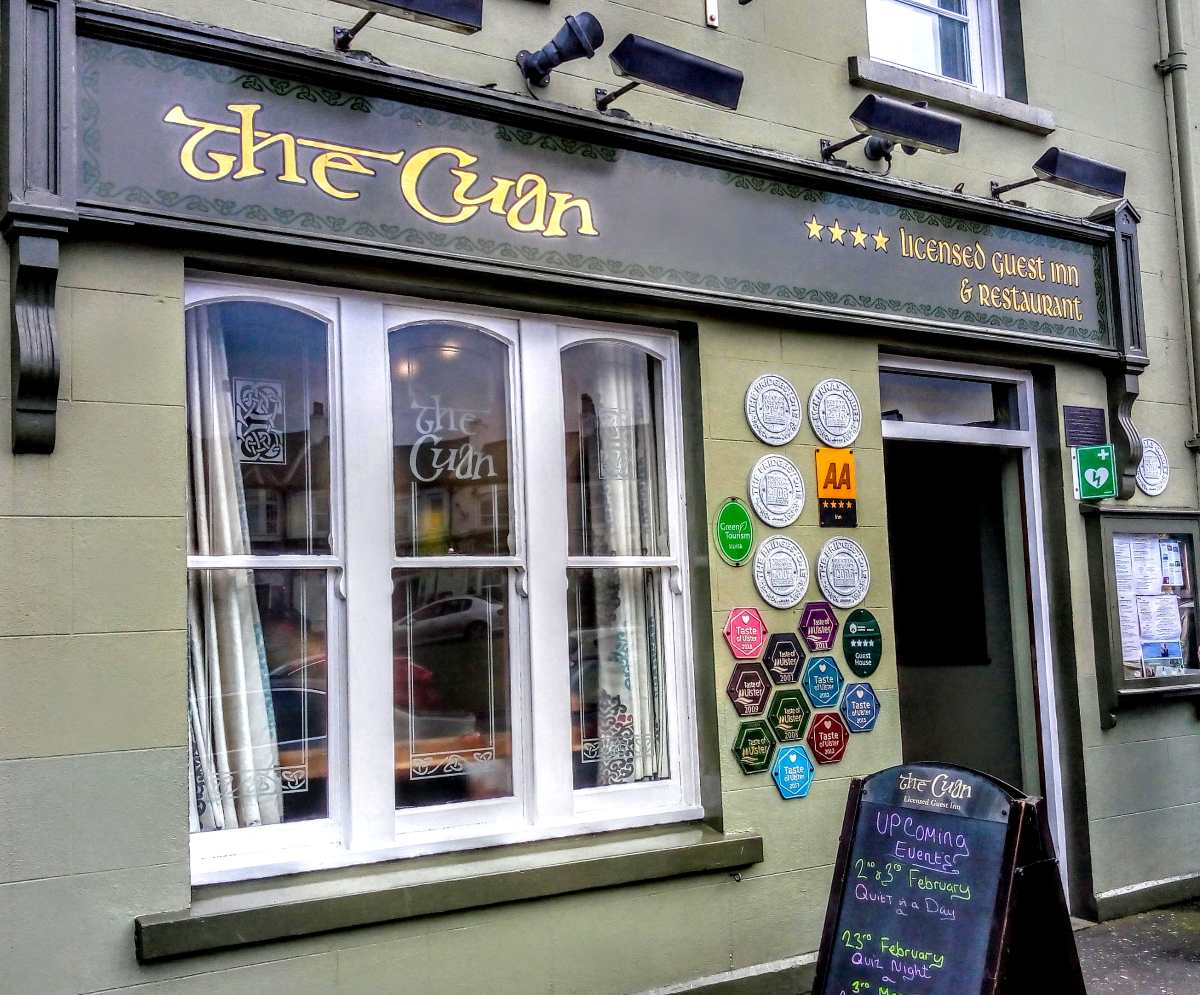
After exploring, have lunch at the Cuan in Strangford, a beautifully restored Victorian pub with excellent food and some wonderful Game of Thrones memorabilia, since Strangford Lough was used as a filming location.

The Ards Peninsula and Strangford Lough
| Distance from Belfast: Approximately 45 minutes to 1 hour by car. |
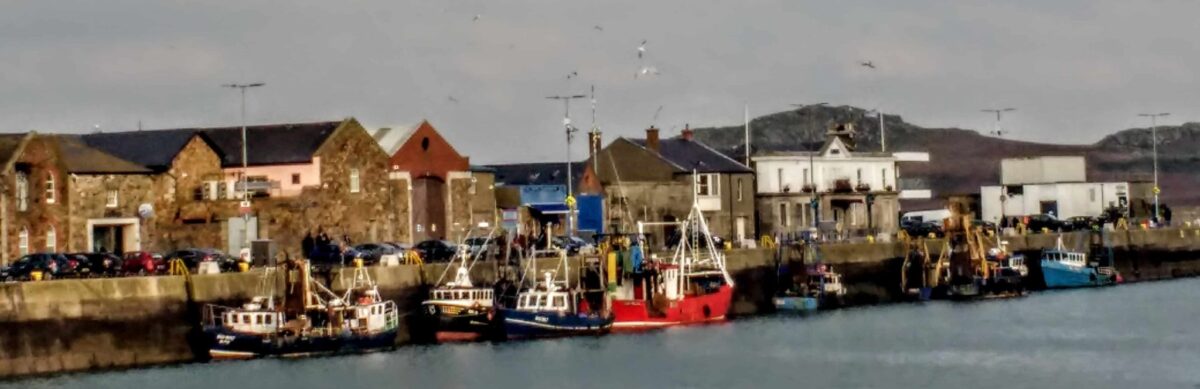
A drive around the Ards Peninsula offers one of the most peaceful escapes from Belfast. Strangford Lough, Northern Ireland’s largest sea lough, is a designated Area of Special Scientific Interest and home to a remarkable diversity of marine life, migratory birds, and grey seals.
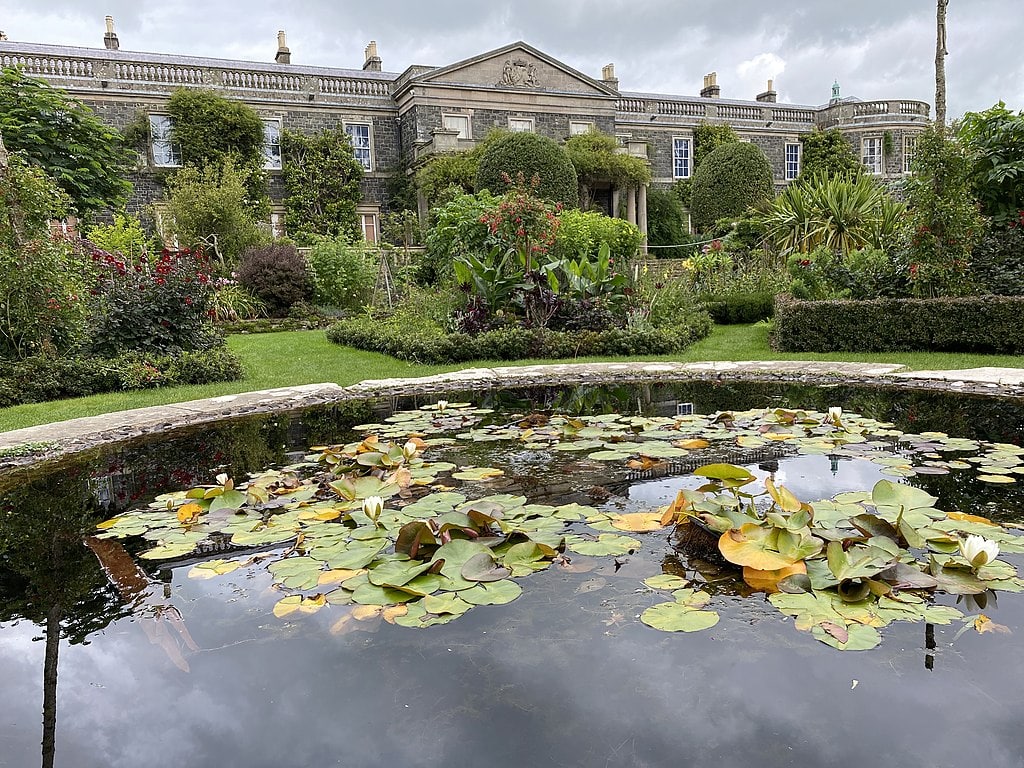
Mount Stewart, a National Trust property on the western shore of the lough, has some of the finest formal gardens in the British Isles. The house is open for tours and the gardens are extraordinary, particularly in spring and early summer. National Trust parking and entry charges apply; there are accessible paths through many of the garden areas.
At the southern tip of the peninsula, the small town of Portaferry has a ferry crossing to Strangford village, a five-minute ride across the narrowest part of the lough. Both villages are charming, and the Cuan at Strangford is one of my favourite spots for lunch anywhere in Northern Ireland.

Rathlin Island: Northern Ireland’s Only Inhabited Offshore Island
| Distance from Belfast: Approximately 2 hours by car to Ballycastle, then 25-50 minutes by ferry. |
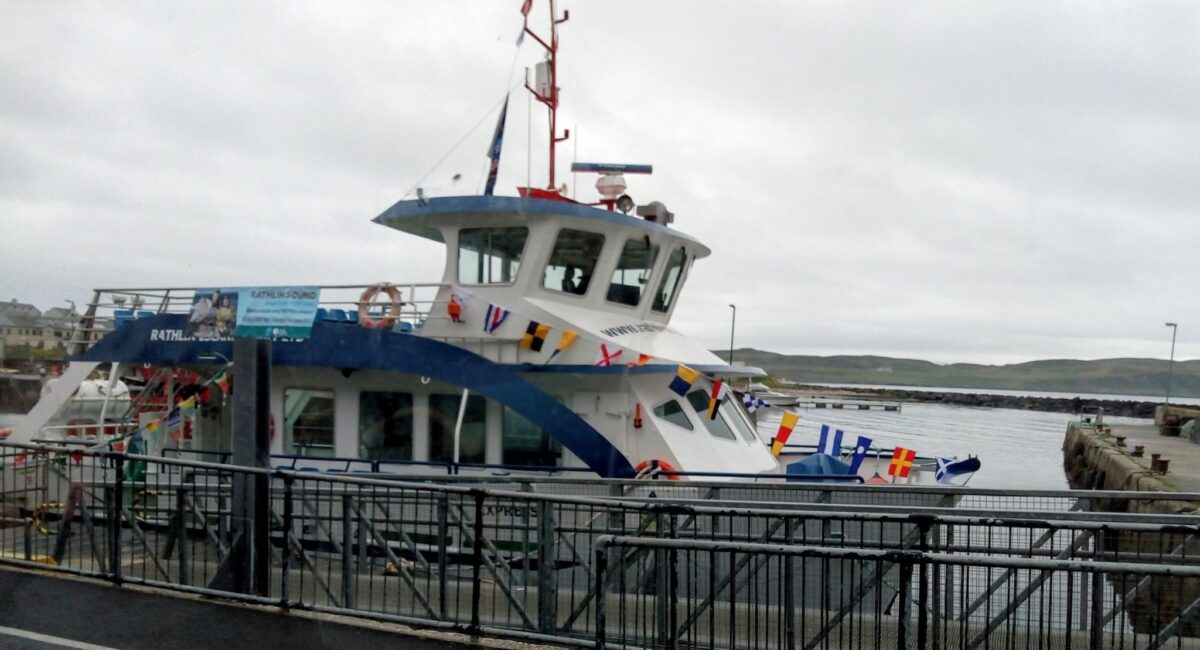
Rathlin Island is a world apart. Northern Ireland’s only inhabited offshore island sits 6 km off the coast of Ballycastle and is home to around 150 people, thousands of seabirds, and the cave where Robert the Bruce is said to have watched a spider spin its web and found the inspiration to try again after defeat.
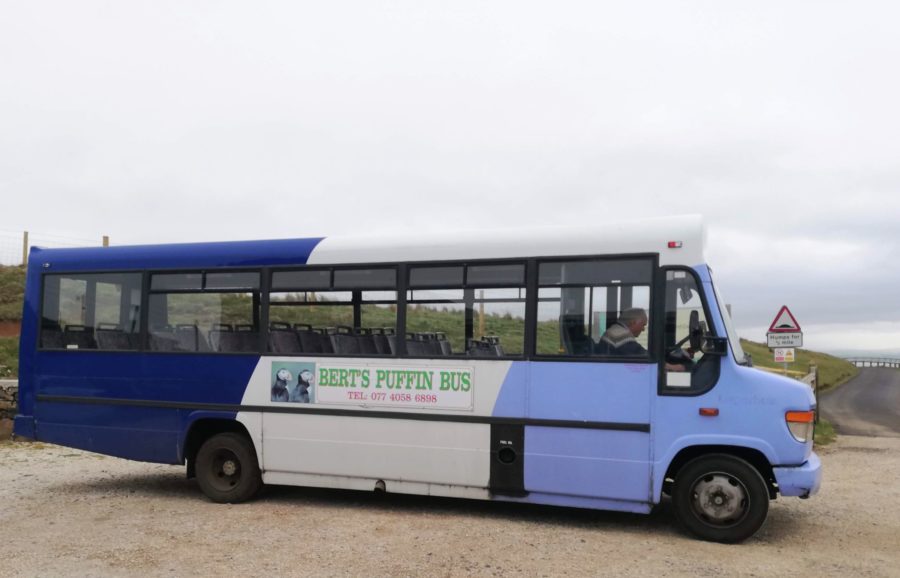
The RSPB West Light Seabird Centre at the western tip of the island is one of the best places in Ireland to watch puffins, razorbills, guillemots, and kittiwakes at close range. The birds are present from roughly April to July. A courtesy minibus runs between the ferry pier and the seabird centre.
The Boathouse Visitor Centre near the ferry pier tells the island’s history through artefacts and displays. The island has a pub, the Manor House, and a small cafe. It is a very full day trip; take the earliest ferry and return on the last one.


Practical Information: Rathlin Island
- Ferry: Caledonian MacBrayne operates the Rathlin ferry from Ballycastle. Book in advance in summer. The ferry takes 25 minutes (fast) or 50 minutes (passenger ferry).
- Parking: Car park at Ballycastle ferry terminal. You do not take a car to Rathlin; the island is small and explored on foot or by bike.
- Accessibility: The pier and Boathouse area are accessible. The cliff path to the seabird centre is rough in places; the minibus is the better option for those with limited mobility.
- Tickets: RSPB Seabird Centre entry is free for RSPB members; donations welcomed from others.
Armagh City: Ireland’s Ecclesiastical Capital
| Distance from Belfast: Approximately 1 hour by car or 1 hour 15 minutes by bus. |
Armagh is one of the oldest cities in Ireland, with origins stretching back to the Iron Age hillfort of Navan Fort, or Emain Macha, seat of the ancient kings of Ulster. Saint Patrick chose Armagh as the centre of the Christian church in Ireland in the 5th century, and the city has been the religious capital of Ireland ever since.
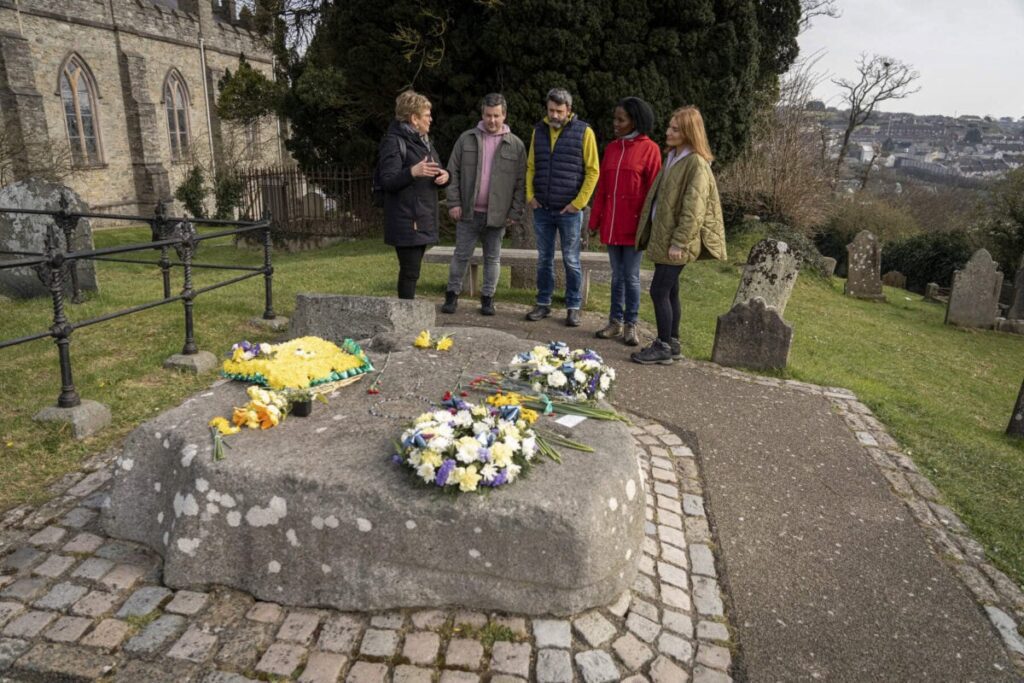
Two cathedrals, both named Saint Patrick’s, face each other across the city from opposite hilltops. The Church of Ireland cathedral dates to the 13th century, with much older foundations; the Roman Catholic cathedral, completed in 1904, has a stunning mosaic interior. You can also see Saint Patrick’s grave stone near the Church of Ireland cathedral.

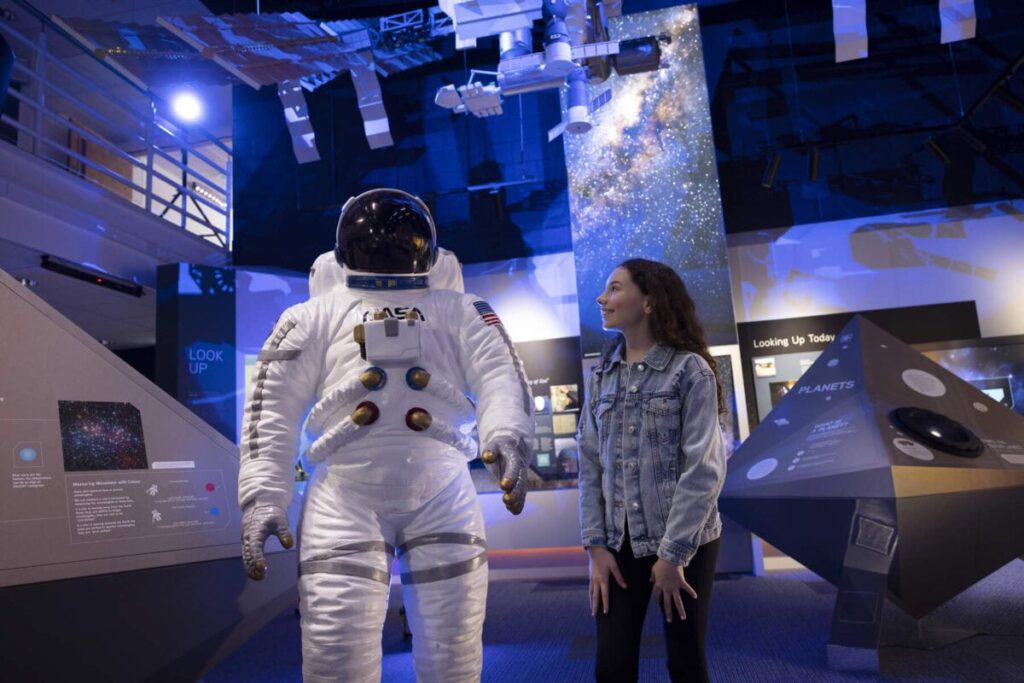
The Armagh Observatory and Planetarium is one of the best family attractions in Northern Ireland, with interactive astronomy exhibits and regular public stargazing events. The Armagh County Museum is excellent for understanding the long human history of this part of Ulster. Navan Fort is a short drive from the city centre and is the most important Celtic site in Ulster; the visitor centre does an excellent job of explaining its Irish folklore and mythological significance.
Practical Information: Armagh City
- Parking: Several pay-and-display car parks in the city centre. Designated disabled parking bays near both cathedrals.
- Entry: Both cathedrals are free to enter; donations welcomed. Armagh Observatory and Planetarium charges entry. Navan Fort visitor centre has an entry charge.
- Where to eat: 4 Vicars Restaurant near the Church of Ireland cathedral is a lovely spot for lunch. Market Place Theatre has a cafe. Cafedra cafe is good for a lighter bite.
- Accessibility: The city centre streets are a mix of flat and hilly. Both cathedrals have accessible entrances. Navan Fort has accessible paths around the fort.
Game of Thrones Filming Locations: Northern Ireland as Westeros
| Distance from Belfast: Most locations within 1 to 1.5 hours by car. |
Northern Ireland provided the landscapes for more Game of Thrones filming locations than anywhere else in the world. Fans of the series can spend an entire day, or several days, visiting the sites that brought Westeros to life.
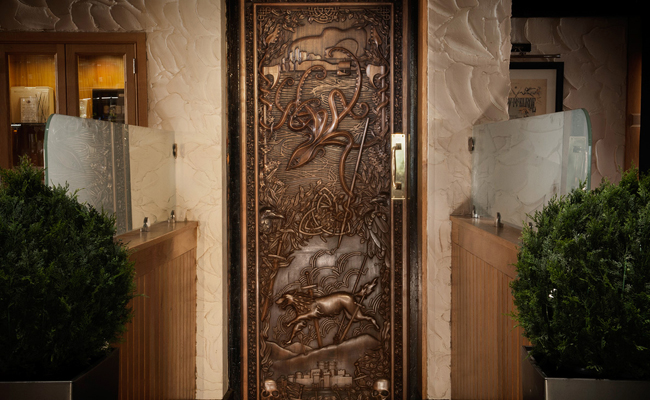
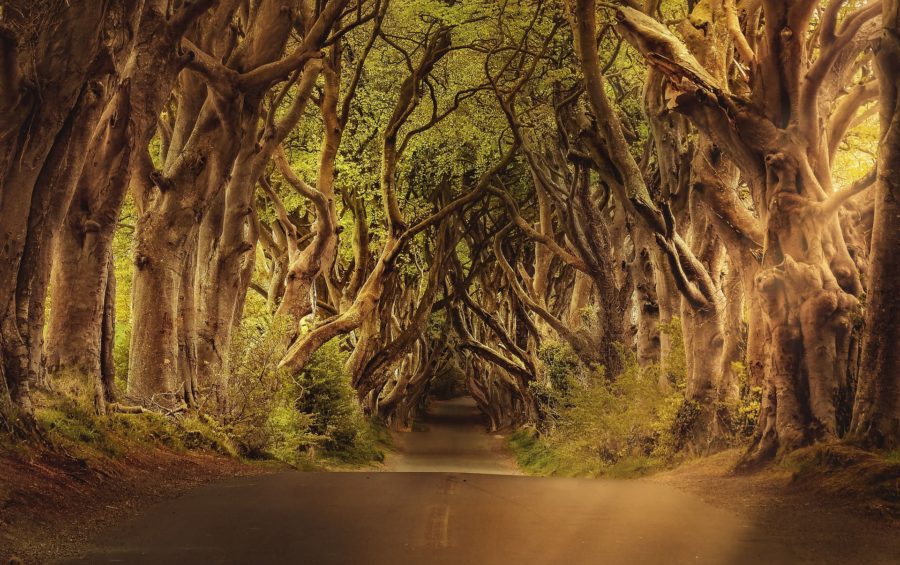
The Dark Hedges near Armoy is the most photographed Game of Thrones location, a tunnel of beech trees that became the Kingsroad. The trees were planted in the 18th century and are now a protected monument. Note that the road through the trees is no longer open to vehicles; there is a car park a short walk away. The 12 surviving trees have become iconic, and doors made from the trees blown down in storms can be found in pubs across Northern Ireland as part of the Game of Thrones Door Trail.

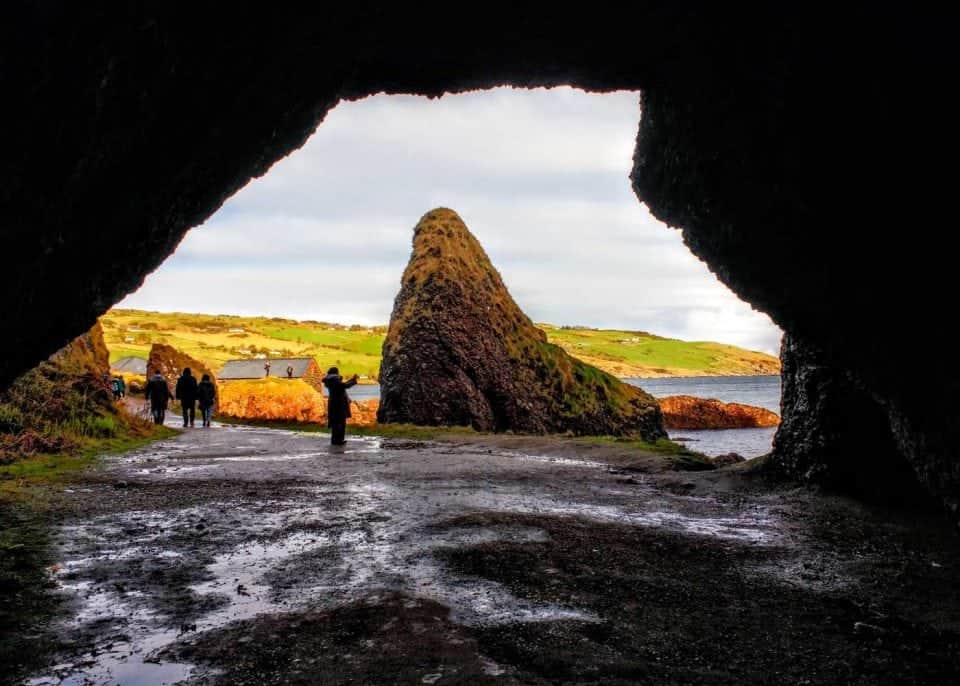
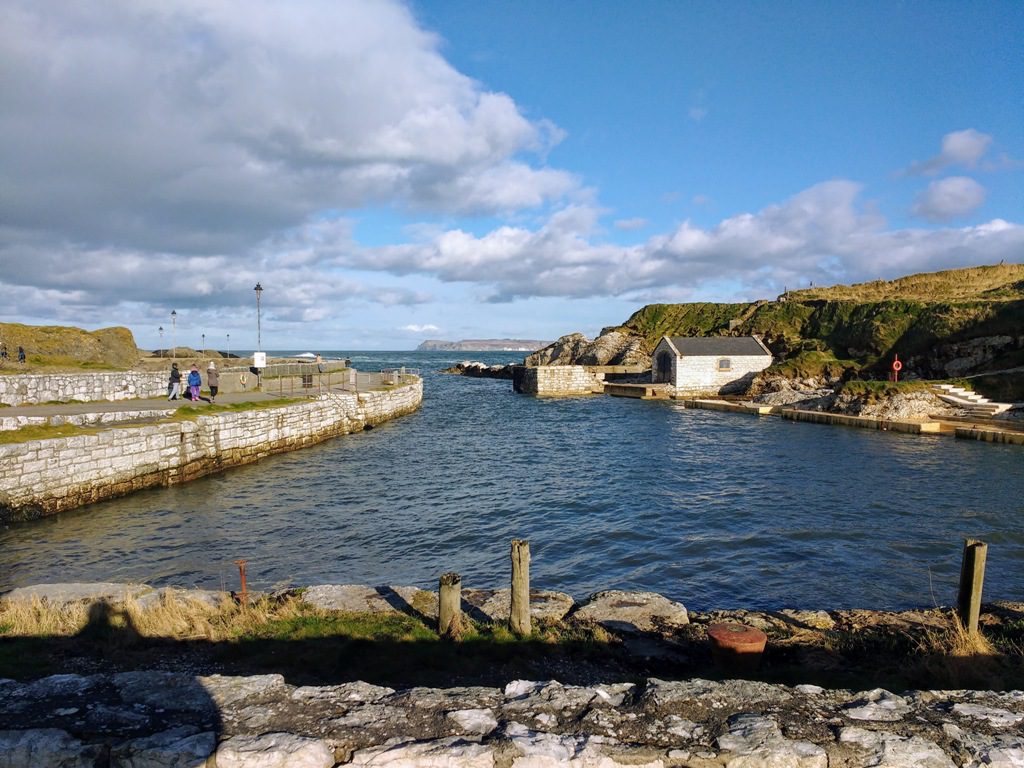
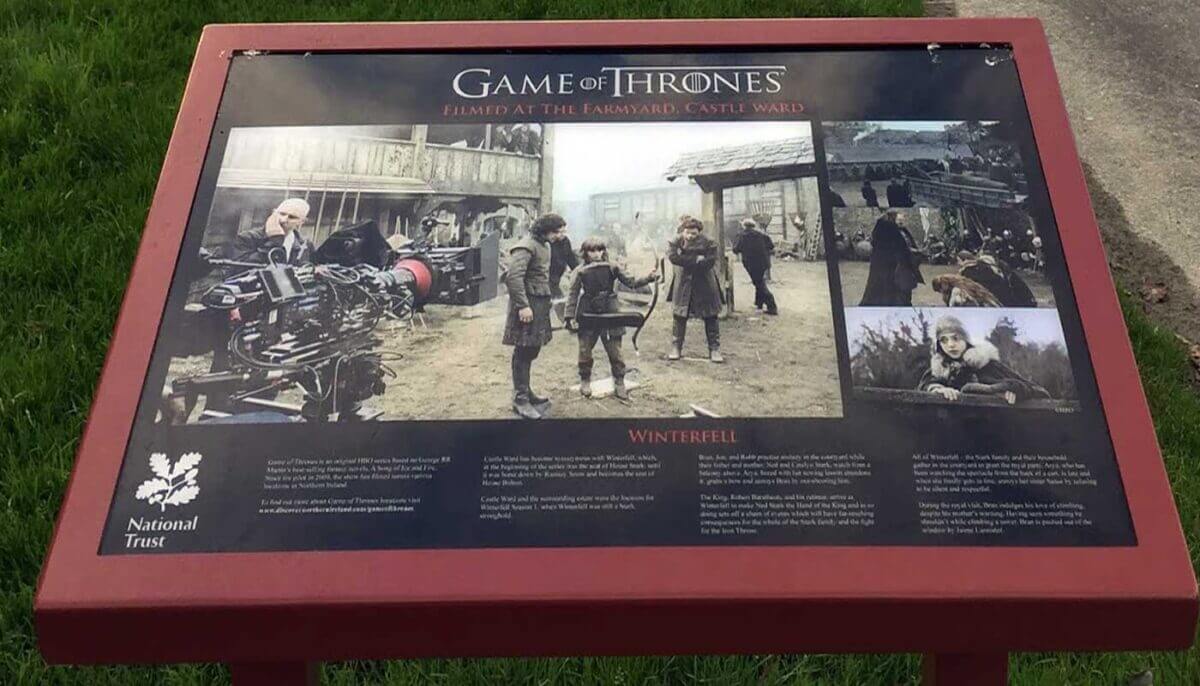
Ballintoy Harbour on the north Antrim coast became the Iron Islands. Cushendun Caves served as the Stormlands and the birthplace of the smoke demon. Castle Ward in County Down doubled as Winterfell and offers immersive experiences including period costumes, archery, and axe throwing. Tollymore Forest Park was the Haunted Forest. Many guided tours depart from Belfast daily covering all the major locations.
Game of Thrones Door Trail
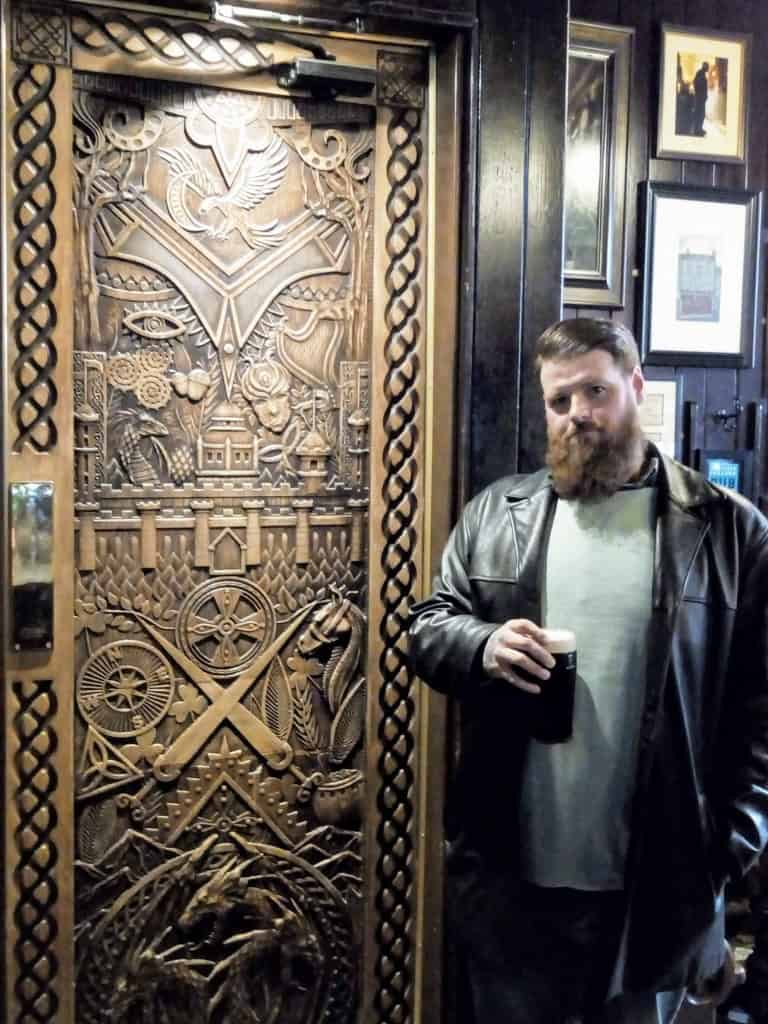
Following the storms that damaged the Dark Hedges, timber from the fallen trees was used to create 10 carved doors, each depicting a different episode from the series. The doors are displayed in pubs across Northern Ireland. A passport-style map is available for door hunters, making it a great way to explore the country.


Titanic Belfast: The World’s Largest Titanic Experience
| Distance from city centre: A short walk or taxi from Belfast city centre, on the old Harland and Wolff shipyard. |
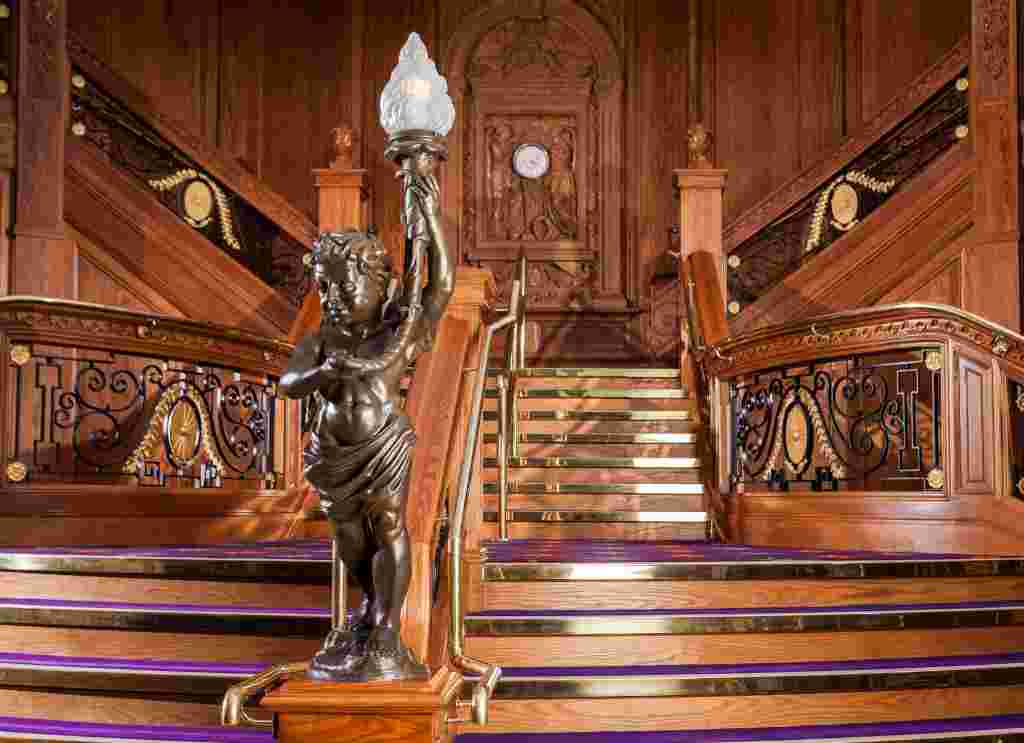
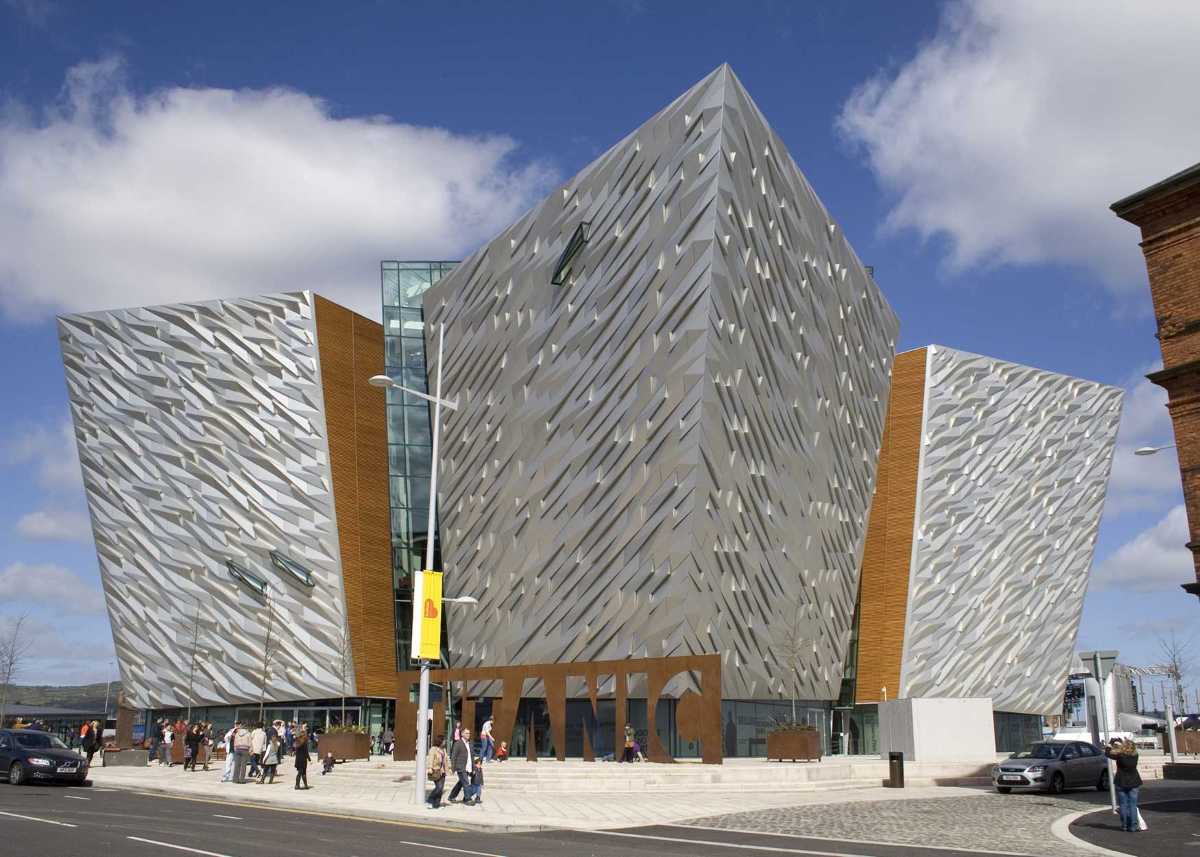
No visit to Belfast is complete without spending time at Titanic Belfast, the world’s largest Titanic experience. Built on the exact site where the RMS Titanic was designed and constructed, the six-storey building is itself an architectural statement, its four prow-shaped facades clad in shimmering aluminium.
Nine interactive galleries tell the complete story of the Titanic, from the iron ore in the mountains of Antrim to the underwater wreck discovered in 1985. The shipyard ride, which takes visitors through a reconstruction of the build process, is outstanding. The Titanic experience is one of the most visited tourist attractions in Ireland and entry should be booked well in advance.

Practical Information: Titanic Belfast
- Address: 1 Olympic Way, Queen’s Road, Belfast BT3 9EP
- Parking: Titanic Quarter car park adjacent to the building has accessible spaces.
- Entry: Ticket required; book online in advance at titanicbelfast.com to avoid disappointment.
- Accessibility: The building is fully accessible throughout, including the shipyard ride. Accessible toilets on each floor.
- Where to eat: The Titanic Bistro within the building is excellent. The SS Nomadic, the last remaining White Star Line vessel, is moored outside and also has a cafe.

Free Things to Do in Northern Ireland
Northern Ireland has an excellent range of free attractions, and some of the best experiences here cost nothing at all.
- Walk Derry’s City Walls (free, all year).
- Explore the Bogside murals on foot (free).
- Cross the Peace Bridge in Derry (free).
- Hike the Mourne Mountains (free, though car parking is charged).
- Walk the Causeway Coastal Route villages of Ballycastle, Carnlough, and Cushendall.
- Visit the Ulster Museum in Belfast (free permanent collection).
- See the Giant’s Causeway columns themselves (free; car park and visitors centre charges apply).
- Explore Tollymore Forest Park’s lower riverside walk (entry charge but many paths are free to walk from the gate).
- Visit both Saint Patrick’s Cathedrals in Armagh (free, donations welcomed).


Guided Bus Tours Across Northern Ireland and Donegal
If you would rather not drive, the following guided tours offer excellent coverage of the region. All depart from Belfast city centre.
McComb’s Coach Travel: Giant’s Causeway Tour
One of the most popular and long-established day tours in Northern Ireland, covering the Giant’s Causeway, Carrick-a-Rede Rope Bridge, Dunluce Castle, and the Dark Hedges. Full-day. Departs Belfast city centre. Book in advance in summer.
Paddywagon Tours: Belfast to Donegal
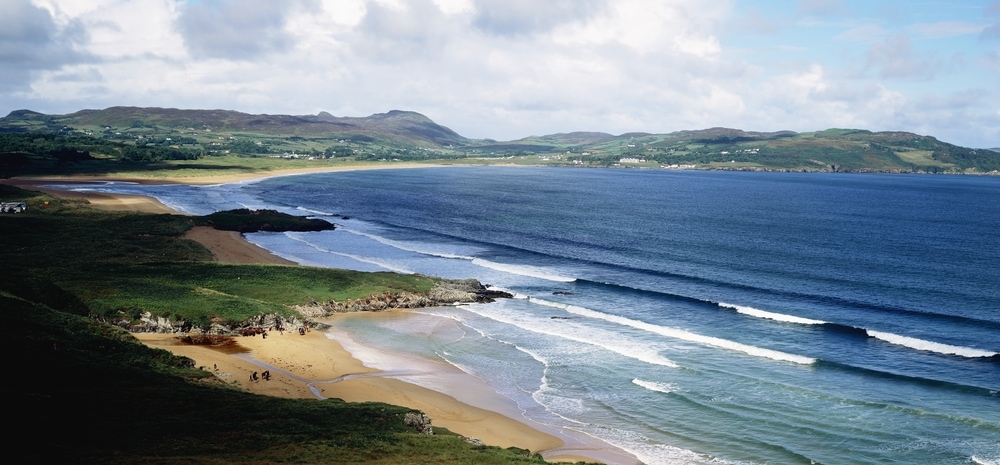
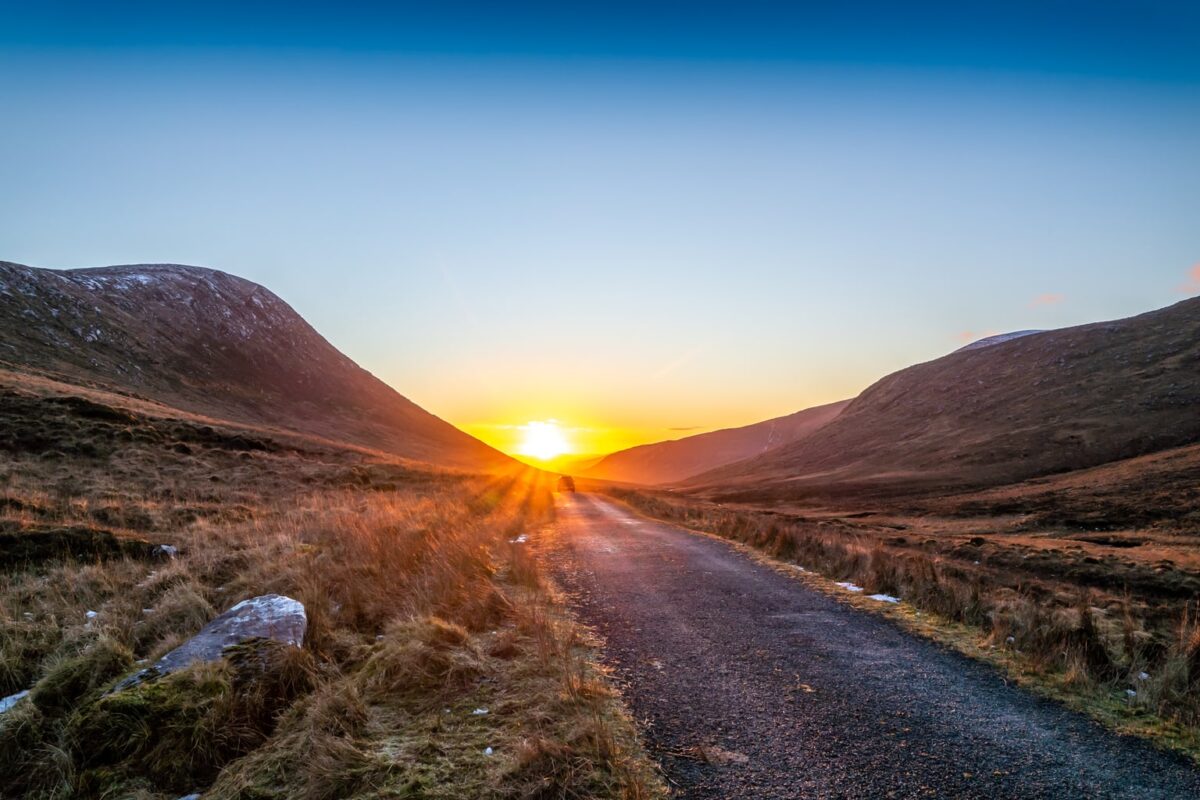
Departing from Belfast and heading into the Republic to County Donegal, this tour covers Glenveagh National Park, Errigal Mountain, and the wild Atlantic Way coastline. A full day and worth every minute.

Wild Rover Tours: Giant’s Causeway and Dunluce Castle
Combines Belfast’s political history with the natural wonders of the Causeway Coast. A good option for those who want to understand the context of what they are seeing.
Finn McCools Tours: Causeway Coast and Game of Thrones Locations
Designed for Game of Thrones fans, covering Ballintoy Harbour, the Dark Hedges, Cushendun Caves, and the Giant’s Causeway. Full-day.
McGeehan Coach Tours: Donegal and Northwest Ireland
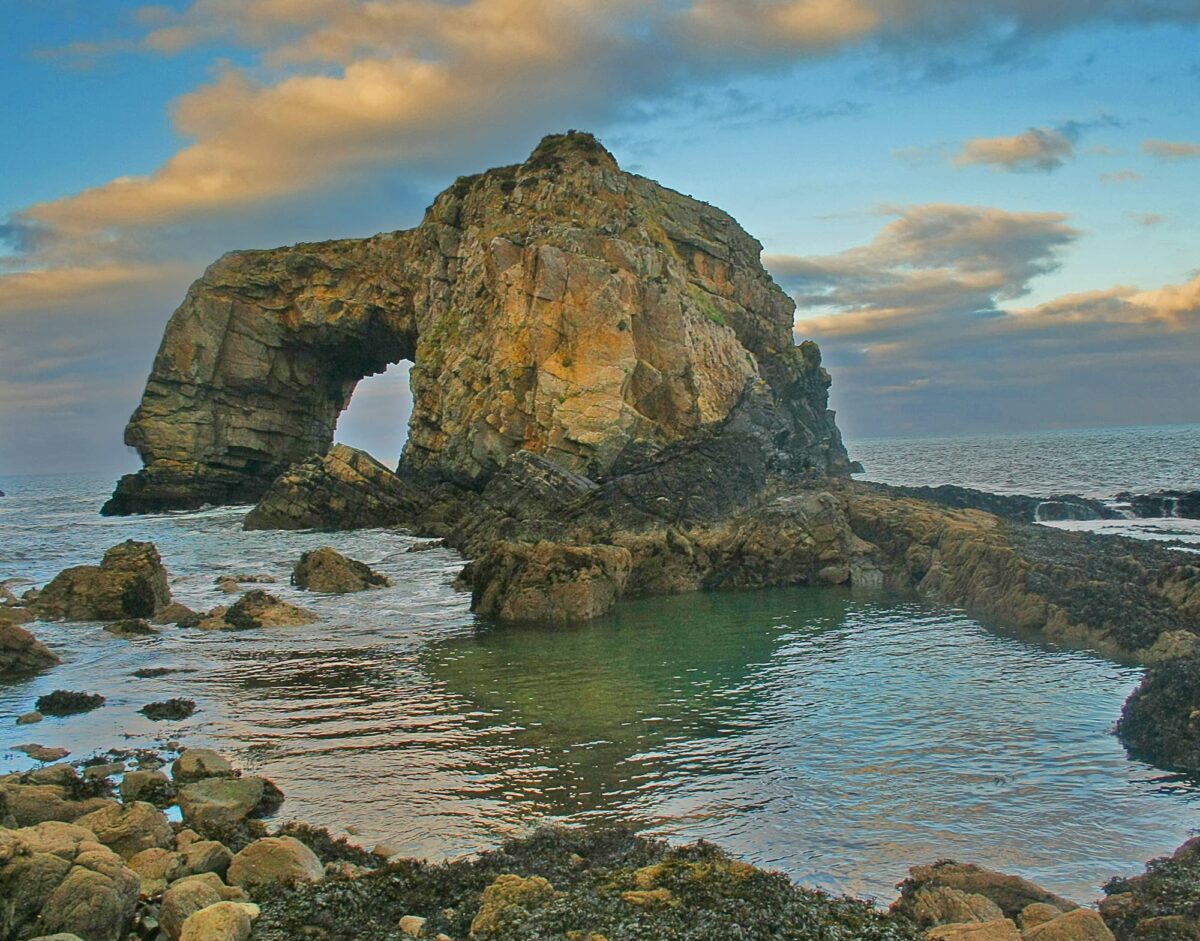
A multi-day exploration of Donegal covering the Wild Atlantic Way, the Cliffs of Slieve League (higher and more dramatic than the Cliffs of Moher, and a fraction of the crowds), and Glenveagh National Park. Available as 3 to 5-day packages.
CIE Tours: Northern Ireland and Donegal Highlights
A comprehensive multi-day option covering Belfast, Derry, the Antrim Coast, and Donegal. Duration 8 to 10 days. Excellent for first-time visitors who want to cover the whole north and northwest of the island.
Ulsterbus Tours: Northern Ireland Explorer
A broad overview covering the Antrim Coast, the Mourne Mountains, and the Ards Peninsula. Available as 5 to 7-day packages. A good option for those with more time who want to travel in comfort without driving.
Hidden Gems in Northern Ireland and Donegal
Some of the most memorable places in the north of Ireland are ones that most visitors never reach. Here are a few worth seeking out.
Cuilcagh Mountain Park and the Stairway to Heaven: A boardwalk trail across blanket bog leading to the summit plateau of Cuilcagh Mountain in County Fermanagh, with extraordinary views. Not for everyone, but unforgettable.
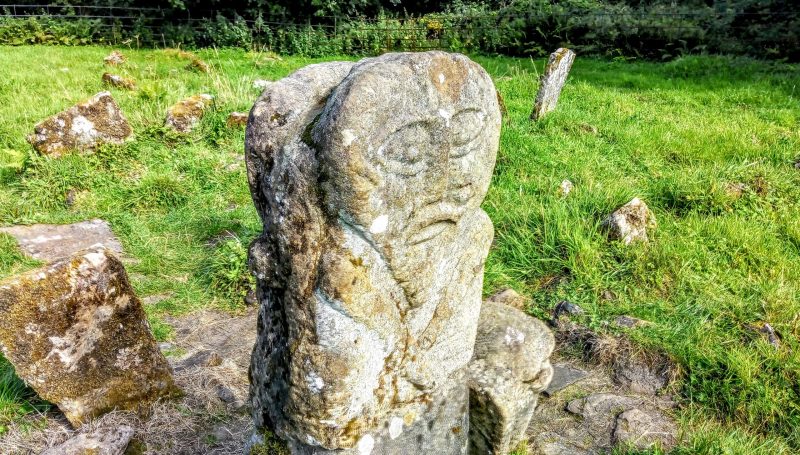
Boa Island and the Janus Head: A remarkable pre-Christian stone idol on Boa Island in Lower Lough Erne, one of the most ancient pieces of Irish sculpture still in situ. Few tourists ever find it.

The Cliffs of Slieve League, County Donegal: Three times the height of the Cliffs of Moher, and you can walk right to the edge. The coach tour crowds go to Moher; the people in the know go to Slieve League.
The Inishowen Peninsula, County Donegal: Technically in the Republic but further north than any point in Northern Ireland, Inishowen is wild, beautiful, and barely visited. The Malin Head cliffs are the northernmost point in Ireland.

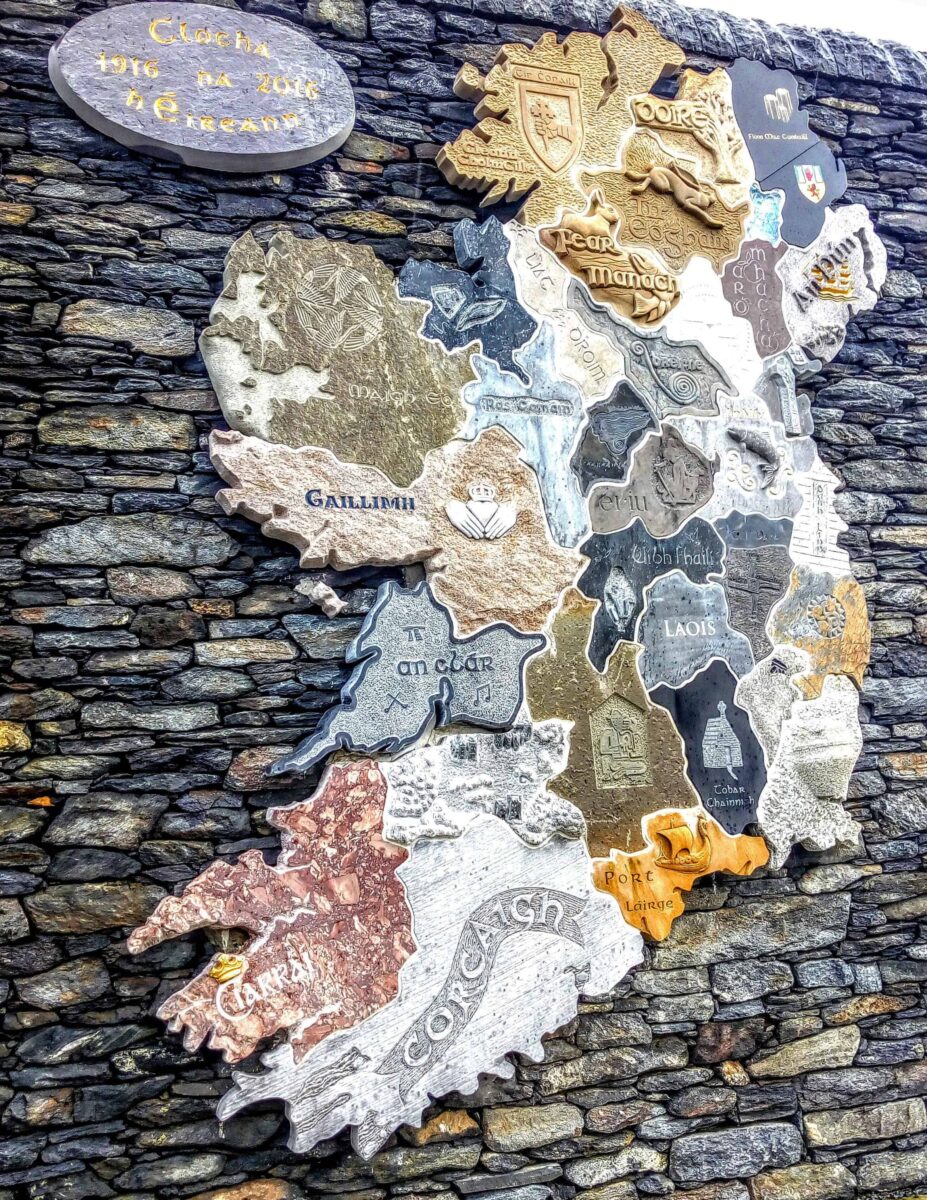

Glencolmcille, County Donegal: A remote valley on the Atlantic coast associated with Saint Colmcille and rich in Irish folklore, standing stones, and Celtic crosses. The Folk Village museum is extraordinary.
Killybegs, County Donegal: Killybegs is Ireland’s largest fishing port, a working harbour town on the south coast of Donegal where the smell of the sea and fish meal hangs permanently in the air, the trawlers dwarf everything around them, and the sight of the Atlantic fleet coming in at dusk is one of the most genuinely stirring things you will see in the west of Ireland. Just before of after depending on your journey you can check out the Secret Waterfall everyone is talking about.


A Personal Note on Exploring Northern Ireland
As someone who has lived in Ireland for years and has brought dozens of friends and visitors to these places, my honest advice is this: do not try to do everything in one day. The Giant’s Causeway alone deserves a full morning. The Antrim Coast deserves a full day.
Northern Ireland is compact, but it is not small in what it offers. Every road turns onto another view worth stopping for, every village has a pub worth walking into, and the people are among the most welcoming you will find anywhere in the world.
These hotels all have facilities for disabled folks but do check before you book to make sure they have what you need.
Where to Stay in Belfast
| Hotel | Stars | Rating |
| The Merchant | 5 Stars | 9/10 |
| Hilton Belfast | 4 Stars | 8/10 |
| Moxy | 4 Stars | 9/10 |
| Ibis Budget Belfast City Centre | 3 Stars | 7/10 |
Frequently Asked Questions: The Best Day Trips from Belfast
What are the best day trips from Belfast?
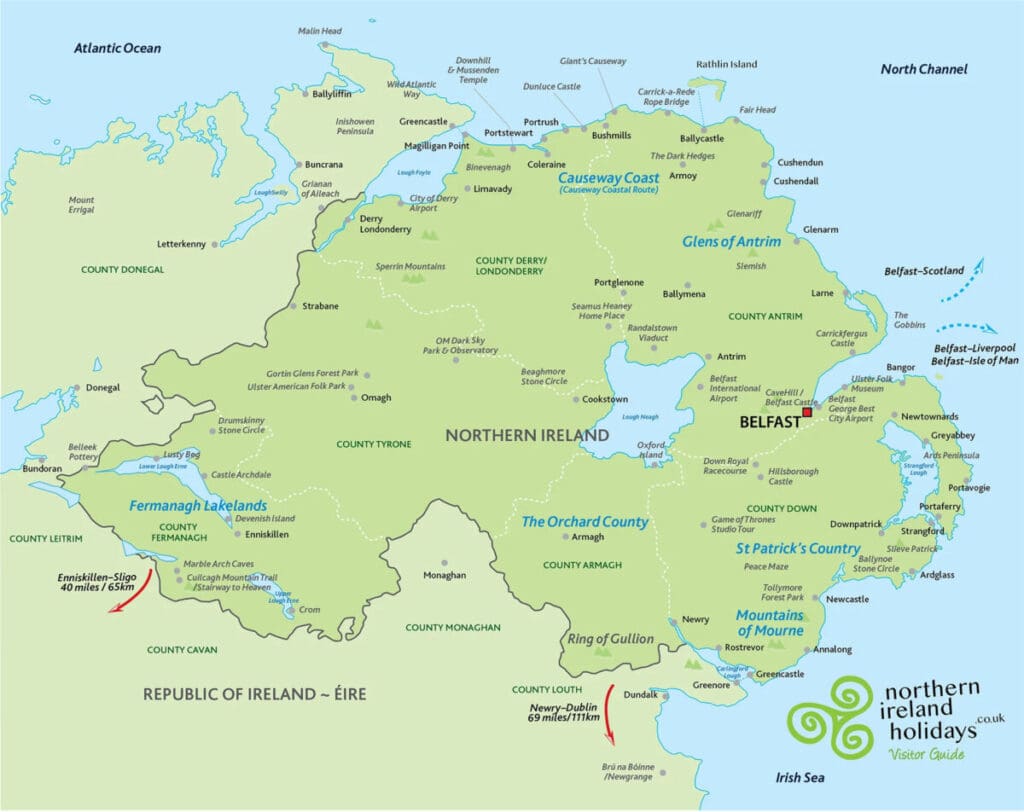
The best day trips from Belfast include the Giant’s Causeway and Antrim Coast (around 90 minutes by car), Derry/Londonderry (90 minutes by car or a scenic 2-hour train ride), the Mourne Mountains in County Down (1 hour), Carrickfergus Castle (20 minutes), Rathlin Island (2 hours by car plus a 25-minute ferry), and Armagh City (1 hour). For something beyond Northern Ireland, the Donegal Highlands on the Wild Atlantic Way are easily reached by tour or rental car.
Do I need a car for day trips from Belfast?
A rental car gives you the most flexibility and is the best way to reach hidden gems that tours skip. That said, the Giant’s Causeway, Derry, Carrickfergus, and several Mourne Mountain trailheads are all reachable by public transport or guided coach tour. Translink NI Railways and Ulsterbus both operate good services from Belfast.
Are the major day trip attractions from Belfast accessible for visitors with limited mobility?
Most major sites have made significant accessibility improvements. The Giant’s Causeway has a shuttle bus and accessible pathways. Titanic Belfast is fully accessible throughout. Derry’s city centre streets are largely flat. The Mourne Mountains and some cliff paths involve rough terrain and are not suitable for all mobility levels. Always check in advance and look at the accessible Ireland guides for detailed information.
How can I get to the Giant’s Causeway from Belfast without a car?
Several tour operators run daily trips to the Giant’s Causeway from Belfast city centre, including McComb’s Coach Travel and Paddywagon Tours. Translink also operates a public bus service. Book in advance for summer travel. The journey takes around 2 hours each way by public transport.
What Game of Thrones filming locations are near Belfast?
Northern Ireland has more Game of Thrones filming locations than any other country. The closest to Belfast include the Dark Hedges (the Kingsroad), Tollymore Forest Park (the Haunted Forest), Castle Ward in County Down (Winterfell), Ballintoy Harbour on the Antrim Coast (the Iron Islands), and Cushendun Caves (the Stormlands). Most are within 90 minutes of Belfast. Guided tours depart from Belfast daily.

What is the Causeway Coastal Route?
The Causeway Coastal Route is a 320 km scenic driving route along the Antrim and north Derry coasts, from Belfast to Derry/Londonderry. It is one of the world’s most celebrated road journeys, passing the Giant’s Causeway, Carrick-a-Rede Rope Bridge, Dunluce Castle, the 9 Glens of Antrim, and dozens of coastal villages. The route can be driven in a full day, though two days allows for proper exploration.
What free things can I do on day trips from Belfast?
Many of Northern Ireland’s finest experiences are free. Walking Derry’s City Walls and viewing the Bogside murals are free. The Giant’s Causeway itself is free to access (car parking is charged). Hiking in the Mourne Mountains costs nothing beyond car parking. The Ulster Museum in Belfast has a free permanent collection. Both Saint Patrick’s Cathedrals in Armagh welcome visitors free of charge.
Is Donegal worth visiting from Belfast?
Absolutely, and it is often overlooked by visitors who stick to Northern Ireland. County Donegal is geographically further north than any part of Northern Ireland, which confuses many visitors. It sits in the Republic of Ireland and on the Wild Atlantic Way. The Cliffs of Slieve League are three times the height of the Cliffs of Moher. Glenveagh National Park, the Inishowen Peninsula, and the town of Donegal itself are all extraordinary. McComb’s and Paddywagon both run day tours to Donegal from Belfast.
Travelling with limited mobility? Our Accessible Northern Ireland Guide covers wheelchair-friendly attractions, accessible transport, and first-hand mobility tips across Belfast, the Causeway Coast, and Derry.
Planning a trip to Northern Ireland? Our complete Northern Ireland Travel Guide covers Belfast, the Causeway Coastal Route, county guides, hidden gems, itineraries, food, and local tips from a Donegal native.
Explore more of the region with guides to England, Scotland, Wales, or the full United Kingdom Travel Guide.
This guide is part of a wider Accessible Ireland travel series, offering realistic, first-hand advice for limited-mobility travel across Ireland.
➡️Accessible Causeway Coast Route
➡️Accessible Wild Atlantic Way
If you encounter changes (e.g., temporary lift closures or construction), please let me know so I can update this page promptly.