
Public Transport in Northern Ireland: Complete Guide
Can you explore Northern Ireland without a car?
Yes, you can explore Northern Ireland without a car using trains and buses operated by Translink. Major routes between Belfast, Derry, and the Causeway Coast are reliable and accessible, making it possible to travel widely without driving. However, rural areas such as the Glens of Antrim require careful planning due to limited service frequency and fewer connections.
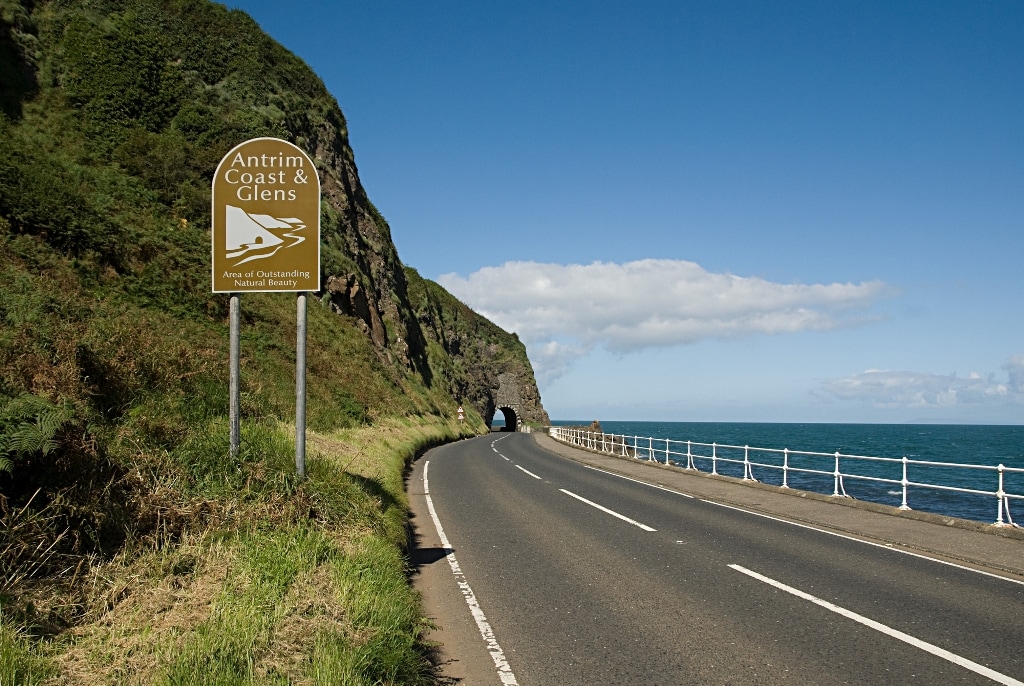
Check out my Northern Ireland Travel Tips Guide before you go
- Public Transport in Northern Ireland: Complete Guide
- Can you explore Northern Ireland without a car?
- Introduction: Rethinking Travel in Northern Ireland without a Car
- How to Travel Northern Ireland Without a Car (Complete Guide)
- How Public Transport Works in Northern Ireland (Translink Guide)
- The Three Core Systems
- Tools That Make a Real Difference
- Is Public Transport in Northern Ireland Reliable?
- Belfast Public Transport Guide (Buses, Trains and Real Use)
- Public Transportation when you cruise into Belfast
- Why Public Transport Is Often Better Than Driving
- Belfast to Derry Train (Route, Views and What to Expect)
- Coastal Routes, Rural Travel, Costs, Mistakes and Real-World Planning
- The Practical Reality of Coastal Travel
- Visiting the Giant’s Causeway without a Car
- A Real Challenge: Timing Your Return
- How to Explore the Glens of Antrim without a Car
- How to Get from Belfast Airports to the City by Public Transport
- Common Problems with Public Transport in Northern Ireland (And How to Avoid Them)
- Cost of Public Transport in Northern Ireland (Budget Travel Guide)
- Public Transport vs renting a Car in Northern Ireland (Which Is Better?)
- 3-Day Northern Ireland Itinerary without a Car (Step-by-Step Plan)
- 5-Day Northern Ireland Itinerary Without a Car (Extended Travel Plan)
- Best Places You Can Visit Without a Car in Northern Ireland
- Tips for Using Translink Buses and Trains in Northern Ireland
- FAQs About Public Transport in Northern Ireland
- Final Verdict: Is It Worth Using Public Transport in Northern Ireland?
- A Different Way to Experience Northern Ireland
Introduction: Rethinking Travel in Northern Ireland without a Car
Northern Ireland has a reputation for being a place you explore by road. The images most people carry are of winding coastal drives, empty countryside roads, and spontaneous stops along the Causeway Coastal Route. For a long time, I assumed the same that without a car, I would be missing the “real” experience. The question often asked is Ireland worth visiting by public transport?
The first time I travelled to Northern Ireland using only public transport to visit my family, I expected friction delays, confusion, limitations. Instead, what I found was something quieter, slower, and, in many ways, more immersive.
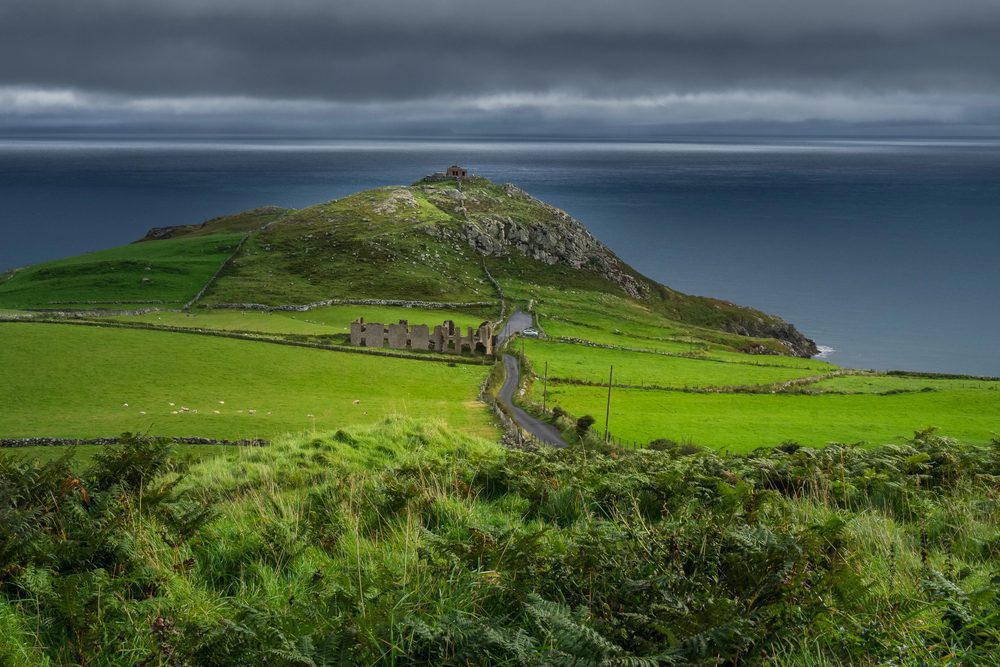
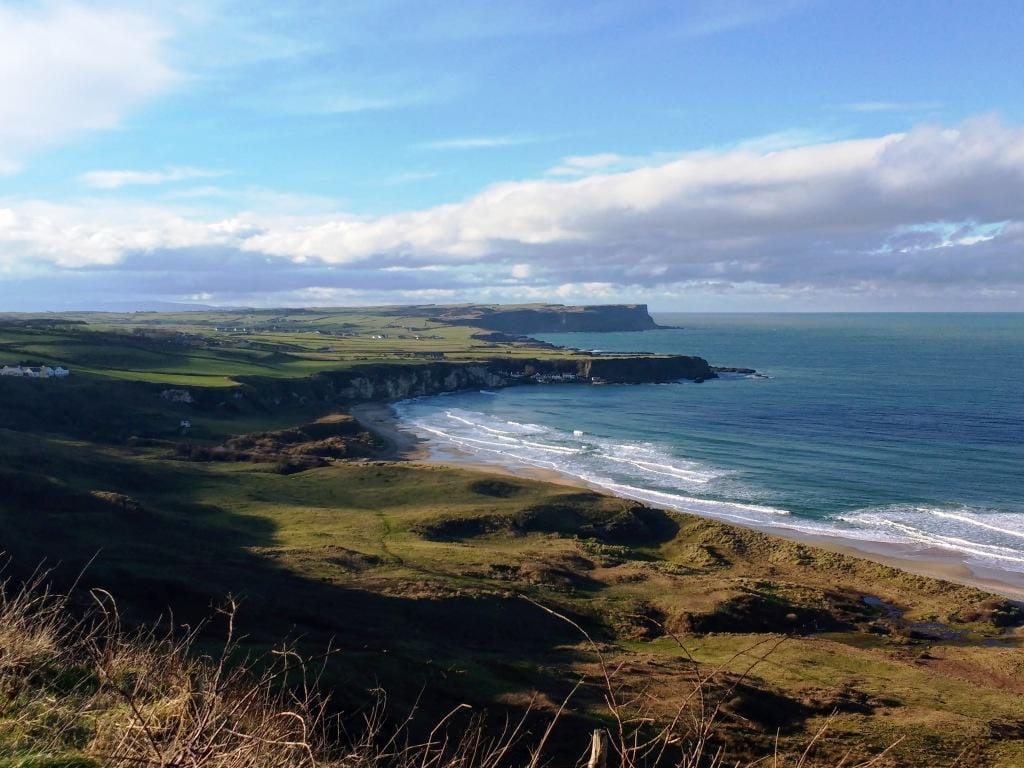
Belfast doesn’t just end it softens. The city gradually loosens its grip, giving way to suburbs, then farmland, then long stretches of open countryside. The coastline doesn’t arrive suddenly it reveals itself in glimpses, flashes of light and water before opening out fully. Along the route, you’ll also find several hidden gems in Northern Ireland worth adding to your trip.
That moment captures what travelling Northern Ireland without a car really feels like. It’s not about getting somewhere quickly. It’s about understanding how places unfold between where you start and where you end. The best time to visit Ireland when planning on using public transport is dependent on whether you can deal with 4 seasons in one day.
How to Travel Northern Ireland Without a Car (Complete Guide)
Travelling without a car in Northern Ireland is entirely realistic but it requires a different mindset. You are not replacing driving with public transport. You are adopting a different rhythm of travel altogether.
The Most Important Shift: Think in Full Journeys, Not Destinations
One of the earliest mistakes I made was treating each journey as an isolated event. I would plan how to get to the Giant’s Causeway or how to reach a coastal town, but I wasn’t thinking about how I would leave, what would happen if I missed a connection, or whether I had flexibility later in the day. For those coming into Ireland through a cruise often the best use of your time is to use public transport.
Public transport in Northern Ireland works as a chain, where each step depends on the next; a typical journey might involve a train out of Belfast, a bus connection to a rural or coastal area, and a return trip that may only run a few times a day. Once you understand this interconnected flow, everything becomes much easier to navigate.
A Real Experience That Changed How I Travel
On one of my first road trips to the north coast, everything went perfectly, at first. The train from Belfast was smooth and on time. The connection at Coleraine worked exactly as planned. The bus carried on along the coast with incredible views.
But I hadn’t thought seriously about the return. I assumed there would be options. There were, but not many. Missing one would have meant a long wait in a place with very little around. That experience didn’t ruin the day, but it changed how I approached every journey after that. Now, before I go anywhere, I ask: What is my last realistic way back?
Use buses for reach
Buses take you where trains don’t:
- The Causeway Coast
- Smaller towns
- Rural landscapes like the Glens of Antrim
But they are less frequent, which makes planning more important.
Locals Tip: Plan your return before your departure, it removes uncertainty and allows you to relax once you arrive.
How Public Transport Works in Northern Ireland (Translink Guide)
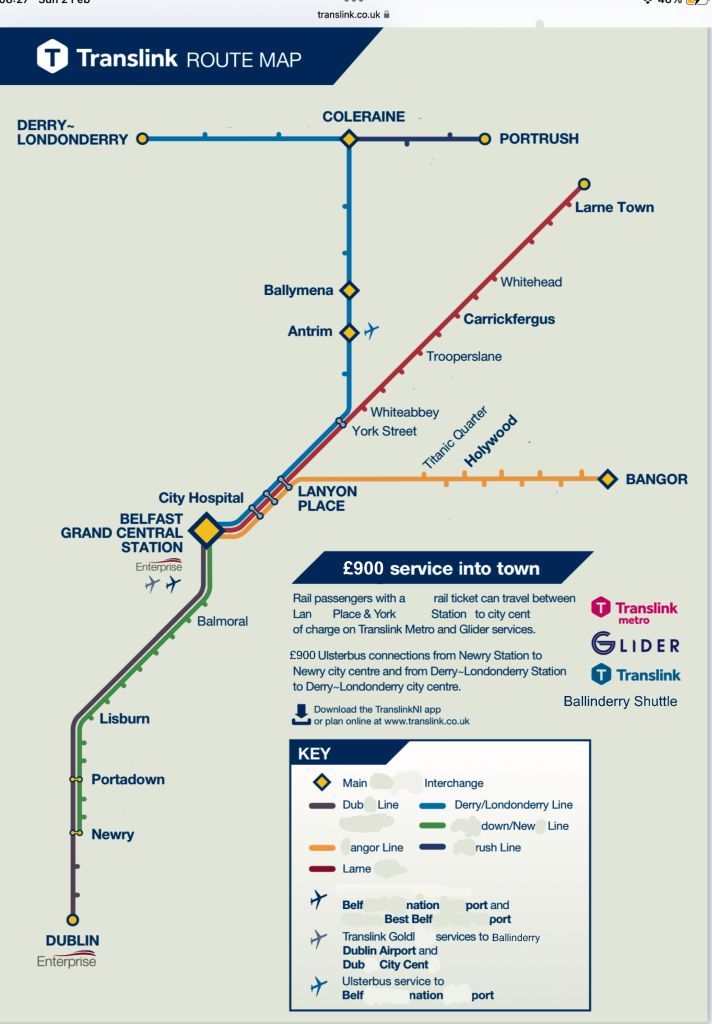
Northern Ireland’s public transport network is operated by Translink, which integrates rail and bus services into a single system. At a glance, it looks simple. In practice, it behaves differently depending on where you are.
The Three Core Systems
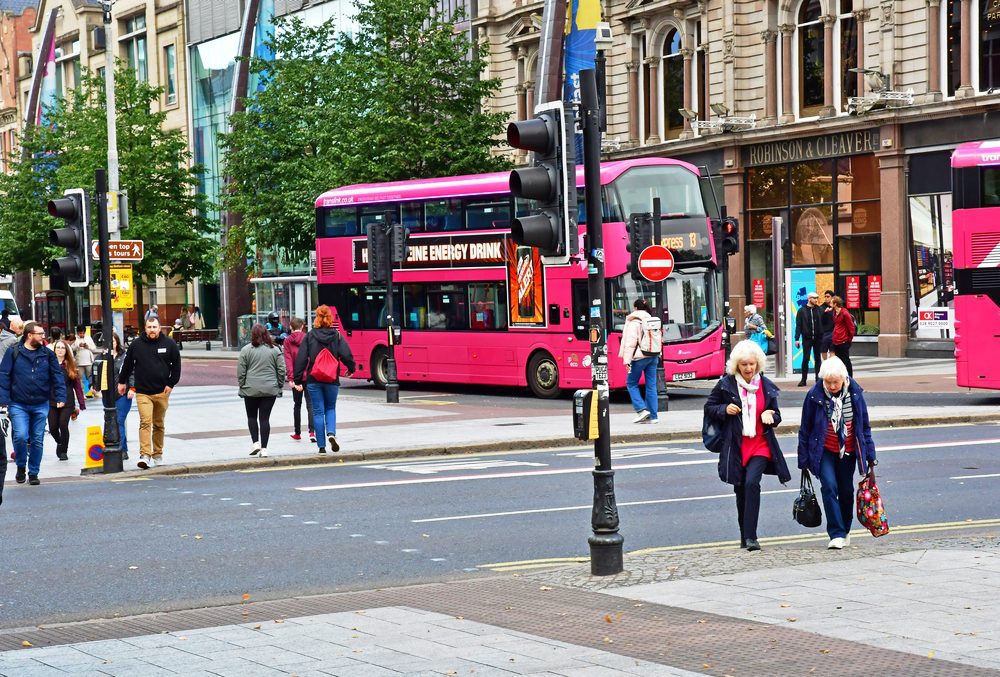
Metro (Belfast city buses)
This is what you will use most within Belfast.
It’s one of the easiest urban bus systems to adapt to.

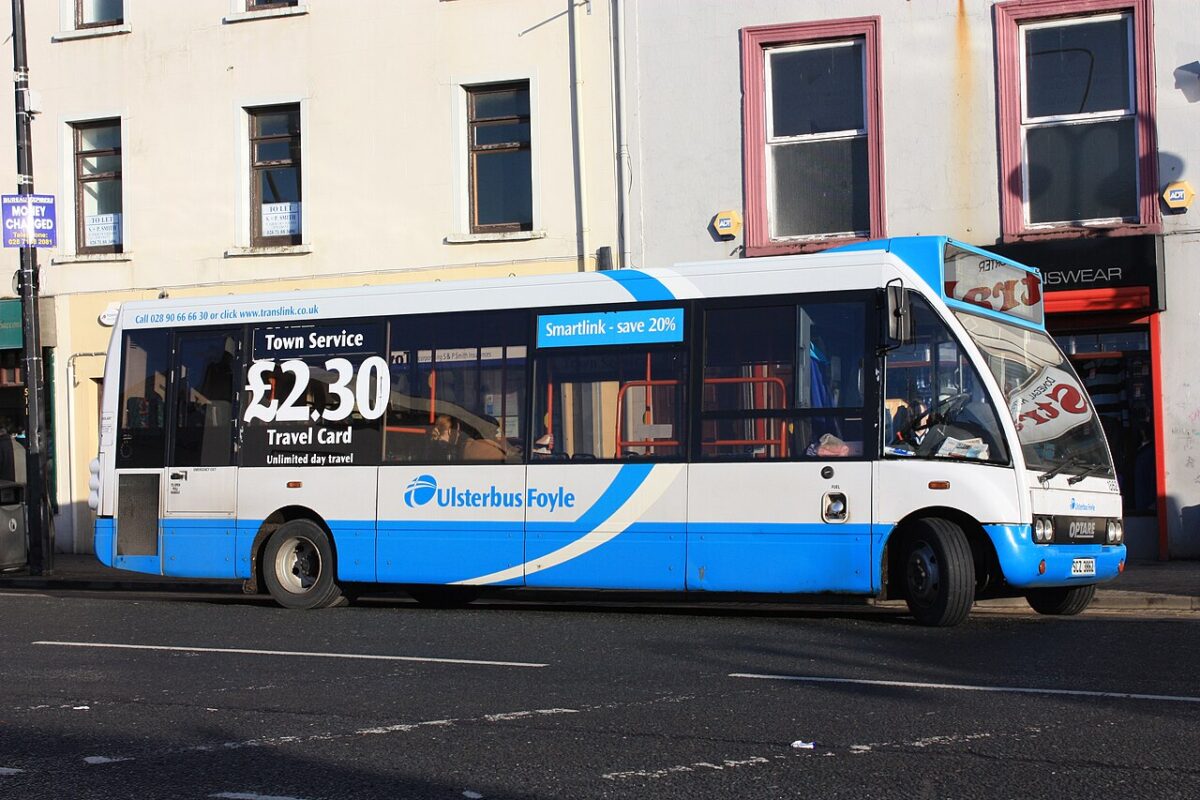
Ulsterbus (regional and rural routes)
This is where the network expands outward.
Ulsterbus connects:
Smaller towns and day trips from Belfast
Coastal areas
Rural regions
It is essential, but requires more planning.
NI Railways (train network)
This is the backbone of travel across Northern Ireland.
Key routes include:
Belfast to Bangor
Belfast to Newry
From experience, trains are the most relaxing part of the journey.

Tools That Make a Real Difference
Translink Journey Planner
The Translink Journey Planner proves its value by helping travelers navigate Northern Ireland’s public transport system with far greater ease. Rather than relying on static maps or guesswork, you can enter your starting point, destination, and travel date to receive a range of route options and estimated timings.
The accompanying app enhances this with real-time updates and live tracking for Metro and Glider services, taking the uncertainty out of waiting times. For those exploring rural areas, the planner allows you to combine bus and rail services with options like park and ride or cycling connections. It also includes accessibility filters to help locate step-free routes. By turning complex, multi-stage trips into clear, actionable plans, the tool helps prevent missed connections and makes travel across the region much more manageable.

mLink App
The mLink app is Translink’s mobile platform for purchasing and managing tickets on smartphones, covering most public transport services across Northern Ireland—including NI Railways, Metro, Glider, Ulsterbus, Goldline, Foyle Metro, and the Airport Express 300. It offers a variety of fare options such as single tickets, day returns, and longer-term passes like weekly or monthly plans, with reduced off-peak rates available for travel after 9:30 a.m.
In recent years, the app has handled millions of passenger journeys, reflecting its popularity as a contactless ticketing option. However, user feedback points to occasional technical difficulties, including app crashes, login issues, and the requirement for an active internet connection to activate tickets. Despite these concerns, Translink continues to release updates aimed at improving performance and addressing bugs. So my tip is always check the information boards or with staff to ensure up to date information.
Is Public Transport in Northern Ireland Reliable?
The straightforward answer is yes, but it comes with important context. In Belfast, buses run frequently and predictably, making it easy to move around without extensive planning. On major routes, such as the Belfast to Derry train, reliability is strong—services are regular, comfortable, and rarely face disruptions.
Rural areas tell a different story. Here, the challenge isn’t unreliability but infrequency. On one trip into the Glens, the bus arrived exactly on time, yet it only made a handful of trips that day. Missing it wouldn’t simply cause a delay—it would force a complete overhaul of plans.
Ultimately, reliability in Northern Ireland hinges less on whether services run on time and more on whether they run often enough. Once you shift your expectations toward availability rather than punctuality alone, the system becomes far easier to navigate.

Belfast Public Transport Guide (Buses, Trains and Real Use)
Belfast is where public transport feels most intuitive and often, it’s a better choice than driving. When you first arrive, the system comes across as approachable, with clear bus routes, frequent services, and a compact layout that makes getting around straightforward.
After a day or two, something shifts. You begin to rely less on constant route checks and apps. Instead, you start recognizing bus numbers without thinking, understanding directions naturally, and moving through the city with a growing sense of confidence. What initially feels like a system you need to learn quickly becomes one that simply works with you.
Before you pack, check the carry-on baggage rules for your airline.
Public Transportation when you cruise into Belfast
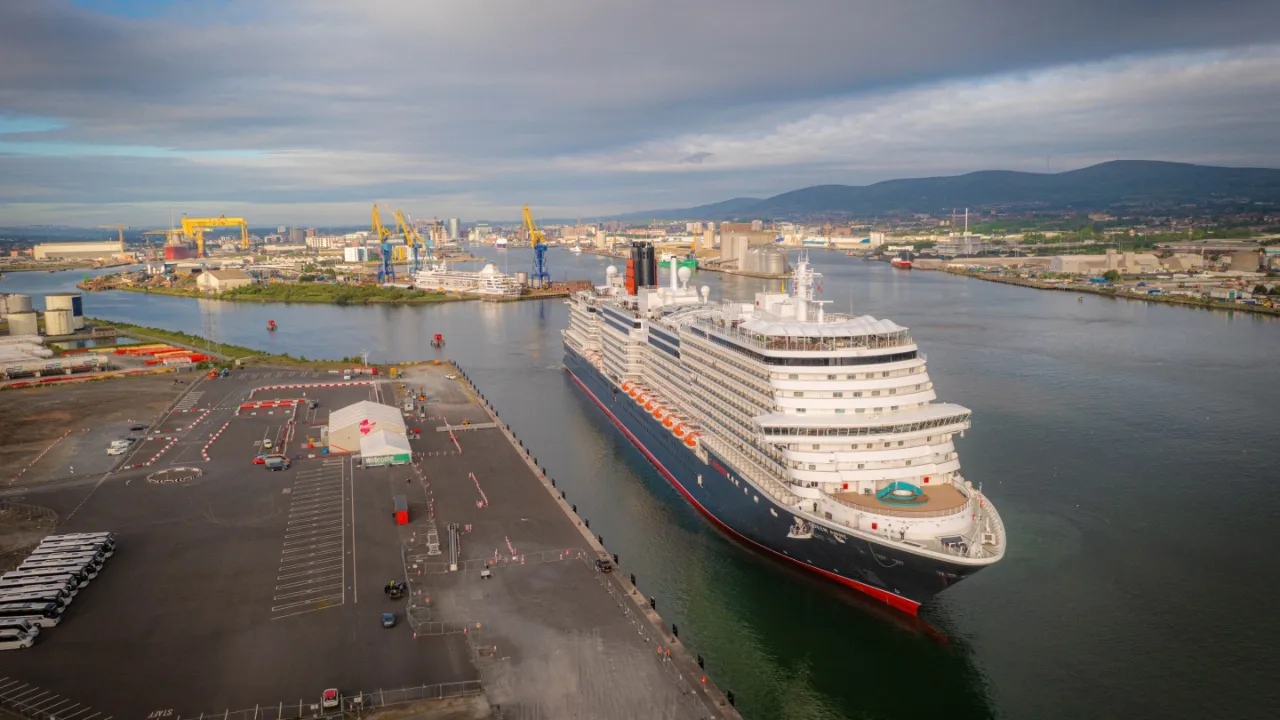
Belfast’s cruise terminal is located approximately 2–3 kilometers from the city centre. Transfers are quick and straightforward, with taxis, shuttle buses, and public transport all available.
Transport options include
Taxi (€10–€15
Shuttle (€10
Bus (€3–€4)
Travel time is typically under 15 minutes
Why Public Transport Is Often Better Than Driving
Driving in Belfast introduces:
- Traffic congestion
- Parking challenges
- One-way systems
Public transport removes all of that.
You focus on the experience not the logistics.

Accessibility and Mobility Considerations
For travellers with mobility considerations:
Most buses are low-floor and accessible
Major train stations are equipped with step-free access
Priority seating is clearly marked
From observation and experience, Belfast is one of the more accessible cities in the UK for public transport use.
Belfast to Derry Train (Route, Views and What to Expect)
This is one of the defining travel experiences in Northern Ireland.
Spanning just over two hours, the rail route from Belfast to Derry treats travelers to some of Northern Ireland’s most spectacular coastal scenery. The journey truly shines beyond Coleraine, where the train hugs the shore, offering uninterrupted views of golden beaches and the wild Atlantic.
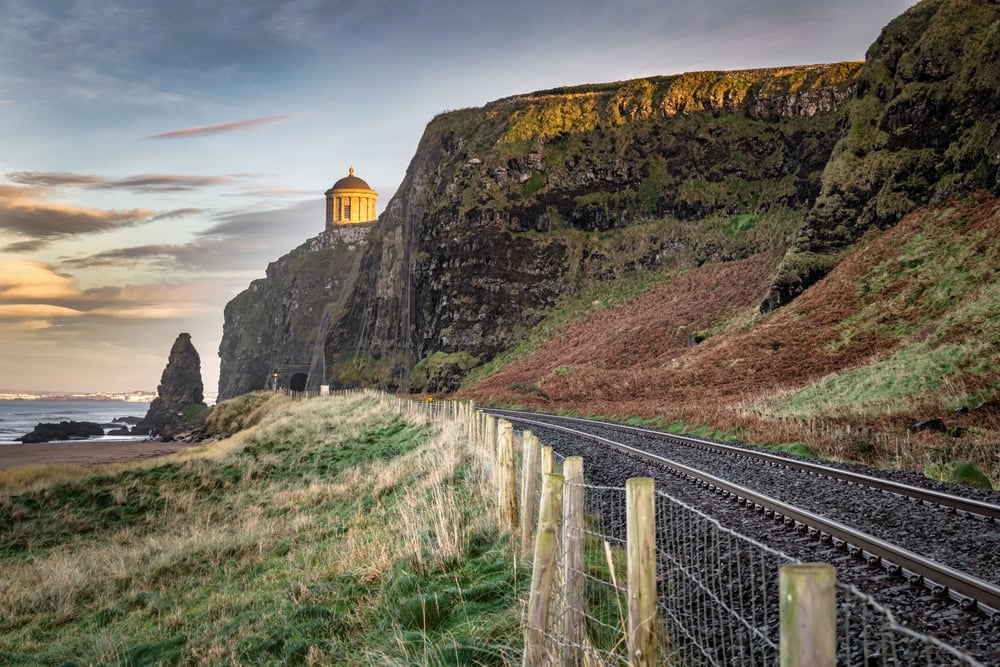
Along the way, passengers can spot Mussenden Temple perched on a clifftop, the dramatic slopes of Binevenagh, and the sweeping expanse of Lough Foyle, often dotted with wintering birds. With affordable fares and a historic walled city at its end, this trip stands out as one of the region’s most memorable travel experiences.

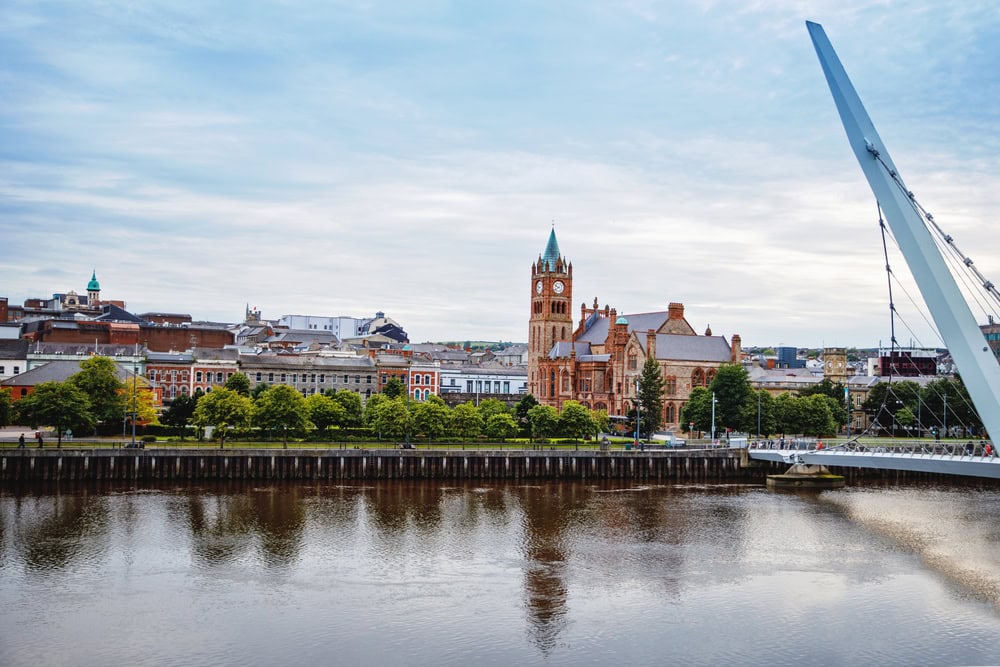
Approaching Derry/Londonderry
Practical Details
The final section brings you back toward an urban environment. The train crosses near the River Roe and follows the River Foyle. Then you see it the Peace Bridge. A clear sign that you’ve arrived somewhere distinct.
- Journey time: around 2 hours
- Direct route from Belfast
- Comfortable seating throughout
Coastal Routes, Rural Travel, Costs, Mistakes and Real-World Planning
How to Reach the Causeway Coast Step-by-Step
Travelling the Causeway Coast without a car is one of the most common concerns and one of the most rewarding journeys once you understand how it works.
The simplest and most effective route is:
- Train from Belfast to Coleraine
- Bus from Coleraine along the Causeway Coast
This combination forms the backbone of almost every public transport journey along the north coast.

What the Journey Actually Feels Like
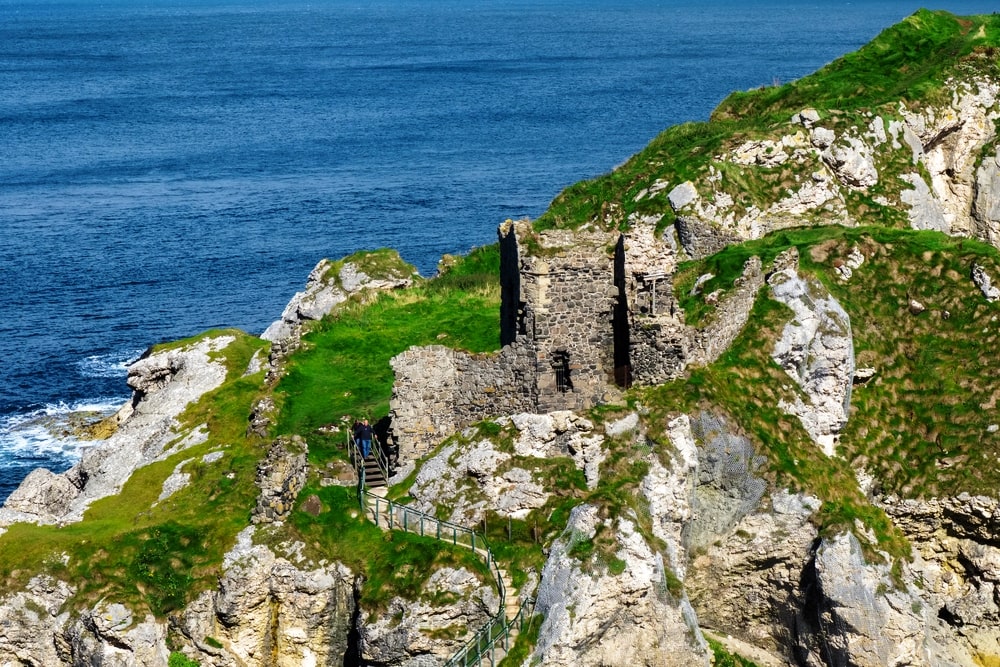
The transition from train to bus is where the experience changes completely. The train journey feels structured and predictable. You sit back, relax, and move steadily toward the coast. But once you step onto the bus at Coleraine, the pace shifts. The road narrows. The coastline comes closer. The landscape becomes more detailed.
On one journey, I remember intending to get off early to explore a specific stop. But as the route continued, each section of coastline seemed more dramatic than the last. I stayed on longer than planned, simply because I didn’t want to break the flow of the journey.

The Practical Reality of Coastal Travel
This is where public transport and driving part ways most noticeably. On the positive side, the coastal route is straightforward to follow, the scenery is consistently impressive you don’t lose anything by staying on board and services generally run as scheduled. However, planning becomes essential because buses come infrequently, stops are widely spaced, and there’s little room for spontaneous changes. If you hope to hop between multiple coastal spots, you’ll need to check bus times ahead of time, decide on your stops before you arrive, and keep a close eye on how you’ll get back.
Visiting the Giant’s Causeway without a Car
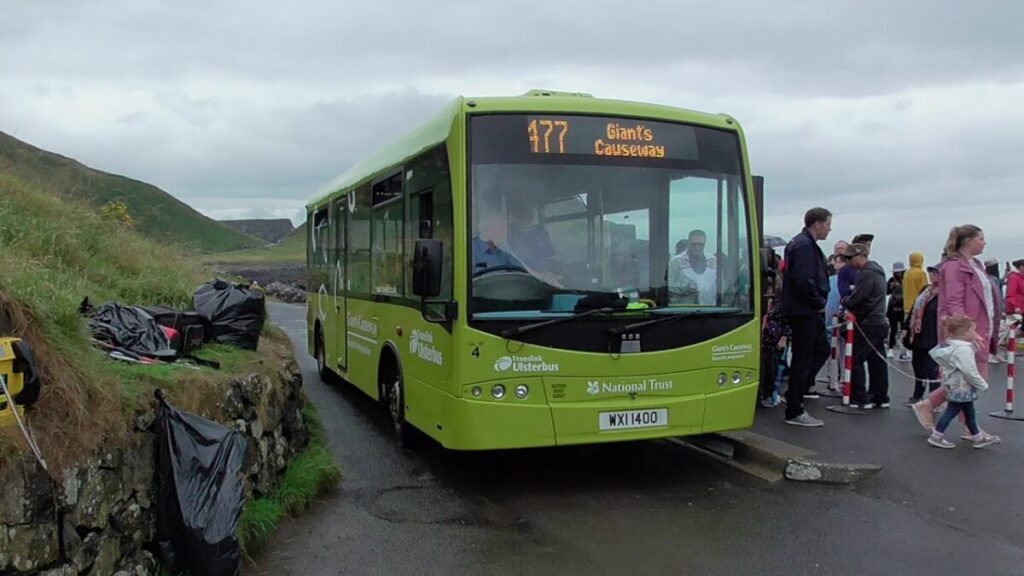
The Giant’s Causeway is one of the most visited sites in Northern Ireland, and it is entirely accessible by public transport.
The Route: Train from Belfast to Coleraine. Bus from Coleraine toward the Causeway
What to Expect
The bus drops you within walking distance of the site. From there, it’s a short walk down toward the coastline. From experience, arriving this way feels different from driving. You approach gradually, rather than arriving suddenly. The landscape builds before you reach the main attraction.
If you have some mobility issues you can take the shuttle down to the main areas of the site for £1.
A Real Challenge: Timing Your Return
One of the most important things to understand about the Causeway Coast and the Giant’s Causeway is getting there (either from Dublin or Belfast) is that return journeys matter just as much as arrival. On one trip, I saw travellers miss their intended bus because they underestimated how long they would spend at the site. That resulted in a long wait for the next service. Since then, I’ve always done one thing: Check the return time before I even leave Belfast.
How to Explore the Glens of Antrim without a Car
If the Causeway Coast feels open and expansive, the Glens of Antrim feel enclosed, quiet, and deeply local.
The Glens of Antrim are surprisingly accessible by public transport, offering a car-free way to discover one of Northern Ireland’s most scenic regions. The 252 Antrim Coaster route runs from Belfast’s Europa Buscentre, winding along the coastal road and stopping in villages such as Glenarm and Carnlough ideal spots for exploring harbors, coastal walks, and local history.
For those wanting to venture inland, connecting Ulsterbus services from towns like Ballymena and Ballycastle which makes the perfect point to head to Rathlin Island to see the puffins, provide access to Glenariff, often called the Queen of the Glens, where forest trails lead to striking waterfalls. Allowing you to combine bus travel with walks to spectacular sights like Glenariff Forest Park and its waterfalls. This network of services makes it possible to explore the glens’ lush landscapes, historic sites, and Game of Thrones filming locations without a car.With a bit of planning, visitors can easily link bus routes to explore the glens’ landscapes and cultural sights without needing a car.

How to Get from Belfast Airports to the City by Public Transport
Belfast International Airport
This is the main airport for Northern Ireland.
Transport Options
- Direct bus services to Belfast
- Journey time: approximately 30–40 minutes
From experience, this is straightforward and reliable, but timing matters especially for early or late flights.
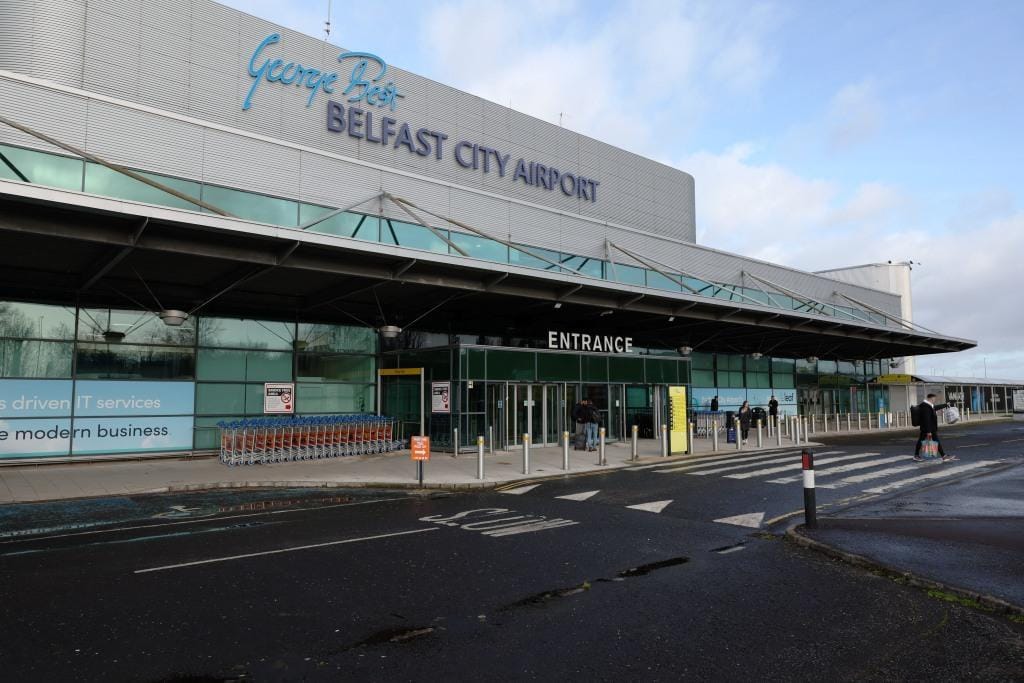
Belfast City Airport
This airport is smaller and closer to the city.
Transport Options
- Train to a nearby station
- Short walk to the terminal
This is one of the easiest airport connections in the UK.
Practical Advice for Airport Transfers
Always check first and last services
Allow extra time for early flights
Avoid relying on tight connections
Common Problems with Public Transport in Northern Ireland (And How to Avoid Them)
No transport system is perfect, but understanding its limitations helps you avoid common pitfalls. Missed connections are the most frequent issue, often caused by tight timing between services, slight delays, or a lack of buffer time leaving extra room in your schedule and avoiding the last connection of the day can easily prevent this. Long waiting times are another reality, especially in rural areas; on one trip, I found myself waiting over an hour for a bus in a quiet spot with little around not a dramatic experience, but a clear reminder of why planning matters. Evening services also become significantly more limited as the day goes on, so it pays to be aware of reduced schedules when arranging your travels.
Practical Tip Always check: “What is the last service I can realistically take?”



Cost of Public Transport in Northern Ireland (Budget Travel Guide)
For budget travellers, public transport is one of the most cost-effective ways to explore Northern Ireland.
Typical Costs
- Bus fares: £2–£3
- Train fares: £10–£20
- Day passes: £10–£15
How to Save Money
- Use iLink travel cards
- Buy day passes instead of single tickets
- Plan multiple journeys in one day
Real Budget Insight
On one trip, switching to a day pass reduced my total transport cost by nearly half compared to buying individual tickets.
Public Transport vs renting a Car in Northern Ireland (Which Is Better?)
This is one of the most important decisions for travellers. From my own experience, public transport and renting a car and driving offer two very different ways to get around Northern Ireland. Taking a train or bus lets you simply watch the landscape unfold and relax into the journey without the stress of navigation. Driving, on the other hand, demands constant focus on the road while managing directions and parking along the way. Both approaches have their merits, but they create entirely different travel experiences one built around ease and observation, the other around flexibility and control.
3-Day Northern Ireland Itinerary without a Car (Step-by-Step Plan)
Day 1: Belfast
- Explore the city using buses and walking
- Visit major areas easily connected by public transport
Day 2: Causeway Coast
- Train to Coleraine
- Bus along the coast
- Visit the Giant’s Causeway
Day 3: Derry/Londonderry
- Scenic train journey
- Explore the city on foot
5-Day Northern Ireland Itinerary Without a Car (Extended Travel Plan)
Day 4: Bangor or Lisburn
Short train journeys with easy access.
Day 5: Flexible Exploration
- Return to the coast
- Explore additional towns
- Or revisit favourite areas
Best Places You Can Visit Without a Car in Northern Ireland
Belfast
Derry
Bangor
Portrush

Tips for Using Translink Buses and Trains in Northern Ireland
- Not checking return journeys
- Assuming frequent rural services
- Planning tight connections
- Travelling too late in the day
FAQs About Public Transport in Northern Ireland
Can you explore Northern Ireland without a car?
Yes, using trains and buses across the Translink network.
Is public transport reliable?
Yes, especially in cities and on major routes.
How do you get to the Causeway Coast?
Train to Coleraine and bus along the coast.
Can you visit the Glens of Antrim?
Yes, but services are limited.
Is public transport affordable?
Yes, particularly with day passes.
Are trains comfortable?
Yes, especially for longer journeys.
Is Belfast easy without a car?
Yes, very easy.
Do buses run frequently?
In cities yes, rural areas less so.
Is it worth using public transport?
Yes, especially for a more immersive experience.
Final Verdict: Is It Worth Using Public Transport in Northern Ireland?
Using public transport in Northern Ireland offers a mix of benefits and challenges that largely depend on where you’re traveling. In cities like Belfast and Derry, bus and rail services provide a convenient, affordable, and eco-friendly way to get around, with frequent connections to major attractions and neighborhoods.
The railway network, though limited, includes standout routes such as the Belfast to Derry line, which delivers stunning coastal scenery. However, in rural areas and smaller towns, services can be less frequent, and some destinations particularly remote natural sites like the Carrick-a-rede rope bridge, the Glens of Antrim or the Causeway Coast require careful planning to navigate without a car. For visitors staying in urban centers or willing to work with timetables, public transport can be a rewarding option, but for those seeking flexibility across the countryside, renting a car may still be the more practical choice.


A Different Way to Experience Northern Ireland
Travelling Northern Ireland without a car is not about limitation it is about perspective. You move slower, but you notice more.
You plan more, but you experience more. And in many ways, that creates a deeper, more meaningful journey.
Start Planning Your Trip
👉 Public Transportation in Ireland
👉 Hidden Gems in Ireland – 32 Secret places to visit
👉 Answering all your travel questions about Ireland
👉What to pack for your Ireland trip
👉 Northern Ireland Public Transportation
This guide is part of a wider Accessible Ireland travel series, offering realistic, first-hand advice for limited-mobility travel across Ireland.
➡️Accessible Causeway Coast Route
➡️Accessible Wild Atlantic Way
If you encounter changes (e.g., temporary lift closures or construction), please let me know so I can update this page promptly.