
14 Best Chateaus in Loire Valley – Must-See French Castles
France’s Loire Valley stands as one of Europe’s most remarkable cultural landscapes, where Renaissance architecture meets French royal history in spectacular fashion. Having spent countless hours exploring these magnificent châteaux over multiple visits, I can confidently say that no other region in France offers such a concentrated collection of architectural masterpieces and historical significance.
The Loire Valley became the epicenter of French royal power during the 15th to 17th centuries, when kings and nobles transformed medieval fortresses into luxurious Renaissance palaces¹. This UNESCO World Heritage Site stretches 280 kilometres between Sully-sur-Loire and Chalonnes-sur-Loire, encompassing over 300 châteaux of varying sizes and importance.
- 14 Best Chateaus in Loire Valley – Must-See French Castles
- Historical Context: The Golden Age of Loire Valley Châteaux
- Planning Your Visit: Essential Information
- 14 Must-Visit Châteaux: Detailed Guide
- 1. Château de Chenonceau: The Ladies' Castle
- 2. Château de Chambord: Francis I's Architectural Dream
- 3. Château Royal d'Amboise: Leonardo's Final Home
- 4. Clos Lucé: Leonardo's Workshop
- 5. Château de Villandry: Renaissance Garden Masterpiece
- 6. Château Royal de Blois: Four Architectural Periods
- 7. Château d'Azay-le-Rideau: Renaissance Jewel
- 8. Château de Chinon: Plantagenet Stronghold
- 9. Château d'Ussé: The Sleeping Beauty Castle
- 10. Château d'Angers: Medieval Fortress
- 11. Château de Saumur: Loire Valley Icon
- 12. Château de Cheverny: Living Heritage
- 13. Château de Chaumont-sur-Loire: Art and Gardens
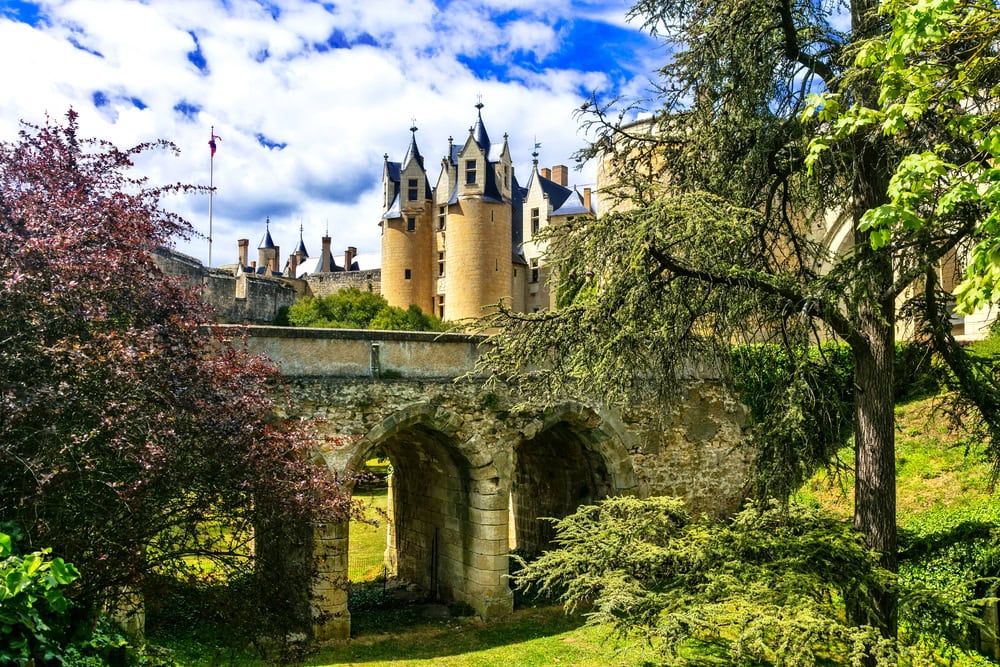
- 14. Château de Montrésor: Hidden Gem
- My Personal Recommendation
- Your Journey Through French History
- Interested in reading further?
Historical Context: The Golden Age of Loire Valley Châteaux
The transformation of the Loire Valley into France’s royal playground began during the Hundred Years’ War (1337-1453), when the region’s strategic location made it crucial for French defense. After the war’s end, French royalty chose this fertile valley for their courts, initiating what architectural historians call the “châteaux revolution.”
King Francis I (1515-1547) played the most pivotal role in this transformation. A passionate patron of Italian Renaissance art, he brought Italian architects and artisans to France, creating the distinctive Franco-Italian style that defines Loire Valley architecture. His influence is visible in the revolutionary architectural elements: symmetrical facades, ornate dormer windows, elaborate chimneys, and the integration of defensive medieval features with Renaissance luxury.
The architectural evolution represents three distinct periods:
- Late Gothic (15th century): Château de Langeais, portions of Amboise
- Early Renaissance (early 16th century): Chambord, Azay-le-Rideau
- Classical Renaissance (late 16th century): Villandry gardens, completed sections of Chenonceau
Planning Your Visit: Essential Information
Best Times to Visit
Based on my multiple visits across different seasons, I strongly recommend:
- April-May & September-October: Perfect weather, fewer crowds, gardens in bloom
- Avoid July-August: Peak tourist season with extreme crowds and heat
- Winter visits: Many châteaux offer special Christmas decorations (check individual schedules)
Money-Saving Tips
Loire Valley Pass: Available through official tourism board offering discounts on multiple Loire châteaux
Purchase tickets online in advance to skip lines and often save 10-15%
Many châteaux offer combination tickets for grounds and interiors
Consider visiting lesser-known châteaux off the beaten path like Montrésor for authentic experiences at lower costs.
Practical Advice from Experience
Wear comfortable walking shoes: Gravel paths and cobblestones are standard
Bring water: Château cafés are expensive and often mediocre
Maximum 2 châteaux per day: Each requires 3-4 hours for proper appreciation
Central accommodation: I recommend staying in Amboise or Tours for optimal access to major châteaux
Hotel recommendations: Book accommodations along the Loire River for scenic views and easy château access
Restaurant planning: Many châteaux have expensive cafés; research local restaurants in nearby villages for authentic French cuisine.

14 Must-Visit Châteaux: Detailed Guide
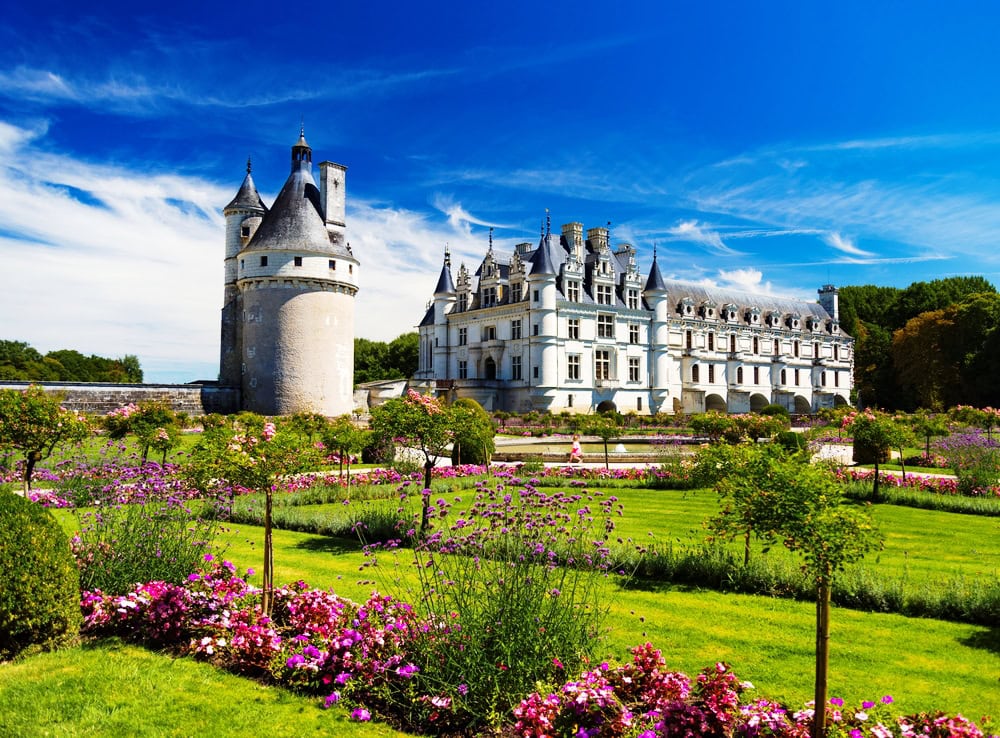
1. Château de Chenonceau: The Ladies’ Castle
My Personal Favorite: Of all the châteaux I’ve visited, Chenonceau remains the most captivating due to its unique architecture and the remarkable women who shaped its history.
Historical Significance: Built in 1514 by Thomas Bohier, Chenonceau became known as the “Château des Dames” due to the extraordinary influence of six women who owned and transformed it. Most notably, Diane de Poitiers (Henry II’s mistress) and Catherine de Medici (Henry II’s wife) engaged in a decades-long rivalry that shaped the château’s development.

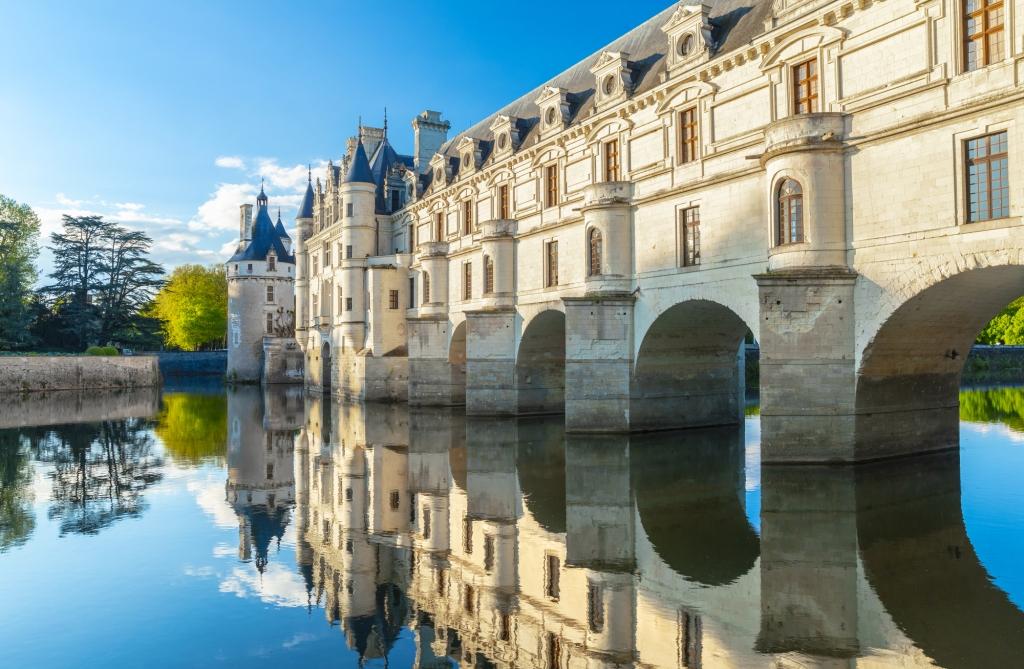
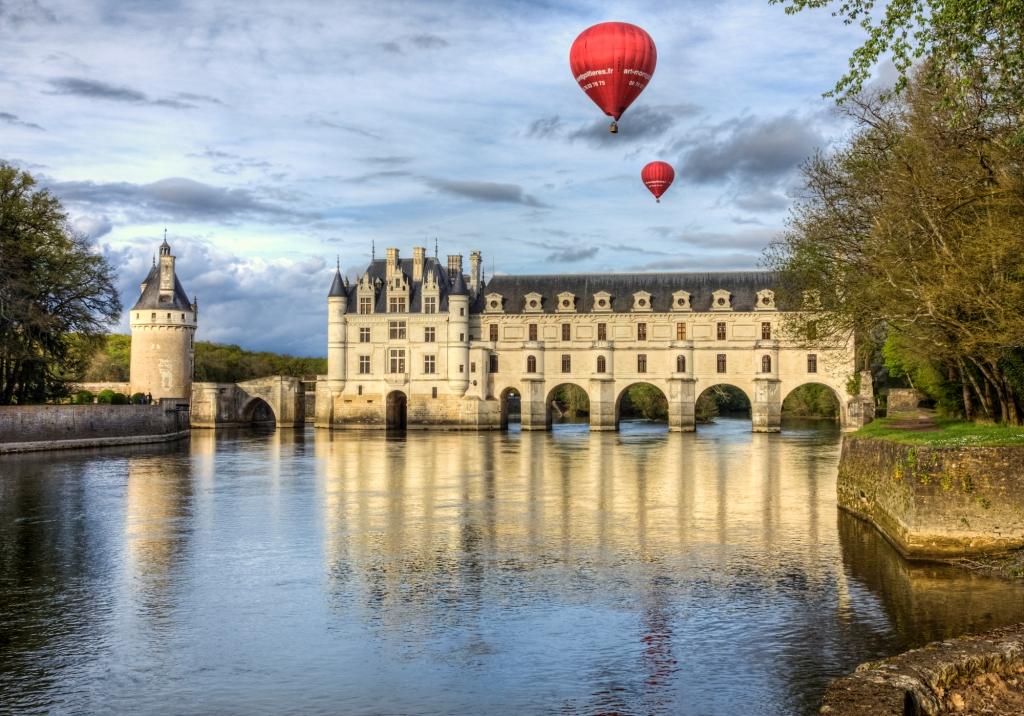
Architectural Marvel: Chenonceau’s most distinctive feature is its gallery spanning the River Cher, completed in 1576 by Jean Bullant for Catherine de Medici⁶. This 60-meter gallery represents a unique architectural solution, combining Italian Renaissance principles with practical French needs. The château’s foundation rests on the piers of an old mill, demonstrating remarkable medieval engineering adapted for Renaissance luxury.


The interior showcases period-authentic furnishings, including:
François I Salon: Features original 16th-century tapestries
Diane de Poitiers’ Bedroom: Contains her original four-poster bed
Gallery: Used as a hospital during WWI, accommodating 2,254 wounded soldiers


Current Visit Information:
- Open: Daily, year-round
- Adult tickets: €18 (standard), €23 (with audio guide)
- Official website: www.chenonceau.com
- Special features: Self-guided gardens, night illuminations (summer)
2. Château de Chambord: Francis I’s Architectural Dream
Historical Context: Commissioned by Francis I in 1519 as a hunting lodge, Chambord represents the pinnacle of French Renaissance architecture. The project employed over 1,800 workers across 15 years, though it was never completed.
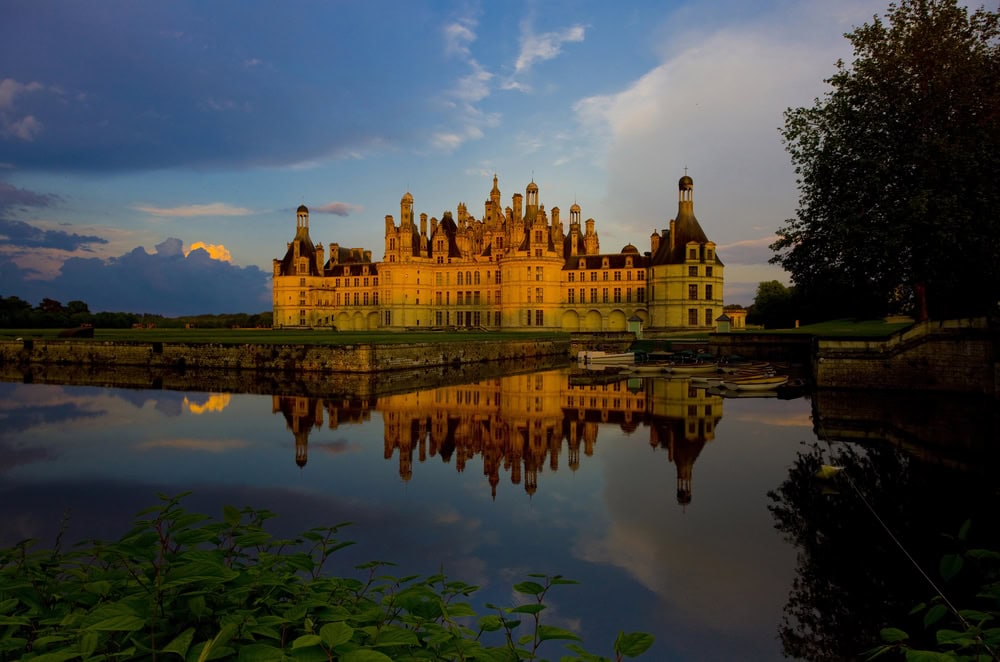
Architectural Innovation: The château’s most famous feature is its double-helix staircase, attributed to Leonardo da Vinci’s influence (though he died before construction began). This engineering marvel allows two people to ascend or descend without meeting, reflecting the complex court etiquette of Renaissance France.


Key architectural elements:
440 rooms with only 80 originally furnished
300+ fireplaces and chimneys creating Chambord’s distinctive roofline
French Renaissance facade measuring 156 meters
Terraced roof offering panoramic views of the 5,440-hectare estate
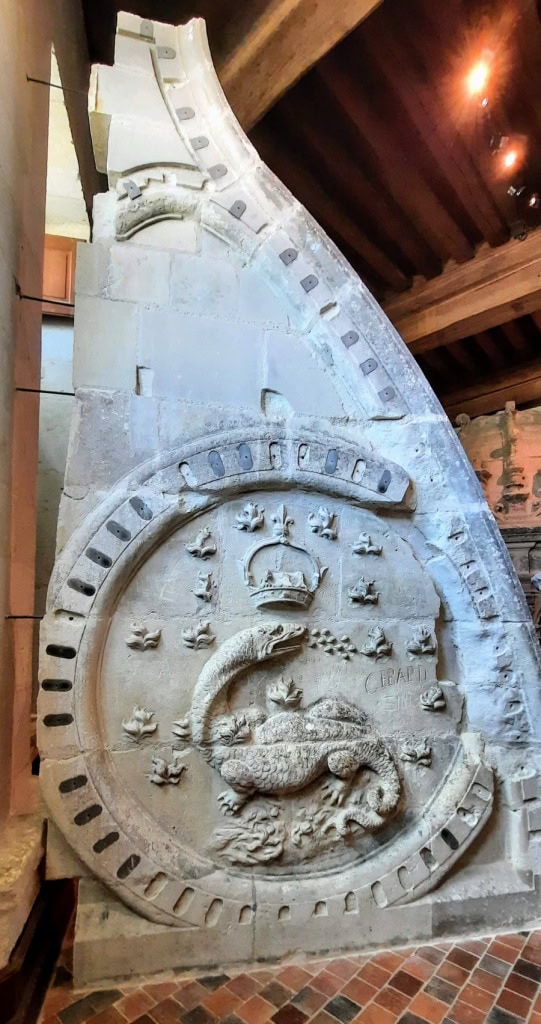
The salamander motif, Francis I’s personal symbol, appears throughout, representing the king’s motto: “I nourish good and extinguish evil.”
Current Visit Information:
Open: Daily except January 1, March 20, December 25
Adult tickets: €16 (château), €25 (château + gardens)
Official website: www.chambord.org
Special activities: Boat tours, bicycle rentals, 4×4 safari tours
3. Château Royal d’Amboise: Leonardo’s Final Home
Personal Experience: Walking through Amboise, I was struck by how the château dominates the Loire Valley landscape, offering spectacular views that help understand its strategic importance.
Historical Importance: Charles VIII transformed this medieval fortress into a Renaissance palace after his Italian campaigns (1494-1498), making Amboise the first château to showcase Italian Renaissance style in France⁹. The château witnessed crucial moments in French history, including the Amboise Conspiracy (1560), a failed Protestant plot against the Catholic monarchy.
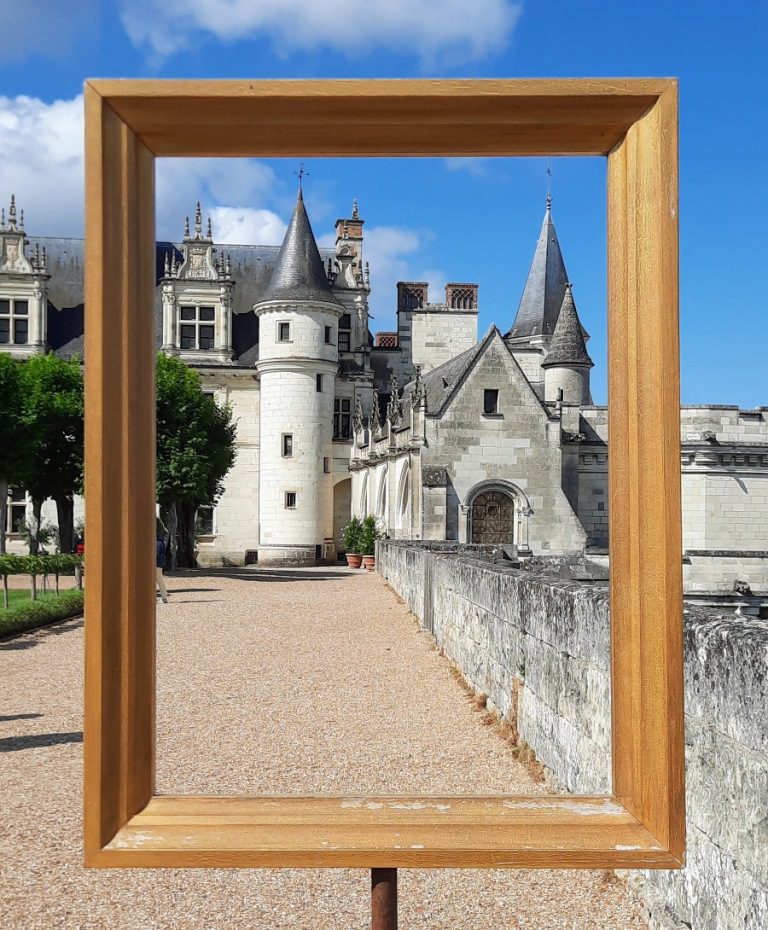
Leonardo da Vinci Connection: Invited by Francis I in 1516, Leonardo spent his final three years at nearby Clos Lucé. His tomb lies in the Chapel of Saint-Hubert, though historians debate whether his actual remains survived the French Revolution.
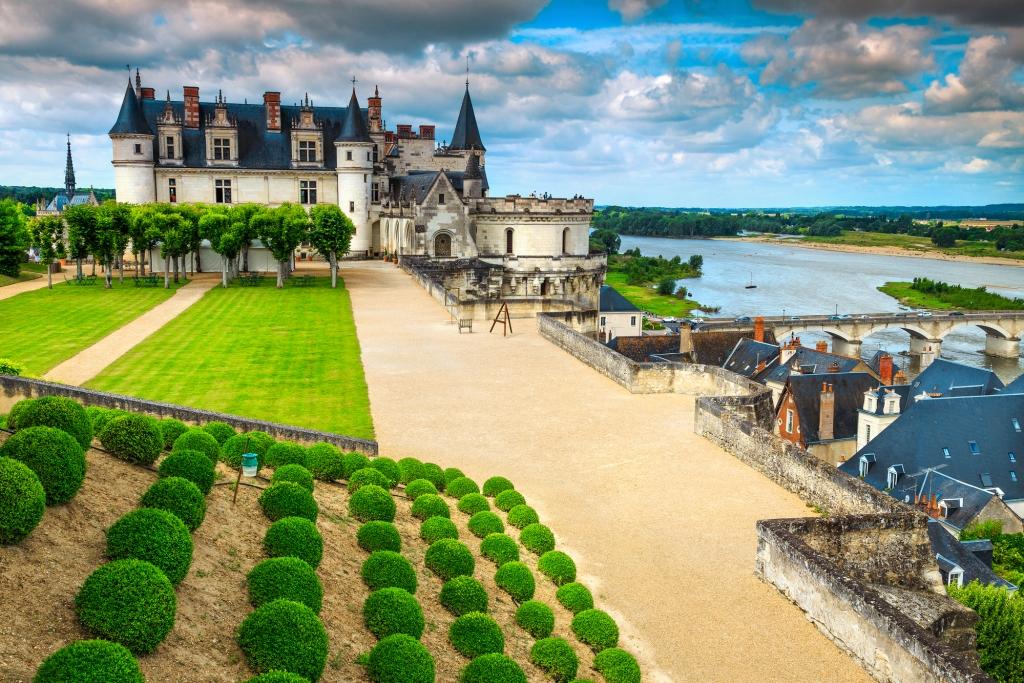
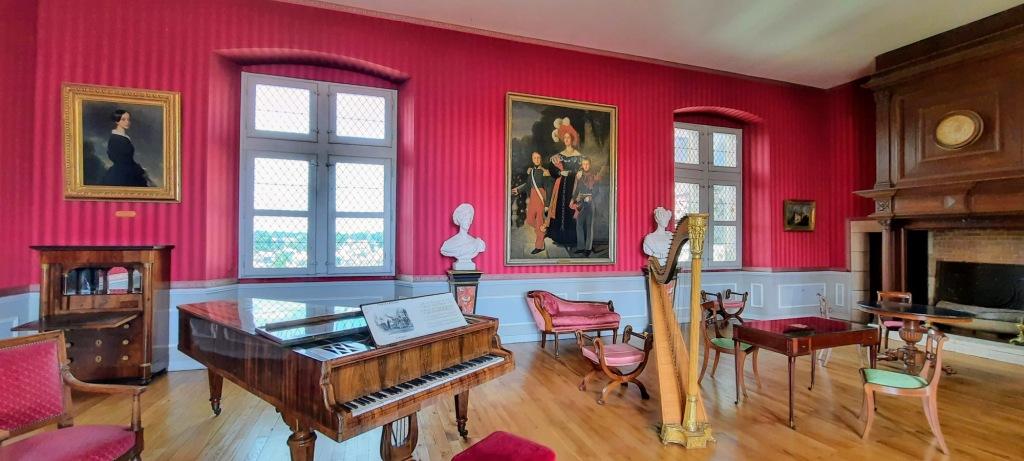
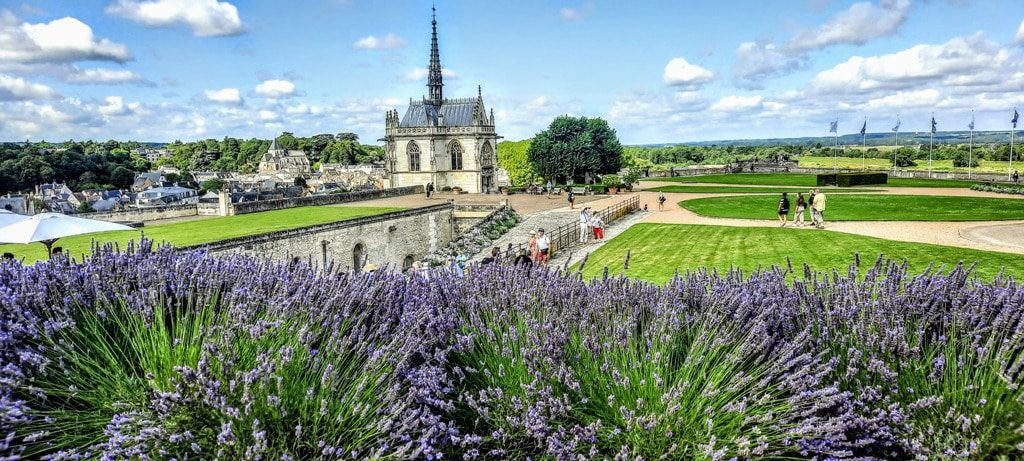
Architectural Features:
Tour des Minimes: Features a remarkable spiral ramp allowing horses and carriages to reach the château
Logis du Roi: Showcases late Gothic and early Renaissance fusion
Gardens: Redesigned in 19th century, offering Mediterranean and English landscape elements
Current Visit Information:
Adult tickets: €13.20
Official website: www.chateau-amboise.com
Accessibility: Elevator available for wheelchair access
4. Clos Lucé: Leonardo’s Workshop
Historical Context: Built in 1471 by Étienne le Loup for King Louis XI, Clos Lucé became Leonardo da Vinci’s final residence from 1516 until his death in 1519. This intimate château offers a more personal experience compared to the grand Loire châteaux, allowing visitors to walk in Leonardo’s footsteps.

Leonardo’s Legacy: Clos Lucé houses an extraordinary collection of 40 machines built according to Leonardo’s codices, including flying machines, tanks, and hydraulic pumps. The park features life-sized models demonstrating Leonardo’s engineering genius, making it one of the world’s most unique historical attractions.


Current Visit Information:
Adult tickets: €17
Tickets online: Available with 10% discount through www.vinci-closluce.com
Special features: Interactive Leonardo workshop, sound and light show
5. Château de Villandry: Renaissance Garden Masterpiece
Architectural Heritage: Completed in 1536 by Jean Le Breton, Villandry was the last major château built during the Loire Valley Renaissance¹². The current owners, the Carvallo family, purchased the property in 1906 and dedicated their lives to recreating authentic Renaissance gardens.


Garden Architecture: Villandry’s gardens represent the pinnacle of French formal garden design and rank among the world’s most beautiful gardens:
Love Gardens: Four parterres representing different types of love
Ornamental Kitchen Garden: Nine squares of vegetables creating geometric patterns
Water Garden: Reflecting 18th-century garden design principles
These meticulously maintained gardens showcase Renaissance horticultural artistry, with over 150,000 plants arranged in intricate patterns that change seasonally.


Current Visit Information:
- Adult tickets: €12 (gardens), €19.50 (château + gardens)
- Official website: www.chateauvillandry.fr
6. Château Royal de Blois: Four Architectural Periods
Historical Significance: Blois served as the primary royal residence from 1498-1589, witnessing the reigns of seven kings and ten queens. The château’s four wings represent distinct architectural periods:


13th-century medieval wing
Louis XII Gothic wing (1498-1503)
Francis I Renaissance wing (1515-1524)
Gaston d’Orléans Classical wing (1635-1638)
The Assassination of the Duke of Guise: On December 23, 1588, King Henry III orchestrated the murder of Henri de Guise in his private chambers, a pivotal moment in French religious wars.
Current Visit Information:
- Adult tickets: €12
- Official website: en.chateaudeblois.fr
- Museum: Houses 35,000 works of art spanning four centuries
7. Château d’Azay-le-Rideau: Renaissance Jewel
Architectural Innovation: Built 1515-1527 by Gilles Berthelot (treasurer to Francis I), Azay-le-Rideau represents the perfect fusion of French tradition with Italian Renaissance innovation. Its location on an island in the Indre River creates stunning reflections, earning it the nickname “faceted diamond set in the Indre.”


Revolutionary Design: The château introduced several architectural innovations:
Straight staircases replacing medieval spiral designs
Large windows prioritizing light over defence
Loggia galleries inspired by Italian palazzos
Current Visit Information:
- Adult tickets: €11.50
- Official website: www.azay-le-rideau.fr
8. Château de Chinon: Plantagenet Stronghold
Medieval Heritage: This massive fortress complex spans three distinct castles along a rocky spur above the Vienne River. Henry II Plantagenet made Chinon his continental headquarters from 1154-1189, ruling the vast Angevin Empire from here.
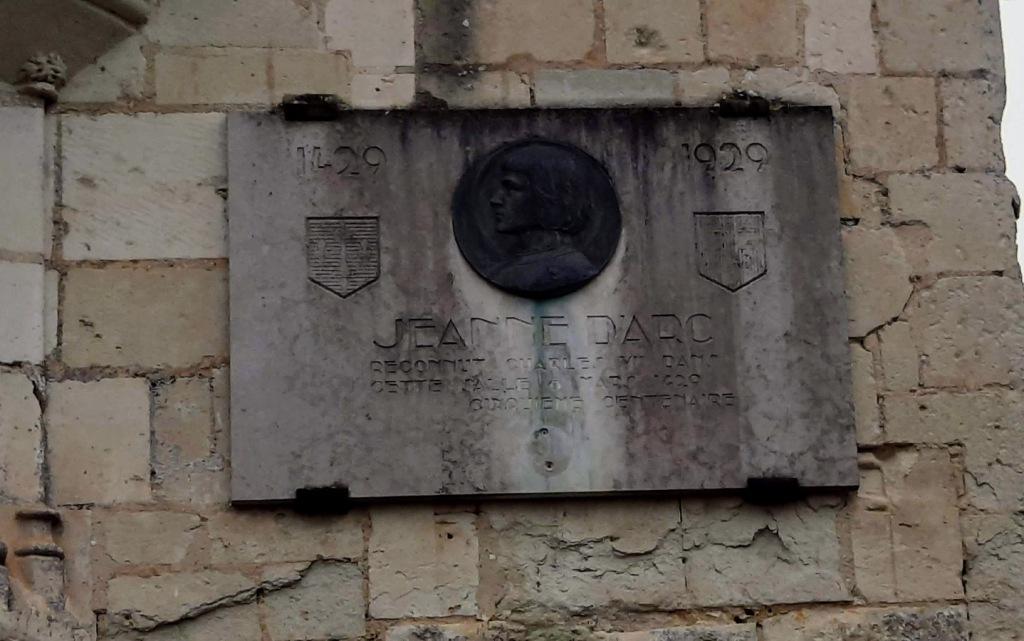
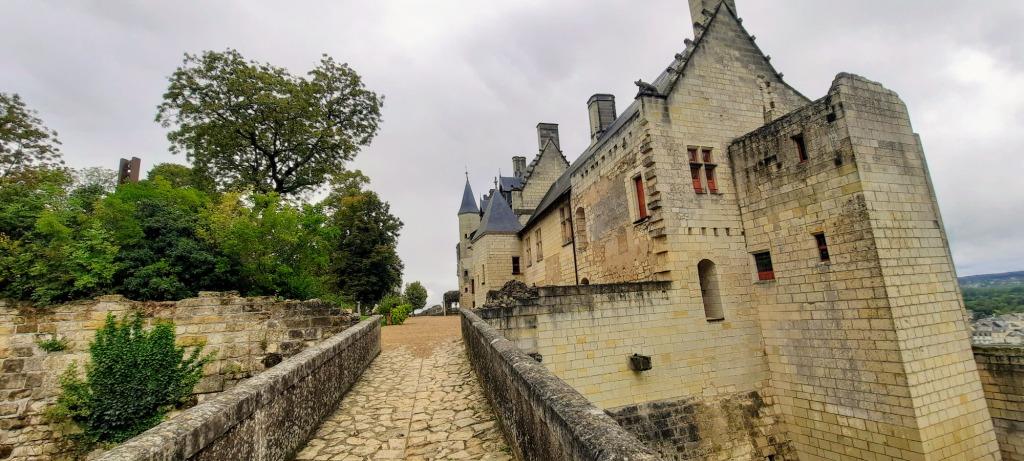
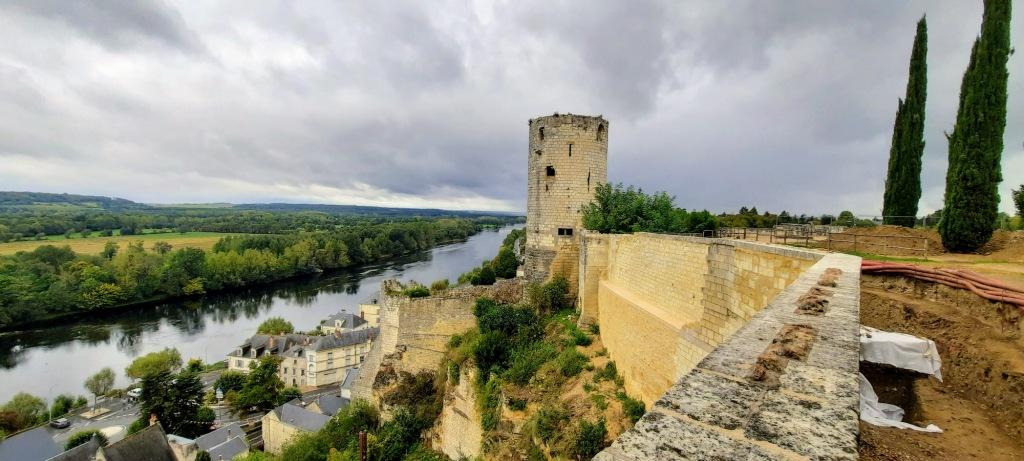
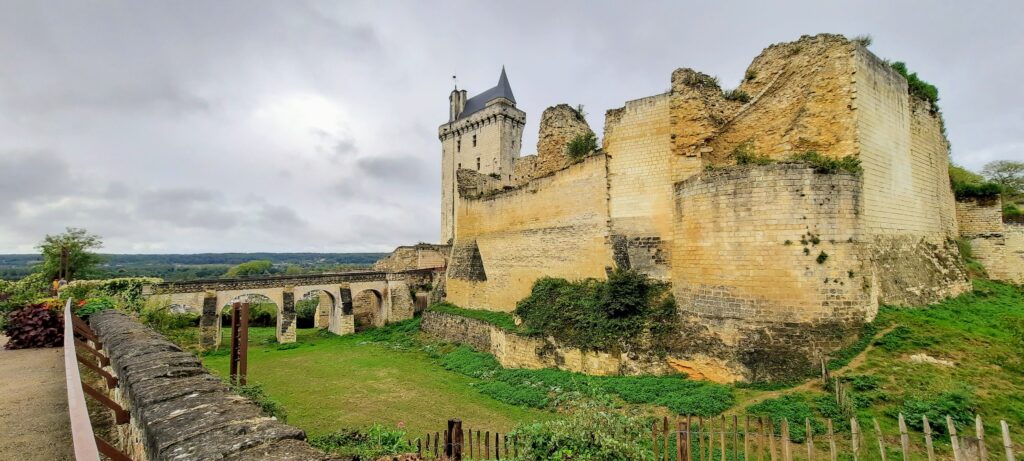
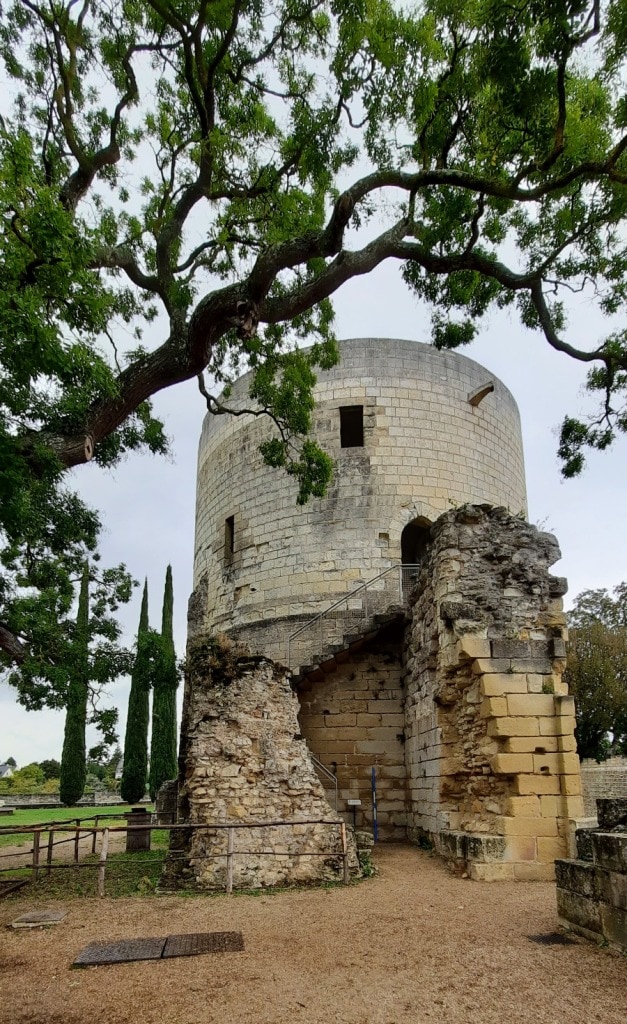

Joan of Arc’s Recognition: In 1429, Joan of Arc convinced the disguised Charles VII of her divine mission in Chinon’s great hall, leading to her military campaign that changed French history.
Current Visit Information:
Adult tickets: €11
Official website: www.forteressechinon.fr
Recent restoration: €14.5 million project completed in 2010
9. Château d’Ussé: The Sleeping Beauty Castle
Fairytale Inspiration: Charles Perrault used Ussé as inspiration for “La Belle au Bois Dormant” (Sleeping Beauty), and later Walt Disney modelled elements of his Sleeping Beauty Castle on Ussé’s silhouette.


Architectural Evolution: Built on 11th-century foundations, the current château represents continuous evolution:
15th-century fortifications by the Bueil family
Renaissance additions by the d’Espinay family
17th-century modifications by the Valentinay family
Current Visit Information:
- Open: February 15 – November 11, 2025
- Adult tickets: €14 (park + château)
- Official website: www.chateaudusse.fr
10. Château d’Angers: Medieval Fortress
Military Architecture: Built 1230-1240 by Blanche of Castile for her son Louis IX (Saint Louis), Angers represents the pinnacle of medieval military architecture with its 17 massive towers originally reaching 40 meters.
The Apocalypse Tapestry: The château houses the world’s largest medieval tapestry cycle, originally 140 meters long, depicting the Book of Revelation. Commissioned by Louis I of Anjou around 1375, it represents the pinnacle of medieval textile art. If you enjoy history you must visit the Bayeux Tapestry as well.
Current Visit Information:
Adult tickets: €9.50
Official website: www.angers.monuments-nationaux.fr
11. Château de Saumur: Loire Valley Icon
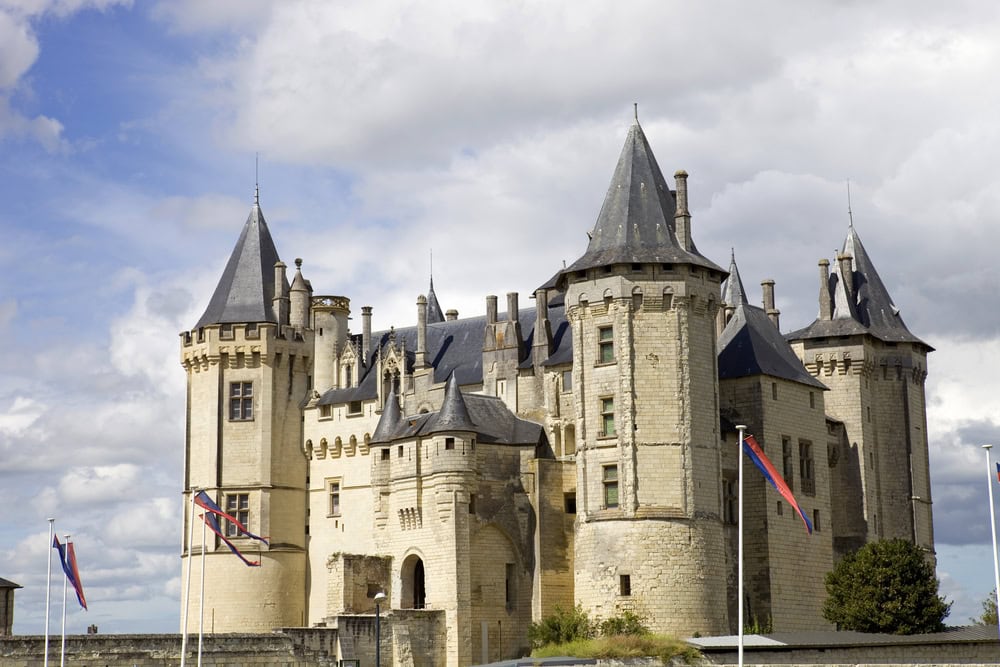
Literary Fame: Honoré de Balzac called Saumur a “diamond faceted by lapidaries,” while it inspired the Limbourg Brothers’ famous illumination in “Les Très Riches Heures du Duc de Berry” (1413).


Current Visit Information:
- Adult tickets: €7
- Official website: www.chateau-saumur.fr
12. Château de Cheverny: Living Heritage
Continuous Ownership: The Hurault family has owned Cheverny for over six centuries, making it one of the few châteaux still inhabited by its founding family. This continuity provides unique insights into aristocratic life across the centuries.


Tintin Connection: Hergé modelled Captain Haddock’s Marlinspike Hall on Cheverny, creating a permanent exhibition celebrating this connection.
Current Visit Information:
Adult tickets: €12.50
Official website: www.chateau-cheverny.fr
13. Château de Chaumont-sur-Loire: Art and Gardens
Renaissance Tragedy: Catherine de Medici forced Diane de Poitiers to exchange beloved Chenonceau for Chaumont after Henry II’s death in 1559, creating one of history’s most famous real estate disputes.


Contemporary Relevance: Since 1992, Chaumont hosts the renowned International Garden Festival, showcasing contemporary landscape architecture alongside historical heritage.
Current Visit Information:
Adult tickets: €18 (château + gardens + festival)
Official website: www.chaumont-jardins.com
14. Château de Montrésor: Hidden Gem
Polish Connection: In 1849, Count Xavier Branicki, a Polish political exile and friend of Napoleon III, purchased and restored Montrésor, creating a unique Polish-French cultural fusion.


Art Collection: The château houses remarkable artworks from the collection of Cardinal Fesch (Napoleon’s uncle), including works by Veronese and other Italian masters.
Current Visit Information:
- Adult tickets: €9
- Official website: www.chateaudemontresor.fr
My Personal Recommendation
If you can visit only one château, choose Chenonceau. Its unique architecture spanning the River Cher, combined with the fascinating stories of the women who shaped it, creates an emotional connection that transcends mere sightseeing. The gardens alone justify the visit, and the interior maintains an authenticity often lost in more commercial sites.

For architecture enthusiasts, Chambord offers the most innovative Renaissance design, while history lovers will find Chinon and Amboise most rewarding for their pivotal roles in French history.

Practical Resources
Official Tourism Resources
Transportation
- By car: Most flexible option, essential for visiting multiple châteaux
- By train: Paris-Tours (1h 20min), then local buses or bike rentals
- Guided tours: Available from Tours, Paris, or local operators
Your Journey Through French History
The Loire châteaux represent far more than architectural marvels; they are living testimonies to French history, from medieval fortresses to Renaissance palaces that defined European culture. Each chateau tells unique stories of kings and queens, artists and architects, lovers and rivals who shaped France’s destiny along the gentle banks of the Loire River.

Whether you’re drawn to Clos Lucé’s intimate connection with Leonardo da Vinci, mesmerized by the world’s most beautiful gardens at Villandry, or captivated by Chenonceau’s romantic spans across the water, these châteaux offer transformative experiences that connect us to centuries of human creativity and ambition.
As you travel through this remarkable landscape, purchasing tickets online for convenience and venturing off the beaten path to discover hidden gems like Montrésor, remember that you’re not just visiting tourist attractions—you’re walking through the pages of French history itself. Each Loire château preserves irreplaceable cultural treasures, from medieval tapestries to Renaissance innovations, making the Loire Valley an essential destination for anyone seeking to understand the artistic and historical foundations of modern Europe.
The enduring appeal of these châteaux lies in their ability to transport visitors across centuries, offering glimpses into royal courts, artistic workshops, and the daily lives of those who created some of humanity’s most beautiful architectural achievements. Plan your visit, book a riverside hotel, discover local restaurants serving traditional French cuisine, and prepare for a journey that will forever change your appreciation of history, architecture, and the timeless beauty of the Loire Valley.
Interested in reading further?
Resources and References
Chatenet, Monique. Châteaux of the Loire Valley. Flammarion, 2016.
UNESCO World Heritage Centre. “The Loire Valley between Sully-sur-Loire and Chalonnes-sur-Loire.” 2000.
Seward, Desmond. The Hundred Years War: The English in France 1337-1453. Robinson, 2003.
Lesueur, Pierre. Le Château de Chambord. Henri Laurens, 1930.
Pedretti, Carlo. Leonardo da Vinci: The Royal Palace at Romorantin. Harvard University Press, 1972.
Guillaume, Jean. Le château d’Amboise. CNMHS, 1986.
Clos Lucé Foundation. Leonardo da Vinci’s Last Years. Official château publications, 2019.
Pérouse de Montclos, Jean-Marie. Villandry. Scala, 1997.
Chatenet, Monique. La cour de France au XVIe siècle. Picard, 2002.
DeVries, Kelly. Joan of Arc: A Military Leader. Sutton Publishing, 1999.
Plummer, John. The Book of Hours of Louis of Orleans. Braziller, 1958.
Hergé Foundation. The Adventures of Tintin and French Châteaux. Casterman, 2001.
Knecht, Robert. Catherine de’ Medici. Longman, 1998.
