
Wales Travel Guide: Discover Wales: Land of Legend & Landscape
Wales is a compact country with a strong sense of place — defined by mountains and coastline, medieval towns and castles, and a living language that shapes everyday life. Distances are short, but landscapes and regional character change quickly, making pace and planning more important than mileage.

Regions of Wales
Wales is best explored region by region. Each area has its own landscapes, cultural identity, and rhythm of travel — from mountainous national parks to quiet coastal paths and historic borderlands.
➡️Northwest Wales: Visit Anglesey
➡️Discover the Welsh Coastal Path
Ways to experience Wales
Wales suits travelers who enjoy being outdoors, moving slowly, and engaging with local culture. Many of the best experiences happen between headline sights rather than at them.
➡️Best Castles to visit in Wales
➡️Awe Inspiring things to do in Wales
Ways to experience Wales
Wales rewards travelers who move at a human pace. Much of the country is best explored on foot, along quiet roads, or by following natural lines in the landscape rather than fixed routes. Walking and hiking are central to the experience, from mountain paths and river valleys to coastal headlands where views open slowly and weather shapes the day.
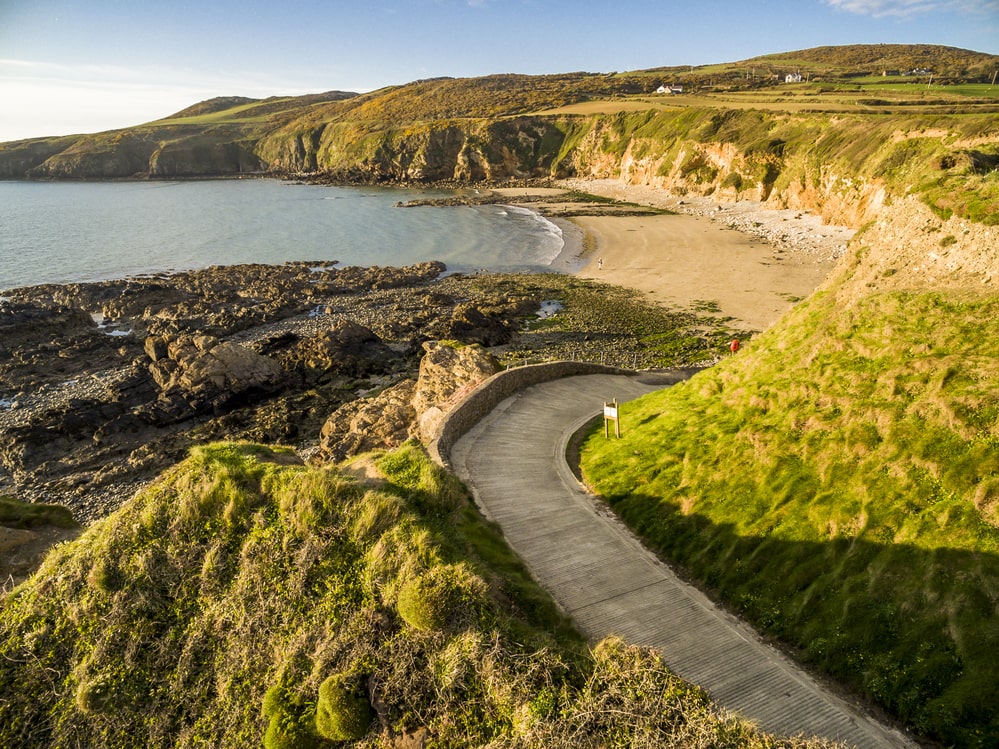
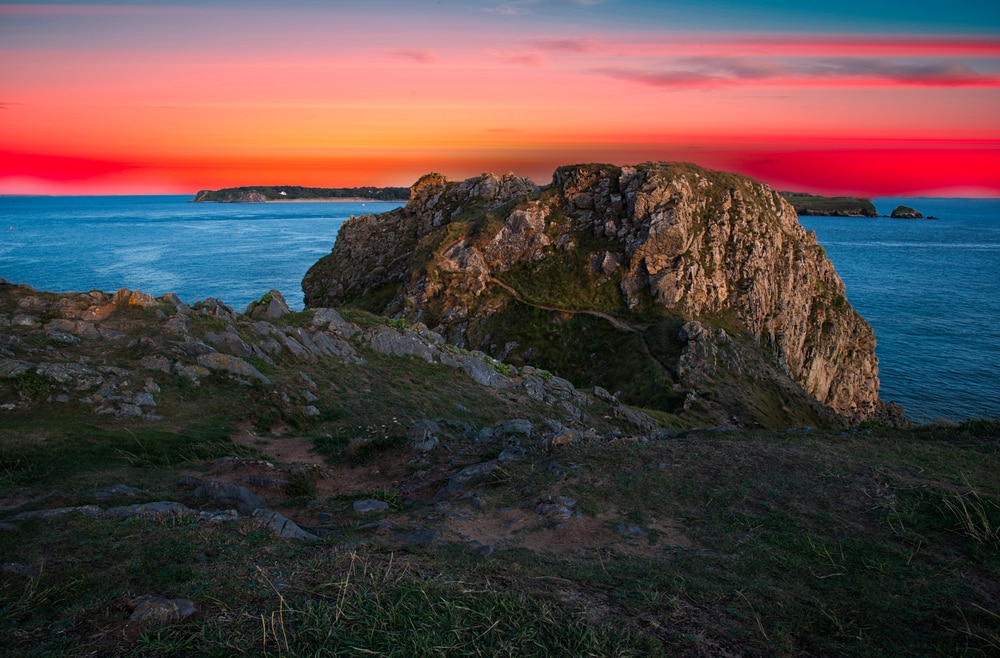
The coastline plays an equally important role. Wales has long, varied stretches of shore, with small harbours, sandy bays, and cliff-lined paths that encourage detours and short daily distances. Coastal travel here is less about dramatic drives and more about linking places by footpaths, ferries, and unhurried road journeys, often punctuated by time spent in seaside villages.
History in Wales is woven into everyday landscapes. Castles, abbeys, and market towns appear naturally along travel routes rather than standing apart as isolated sights. They are best experienced in context — as part of a day’s walk, a coastal stop, or a slow drive through rural countryside — rather than as a checklist of attractions.
Underlying it all is a strong cultural identity shaped by language, music, and local tradition. Welsh is still spoken in many parts of the country, and cultural life is closely tied to community, place, and landscape. Engaging with Wales often means listening as much as sightseeing, allowing time for conversation, local rhythms, and small, everyday moments that reveal the character of the country.
Planning your Wales trip
Wales is a compact country, but travel often takes longer than visitors expect. Mountain roads, rural lanes, and coastal routes reward slower journeys, making it important to plan with pace rather than distance in mind. Short driving days, flexible schedules, and time built in for walking or weather changes will lead to a far more satisfying experience than trying to cover too much ground.
Many travelers find that Wales works best when explored in focused areas rather than as a single, fast-moving loop. Spending several nights in one base allows you to explore on foot, follow the coastline, or move inland into valleys and uplands without constant packing and unpacking. Public transport can be useful in cities and along certain coastal corridors, but having access to a car opens up quieter landscapes and lesser-visited areas.

Seasonality also plays an important role. Spring and early autumn offer the best balance of daylight, mild weather, and fewer crowds, while summer brings longer days but busier paths and accommodation. Weather can change quickly at any time of year, particularly in mountainous regions, so flexibility and layered planning are essential.
Above all, Wales rewards travelers who leave space for the unplanned — a change in weather, a local recommendation, or a longer pause in one place. Thoughtful planning provides structure, but the most memorable moments often come from slowing down and letting the landscape and communities shape the journey.nd & Scotland — choosing where to go