
Dublin Travel Guide for First-Time Visitors
Ive lost count of how many times I’ve been to Dublin and each time I find something new to discover. Dublin is one of Europe’s most historic and culturally rich capital cities. Located on Ireland’s east coast along the River Liffey, the city blends more than a thousand years of history with lively pubs, literary heritage, elegant Georgian architecture, and a thriving modern food and arts scene. Visitors can walk medieval streets, explore Viking ruins, tour famous breweries, and experience traditional Irish music in centuries-old pubs all within a compact and walkable city center.

For many travelers, Dublin serves as both a destination and a gateway to the rest of Ireland. The city’s international airport connects Ireland to Europe and North America, while trains and buses provide access to scenic regions such as the Wicklow Mountains, the Boyne Valley, and the Irish coast. Because of its convenient location and welcoming atmosphere, Dublin is often the first stop for travelers exploring Ireland.
This complete Dublin travel guide is designed to help you plan an unforgettable visit. Inside you’ll find detailed advice about the best things to do in Dublin, historic landmarks and museums, neighbourhood guides, traditional Irish pub culture, food experiences, travel tips, suggested itineraries, and the best day trips from Dublin. If you’re travelling on a budget, check out these free things to do in Dublin.
Whether you’re visiting Dublin for the first time, planning a short city break, or beginning a longer journey across Ireland, this guide will help you experience the city’s history, culture, and atmosphere in the most rewarding way.
- Dublin Travel Guide for First-Time Visitors
- Quick Answer Guide to Visiting Dublin
- Visiting Dublin for the First Time
- Historic Sites in Dublin
- Museums in Dublin
- Dublin Neighbourhoods to Explore
- Irish Pub Culture in Dublin
- Food in Dublin
- Where to Stay in Dublin
- Getting to Dublin
- Getting Around Dublin
- Travel Costs in Dublin
- Best Time to Visit Dublin
- 3 Day Dublin Itinerary
- Day Trips from Dublin
- Dublin Travel FAQs
- Planning the Perfect Trip to Dublin
- Explore our other travel guides
Quick Answer Guide to Visiting Dublin
Dublin is the capital city of Ireland and the country’s largest urban center. It sits along the River Liffey on the east coast and has served as Ireland’s political, cultural, and economic hub for centuries.
Most travelers spend two to three days in Dublin, which is enough time to explore the city’s major attractions such as Trinity College, Dublin Castle, and the Guinness Storehouse. Because Dublin’s historic center is compact, many of the most famous landmarks are within walking distance of each other.
Dublin is famous for its literary heritage, historic pubs, live music culture, and welcoming locals. The city has produced some of the world’s most influential writers, including James Joyce, Oscar Wilde, and W.B. Yeats.
The best time to visit Dublin is typically late spring through early autumn, when temperatures are mild and the city hosts numerous festivals and cultural events.
In addition to exploring Dublin itself, visitors can easily take day trips to scenic destinations such as the Wicklow Mountains, the coastal village of Howth, or the prehistoric monuments of the Boyne Valley.
Visiting Dublin for the First Time
Dublin offers an impressive range of attractions that combine history, culture, and entertainment. Whether you’re interested in historic landmarks, museums, literary sites, or nightlife, there are countless things to do in Dublin.
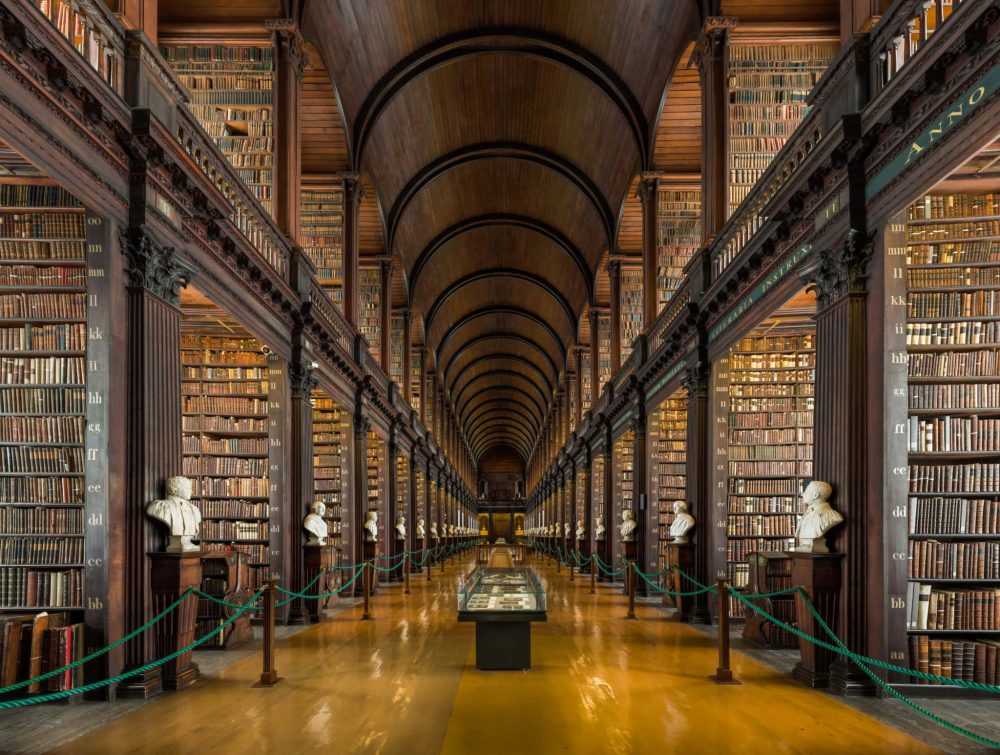
One of the most iconic attractions is Trinity College, Ireland’s oldest university. Founded in 1592, Trinity College is home to the famous Book of Kells, an illuminated manuscript created by Celtic monks in the ninth century. Visitors can tour the exhibition and explore the breathtaking Long Room Library, which houses thousands of historic books.
Another must-visit attraction is Dublin Castle, a complex that has played a central role in Irish history for more than eight centuries. Originally built on the site of a Viking settlement, the castle later served as the administrative center of British rule in Ireland. Today visitors can tour the State Apartments and learn about the political events that shaped modern Ireland.

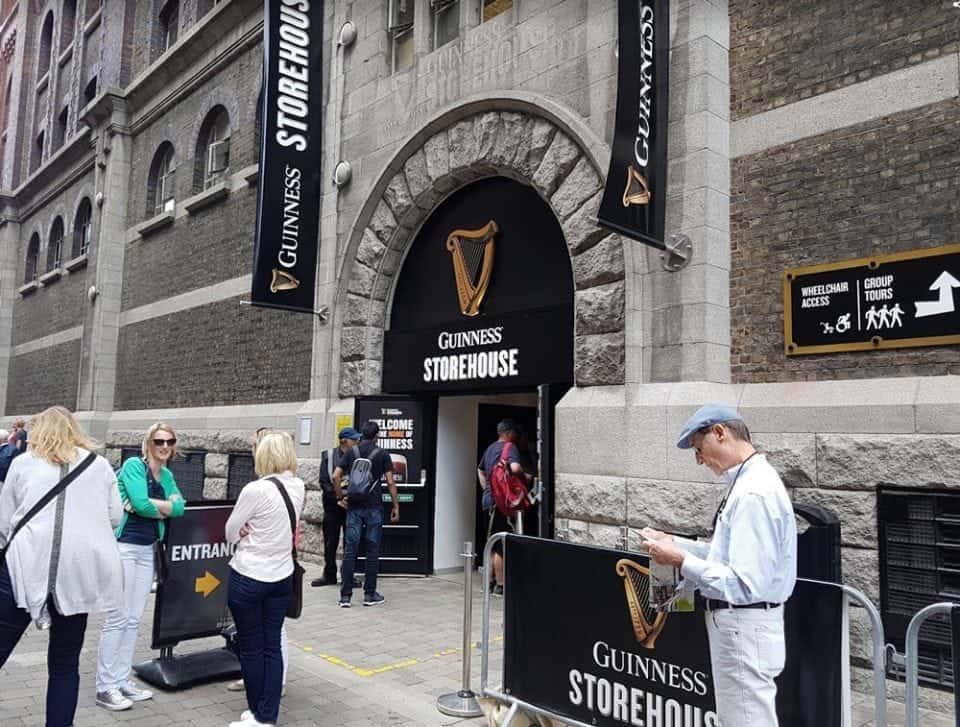
The Guinness Storehouse is also one of the most popular things to do in Dublin. This interactive museum tells the story of Ireland’s most famous beer and explains the brewing process that has made Guinness an international brand. The tour ends at the Gravity Bar, where visitors can enjoy panoramic views of the city.
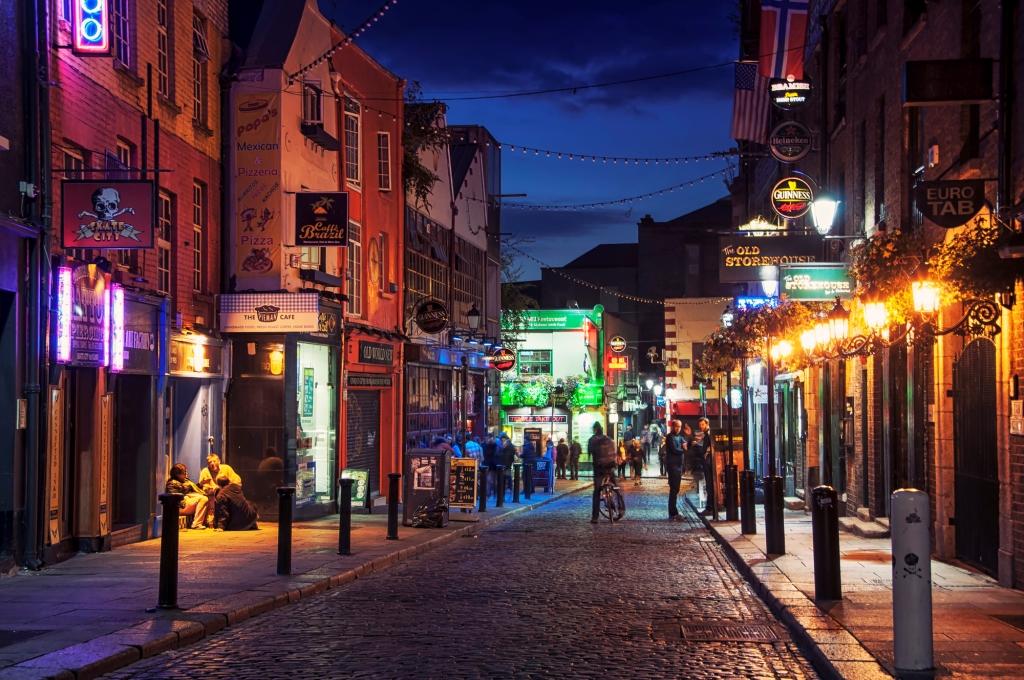
Visitors should also spend time exploring Temple Bar, Dublin’s famous cultural district known for its lively pubs, street performers, and art galleries. While the area can be busy, it remains an essential part of the city’s nightlife and music scene.
Finally, Dublin’s parks provide a relaxing contrast to the historic streets. Phoenix Park, one of the largest urban parks in Europe, offers wide green spaces, walking trails, and even herds of wild deer.

Historic Sites in Dublin
Dublin’s long history is reflected in its architecture, monuments, and historic landmarks. The city began as a Viking trading settlement before evolving into a medieval town and later a Georgian capital during the eighteenth century.
One of the most significant historic landmarks in Dublin is St Patrick’s Cathedral, the largest church in Ireland. Built in the twelfth century, the cathedral remains an important place of worship and a symbol of Dublin’s religious history. The building is closely associated with the writer Jonathan Swift, who served as its dean and is buried there.

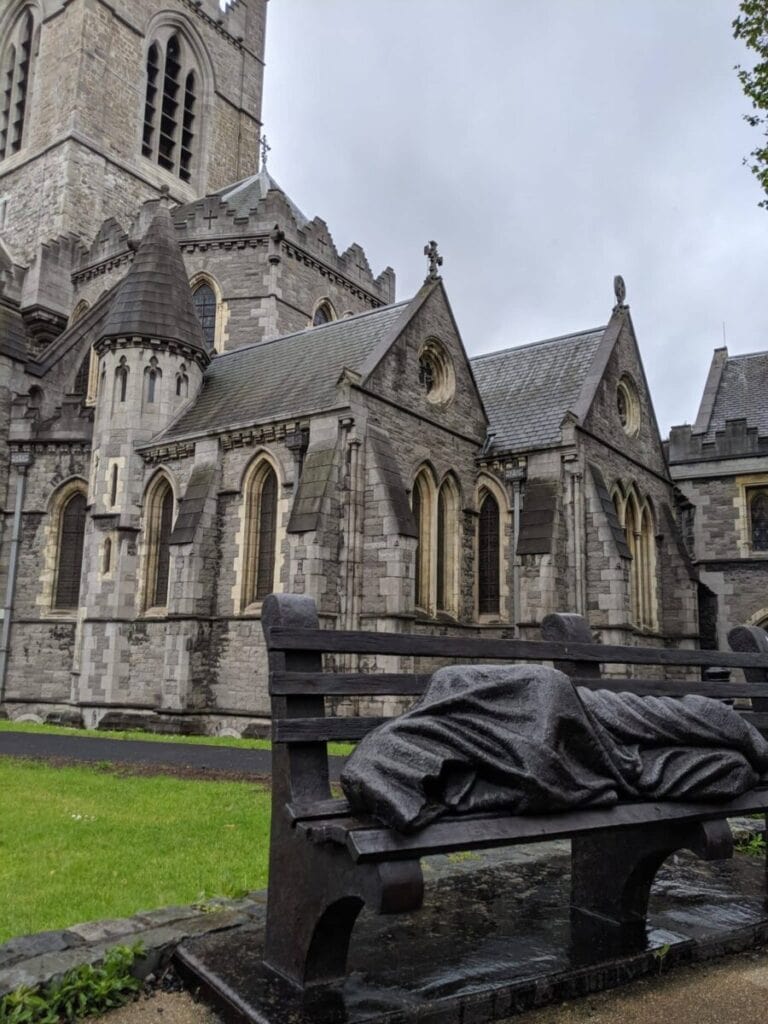
Another historic site worth visiting is Christ Church Cathedral, which dates back nearly a thousand years. The cathedral stands on the site of an earlier Viking church and features impressive medieval architecture as well as a crypt that contains historic artifacts.
Visitors interested in Ireland’s struggle for independence should explore Kilmainham Gaol, a former prison that held many leaders of the Irish nationalist movement. Guided tours provide powerful insights into the political events surrounding the 1916 Easter Rising.
The General Post Office (GPO) on O’Connell Street is another important historic landmark. The building served as the headquarters of Irish rebels during the Easter Rising and remains a symbol of Ireland’s fight for independence.

Walking through Dublin’s historic districts reveals layers of history from different eras. Georgian squares, medieval churches, and Victorian buildings combine to create a cityscape that tells the story of Ireland’s past.
Museums in Dublin
Dublin is home to several excellent museums that explore Irish history, art, culture, and global connections. These institutions help visitors understand the events and traditions that have shaped Ireland over the centuries.
National Museum of Ireland – Natural History
The Natural History Museum is one of the most popular museums in Dublin for families and is often affectionately called the “Dead Zoo.” The museum houses an extensive collection of preserved animals, skeletons, and wildlife specimens from Ireland and around the world. Displays include everything from birds and mammals to large marine animals, making it a fascinating place for children who enjoy learning about nature.
Admission to the museum is free, making it one of the most accessible attractions for families visiting Dublin.

National Museum of Ireland – Archaeology
The National Museum of Ireland’s archaeology branch offers an in-depth look at Ireland’s ancient past. The collection spans thousands of years of history and features remarkable artifacts from early Celtic civilizations, Viking settlements, and the medieval period.
Visitors can see beautifully crafted objects such as intricate Celtic jewelry, ancient gold ornaments, and historic weapons used by Viking warriors. One of the most famous exhibits includes the Tara Brooch, a masterpiece of early Irish metalwork. Another notable display features preserved bog bodies, which provide insight into ancient rituals and life in prehistoric Ireland.
Entry to the museum is completely free, making it an excellent stop for visitors interested in history without adding extra cost to their trip.
National Museum of Ireland – Decorative Arts and History
The Decorative Arts and History museum is located at Collins Barracks, a historic military complex not far from Dublin’s city centre. The museum occupies a large eighteenth-century barracks building and contains a wide variety of exhibits covering Irish craftsmanship, culture, and military history.
Inside the galleries visitors can see historical weapons, decorative furniture, clothing, silverware, and objects that illustrate how people in Ireland lived and worked in previous centuries. There are also exhibitions exploring Ireland’s role in military history and the development of Irish design.
As part of the National Museum of Ireland, admission to this museum is also free.
Chester Beatty Library
Located within the grounds of Dublin Castle, the Chester Beatty Library is one of the city’s most impressive cultural institutions and is frequently considered one of Dublin’s hidden gems. The museum houses an extraordinary collection of manuscripts, rare books, artworks, and historical objects from many different parts of the world.
Visitors can explore exhibits featuring ancient texts, beautifully illustrated manuscripts, and artifacts from regions including Asia, the Middle East, and Europe. The displays highlight how different cultures recorded knowledge, art, and religious traditions throughout history.
Admission to the Chester Beatty Library is free, making it a worthwhile stop for visitors exploring Dublin Castle and the surrounding area.

National Gallery of Ireland
The National Gallery of Ireland is one of Dublin’s most important art museums and offers free entry to its main collections. The gallery features an extensive selection of Irish and European paintings spanning several centuries.
Visitors can see works by internationally recognized artists as well as pieces created by notable Irish painters. The galleries include portraits, landscapes, and historical scenes that reflect the artistic traditions of different eras.
Although art museums may not immediately seem like an ideal attraction for children, the National Gallery makes a strong effort to welcome families. The museum regularly provides family tours, creative workshops, and activity materials designed to help younger visitors engage with the artwork.
Other Kid-Friendly Museums in Dublin
While many of Dublin’s museums offer free entry, several additional museums charge admission but are especially popular with families.
Dublinia is an interactive museum that focuses on Dublin’s Viking and medieval past. Children can learn about life in a Viking settlement, see recreations of medieval streets, and even try on historical costumes.

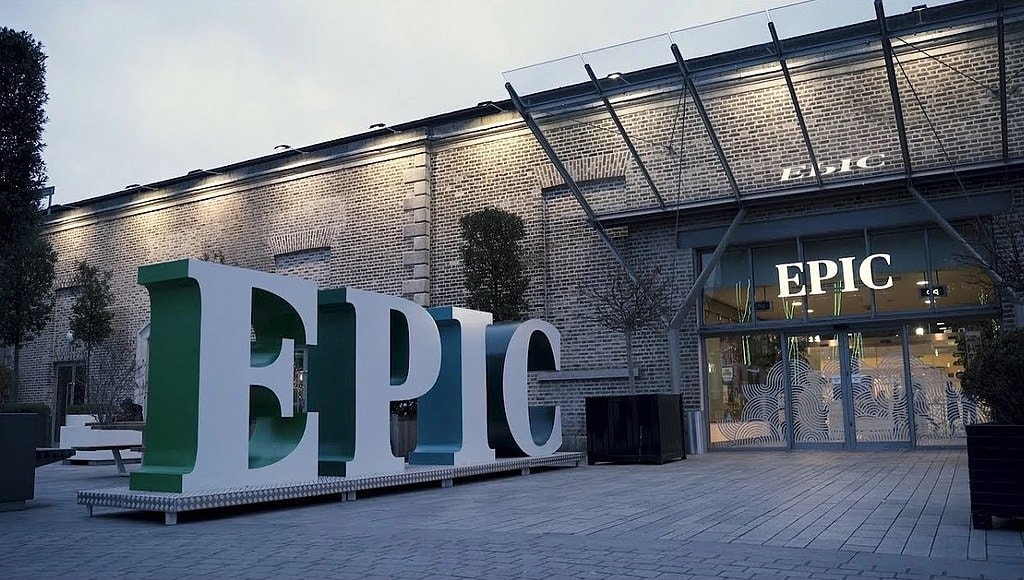
The EPIC Irish Emigration Museum uses digital and interactive exhibits to tell the story of Irish people who emigrated around the world. The displays combine technology with storytelling to create an engaging experience for visitors of all ages.
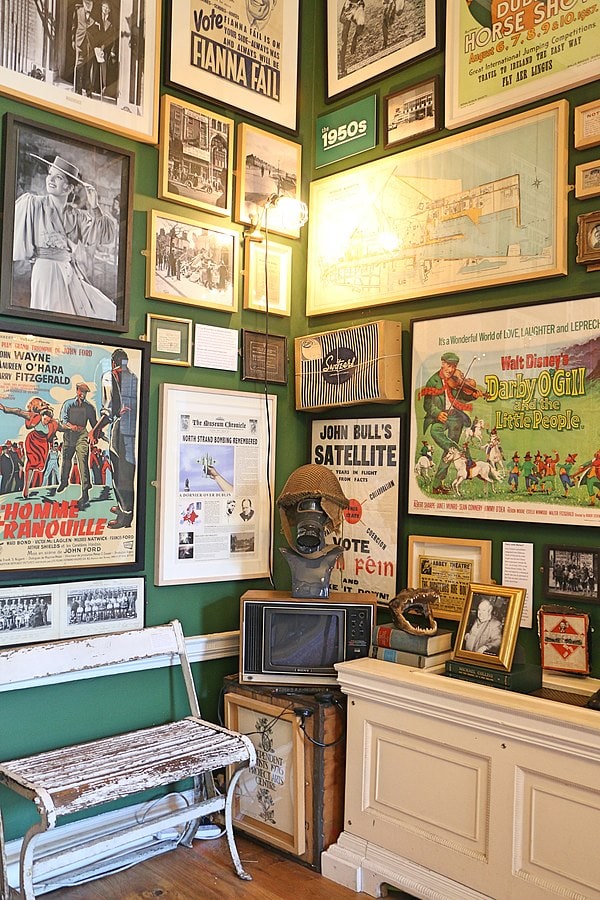
The Little Museum of Dublin is a smaller museum that provides a fascinating look at the city’s modern history. Its guided tours often include entertaining stories about Dublin’s culture, music, and everyday life.
Together, these museums provide families with a wide range of options for exploring Dublin’s history, culture, and global connections.
Dublin Neighbourhoods to Explore
Beyond the main tourist attractions, Dublin’s neighbourhoods reveal the everyday character of the city. Each district offers a distinct atmosphere shaped by history, architecture, and local culture.
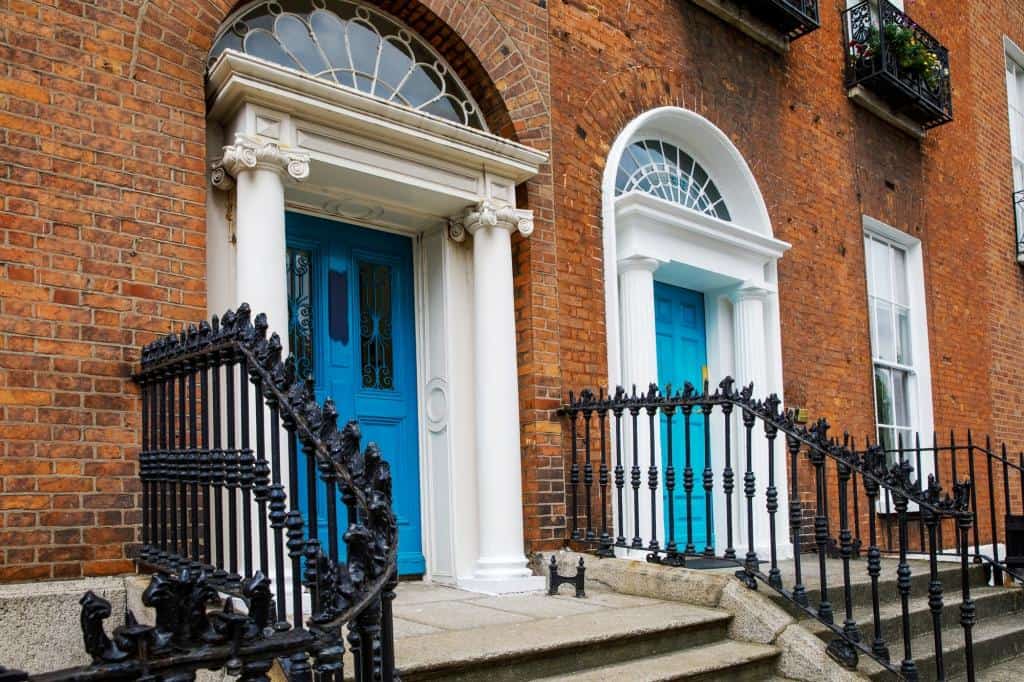
Georgian Dublin is known for its elegant streets and colourful doors. Areas around Merrion Square and Fitzwilliam Square showcase beautifully preserved eighteenth-century townhouses and quiet parks. These neighborhoods provide a glimpse into the city’s past when Dublin was one of Europe’s most refined capitals.

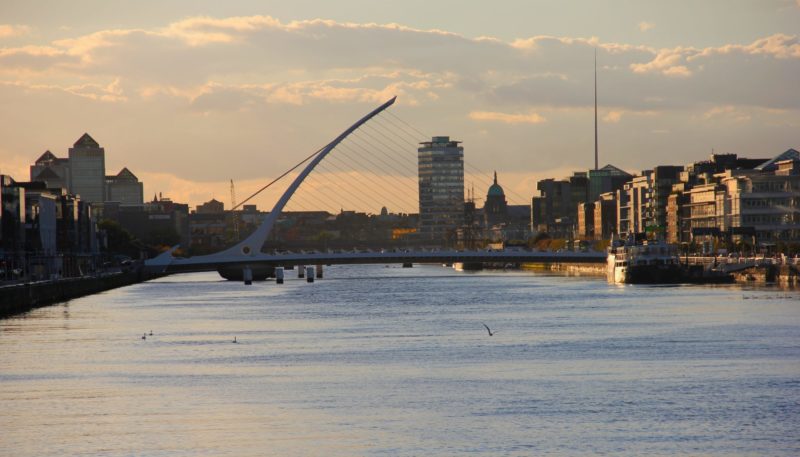
The Docklands represent Dublin’s modern transformation. Once an industrial port, the area has been redeveloped into a contemporary district filled with offices, technology companies, restaurants, and waterfront promenades. The Docklands highlight Dublin’s role as a growing technology hub in Europe.
Smithfield and Stoneybatter are two neighbourhoods that have become popular with locals and visitors seeking a more authentic experience. Smithfield Square hosts cultural venues and historic distilleries, while Stoneybatter has developed a reputation as one of Dublin’s most exciting food neighbourhoods.
Exploring these areas allows travelers to see a different side of Dublin beyond the main tourist landmarks. Cafés, local markets, and independent shops create an atmosphere that reflects everyday life in the city.
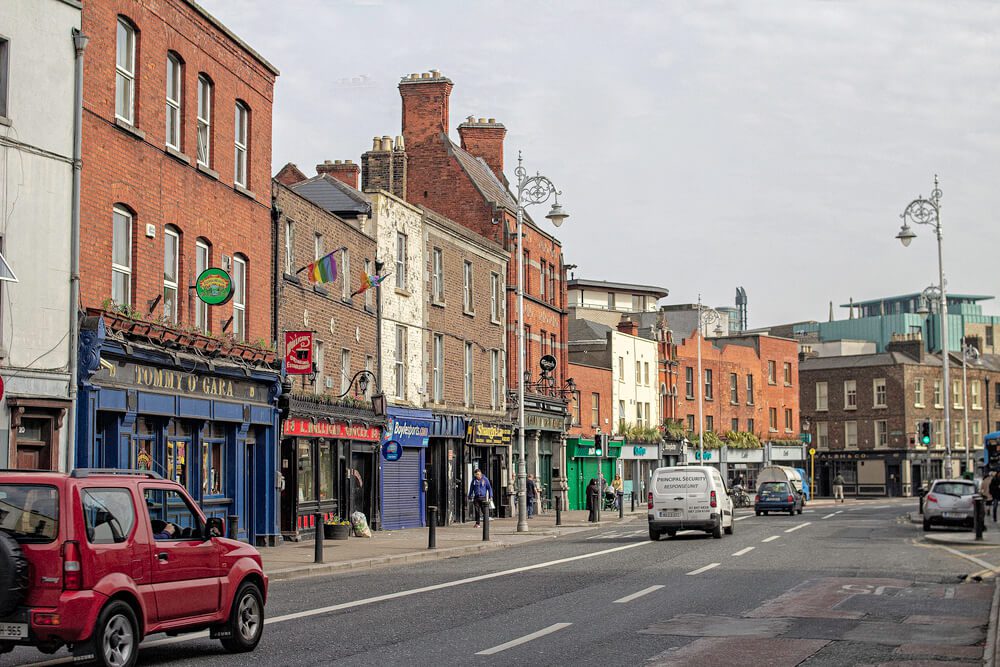
Irish Pub Culture in Dublin
Irish pub culture is one of the defining elements of Dublin life. Pubs have long served as social gathering places where people meet friends, share stories, and enjoy music.
Many of Dublin’s historic pubs have been operating for centuries. These establishments often feature traditional interiors with wooden bars, stained glass windows, and cosy fireplaces. Visiting them offers a glimpse into the city’s social traditions.
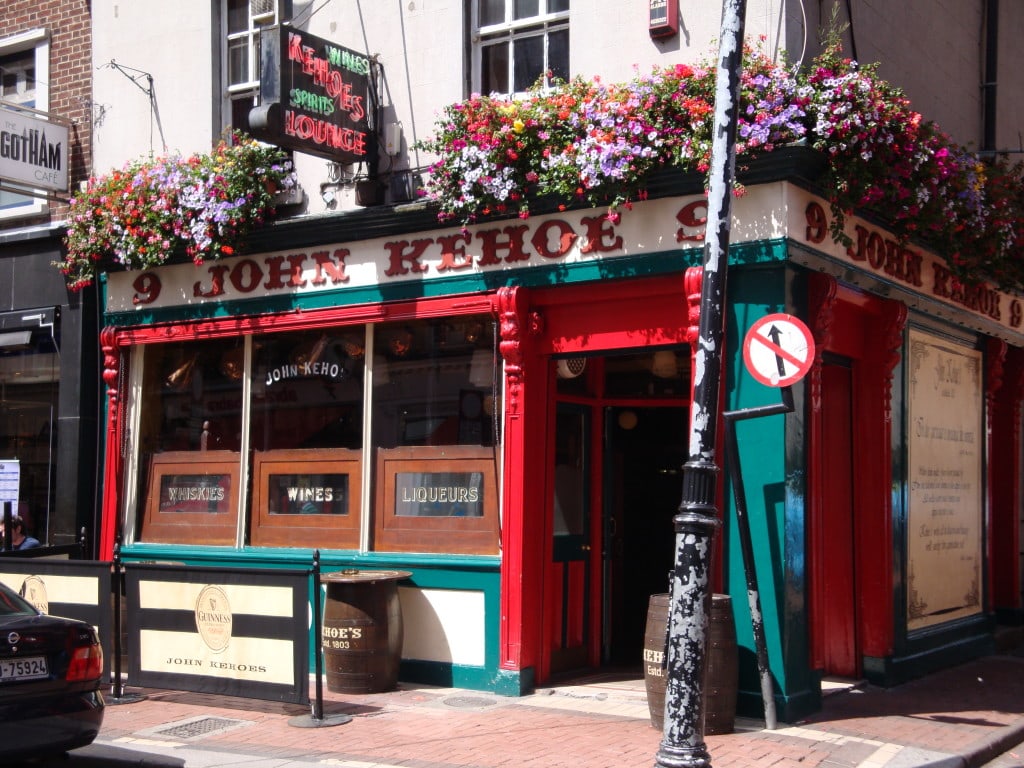
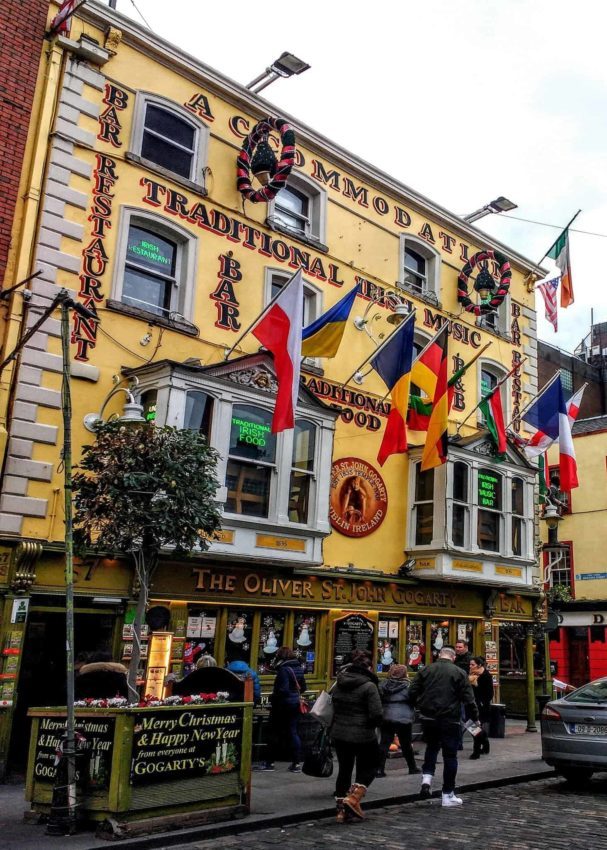

Live music sessions are a common feature of Dublin pubs. Musicians gather in the evenings to play traditional Irish instruments such as fiddles, flutes, and bodhráns. These informal performances create a lively atmosphere and allow visitors to experience Irish culture in an authentic setting.
Pubs also play an important role in Dublin’s literary history. Writers such as James Joyce and Brendan Behan frequently spent time in the city’s pubs, drawing inspiration from conversations and local characters.
While some pubs cater primarily to tourists, many still serve as neighborhood meeting places where locals gather after work or on weekends. Visitors who explore beyond the busiest districts often find welcoming pubs where conversations flow easily and music fills the room.

Food in Dublin
Dublin’s food scene has evolved dramatically in recent years. While the city is still known for traditional Irish dishes, it has also become a destination for innovative cuisine and international flavors.
Classic Irish food remains an important part of the dining experience. Dishes such as Irish stew, seafood chowder, boxty and soda bread reflect the country’s agricultural traditions and reliance on fresh local ingredients.
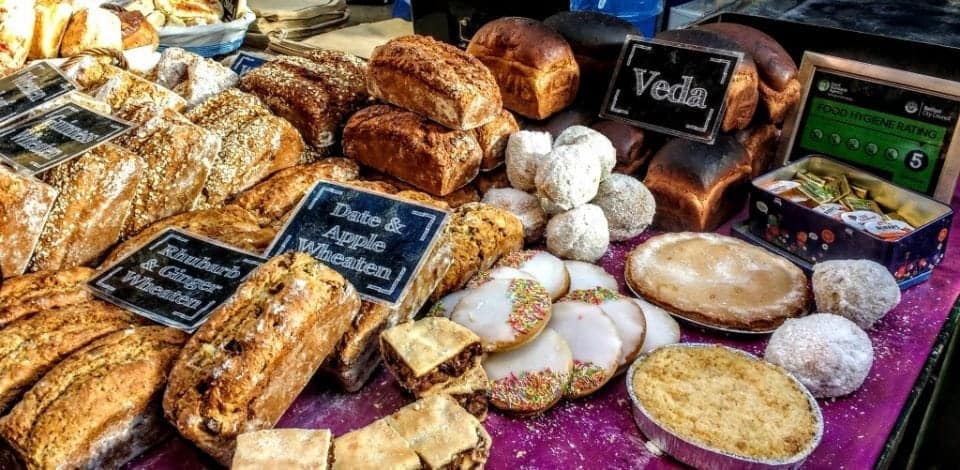


Seafood is particularly popular in Dublin thanks to the city’s coastal location. Restaurants frequently serve fresh fish, oysters, and mussels sourced from Irish waters.
In addition to traditional cuisine, Dublin has developed a thriving restaurant culture that includes modern Irish cooking, global street food, and fine dining. Food markets and casual cafés have also become popular among locals and visitors.
Neighbourhoods like Stoneybatter and the Docklands are known for their diverse restaurant scenes, where chefs experiment with creative dishes while highlighting Irish produce.
For travelers interested in culinary experiences, Dublin offers everything from cozy pubs serving hearty comfort food to innovative restaurants pushing the boundaries of modern Irish cuisine.
Where to Stay in Dublin
Choosing the right area to stay in Dublin can greatly influence your travel experience. Fortunately, the city offers a range of accommodation options suited to different travel styles and budgets.
The city center near Trinity College and Temple Bar is the most convenient location for first-time visitors. Staying in this area places many of Dublin’s main attractions within walking distance, including historic landmarks, museums, and nightlife districts.
Personal Advice: Avoid staying in Temple Bar as it can get very expensive not to mention noisy. For less expensive accommodation if you arrive in the summer months check out Trinity College’s rooms for rent.
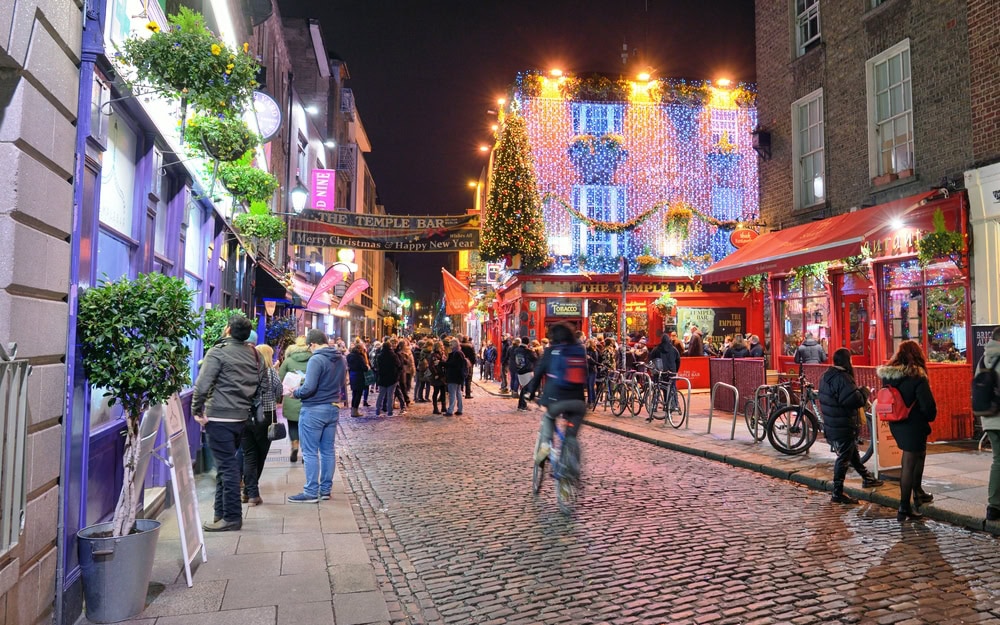
The Docklands area offers a more modern atmosphere with contemporary hotels and waterfront views. This district is particularly convenient for business travelers or visitors who prefer quieter surroundings.
Neighbourhoods such as Smithfield and Stoneybatter provide a more local feel while still being close to the city centre. These areas have become popular with travelers looking for boutique hotels, independent restaurants, and a relaxed atmosphere.
Accommodation options in Dublin range from luxury hotels and boutique guesthouses to budget hostels and apartment rentals. Booking in advance is recommended, especially during peak travel seasons. I always check Booking.com because I don’t like Air BnB and find that I can get an apartment or house on booking if that is what I want – it generally works out cheaper than paying the outrageous BnB cleaning prices.
Getting to Dublin
Dublin is the primary international gateway to Ireland and is well connected to major cities across Europe and North America.
Most travelers arrive at Dublin Airport, located approximately ten kilometers north of the city center. The airport handles millions of passengers each year and offers flights from destinations around the world.
Before you pack, check the carry-on baggage rules for your airline.
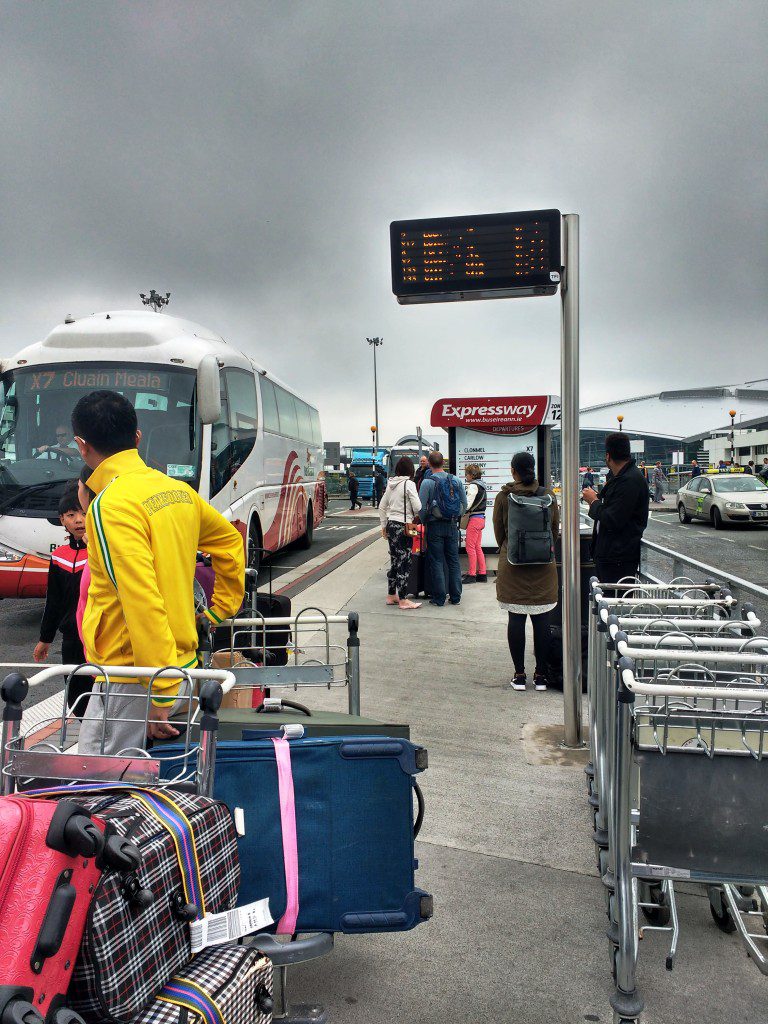
From the airport, visitors can reach the city center by bus, taxi, or airport shuttle services. Several express buses operate frequent routes between the airport and central Dublin.
Travelers arriving from other parts of Ireland can use the country’s rail network, which connects Dublin with cities such as Cork, Galway, and Belfast. Long-distance bus services also provide affordable transportation between major towns.
For those traveling from the United Kingdom, ferry services connect Ireland with ports in Wales and Scotland, allowing visitors to combine sea travel with train or road journeys.
Getting Around Dublin
Getting around Dublin is also relatively straightforward for visitors. Transport options such as the Dublin Express provide convenient connections between Dublin Airport and the city centre, while the Leap Card offers an easy and cost-effective way to use buses, trams, and trains throughout the city. Combined with Dublin’s compact layout and walkable streets, these transport options make it simple to explore both the main attractions and the surrounding neighbourhoods.

Dublin is widely regarded as one of the most walkable capital cities in Europe. The historic city center is compact, making it easy for visitors to explore many attractions on foot.
Public transportation options include buses, the Luas tram system, and the DART commuter train. These networks connect the city center with suburban neighbourhoods and coastal towns.
Buses are the most extensive form of transportation in Dublin and cover nearly every part of the city. The Luas tram operates two main lines that connect key districts and shopping areas.

The DART rail line runs along the coast and provides convenient access to seaside destinations such as Howth and Dun Laoghaire.
Taxis and rideshare services are widely available, and many visitors also choose to rent bicycles for exploring the city’s parks and riverside paths.
Travel Costs in Dublin
Dublin is often considered one of the more expensive cities in Europe, particularly when it comes to accommodation and dining. However, careful planning can help travelers manage their budgets.
Hotel prices vary depending on location and season. Central hotels tend to be more expensive, while accommodations in outer neighbourhoods may offer better value.
Dining costs also vary widely. Casual cafés and pubs provide affordable meals, while upscale restaurants offer fine dining experiences with higher price tags.
Fortunately, many attractions in Dublin are free or inexpensive. Parks, historic streets, and several museums offer free entry, allowing visitors to explore the city without spending heavily.
Travelers who plan ahead and balance paid attractions with free experiences can enjoy Dublin without exceeding their budget.


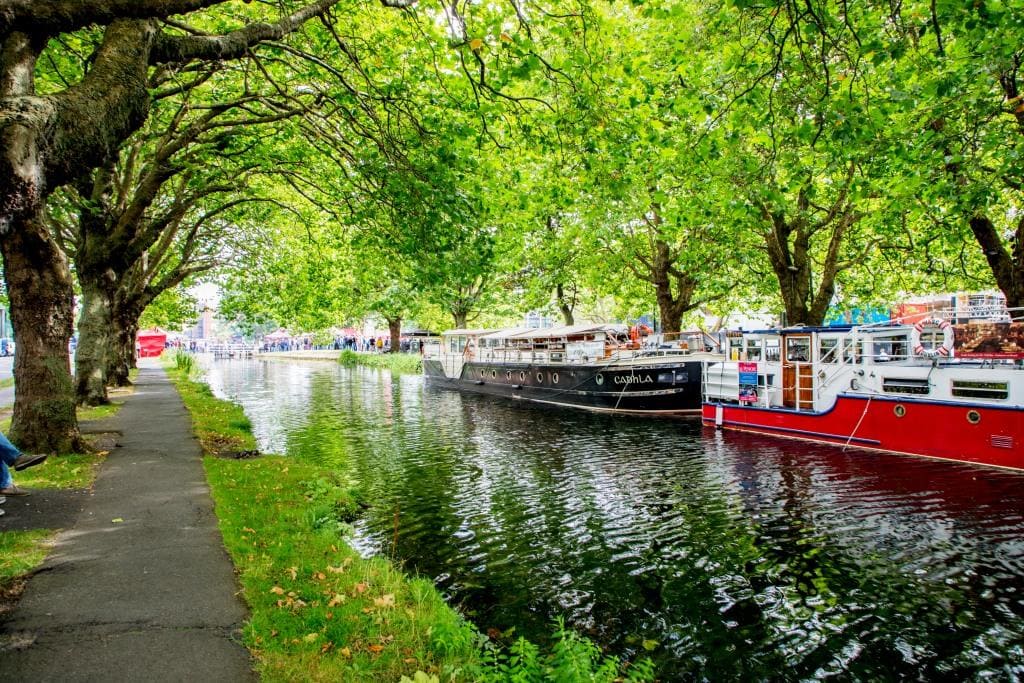
Best Time to Visit Dublin
The best time to visit Dublin depends on your travel preferences and what you hope to experience.
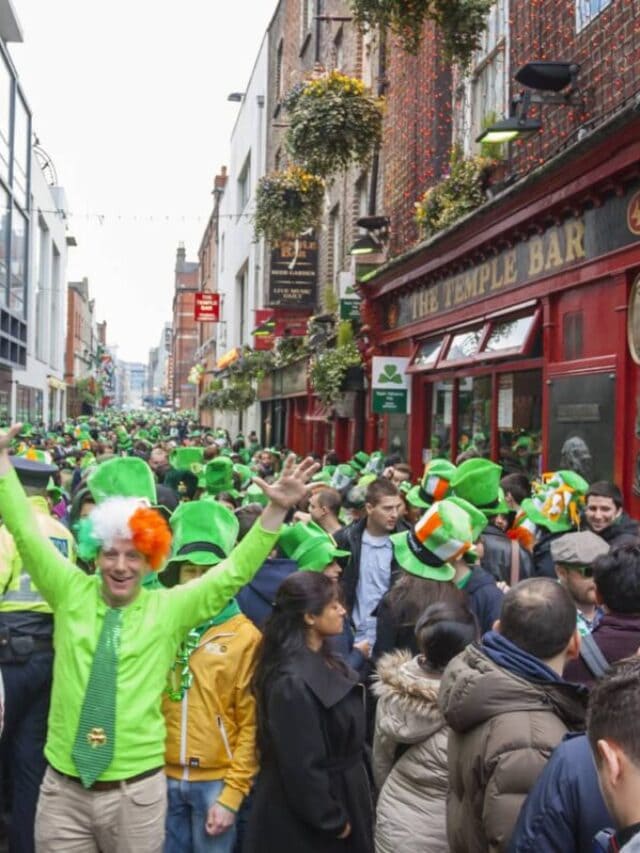
Late spring and early summer are popular times because the weather is mild and daylight hours are long. Festivals and cultural events also take place during these months. Unless you love being crowded and surrounded by partiers don’t head to Dublin for St. Patrick’s Day it can be an absolute zoo and prices go up exponentially.
Summer is the busiest tourist season in Dublin. While the city is lively during this time, popular attractions may be crowded.
Autumn offers cooler temperatures and fewer crowds, making it an appealing time for travelers who prefer a quieter atmosphere.
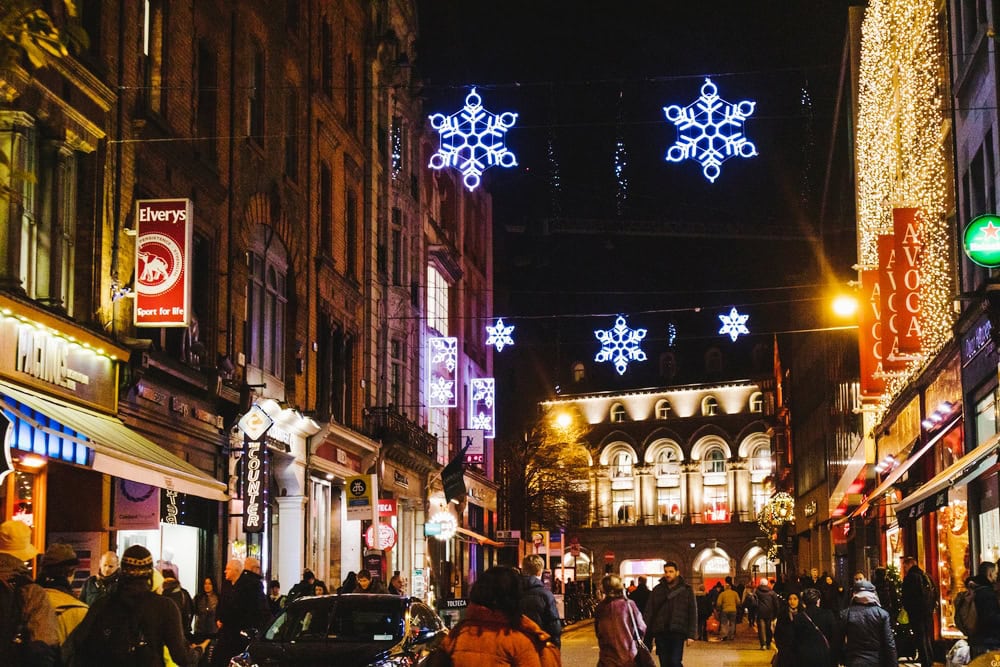
Winter in Dublin is generally mild compared with many European cities. Although the weather can be rainy, Christmas celebrations and decorations and festive markets create a charming seasonal atmosphere.

3 Day Dublin Itinerary
A three-day itinerary provides enough time to explore the city’s major attractions while also experiencing its neighbourhoods and cultural scene.
On the first day begin with Trinity College and the Book of Kells before walking toward Dublin Castle and St Patrick’s Cathedral. Spend the evening exploring Temple Bar and enjoying traditional Irish music in a pub.

The second day can focus on museums and historic sites. Visit the National Museum of Ireland and Kilmainham Gaol before touring the Guinness Storehouse in the afternoon.
On the third day explore Phoenix Park and nearby neighbourhoods such as Smithfield and Stoneybatter. Finish the day with a scenic walk along the River Liffey and dinner at a local restaurant.
Day Trips from Dublin
Dublin’s location makes it an excellent base for exploring the surrounding countryside and coastal landscapes.
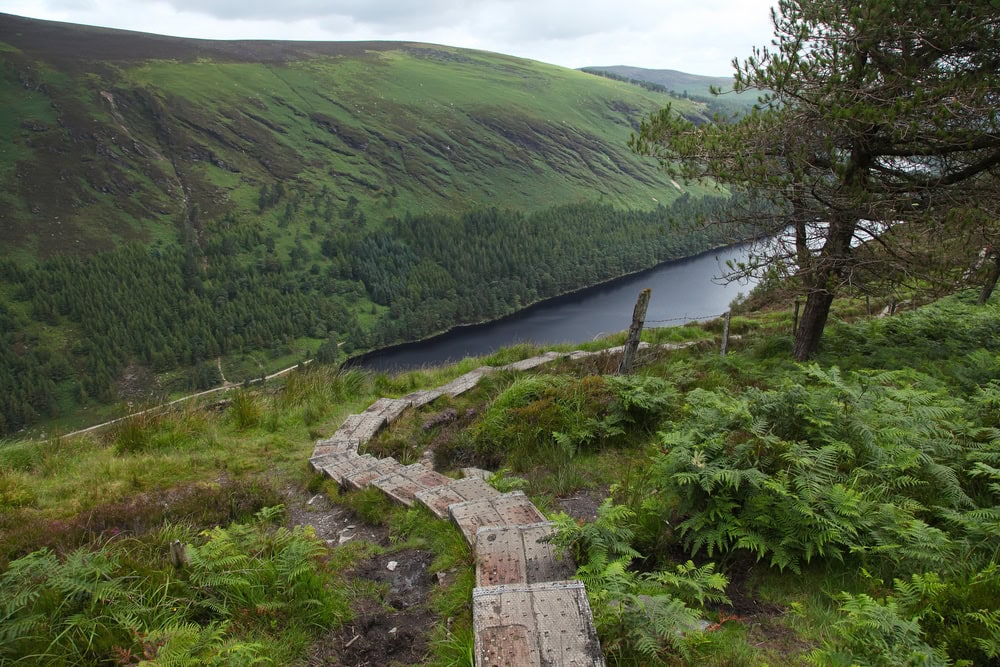
The Wicklow Mountains National Park offers scenic drives, hiking trails, and historic sites such as the monastic ruins of Glendalough.
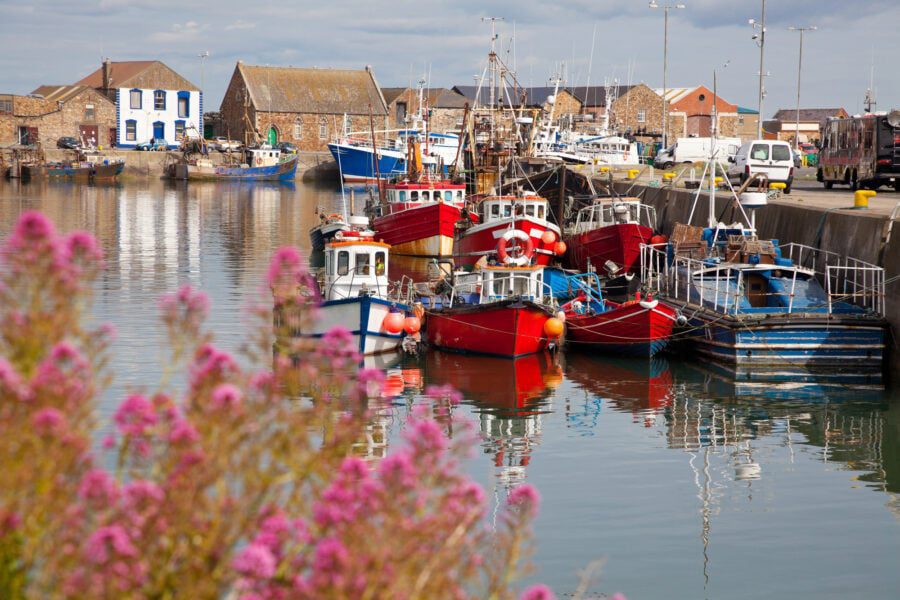
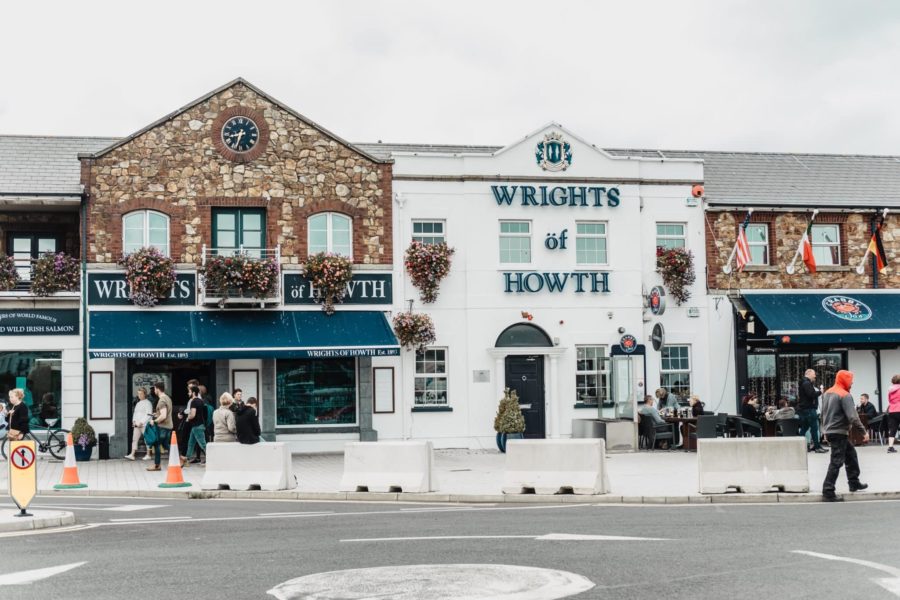
The coastal village of Howth is another popular destination. Visitors can enjoy cliff walks, harbor views, and fresh seafood restaurants.

The Boyne Valley is home to prehistoric monuments including the famous passage tomb of Newgrange, which is older than both Stonehenge and the Egyptian pyramids.
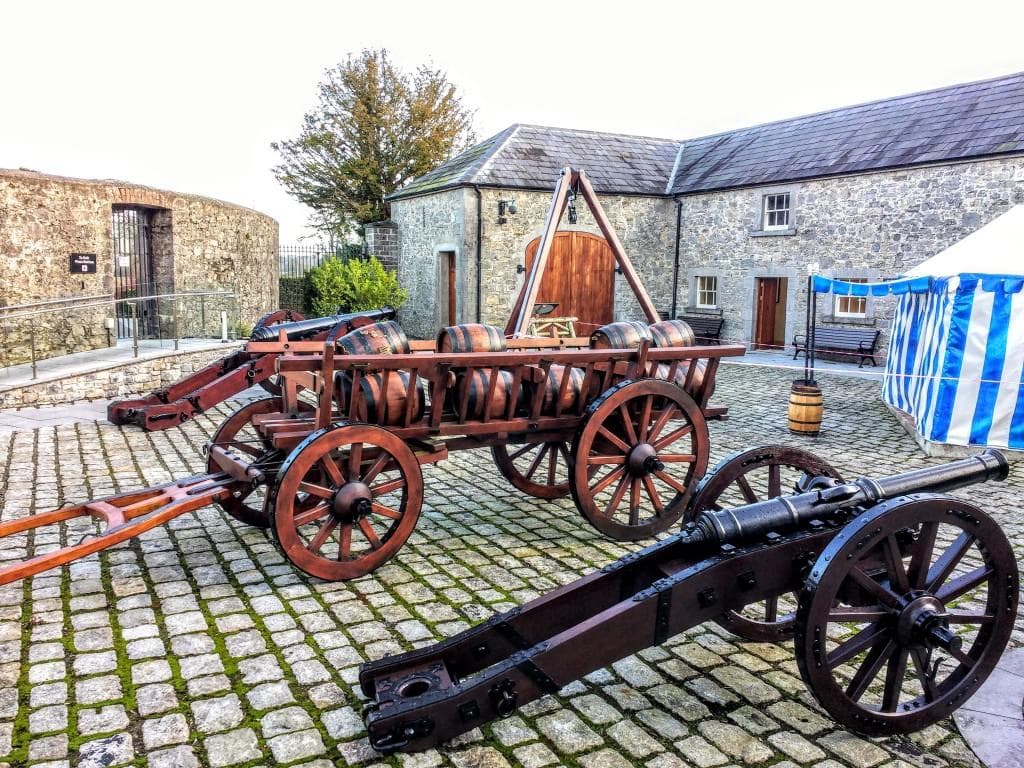
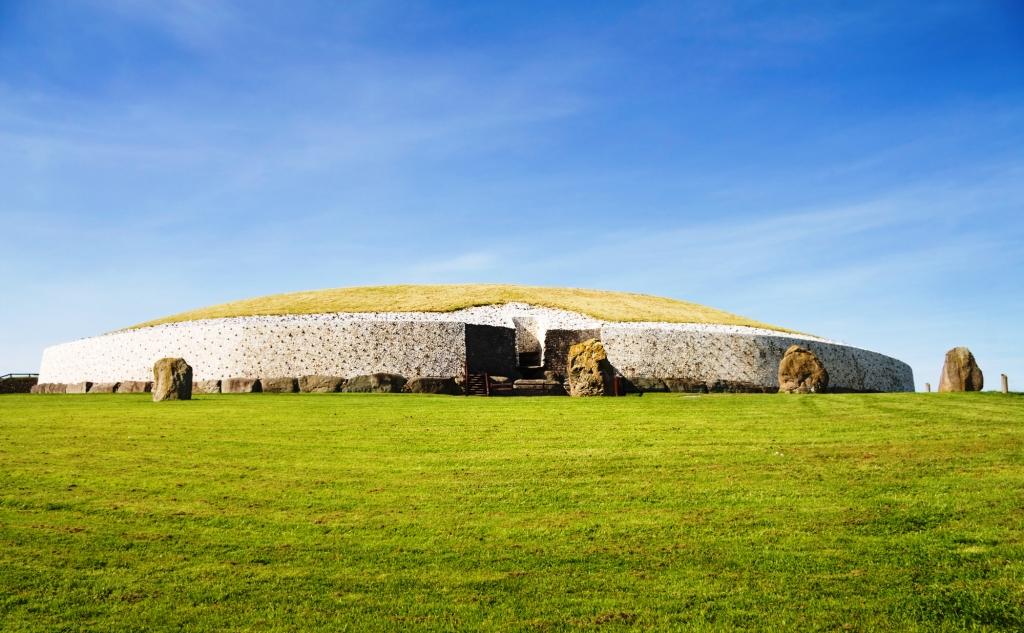
These destinations provide memorable experiences beyond the city and showcase Ireland’s natural beauty and ancient history.
Dublin Travel FAQs
How many days do you need in Dublin?
Most visitors spend two to three days exploring Dublin’s main attractions.
Is Dublin expensive for tourists?
Dublin can be relatively expensive compared with other European cities, but budget options exist.
Is Dublin safe for visitors?
Dublin is generally considered safe, though travelers should take normal precautions.
What is Dublin famous for?
The city is known for its literary heritage, historic pubs, and landmarks such as Trinity College.
Is Dublin walkable?
Yes, the city center is compact and easily explored on foot.
Do people speak English in Dublin?
Yes, English is the primary language spoken in Dublin.
What currency is used in Dublin?
Ireland uses the Euro.

Can you visit Dublin without a car?
Yes, most visitors rely on walking and public transportation.
What are the best day trips from Dublin?
Popular options include the Wicklow Mountains, Howth, and the Boyne Valley.
What food should you try in Dublin?
Traditional dishes include Irish stew, seafood chowder, and soda bread.
Is Temple Bar worth visiting?
Yes, particularly for its nightlife and live music scene.

What is the best time to visit Dublin?
Late spring through early autumn offers the best weather.
Planning the Perfect Trip to Dublin
Dublin is a city where history, culture, and everyday life come together in a way that few European capitals can match. From exploring historic landmarks and world-class museums to enjoying traditional Irish music in centuries-old pubs, visitors quickly discover why the city remains one of Ireland’s most popular travel destinations. Iconic streets such as O’Connell Street, with its historic monuments and connection to Ireland’s independence movement, and Grafton Street, famous for its shops and street performers, capture the energy and character of the city center.

Whether you spend your time discovering historic sites, wandering through lively streets, sampling traditional Irish food, or taking day trips into the countryside, Dublin offers a travel experience that feels both historic and vibrant. With its welcoming atmosphere, rich cultural heritage, and excellent transport connections, the city continues to be the perfect starting point for exploring Ireland.
Start Planning Your Trip
👉 Public Transportation in Ireland
👉 Hidden Gems in Ireland – 32 Secret places to visit
👉 Answering all your travel questions about Ireland
👉What to pack for your Ireland trip
👉 Northern Ireland Public Transportation
Explore our other travel guides
➡️ Browse Ireland’s Wild Atlantic Way guides
➡️ Browse Ireland’s Ancient East guides
➡️ Browse the Guide to Ireland’s Hidden Heartlands
➡️ Browse the Guide to Donegal
➡️ Browse the Guide to Northern Ireland
➡️ Browse the Guide to Ireland Itineraries
Road trips, slower-paced journeys, family-friendly routes, and culture-led itineraries that reflect different ways of experiencing Ireland. Here are a few itinerary articles for you.
➡️ The Perfect Ireland Road Trip
➡️ 5 Historical Places to visit near Dublin