
Most Haunted Places in Ireland: History, Legends, and How to Visit
Ireland’s haunted places are woven deeply into its history. Long before “dark tourism” became fashionable, Irish castles, gaols, abbeys, and ancient burial sites were already associated with stories of tragedy, rebellion, betrayal, and loss. These stories survived because Ireland has one of the strongest oral storytelling traditions in Europe, where folklore, mythology, and recorded history often overlap.
I’ve personally visited many of the sites below over the past decade walking the echoing corridors of Kilmainham Gaol on a winter afternoon, tracing the spiral-carved stones at Newgrange before sunrise, and standing on the ramparts of Charles Fort with the Atlantic wind in my face. I’m fascinated by the tales from folklore that of butter witches, ancient wrongs and haunting and what gave rise to the stories.
This guide covers some of the most haunted places in Irelan and Northern Ireland, ranging from medieval castles and former prisons to prehistoric tombs and remote coastal landscapes. Irish haunted sites are worth visiting for their history alone. The ghost stories simply add another layer to places already shaped by real human drama.
- Most Haunted Places in Ireland: History, Legends, and How to Visit
- Haunted Places in Ireland FAQs
- Haunted Places in Ireland
- Kilmainham Gaol (Dublin City)
- The Brazen Head (Dublin City)
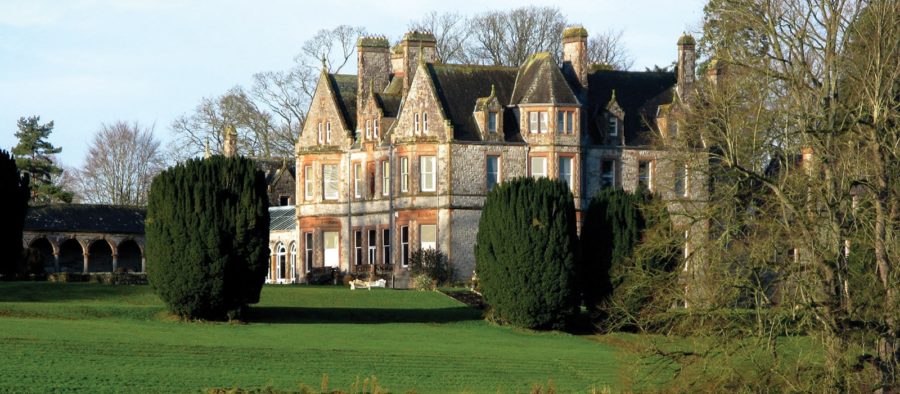
- Coolbawn House (County Wexford)
- The Shelbourne Hotel (Dublin)
- Charles Fort (County Cork)
- Leamaneh Castle (County Clare)
- Leap Castle (County Offaly)
- Loftus Hall (County Wexford)
- The Hell Fire Club (Dublin Mountains)
- Charleville Castle (County Offaly)
- Ballyheigue Castle (County Kerry)
- Ross Castle (County Meath)
- Old Abbey of Kilmacduagh (County Galway)
- Clonony Castle (County Offaly)
- Cork City Gaol (County Cork)
- Murder Hole Beach (County Donegal)
- Haunted Northern Ireland
- Haunted Ireland Guided Tours & Practical Planning
- Explore More Irish Culture and Folklore
- Exploring the fascinating regions of Ireland
If you’re planning a trip, always check the official pages linked. Many OPW-managed sites operate seasonal hours and require advance booking.
Haunted Places in Ireland FAQs
Why are there so many haunted places in Ireland?
Ireland’s abundance of haunted locations reflects its long and turbulent history. Many castles, prisons, and houses were sites of executions, imprisonments, famine, rebellion, and betrayal. Over time, these documented events merged with folklore passed down through generations.
Irish culture has traditionally embraced the supernatural and recognized thin places, ley lines and the fairy folk. Ghost stories were often used to explain tragedy, warn against wrongdoing, or preserve memory. This openness to myth helps explain why so many locations are associated with spirits today.
What are some of the most famous haunted castles in Ireland?
Some of the most well-known haunted castles include Leap Castle in Offaly, Malahide Castle in Dublin, and Ballygally Castle in Antrim. Each is associated with violent conflict, sudden death, or betrayal, and all have strong folklore traditions tied to their histories.
What can visitors expect on a guided haunted tour?
Guided tours typically focus on documented history first, with ghost stories presented as folklore and visitor tradition. Sites such as Kilmainham Gaol and the Hellfire Club are interpreted by trained guides who explain the real historical events that gave rise to the legends.
Why is Leap Castle considered one of the most haunted places in Ireland?
Leap Castle’s reputation stems from its violent medieval history, including internal clan conflict and the discovery of human remains in its oubliette. Stories of the Bloody Chapel and a dark “Elemental” spirit are part of Ireland’s oral tradition. These tales are not officially verified by the OPW or academic institutions.
Haunted Places in Ireland
Kilmainham Gaol (Dublin City)
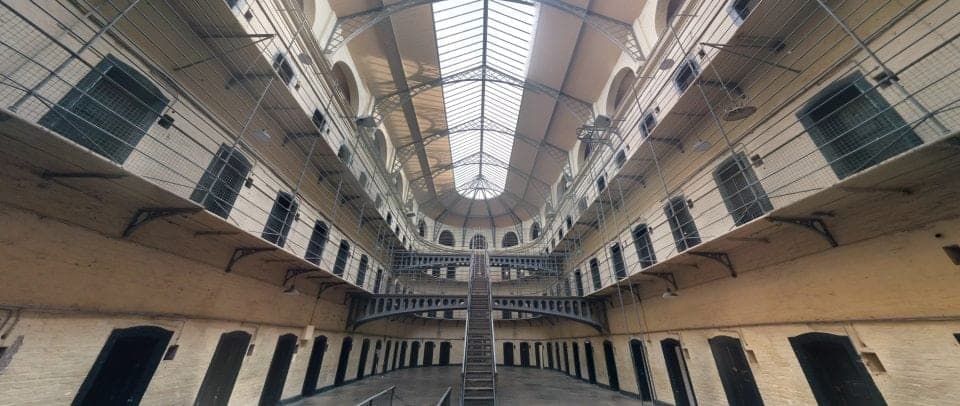
Ireland’s most famous prison is also one of its most emotionally powerful historic sites. Kilmainham Gaol operated as a prison from 1796 until 1924. It held prisoners from the 1798 Rebellion, Robert Emmet’s failed 1803 uprising, and the 1916 Easter Rising. Several leaders of the Rising were executed by firing squad in the Stonebreakers’ Yard, making the gaol central to the story of modern Irish independence.
Folklore and Visitor Accounts
Visitors frequently report cold spots, unexplained noises, whispers, and the feeling of being watched, particularly in the execution yard and along the cell corridors. These experiences are anecdotal and form part of visitor lore rather than documented evidence.
Visiting Information; Advance booking is essential. Tours often sell out weeks ahead. Expect stairs, narrow landings, and long periods of standing
Personal note: On my most recent visit, the Stonebreakers’ Yard felt unusually still. The guide’s focus on the executions grounds the gaol’s haunted reputation firmly in real, documented history.
The Brazen Head (Dublin City)
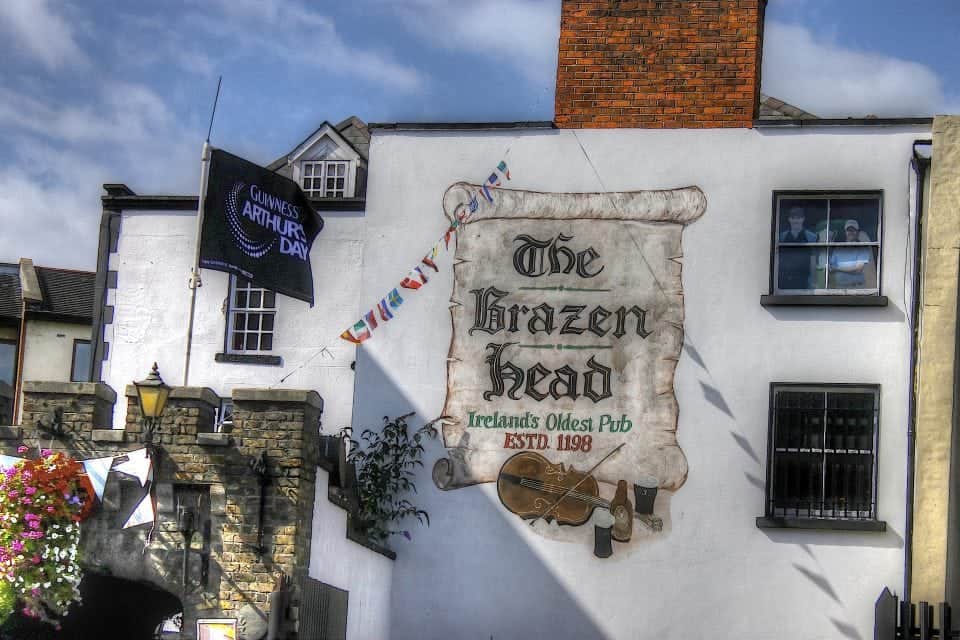
Dating back to 1198, The Brazen Head is widely regarded as one of Dublin’s oldest pubs.The pub has witnessed more than 800 years of Dublin life and was frequented by rebels, writers, and revolutionaries. Irish nationalist Robert Emmet is known to have planned aspects of his failed 1803 rebellion in the area before his execution on nearby Thomas Street.
Local legend claims Emmet’s ghost still appears in the pub late at night, standing in his favourite corner and watching for enemies. Even without the ghost story, the history and atmosphere make this a notable stop.
Coolbawn House (County Wexford)
Coolbawn House is now a ruin, but it remains embedded in local memory. Locals report seeing shadowy figures and unexplained apparitions connected to the house’s tragic past. These stories are part of oral tradition rather than formally documented history.
Visiting Information: There is no visitor centre or formal access. View from a distance where possible, respect private property, and follow local signage.

The Shelbourne Hotel (Dublin)
One of Dublin’s most prestigious hotels, overlooking St Stephen’s Green. The hotel is famously associated with the ghost of a young girl named Mary Masters, who is said to wander the halls and staircases. Staff and guests have shared stories of unexplained noises and sightings over many decades.
Charles Fort (County Cork)
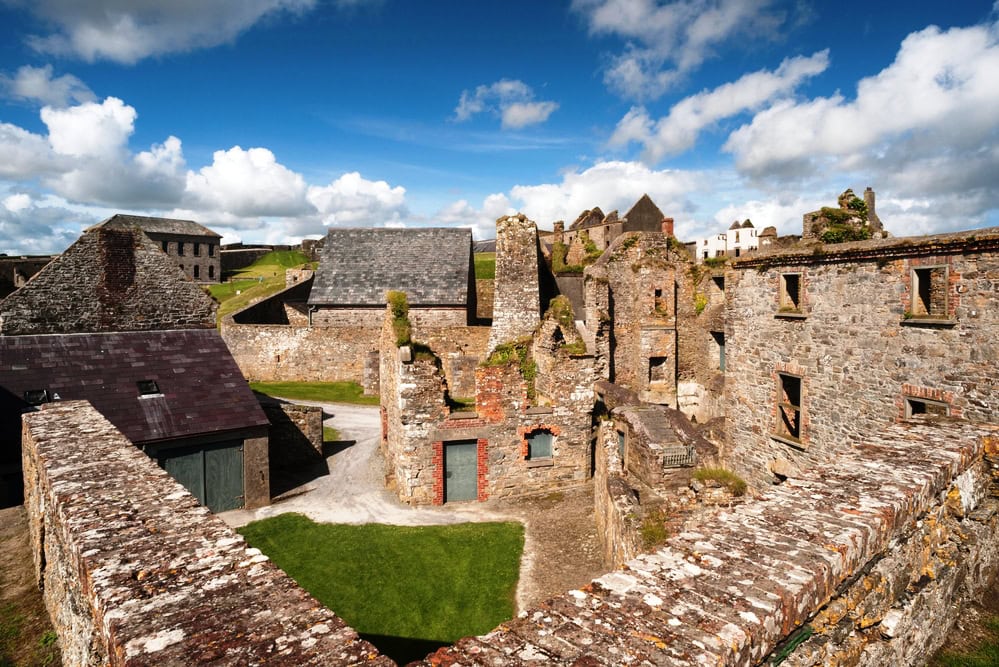
Overlooking Kinsale Harbour, Charles Fort is one of Ireland’s best-preserved 17th-century star forts. Constructed in the late 1600s, Charles Fort played a strategic role in multiple conflicts, including the Williamite War and later British military occupation. Its star-shaped design reflects continental European military engineering of the period.
The Legend of the White Lady
The fort is closely associated with the tragic story of Wilful Warrender, daughter of Governor Warrender. According to legend, she married an officer named Sir Trevor Ashurst. On their wedding night, Sir Trevor reportedly took over guard duty and fell asleep. When Governor Warrender found the sentry unresponsive, he shot him only to discover he had killed his own son-in-law.
Grief-stricken, Wilful is said to have thrown herself from the ramparts. Her ghost, dressed in white, is believed to wander the fort searching for sleeping sentries.
Personal note: The sea mist at dusk along the ramparts creates an atmosphere that needs no ghost story. The sound of gulls and wind alone makes this one of Ireland’s most evocative historic sites.
Leamaneh Castle (County Clare)
The ruins of Leamaneh Castle are strongly associated with Máire Rua (Mary of the Red Hair), a powerful 17th-century noblewoman linked to the MacMahon and O’Brien families. Máire Rua (Red Mary) was a documented historical figure who married Conor O’Brien of Leamaneh Castle. After his death in battle, she remarried an English officer to protect her estate during the Cromwellian period.
Later folklore portrays Máire Rua or Red Mary as ruthless and cruel, with stories claiming she threw servants from the tower and ruled with an iron fist. After her death, her spirit is said to haunt the ruins, wandering in a flowing red gown.
Visiting Information: Leamaneh Castle is a roadside ruin on private land. There is no visitor centre. View from designated areas and respect safety barriers.

Leap Castle (County Offaly)
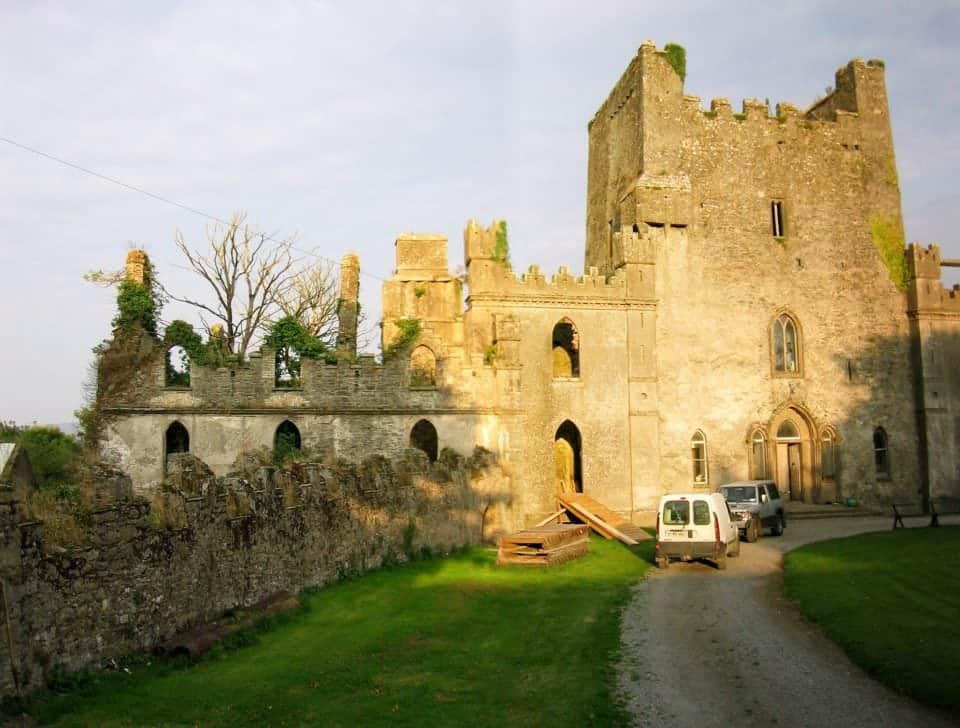
Often described in popular culture as one of the most haunted castles in the world, Leap Castlehas a documented history of clan violence. Built in the 15th century by the O’Carroll clan, Leap Castle became the site of internal power struggles. One of the most famous events involves a priest reportedly killed by his own brother in what is now called the Bloody Chapel.
Human remains were discovered in the castle’s oubliette during 20th-century restoration, confirming that it was used as a trapdoor dungeon.
The castle was the scene of bitter clan conflict, including the killing of a priest by his own brother in what is now known as the “Bloody Chapel.” Local legend claims the castle is haunted by multiple spirits, including a dark presence sometimes referred to as the “Elemental”. Human remains discovered in a hidden oubliette during 20th-century restoration work confirm the castle’s grim past, even if the supernatural claims remain unverified.
Visiting Information: Leap Castle is privately owned. Access is by prior arrangement only. Check local Offaly tourism offices or the owner’s public notices for current visitation policies.
Personal note: The castle’s history alone is compelling. The stories add atmosphere, but the real draw is its layered medieval past.


Loftus Hall (County Wexford)
Located on the Hook Peninsula, Loftus Hall has long been labelled Ireland’s most haunted house.The current structure largely dates to the 19th century, though earlier buildings stood on the site.
According to local tradition, a mysterious stranger arrived at Loftus Hall during a dark and stormy night and was invited in by the Tottenham family. During a card game, a young woman named Anne Tottenham dropped a card and bent to retrieve it, noticing the stranger had cloven hooves. He reportedly vanished through the roof in a ball of fire. Anne is said to have lost her sanity and now haunts the house.
Visiting Information: Loftus Hall has been closed to the public since 2020 and is under private ownership. Do not trespass.

The Hell Fire Club (Dublin Mountains)
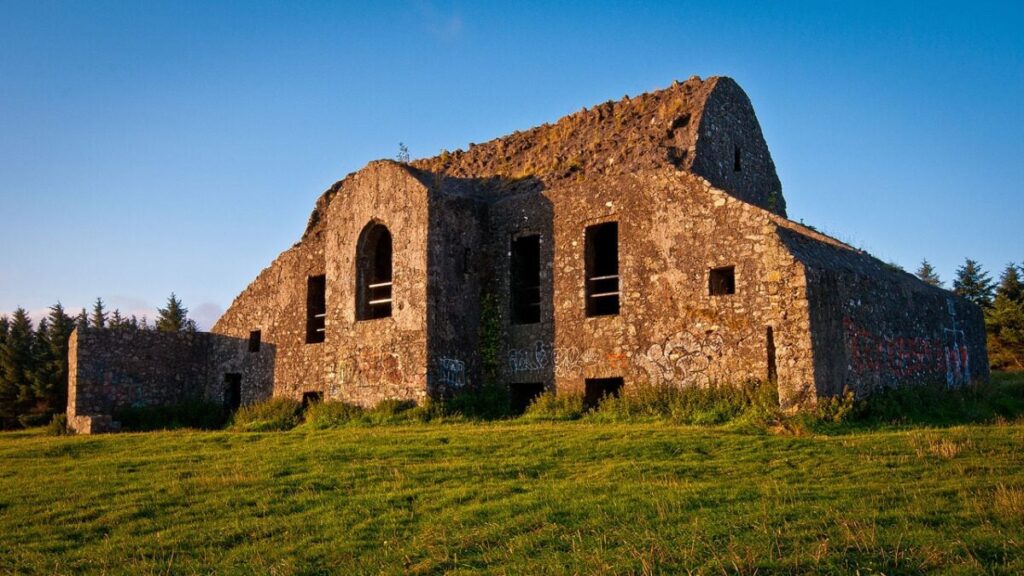
Perched on Montpelier Hill, the ruins of the Hellfire Club overlook Dublin. Built in the 18th century as a hunting lodge, the structure is believed to incorporate stones from a prehistoric passage tomb.
The club’s members were rumoured to host wild gatherings involving black magic, sacrificial rituals, and dealings with the Devil. Visitors today often report strange noises, oppressive atmospheres, and unexplained sensations. These accounts form part of Dublin folklore rather than documented evidence.
Personal tip: Bring a torch and sturdy footwear. The forest paths can be muddy, and fog descends quickly.
Charleville Castle (County Offaly)
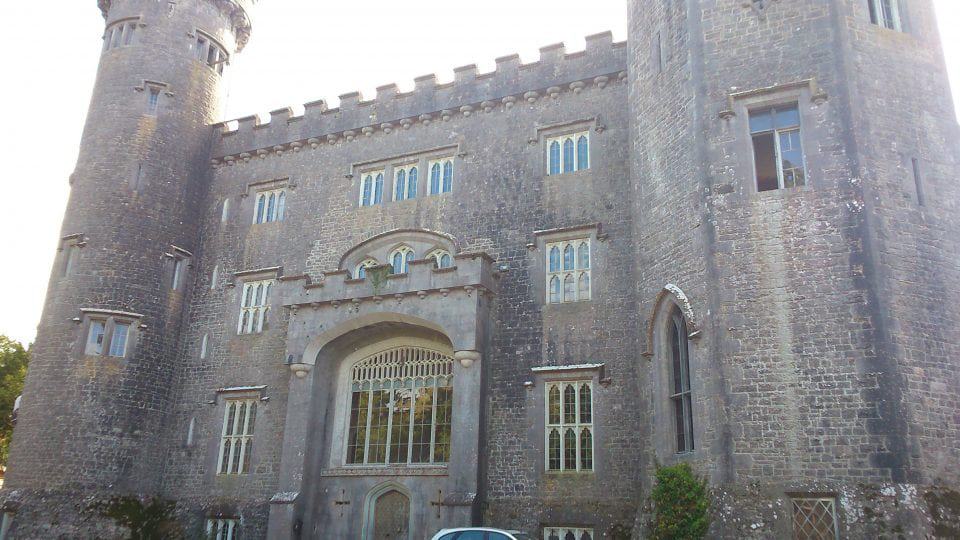
Once derelict, Charleville Castle has been restored through community effort. This Gothic Revival castle dates to the early 19th century and is notable for its architecture and ancient oak woodland.
The most enduring story involves Harriet, daughter of the third Earl of Charleville, who reportedly fell to her death on the staircase in 1861. Visitors claim to hear laughter, singing, or footsteps attributed to her spirit.
Visiting Information: Tours are volunteer-led. Check the official website for availability and special events.
Personal note: Even without the ghost story, the dramatic Gothic interiors and woodland setting make this a memorable visit.
Ballyheigue Castle (County Kerry)
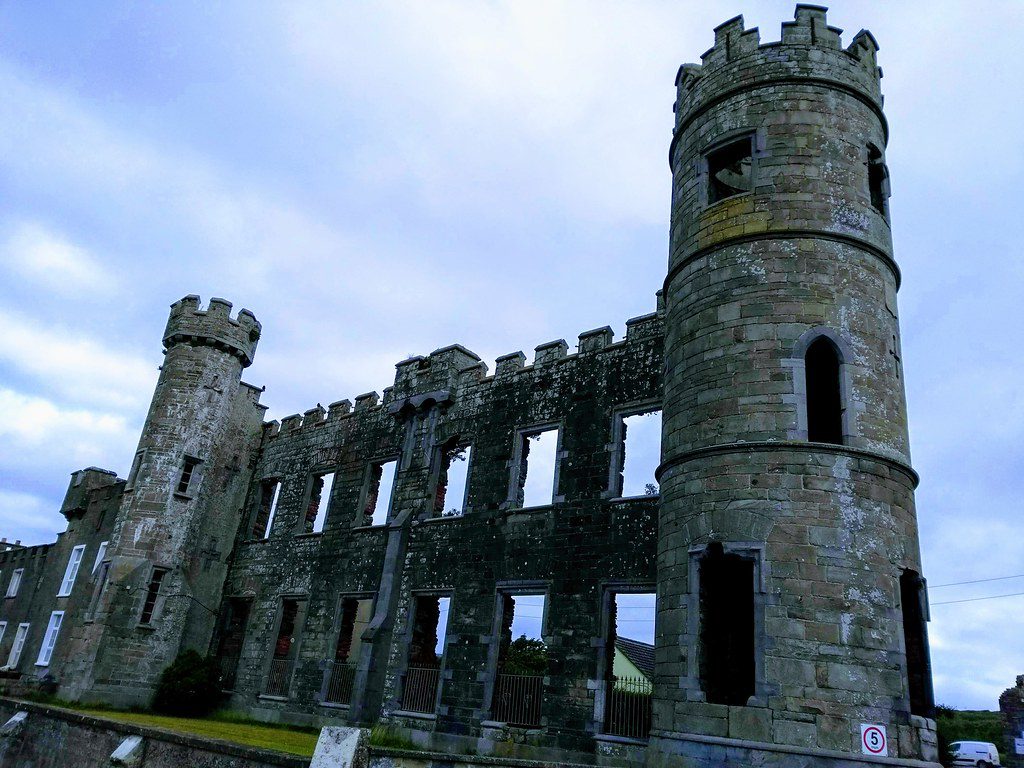
Ballyheigue Castle now stands in ruins on the grounds of Ballyheigue Castle Golf Course. Originally an 18th-century mansion, the house was burned in 1921 during the Irish Civil War. Only the shell of the building remains today.
Local legend claims the ruins are haunted by a ghostly soldier. In 1962, Captain O’Donnell reportedly photographed a figure holding a sword in one of the castle windows. Later stories linked the apparition to a shipwreck, hidden treasure, and a soldier murdered after intervening in a robbery.
Visiting Information: The ruins are located within Ballyheigue Castle Golf Club grounds. Access is limited check locally and respect signage.
Personal note: The coastal setting at dusk is striking. Be mindful of golfers and stick to permitted paths.
Ross Castle (County Meath)
Ross Castle is a medieval tower house overlooking Lough Sheelin, in the Boyne Valley. The castle dates to the 15th century and reflects the tower-house architecture common among Gaelic Irish families.
The ghost of Sabina Nugent is said to haunt the castle. According to legend, she fell in love with an English soldier who drowned while attempting to elope with her. Heartbroken, Sabina reportedly starved herself to death, and her spirit is said to wander the castle in mourning.
Visiting Information: Tours and accommodation may be available by arrangement via the official website.
Personal note: The lake is often glassy at first light. Bring layers it can be cold even in summer.

Old Abbey of Kilmacduagh (County Galway)
Kilmacduagh is a remote early medieval monastic site best known for its leaning round tower. Founded in the 7th century, the abbey became an important ecclesiastical centre before falling into ruin.
Visitors report sightings of shadowy monks and unexplained figures, particularly at dusk and after dark. These stories are part of local lore rather than documented evidence.
Visiting Information: The ruins are freely accessible. Parking is available nearby.
Personal tip: Bring a torch if visiting near sunset the ground is uneven and visibility drops quickly.

Clonony Castle (County Offaly)
Clonony Castle is a lesser-known tower house with strong folklore associations. The castle is linked to the Boleyn family and dates to the late medieval period.
Legend claims two women, said to be cousins of Anne Boleyn, were poisoned here and continue to haunt the castle. Visitors often report an eerie presence, particularly on the spiral staircase.
Visiting Information: The castle is privately owned and occasionally open for tours or events. Check locally before visiting.
Personal note: The spiral stairs are steep and narrow take care.

Cork City Gaol (County Cork)
A former prison now operating as a museum. Cork City Gaol housed prisoners during the 19th and early 20th centuries, including those involved in political unrest. Visitors and staff have reported hearing footsteps, voices, and doors slamming. Apparitions of former prisoners and wardens are frequently mentioned in visitor stories.
Personal note: The nighttime illumination enhances the atmosphere without relying on theatrics.
Murder Hole Beach (County Donegal)
Also known as Boyeeghter Bay, this isolated beach is as beautiful as it is foreboding.The beach’s remote geography and dangerous tides have contributed to its reputation.Stories of drownings, disappearances, and ghostly sightings are commonly associated with the beach.
Visiting Information
Tidal conditions are dangerous. Observe all safety notices and avoid sea caves at high tide.
Personal tip: Check tide times and bring windproof layers the Atlantic weather is unforgiving.

Kinnitty Castle (County Offaly)
Now operating as a hotel, Kinnitty Castle retains its Gothic character. Originally built as a monastery, later converted into a castle. The castle is said to be haunted by the Phantom Monk of Kinnitty. Guests report unusual noises and fleeting shadows.
Personal note: The wood-panelled library creaks with every temperature change part of the charm.

Malahide Castle (County Dublin)
Malahide Castle has over 800 years of documented history. The castle was home to the Talbot family for generations and witnessed numerous political upheavals. The castle is said to be haunted by several ghosts, each tied to a tragic chapter of its history. Among them is Lord Galtrim, who was killed on his wedding day, and Lady Maud Plunkett, often described as appearing in her bridal dress. Another recurring figure in local legend is Puck, a court jester who was found stabbed, as well as Miles Corbet, a Cromwellian figure whose restless spirit is said to roam the castle.
Visiting Information: Pre-book tours during peak season. Grounds are extensive and free to roam.
Personal note: The botanic gardens and greenhouse offer a striking contrast to the castle’s darker tales.

Ardgillan Castle (County Dublin)
A country house set within a large coastal park. The Lady’s Stairs Specter is said to roam near the bridge and stairs after a drowning.
Visiting Information: Family-friendly parkland with coastal views and walking trails.

Castle Leslie (County Monaghan)
Still owned by the Leslie family and operating as a luxury estate. The estate dates to the 17th century. Guests report encounters with Sir John Leslie’s ghost and a spectral priest in the chapel.
Carrowmore Megalithic Cemetery (County Sligo)
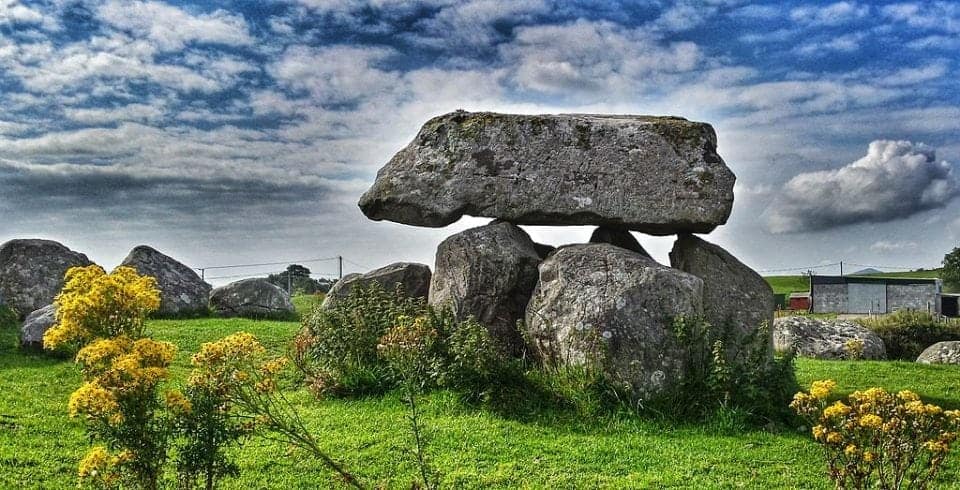
Ireland’s largest Neolithic cemetery. The site contains tombs dating back over 5,000 years. Local tradition claims the spirits of the ancient dead linger among the stones.
Visiting Information: Guided tours provide archaeological context.

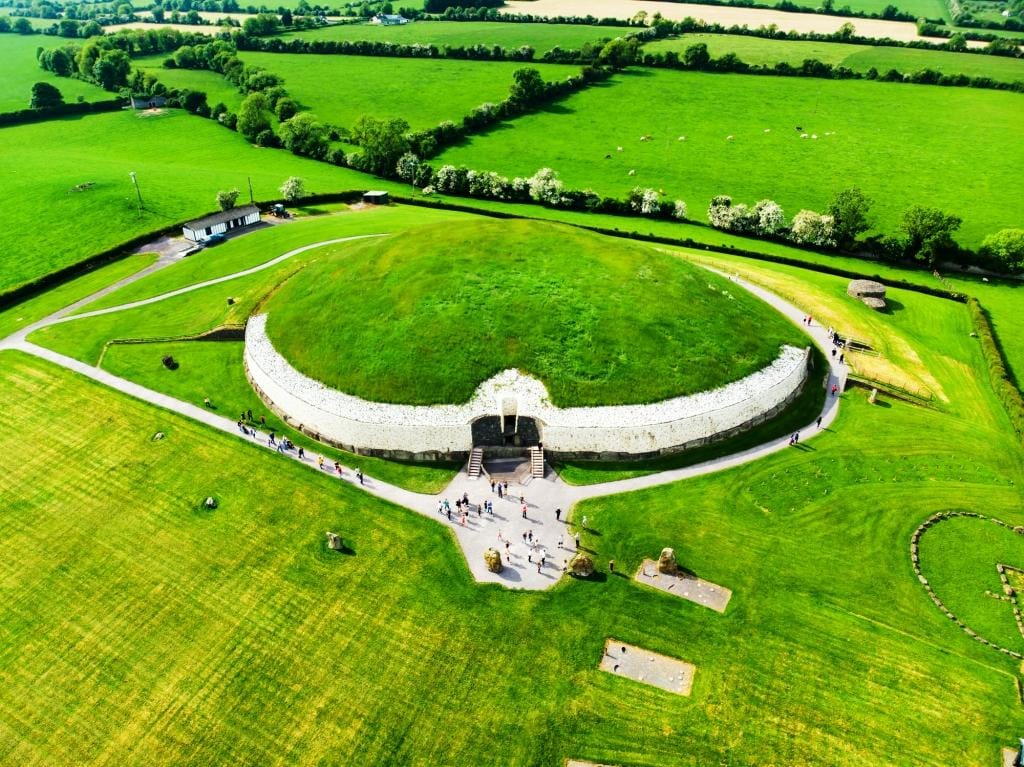
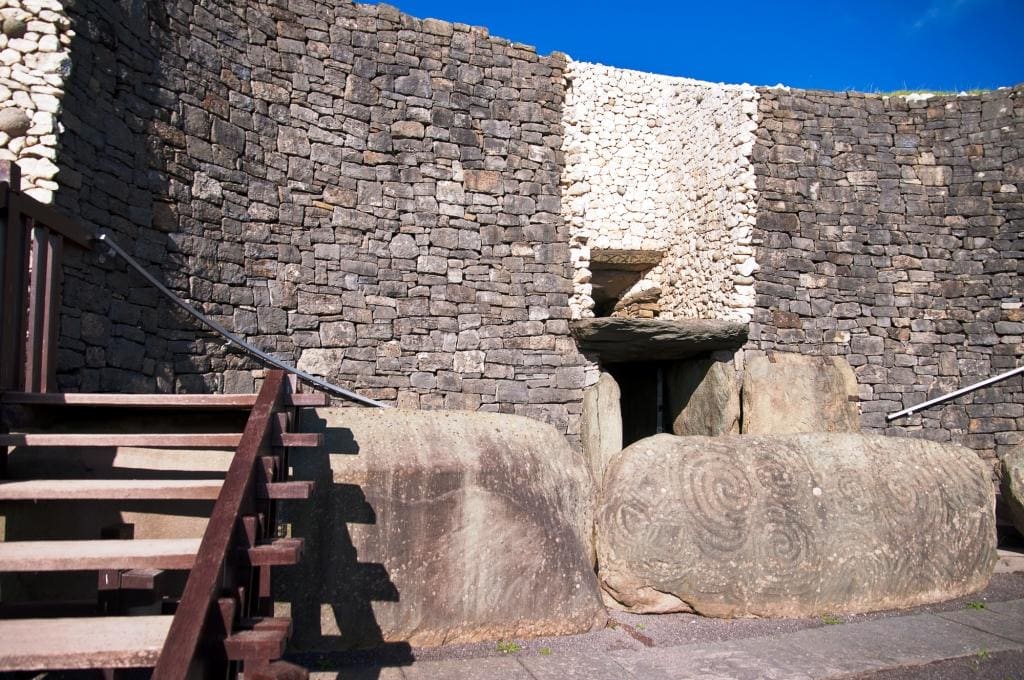
Newgrange (County Meath)
Newgrange is part of the Brú na Bóinne complex and older than the pyramids. A UNESCO World Heritage Site aligned with the winter solstice. Associated with ancient kings and the Tuatha Dé Danann.
Personal note: Even the simulated solstice experience is powerful.

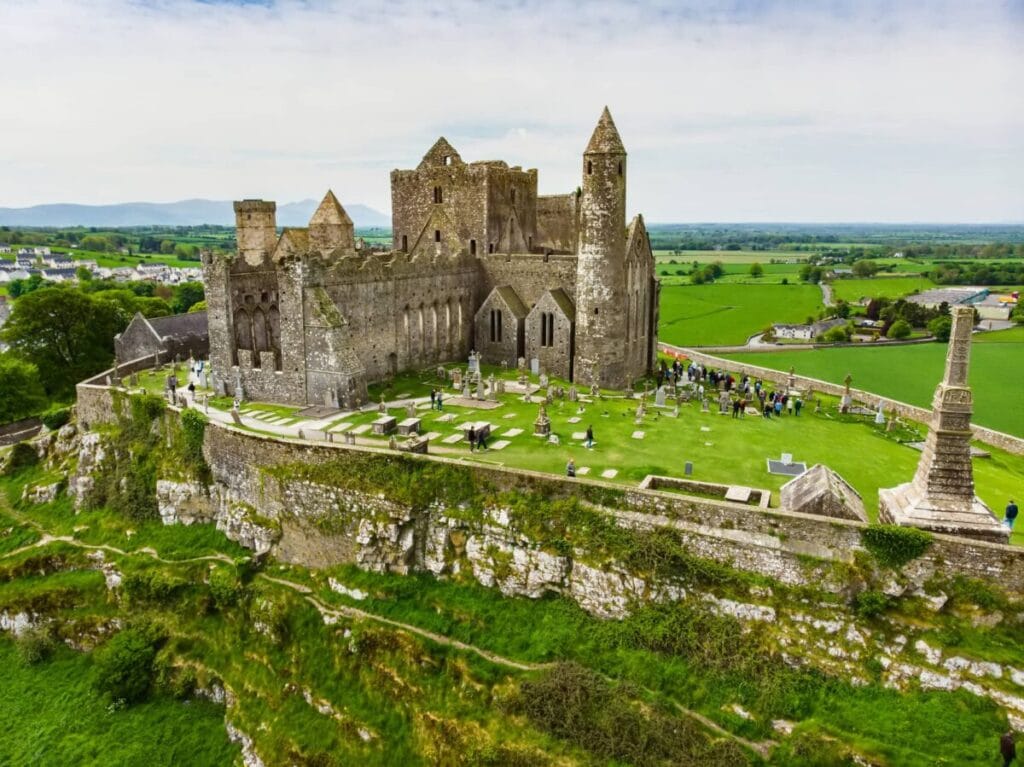
Rock of Cashel (County Tipperary)
The Rock is one of Ireland’s most iconic historic sites. A centre of ecclesiastical power for centuries. Reports of monks and unexplained lights persist.
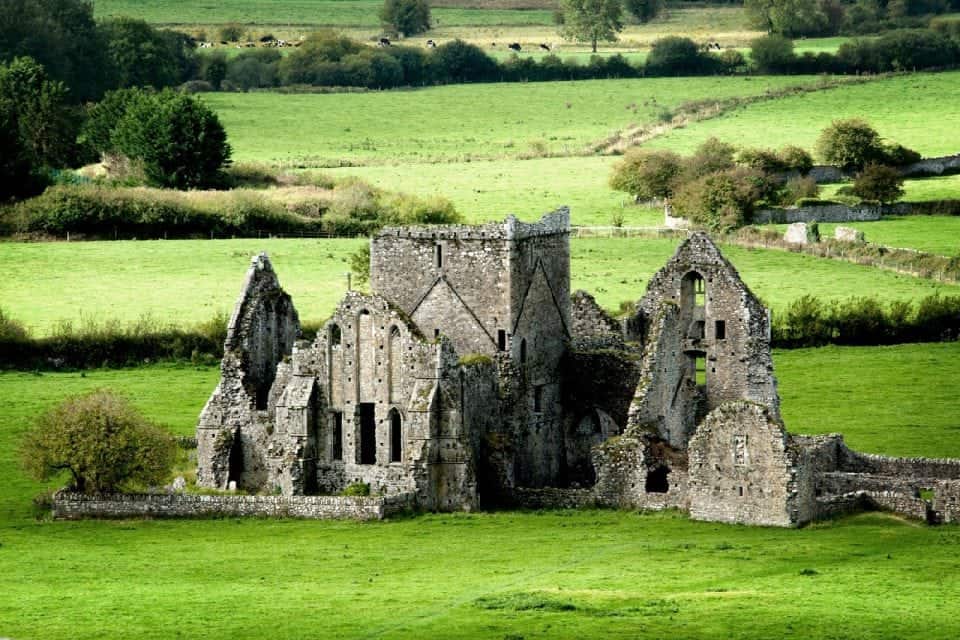
Personal tip: Walk to Hore Abbey for a quieter perspective.

Blarney Castle (County Cork)
Famous worldwide for the Blarney Stone. The castle has served defensive and symbolic roles for centuries. Stories of shadows and voices are associated with the dungeon and battlements.
Personal note: The gardens are as atmospheric as the keep.

Haunted Northern Ireland
Crumlin Road Gaol (Belfast)
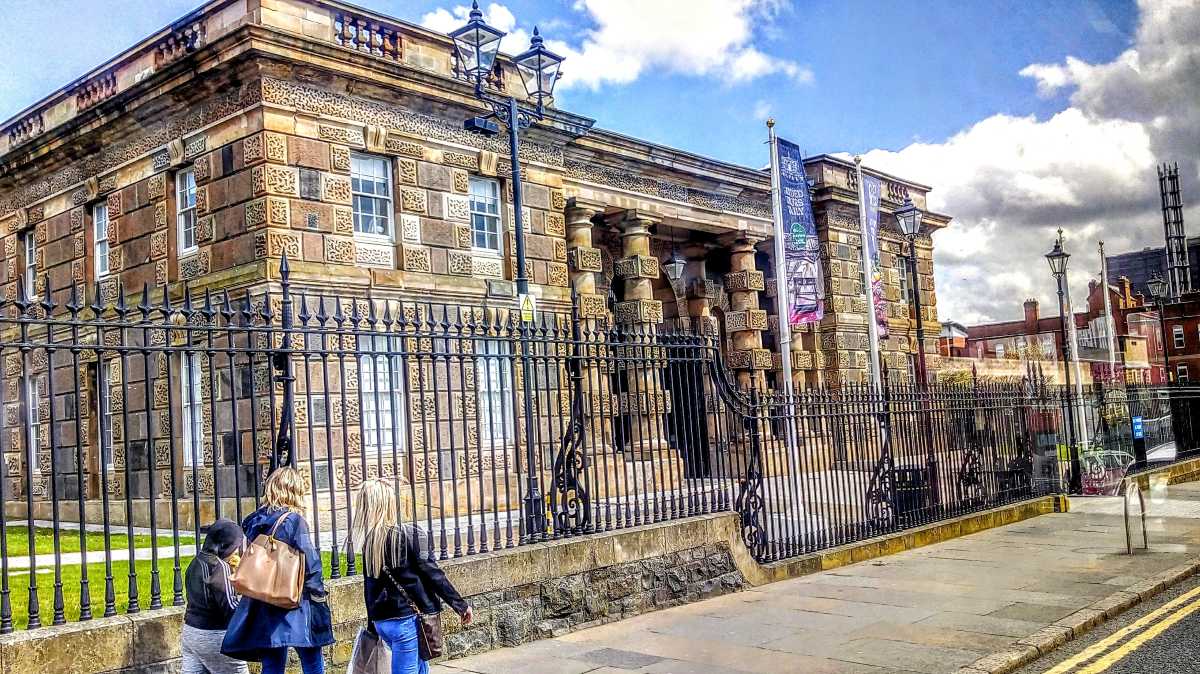
Crumlin Road Gaol is one of Northern Ireland’s most infamous historic prisons, operating from the 19th century until 1996. The gaol witnessed executions, political imprisonment, and decades of unrest, and visitors often speak of an oppressive atmosphere, unexplained noises, and the sensation of being watched, particularly in the execution chamber and underground tunnel.
Ballygally Castle (County Antrim)
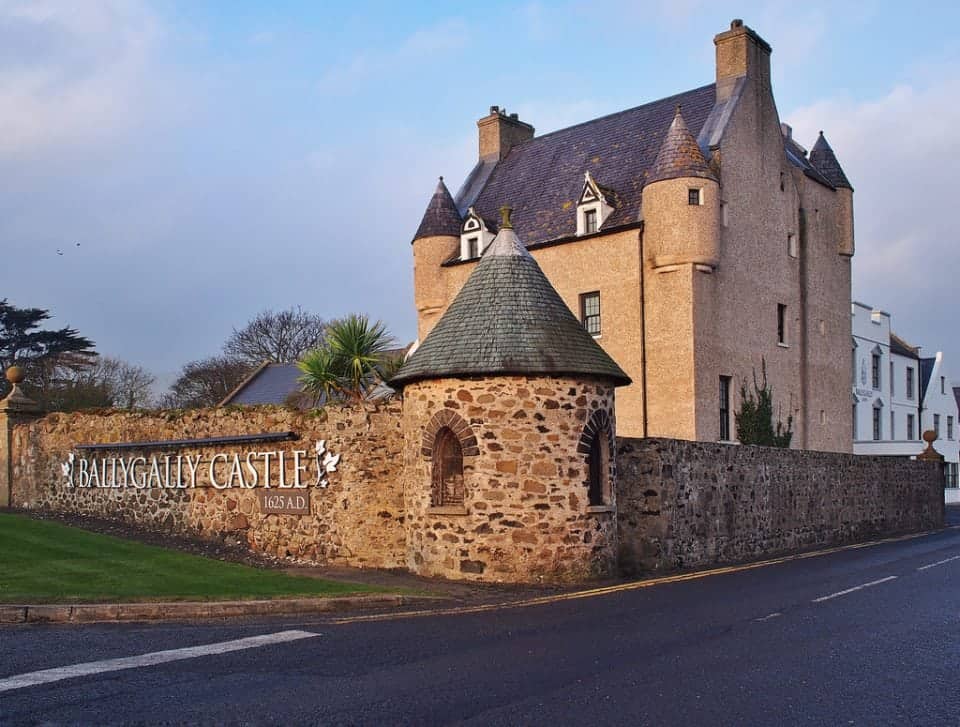
Ballygally Castle is a 17th-century tower house now operating as a hotel. It is commonly associated with the legend of Lady Isobel Shaw, who reportedly fell to her death from the tower. Guests and staff have long shared stories of a female apparition, unexplained movements, and doors opening on their own, particularly near the upper floors.
Shane’s Castle (County Antrim)
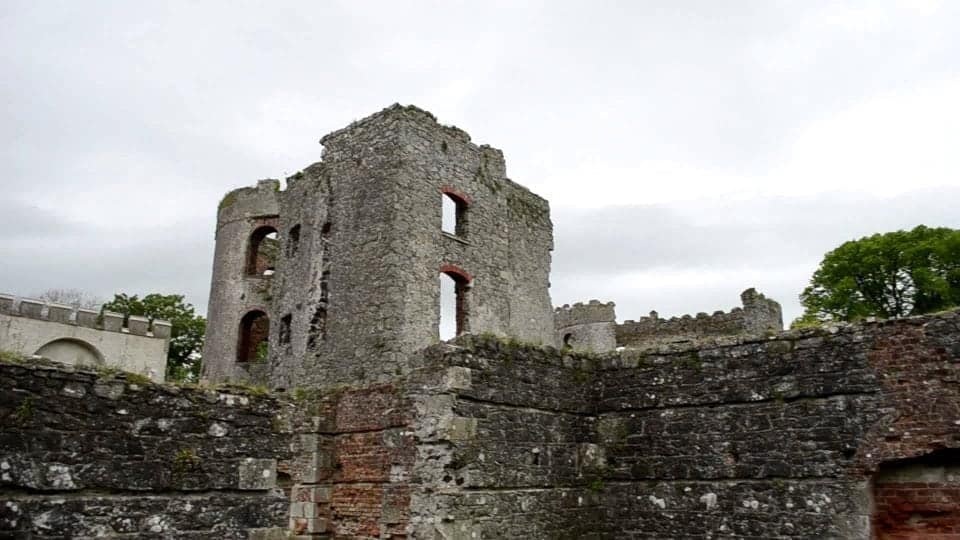
The ruins of Shane’s Castle sit on the shores of Lough Neagh and are linked to the turbulent O’Neill dynasty. Local folklore claims the area is haunted by spirits connected to family feuds, sudden deaths, and the castle’s destruction by fire in the 19th century, with reports of ghostly figures near the ruins and lakeshore.
The Dark Hedges (County Antrim)
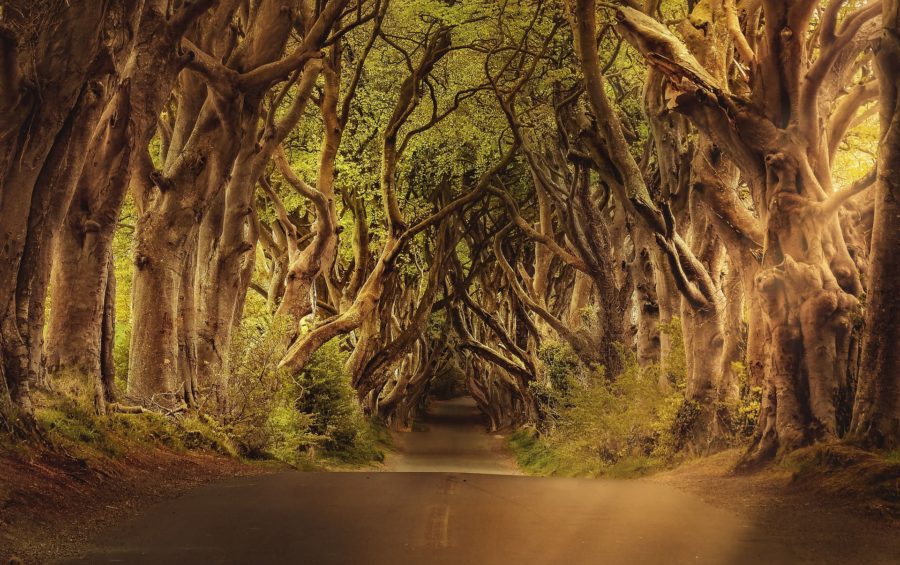
The Dark Hedges, a striking avenue of beech trees planted in the 18th century, are associated with a spectral figure known as the Grey Lady. According to legend, the apparition glides silently between the trees at dusk before disappearing near a nearby house, adding to the site’s already eerie atmosphere. The hedges are now associated with the Games of Thrones series and called the Kings Road.
Mussenden Temple (County Londonderry)
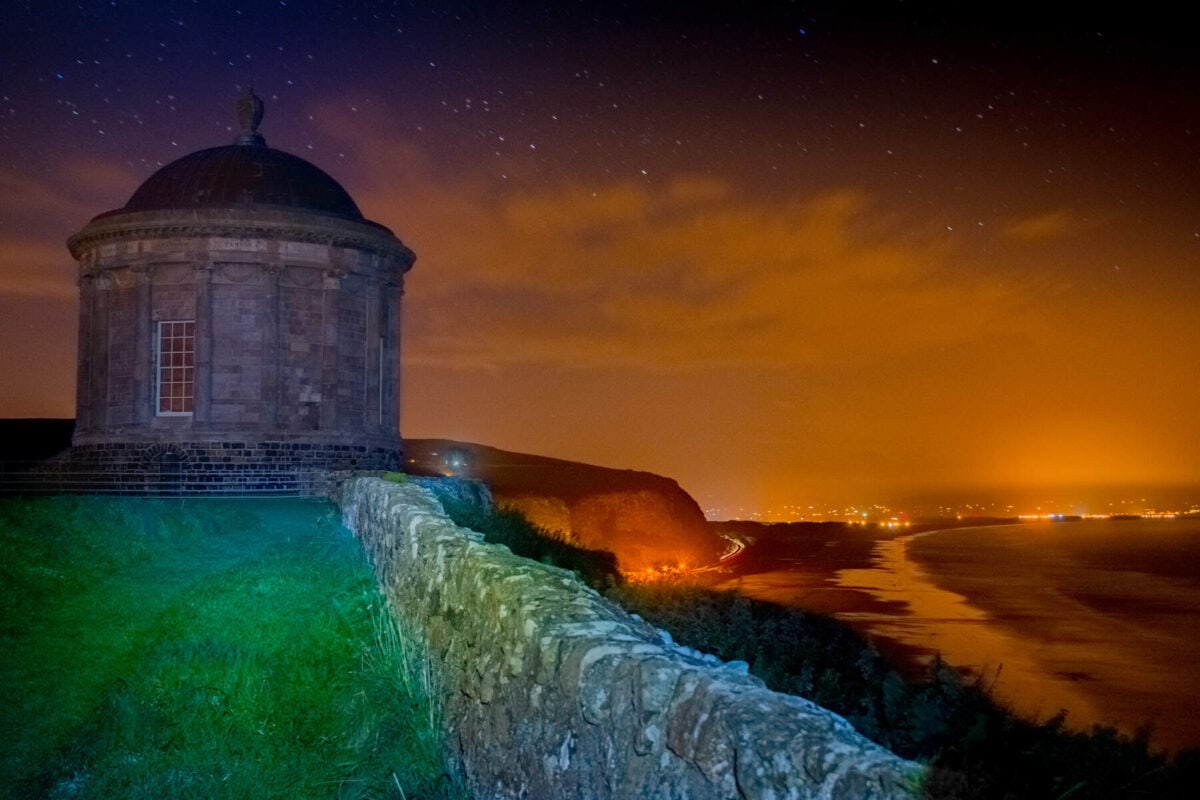
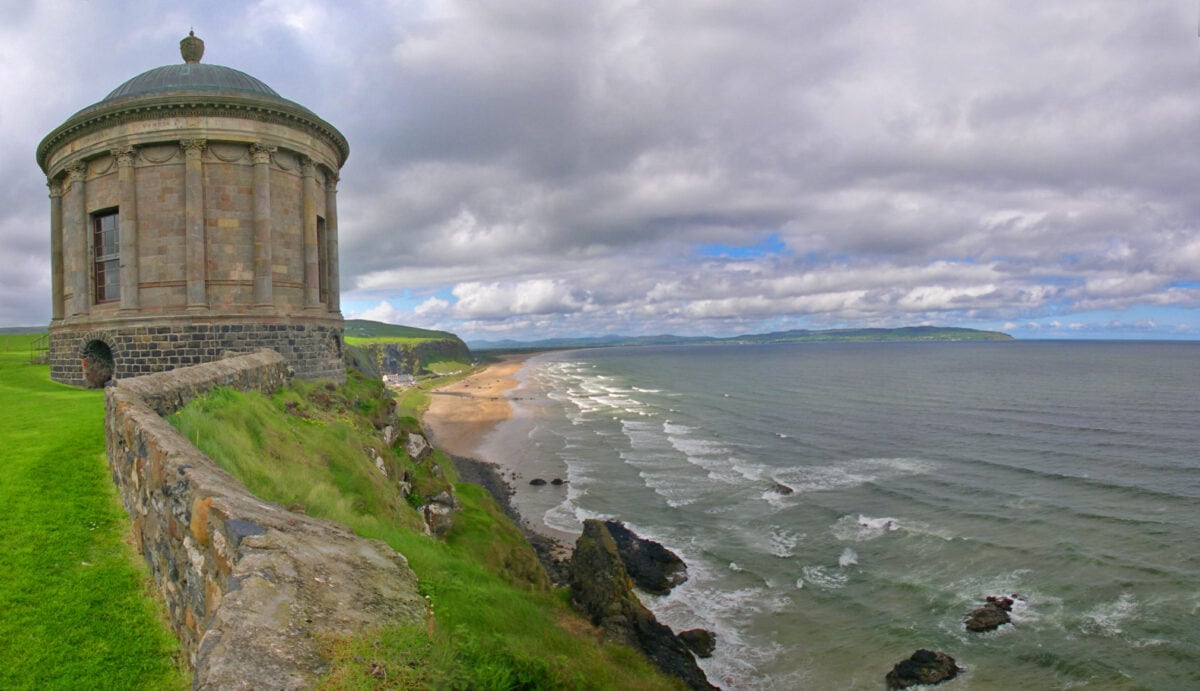
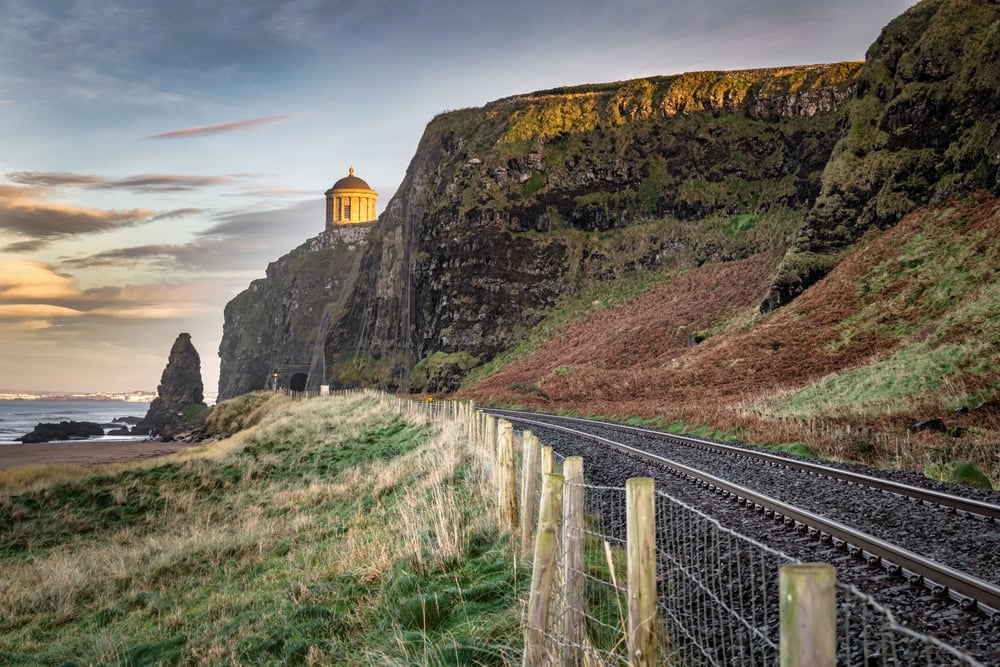
Perched dramatically on the cliffs above the Atlantic, Mussenden Temple is linked to stories of restless spirits connected to its tragic history. Visitors have reported hearing footsteps and voices inside the structure, often attributed in folklore to former residents and caretakers of the estate.
Haunted Ireland Guided Tours & Practical Planning
How to Choose a Tour (EEAT)
- Prefer OPW-managed sites or accredited operators
- Never trespass on private land
- Treat execution and memorial sites with respect
- Understand that ghost stories are folklore, not verified fact
Practical Tips
- Check seasonal opening hours
- Wear sturdy footwear
- Prepare for rapid weather changes
- Consult accessibility statements
- Respect private property and memorial spaces
Ireland’s haunted places endure because the landscape remembers. Stone, water, and weather preserve stories some documented, others imagined. Visit for the history, stay for the atmosphere, and let the legends add a shiver to the walk back to the car.
Explore More Irish Culture and Folklore
Explore deeper guides throughout Ireland covering mythology, sacred landscapes, haunted places, storytelling traditions, Celtic festivals, folklore creatures, saints, music, literature, and regional culture.
Featured guides include:
Irish Witches and Butter Witches
Most Haunted Places in Ireland
Halloween in Ireland and Samhain
Haunted Places in Northern Ireland
Irish Slang understanding the verbal craic
Celtic Symbols and their meanings
W.B. Yeats and his love of Sligo
Boa Island and the mystery of the Janus Head
A guide to Irish Traditions and Culture
Ireland’s Best Music Festivals
Start Planning Your Trip
👉 Public Transportation in Ireland
👉 Hidden Gems in Ireland – 32 Secret places to visit
👉 Answering all your travel questions about Ireland
👉What to pack for your Ireland trip
👉 Northern Ireland Public Transportation