
Where to See Puffins in Ireland: The Complete 2026 Guide to Every Cliff, Island and Boat Trip
The best places to see puffins in Ireland are the Cliffs of Moher and Loop Head in County Clare, Skellig Michael and Puffin Island in County Kerry, the Saltee Islands in County Wexford, Ireland’s Eye near Dublin, Horn Head and Tory Island in Donegal, and Rathlin Island and The Gobbins in Northern Ireland. Puffins are on Irish cliffs and islands from late March to early August, and the best viewing window is May to July, when adults are busiest feeding chicks in their burrows.

Ever since I was a kid reading Puffin paperbacks, I have loved that daft looking bird. The Atlantic puffin is a strange little cross, visually, between a toucan and a dapper penguin, and I have never gotten tired of watching one waddle out of a burrow with a beak full of sandeels. I live in Donegal, I have brought more friends and visiting family to see puffins in Ireland than I can count, and every site in this guide is one I have stood on myself, usually in the rain, usually with binoculars fogging up.
This guide covers where to see puffins in Ireland, month by month timing, real current prices, parking for both able bodied and disabled visitors, where to eat and stay near each site, hidden gems most tourists miss, and what has changed since puffins were reclassified as a Red List species of conservation concern in Ireland. If you only read one puffin guide before your trip, make it this one.
- Where to See Puffins in Ireland: The Complete 2026 Guide to Every Cliff, Island and Boat Trip
- What Is an Atlantic Puffin?
- When to See Puffins in Ireland
- Best Places to See Puffins in Ireland
- Seeing Puffins in Ireland by Boat
- Hidden Gems Only Locals Know About
- Puffins and Climate Change: What Has Changed
- Where to Stay and Eat Near Ireland's Puffin Sites
- Things for Kids to Do
- How to Plan Your Puffin Watching Trip
- Wildlife Friendly Viewing Tips
- Frequently Asked Questions
What Is an Atlantic Puffin?
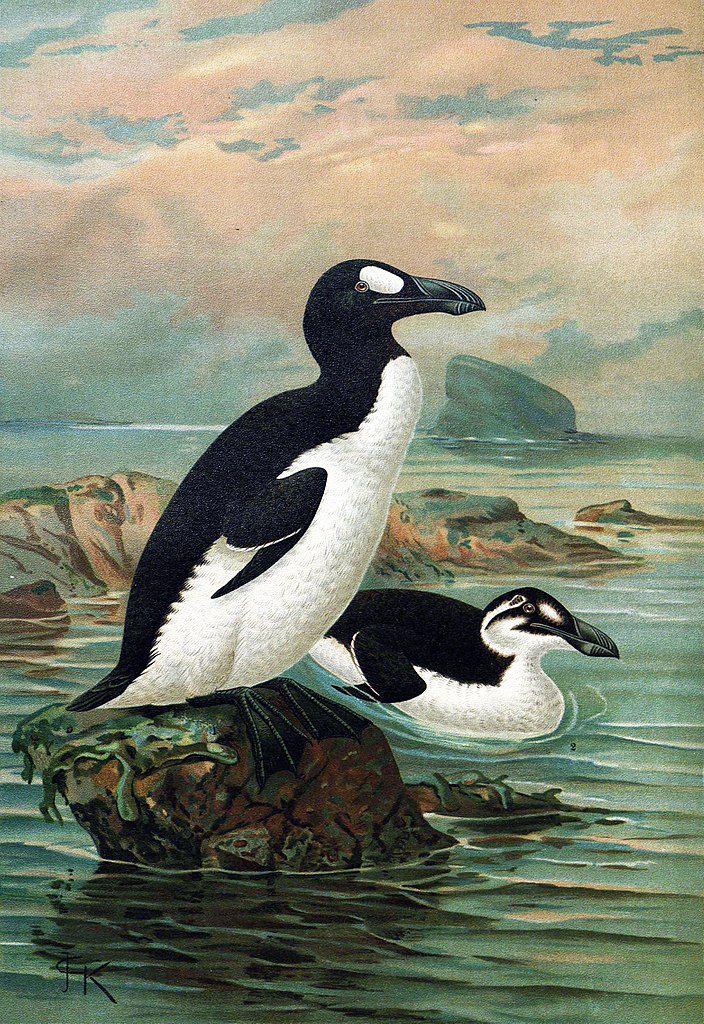
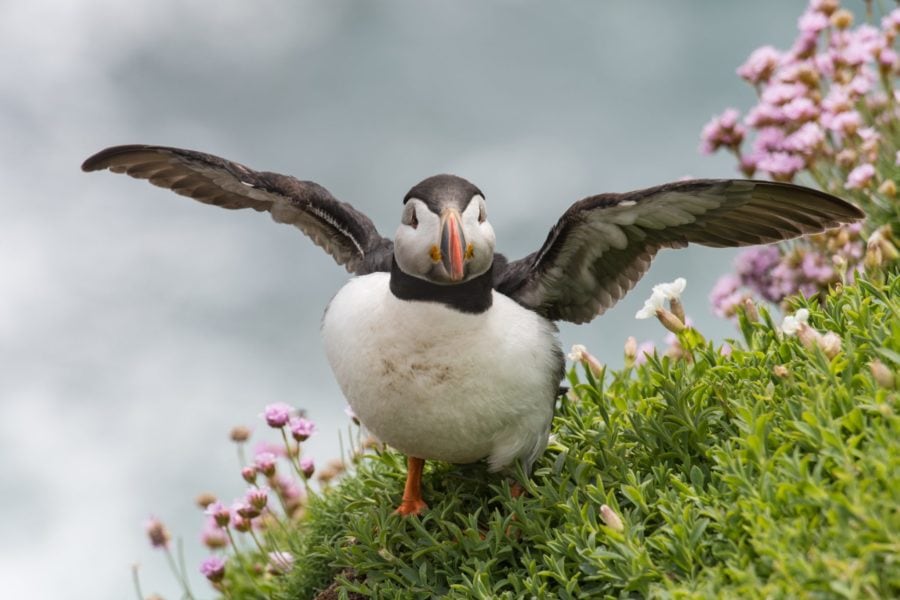
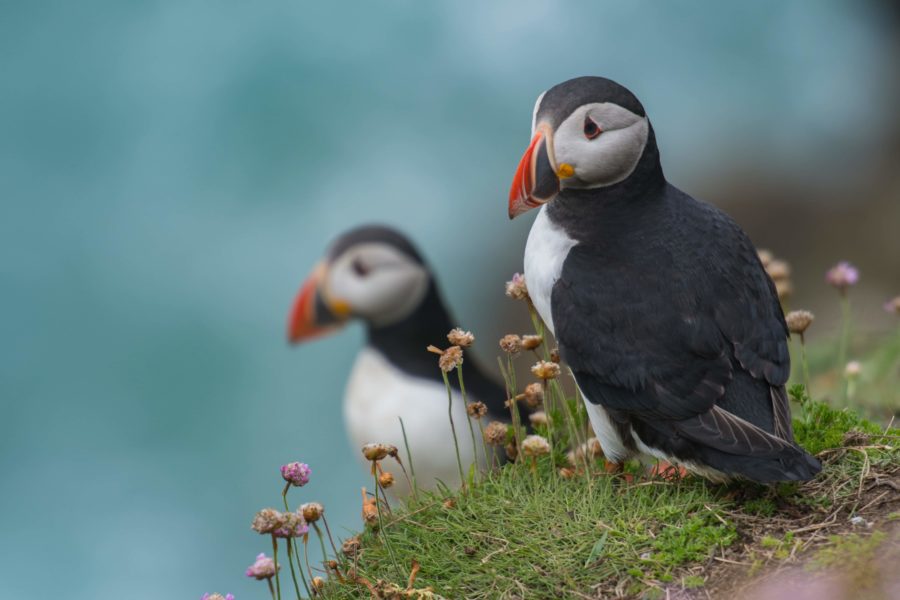
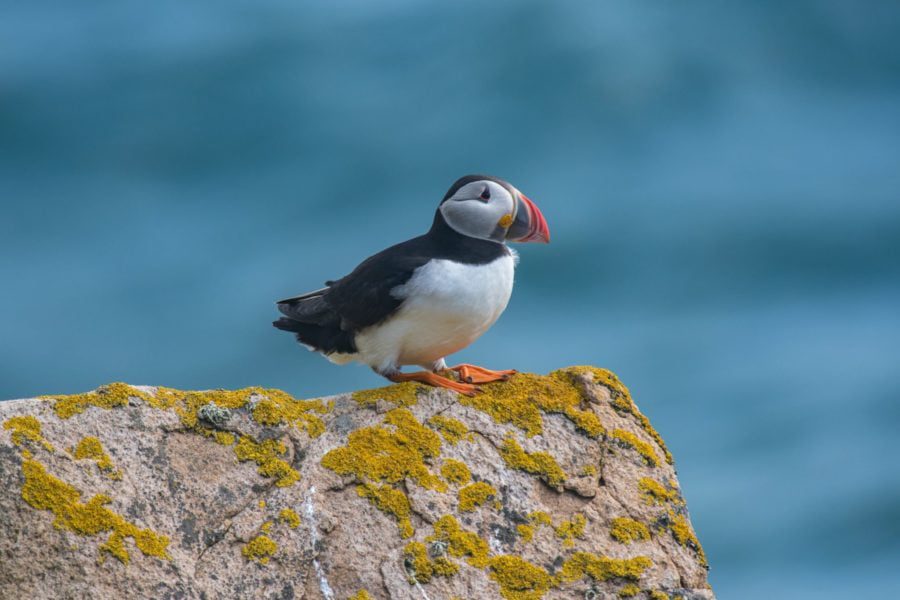
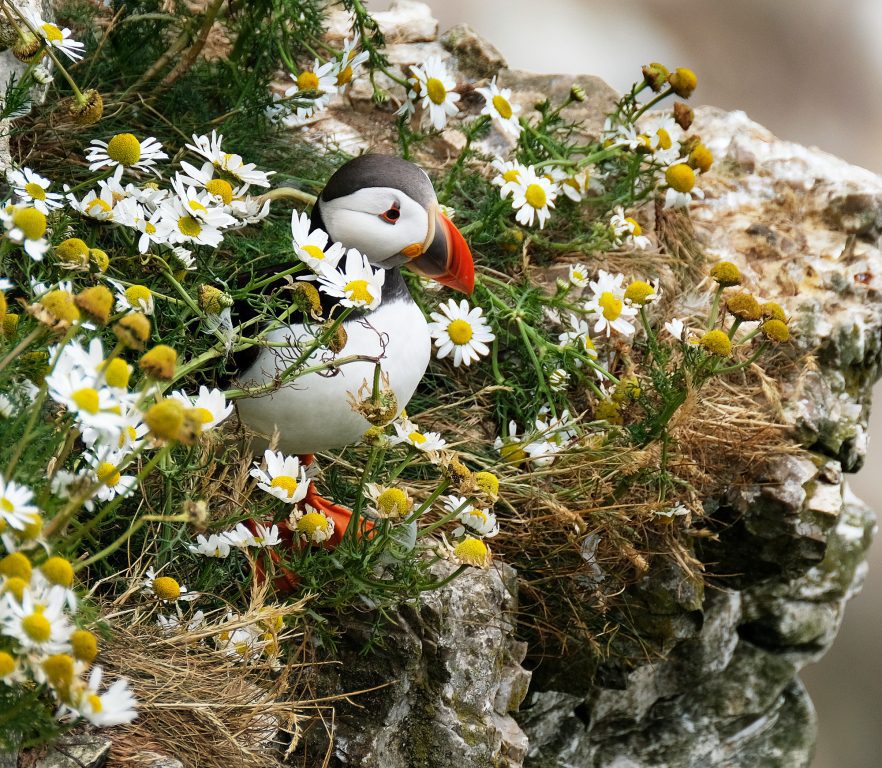
The Atlantic puffin (Fratercula arctica) is a small seabird in the auk family, standing around 20 centimetres tall with a wingspan up to 63 centimetres. It has black and white plumage, bright orange webbed feet, and a broad, multicoloured bill that becomes more vivid during the breeding season, when courting pairs “bill” by rubbing their beaks together. Puffins spend most of the year alone far out on the open Atlantic and only come ashore between March and August to breed, nesting in burrows on cliffs and islands where ground predators cannot easily reach them.

When to See Puffins in Ireland
Puffins return to Irish colonies from the open ocean in late March and April, spend May and June at the height of the breeding season, and begin heading back out to sea from late July, with most gone by mid August. If you want the best odds of seeing puffins in Ireland with fish in their beaks, feeding chicks in the burrow, aim for May, June or the first half of July.
- Late March to April: Puffins arrive back at the colonies and begin pairing up.
- May to early July: Peak season. Adults are constantly commuting between the sea and their burrows with sandeels for chicks.
- Mid July to mid August: Pufflings fledge and puffins start drifting back out to the Atlantic.
- September to February: Puffins are out at sea and cannot be seen from Irish cliffs at all.
Timing shifts slightly by colony and by year depending on weather and food supply, so always check the individual site or tour operator before you travel.

Best Places to See Puffins in Ireland
Here is where to see puffins in Ireland, working roughly from the west coast around to Northern Ireland, with the practical detail that most guides leave out: current prices, where to park, and how accessible each site actually is.
Cliffs of Moher, County Clare
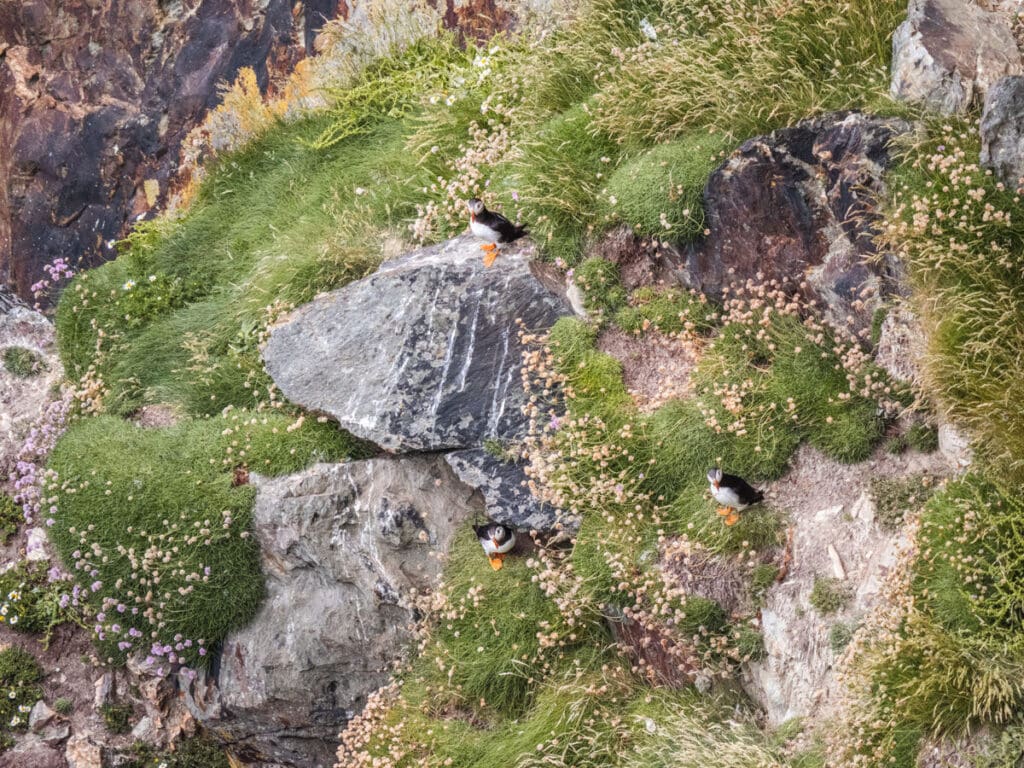
The Cliffs of Moher are the easiest and most reliable place to see puffins in Ireland for most visitors, and I say that as someone who finds the crowds a bit much in high season. The cliffs hold a Special Protection Area designation for over 20 breeding seabird species, including puffins, guillemots, razorbills and choughs, and puffins are typically visible from the clifftop path between April and July.
As of 2026, online admission through the official Cliffs of Moher booking site starts from 8 euro for an adult, 6 euro for seniors and students, and children 12 and under go free, with a family ticket (2 adults, 2 children) from 16 euro. Admission includes secure car parking in the main visitor centre car park. Paying at the gate on the day costs more, so booking ahead saves money. O’Brien’s Tower is an additional small charge when open.
The main visitor centre has 800 metres of paved, fully accessible pathways and raised viewing platforms, plus an electric “Lifts of Moher” mobility vehicle for visitors who cannot manage the walk, so this is genuinely one of the more accessible puffin sites in Ireland for wheelchair users and anyone with mobility issues. There are accessible toilets, a first aid centre and two cafes on site.


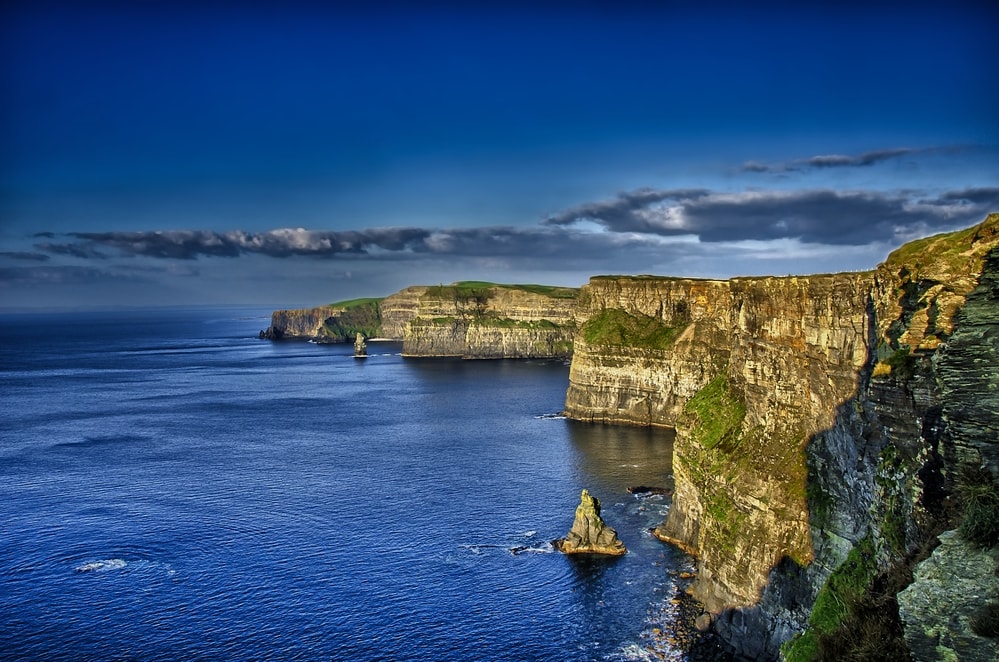
If you would rather skip the visitor centre fee entirely, Guerin’s Path starts just past the main car park and reaches a quieter stretch of the cliffs for a small honesty box fee, and Nag’s Head at the southern end has a small free car park with a 15 to 20 minute walk to the cliff edge. Neither of these routes is paved or suitable for wheelchairs. For a different angle entirely, seasonal boat cruises run from Doolin beneath the cliffs, giving you a sea level view of ledges you simply cannot see from the top. See official conservation information from Clare County Council.
Loop Head Peninsula, County Clare
Loop Head, near Kilkee, is one of the quieter alternatives to the Cliffs of Moher and, in my opinion, one of the most underrated coastal drives in Ireland. Puffins are regularly spotted in season, particularly around the Bridges of Ross, a dramatic natural sea arch that is also one of the best whale and dolphin watching points in the country. Parking is free and informal along the peninsula road, though there are no dedicated accessible facilities, so this suits able bodied walkers better than visitors with limited mobility. Bring a long lens if you are shooting from the clifftop, since the puffins nest well below the path here.

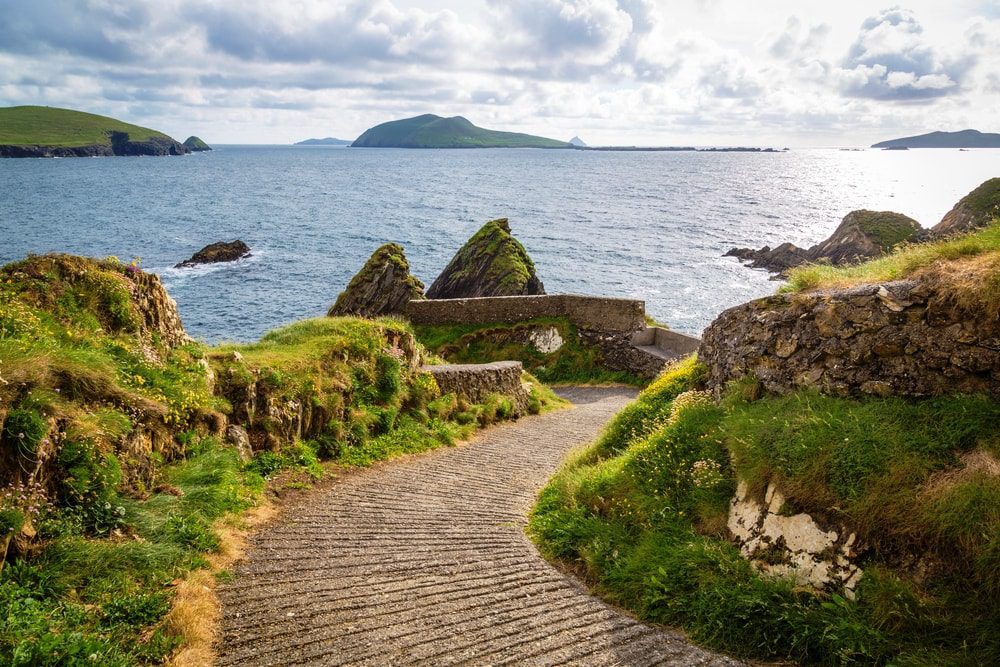
Skellig Michael and the Blasket Islands, County Kerry
Skellig Michael is a UNESCO World Heritage Site, home to both a remarkable early medieval monastic settlement and a significant puffin colony, and it became globally famous as a Star Wars filming location, with puffins on camera famously reworked into the fictional “porgs” in post production. See the official UNESCO listing for background on the monastery.
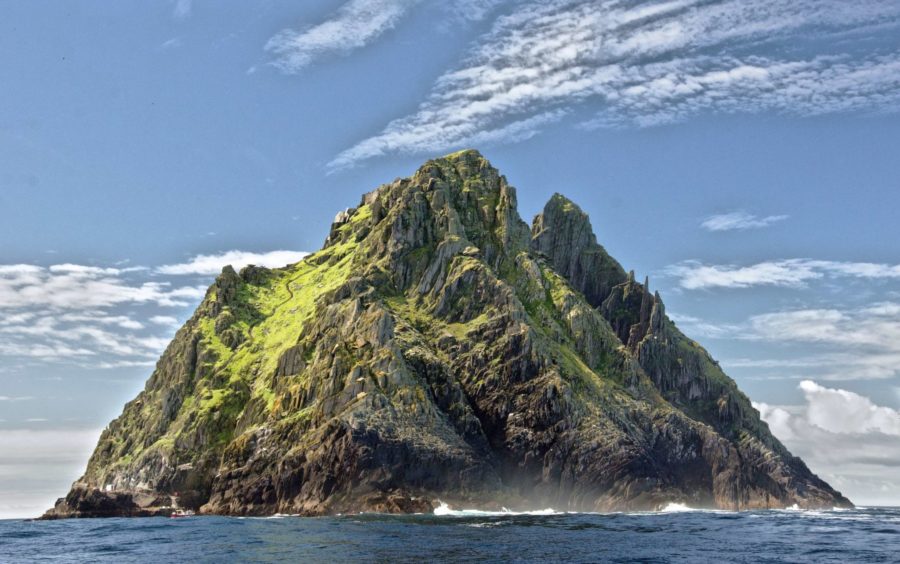
Puffins are on Skellig Michael from around mid April to mid August, with landing permitted only from mid May to the end of September, and only a small number of licensed operators are permitted to land passengers each day, so numbers are strictly controlled to protect the site. As of 2026, a Skellig Michael landing tour from Portmagee or Valentia typically costs somewhere between 133 and 140 euro per adult, and involves climbing more than 600 stone steps to the monastery, so it demands a good level of fitness and is not suitable for young children (most operators set a minimum age of 14).


If landing is not for you, eco boat tours that circle Skellig Michael and Little Skellig without going ashore run from roughly 60 to 70 euro per adult and are considerably gentler, both physically and on your wallet. Book well ahead in peak season and expect cancellations in rough weather, since crossings are long and conditions are genuinely unpredictable.
The Blasket Islands, off the Dingle Peninsula, are another major breeding ground, with the largest puffin numbers on the outer islands, Inishnabro and Inishvickillaun, rather than the Great Blasket itself. Seasonal eco marine tours from Dingle combine a landing on the Great Blasket with an afternoon cruise past the outer islands to see the puffins, and this same coastline holds the world’s largest population of European storm petrels, so it is worth the trip for more than puffins alone.
Ireland’s Eye, County Dublin
If you are not travelling the Wild Atlantic Way or up to Northern Ireland, Ireland’s Eye is genuinely one of the few east coast places to see puffins in Ireland, and it is only a short boat ride from Howth, itself 30 minutes from Dublin city centre by DART. The island sits within the Dublin Bay UNESCO Biosphere and is otherwise uninhabited apart from a Martello tower and church ruins.
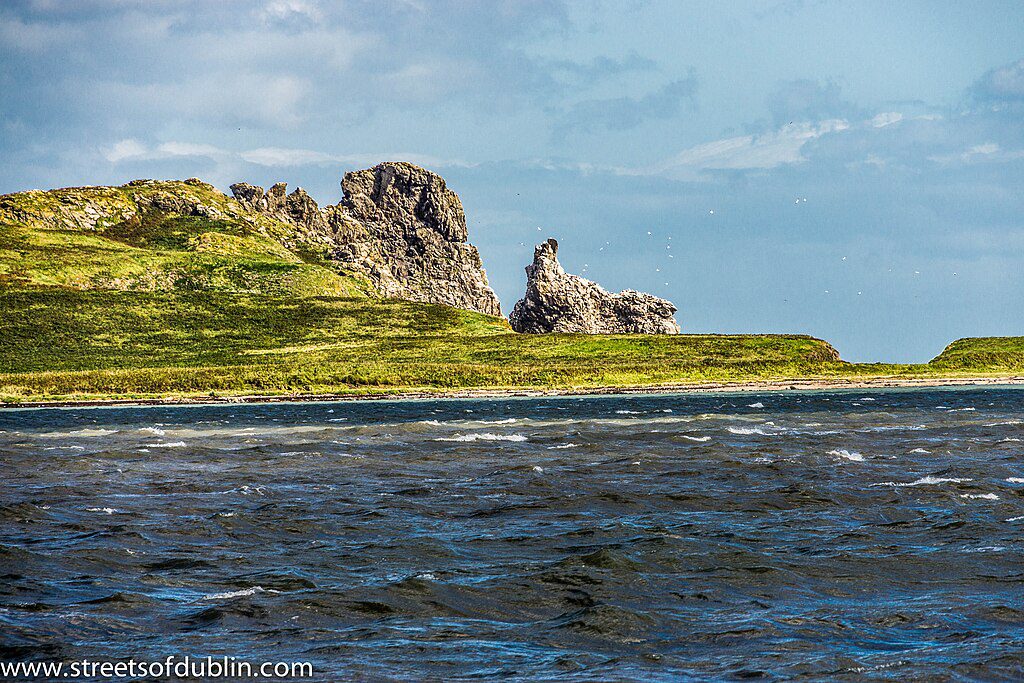
Several small operators run from Howth’s West Pier, including Ireland’s Eye Ferries and Howth Cliff Cruises, with a return trip to land on the island typically costing in the region of 15 to 28 euro per adult depending on the operator and whether it includes a guided commentary. Landings are made onto rocks rather than a pontoon, so wear proper footwear and expect some scrambling. Paths on the island are rough, wet and can be slippery, and there are no facilities, so this is not a wheelchair accessible destination, though a boat only cruise around the island (without landing) is a gentler and equally scenic alternative for anyone with mobility concerns.
Saltee Islands, County Wexford
The Saltee Islands lie about 5 kilometres off Kilmore Quay and Great Saltee is one of Ireland’s best known bird sanctuaries. This is genuinely not an island for anyone with mobility challenges: landings are wet, the rocks are slippery, and paths are unmarked, with no facilities on the island at all, so pack in and pack out everything you bring.

Great Saltee is privately owned and open to day visitors during set hours, typically 11:00 to 16:30, but confirm locally before you go. Local boatmen run seasonal crossings from Kilmore Quay, with prices varying by operator, so enquire at the harbour directly. Dogs, camping, fires and drones are all prohibited, and visitors are asked to stay well back from unstable cliff edges.
I want to flag something important here that a lot of puffin guides skip: researchers at University College Cork and Oxford University have found that rats on the Saltee Islands caused the puffin colony there to crash from around 2,000 birds to as few as 50, according to a study reported by MaREI, the marine and renewable energy research centre at UCC. It is a sobering reminder of how fragile these colonies are, and why staying on marked routes and following the rules matters more than it might seem.
Puffin Island (Oileán na gCánog), County Kerry
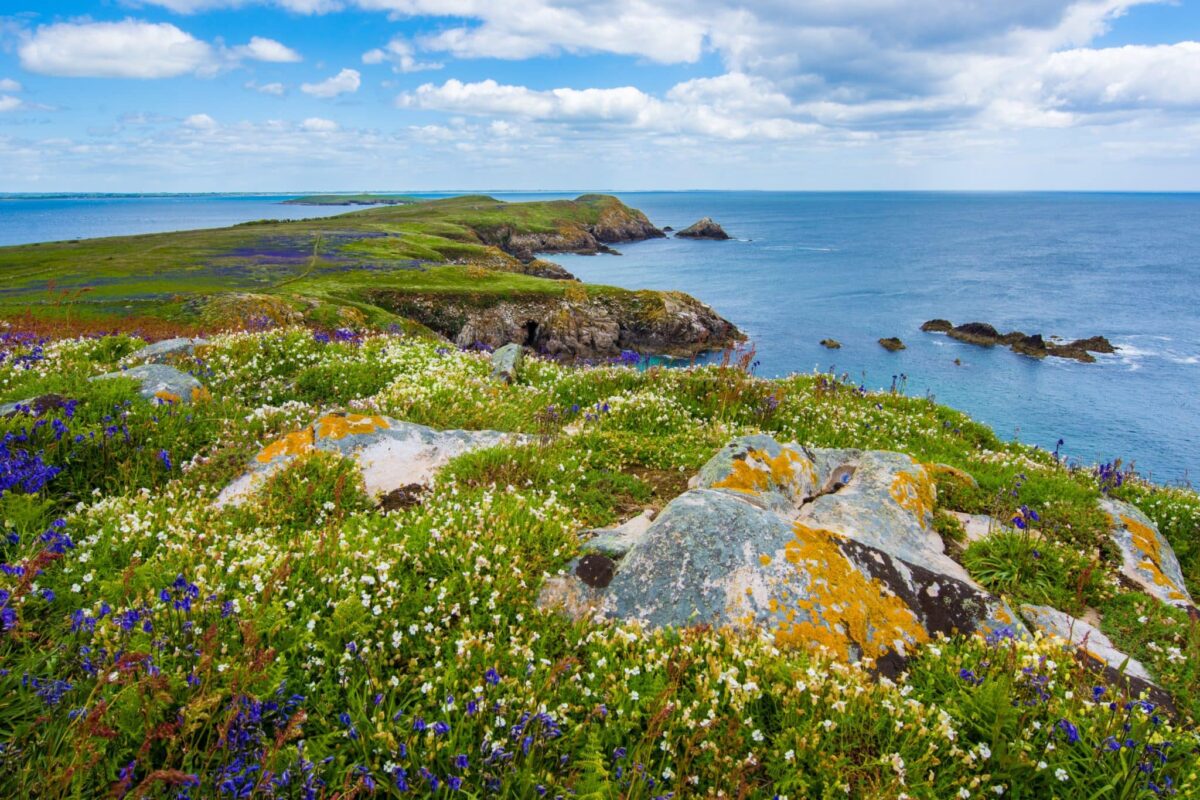
Puffin Island, off the Kerry coast near Valentia, is owned and managed by BirdWatch Ireland as a critical seabird sanctuary. There is no pier, landings involve scrambling over rocks, and access is by approved conservation visit only, so most visitors will only see this colony from a passing boat tour rather than setting foot on the island itself. Enquire directly with BirdWatch Ireland for current arrangements if you have a specific research or conservation interest.

Horn Head, Malin Head and Tory Island, County Donegal
This is my own back garden, and it does not get nearly enough attention in puffin guides. Horn Head, across the bay from Dunfanaghy, hosts one of Ireland’s largest mainland seabird colonies, including guillemots, razorbills, kittiwakes and puffins, all visible by scanning the cliffs in calm weather from the looped scenic drive. Parking is free at several pull-ins along the route, though none of it is formally accessible.
Tory Island, off the far northwest Donegal coast, is designated a Special Protection Area for seabirds and puffins nest on the northern cliffs, alongside a rich culture of island folklore and a resident artists’ colony that is worth a visit in its own right. Ferries run from Magheroarty on a seasonal schedule, so check timetables before travelling. At Malin Head, on the Inishowen Peninsula, coastal walks and headlands offer a genuine chance of puffins along with the added bonus of being mainland Ireland’s most northerly point.
Rathlin Island, Northern Ireland
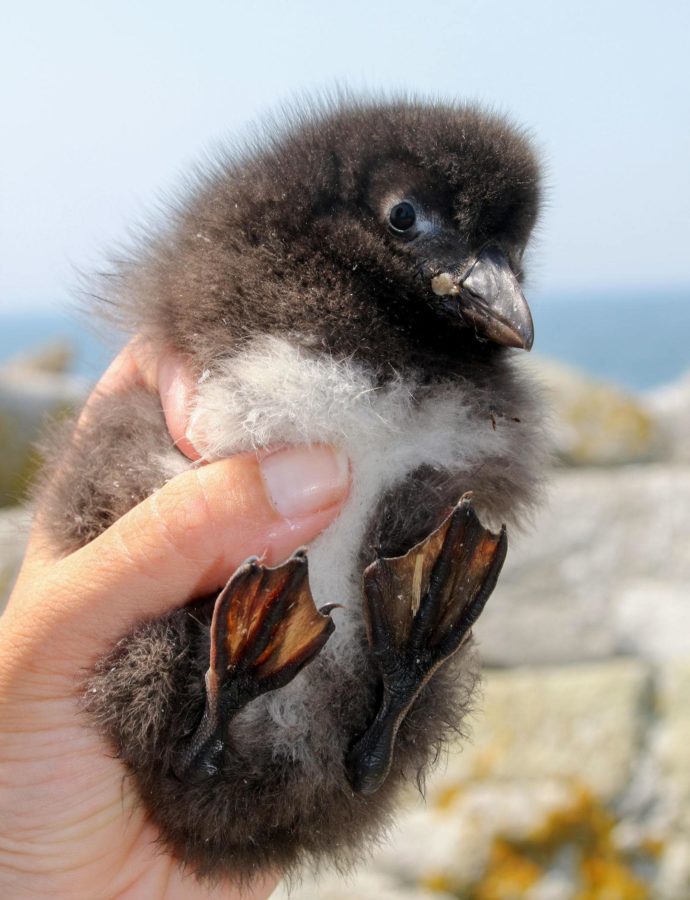
Rathlin Island, six miles off the Causeway Coast and accessible by ferry from Ballycastle, is one of the best places to see puffins in the whole of Ireland and Britain, home to Northern Ireland’s largest seabird colony at the RSPB West Light Seabird Centre. As of 2026, a single adult ferry fare from Ballycastle is 8.40 pounds, with a return around 16 pounds, and the crossing takes 25 to 40 minutes depending on the vessel. See the RSPB Rathlin Island page for current sailings.
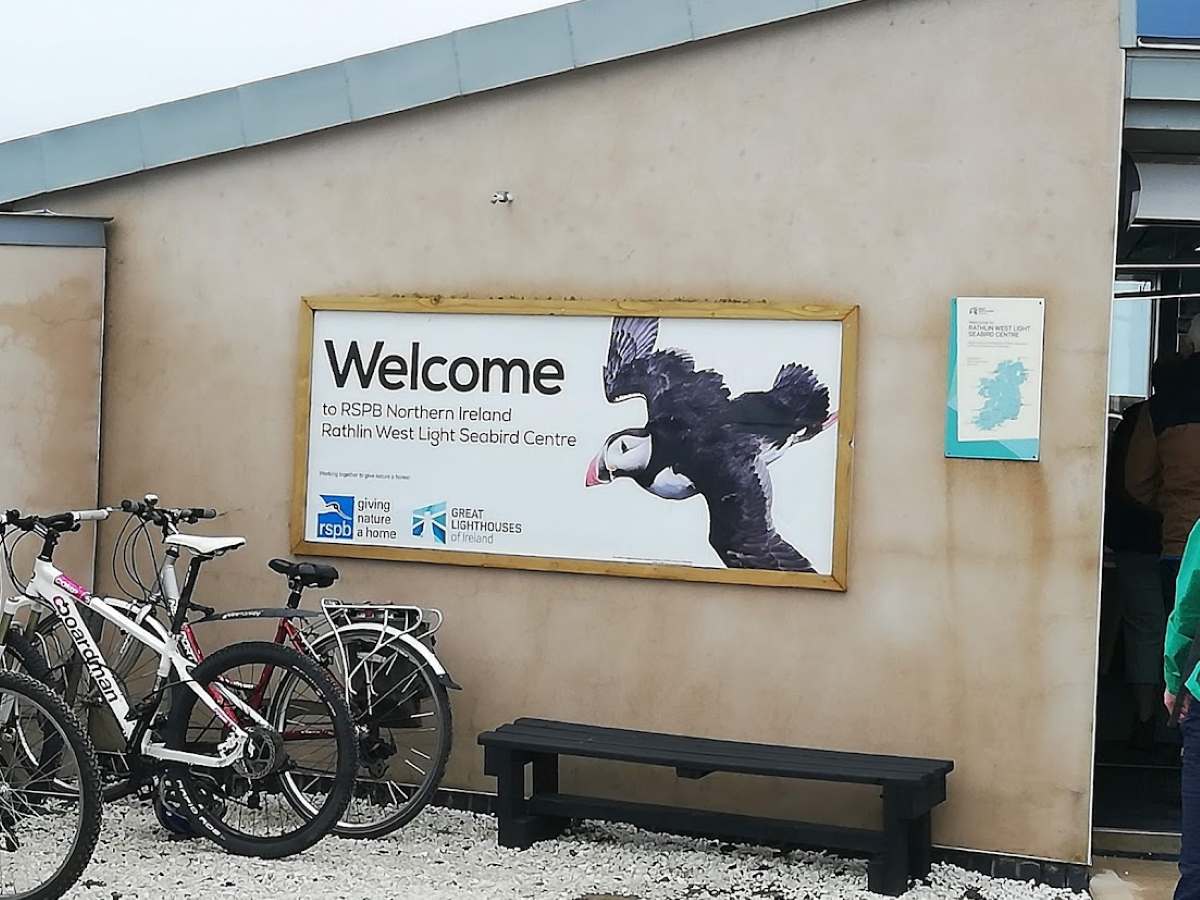

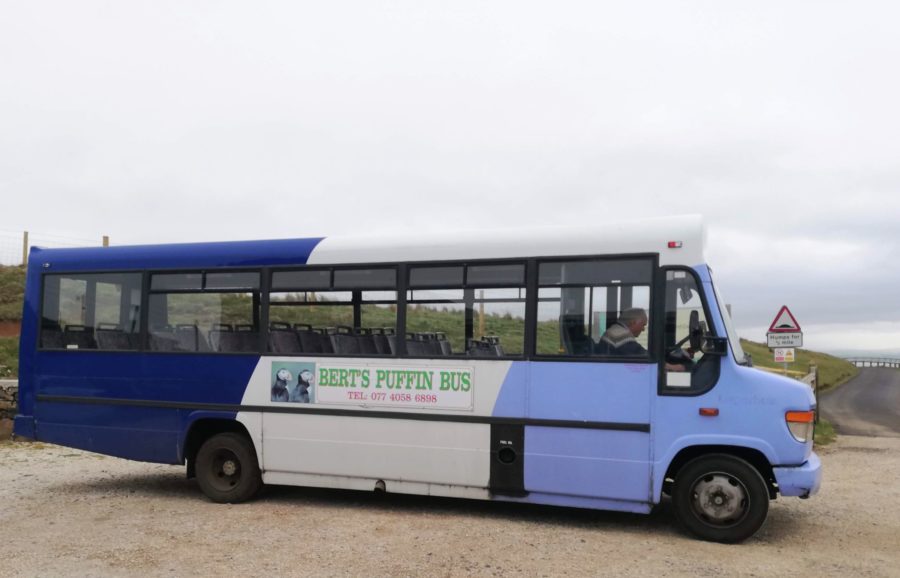
From the harbour at Church Bay, the seasonal “Puffin Bus” runs to the Seabird Centre for around 6 pounds return, cash only, or it is a scenic 4.5 mile walk or cycle. Entry to the West Light Seabird Centre itself costs around 9 pounds for an adult and 5 pounds for a child, and is free for RSPB members. The viewing platform is reached by 98 steps down the cliffside, with a further 64 steps to the base of the famous “upside down” lighthouse, so this site is not suitable for wheelchair users, though the upper platform and visitor centre building are accessible. Cars are not permitted on the island without a residents’ permit, so factor the ferry and bus timings carefully into your day, and allow time to make your return sailing.

The Gobbins, County Antrim
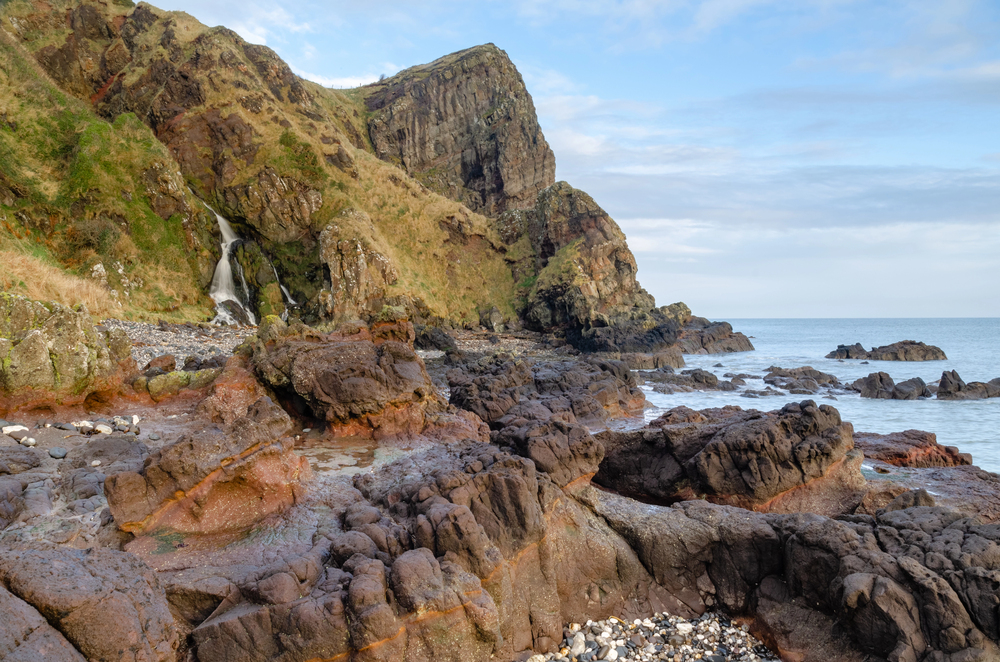
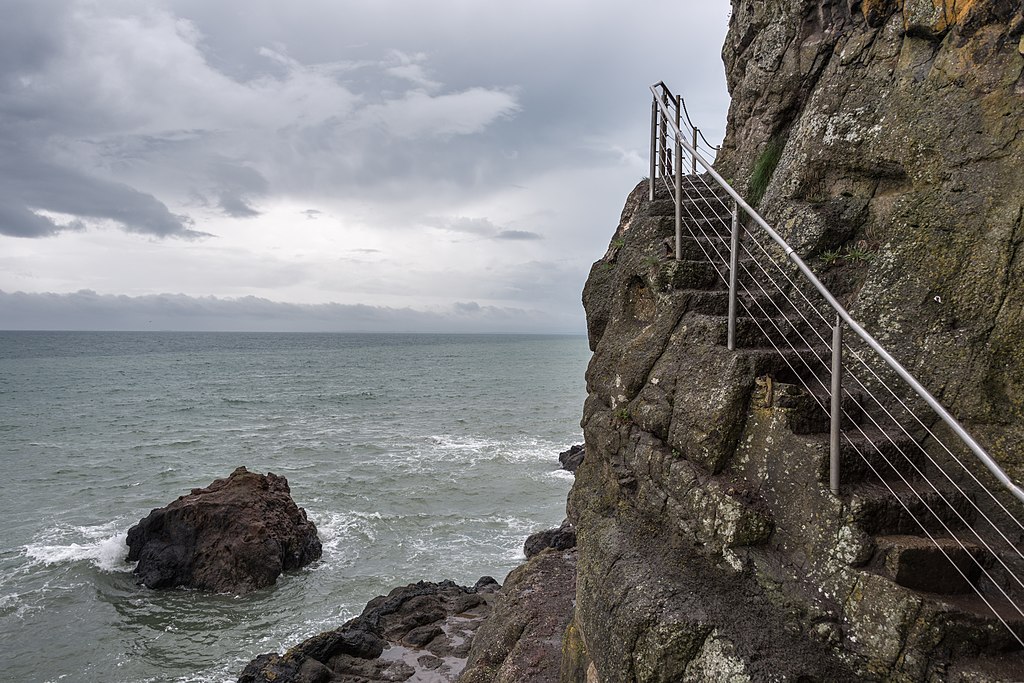
The Gobbins cliff path, on the Causeway Coastal Route, holds Northern Ireland’s only mainland puffin colony, alongside kittiwakes, shags, guillemots, razorbills and occasional peregrine falcons. This is one of the most physically demanding sites in this guide: the guided walk covers roughly 3 miles of narrow path with gradients as steep as 1 in 4 and the equivalent of around 50 flights of steps, and anyone under 4 feet tall or with cardiac, respiratory or joint conditions is not permitted on the path. Walking aids and prams are not allowed, and children cannot be carried.
As of the 2026 season, adult tickets are in the region of 23£, with reduced pricing for children and seniors and a family ticket available, though prices are reviewed each season, so check the official Gobbins booking page before you travel. Free coach and car parking is available at the visitor centre, which is itself fully wheelchair accessible, including the cafe, shop and exhibition, even though the cliff path is not. If mobility is a concern, a seasonal boat tour from nearby Ballylumford Harbour gives a sea level view of the same cliffs without the steps.
Seeing Puffins in Ireland by Boat
A boat trip is often the best way to see puffins in Ireland without disturbing nesting birds on foot, and it usually gets you closer to ledges that are simply invisible from a clifftop path. From Doolin, seasonal cruises run beneath the Cliffs of Moher. From Kerry, operators sail around Skellig Michael and the Blaskets. From Howth, short cruises circle Ireland’s Eye. From Ballycastle and Ballylumford, boats cover the Causeway Coast. Whichever operator you choose, pick one that is licensed and commits to keeping a respectful distance from nesting cliffs, since engine noise and close approaches can flush birds from burrows and expose eggs or chicks to predators.
Hidden Gems Only Locals Know About
A few spots rarely make it into mainstream puffin guides. Guerin’s Path at the Cliffs of Moher gets a fraction of the visitor centre crowds for a couple of euro at an honesty box. The Bridges of Ross on the Loop Head Peninsula combines puffin sightings with some of Ireland’s best land based whale watching, and most tourists never even find the turn off. Tory Island trades the crowds of Skellig Michael for genuine island life, traditional music and a resident painting tradition started by islander James Dixon, alongside its own seabird cliffs. On Horn Head, the looped drive lets you scan several separate puffin ledges from the comfort of pull-in parking spots that most Wild Atlantic Way visitors drive straight past on their way to Malin Head.
Puffins and Climate Change: What Has Changed
This is worth getting right, because a lot of older articles understate how serious the picture has become. The most recent Seabirds Count census, covering 2015 to 2021, found the puffin population in Ireland has declined by 28 percent since the previous census, and the puffin is now formally Red-listed as a bird of conservation concern in Ireland, according to BirdWatch Ireland. Globally, the Atlantic puffin is assessed as Vulnerable on the IUCN Red List. BirdWatch Ireland has gone further, warning that without stronger protection for seabird feeding grounds at sea, Ireland and Britain could lose up to 90 percent of their puffin population by 2050, driven largely by warming seas reducing the availability of sandeels, the small fish puffins rely on to feed their chicks.
That is not a reason to stay away. Responsible, low impact wildlife tourism, choosing licensed boat operators, staying on marked paths and supporting sites managed by BirdWatch Ireland or the RSPB, genuinely helps fund the conservation work these colonies depend on. It is simply worth knowing, as you plan a trip built around seeing puffins in Ireland, that you may be watching a species in real decline, and that timing your visit for May through July gives you the best chance of a meaningful sighting while numbers hold.
Where to Stay and Eat Near Ireland’s Puffin Sites
Near the Cliffs of Moher, Doolin and Liscannor both offer everything from budget hostels and bed and breakfasts to comfortable guesthouses, and Doolin in particular has a strong choice of traditional pubs serving seafood chowder and fresh fish, most with step free access to at least the bar area. Ennistymon and Lahinch, a short drive further, add a wider range of restaurants and hotel accommodation.
Near Portmagee, the gateway to Skellig Michael, you will find a small cluster of guesthouses and self catering cottages, plus The Moorings and The Bridge Bar, both known locally for seafood and both with accessible ground floor seating. Around Kilmore Quay for the Saltees, expect simple bed and breakfasts and casual seafood restaurants rather than fine dining, which suits the low key nature of the island trip itself.
In Dunfanaghy, near Horn Head, you have everything from the well regarded Shandon Hotel and Spa to family run guesthouses, plus cafes and restaurants along the main street, most step free at ground level. Ballycastle, for Rathlin Island, has a good spread of hotels, guesthouses and casual dining right along the harbour front, handy for an early ferry.

Things for Kids to Do
Several of these sites work well as a family day out. The Cliffs of Moher visitor centre is the easiest for families with young children, with paved paths, an interactive exhibition, a virtual reality cliff experience and binoculars available to borrow. Ireland’s Eye is a manageable adventure for slightly older, sure footed children who enjoy a bit of scrambling and rock pooling. The Gobbins, by contrast, is not suitable for young children at all given the height restriction and step count, so save that one for teenagers and adults. Boat tours that do not involve landing, such as the Doolin cliff cruises or the Howth cruises around Ireland’s Eye, are often the most relaxed option with very young children, since there is no walking involved and the wildlife spotting itself keeps most kids entertained.

How to Plan Your Puffin Watching Trip
- Pick your season window. Aim for May, June or early July for the best chance of active feeding behaviour, or late March to April if you want to see the birds arriving and pairing up.
- Choose your site based on mobility and time. The Cliffs of Moher suits families and anyone needing accessible paths. Skellig Michael and The Gobbins suit fit, able bodied adults with a full day to spare. Ireland’s Eye and Rathlin sit somewhere in between.
- Book boats and tickets in advance. Puffin season overlaps with Ireland’s busiest tourist months, and licensed boat operators to Skellig Michael and the Saltees in particular sell out.
- Check the weather the night before. Atlantic crossings to island colonies are frequently delayed or cancelled in poor conditions, so build a buffer day into your itinerary if a specific island is a priority.
- Pack proper footwear and layers. Even a sunny forecast can turn wet and windy on an exposed clifftop or open boat.
- Bring binoculars or a long lens. Most puffin viewing, even at the closer sites, is from a respectful distance, so a zoom lens or decent binoculars make a real difference.
- Confirm accessibility needs directly with the site. Facilities and step counts change, so a quick call or email before booking saves disappointment on the day.
Wildlife Friendly Viewing Tips
Stay on marked paths and keep well back from cliff edges and burrows, since collapsed ground near a puffin burrow can be dangerous for both you and the birds. Use a long lens rather than approaching a nest for a closer photo. Drones are prohibited at most colonies, and are a bad idea near nesting seabirds in any case. Keep dogs away from seabird sites entirely, even on a lead.
Those are the most reliable places to find Atlantic puffins across Ireland, from the accessible paved paths at the Cliffs of Moher to the demanding stone steps of Skellig Michael and The Gobbins. Wherever you choose to go, and whichever hidden gem you add to your own route, seeing a puffin in Ireland for the first time is one of those small, ridiculous joys of travelling here. Have you managed to spot any yet?

Frequently Asked Questions
Where is the best place to see puffins in Ireland?
The Cliffs of Moher in County Clare is the best all round choice for most visitors, since it combines reliable puffin sightings with accessible paths, included parking and a full visitor centre. For a more remote experience, Skellig Michael in County Kerry and Rathlin Island in Northern Ireland hold larger, more dramatic colonies.
What month is best to see puffins in Ireland?
May, June and the first half of July give the best chance of seeing puffins in Ireland, since adults are constantly commuting between the sea and their burrows to feed chicks during this window. Puffins begin arriving in late March and are largely gone from Irish cliffs by mid August.
Do you need to book in advance to see puffins in Ireland?
Boat trips and landing tours to island colonies such as Skellig Michael, the Saltees and Ireland’s Eye should be booked well in advance, particularly in June and July, since licensed operators have limited capacity and popular slots sell out. Clifftop sites such as the Cliffs of Moher and Horn Head do not require booking to view puffins, though the Cliffs of Moher visitor centre itself is cheaper booked online in advance.
Are puffin watching sites in Ireland accessible for wheelchair users?
The Cliffs of Moher is the most accessible site in this guide, with 800 metres of paved paths, an electric mobility vehicle and accessible parking included in the admission price. Ireland’s Eye, the Saltee Islands, Skellig Michael and The Gobbins all involve rock scrambling, unpaved paths or significant steps, and are not suitable for wheelchair users, though several operators offer boat only cruises that do not require landing.
Is it true that puffins in Ireland are declining?
Yes. The most recent national seabird census found puffin numbers in Ireland have fallen by 28 percent, and the species is now Red-listed as a bird of conservation concern here, with BirdWatch Ireland warning of losses of up to 90 percent across Britain and Ireland by 2050 if current climate and food supply pressures continue. Choosing licensed, low impact tour operators and staying on marked paths helps support the conservation work protecting the colonies that remain.
Can you see puffins in Ireland without taking a boat?
Yes. The Cliffs of Moher, Loop Head, Horn Head and Malin Head are all accessible by road with clifftop viewing, no boat required. Rathlin Island and The Gobbins involve a short ferry or are reached by road respectively, but a boat trip is not strictly necessary for either.
Join 6,519 Ireland travellers in my Ireland Uncovered Facebook Group and 1,897 on my XYUandBEYOND PAGE
This guide is part of a wider Accessible Ireland travel series, offering realistic, first-hand advice for limited-mobility travel across Ireland.
➡️Accessible Causeway Coast Route
➡️Accessible Wild Atlantic Way
If you encounter changes (e.g., temporary lift closures or construction), please let me know so I can update this page promptly.
Seeing puffins in the wild is definitely on my bucket list! This is such a great guide! Saving it for our trip to Ireland!
Thanks, Julie I hope you have an amazing trip and get to see the puffins in their natural habitat.
The birds are so beautiful and exotic!
I love puffins! I saw them when I was visiting Alaska and they will definitely be on my list when I get to Iceland someday.
Ireland! Iceland is on my brain.
Loved learning more about puffins! I never saw them on my previous trip to Ireland but will check out some of the places you mentioned the next time I’m there.
Lovely post and incredible pix. Thanks for including the info about how climate change is affecting puffins’ food supplies. Very important info.
Thanks, Kelly I think given the state of the planet its important that all of us travelling types record what is critical to the survival of the beautiful places we visit.