
Must-See Places in Germany: Top Attractions, Cities & Hidden Gems
Updated September 2025
Just imagine it over 2 millennia of history which means Germany is far more interesting to visit than Oktoberfest would have you think. Visiting Germany will treat you to a fascinating and rich history complete with fairytale castles, cathedrals soaring to the sky, and landscapes of forests, mountains and rivers.
Germany’s cultural and historical contributions are vast. The landscape is dotted with over 2,100 castles, and its infrastructure is famous for the Autobahn, where 65% of the highways have no speed limit, reflecting its status as a leading car producer. The country is also a haven for culture and knowledge, boasting more zoos than any other nation, alongside 6,200 museums, 820 theatres, and 8,800 libraries.

North Americans do love a Christmas Market and Germany hosts some of the best. Seasonal traditions run deep, with Germany credited for originating the Christmas tree trend and hosting over 2,500 Christmas markets, including the worlds largest and one of the oldest in Dresden. From the first printed book to its modern innovations, Germany offers a rich tapestry of experiences for every visitor.
With over 2,000 years of documented history, Germany ranks among Europe’s most visited countries, welcoming 37.2 million international tourists in 2024 according to the German National Tourist Board (GNTB). Beyond the famous Oktoberfest, this comprehensive guide explores a few of Germany’s 51 UNESCO World Heritage sites, historic castles, Gothic cathedrals, and diverse landscapes spanning from the Baltic Sea to the Bavarian Alps.
Cities and towns that are a must visit in Germany
Germany’s great cities offer a captivating blend of history, culture, and modern vitality.
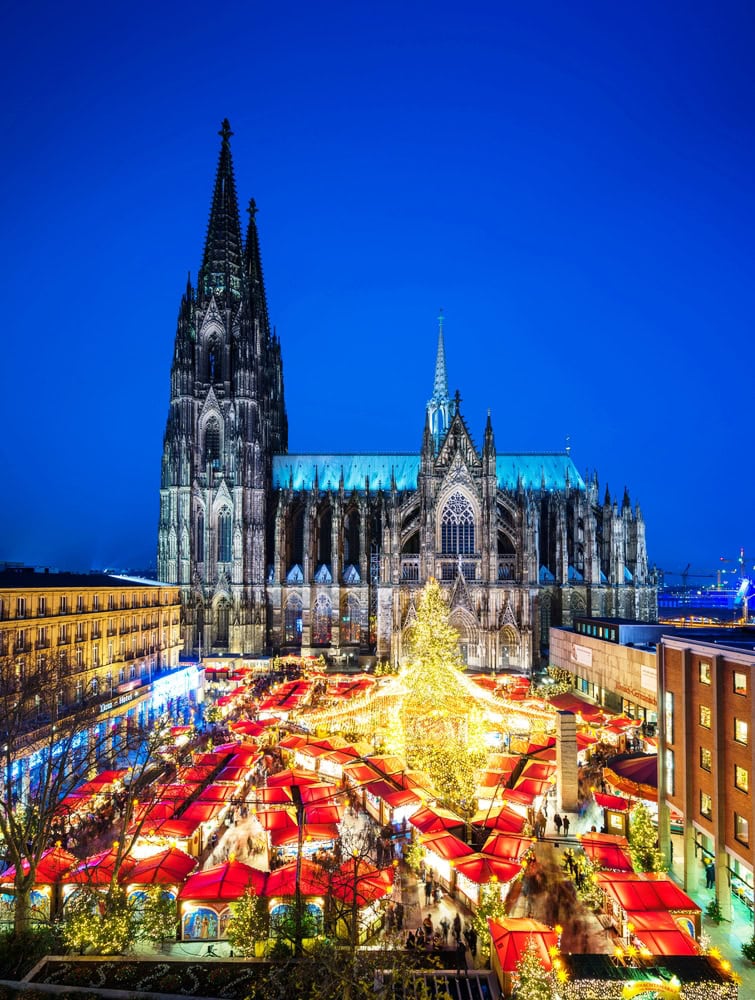
Berlin is a must for its world-class museums and palpable history, where the remnants of the Wall stand alongside cutting-edge art galleries. Munich provides the perfect postcard of Bavaria, offering both the grandeur of its royal palaces. For a different vibe, Hamburg’s sleek, modern architecture contrasts with its historic maritime heart. Meanwhile, Cologne is dominated by its breathtaking Gothic cathedral and boasts a vibrant, welcoming atmosphere right on the Rhine River.
Rothenburg ob der Tauber
Designated by UNESCO as the best-preserved medieval town in Europe, Rothenburg ob der Tauber anchors Germany’s Romantic Road. The German Heritage Association (2025) catalogs 42 protected historic structures within its 1.2km old town; including Europe’s most complete medieval wall system.

The Medieval Crime and Justice Museum, Germany’s largest legal history museum, houses 50,000 artifacts dating from 1000 AD, attracting 120,000 visitors. The German Christmas Museum, showcases 1,000 historic ornaments. During winter, Rothenburg’s Reiterlesmarkt, dating to 1393, transforms the Marktplatz into what Forbes named “Europe’s Most Authentic Christmas Market”.
According to visitor surveys, the most rewarding of all things to do in Rothenburg ob der Tauber is exploring its medieval streetscape. The Tourism Board reports that Plönlein (“Little Square”), with its iconic yellow timber-framed building from 1550, ranks as Germany’s most photographed site, appearing in over 2 million Instagram posts. This intersection of Kobolzeller Steige and Untere Schmiedgasse represents one of only three surviving medieval street forks in Europe.

The medieval fortification system, maintained by the Bavarian Monument Office, includes 3.8km of walkable walls with 42 towers. In 2024, these 12th-century defences offer panoramic views across the Tauber Valley from heights up to 25.
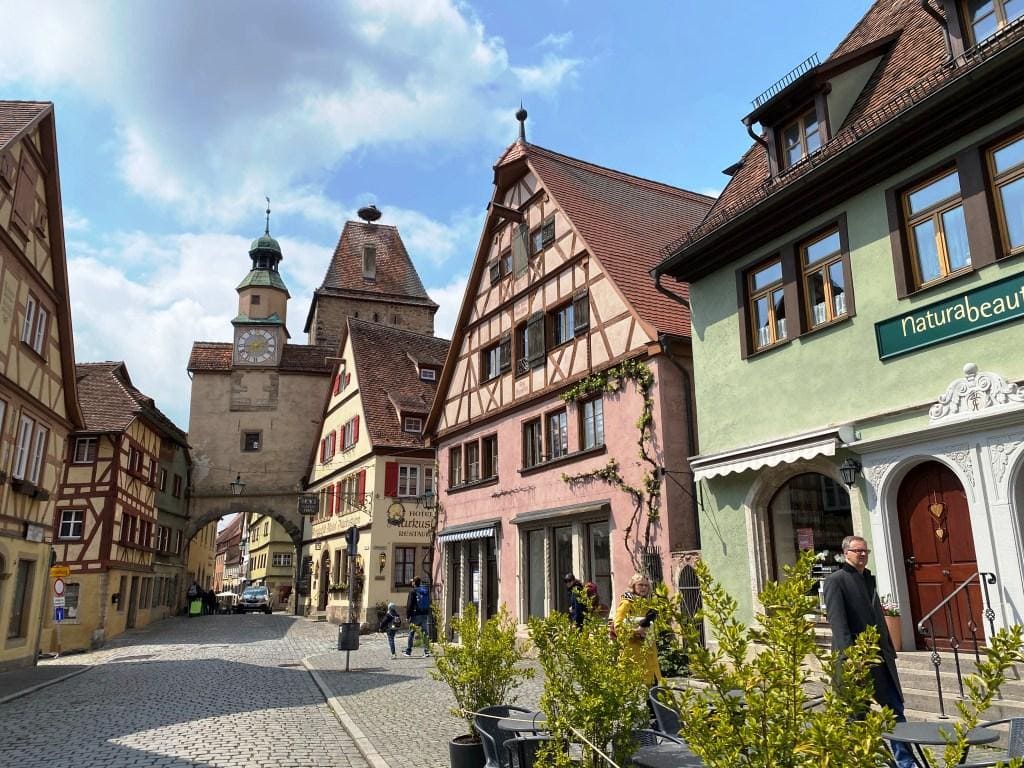
The award-winning Night Watchman’s Tour, operates year-round. Led by historians in period attire, these tours attract 150,000 annual participants. The 90-minute experience covers 1.5km of medieval streets while sharing authenticated historical accounts.
Berlin
Attracting over 13.5 million visitors annually Berlin offers an unmatched urban experience. There are so many things to do in Berlin that showcase its rich history, from UNESCO-recognized Museum Island (attracting 3 million visitors yearly) to vibrant street art districts, stunning architectural landmarks, an innovative culinary scene and Europe’s most diverse nightlife scene.
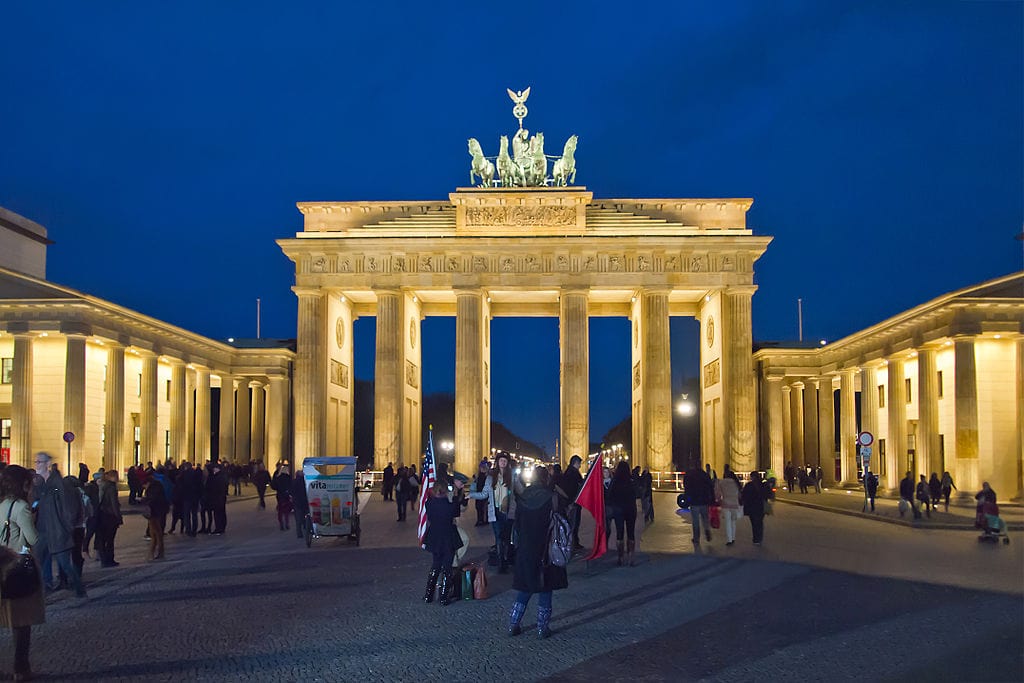
History aficionados will find Berlin’s 175 museums particularly compelling, if you are spending one day in Berlin choose one favourite to visit. Museum Island, a UNESCO World Heritage site has five world-class institutions that anchor the city’s cultural landscape, while the Wall Memorial Museum provides powerful insights into divided Berlin. The city’s Soviet-era heritage, though sobering, offers crucial historical perspectives. Key sites include the Jewish Museum (800,000 annual visitors), the Holocaust Memorial’s 2,711 concrete stelae, and the Topography of Terror, which draws 1.3 million visitors annually to examine this crucial history.

The Berlin Wall Memorial on Bernauer Strasse is the central memorial site of German division, featuring a preserved section of the death strip with original remnants and a moving documentation center that recounts the personal stories of those who lived and died at the Wall. Just a few kilometers away.

Checkpoint Charlie stands as the most famous former border crossing between East and West Berlin, now a major tourist spot marked by a replica guardhouse and historical signs that detail the tense confrontations that occurred there; together, these sites offer a powerful and contrasting look into the city’s Cold War history, from sober remembrance to symbolic spectacle.
Berlin’s culinary scene makes it a top foodie destination and the city serves 850 million portions of currywurst annually, and 4,000 döner kebab stands. Berlin’s brewing heritage remains unmatched, with 65 craft breweries as of and the city hosts Germany’s largest beer festival, drawing 350,000 visitors annually.

What makes Berlin truly special is its role as a gateway to other remarkable destinations. Renting a campervan opens up easy access to significant sites like Sachsenhausen Memorial and the UNESCO Biosphere Reserve Spreewald, just 100 km away.
Potsdam
If you’re planning a trip to Germany, Potsdam is a destination you shouldn’t miss, especially if you’re visiting Berlin. It’s loaded with history and beauty, and it’s easy to reach. A small city located southwest of Berlin, you can easily take a day trip to Potsdam from Berlin and see much of what is on offer.

Potsdam’s most iconic attraction is the magnificent Sanssouci Palace, the summer retreat of Frederick the Great. Often called the “German Versailles,” its rococo splendour and sprawling, ornate gardens are a UNESCO World Heritage site. For a deeper dive into Prussian grandeur, explore the colossal New Palace (Neues Palais) and Cecilienhof Palace, famous as the site of the 1945 Potsdam Conference.
The entire park ensemble includes other stunning palaces like Marmorpalais and Orangery Palace. Don’t miss the charming Dutch Quarter and the historic city gates in the town itself.

A standard adult ticket to Sanssouci Palace costs €14. Combination tickets for multiple palaces offer significant savings. Book timed tickets online in advance on the official SPSG website, as they are required for Sanssouci and often sell out.
Accessibility: The historic palaces have limited accessibility with many stairs and uneven paths. Sanssouci Palace does not have an elevator. The park grounds are largely accessible, and some palaces like the New Palace offer better access. It is essential to check the detailed accessibility information for each specific palace on the official website.
Nuremberg
Visitor data shows tremendous interest in day in Nuremberg attractions. The Nuremberg Gingerbread Association reports annual Lebkuchen production of 70 million pieces, using a protected recipe from 1395. The “Beautiful Fountain” (Schöner Brunnen) with its golden ring and Instagram analytics ranks the medieval Hangman’s Bridge and the preserved craftsmen’s houses along Weissgerbergasse among Germany’s top 50 photographed historic sites.

The Nuremberg Christkindlesmarkt is one of the world’s oldest and most famous Christmas markets, renowned for its festive atmosphere set against the backdrop of the medieval old town. Visitors flock to its hundreds of wooden stalls for traditional handmade ornaments, Nuremberg sausages, and spicy gingerbread. The Nuremberg Bratwurst Protection Association certifies that authentic Nuremberger Rostbratwurst (protected by EU law since 2003) must be exactly 7-9cm long.

The Memorium Nuremberg Trials, housed in the Palace of Justice, welcomed 100,000 visitors in 2024. The International Military Tribunal Documentation Center maintains the historic Courtroom 600, where 24 Nazi leaders faced justice between 1945-1946. According to the Bavarian Justice Ministry, this courtroom, still used for local cases, dedicates 250 days annually to public viewing. The permanent exhibition, updated in 2024, displays 1,200 original artifacts and over 6,000 pages of trial documents.

Expert Recommendation: “Visit during mid-week in early December for the optimal Christmas market experience with fewer crowds but full festive atmosphere.” – Dr. Maria Weber, European Christmas Market Association
Hamburg
The best reason to visit Hamburg is for its unique maritime soul, best embodied by the bustling warehouse district of Speicherstadt, a UNESCO World Heritage site, and the modern architectural wonder of the Elbphilharmonie concert hall.

This vibrant port city offers a captivating mix of history, culture, and a famously lively nightlife. According to the Hamburg Heritage Foundation, the UNESCO-listed Speicherstadt (warehouse district) represents the world’s largest complex of historic warehouses, spanning 260,000 square meters. Another great thing to do in the city is indulge in the great local food. There are so many amazing places to eat in Hamburg serving traditional, as well as fusion food.

Miniatur Wunderland in Hamburg is the world’s largest model railway exhibition, an utterly mesmerizing attraction that captivates visitors of all ages. It’s incredibly detailed miniature worlds span multiple regions, from a bustling Hamburg and the snowy Alps to vivid recreations of America and Scandinavia, complete with day and night cycles.
The sheer scale, with thousands of moving trains, cars, and tiny humorous scenes to discover, makes it an unmissable and unforgettable experience. The Guinness World Records confirms Miniatur Wunderland as Earth’s largest model railway, spanning 1,499 square meters.

As of 2023, a standard adult ticket for Miniatur Wunderland costs €20. Ticket prices vary by age and time of day, with reduced rates for children, seniors, and evening entries after 6:00 PM.
Frankfurt
Visit Frankfurt to experience the thrilling contrast of a modern European financial capital, with its stunning skyscraper skyline, and a historic Altstadt (Old Town) featuring reconstructed gems like the Römerberg square.

The Frankfurt Heritage Foundation documents the contrast between the reconstructed Römerberg quarter, featuring 67 preserved medieval buildings, and the modern financial district’s 14.7 million square feet of office space. The Eiserner Steg (Iron Bridge), dates to 1869 and was rebuilt in 1946, it offers Frankfurt’s most-photographed cityscape view, capturing both the UNESCO-listed old town and Europe’s most concentrated high-rise district.

Frankfurt is a great base to explore this region of Germany. Take a day trip to Rothenburg, the most photogenic town in the whole of Germany, discover the romantic city of Heidelberg, or spend a day in Strasbourg, discovering the French Alsace region.
Tübingen
Tübingen lies 40 kilometers south of Stuttgart, accessible via 65 daily regional trains. According to the German University Association (2025), this UNESCO-nominated university town hosts 28,900 students, comprising 31% of its 91,500 population. Tübingen welcomes 950,000 visitors annually who spend one day in Tübingen.

Tübingen University, founded in 1477, ranks among Europe’s top 100 institutions. The University Heritage Office documents 65 protected historic buildings across its campus, including the 1482 Great Hall.

Tübingen’s Market Square (Marktplatz) is the vibrant, picturesque heart of the old town, beautifully framed by colorful half-timbered buildings and the imposing Renaissance Town Hall. The square truly comes to life on weekdays with its bustling outdoor market, where locals gather to sell fresh produce, flowers, and regional specialties. Its charming, historic atmosphere is best enjoyed from a café terrace or during one of the city’s many festive markets.
Düsseldorf
Düsseldorf masterfully blends historic restoration with modern innovation. Though 85% of its historic center was destroyed in WWII, meticulous efforts have restored 162 pre-war buildings, which now house contemporary cafes and galleries. The city’s 42 kilometers of revitalized Rhine riverfront draw millions, while the Medienhafen district showcases groundbreaking architecture from stars like Frank Gehry and is a thriving hub for over 850 companies.

For the best perspective on the city, ascend the 240.5-meter Rhine Tower; on one of the 180 annual clear days, the view stretches 65 kilometers to the Cologne Cathedral. The Tower (Rheinturm) offers Düsseldorf’s best panoramic views from its observation deck, with an adult ticket costing €11. The tower is fully accessible via elevators, making it an inclusive experience for all visitors.
Bayreuth
One awesome destination you need to add to your Germany bucket list is Bayreuth. This Bavarian town is well known for its cultural music venues and is home to the UNESCO World Heritage Site, the Margravial Bayreuth Opera House and the home to famous German composer Richard Wagner who has a museum and hosts his annual festival at the Bayreuther Festspielhaus.

Beyond being culturally rich in the music and opera scene, you can find other great sites in Bayreuth to check out like the stunning Hermitage Gardens which is a great place to take a stroll and admire the Rococo architecture.
If you’re a fan of architecture you can find more beautiful 18th-century homes on Friedrich Street, aka Bayreuth’s millionaire’s row. Since much of Bayreuth was bombed and destroyed in WWII, it’s impressive to see what architecture survived and still stands here.
And for beer lovers, you’ll also want to enjoy a tour and tasting at Maisel’s Bier-Erlebnis-Welt.
Oberammergau
Nestled in the Bavarian Alps, the market town of Oberammergau is world-renowned for its distinct fairytale appearance, created by the traditional Lüftlmalerei frescoes depicting German mythology and religious scenes that adorn over 90% of its buildings.

The town’s global fame stems from its Decennial Passion Play, a monumental undertaking where 2,100 local participants — will perform across 103 dates in 2030. While ticket costs for the 2030 Passion Play have not yet been officially released, prices for the previous 2022 performance ranged from approximately €30 to €180, depending on the category and package.
Bacharach
Bacharach is a wonderful town situated on the stretch of the Upper Middle Rhine River. Known as one of the most preserved towns in Germany, Bacharach has numerous lively villages on the river. The town has also been listed as UNESCO World Heritage Site and the beauty of the town justifies this a lot. With quiet and calm rivers and vineyards on the hillsides, there’s a lot to the town that makes this place worth visiting.

The town is located at a distance of just 50 km from Koblenz and about 87km from Frankfurt. You will find Bacharach on the left bank of the stunning Rhine Gorge. It is one of the best Rhine towns you’ll visit and there are a lot of things to explain this.
Start your excursion by taking a picture at Marktturm, which is the official entrance to the town. It cuts through the old city wall and is very pleasing to the eye. It also has a lot of history to it so do not miss out on capturing it.

Continue with the most famous cruise down the Rhine. It can be a great start to one of the most beautiful river cruises you will get in Europe. As you move further, you will see rolling vineyards, hilltop castles lined up, and storybook towns.
Cologne
Visiting Cologne means being greeted by the breathtaking twin spires of its iconic cathedral, a UNESCO World Heritage site and the city’s magnificent heart. Beyond this architectural marvel, the vibrant city invites you to stroll through its charming Altstadt (Old Town), cross the historic Hohenzollern Bridge adorned with love locks, and explore world-class museums.

The lively atmosphere is complemented by its famous Kölsch beer, served in traditional breweries throughout the city, making Cologne a captivating blend of ancient history and modern German culture.
Cologne Cathedral stands as Germany’s greatest Gothic masterpiece and one of Europe’s most iconic tourist attractions, a status formally recognized when it was inscribed as a UNESCO World Heritage site in 1996. Its construction was an epic undertaking, beginning in the mid-13th century but not reaching completion until 1880 with the final erection of its iconic twin spires. The cathedral defies superlatives: it is one of the worlds largest by floor area, features the highest twin spires of any church globally, and ranks as the second-tallest cathedral in all of Europe.

Entry to Cologne Cathedral itself is free, allowing all visitors to admire its stunning nave and historic art. For a more in-depth experience, separate fees apply to access specific areas like the Treasury, with its magnificent collection of religious artifacts, or to climb the 533 steps to the South Tower’s observation deck for unparalleled city views; a combination ticket is available for those wishing to visit both.
In terms of accessibility, the cathedral is well-equipped with facilities including a nearby car park, a lift to the tower’s observation deck, wide pathways, and accessible toilets, though please note that the main entrance does involve a few steps.
Germany’s natural beauty
What is the Romantic Road? – (Romantische Straße)
The Romantic Road in Germany, established in 1950, spans 350 kilometers through Bavaria and Baden-Württemberg (German Tourism Board, 2025). According to the Romantic Road Tourism Association, this carefully preserved route connects 27 medieval towns, with annual visitor numbers reaching 5 million in 2024.

The journey showcases Germany’s architectural heritage through 20 preserved castles, 17 medieval city walls, and 6 UNESCO World Heritage sites. The German National Tourist Board reports that Neuschwanstein Castle alone, the route’s most famous attraction, welcomed 1.5 million visitors in 2024, making it Germany’s most photographed building.
Expert Tip: “For the most authentic experience, plan your Romantic Road journey during shoulder season (April-May or September-October) when crowds are thinner and accommodation rates are lower.” – Johannes Schmidt, Official Romantic Road Tourism Association
Switzerland National Park
In the Bavarian Alps, Switzerland National Park (Nationalpark Berchtesgaden) is Germany’s only high-Alpine national park, renowned for its pristine landscapes of towering peaks, deep valleys like the breathtaking Königssee lake. the name comes from the Berchtesgadener Land region, which has been historically nicknamed “Das Bayerische Meran” (Bavarian Meran) or “Die Bayerische Schweiz” (Bavarian Switzerland).

Key attractions include the boat trip to the secluded St. Bartholomä chapel, the panoramic Watzmann mountain, and the challenging Steinernes Meer hiking routes. However, the park’s rugged, mountainous terrain presents significant accessibility issues; most trails are steep, rocky, and unsuitable for wheelchairs or those with limited mobility.
Königssee Lake: Bavaria’s Alpine Jewel
Königssee, dubbed “Germany’s Most Beautiful Alpine Lake” by the German Tourism Board (2025), lies within Bavaria’s only Alpine National Park. Located near Berchtesgaden and stretching 7.7 km in length, the lake’s pristine waters reach depths of 190 meters. The name “Königssee” literally translates to “King’s Lake,” reflecting its royal heritage since the 12th century.

Protected as a nature reserve since 1978, Königssee welcomes 2 million visitors annually. The journey begins in Schönau, where electric boats (operating since 1909 to protect water quality) transport visitors across emerald waters. During the 55-minute journey, guides demonstrate the lake’s famous echo with traditional trumpet performances that reverberate up to seven times off the surrounding cliffs.
Boat tour duration: 55 minutes (round trip). Prices: €22.50 adult, €11.25 children (2025 rates)

St. Bartholomä is a famous pilgrimage chapel renowned for its idyllic and dramatic setting. Its distinctive red domes and white-washed walls, backed by the towering rock face of the Watzmann mountain, create a breathtakingly beautiful scene.
Originally built in the 12th century and rebuilt in the Baroque style, the chapel is named after Saint Bartholomew and is accessible only by boat or a long hike, adding to its secluded and serene charm. The site features Bavaria’s oldest continuous beer garden, serving regional specialties including Weisswurst (white sausage) and Brezen to 500,000 guests annually.
Königssee is famous for its remarkable echo, historically demonstrated by boat guides firing a trumpet or cannon across the tranquil water. The sound would bounce cleanly off the steep limestone rock faces, returning a clear and powerful reverberation that could repeat up to seven times.
According to the National Park Authority the Salet dock serves as the gateway to Obersee, attracting 250,000 hikers annually. The 30-minute trail to Obersee offers views of Germany’s highest free-falling waterfall, the Röthbach.
Local’s tip: Königssee’s unique echo phenomenon and crystal-clear waters make it one of Europe’s most pristine alpine lakes. The best photography opportunities are during early morning hours when the lake surface is completely still. Wheelchair accessibility: Available for boat tours.
Eibsee
Eibsee or Lake Eibsee is one of the most beautiful lakes in Germany that is located in the South German state of Bayern (called Bavaria in English). One of the best things to do at Eibsee is to walk the trail along the lake. You can even hire paddle boats at the boat station near the entrance to the lake. If you happen to stay at the Eibsee hotel then you can directly rent boats from the hotel itself. The clear turquoise waters of Eibsee coupled with a view of the Bavarian Alps and Zugspitze – the highest point in Germany make this lake an unmissable place to visit in Germany.

Garmisch
Garmisch, located in the heart of Bavaria in the South-eastern part of Germany, is a beautiful fairy tale town surrounded by Alpine mountain ranges, castles, and emerald lakes. Due to its enchanting natural landscapes, this place is visited by tourists from all over the world. It is also a perfect day trip from Munich, and there are many things to do in Garmisch for all interests and ages.

Garmisch hosted 1936’s winter Olympics Games, so you can find top-notch winter sports facilities here. Garmisch is also a ski resort town famous for skiing, ice skating, hiking, and snowboarding. So adventure lovers and winter sports lovers love to visit Garmisch.
Zugspitze Mountain is a highlight, and with a height of 2962 m above sea level, it is the highest point in Germany. You can reach the mountain’s top by hiking or cable cars. Cable cars are the easiest access method to the top of Zugspitze peak.
The Upper Palatinate Forest near Garmisch has more than 4700 lakes; therefore, this region is famous for its beautiful emerald lakes. Lake Constance, Eibsee, and Starnberg are this region’s most famous and scenic lakes.
Stunning German Castles
Visiting Germany’s best castles is like stepping into a storybook, where history and fairy-tale architecture collide. The journey might begin with the world-renowned Neuschwanstein Castle in Bavaria, whose romantic turrets and breathtaking alpine backdrop inspired Disney’s Sleeping Beauty castle.
You can then explore the majestic Heidelberg Palace, a magnificent ruin overlooking the Neckar River that embodies German Romanticism, before venturing to the formidable Burg Eltz, a perfectly preserved medieval fortress seemingly untouched by time, hidden deep within a Moselle valley forest. From hilltop fortresses to ornate royal residences, each castle offers a unique and unforgettable window into Germany’s rich and layered past.
Neuschwanstein Castle (Schloss Neuschwanstein)
Commissioned in 1868 by King Ludwig II, Neuschwanstein Castle rises 965 meters above sea level on a rocky outcrop overlooking the Pöllat Gorge. The Bavarian Palace Department documents that despite Ludwig’s ambitious three-year construction plan, building continued until 1892. Historical records show only 14 of the planned 200 rooms were completed, at a cost of 6.2 million marks.

Following Ludwig II’s death in 1886, the Bavarian state opened the castle to visitors just six weeks later. The Bavarian Palace Department reports that Neuschwanstein now welcomes 1.5 million visitors annually, making it Europe’s most-visited palace.
The castle’s centrepiece, its Byzantine-inspired throne room, soars 13 meters high with a painted ceiling featuring 3,000 hand-applied gold stars. As the composer Wagner’s most generous patron, Ludwig dedicated the castle’s artistic program to the composer’s works.
Lichtenstein Castle
According to the Baden-Württemberg Heritage Foundation, Lichtenstein Castle stands as Germany’s newest authentic medieval-style fortress. Built between 1840-1842 by Count Wilhelm of Württemberg, the castle exemplifies Romantic period architecture. The State Archives confirm the castle’s design was directly inspired by Wilhelm Hauff’s 1826 novel Lichtenstein, making it unique among German castles as the only one built based on a work of literature.

The name “Lichtenstein,” derived from Middle High German, translates to “shining stone,” referring to the white limestone cliff face that reflects sunlight across the valley (German Language Institute, 2024).
Schloss Hohenschwangau
According to medieval chronicles, Schloss Hohenschwangau originated in 1147. The Bavarian State Archives document its abandonment in 1523 and subsequent discovery by Crown Prince Maximilian in 1829. The prince acquired the ruins for 7,000 gulden and commissioned architect Domenico Quaglio to rebuild it in Neo-Gothic style between 1833-1837.
According to the Bavarian Art History Institute, the castle’s medieval aesthetic features 98 swan motifs, reflecting the region’s name (Schwangau means “swan district”). The interior, restored in 2024, showcases pristine Biedermeier design with 93 authenticated wall paintings depicting Germanic legends, requiring 27,000 hours of conservation work.

The Bavarian Palace Department has guided tours lasting 45 minutes, available in 9 languages. Current admission is €23.50 for adults and €21.00 for children over 7 (prices valid through December 2025).
Accessbility details: 94 stone steps across four levels, no elevator due to historical preservation requirements. The 1.2km uphill walk takes 20-25 minutes, while horse-drawn carriages (€7 uphill, €3.50 downhill) transport 95,000 visitors annually. Photography: Allowed outside, prohibited inside
Expert Tip: “Visit during the first tour slot or last two hours before closing to avoid peak crowds. The Marienbrücke offers the best photo opportunities, but check its accessibility as it occasionally closes for maintenance.”
Outstanding landscapes and Natural areas to visit
Germany’s natural landscapes offer remarkable diversity, from dramatic mountain ranges to serene river valleys.
The Bavarian Alps provide breathtaking alpine vistas and crystal-clear lakes like Königssee, perfect for hiking and outdoor adventure. For a more mystical experience, the Black Forest is a vast expanse of deep woodlands, charming villages, and cascading waterfalls.
Rhön UNESCO Biosphere Reserve
The Rhön UNESCO Biosphere Reserve is a vast, low-mountain range celebrated as the “land of open distances” for its sweeping, panoramic vistas and unique high-altitude moors. Key attractions include the Wasserkuppe, the highest peak and cradle of gliding, which offers activities year-round, from hiking and paragliding in summer to skiing in winter, and the iconic Kreuzberg Monastery, famous for its brewed beer and serene setting.

A major benefit of visiting the Rhön is that entry to the natural landscape itself is free, though specific attractions like museums, guided tours, or parking facilities have their own separate fees. Accessibility varies significantly across the reserve; while areas like the Black Moor feature wheelchair-accessible boardwalks, many of the hiking trails through rugged terrain and steep hills are not suitable for those with mobility impairments. It’s essential to check the accessibility of specific sites in advance.
Local Tip: Visit during September-October for optimal paragliding conditions and spectacular fall foliage.
Garmisch-Partenkirchen: Alpine Sports Paradise
At the foot of the Zugspitze, Germany’s highest peak, you will find Garmisch-Partenkirchen it is a world-renowned Alpine sports paradise offering exceptional hiking, climbing, and skiing across its dramatic mountain landscapes. Key attractions include the breathtaking Partnach Gorge, a natural wonder with walkways carved into towering rock walls (entry ~€7), and the Zugspitze summit itself, accessible via a scenic cogwheel train and cable car for panoramic views (round-trip ticket ~€61).

While the town center is relatively flat and accessible, the mountain attractions present significant challenges; the Partnach Gorge path is narrow, uneven, and can be slippery, and the Zugspitze, while having accessible facilities at the top, involves transfers that may be difficult for those with severe mobility impairments. For outdoor enthusiasts, it provides an unforgettable mix of natural beauty and adventure.
The Bastei Bridge
An absolute highlight for many travellers is a visit to the world-famous Bastei Bridge. This outstanding landmark is a stone bridge that connects very extraordinary rock formations. The scenery is so unique and special that approximately 1.5 million tourists from all over the world come to experience this impressive attraction every year.

It’s definitely worth spending a few days in the area. Besides the famous Bastei Bridge, there are many other great things to see! A visit to the Königstein fortress or a bike ride along the beautiful Elbe is fun, and you can hike along the famous Malerweg. Nostalgic steamboat tours are pleasurable, and the Schandauer Therme is worth a visit too.
The Black Forest
In southwest Germany, the Black Forest (Schwarzwald) is a captivating region of deep evergreen forests, rolling hills, and charming villages that seem straight out of a storybook. It is famously the birthplace of the cuckoo clock and offers a paradise for outdoor enthusiasts, with an extensive network of hiking trails leading to breathtaking vistas and serene lakes like Titisee.
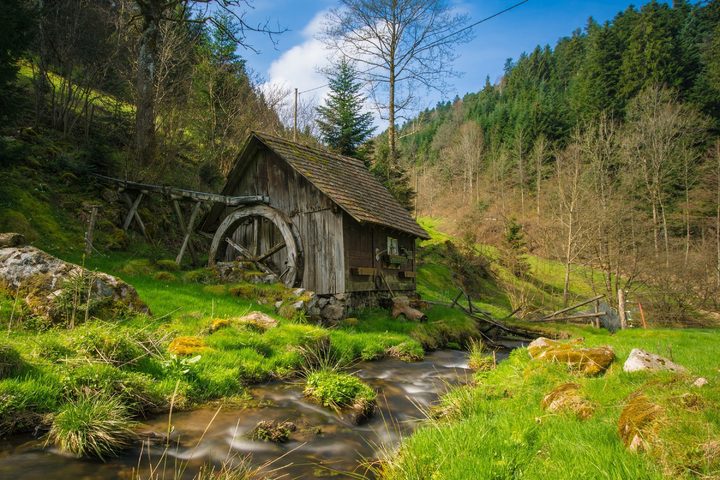
Visitors can also drive the scenic Schwarzwaldhochstraße, explore the historic spa town of Baden-Baden, and indulge in the region’s iconic dessert, the Black Forest Gateau.

German food and drink
German cuisine is a hearty and celebrated cornerstone of its culture, defined by an astonishing variety of over 1,500 types of beer, 300 distinct breads, and an impressive 1,000 varieties of sausage. This love for food and drink is showcased on a grand scale at Munich’s Oktoberfest, the world’s largest beer festival where a standard order is a full litre. The nation’s passion is further exemplified by the iconic currywurst, a popular street food snack with its own dedicated museum in Berlin, celebrating the more than 800 million consumed annually.

From the raw, alpine wilderness of Switzerland National Park (Germany’s oldest) and the dramatic sandstone formations of Saxon Switzerland National Park to the deep evergreen canopies and cuckoo clocks of the Black Forest, Germany’s natural beauty is profoundly diverse. History is etched into the urban landscape at poignant sites like Checkpoint Charlie and the Berlin Wall Memorial, telling the story of a divided nation. Ultimately, Germany offers a remarkable journey where deep history, breathtaking nature, and vibrant modern culture seamlessly converge, ensuring every traveller finds their own unforgettable experience.