
The Ultimate Europe Travel Resource Guide
Welcome, traveler! You’re about to embark on a journey across a continent that is a breathtaking tapestry of layered history, vibrant cultures, and stunning landscapes. Imagine sipping espresso in a Roman piazza where emperors once walked, cycling along Amsterdam’s canals under a golden twilight, or hiking Alpine trails that connect three nations. Europe offers a unique magic where you can hop on a two-hour train and find yourself in a completely different world, with a new language on the street signs, a new currency in your pocket, and a new culinary masterpiece on your plate.
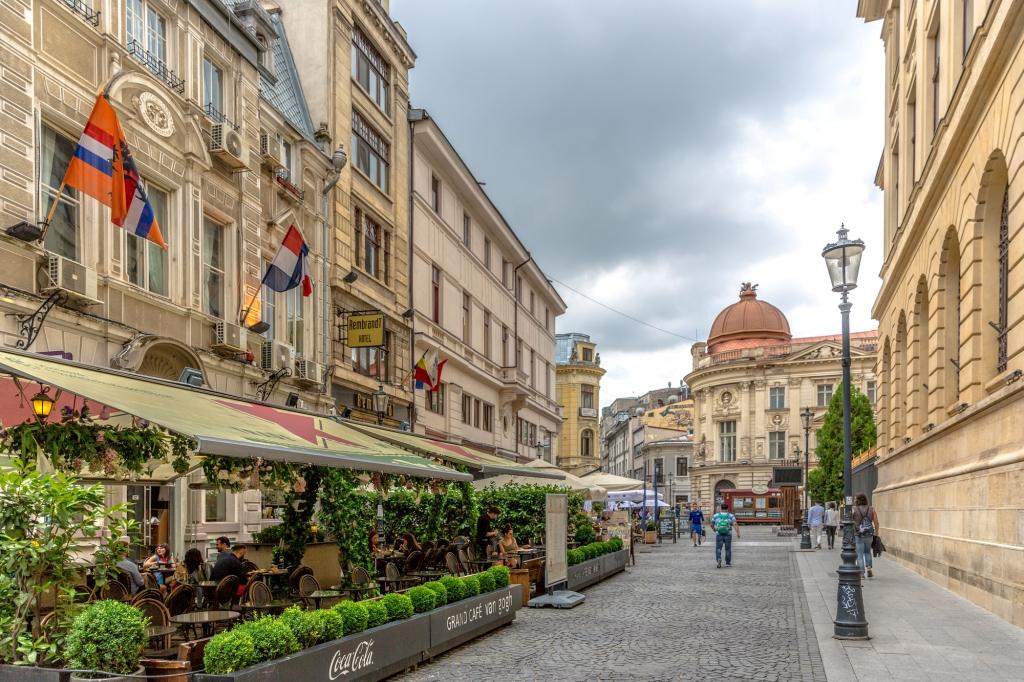
Yet, this very diversity is what makes a little preparation your most valuable travel companion. Navigating the nuances of different countries—from understanding train pass rules to knowing when to tip—can be the difference between a stressful ordeal and a seamless adventure. This Europe travel resource guide is designed to be that trusted companion.
We’ve broken down the vastness of Europe into logical, manageable sections, transforming overwhelming research into a clear, step-by-step plan. We’ll move from the digital essentials you need to download now, to the crucial pre-departure checks for your documents, all the way to the on-the-ground tips that will have you navigating cobblestone streets and bustling metro systems with the confidence of a local.
So, take a deep breath. Your incredible European adventure starts here, with all the information you need to explore with curiosity, connect with confidence, and create memories that will last a lifetime.
Digital Essentials – The Apps You Need
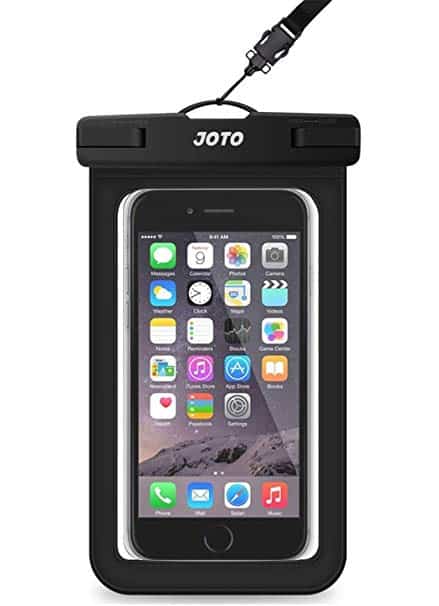
Your smartphone is your most powerful travel tool. Download these before you go.
Navigation & Transportation
Google Maps / Apple Maps: Essential.
Pro Tip: Download offline maps for each city/country you’re visiting to save data.
Citymapper: Far superior to Google Maps for public transport in major cities like London, Paris, Berlin, and Amsterdam. It gives real-time departures, disruption alerts, and even tells you which train car to board for the easiest exit.
Rome2Rio: The best app for figuring out how to get from point A to point B, anywhere in the world. It shows you all options (train, bus, plane, ferry) with estimated times and costs.
Trainline / Omio: Aggregators for booking trains and buses across Europe. They compare prices and schedules from various national rail companies (like SNCF, Deutsche Bahn) and bus companies (like FlixBus), often in English. Perfect for slow travel in Europe as well as the UK and Ireland.
Uber / Bolt: Uber is available in many European cities, but Bolt is a strong (and often cheaper) competitor, especially in Eastern Europe.
Uber in Ireland: It exists, but it is NOT the ride-sharing service you know.
In Ireland (specifically in Dublin, Cork, Galway, and Limerick), Uber operates by connecting you to fully licensed, professional taxi drivers. This means you cannot get a “regular” person as a driver. The cars are official taxis, and the drivers hold taxi licenses.
Pricing: Because they are official taxis, they use the standard, government-regulated taxi meter. The Uber app will give you a price estimate, but your final fare is what the meter says at the end of the trip. It does not use Uber’s dynamic “surge pricing” in the same way.
Why? Irish law requires all drivers for hire to hold a public transport license, effectively banning the peer-to-peer model used by Uber in other countries.
Note: Ride-sharing is banned or limited in some places (e.g., much of Germany, where you’ll use the Free Now app for taxis).

Communication
Google Translate: Indispensable. Use the camera feature to translate menus and signs in real-time. You can also download language packs for offline use.
WhatsApp: The default messaging apps for almost everyone in Europe. Use it to communicate with hotels, tour guides, and new friends without international SMS fees.

Money & Logistics
XE Currency: Reliable, live exchange rates without annoying ads.
WISE: My preferred way to change currencies. I deposit to WISE from my Canadian bank and then convert the currency to Sterling for the UK and Euros for Europe. Very easy to use and no charges to convert.
Your Bank’s App: For easy mobile check deposits and instant balance alerts. Set travel notices here.
Splitwise: The easiest way to track shared expenses with travel companions.
Accommodation & Experiences
Booking.com: Excellent for hotels, B&Bs, and apartments. Their “Genius” loyalty program often provides discounts and free perks.
Vrbo: For apartment and home rentals, offering a more local experience.
GetYourGuide / Viator: Marketplaces for tours, skip-the-line tickets, and unique experiences. Easy to browse and book in advance.

Power Adaptors
When packing your shaver or hair dryer for Europe, understanding the difference between a simple plug adapter and a voltage converter is crucial to avoid damaging your devices. Europe uses 220-240V electrical outlets with round, two-prong plugs (Type C, E, or F). A plug adapter is essential for all devices; it changes the physical shape of your plug so it can fit into the wall socket.
However, for hair dryers, which are high-wattage appliances, the voltage difference is the real concern. If your hair dryer is only rated for 110V (standard in North America), it will fry instantly without a heavy, expensive voltage converter. The safest and easiest solution is to purchase a dual-voltage hair dryer (check the label for “110-240V”) and simply pair it with a plug adapter.
For most modern electric shavers, especially those designed for travel, they are often dual-voltage and will work safely with just a plug adapter—just be sure to check the fine print on the device’s power supply before you plug it in. Keep in mind that in most European Bathrooms there are NO plug sockets.
TIP: If your room has a keycard slot to turn on the lights when you remove your hotel card the room has no power so if you leave your phone on charge – it won’t work.

Pre-Departure Information – What You NEED to Know
Documents & Legalities
Passport: Must be valid for at least six months beyond your planned departure date from the Schengen Area. Check the expiry date now!
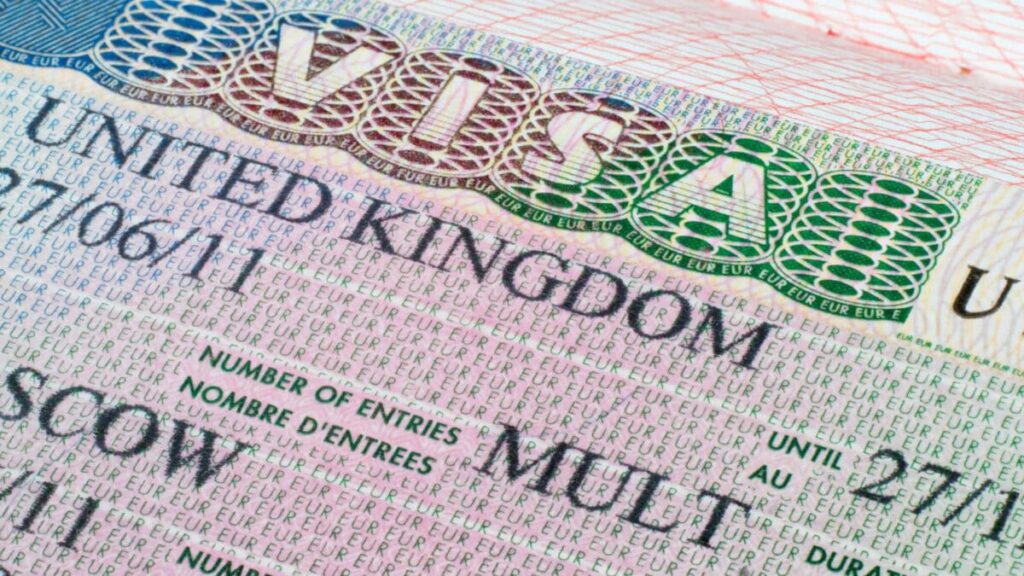
Visa (for non-EU/EEA citizens): For short trips (up to 90 days in 180 days), most tourists (including Americans, Canadians, Australians) do not need a visa for the Schengen Area. However, starting in 2025, this will change with the new ETIAS authorization, which is an online pre-screening, not a visa. Always check official government websites for the most current rules.
Travel Insurance: DO NOT SKIP THIS. A medical emergency or a single canceled flight can cost thousands. Get a policy that covers medical, trip cancellation, and theft. It’s cheap peace of mind.
International Driver’s Permit (IDP): If you plan to rent a car, you likely need an IDP from your home country (e.g., AAA in the US) to accompany your regular license.
Money Matters
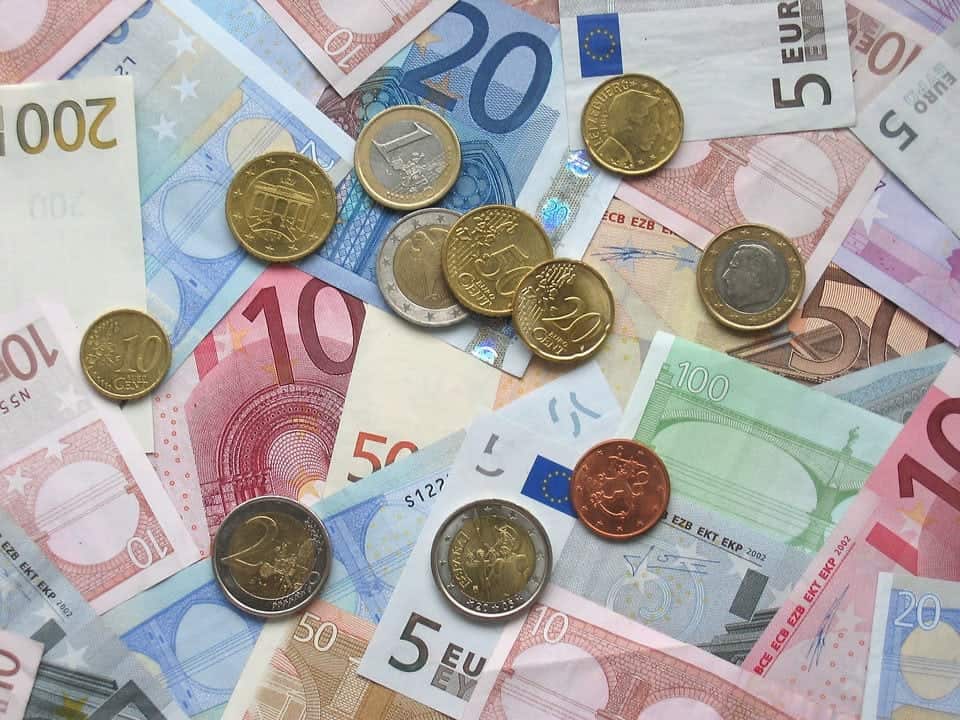
The Euro (€): Used in 20 of the 27 EU countries (e.g., France, Germany, Spain, Italy, Netherlands). Notable exceptions: UK (£), Switzerland (CHF), Denmark (DKK), Poland (PLN), Czechia (CZK), Hungary (HUF).
Payment Methods
Card is King: Contactless debit/credit cards are the primary payment method almost everywhere. Ensure your card has a chip and PIN.
Notify Your Bank: Tell your bank and credit card companies your travel dates to avoid fraudulent holds.
Cash is Still Needed: For small purchases, markets, public toilets, and some smaller establishments. Avoid currency exchange kiosks at airports (terrible rates). Use a bank ATM (in the local language) for the best rate.
Dynamic Currency Conversion (DCC): When paying by card, you may be asked if you want to be charged in your home currency. ALWAYS DECLINE. You will get a much worse exchange rate. Always choose to be charged in the local currency.
Use Bank ATM’s as there is less chance of your cards being cloned.
Connectivity: Staying Online
Local SIM Card: The best and cheapest option. Buy a prepaid SIM from a local provider (like Vodafone, Orange, TIM) at the airport or in town. Offers lots of EU-wide data.
eSIM: If your phone is unlocked and supports it (most newer models), an eSIM is incredibly convenient. Download a data plan from providers like Saily, Airalo or Holafly before you even land.
Free Wi-Fi: Available in most hotels, cafes, and some public squares, but it’s often slow and insecure. Avoid accessing sensitive information on public networks; use a VPN if possible.
On the Ground – Tourist Stuff & Cultural Know-How
Getting Around
Trains: Excellent for inter-city travel. High-speed trains (e.g., TGV, ICE, Frecciarossa) are fast and comfortable but book in advance for the best prices. Regional trains are cheaper and more flexible.

Budget Airlines (Ryanair, EasyJet, Wizz Air): Incredibly cheap for long distances, but read the fine print! They make money on fees for everything: checked bags, carry-on bags, seat selection, and printing your boarding pass. Always book directly through their website.
Buses: The cheapest option for long distances. Companies like FlixBus have an extensive network across the continent.
Public Transport in Cities: Efficient and widespread. Buy a day pass or multi-day pass for unlimited travel. Always validate/tap your ticket if required to avoid a hefty fine.
Must-Have Tourist Tips
The Siesta is (Mostly) a Myth: In major cities and tourist areas in France/Spain/Italy, shops stay open all day. However, in smaller towns, many shops still close from 1-4 PM, although restaurants and bars stay open.
Dinner is Late: In Southern Europe (Spain, Italy, Greece), locals often don’t eat dinner before 9 PM. Restaurants may not even open until 7:30 or 8 PM.
Tipping is Different: Service is usually included in the bill. It’s customary to round up the bill or leave a few small coins (5-10%) for good service. Large, US-style tips are not expected.

Skip the Line: For major attractions (Eiffel Tower, Colosseum, Vatican, Anne Frank House), book timed-entry tickets online in advance. This will save you hours of waiting in line, these are available through Viator and Get Your Guide.
Stay Hydrated (and Save Money): Tap water is safe to drink in most of Western and Northern Europe. Carry a reusable bottle and fill it up. In restaurants, asking for “tap water” (acqua del rubinetto, Leitungswasser, eau du robinet) might get you a strange look, but it’s usually free or very cheap.
Be Mindful of Pickpockets: They are a reality in crowded tourist areas. Use a cross-body bag, keep your wallet in your front pocket, don’t put your phone on the table at a cafe, and be aware of your surroundings. Don’t carry all your cash and cards in one place.

Key Phrases to Know (Politeness Goes a Long Way)
Learn these in the local language:
- Hello / Goodbye
- Please / Thank you
- Yes / No
- Excuse me / Sorry
- Do you speak English?
- The bill, please.
- Cheers! (For toasting)
Quick Country-Specific Notes
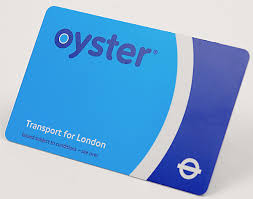
UK: They drive on the left. Use an Oyster Card or contactless payment for the London Tube.
France: Say “Bonjour” when entering a shop. It’s a basic sign of respect.
Italy: You often pay for your coffee at the cashier (cassa) first, then take the receipt to the bar to order.
Germany / Austria / Czechia: You may need to pay a small deposit (Pfand) for a reusable glass at beer gardens and festivals. Return the glass to get your money back.
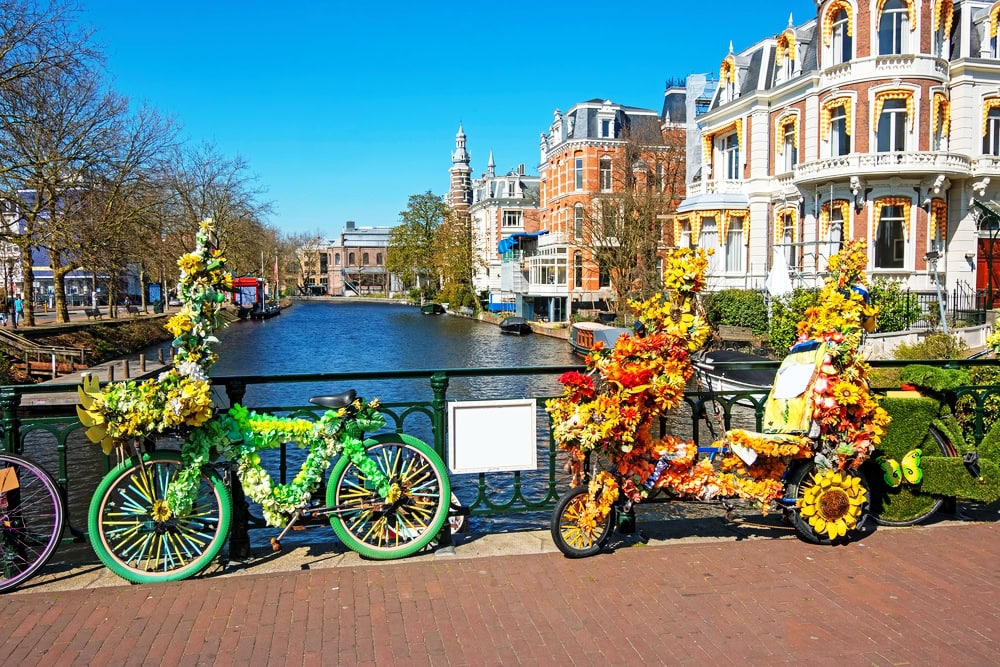
Netherlands / Denmark: The bicycle is king. Do not walk in bike lanes. Look both ways before crossing.
Final Pro Tip: Pack less than you think you need. You’ll be grateful when you’re hauling your bag up a narrow staircase in a 300-year-old building or onto a crowded train.
Have a fantastic trip! Europe is waiting for you.