
Campeche Mexico Travel Guide: What to See, Where to Eat, Stay and How to Get There
If you are searching for a destination in Mexico that combines history, colour, and a slower pace of travel without the crowds, this Campeche Mexico travel guide will give you a complete and honest look at what to expect. San Francisco de Campeche is one of the most visually striking and historically significant cities in the country, yet it remains surprisingly overlooked by international visitors.

We first heard about Campeche from fellow expats who were adamant that if we wanted a truly authentic Mexican staycation, it had to be on our list. They spoke enthusiastically about the rainbow-coloured streets of the Old Town and insisted that a visit would leave us seriously considering moving there.
After spending time there ourselves, it’s clear they weren’t exaggerating. Campeche is an exceptionally beautiful and historically rich destination, officially recognised as a UNESCO World Heritage Site. Despite this, it remains relatively under-visited, which only adds to its appeal if you are looking for somewhere that still feels local and unspoiled.
We drove from Mérida to Campeche along the Ruta Puuc, a scenic journey that took around four hours. The route passes through areas rich in Mayan heritage, making the drive itself part of the experience rather than just a transfer. Once we arrived, we found Campeche relatively easy to navigate, although the Old Town’s narrow, one-way streets require a bit of patience and attention.
Located on the Gulf of Mexico in the state of Campeche, the city offers both coastal charm and deep historical significance. The centrepiece is its Old Town, a fortified historic district that earned UNESCO recognition due to its preserved walls and colonial architecture.
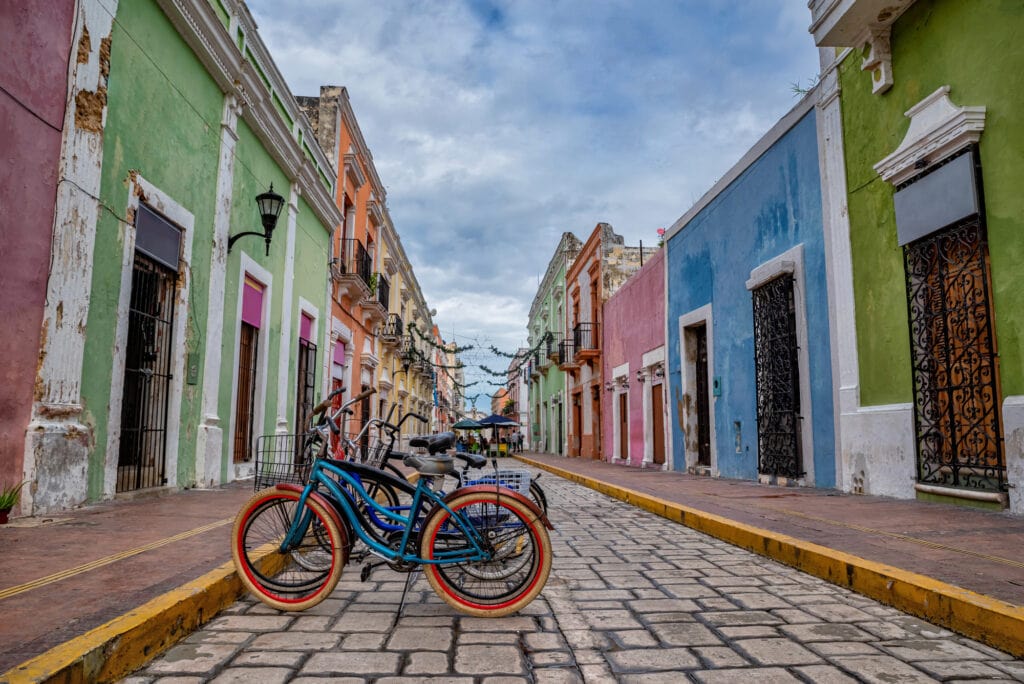
These fortifications were originally constructed to defend against pirate attacks, which were common in the region during the colonial period. Ironically, much of the wall system was completed too late to be fully effective. However, the surviving baluartes (bastions) remain in excellent condition and now form one of the city’s most distinctive features.
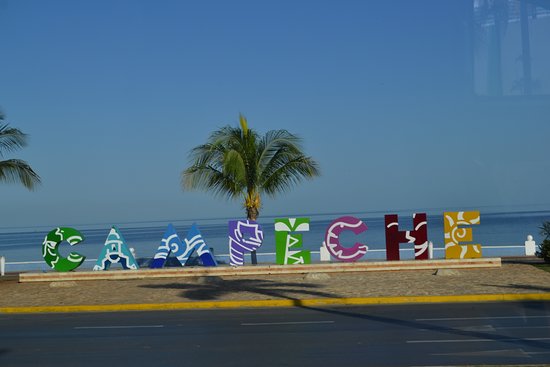
Today, the Old Town contains more than 2,000 protected historic buildings. Along the seafront, a well-maintained malecón provides a scenic promenade where locals gather in the evenings to walk, socialise, and enjoy the cooler air coming off the Gulf.
Quintana Roo
Set within the wider context of the Yucatán Peninsula in North America, San Francisco de Campeche offers a very different experience from destinations in Quintana Roo. While places like Cancún and Playa del Carmen are known for their beaches and resort-style tourism, Campeche stands out as a true colonial city where history takes centre stage. Its beautifully preserved historic center, enclosed by defensive walls, forms the heart of the city center and gives visitors a rare opportunity to experience one of Mexico’s most intact colonial towns. Walking through its streets, it becomes clear why Campeche is often considered one of the most authentic colonial cities in the country.

Beyond its architectural appeal, the region surrounding Campeche also connects to important natural areas, including protected ecosystems and nearby biosphere reserve zones that highlight the environmental diversity of this part of Mexico. This combination of cultural heritage and natural significance makes Campeche unique among colonial cities on the Yucatán Peninsula. It is not just a place to admire colourful facades and historic buildings, but a destination that sits at the crossroads of history, geography, and conservation, offering a deeper and more varied travel experience than many better-known locations.
Best Things to Do in Campeche Mexico – Explore the Historic Old Town
The streets of Campeche’s Old Town are one of its greatest attractions and one of the main reasons people search for things to do in Campeche Mexico. They are a stunning mix of pastel shades—soft pinks, yellows, blues, and greens—that give the city its signature look. Walking through these streets feels immersive rather than overly touristic, as many of the buildings are still lived in and actively used.

The cobblestone streets, small independent shops, and beautifully restored facades make wandering through the city a highlight in itself. If you have the opportunity, step inside some of the colonial buildings. Many feature intricately detailed plaster ceilings, elegant staircases, and interior courtyards that showcase the architectural craftsmanship of the era.
Plaza de la Independencia
At the heart of the city lies the Plaza de la Independencia, which dates back to the founding of the town in the early 1540s. This central square is not just a historical landmark but also a lively gathering place that reflects the daily rhythm of life in Campeche.

When we visited, the plaza was full of activity. There was a political protest taking place, alongside costumed performers entertaining visitors. This combination of real civic life and cultural performances of dance and music in cultural dress made the experience feel authentic and engaging. Visiting in the evening is particularly enjoyable, as the temperature drops and the square becomes even more animated.

Dominating the plaza is the Catedral de Nuestra Señora de la Purísima Concepción. Its limestone façade reflects Baroque architectural influences, and it stands prominently over the square. Inside, the design is more restrained, but it houses several noteworthy pieces of religious art. One of the most striking is “The Holy Burial,” a sculpture depicting Christ laid in a coffin, notable for its craftsmanship and detail.

For those interested in Mayan history, the Museo de Arquitectura Maya offers a detailed exploration of regional architectural styles, including Petén Norte, Río Bec, Chenes, and Puuc. The museum contains thousands of artifacts, including items from Calakmul and a remarkable mask of the god K’Wiil. Importantly, much of the information is presented in both Spanish and English, making it accessible for international visitors.
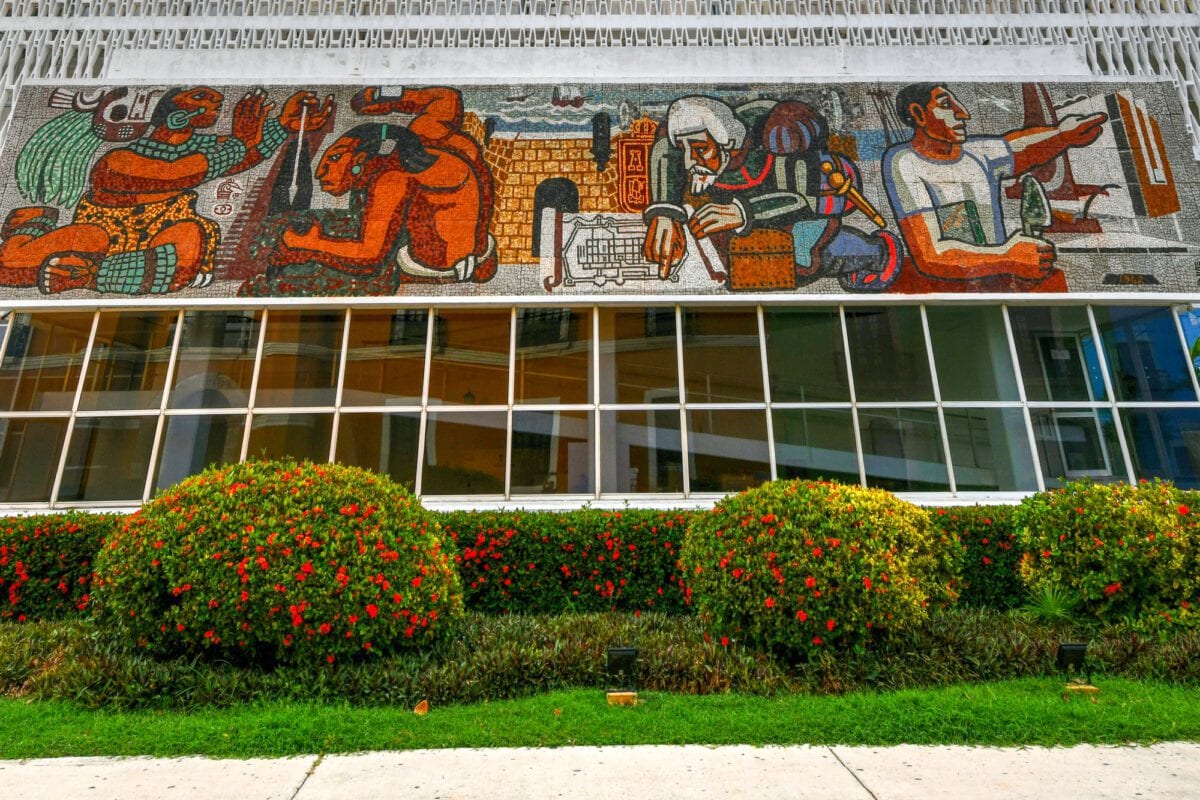
Directly across from the cathedral is the Casa 6 Museo, a small museum housed in what was once an upper-class residence. It provides a glimpse into colonial domestic life before the Mexican Revolution. While modest in size, it adds useful context to the city’s history.
The Museo de la Ciudad is another worthwhile stop and has the added benefit of being free. It traces the city’s history from its Mayan origins through to its role in Mexican independence. Highlights include a recreated pirate ship cabin and displays of period clothing and weaponry, with information available in both Spanish and English.
Walking along the city walls is one of the most memorable things to do in Campeche Mexico. These defensive structures reach heights of around 26 feet and surround the historic centre. There are eight bastions, which functioned as lookout points, and several large gateways that provided access to the city.

Construction of the walls took approximately 18 years and was completed in 1704. Today, visitors can purchase a ticket for around $5 USD and walk along much of the wall, enjoying views over the city and coastline.
The Puerta de Tierra, or Land Gate, is one of the most impressive entrances. Located on the southwestern side of the walls, it features elaborate architecture and is accompanied by a small museum known as the Sitio en Baluarte. Inside, there is a replica pirate ship, and on Saturday nights, a light-and-sound show is held for a small fee.
The Centro Cultural El Palacio provides a deeper understanding of Campeche’s maritime history. The museum covers topics such as fortifications, trade, and navigation, with well-curated exhibits and guided tours available. The ship models are particularly engaging and can easily hold attention for extended periods.

For a quieter experience, the Jardín Botánico Xmuch’haltún is a small but charming space located near the city walls. It features native plant species and a small pond, offering a peaceful break from sightseeing.
Campeche Beaches
While San Francisco de Campeche itself isn’t known for classic white-sand beaches, there are several nearby coastal spots worth visiting if you want to spend time by the water. Playa Bonita is the closest and most accessible, located just a short drive from the city, offering calm, shallow waters, basic facilities, and a relaxed, family-friendly atmosphere.

Further along the coast, areas like Seybaplaya provide a quieter, more local feel, with less infrastructure but a more authentic seaside experience. The beaches along this stretch of the Gulf of Mexico tend to have darker sand and gentle waves rather than the turquoise waters you might expect from the Caribbean side of Mexico, but they make up for it with peaceful surroundings, fewer crowds, and a laid-back charm that fits perfectly with the overall vibe of Campeche.
Where to Eat in Campeche Mexico and What Traditional Food to Try
While Campeche offers a range of dining options, particularly along Calle 59 which is a pedestrian street lined with cafés and restaurants, it is not necessarily a standout destination for food. The setting is enjoyable, and it’s a great place for people-watching, but the quality of food can be inconsistent.
We visited Marganzo, a restaurant recommended by Lonely Planet, but found the experience disappointing. Despite its popularity and frequent tour groups, the seafood lacked flavour, and the overall meal did not justify the price.


At La Parroquia, known for traditional Yucatán cuisine, we tried several regional dishes. Pan de Cazón, made with dogfish layered between tortillas, black beans, and tomato sauce, was not particularly appealing to us in either smell or taste.
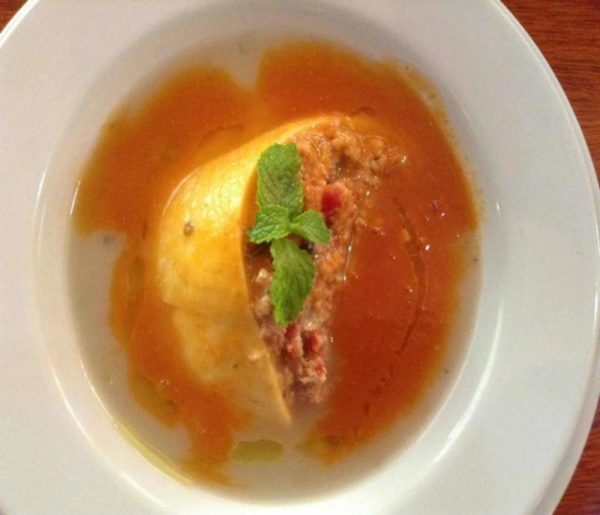
Queso Relleno, a dish influenced by Dutch cuisine using Edam cheese filled with spiced pork and topped with sauces, was interesting in concept but quite mild in flavour.

The highlight of our dining experiences was Camarones al Coco a coconut shrimp coated in shredded coconut and breadcrumbs, served with a very spicy but delicious dipping salsa.
A much better overall experience came from dining at Hotel Boutique Casa Don Gustavo, where the Sopa de Lima and panuchos were particularly enjoyable.


One thing to be aware of is that many restaurants in Campeche automatically add a 15% gratuity (propina) to the bill. This practice is common in the Yucatán region. While you can request its removal, it’s important to check your bill carefully before paying.
Where to Stay in Campeche Mexico for Every Budget
Accommodation in Campeche ranges from budget-friendly hostels to high-end luxury properties, making it accessible for most travel styles and budgets.
Hotel Francis Drake is a centrally located mid-range option with spacious, air-conditioned rooms and an on-site restaurant.
Monkey Hostel is a popular choice for budget travellers, offering a social atmosphere, balconies overlooking the street, and a rooftop bar with views over the main square and cathedral.
Hotel Castelmar stands out for its colonial architecture, distinctive sky-blue exterior, swimming pool, and shaded terrace, along with modern conveniences such as Wi-Fi.
For those seeking a luxury experience, Hacienda Uayamón and Hacienda Puerta Campeche offer upscale accommodations in beautifully restored colonial haciendas, combining historic charm with modern comfort.
We stayed at Hotel Boutique Casa Don Gustavo and would highly recommend it. The rooms, restaurant, and overall atmosphere made it one of the highlights of our stay, and the addition of a pool was especially welcome in the warm climate.

How to Get from Mérida to Campeche Mexico
Travelling from Mérida to San Francisco de Campeche is straightforward, and there are several options depending on your budget, time, and travel style.
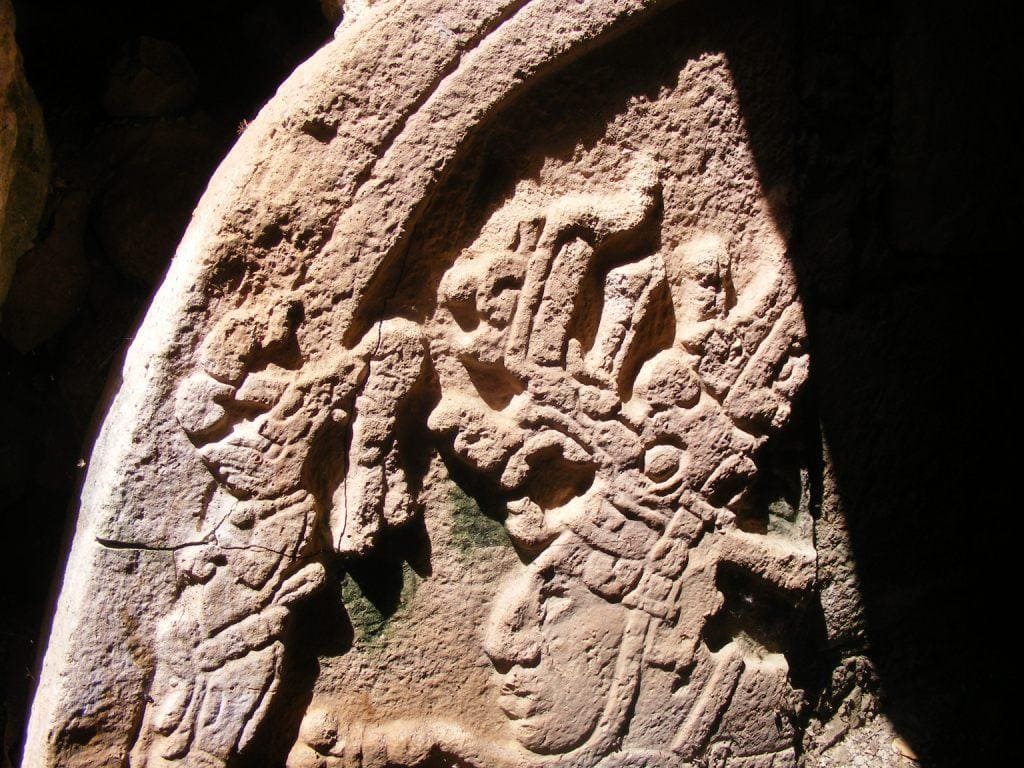
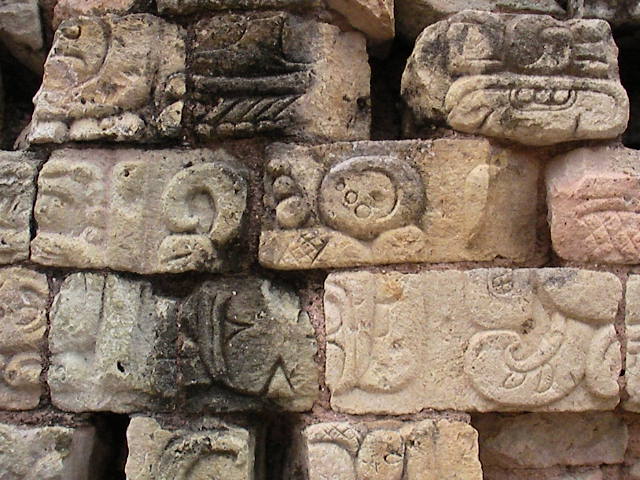
Driving is one of the most flexible and rewarding ways to make the journey. The most direct route via Highway 180 takes approximately 2 to 2.5 hours and is generally in good condition. However, if you prefer a more scenic and culturally rich experience, the Ruta Puuc offers a longer but far more interesting alternative. This route passes through several important Mayan archaeological sites and smaller towns, turning the drive into part of the adventure rather than just a transfer between destinations. Expect this option to take closer to four hours, depending on stops.

For those who prefer not to drive, buses are an excellent option. ADO Bus Company operates frequent, comfortable services between Mérida and Campeche. The journey typically takes around 2.5 to 3 hours, and buses are air-conditioned with assigned seating, making them a reliable and stress-free choice. First-class buses are widely considered the best option for comfort and safety in the region.
Private transfers and taxis are also available, though significantly more expensive. These can be a good option if travelling in a group or if you prefer a door-to-door service without the need to navigate or manage luggage across different transport points.
If you are already exploring the Yucatán Peninsula, combining Campeche with stops along the Ruta Puuc or even extending towards Calakmul can make for a more comprehensive itinerary.


FAQs About Visiting Campeche Mexico
Is Campeche worth visiting?
Yes, especially if you are looking for a quieter, more authentic alternative to busier destinations in Mexico. San Francisco de Campeche offers a unique combination of colonial architecture, coastal views, and historical significance without the heavy crowds found in places like Cancún or Playa del Carmen.
How many days do you need in Campeche?
Two to three days is generally enough to explore the Old Town, visit the main museums, walk the city walls, and enjoy the atmosphere. If you prefer slower travel or want to take day trips, you could easily extend your stay.
Is Campeche safe for tourists?
Campeche is widely regarded as one of the safer cities in Mexico. The historic centre is particularly well-maintained and regularly patrolled. As with any destination, standard travel precautions apply, especially at night or in less populated areas.
What is the best time to visit Campeche?
The best time to visit is between November and April, when temperatures are slightly cooler and humidity is lower. The summer months can be very hot and humid, which may make walking around the city less comfortable.
Is Campeche expensive?
Campeche can feel slightly overpriced compared to other cities in the Yucatán Peninsula, particularly when it comes to restaurants in tourist areas. However, accommodation options are available at various price points, and overall costs remain reasonable by international standards.
What food is Campeche known for?
Campeche is known for regional Yucatecan dishes such as Pan de Cazón, Queso Relleno, and seafood-based meals. While the cuisine is traditional and interesting, the quality can vary depending on where you dine.
Do restaurants in Campeche include service charges?
Yes, many restaurants automatically add a 15% gratuity (propina) to the bill. It’s always worth checking before paying, as you can request its removal if you prefer to tip separately.
Can you walk around Campeche easily?
Yes, the historic centre is very walkable. Most of the main attractions, including the plazas, museums, and city walls, are located within a compact area, making it easy to explore on foot.
Are there beaches in Campeche?
While Campeche is located on the Gulf of Mexico, it is not primarily known as a beach destination. The malecón offers waterfront views and a pleasant place to walk, but if you are looking for sandy beaches, you may need to travel outside the city.
You may be interested in my other Mexican posts: