
Experience Ireland’s Celtic Festivals: A Guide to Sacred Sites & Ancient Traditions 2025
(Fáilte go dtí na hÉireann)
The ancient Celts of Ireland marked the passage of time through a sophisticated system of festivals deeply rooted in nature, spirituality, and community life. These celebrations, aligned with solar events and agricultural cycles, formed the backbone of Celtic society, serving as religious observances, legal gatherings, and social assemblies.
I’ve had a fascinating with Ireland’s ancient history since I studied Anthropology and Archaelogy in University. My particular interest was food culture and human interactions through pagan belief systems, women’s place in pre-history and society development.
Archaeological evidence from sites like Tara, Uisneach, and Loughcrew reveals ceremonial centers where communities gathered for millennia. According to excavations led by Dr. Muiris O’Sullivan at University College Dublin, the Proto-Celtic origins (1500-500 BCE) reflect Indo-European ritual patterns that shaped Ireland’s spiritual landscape (O’Sullivan, 2018). This interpretation is supported by findings at the Hill of Tara, where archaeologist Dr. Conor Newman has documented ritual activities dating back to the Neolithic period (Newman, 2020).
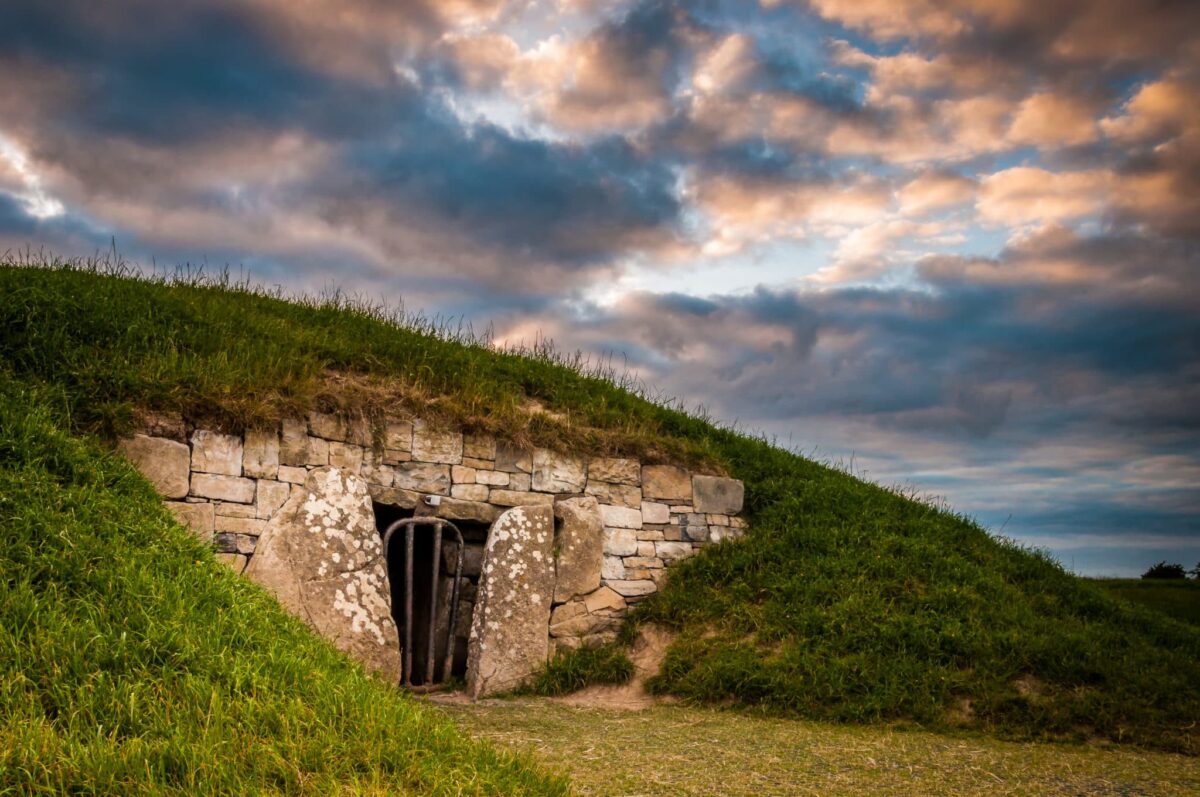
The Four Great Celtic Fire Festivals
Samhain (October 31st – November 1st)
Primary Location: Hill of Tlachtga, County Meath
Historical Significance: The most significant Celtic festival marking the beginning of the dark half of the year and the Celtic New Year. Archaeological evidence shows Tlachtga was the ancient seat of Samhain fires, where communities have gathered for thousands of years. This time marks when the veil between worlds thins, traditionally allowing communion with ancestors.

Ceremonial Elements:
Evening fire ceremonies at sunset on the historic hill
Traditional storytelling sessions throughout the night
Ancestor remembrance rituals
Divination practices using traditional methods
Torch-lit processions around the sacred site
Traditional Foods:
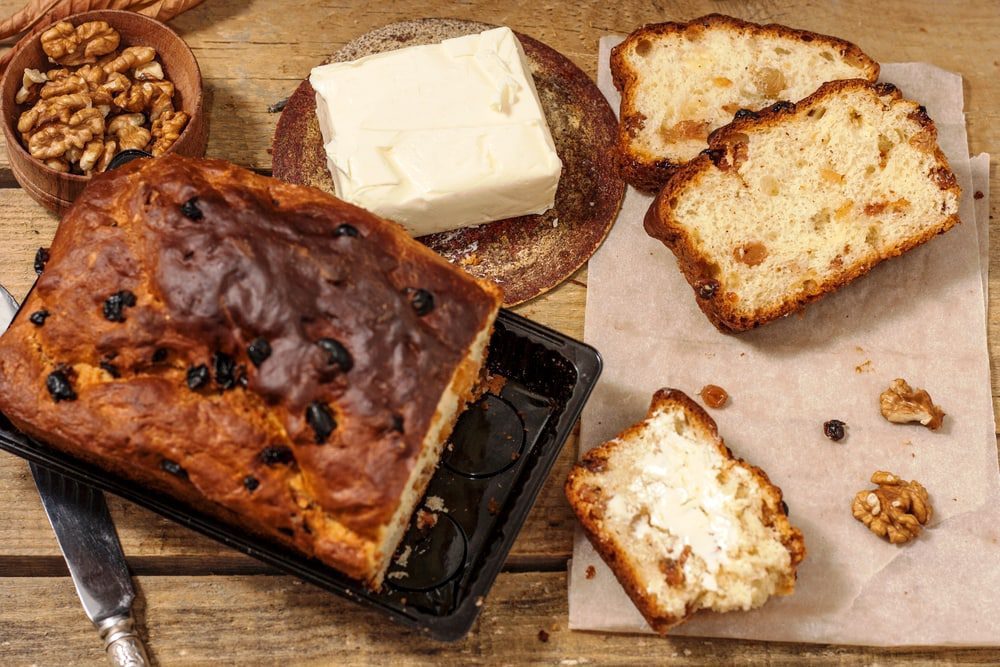
Barmbrack (fruit cake with embedded divinatory charms)
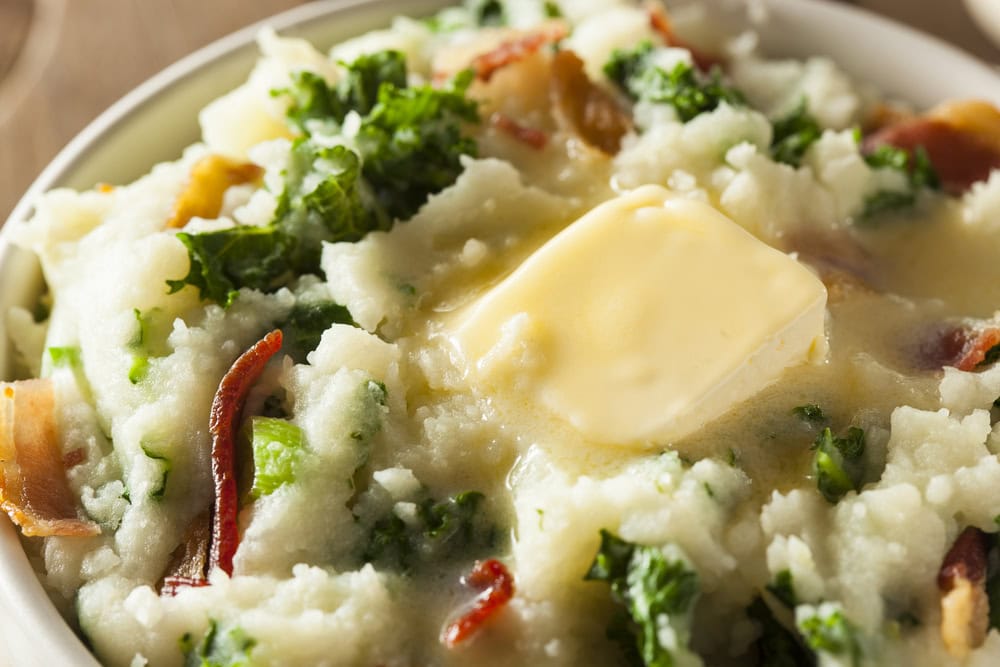
Colcannon (mashed potatoes with kale/cabbage marking harvest’s end)
Soul cakes for ancestral offerings
Mulled cider and roasted nuts
Traditional meat stews
Visitor Information:
Best viewing locations: Hill of Tlachtga summit and surrounding viewing areas
Timing: Ceremonies begin at sunset (approximately 5 PM in late October)
Reservation requirements: Advance registration required for fire ceremonies
Accessibility: Moderate hill climb required, some paved paths available
Nearby accommodations:
Trim Castle Hotel (15 minutes away): Trim Castle Hotel, where history meets modern elegance in the legendary Boyne Valley with stunning views of Trim Castle.
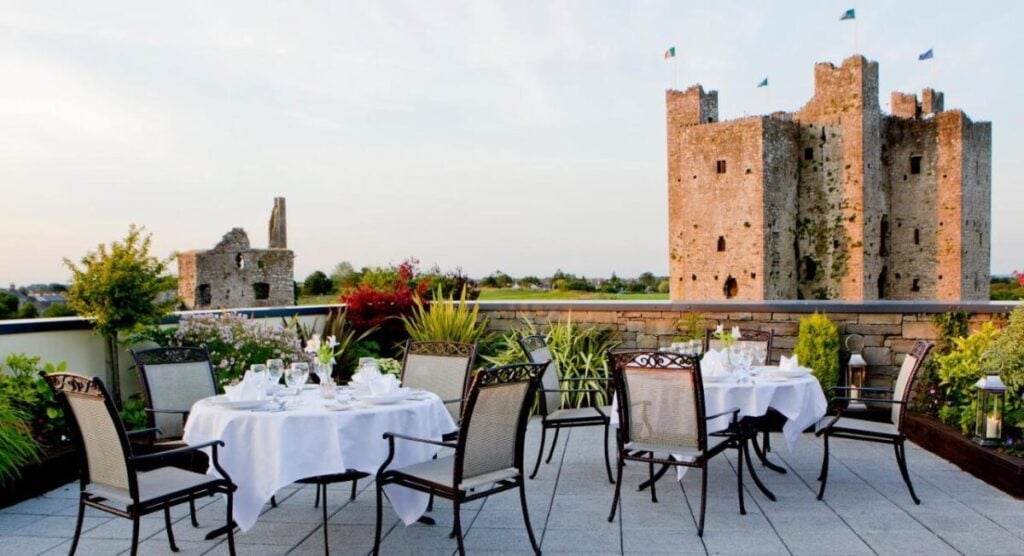
Bellinter House (20 minutes away): Situated in Navan and with Hill of Tara reachable within 5.6 km,
Local transportation options:
Bus Éireann services from Dublin to Athboy
Local shuttle services during festival
Parking available at designated festival lots
Taxi services from nearby towns
Primary Location: Derry City and Walls, Northern Ireland
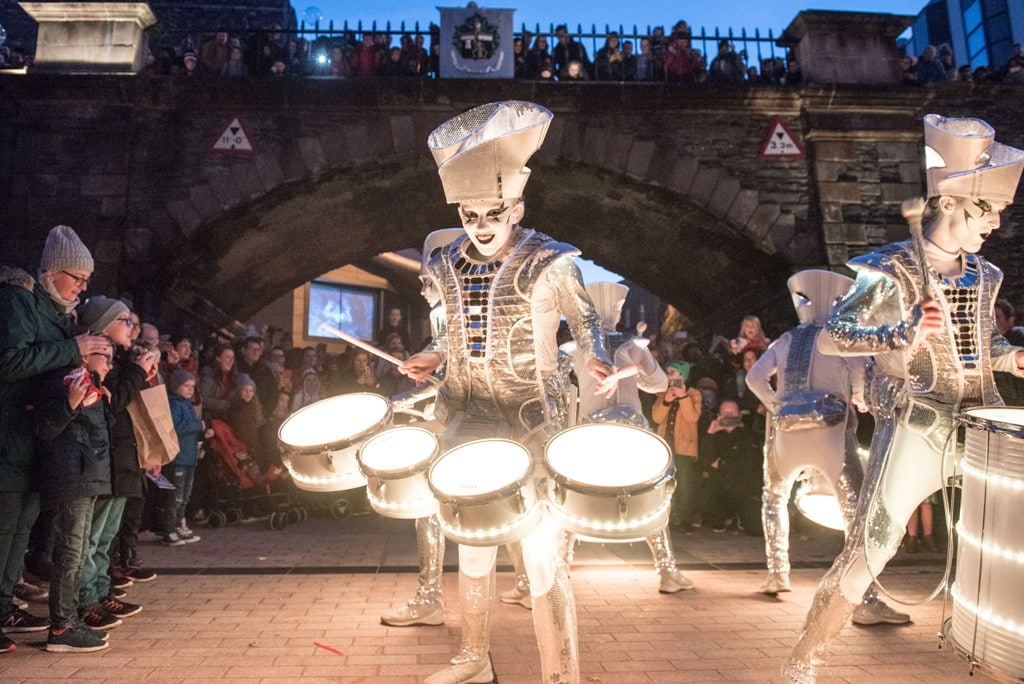
Historical Significance: One of Europe’s largest Halloween celebrations, blending Celtic tradition with contemporary festivities. Derry’s unique position as a walled city adds historical gravitas to the celebrations, with the ancient ramparts serving as a backdrop to modern interpretations of Celtic customs. The city embraces its reputation as “Halloween Capital of the World,” drawing on both its Celtic heritage and more recent traditions.
Ceremonial Elements:
Massive carnival parade through the historic walled city
Street performances and costumed revelry
Haunted tours of the 400-year-old city walls
Fire performances and pyrotechnic displays
Traditional Celtic music and dance performances
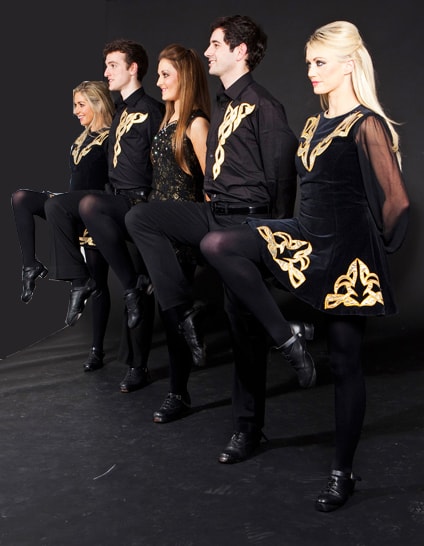
Storytelling sessions featuring local folklore and ghost stories

Festival Highlights:
The “Awakening the Walls” trail with illuminated installations
Jack-o’-lantern displays throughout the city center

The Carnival Parade featuring hundreds of performers
Fireworks display over the River Foyle
Interactive ghost tours and haunted houses
Live music venues across the city
Traditional Foods:
Barmbrack (traditional Irish fruit cake)
Local street food vendors and festival stalls
Traditional Irish stews and comfort foods
Seasonal treats and Halloween-themed delicacies
Hot mulled drinks and local craft beverages
Visitor Information:
Best viewing locations: City Walls, Guildhall Square, Peace Bridge

Timing: Multiple events over several days, culminating on October 31st
Reservation requirements: Some ticketed events, but many free public celebrations
Accessibility: Most events wheelchair accessible within city center
Imbolc (February 1st)
Primary Location: Kildare Town, County Kildare
Historical Significance: Marking winter’s retreat and spring’s first stirrings, Imbolc honors both the Celtic goddess and Christian saint Brigid. The festival represents the awakening of the land and the first signs of spring, with a history spanning both pagan and Christian traditions.

Ceremonial Elements:
Dawn ceremonies at St. Brigid’s Well
Traditional Brigid’s Cross weaving workshops

Blessing of sacred wells and springs
Evening fire ceremonies
Ritual blessing of seeds for spring planting
Traditional Foods:
Bonnóg Bride (Brigid’s Bannock bread)
Fresh dairy products celebrating returning abundance
Early spring greens in colcannon
Blessed bread and butter
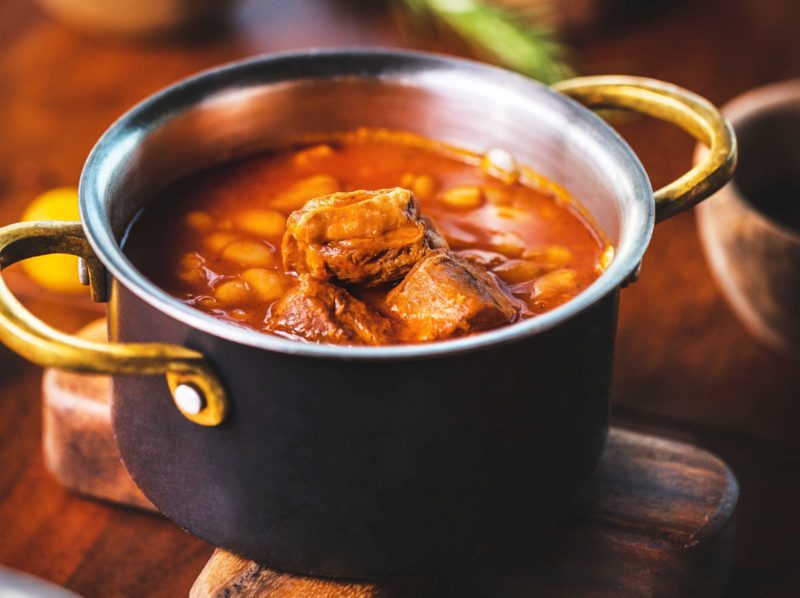
Traditional Irish stews
Visitor Information:
Best viewing locations: St. Brigid’s Cathedral and Well
Timing: Dawn ceremonies (around 7:30 AM in February)
Reservation requirements: Evening fire ceremonies require advance booking

Accessibility: Most venues wheelchair accessible
Nearby accommodations:
Silken Thomas Accommodation: Housed in an 18th-century property and located beside a 13th century tower house, this historic building offers guests well-appointed guestrooms, many with original period features.
Kilkea Castle Hotel (30 minutes away): With a history dating back to 1180, Kilkea Castle provides accommodation set on 180 acres of woodland, gardens and a golf course.

Local transportation options:
Direct trains from Dublin to Kildare
Local festival shuttle service
Ample town center parking
Regular bus services
Bealtaine (May 1st)
Primary Location: Hill of Uisneach, County Westmeath
Historical Significance: The gateway to summer and the light half of the year, Bealtaine represents Ireland’s spiritual center. This ancient royal site has hosted ceremonies for millennia, marking the transition into the abundant season.

Ceremonial Elements:
Traditional fire ceremonies at sunset

Dawn gatherings to welcome summer sun
Blessing of cattle and livestock
Fertility rituals and celebrations
Traditional music and dance performances
Traditional Foods:
May Day ritual butter
Fresh cheese decorated with spring flowers
Oatcakes with honey
Traditional mead
Spring lamb dishes
Visitor Information:
Best viewing locations: Hill of Uisneach summit and fire festival grounds

Timing: Main ceremonies at sunset, dawn gatherings from 5 AM
Reservation requirements: Advance booking essential for fire ceremony
Accessibility: Difficult terrain, limited wheelchair access
Nearby accommodations:
Mullingar Park Hotel (20 minutes away): Contemporary 4-star Mullingar Park Hotel offers a restaurant, leisure club and stylish rooms with free Wi-Fi.
Greville Arms Hotel: In the heart of Mullingar town, this hotel with a bar and restaurant offers a home-from-home environment. Local attractions include Belvedere House and Gardens, golf and Mullingar Greyhound Stadium.
Local transportation options:
Festival shuttle from Mullingar
Designated parking areas
Pre-booked taxi services recommended
Bus services from major cities to Mullingar
Lughnasa (August 1st)
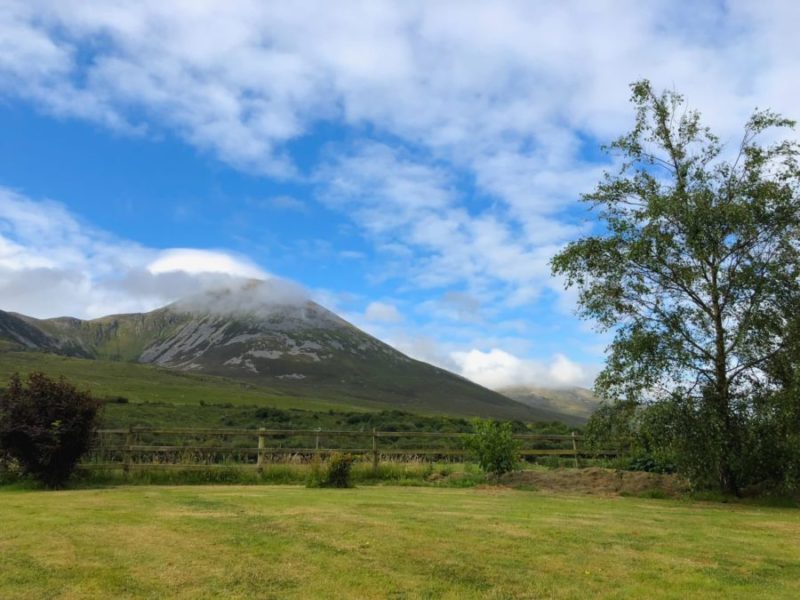
Primary Location: Croagh Patrick, County Mayo
Historical Significance: The first harvest festival honors the god Lugh through mountain pilgrimages and harvest celebrations. This ancient tradition combines athletic prowess with spiritual observance, maintaining centuries-old customs.

Ceremonial Elements:
Traditional mountain pilgrimage
Athletic contests and games
Harvest blessing ceremonies
Traditional music sessions

Community feast gatherings
Traditional Foods:
First harvest bread
Bilberry pies and preserves
Young lamb with mountain herbs
Fresh honey drinks
Traditional harvest stews
Visitor Information:
Best viewing locations: Base of Croagh Patrick and summit

Timing: Dawn climbs begin at 4 AM
Reservation requirements: Evening feasts require booking
Accessibility: Challenging mountain terrain, alternative accessible venues in Westport
Nearby accommodations:
Westport Plaza Hotel: In central Westport, this award-winning 4-star hotel offers king-sized beds and Italian marble bathrooms with spa baths in every luxurious room. There is a New York Italian inspired Bar and Restaurant, a health club, pool and spa.

Croagh Patrick Lodge: Croagh Patrick Lodge Apartment in Westport offers a spacious apartment with a private bathroom, parquet floors, and a fully equipped kitchen. Guests enjoy sea and mountain views, a terrace, and a garden.
Local transportation options:
Shuttle services from Westport
Organized bus tours
Taxi services from Westport
Regular bus connections to Mayo
Ancient Celtic Solar Festivals
Winter Solstice (December 21st)
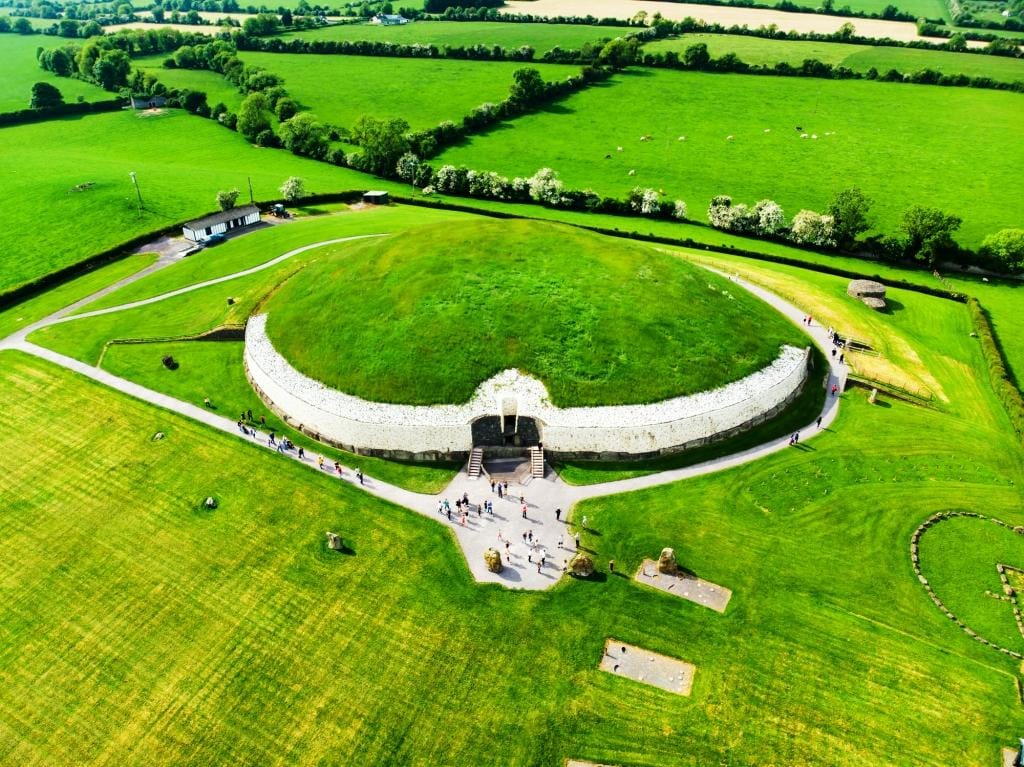
Primary Location: Newgrange, County Meath
Historical Significance: This 5,200-year-old passage tomb represents one of Ireland’s most significant archaeological sites. The winter solstice alignment, where sunlight penetrates the roof-box and illuminates the central chamber for 17 minutes, demonstrates the remarkable astronomical knowledge of Neolithic builders.
Ceremonial Elements:
Predawn gatherings outside the monument
Drumming and chanting ceremonies
Lighting of ceremonial fires
Silent observation of chamber illumination

Traditional storytelling sessions
Traditional Foods:
Spiced beef with juniper and herbs
Winter solstice bread with dried fruits
Mulled mead with winter spices
Root vegetable stews
Oatcakes with preserved berries
Visitor Information:
Best viewing locations: Newgrange chamber (lottery system) and visitor center
Timing: Chamber access from 5 AM, illumination around 9 AM
Reservation requirements: Annual lottery for chamber access
Accessibility: Limited in chamber, visitor center fully accessible
Nearby accommodations:
Scholars Townhouse Hotel, Drogheda: Originally built in 1867, this charming town house has been tastefully renovated in a modern style, whilst retaining its historic charm, with stained glass windows and high coved ceilings.

Boyne Valley Hotel: In 12 acres of lush, green gardens The Boyne Valley is an elegant 19th-century mansion on the M1 road to Dublin and less than 30 minutes’ drive from Dublin Airport.
Local transportation options:
Organized tours from Dublin
Bus services to Brú na Bóinne Visitor Centre
Spring Equinox (March 20-21)
Primary Location: Loughcrew Cairns, County Meath
Historical Significance: The megalithic complex contains multiple passage tombs positioned across several hills. During the spring equinox, sunlight illuminates intricate carvings in Cairn T, revealing ancient artwork depicting astronomical symbols.

Ceremonial Elements:
Sunrise pilgrimages to hilltop
Ritual cleansing with morning dew
Sacred well decorations
Balance rituals
Planting ceremonies
Traditional Foods:
Fresh herb omelettes with wild greens
Wild garlic soup
Early spring vegetable dishes
Barley bannocks with honey
Traditional lamb dishes
Visitor Information:
Best viewing locations: Cairn T summit and surrounding hills
Timing: Dawn gatherings from 5:30 AM
Reservation requirements: Guide required for cairn access
Accessibility: Challenging hillside terrain
Nearby accommodations:
Headfort Arms Hotel, Kells: In the heart of the Boyne Valley, family-run Headfort Arms Hotel features an excellent restaurant and relaxing spa rooms. Dublin city center is 1 hour away.

Loughcrew Courtyard House, Oldcastle: Loughcrew Courtyard House in Oldcastle offers a holiday home with three bedrooms and two bathrooms. The property features a spacious living room, terrace, and garden, providing ample space for relaxation. The Courtyard House is a 5 minute walks from the cairns.
Local transportation options:
Guided tours from Dublin
Local taxi services from Kells
Private parking at visitor center
Shuttle service during equinox events
Summer Solstice (June 21st)
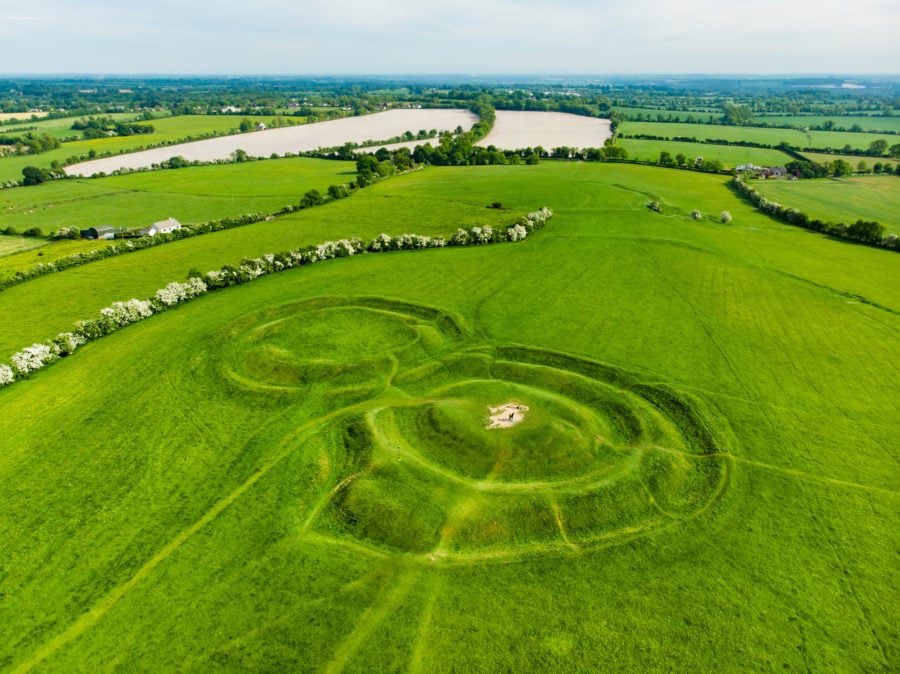
Primary Location: Hill of Tara, County Meath
Historical Significance: This ancient royal site served as the seat of Ireland’s High Kings. The Mound of Hostages aligns with the summer solstice sunrise, while the complex symbolizes power, sovereignty, and connection to solar deities.
Ceremonial Elements:
All-night vigils
Traditional bonfire ceremonies

Dancing and music celebrations
Handfasting ceremonies
Sacred herb gathering
Traditional Foods:
Round sun breads with solar symbols
Fresh summer berries with cream
Herb-grilled meats
Traditional mead and fruit wines
Elder flower cordial
Visitor Information:
Best viewing locations: Hill of Tara summit and Mound of Hostages
Timing: Overnight vigil begins 9 PM, sunrise around 5 AM
Reservation requirements: None required but arrive early
Accessibility: Moderate hill walking required
Local transportation options:
Bus services from Dublin
Festival parking arrangements
Shuttle buses from nearby towns
Autumn Equinox (September 21st)
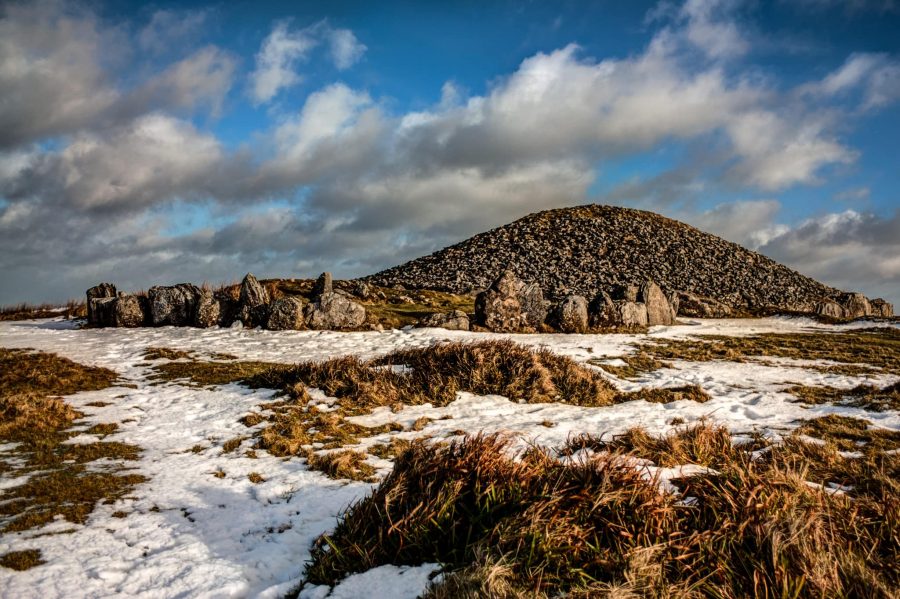
Primary Location: Loughcrew Cairns, County Meath
Historical Significance: The autumn equinox sunrise illuminates specific carvings in Cairn T from a different angle than spring, marking the transition toward darkness and completing the solar year’s cycle.
Ceremonial Elements:
Gratitude ceremonies for harvest
Balance rituals
Seed blessing ceremonies
Creation of corn dollies
Ancestor remembrance practices
Traditional Foods:
Traditional harvest stews
Apple tarts and blackberry wine
Wild mushroom dishes
Hazelnut bread and cakes
Venison and game meats
Visitor Information:
Best viewing locations: Cairn T chamber and hilltop
Timing: Dawn ceremonies from 6 AM
Reservation requirements: Guide required for cairn access
Accessibility: Steep hill climb required
Local transportation options:
Guided tours from Dublin: Loughcrew Cairns (Loughcrew Passage Tombs) Tours and Tickets -Loughcrew Cairns—a series of Neolithic passage tombs scattered among the green hills of Ireland’s Boyne Valley—date back to about 3,000 BC. The Stone Age monuments are thought to have been used as burial sites and for ritual and ceremonial purposes. Though many are on private land, Cairn T is open to the public.
Christian Celebrations with Celtic Roots
St. Brigid’s Day (February 1st)
Primary Location: Kildare Cathedral and Round Tower, County Kildare
Historical Significance: Coinciding with the ancient festival of Imbolc, St. Brigid’s Day represents the successful integration of Celtic and Christian traditions. Recently established as a national holiday in 2023, it demonstrates the enduring importance of Celtic seasonal markers in modern Ireland.

Ceremonial Elements:
Making traditional Brigid’s crosses
Well blessings and pilgrimages
Candlelit cathedral services
Cross-weaving workshops
Community feasts and celebrations
Traditional Foods:
Brigid’s bread (specially blessed)
Traditional colcannon
Fresh dairy dishes
Spring lamb
Honey cakes
Visitor Information:
Best viewing locations: Kildare Cathedral, St. Brigid’s Well
Timing: Ceremonies throughout day, main events 10 AM-6 PM
Reservation requirements: Some workshop registration required
Accessibility: Most venues fully accessible
Local transportation options:
Regular trains from Dublin
Local bus services
Town center parking
Festival shuttle service
St. Patrick’s Day (March 17th)
Primary Location: Downpatrick, County Down, Northern Ireland
Secondary Location: Dublin
Historical Significance: While celebrated worldwide, Downpatrick holds special significance as St. Patrick’s burial place. The celebration incorporates numerous elements from earlier spring festivals while serving as a global symbol of Irish culture.
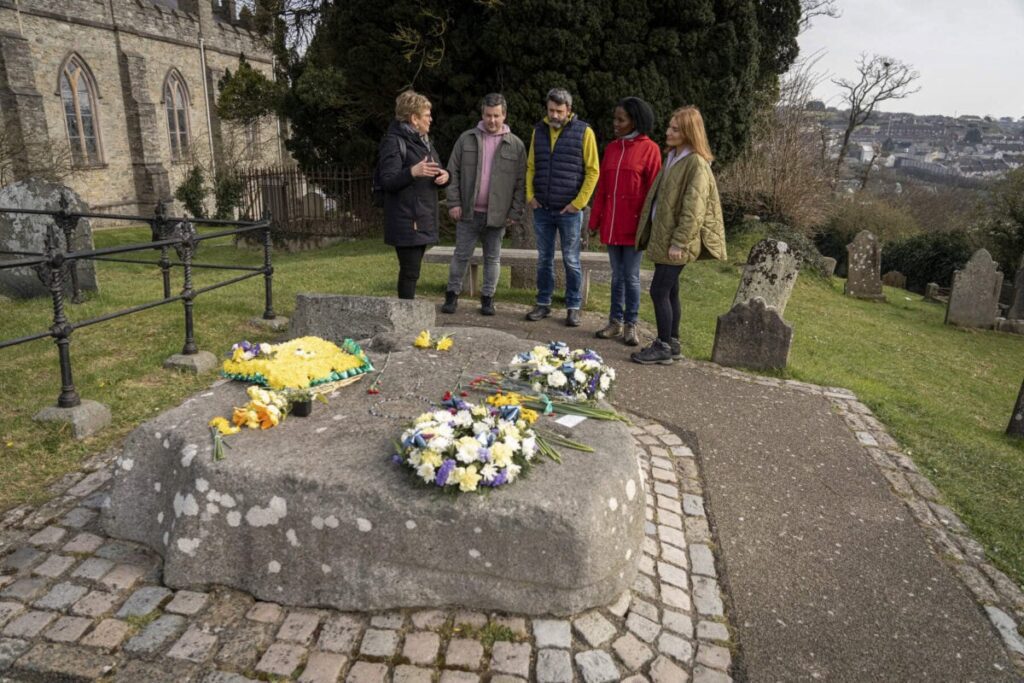
The celebrations of St. Patrick’s Day in Dublin are known throughout the world as the biggest and most lively party in the world.
Ceremonial Elements:
Traditional sunrise pilgrimage
Cathedral services
Community parades
Musical performances
Historical reenactments
Traditional Foods:
Traditional bacon and cabbage
Irish soda bread
Spring lamb dishes
Shamrock-themed pastries
Irish coffee ceremonies
Visitor Information:
Best viewing locations: Downpatrick Cathedral, parade route and in Dublin the traditional St. Patrick’s Parade route
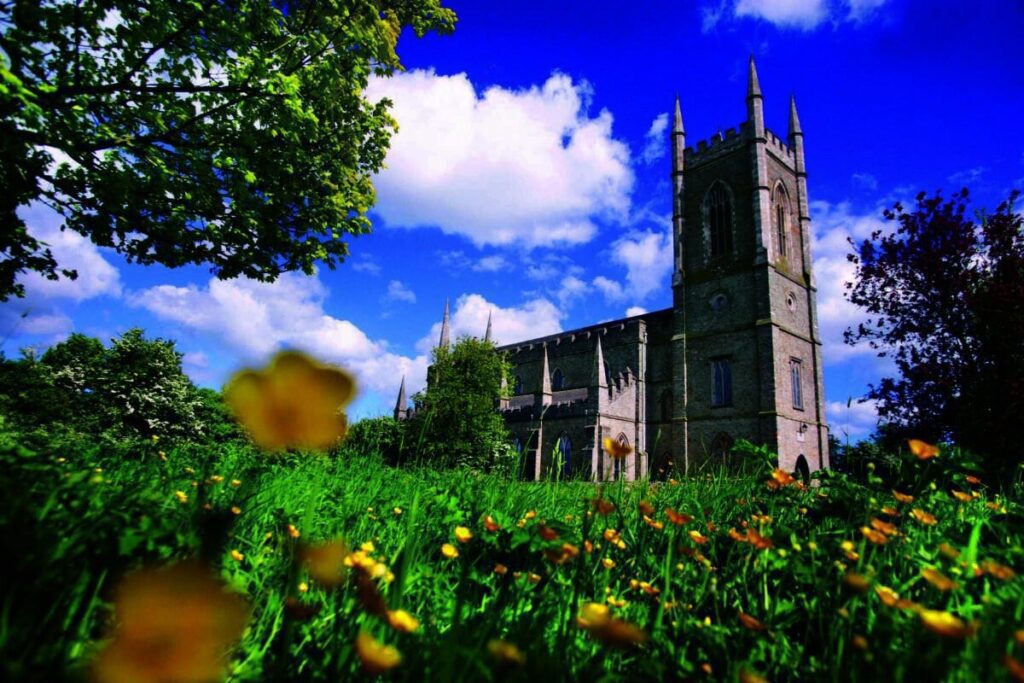
Timing: Dawn services through evening celebrations
Reservation requirements: Advance booking for special events
Accessibility: Most venues wheelchair accessible
Nearby accommodations:
Denvir’s Hotel: Featuring free WiFi and a restaurant, Denvir’s of Downpatrick offers accommodations in Downpatrick, 21 mi from Belfast. Guests can enjoy the on-site bar.
8 Pemberton: Entire 3 bed in Newry Morne and Down offers a recently renovated holiday home in Newry, Morne and Down. Guests enjoy free WiFi throughout the property, a spacious garden, and a terrace.
Dublin:
Liberty Townhouses: Located in the heart of Dublin, within a 5-minute walk of Guinness Storehouse and 1969 feet of Jameson Distillery, Liberty Townhouses offers accommodations with free WiFi.
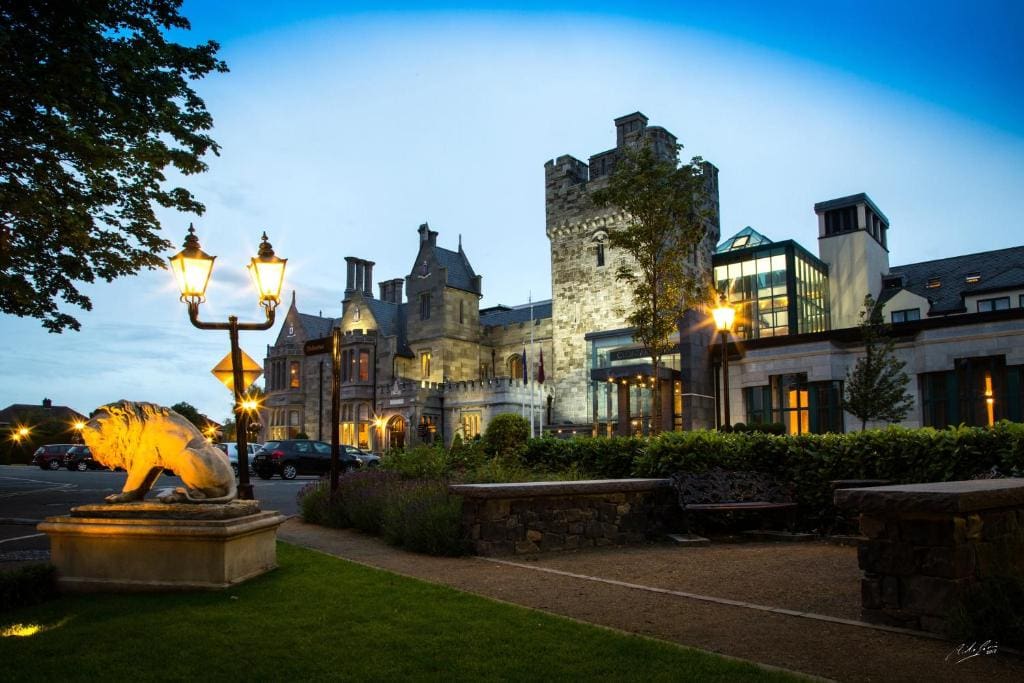
Clontarf Castle Hotel: Set in an 11th-century castle the Clontarf Hotel combines ancient architecture with 21st-century facilities. 10 minutes’ from Dublin city center, this boutique hotel offers an award-winning restaurant and luxurious bedrooms.
Local transportation options:
Special festival buses
Train services to Downpatrick
Shuttle services
Michaelmas (September 29th)
Primary Location: Drogheda, County Louth
Historical Significance: Marking the end of harvest and fishing seasons, Michaelmas traditionally structured both agricultural and academic calendars. The festival historically marked the time for settling rents and contracts, combining spiritual and practical significance.
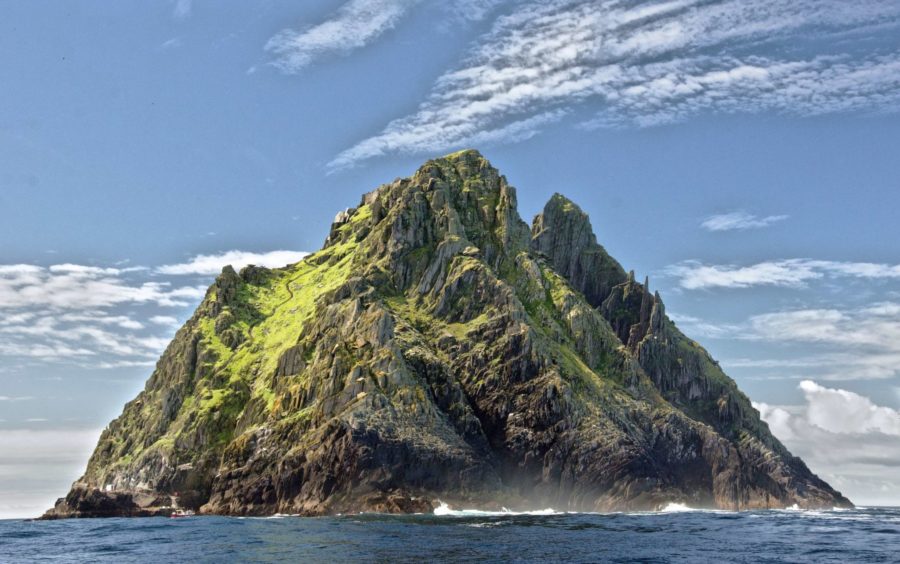
Perched on the wild Atlantic coast, Skellig Michael—one of Ireland’s most awe-inspiring sacred sites—is part of a celestial mystery: the “Sword of St. Michael.” This invisible line connects seven ancient shrines dedicated to the Archangel, stretching from Ireland to Israel, forming a divine blade across the map.
Ceremonial Elements:
Traditional harvest thanksgiving
Academic year ceremonies
Community gatherings
Market fairs
Traditional music sessions
Traditional Foods:
Michaelmas goose
Carrots with harvest spices
Blackberry dishes
Traditional breads
Harvest vegetables
Visitor Information:
Best viewing locations: St Peter’s Church, town center

Timing: Daytime celebrations 9 AM-6 PM
Reservation requirements: Some dinner events require booking
Accessibility: Town center fully accessible
Local transportation options:
Regular trains from Dublin
Local bus services
Town parking facilities
Walking tours available
Contemporary Revival and Practice
The revival of ancient Celtic beliefs and practices in modern Ireland represents a fascinating blend of historical tradition and contemporary interpretation. In recent decades, there has been a significant resurgence of interest in Celtic spirituality, with various groups and organizations working to reconstruct and reimagine ancient practices for the modern world.
The Order of Bards, Ovates and Druids (OBOD) and other Neo-Druidic groups have emerged as prominent voices in this revival, offering structured paths for those seeking to connect with Celtic wisdom traditions.
This contemporary revival manifests most visibly through the celebration of traditional Celtic festivals, which have been seamlessly integrated into modern Irish culture. The ancient quarter-day festivals of Samhain (now Halloween), Imbolc, Beltane, and Lughnasadh continue to be celebrated, though often with a modern twist.

These celebrations often combine traditional elements like ritual fires and feast gatherings with contemporary environmental awareness and community-building activities. Sacred sites such as Newgrange, ancient stone circles, and holy wells have become focal points for these modern celebrations, with thousands gathering for ceremonies and cultural events, particularly during solstices and equinoxes.
The Celtic spiritual revival has also given rise to a unique form of eco-spirituality that combines elements of pre-Christian Celtic practices with modern environmental consciousness. This movement often intersects with Celtic Christianity, creating a distinctive blend of spiritual practices that honor both ancient traditions and contemporary concerns.
This living calendar of celebrations continues to evolve while maintaining deep connections to Ireland’s ancient past. Whether participating in a solstice ceremony at Newgrange or joining a modern interpretation of Bealtaine fires, visitors can experience the enduring power of Ireland’s sacred traditions through respectful engagement with these ceremonies.
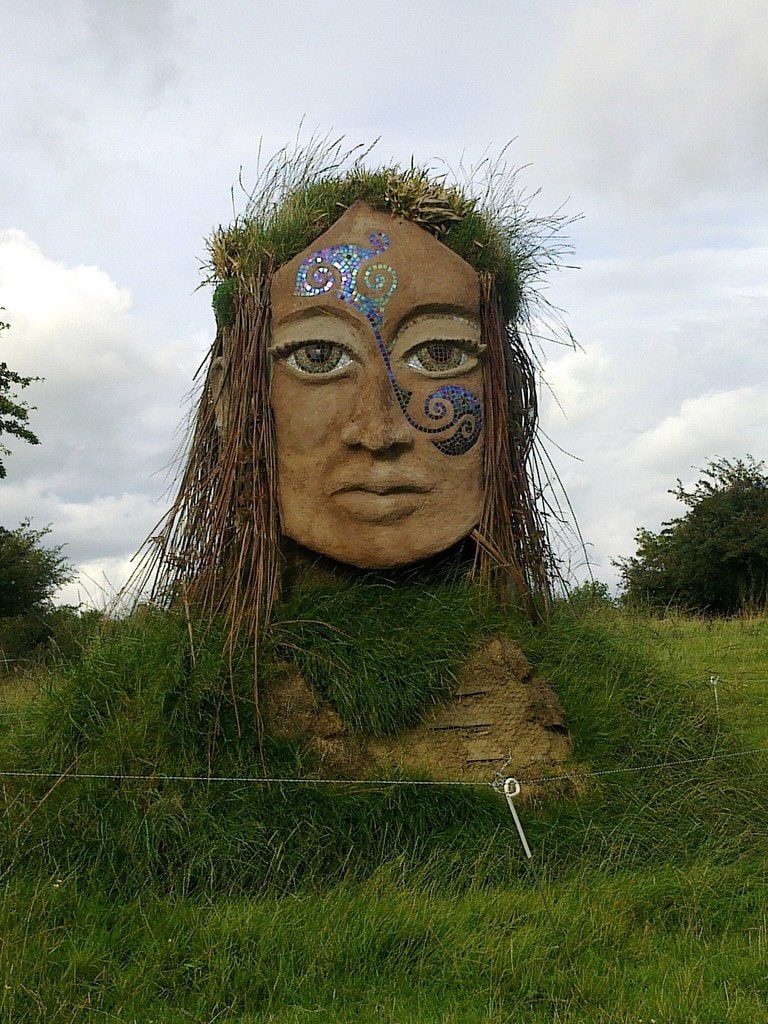
Ireland’s festival calendar represents an unbroken chain of celebration spanning over five millennia, where ancient wisdom meets contemporary practice. These celebrations—whether fire festivals, solar observations, or Christian feast days—continue to provide meaningful ways to connect with Ireland’s cultural heritage and natural rhythms.
For visitors seeking to experience these festivals, proper planning is essential. Many celebrations occur at specific times and locations, often requiring advance bookings and careful transportation arrangements. However, the reward is participation in living traditions that have shaped Irish culture for generations.
Whether standing in Newgrange’s chamber awaiting the winter solstice sun, joining the Bealtaine fires at Uisneach, or celebrating St. Brigid’s Day in Kildare, these festivals offer more than mere tourist experiences—they provide genuine connections to Ireland’s spiritual and cultural heart. Through respectful participation in these ancient celebrations, modern visitors become part of an enduring tradition that continues to evolve while remaining true to its essential nature.

As Ireland moves forward in the 21st century, these festivals demonstrate how ancient traditions can remain relevant and vital in contemporary life. They remind us that the rhythms of sun and season, the cycles of nature, and the power of community celebration are as meaningful today as they were to our ancestors thousands of years ago.
Stay Connected
Share your Irish adventures with us:
• Facebook: Ireland Uncovered: Hidden Gems and local tips
• Blog Comments: Tell us about your discoveries
• Updates: Subscribe for seasonal travel tips
Slán go fóill! (Goodbye for now!)
Essential Apps and Resources
• Transport: Irish Rail, Bus Eirean, Dublin Bus, Local Link
• Weather: Met Éireann app
• Navigation: Google Maps (download offline areas)
• Heritage: Heritage Ireland app
Ireland’s Ancient East – an epic road trip
.