
Stonor Park: Inside England’s Most Secretly Catholic Stately Home
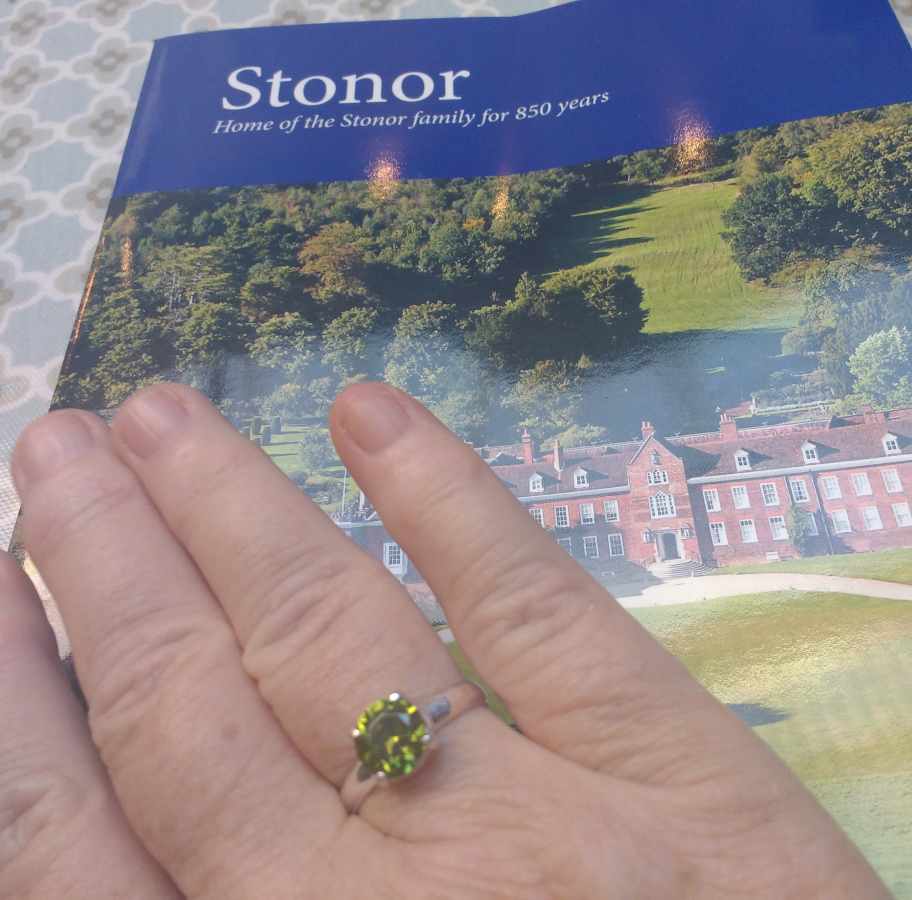
Stonor Park is a Chiltern Hills stately home in Oxfordshire that’s belonged to the same Catholic family for 850 years, most famous for sheltering the Jesuit priest Edmund Campion in 1581, who printed a banned pamphlet in the house’s hidden priest hole before his capture and execution. It’s still a family home today, with an ancient stone circle, three gardens, and a genuinely warm welcome Lady Camoys herself often greets visitors.

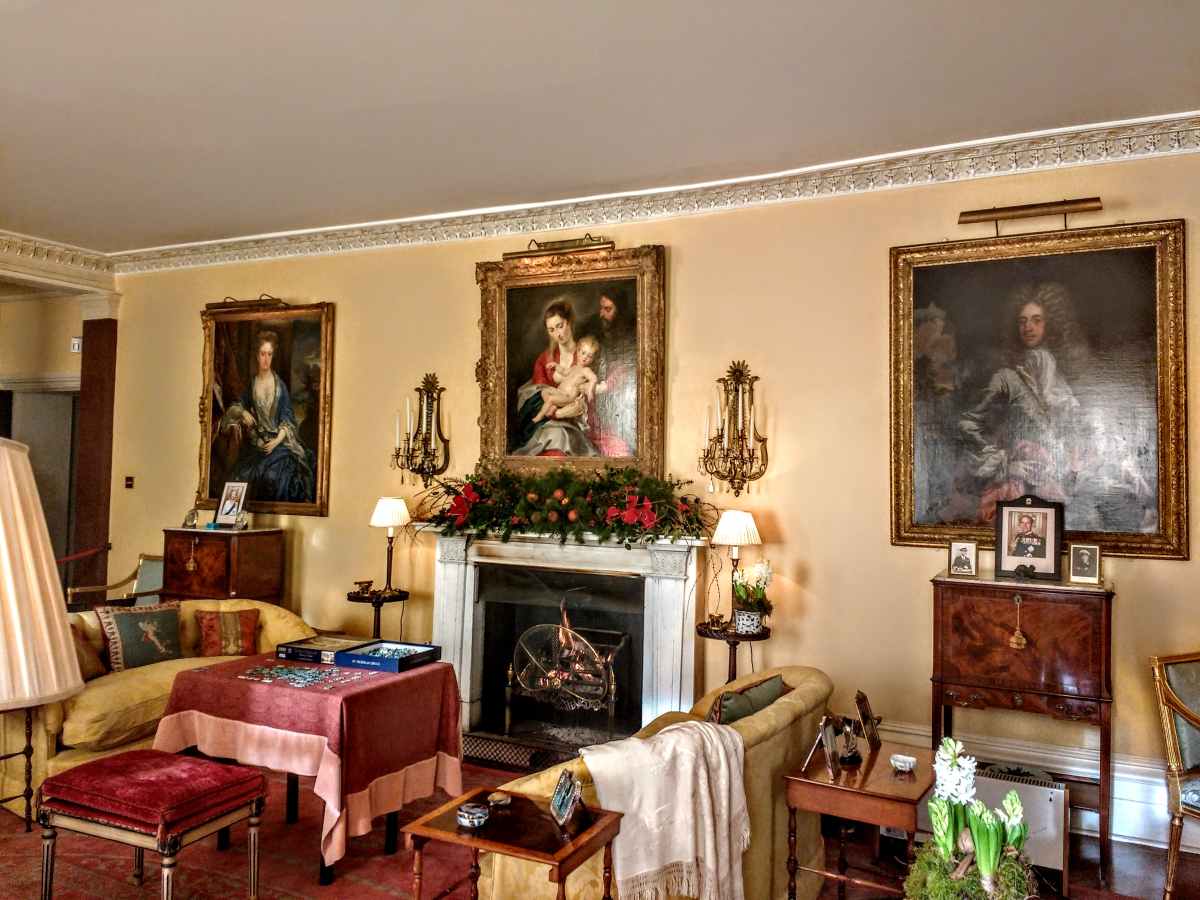
I visited Stonor Park one Christmas a few years ago, and it’s stayed with me longer than almost any other English stately home I’ve been to. Part of it was the history I’m endlessly fascinated by England’s recusant Catholic story, and Stonor is one of the best-preserved examples of it anywhere in the country. Part of it was the priest hole, tucked into the roof space, which turns the house from a pretty Christmas backdrop into something with real weight to it. And part of it, honestly, was being greeted by the lady of the house herself Lady Camoys was genuinely lovely, and there’s something about a stately home that’s still an actual family home, not a museum, that changes how you experience it.
Tucked into a fold of the Chiltern Hills near Henley-on-Thames, Stonor Park has been home to the Stonor family for around 850 years one of the oldest continuously family-owned houses in England. But it’s the family’s Catholic history, and one particular Jesuit priest, that makes Stonor genuinely unlike anywhere else on a typical Cotswolds and Oxfordshire itinerary.
Fast Facts
| Owned by the same family for | ~850 years Lord and Lady Camoys, the Stonor family |
| Location | Stonor, near Henley-on-Thames, Chilterns AONB, RG9 6HE |
| Most famous historical resident | St Edmund Campion, Jesuit priest, sheltered here 1581 |
| What he did there | Secretly printed his pamphlet Decem Rationes on a smuggled press, hidden in the priest hole |
| Campion’s fate | Captured near Wantage, Aug 1581; executed at Tyburn, Dec 1581; canonised 1970 |
| Stone circle age | Predates the house by roughly 3,000+ years; possibly the source of the valley’s name |
| Gardens | Three: a walled medieval garden (1450), a 17th-century Italianate Pleasure Garden, and a flower garden redesigned by the current Lady Camoys |
| Screen appearances | James Bond: The Living Daylights, Danny the Champion of the World, A Christmas Carol, Midsomer Murders |
| Accessibility note | House interior is not wheelchair-friendly ground floor is not all on one level |
A House That’s Survived 850 Years of Catholic Persecution
Most English stately homes trade on wealth, architecture, or a famous name attached to a famous event. Stonor Park’s real story is survival specifically, the survival of a Catholic family through the centuries when practising that faith openly in England could cost you your fortune, your freedom, or your life.
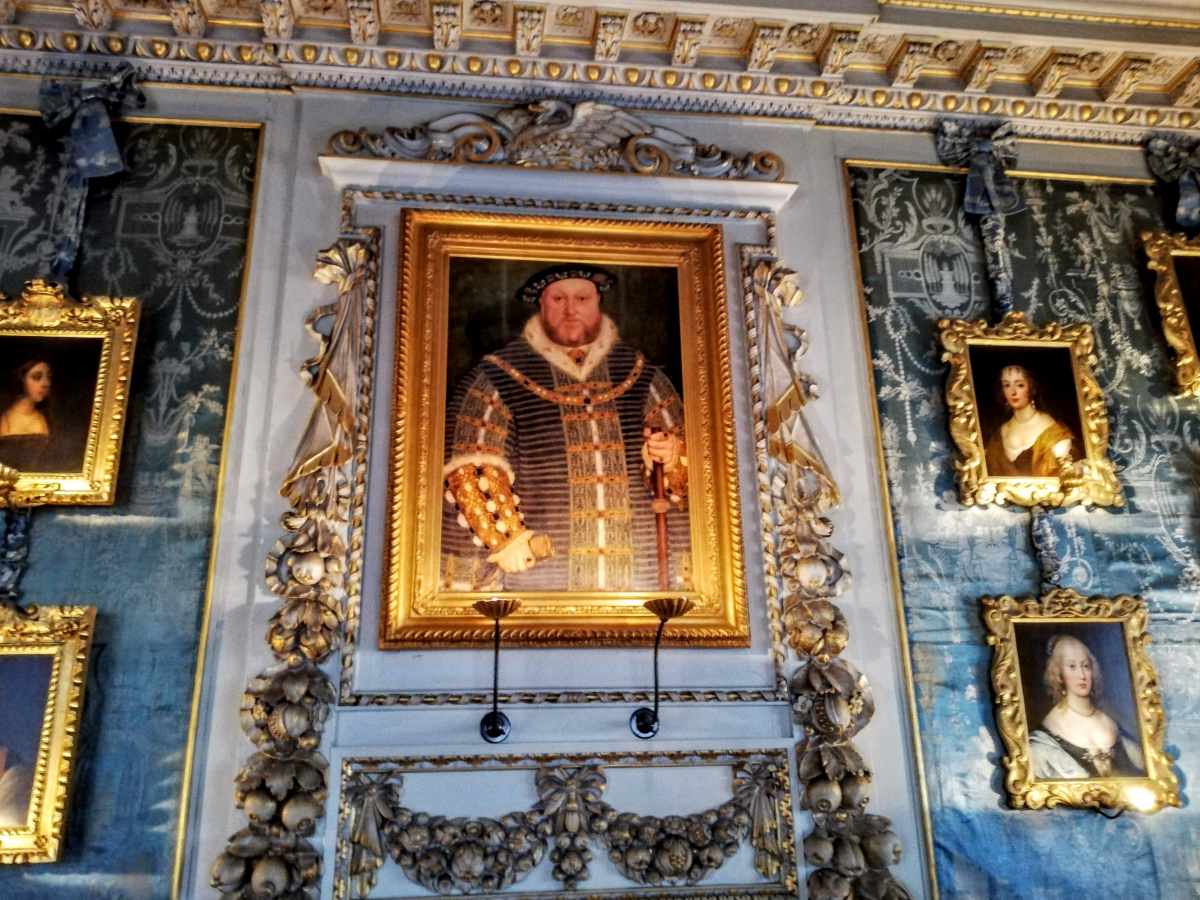
When Henry VIII broke from Rome in the 1530s, Catholic families across England were pushed to the margins of public life. The Stonors, unlike many, never conformed. They paid for it directly: in 1577 alone, the family paid recusancy fines equivalent to roughly £50,000 in today’s money simply for refusing to attend Church of England services. Despite the financial ruin this threatened, Stonor Park became something rarer and more dangerous than a private chapel an active refuge for hunted Catholic priests, and a working Mass centre for the wider Catholic community in the area, at a time when both were capital offences.
St Edmund Campion and the Priest Hole
The most significant figure in Stonor’s history is Edmund Campion a former star of Oxford academic life who left the Church of England, joined the Jesuits on the continent, and returned to England in 1581 on what was known as the ‘English Mission’: an underground campaign to minister to Catholics in a country where doing so was treason.
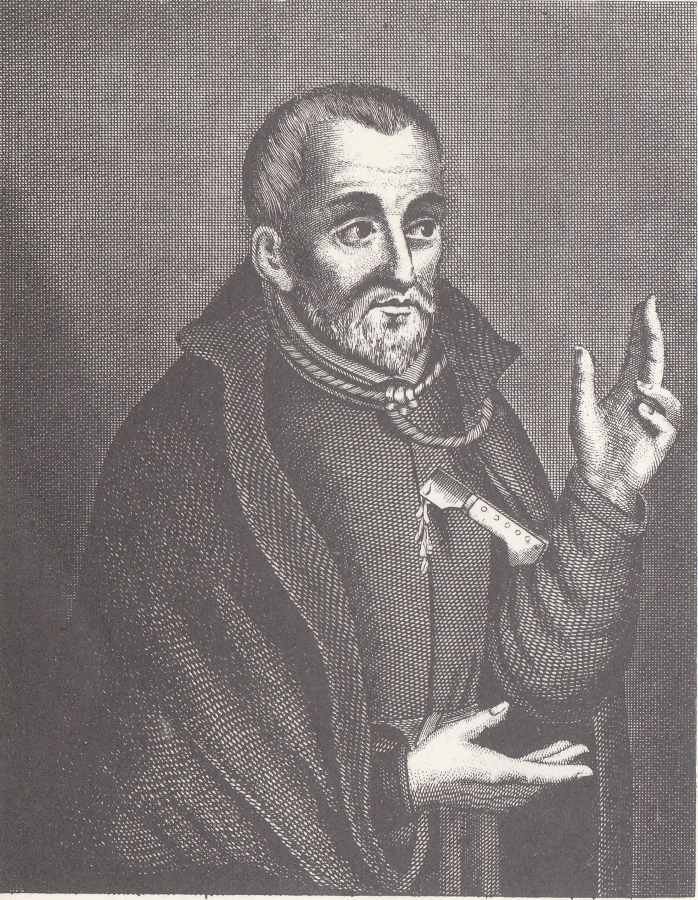
Already known to the Stonor family, Campion was given refuge at Stonor Park to carry out one of the boldest acts of his short mission. A printing press was smuggled into the house and assembled in the roof space, where Campion secretly printed copies of Decem Rationes (‘Ten Reasons’) a pamphlet setting out his case for the Catholic faith over the newly established Church of England. He distributed the pamphlets in Oxford himself, and their discovery triggered a manhunt.
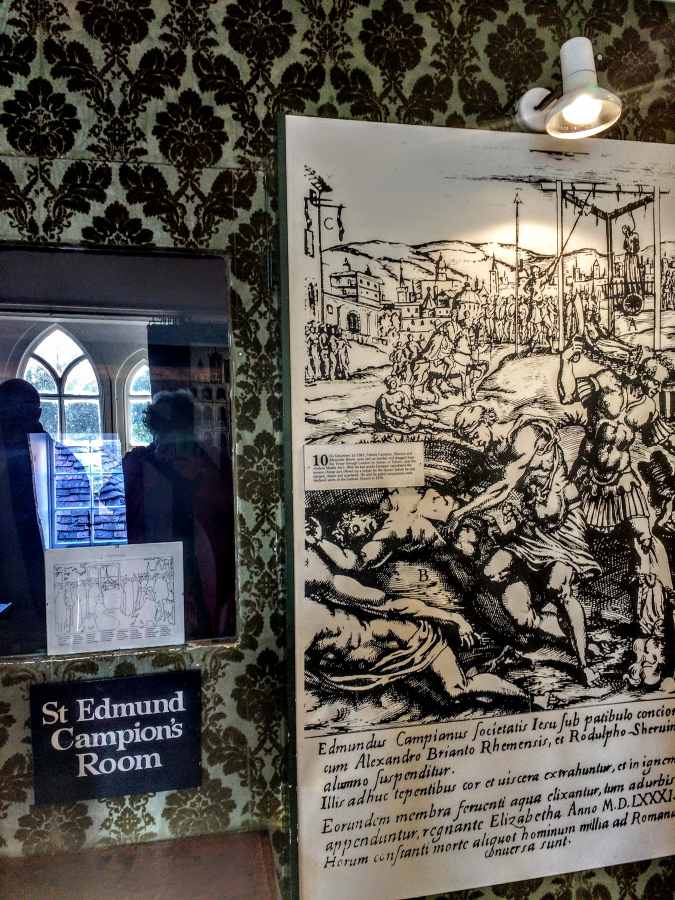
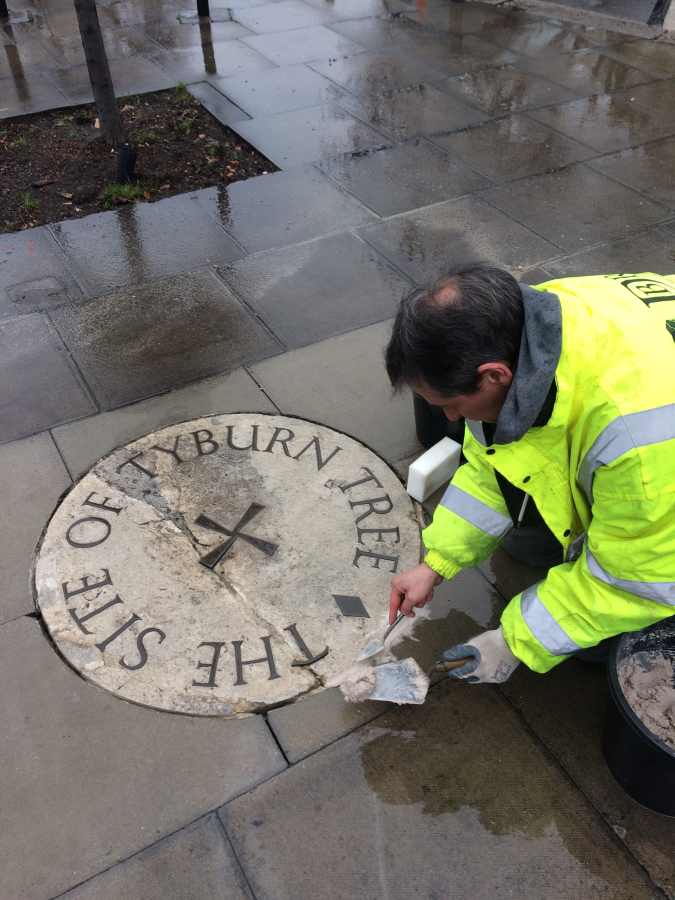
Campion was captured at Lyford Grange, near Wantage, in August 1581. Under torture, his connection to Stonor was revealed, leading to the family’s own arrest and years of surveillance and hardship. Campion himself was hanged, drawn and quartered at Tyburn on 1 December 1581. Nearly four centuries later, in 1970, Pope Paul VI canonised him as one of the Forty Martyrs of England and Wales his feast day, fittingly, falls on the anniversary of his death.
The room where the press stood the priest hole, hidden in Stonor’s attic space survives today and remains part of the house’s visitor route, alongside an exhibition on Campion’s life and death, and rare surviving original copies of Decem Rationes itself.
Lady Cecily Stonor: The Woman Who Risked Everything
Campion’s story tends to dominate, but the family member who took the greatest personal risk was Lady Cecily Stonor a widow in her sixties who had been sheltering priests at Stonor since at least the 1570s, years before Campion’s arrival. After Campion’s capture, she was taken into custody, and was fortunate to be released into house arrest under her eldest son’s supervision, spared harsher treatment only because of her age and ill health. Her own words survive in testimony describing a lifetime of religious upheaval: born, as she put it, in a time when the Mass was held in the highest reverence, and living to see it driven underground in her own home.
The Chapel That Never Stopped
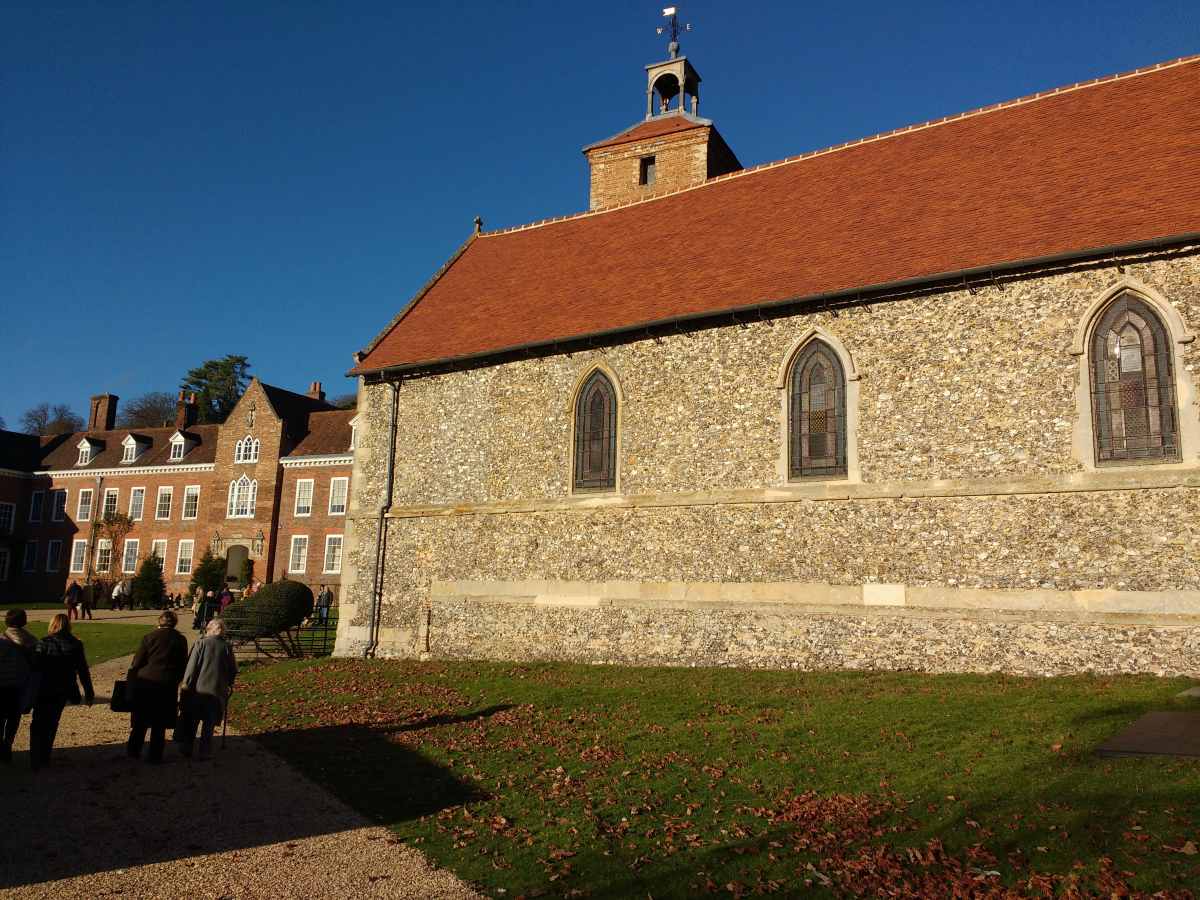
Stonor’s 12th-century chapel, standing near the house, is one of the quieter but more remarkable survivals on the estate a place of Catholic worship that never fully stopped functioning as one, even through the worst of the recusancy years. Between 1716 and 1756, John Talbot Stonor, a member of the family who became Vicar Apostolic of the Midland District, used Stonor as his effective headquarters for the underground Catholic Church in the region. It’s a rare, tangible thread connecting the Elizabethan persecution of Campion’s era to the eventual re-establishment of open Catholic worship in England.

The Stone Circle
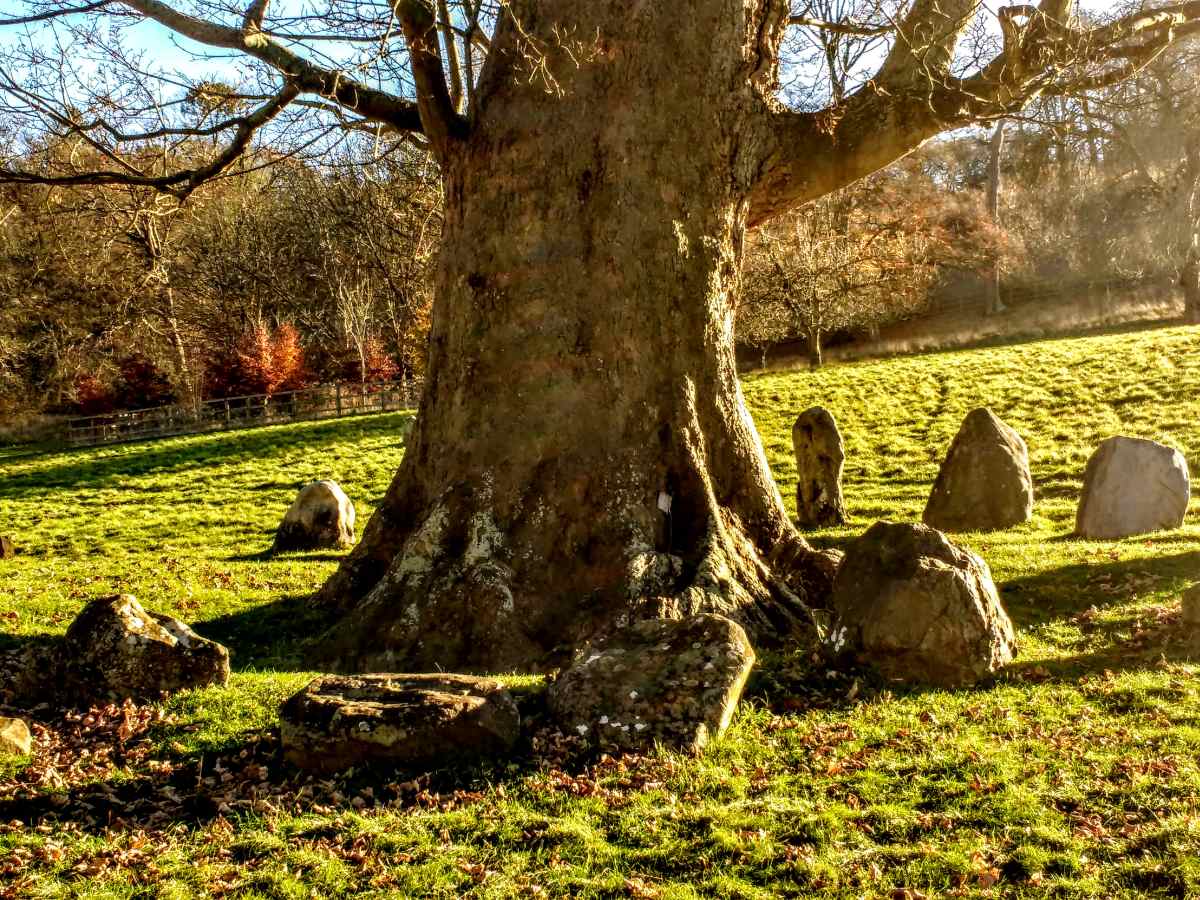
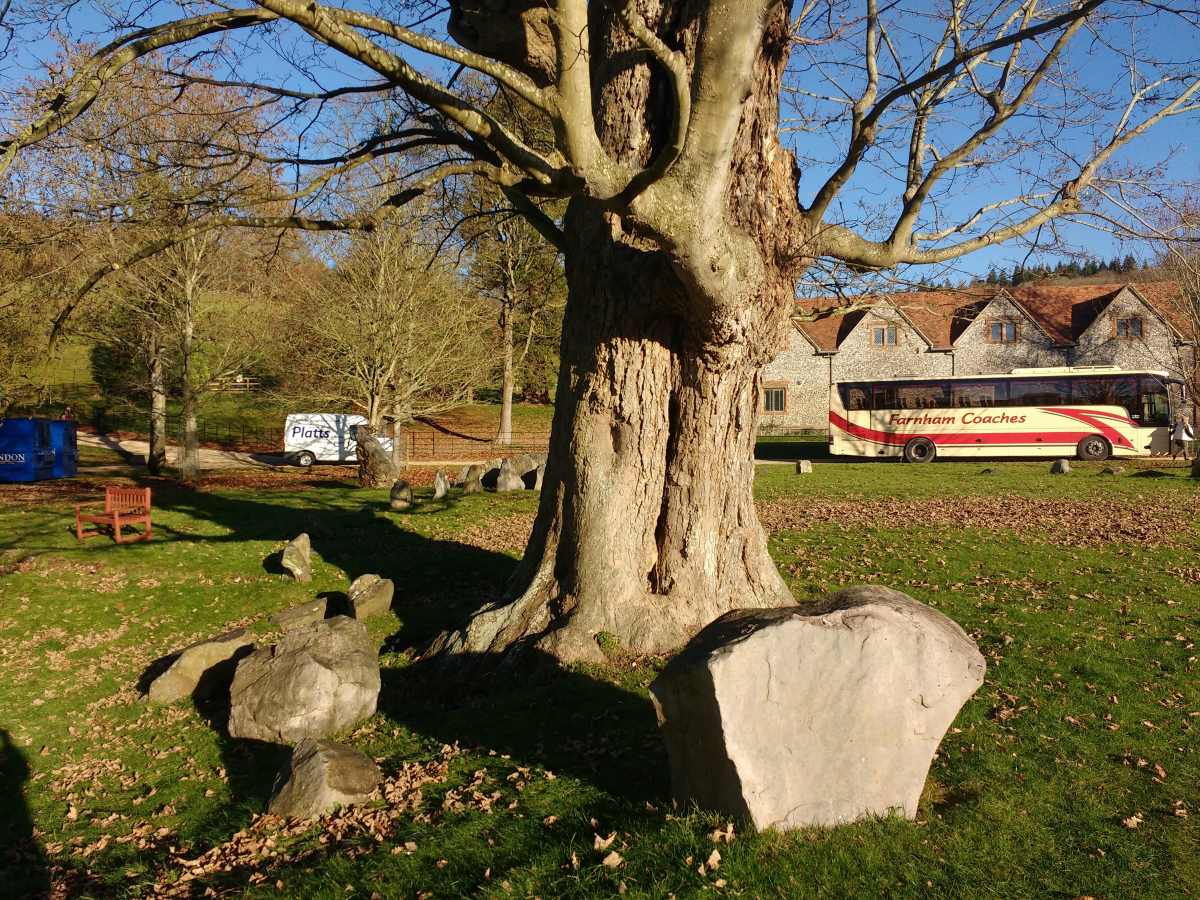
Long before any of this history, Stonor’s valley held something older still: a stone circle, made up of sarsens (blocks of sandstone) and puddingstones (pebbles naturally cemented in limestone), thought to predate the house by more than three millennia. It’s widely believed to be the source of the valley’s own name. The circle sits close to the medieval chapel a striking, easy-to-miss juxtaposition of prehistoric ritual site and centuries of Christian history within a few hundred metres of each other.
The Gardens
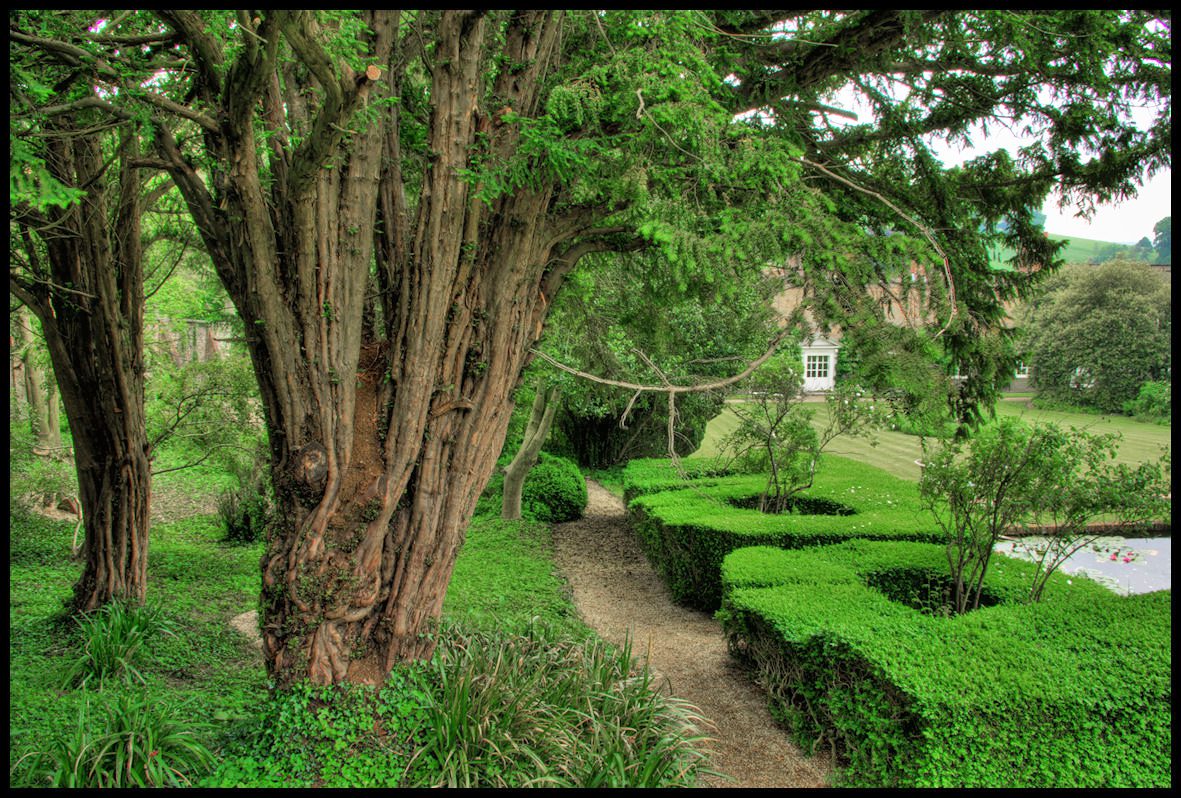
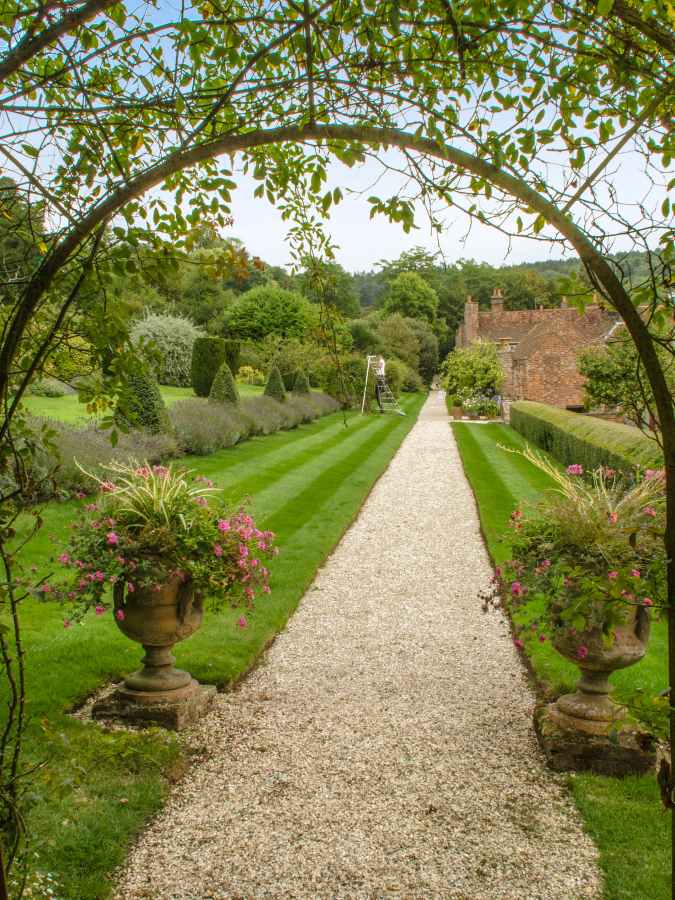
Stonor’s parkland sits in a dramatic, sweeping valley within the Chilterns Area of Outstanding Natural Beauty, but the cultivated gardens closer to the house reward a slower look. Within the walls of a medieval garden dating to 1450 sits the 17th-century Italianate Pleasure Garden, with its Renaissance-style ponds and fountains, alongside what was once the Old Kitchen Garden redesigned by the current Lady Camoys into a flower garden. Beyond the walls, an eclectically planted Arboretum includes a hazelnut avenue planted in the wake of the Great Storm of 1991.
The wider grounds are also home to an ancient herd of fallow deer historically a source of venison for English kings and queens alongside badgers, hares, and red kites circling overhead.
Stonor on Screen
Perfect for those who love to visit film sites, Stonor’s atmospheric, slightly hidden-away character has made it a recurring filming location: the James Bond film The Living Daylights, Danny the Champion of the World (starring Robbie Coltrane and Jeremy Irons), a screen adaptation of A Christmas Carol, and long-running detective series Midsomer Murders have all used the house and grounds.

Visiting at Christmas
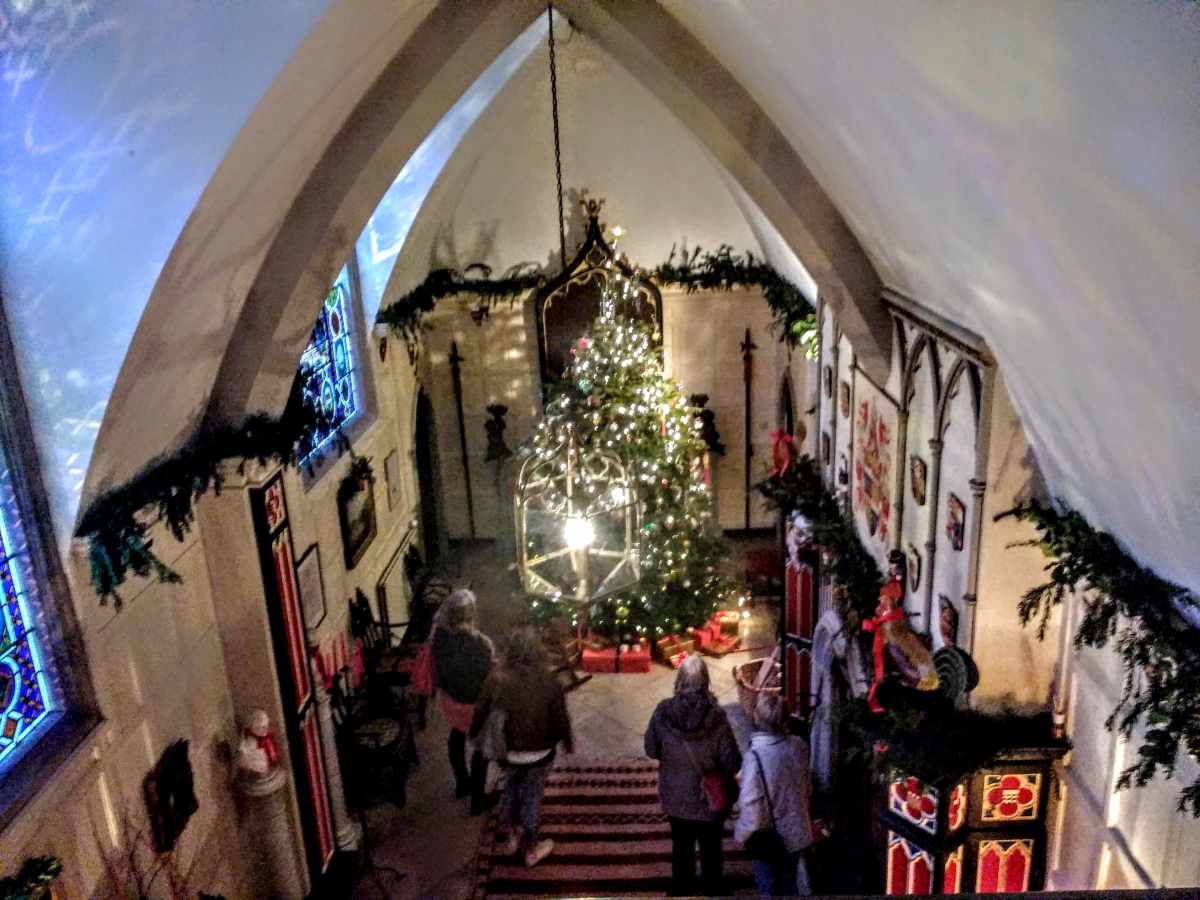
My own visit was in December, and there’s something about Stonor at Christmas that suits the house perfectly it’s atmospheric rather than showy, and the history feels closer somehow in the low winter light.
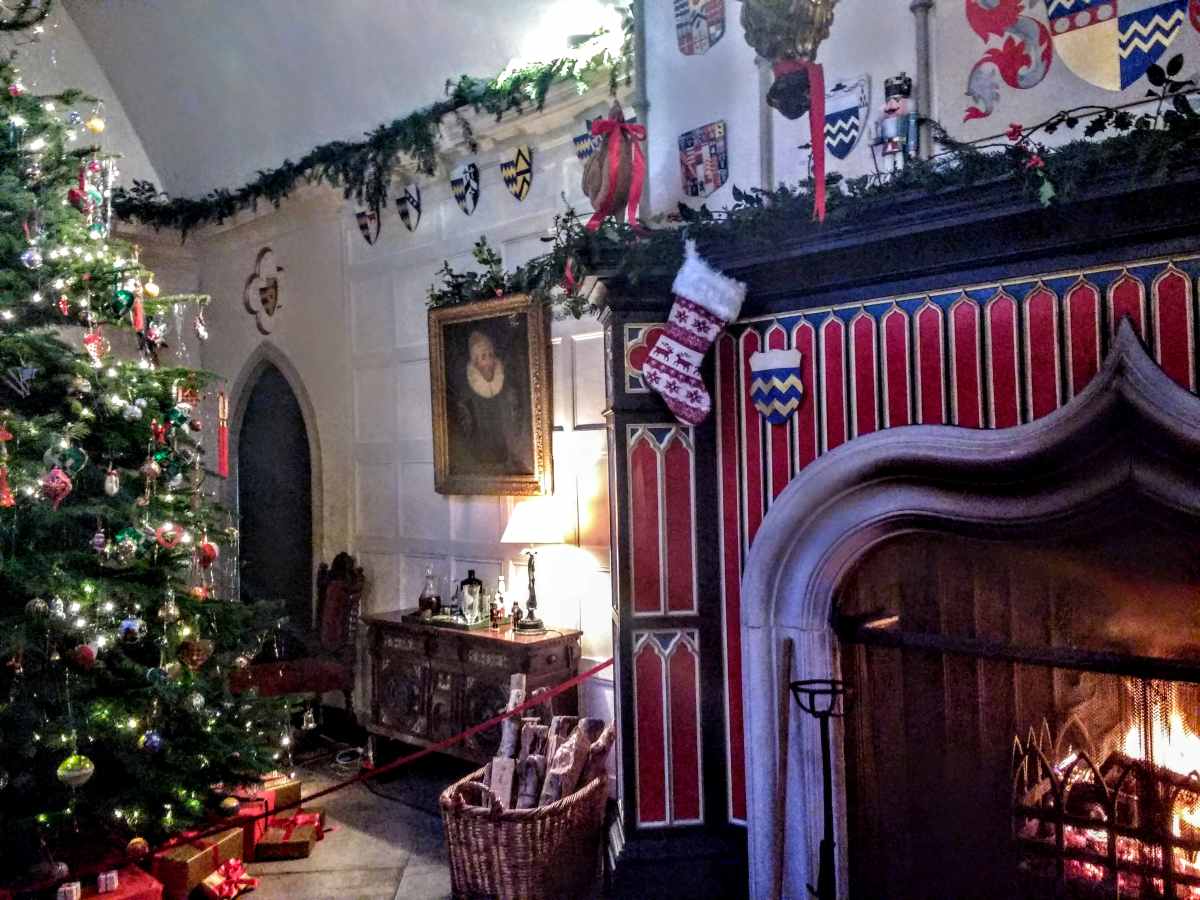
Stonor Park runs seasonal Christmas events in most years, alongside a well-established Halloween trail through its woodland playground and a medieval jousting tournament over the May bank holiday weekend. The house itself typically operates on a more limited schedule over winter than its main April-to-September season, so if a Christmas visit is the plan, it’s worth checking Stonor’s current opening calendar before setting off, since hours and events shift year to year.
Planning Your Visit
Stonor Park is well signposted off the A4074, around an hour’s drive from London and easily combined with a wider trip through the Chilterns or South Oxfordshire; public transport options are limited, so a train to Henley-on-Thames followed by a taxi is the more realistic non-driving route. Postcode for satnav: RG9 6HE.
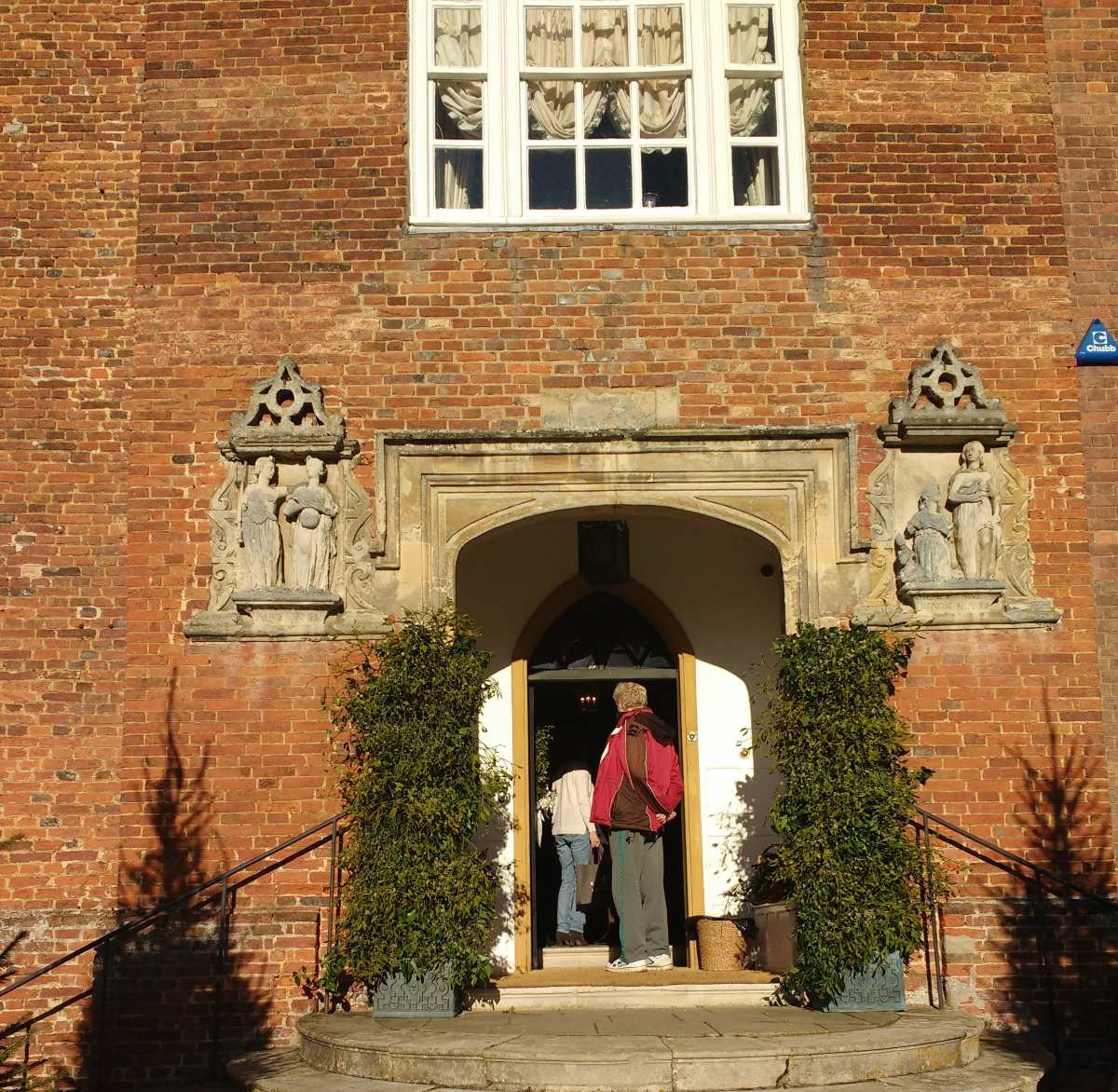
The house operates on a guided-tour basis during its main open season, so advance booking is worth doing rather than assuming on-the-day entry, particularly around events like the Christmas period, Halloween, or the jousting tournament. One accessibility note worth flagging honestly: the house interior is not wheelchair-friendly, since even the ground floor isn’t all on one level the gardens and grounds are considerably more accessible than the house itself. Check Stonor’s own site for current opening hours, admission pricing, and event dates, since all three shift by season and by year.
Beyond the house itself, families should budget time for Tumblestone Hollow, the estate’s adventure playground with a zip wire, sand and water play, and climbing areas genuinely well-regarded by visitors even among those who found other parts of a visit underwhelming.
Frequently Asked Questions
What is Stonor Park famous for?
Stonor Park is famous as one of England’s great recusant Catholic houses home to the Stonor family for 850 years and for sheltering the Jesuit priest (later saint) Edmund Campion in 1581, who secretly printed his pamphlet Decem Rationes there using a press hidden in the roof space, in the room now known as the priest hole.
What is a priest hole and can you see one at Stonor Park?
A priest hole was a hidden room or space built into English Catholic houses during the 16th and 17th centuries to conceal priests from government search parties, since practising as a Catholic priest was itself illegal. Stonor Park’s priest hole, in the roof space, is where Edmund Campion hid and printed his famous pamphlet in 1581, and it remains part of the visitor route today.
Who owns Stonor Park today?
Stonor Park is still the private home of the Stonor family, now headed by Lord and Lady Camoys the same family that has owned the estate for around 850 years, making it one of England’s oldest continuously family-owned homes.

What TV shows and films were shot at Stonor Park?
Stonor Park’s house and grounds have appeared in the James Bond film The Living Daylights, Danny the Champion of the World, A Christmas Carol, and the long-running detective series Midsomer Murders.
Is the Stonor Park stone circle real?
Yes the stone circle in the grounds, made of sarsen and puddingstone blocks, predates the house by thousands of years and is thought to give the Stonor valley its name. It sits near the estate’s 13th-century chapel.
Is Stonor Park open at Christmas?
Stonor Park runs seasonal Christmas events most years, alongside its regular Halloween trail and May bank holiday medieval jousting tournament though the historic house itself typically operates on a more limited winter schedule than its main April-to-September season, so it’s worth checking the current year’s opening times before visiting.
Explore Historic Great Britain
Historic Britain is layered with Roman ruins, medieval abbeys, castles, ancient monuments, and historic market towns. Exploring beyond the major tourist cities often reveals some of the country’s most memorable experiences.
- Avebury Henge
- Roman ruins in Britain
- Hadrian’s Wall and Vindolanda
- The Mysterious Rosslyn Chapel – Scotland
- Evocative Ruined Abbeys in Yorkshire
- Walk the Suffragette Trail across the UK
- Shibden Hall Yorkshire – home of Anne Lister – widely celebrated as “the first modern lesbian”
- Alan Turing and Bletchley
- Rievaulx Abbey
- Whitby Abbey
- Kenilworth Castle
- Bamburgh Castle