
Budgeting for European Travel Guide
You can picture it already: cobblestone lanes underfoot, a café table in the sun, museum days that spill into late-night plazas. The real question isn’t whether Europe is calling—it’s what it will cost to answer.
Here’s the straightforward path from dream to book-now: a clear budgeting framework, realistic per-day and trip totals, and simple tools you can copy in minutes. Start with worksheet and city-by-city checks to price your exact route. No fluff, no surprise charges—just the numbers that let you say yes with confidence.
The Mindset: Budgeting is Freedom, Not Limitation
First, reframe your thinking. A budget is not a straitjacket; it’s your financial blueprint for freedom. It empowers you to make informed choices, prioritize what matters most to you, and eliminates the stress of overspending while you’re supposed to be relaxing. It ensures your money is spent on experiences you value, not frittered away on unseen costs.
- Budgeting for European Travel Guide
- The Mindset: Budgeting is Freedom, Not Limitation
- Phase 1: The Blueprint – What to Think About & Plan
- Keeping a buffer in mind
- Phase 2: The Framework – How to Begin Budgeting
- The Backpacker Budget ($1,800 – $2,500)
- The Mid-Range Explorer Budget ($3,500 – $5,000)
- The Premium Comfort Budget ($7,000+)
- Notes on Documentation and Entry
- Final Pro-Tips for Your Financial Plan
Phase 1: The Blueprint – What to Think About & Plan
Before you look at a single price tag, ask yourself these foundational questions:
The Trip Style: Are you a luxury seeker, a comfort-loving explorer, slow traveller, or a frugal backpacker? Your style dictates every cost category.
Destination & Season: A week in Switzerland costs exponentially more than a week in Ireland. Similarly, July in the South of France is peak price; November is not. It may rain in the UK in the winter but the travel is much cheaper. Rule #1: Geography and timing are your biggest costs.
Trip Duration & Pace: A frantic 10-day, 5-city tour will have high transport costs. A slower 2-week, 2-country trip often saves money and sanity.
Keeping in touch: Forget the hassle of old-school SIM cards in Europe. An eSIM like Saily is a digital SIM downloaded directly to your compatible phone (meaning unlocked), letting you activate a European data plan before you even land. It’s instant, convenient, and means no more hunting for a physical shop or fumbling with a tiny SIM tray. For longer stays or if your phone isn’t eSIM-ready, a local physical SIM card from a European provider upon arrival is still a reliable and often budget-friendly option.
Travel Priorities: What’s non-negotiable? Is it foodie experiences, historic tours, nightlife, or scenic hikes? Rank them. Your budget should reflect your passions.

Keeping a buffer in mind
The buffer is your built‑in safety margin—money you set aside (typically 10% of your total trip budget) for the unexpected and the unmissable.
What it covers: surprise fees (baggage, city taxes), price jumps, transit hiccups (strike, missed train), medical/copays, last‑minute transfers, or spontaneous splurges (special dinner, gondola ride, extra museum).
How to calculate: buffer = 0.10 × total planned spend. Example: $4,000 trip → $400 buffer.
How to use it: don’t plan it into daily spending. Keep it separate (e.g., a different line in your budget or a second card). Tap it only when needed.
When to change the %: raise to 12–15% for peak season, complex multi‑city routes, or pricey regions (Switzerland, Scandinavia). Lower to 5–8% for off‑season, simple itineraries, or if you’ve prepaid most fixed costs.
Red flags: if you’re “using” the buffer during planning to make numbers fit, the base plan is too expensive—adjust destinations, timing, pace, or lodging tier instead.
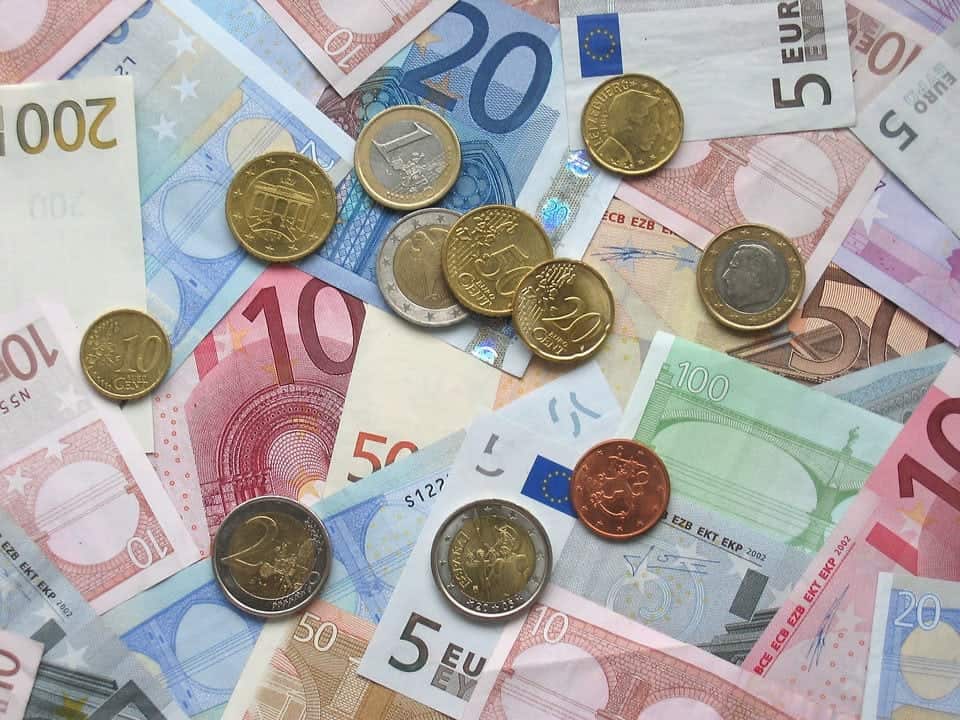
Bottom line: the buffer prevents small surprises from derailing your budget and preserves peace of mind on the road. And don’t forget to check exchange rates before you budget.
Phase 2: The Framework – How to Begin Budgeting
Start with a simple spreadsheet or budgeting app. Create categories and begin research.
One-Page Europe Trip Budget Worksheet
Trip overview
- Dates: __________________________
- Travelers: ________
- Cities/countries (route): ____________________________________________
- Pace (stops and nights per stop): ____________________________________
Target vs. Actual
- Target budget (total): $________
- Target per-day (total ÷ trip days): $________
- Buffer (10% of total): $________
Major line items
- Flights (home ↔ Europe, RT): $________
- Inter-city transport (trains/planes/buses): $________
- Accommodation: $________ per night × ______ nights = $________
- Daily spend (food, coffee, local transit): $________ per day × ______ days = $________
- Activities & tours (tickets, passes, classes): $________
- Local transport (airport transfers, taxis, city passes): $________
- Travel insurance: $________
- Misc/fees (baggage, city taxes, foreign transaction fees): $________
Subtotals & totals
- Core subtotal (sum of line items above): $________
- Add buffer (10%): $________
- Grand total (subtotal + buffer): $________
- Per-day total (grand total ÷ trip days): $________
City-by-city notes (plug in live prices)
- Stop 1 (City, dates): Lodging $/night; Meals $/day; Transit $/day; Key activities $ → Est. $____/day
- Stop 2 (City, dates): Lodging $/night; Meals $/day; Transit $/day; Key activities $ → Est. $____/day
- Stop 3 (City, dates): Lodging $/night; Meals $/day; Transit $/day; Key activities $ → Est. $____/day
Quick checks
If total > target: adjust geography, season, pace, or lodging tier.
Trains usually beat planes door-to-door under ~5–6 hours; check national rail sites vs. budget carriers.
DOWNLOAD A PDF OF THE One-Page Europe Trip Budget Worksheet HERE
Book flights/lodging early; keep your 10% buffer sacred
Step 1: Set a Total Target. Have a ballpark total you’re comfortable with. This is your north star.
Step 2: Break It Down into Core Categories. Estimate costs for each, in this order:
Airfare: Your biggest fixed cost. Use search engines (Google Flights, Skyscanner) and set fare alerts. Price differences typically reflect demand, inventory, and timing rather than cookies. Check flexible dates and nearby airports to find lower fares.
Accommodation: Search on Booking.com or Hostelworld for your destinations on your dates. Remember Booking.com also has complete apartments and much more than just a hotel room, you can also check VRBO instead of Air BnB (no surprises with the cost) Get real numbers.
Inter-European Transport: Will you use budget airlines, trains, buses, or rent a car? Research specific routes (compare national rail operators like DB in Germany, SNCF in France, and Trenitalia in Italy or Rail Europe or Omio (aggregators) against budget carriers). Eurail passes aren’t always cheaper — verify with the official Eurail and Interrail planners, for your exact segments. Trains are great for those who love to travel slowly, the UK has a great train network, Ireland has some good links between major cities.

Daily Spending (Food, Drink, Local Transport): This is crucial. Research the average cost of a meal, coffee, and metro ticket in your chosen cities and note that prices vary widely between, say, Lisbon, Paris, and Zurich—verify current rates on official transit and museum sites.
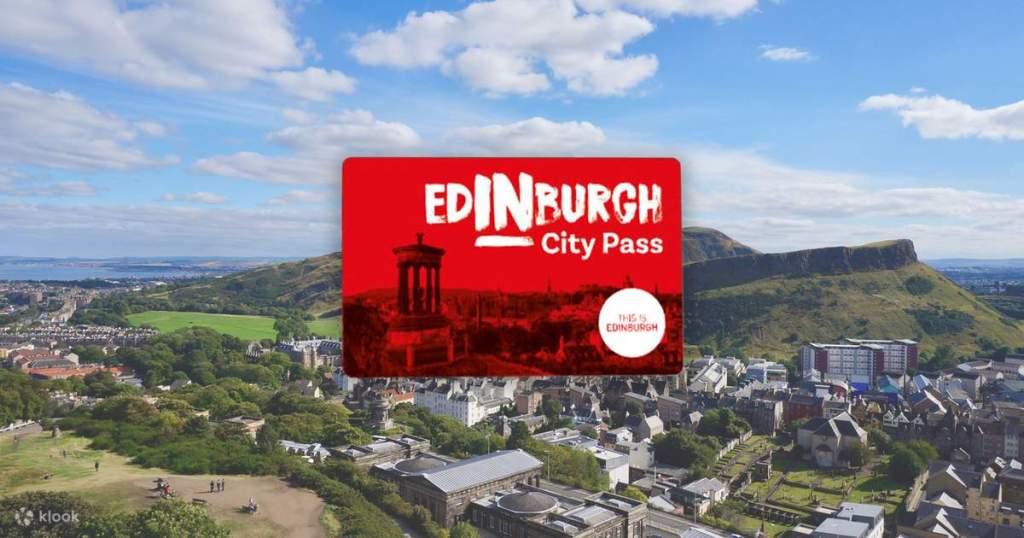
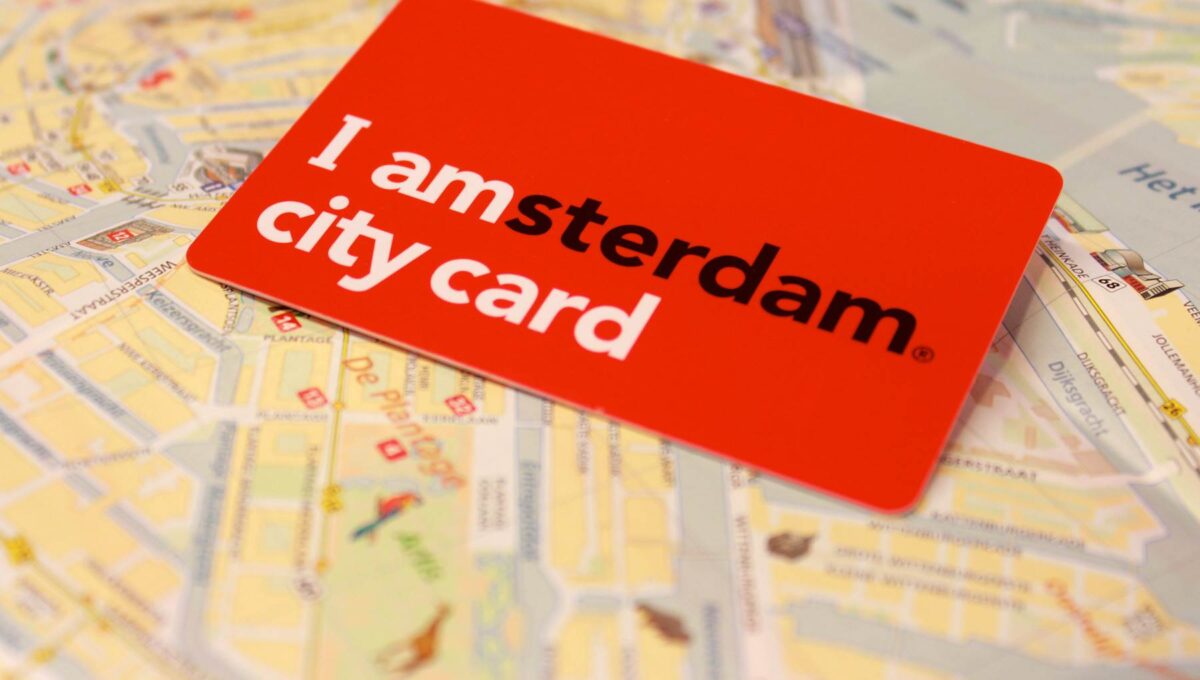
Activities & Tours: List your must-dos and check entry fees or tour prices online (e.g., Paris Museum Pass, Lisboa Card, Heritage Card Ireland, Heritage Card UK).
Travel Insurance & Contingency Fund: Never skip insurance. Allocate 5-10% of your total budget for emergencies and spontaneous opportunities and confirm coverage details with your insurer’s policy documents. When you are an older traveller but perfectly fit sometime insurance can be hard to find so take a look at insurers for the over 65’s.
City-by-City Cost Checks (Verify Locally)
– Lisbon (mid-range): Accommodation $90–$150/night; meals $35–$55/day; transit day pass ~$7–$10. – Paris (mid-range): Accommodation $160–$450/night; meals $60–$90/day; transit day pass ~$8–$15. – Zurich (mid-range): Accommodation $220–$350/night; meals $90–$120/day; transit day pass ~$9–$14. These are illustrative ranges; always check official sites and current listings.
Step 3: Add It Up & Adjust. Compare your estimated total to your Target from Step 1. If it’s too high, adjust the variables: change destinations, shorten the trip, opt for cheaper lodging, or travel in the shoulder season (April-May, September-October).
Phase 3: The Numbers – Actual Budget Scenarios for Europe
These are estimates per person for a two-week trip, excluding flights from North America, which can range from $500-$1,500+ round-trip depending on origin and season. Prices assume summer travel; shoulder seasons (late spring (May) or early fall (September-October) can be 15-25% cheaper. Winter can be Europe’s cheapest season, but you must strategically avoid the premium-priced holiday and ski periods.

The Backpacker Budget ($1,800 – $2,500)
Style: Hostels (dorms), overnight buses, self-catering.
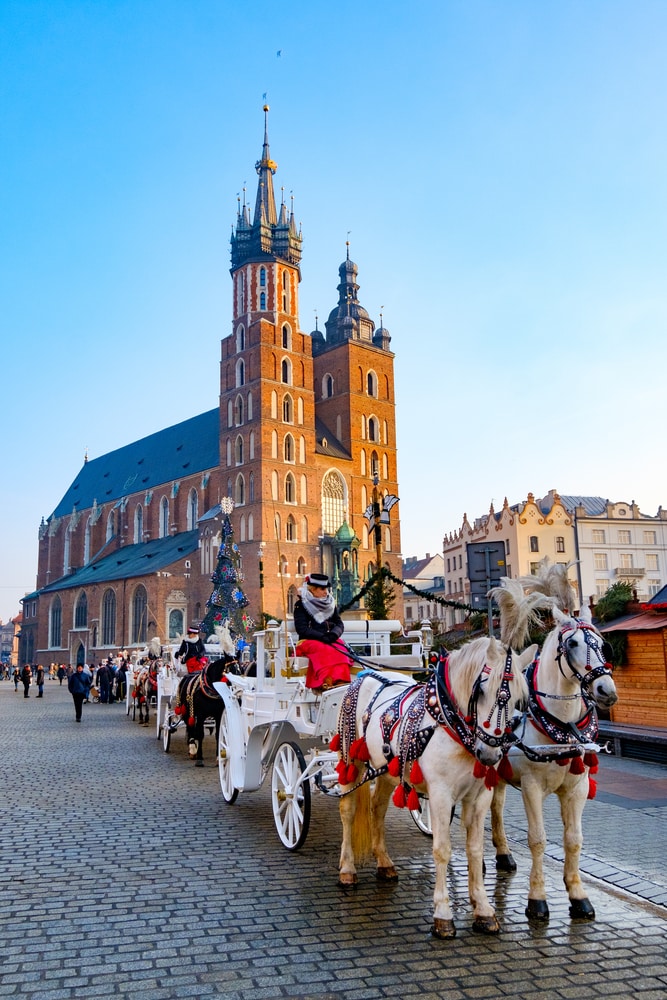
Destinations: Eastern/Central Europe (e.g., Czech Republic, Hungary, Poland, Balkans).
Accommodation: $25-$40/night.
Food/Drink: $25-$35/day (street food, market groceries, hostel kitchens, occasional cheap restaurant meal).
Inter-city Transport: $150-$300 (budget airlines & buses).
Activities: $100-$200 (mostly free walking tours, hikes, and low-cost museums).
The Mid-Range Explorer Budget ($3,500 – $5,000)
Style: Private rooms in hotels/B&Bs/rentals, mix of trains and budget flights, daily restaurant meals.
Destinations: Central Europe (e.g., Italy, France, Spain, Germany).
If you’re exploring more of Europe, or thinking about living here longer term, I’ve put together a few guides that might help:
Europe Travel Guide and the Ultimate Europe Travel Resource Guide
How to Avoid Travel Scams in Europe
Schengen Rules Explained when travelling to Europe
Accessible Travel Guides Ireland UK Europe
Carryon Luggage Rules Across Europe
How to find out if you can obtain an EU passport
Accommodation: $100-$180/night.
Food/Drink: $50-$80/day (nice lunches, sit-down dinners, regular coffees/pastries).
Inter-city Transport: $300-$600 (regional trains, some advance-purchase flights).
Activities: $300-$500 (guided tours, museum passes, special experiences like a cooking class).

The Premium Comfort Budget ($7,000+)
Style: 4-star+ hotels, fast trains/flexible flights, fine dining, curated experiences.
Destinations: Anywhere, including high-cost regions (Scandinavia, Switzerland). The UK, Ireland, Scotland can be expensive depending on where you are travelling and if you want to stay in a castle or not.
Accommodation: $250+/night.
Food/Drink: $120+/day.
Inter-city Transport: $600+ (first-class rail, convenient flights).
Activities: $800+ (private guides, exclusive access tours, multi-day excursions).

Notes on Documentation and Entry
ETIAS: Visa-exempt travelers to many EU countries will soon require ETIAS authorization. Check the official site for timing and details
Rail planning: Compare national rail sites (DB/SNCF/Trenitalia) against the Eurail/Interrail planner for exact routes and fares.
Budget airlines: Review baggage fees and airport transfers on carriers like Ryanair and easyJet to avoid surprise costs.

Final Pro-Tips for Your Financial Plan
Book Major Costs Early: Flights and popular lodging always get more expensive.
Check your bank’s policies: See if your bank has any international partnerships that offer fee-free or low-cost withdrawals at partner ATMs abroad. For example I bank with Scotiabank in Canada and its partner in the UK is Barclay’s which means I can use the ATM with no charges.
Use a No-Foreign-Transaction-Fee Card: Avoid dynamic currency conversion. Withdraw cash from ATMs for better rates than exchange bureaus.
Choose the right ATM: Stick to ATMs operated by major banks, as these are less likely to charge excessive fees compared to private or independent cash machines. Avoid airport ATMs, as they often have the highest fees and worst exchange rates.
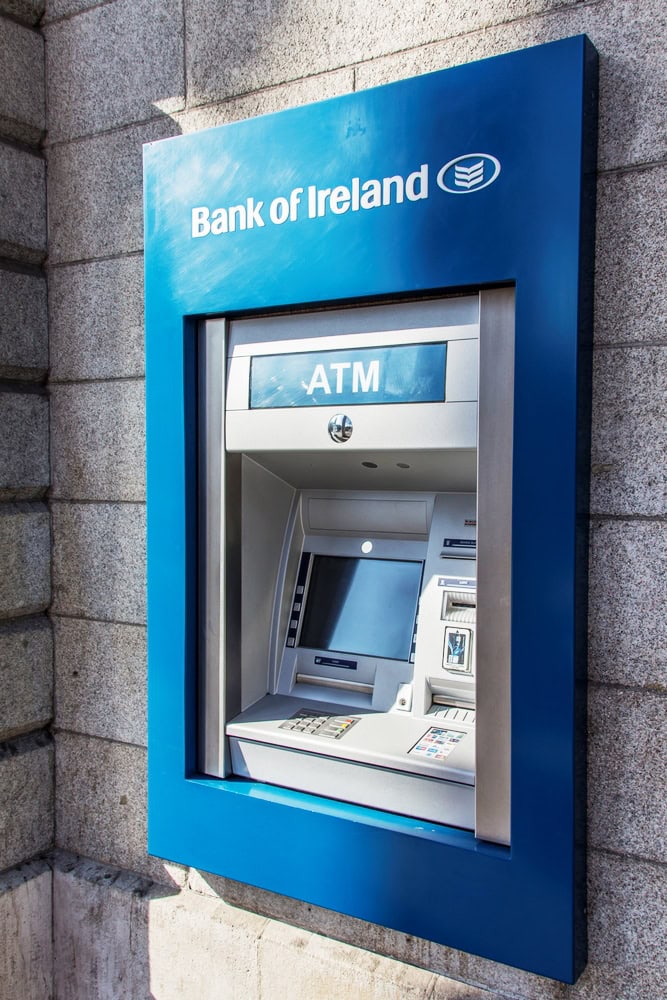
To save money on international ATMs: Use ATMs from major local banks instead of private ones and it will help avoiding cloning of your card. Beware ATM’s that don’t belong to a major bank, personal experience with having my bank cards cloned has warned me of this.
Always decline DCC: If the ATM asks if you want to be charged in your home currency or the local currency, always choose the local currency. This allows your bank to handle the conversion, which usually results in a better exchange rate than
Track as You Go: Use an app to log daily spending against your budget to stay on track.
The Buffer is Sacred: Your 10% contingency fund is for the unexpected train strike, the irresistible gondola ride, or the perfect leather jacket. It’s what makes travel stress-free.
The Bottom Line: Budgeting is how you turn “someday” into dates on a calendar. Protect your buffer, book the big stuff early, and let your priorities—not surprise fees—decide where the money goes. That’s how you trade uncertainty for anticipation—and step onto that first cobblestone street with confidence.
One budget lever many travellers miss: senior discounts in Europe on transport, museums, and attractions, which can knock a meaningful amount off your daily spend.
This is one part of the full Europe Travel Resource Guide see also How to Pay in Europe and the Europe Travel Documents Checklist. Continue planning your trip with check Travel Scams in Europe for more on protecting your money while travelling. Other resources include Best Travel Apps for Europe and Do you need a voltage converter in Europe. Don’t forget to read up on Essential carry-on guidelines in Europe. Last but not least Budgeting your European Travel.
check out these European Travel Guides