
Hidden Gems of London Secret Spots Off the Beaten Path
Did you know London hides a neon wonderland and a graveyard for medieval prostitutes? London’s big sights get all the attention but its secret spots hold the real magic. Many locals don’t even know about these visit them in England before they’re overrun!
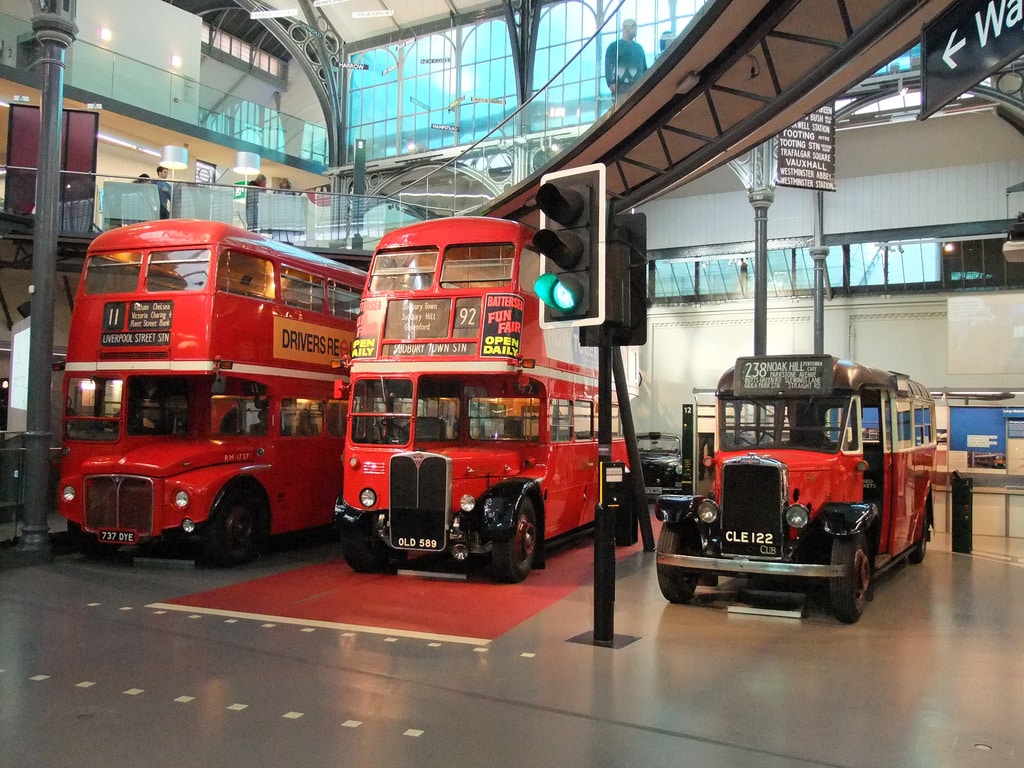
Welcome to the enchanting world of London’s hidden gems, where secret spots and unusual places await discovery. Beyond the bustling crowds and famous landmarks, this cosmopolitan city holds a treasure trove of hidden wonders. If you are planning a trip to London venture off the beaten path, and you’ll be rewarded with tucked-away corners that exude charm, mystery, and a unique sense of history.
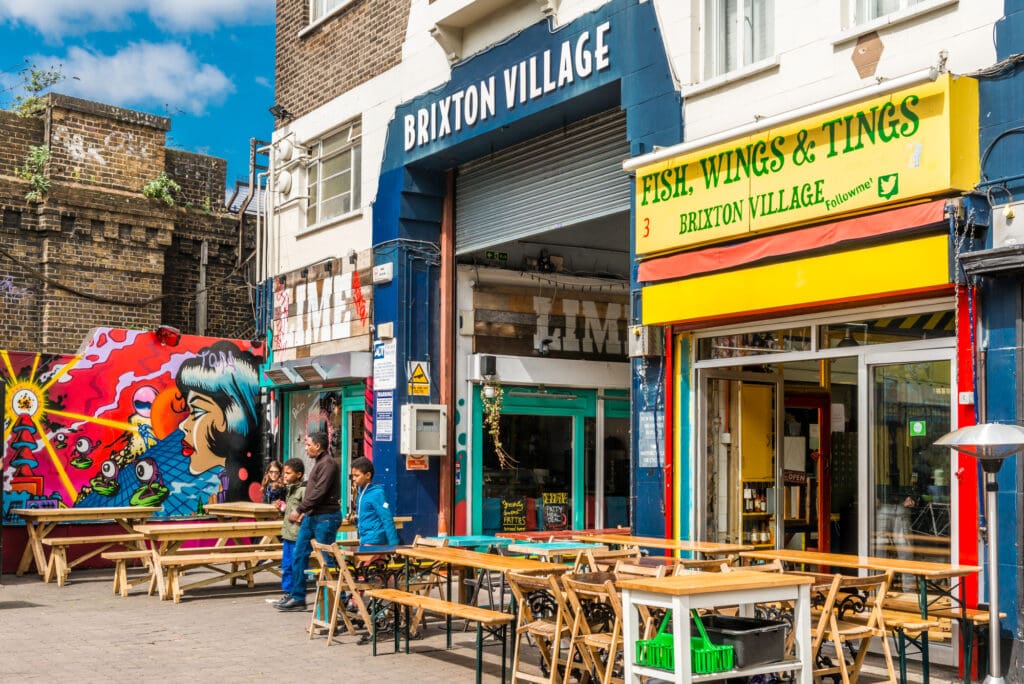
London is brimming with vibrant, lesser-known neighborhoods to stay in that offer an authentic local experience away from the tourist crowds. Brixton pulses with energy, boasting a rich Afro-Caribbean heritage, lively markets like Brixton Village, and legendary music venues.
Bonus: Practical Tips
- Always check official websites for updated hours/prices.
- Free gems: Postman’s Park, Kyoto Garden, and St. Dunstan’s are perfect for budget travelers.
- Tickets: Book ahead for Highgate Cemetery and Eltham Palace.
Off the beaten path London – London hidden gems
Little Venice
Address: Warwick Ave, London W2 6NE (canal paths run from Paddington to Camden)
Cost: Free (boat tours from £12)
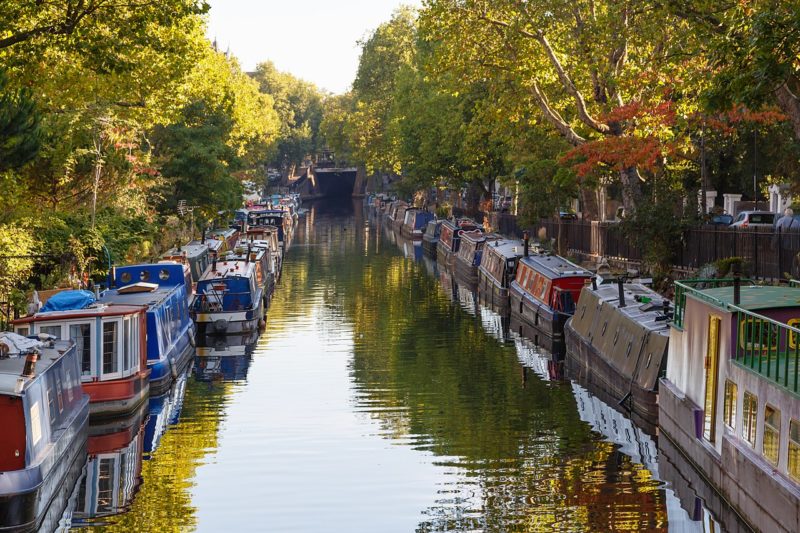
Named Little Venice because of its many canals, the area is a leafy suburb close to Warwick Avenue Station. Little Venice is truly one of the hidden gems of London.
To explore Little Venice extensively by foot, you can walk the Canal Path all the way from Camden, on the way, you’ll pass colourful canal boats bobbing beside the canal path, many painted with quirky colourful murals and boasting modest riverside gardens beside them.
Stop and have brunch at Darcie Green, a colourful canal boat that serves tasty brunches and excellent coffee. Sip a flat white or even a G&T and watch other boats pass by as you bob on the waters.
Postman’s Park
Address: King Edward St, London EC1A 7BT
Cost: Free
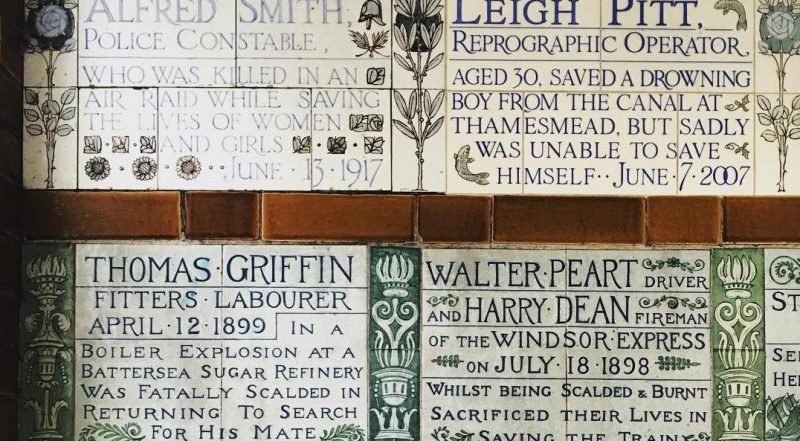
Near St. Paul’s Cathedral this pretty little park got its name from the workers of the now long-gone General Post Office taking lunch in the park. It is home to the famous Watts memorial, built in 1900 by the Victorian painter and philanthropist GF Watts. Watt was my kind of guy a radical socialist who worked to improve the terrible living conditions of the urban poor. To mark Queen Victoria’s Jubilee year he proposed a park commemorating the ‘heroic men and women’ who had given their lives attempting to save others.
Along the walls of the gallery, he placed Royal Doulton tiles commemorating acts of bravery. Each tile tells of the tragic tales and heroic acts of the citizens of London.
Sir John Soane House Museum
Address: 13 Lincoln’s Inn Fields, London WC2A 3BP
Cost: Free (donations welcome)
Sir John Soane was a well-known British architect and his home has been turned into a National Museum. There is no charge to visit the museum which is open Wednesday through Sunday from 10 am to 5 pm. The exhibits include sculptures furniture, models, drawings, and some famous paintings.

Leadenhall Market
Address: Gracechurch St, London EC3V 1LT
Cost: Free (shops/restaurants vary)
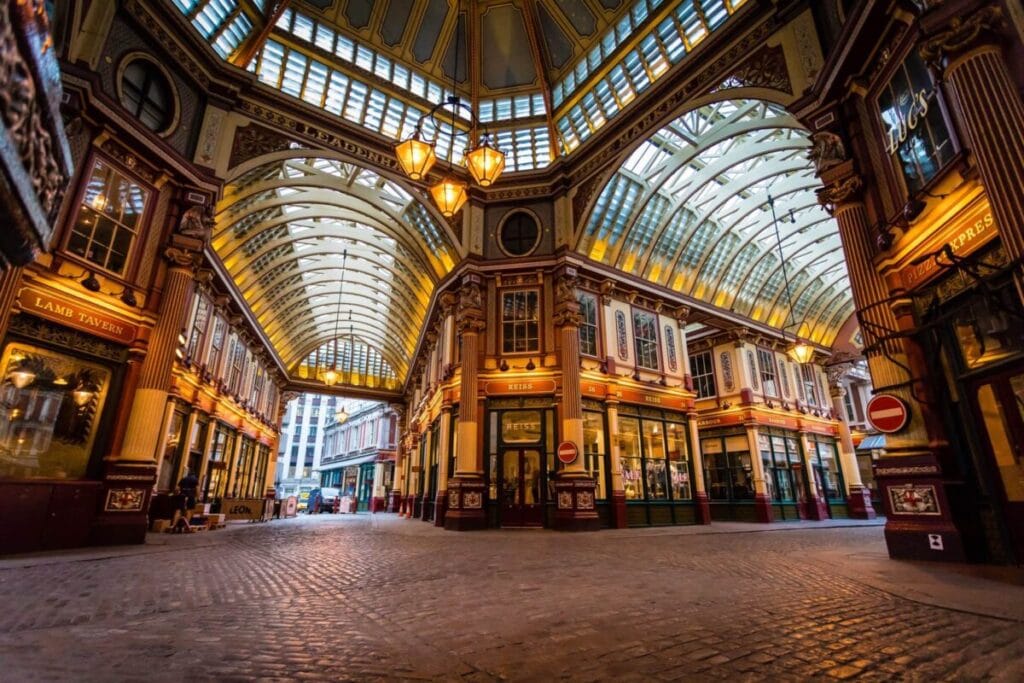
Can you guess which Harry Potter scene was filmed here? Even I the jaded cynic admits that Leadenhall is pretty stunning. However, during the time I was there there wasn’t much going on and very few shops and no market to speak of but still, if you are a Harry Potter fan it is a must.
The Hunterian Museum
Address: Royal College of Surgeons, 43 Lincoln’s Inn Fields, London WC2A 3PE
Cost: Free donations welcome
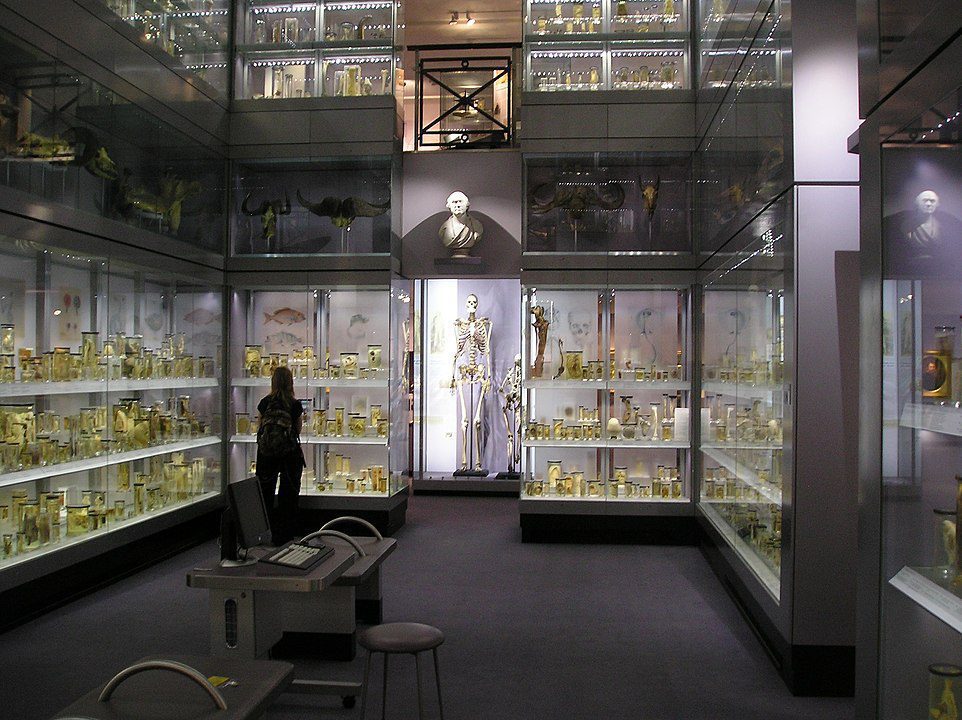
Tucked inside the Royal College of Surgeons, the Hunterian Museum is one of London’s most intriguing—and slightly unsettling—hidden gems. Founded in the 18th century by anatomist John Hunter, the museum houses an extraordinary collection of medical specimens, from preserved organs and skeletons to surgical instruments and even the skeleton of the infamous “Irish Giant,” Charles Byrne.
God’s Own Junkyard – Walthamstow
Address: Unit 12, Ravenswood Industrial Estate, Shernhall St, London E17 9HQ
Cost: Free (weekend entry £5 for photography)
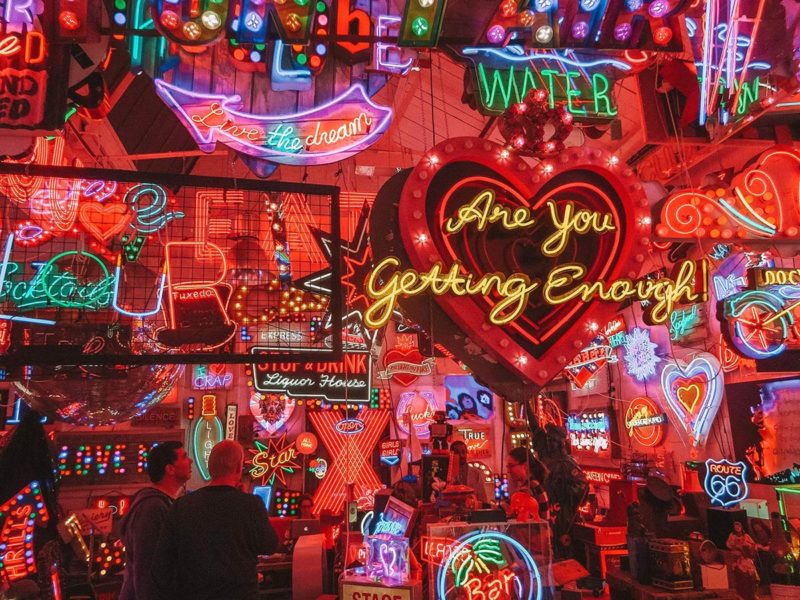
A riot of neon lights and vintage signage, God’s Own Junkyard in Walthamstow is a dazzling hidden treasure trove of retro art. The brainchild of the late neon artist Chris Bracey this warehouse is packed with glowing movie props, circus signs, and psychedelic displays that once adorned Soho’s nightclubs and film sets (including Eyes Wide Shut and Blade Runner).
The vibrant, Instagram-worthy space also houses the Rolling Scones Café, where you can enjoy a coffee surrounded by kaleidoscopic lights. Whether you’re an art lover, a photography enthusiast, or just seeking something wildly different, this place is pure visual magic.
Kyoto Garden Holland Park
Address: Holland Park, London W8 6LU
Cost: Free
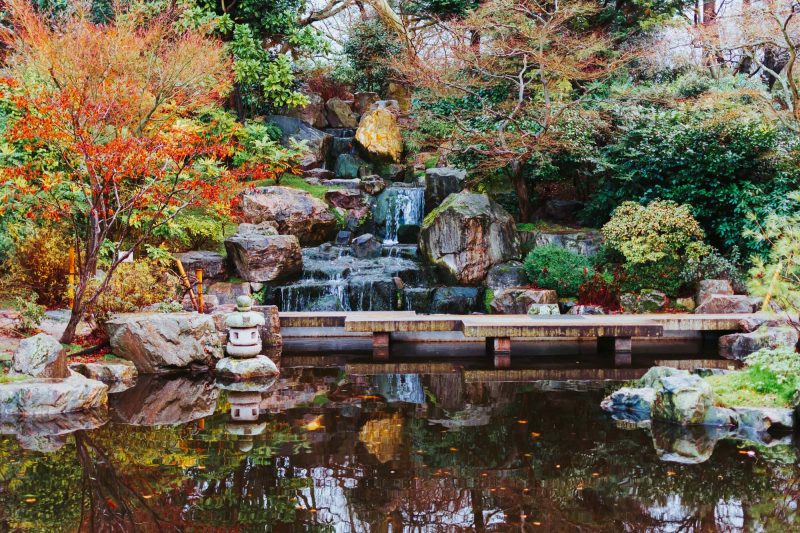
The Kyoto Garden was donated by the Chamber of Commerce in Kyoto Japan in recognition of the Japan Festival held in London in 1992.
A stunning Japanese garden designed by an award-winning Japanese Horticulturist working with the Royal Borough of Kensington and Chelsea this garden is a stunning display of Japanese art, flowers, greenery and of course a lovely koi pond to relax by.
The Old Operating Theatre Museum
Address: 9a St Thomas St, London SE1 9RY
Cost: £8.50 adults / £5.50 concessions
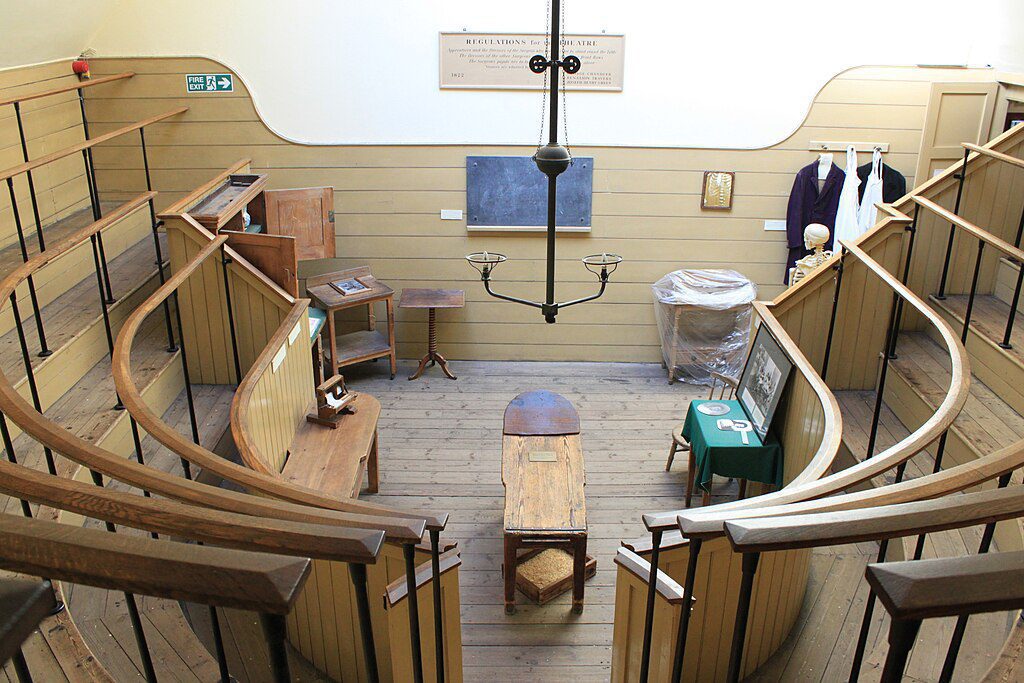
Step back into the brutal world of 19th-century surgery at The Old Operating Theatre Museum, hidden in the attic of a former church near London Bridge. This eerie space is Europe’s oldest surviving surgical theatre, where gruesome operations were once performed in front of medical students—without anesthesia. The wooden amphitheatre, surgical tools, and apothecary displays offer a chilling glimpse into pre-modern medicine.
Wilton’s Music Hall
Address: 1 Graces Alley, London E1 8JB
Cost: Free to enter (show tickets vary)
The world’s oldest grand music hall, Wilton’s in Whitechapel, is a beautifully shabby time capsule of Victorian entertainment. Hidden down a narrow alley, this atmospheric venue retains its original 1850s charm, with peeling plaster, gaslight-style chandeliers, and a wonderfully creaky wooden bar. Once a hotspot for sailors and East End revelers, Wilton’s now hosts everything from jazz nights to experimental theatre. Wilton’s Music Hall offers backstage tours on Sundays.

Highgate Cemetery
Address: Swain’s Lane, London N6 6PJ
Cost: £12 adults (guided tour but entry free)
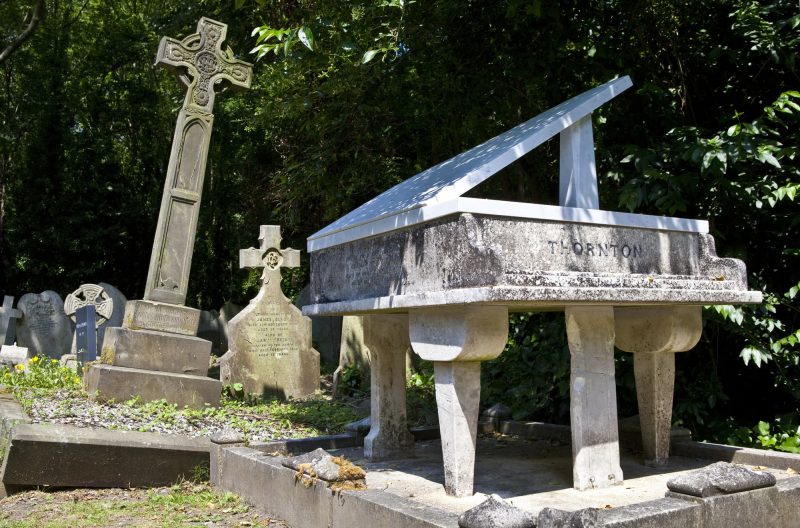
Designed and built originally for the wealthy of London the Cemetery is listed as Grade 1 and is one of the Magnificent Seven Cemeteries in London.The Victorian attitude to death led to the creation of incredible Gothic tombs and buildings.
The Cemetery is home to many famous historical figures including Karl Marx, George Eliot, Edward Richard Woodham, a survivor of the Charge of the Light Brigade, Douglas Adams, (ashes) author of The Hitchhiker’s Guide to the Galaxy and other novels and many others.
Eltham Palace
Address: Court Yard, Greewich, London SE9 5QE
Cost: £16 adults / £9.50 kids (English Heritage)
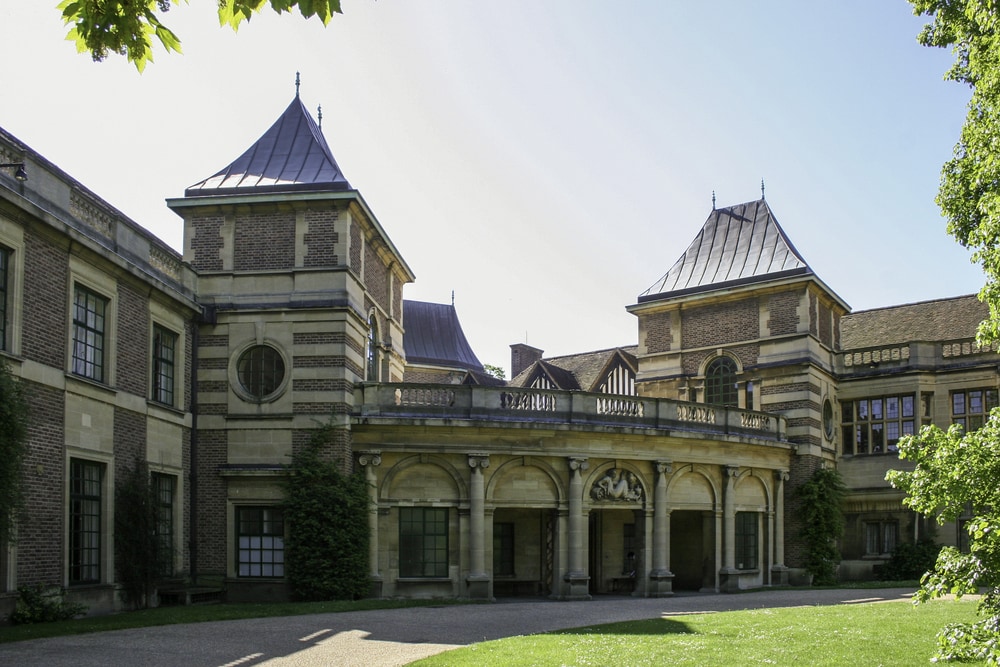
Once the residence of Henry VIII during his younger years, Eltham Palace succumbed to neglect until it found new life under the stewardship of the Courtauld family. This visionary couple undertook a remarkable restoration endeavor, infusing the historic structure with avant-garde Art Deco elements, resulting in an architectural masterpiece that defies convention.
The Seven Noses of Soho
Address: Scattered around Soho (start at Bateman St, W1D 4AG)
Cost: Free
One of London’s most whimsical hidden art installations, The Seven Noses of Soho were created by artist Rick Buckley in 1997 as a surreal protest against CCTV surveillance. These plaster noses are subtly stuck onto buildings around Soho, including Admiralty Arch and Great Windmill Street. Legend says that finding all seven brings good luck—or even wealth. The most famous, the “Nose of Soho” on Bateman Street, gets regularly polished by superstitious passersby.

The Viktor Wynd Museum of Curiosities
Address: 11 Mare St, London E8 4RP
Cost: £10 adults / £6 concessions
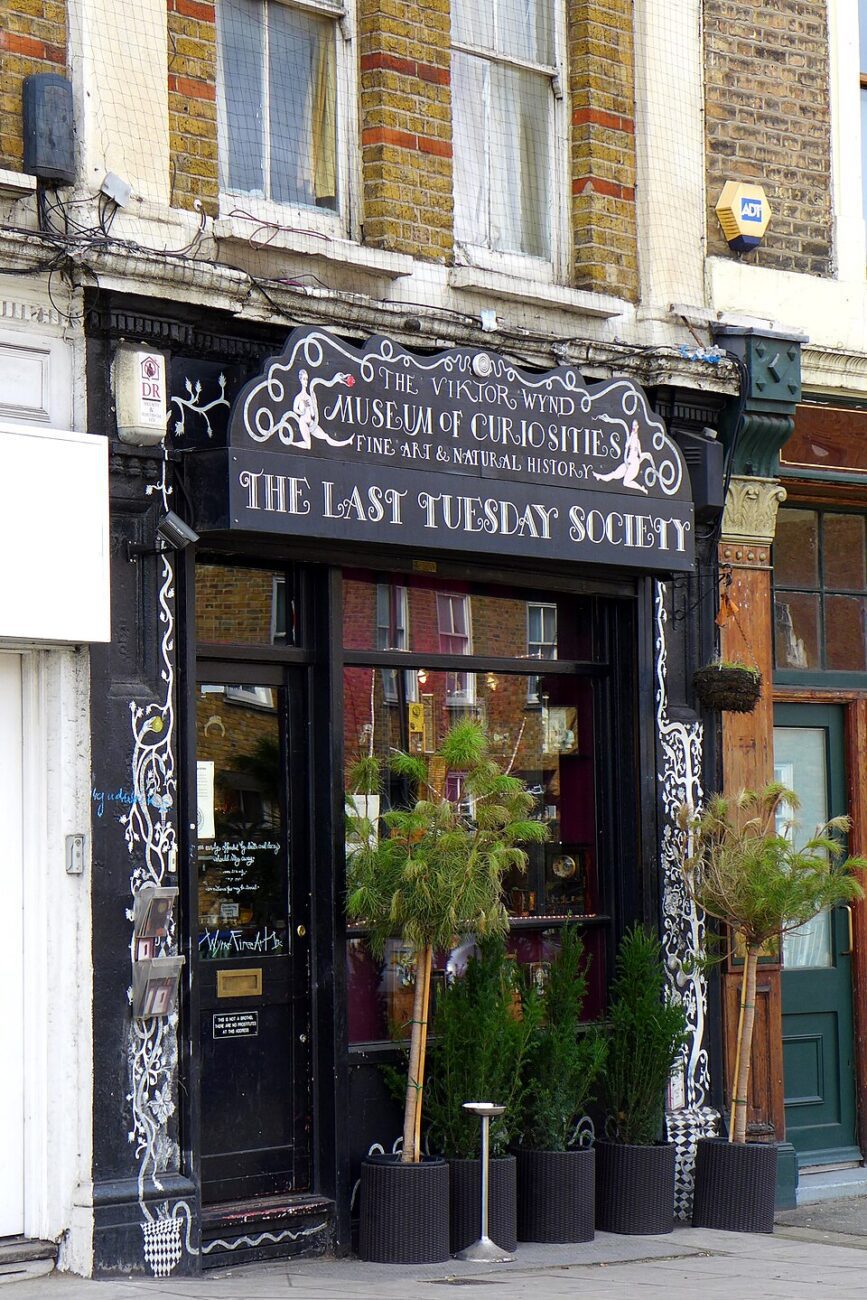
Part art gallery, part cabinet of curiosities, The Viktor Wynd Museum in Hackney is a delightfully bizarre experience. This tiny, cluttered space is filled with everything from two-headed lambs and shrunken heads to occult relics and vintage erotica. Founded by eccentric artist Viktor Wynd, the museum channels the spirit of 18th-century “wonder rooms,” blending natural history with the surreal.
St. Dunstan’s in the East
Address: St Dunstan’s Hill, London EC3R 5DD
Cost: Free
This is a small church built by Sir Christopher Wren located between the Tower of London and London Bridge. It dates from the 12th century and sits between Tower Bridge and the Tower of London. Destroyed by the Blitz during WWII only the spire remains today. This little sanctuary is a hidden London gem with a small quiet garden disguised by buildings. Horror film fans will recognise the tower as the setting for the final scenes of the 1965 movie Children of the Damned.
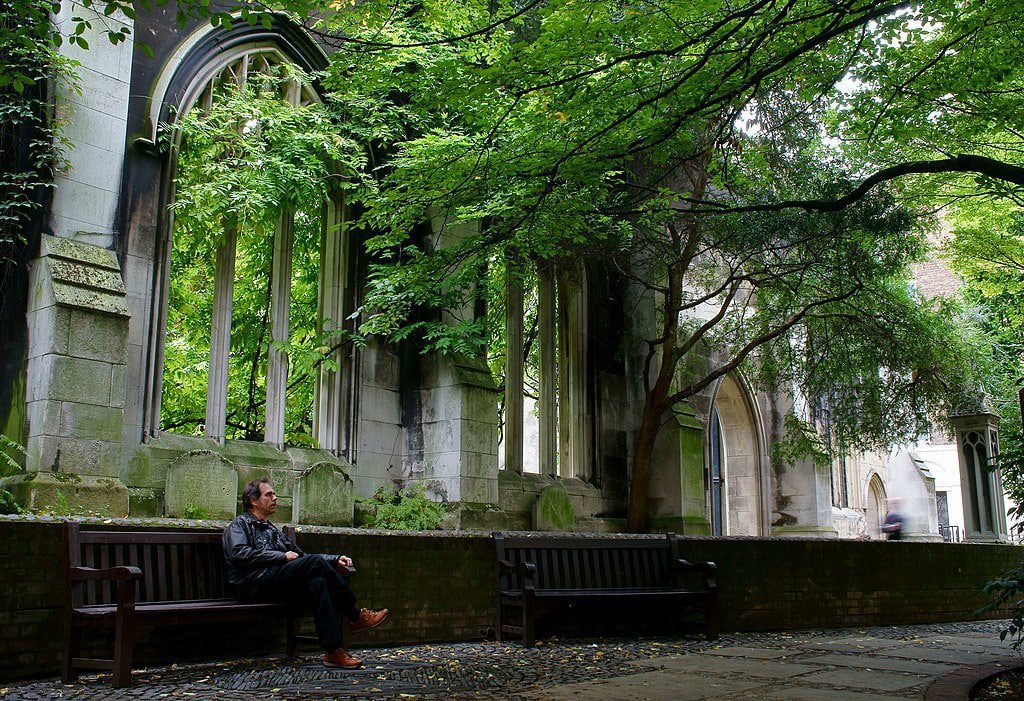
Crossbones Graveyard
Address: Redcross Way, London SE1 1TA
Cost: Free
A haunting and poignant site, Crossbones Graveyard in Southwark was once an unconsecrated burial ground for medieval prostitutes and paupers. Rediscovered during Tube construction, the site is now a memorial garden adorned with ribbons, flowers, and tributes to the outcasts buried there. The rusted gates bear the words “R.I.P. The Outcast Dead,” and every month, a vigil is held to honor their memory.

Brixton
In the 1920s Brixton was a thriving shopping district attracting visitors from far and wide. But the Brixton area was bombed during World War II, contributing to a severe housing crisis, which in turn led to urban decay. This was followed by slum clearances and the building of council housing on a large scale. In the 1940s and 1950s, many immigrants settled in Brixton as it was a cheap place to live near in the capital.
Hidden in plain site Brixton is just 30 mins from the centre on the Victoria line, great for a day trip or as a more affordable base than staying in central London. A great way to see a different side to London other than just the tourist hot spots.
Southbank
A good way to start your tour of South bank is to cross the Thames on Westminster Bridge. From there follow the riverbank east towards Blackfriars Bridge.The first area you reach on the south side is like a mini Disneyland. There you’ll find the city’s aquarium where you can watch shark feedings and beautiful displays of the ocean’s denizens of the deep.
Next to the aquarium is the famous London Eye Ferris wheel. Ride the wheel during the daytime for distant views of the city in all its splendour. From here you can see Big Ben, Westminster, Buckingham Palace and you can ride it at night to see the sparkling city lights and feel like you are floating over the river.
For those of us, like me, that can’t resist tacky tourist horror shows, there is the London Dungeon where you’ll learn about the Black Plague, London Fire and all the bad guys like Jack the Ripper.If you need a break after the amusements, check out the Queen’s Jubilee Gardens, a lovely green space with gardens and manicured lawns. Get a sandwich and enjoy this little park.

Shoreditch
If you are on the lookout for the trendiest neighbourhoods and artsy districts, Shoreditch must be in your list of the things to do in London.Situated in the east end side of London, from Shoreditch high street up to Hackney road, further north, this now vibrant borough went through different phases over the years.
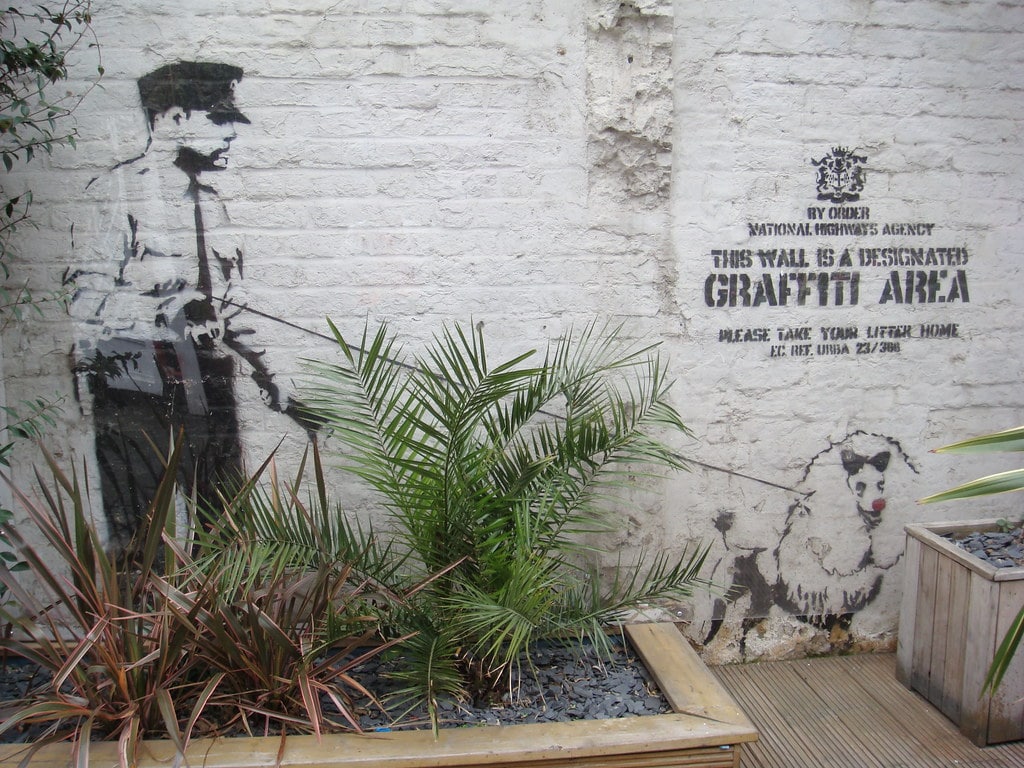
Young artists and trendsetters saw a place for their works to be seen and appreciated. Walking among the colourful and lively streets you can, in fact, admire some fabulous street art including the world-famous artworks by the popular revolutionary artists Bansky and Ben Eine, whose stunning murals stand out among the other artworks in Rivington street, right in the heart of Shoreditch.
I organized my visits by area, in order to save time. I picked a Sunday to visit Shoreditch because it’s market day in the close-by Brick Lane market or make a stop at Spitalfields market, for trendy clothing and artworks to buy, besides delicious food.
Bloomsbury
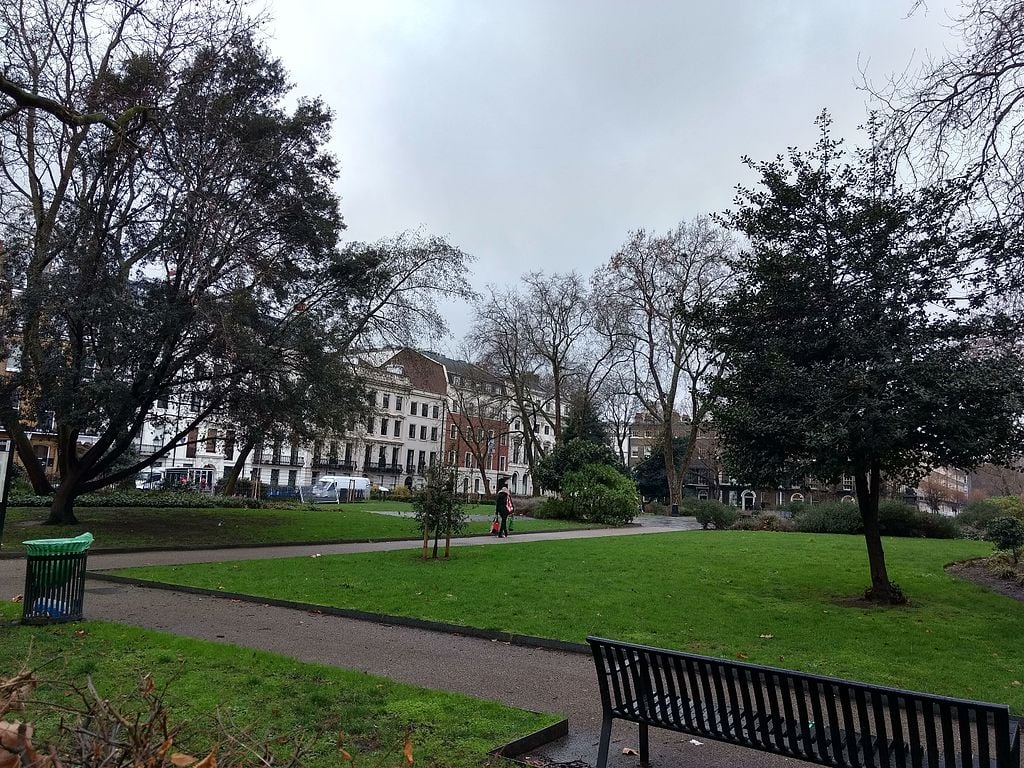
One of London’s less explored areas is the neighbourhood of Bloomsbury. Located in the west end of London, most only visit Bloomsbury’s most popular attraction, the British Museum. The area is full of other things to do, including more museums, beautiful squares, and streets, like Lamb’s Conduit, lined with independent shops, interesting cafes, and grand Georgian architecture.
But there is so much more to this charming and historic area, especially for book lovers looking for literary stops in London. Bloomsbury was a literary and creative hub in the 18th and 19th centuries. Classic authors such as Virginia Woolf, Charles Dickens, Yeats, E.M. Forster, and Charles Darwin once called Bloomsbury home.
Islington
Islington has traditionally been known for its left-leaning politics, and in the 1980s it was nicknamed The Socialist Republic of Islington. Labour Party politicians including Tony Blair, Gordon Brown and Jeremy Corbyn all have homes here.
One of the most unusual site for Harry Potter fans visiting London will no doubt remember that the headquarters of the Order of the Phoenix is located in Islington, at No. 12 Grimmauld Place to be exact. However, if you go to Claremont Square, the name by which the street is known in the muggle world, then you will be able to see the rest of the row of townhouses where the ancestral home of Sirius Black lies cleverly hidden.

Kensington Roof Gardens
One of the secret spots I love is the Kensington Roof Gardens and enjoy the view! Located on top of the former Derry and Tom’s department store and covering 1.5 acres, this is the largest roof garden in Europe. You can lose yourself in the Spanish, Tudor and English woodland-style gardens and make the most of the panoramic views over West London.

The London Silver Vaults
Another London hidden gem is the London Silver Vaults open since the late 1880’s the London Silver Vaults occupy a sprawling Victorian storage facility beneath Chancery Lane. Not many locals know about this subterranean warren. Still fewer realise that you can simply walk down the stairs and freely browse one of the largest silver markets on Earth.
The vaults not only survived a bomb hit during WWII but several criminals apparently kept their treasures in the vaults. These days you can shop for all kinds of silver including jewellery, watches and much more.

The World’s Smallest Police Station
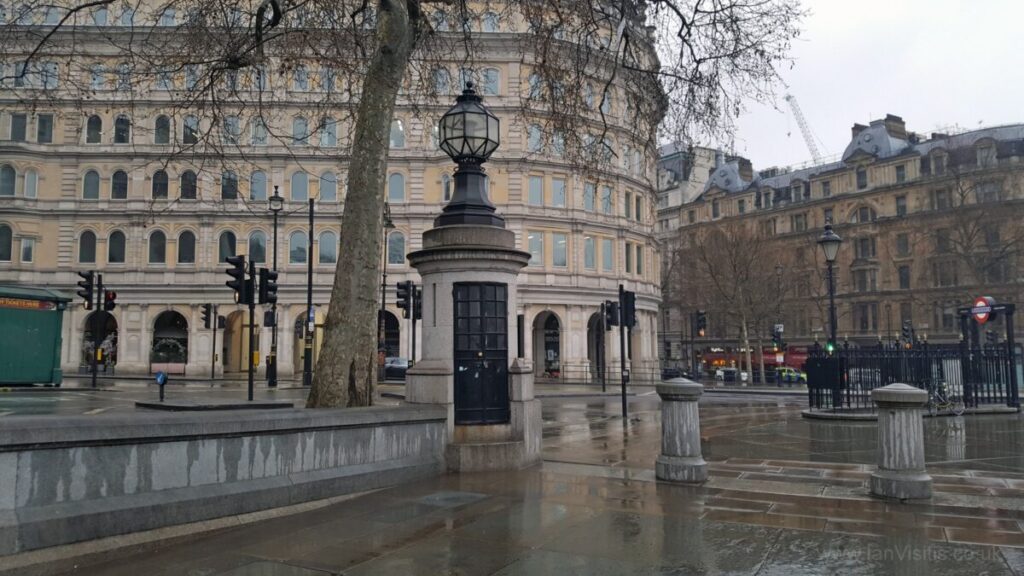
Contrary to popular internet myth this is not the world’s smallest Police Station but it is the original communications or lookout point for the Police. In 1919 the Police installed a telephone box (wooden) in a corner of Trafalgar Square to keep an eye on things like gatherings and meetings in the Square.
Over time the Police lobbied for a more permanent installation than a wooden box so a large granite lamp post was hollowed out and a telephone connection was installed in the space. this was in 1926 these days the space is used to store cleaners’ equipment.
Chelsea Physic Garden
One of the less well known hidden gems in London this Chelsea garden is the oldest botanical garden in London, founded in 1673 for the purpose of training specialists in plant identification. Nowadays, it is one of the most important centres of botany in the world. Come to this enchanted garden to read a bit about the history of plant exchange in the British Empire.

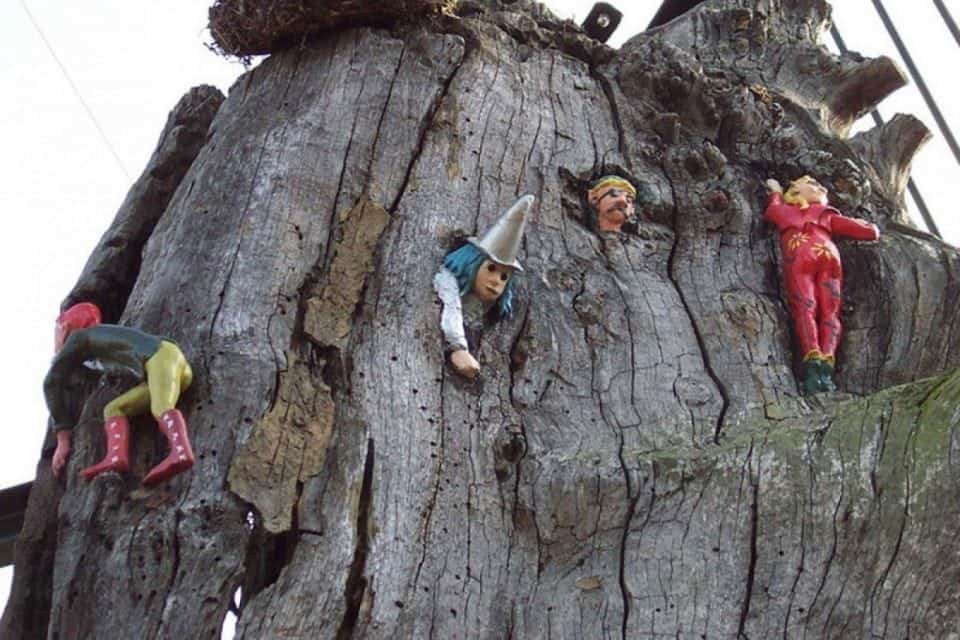
Kensington’s Elfin Oak
This is truly one of London’s off the beaten path attractions the Kensington Gardens Elfin Oak is over 900 years old and originally grew in Richmond Park. It is covered with tiny magical figures carved between 1928-30 by Ivor Innes. This most unusual tree owes its preservation to Spike Milligan.
Conclusion: Discover London Beyond the Guidebooks
London’s true magic lies beyond Buckingham Palace’s crowds, St. Paul’s, Westminster and other well-trodden paths. While these iconic spots dazzle first-time visitors, the city’s hidden gems—from the whispered stories of Crossbones Graveyard to the neon glow of God’s Own Junkyard—reveal its soul.
These more touristy locations should also be on your London bucket list. Enjoy tranquil afternoons in Hampstead Heath’s wild meadows or a quirky afternoon tea at a secret café. Let London’s street markets including Borough lead you to foodie heaven. Enjoy the Beatles crosswalk at Abbey Road, take a ride on the London Eye, take in a Theatre experience near Covent Garden.
But wander farther, sip slower, and let the city’s lesser-known wonders surprise you—because the best adventures are always off the beaten path.
What’s your favorite spot?” try “Which hidden gem will you visit first? Tag us in your photos!
Explore more of the region with guides to England, Scotland, Wales, Northern Ireland, or the full United Kingdom Travel Guide.
Hidden Gems are my favourite!
I’ve definitely added a few of these for my next trip to London! Thanks!