
Irish Soda Bread & Brown Bread: History, Traditions, and Authentic Recipes
One of the most familiar and comforting foods you’ll encounter while travelling in Ireland is Irish brown bread. Served almost everywhere — from farmhouse kitchens and hotel breakfast rooms to cafés and pubs — it is a quiet constant of Irish life. Warm from the oven, slathered with rich butter, or served alongside chowder, smoked fish, or stew, brown bread is deeply woven into Irish food culture.
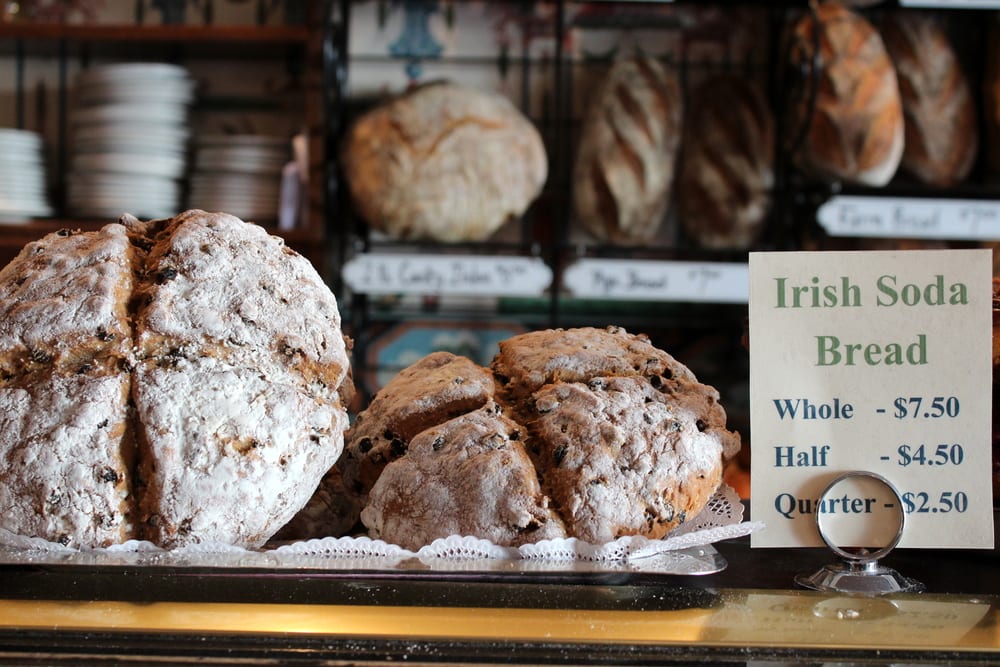
Closely related to Irish soda bread, this traditional Irish quick bread reflects Ireland’s climate, agriculture, and generations of home baking. It is practical, nourishing, and wonderfully forgiving: no yeast, no kneading, and no special equipment required. From bowl to oven, it’s a bread made for real kitchens.
As an Irish-Canadian writer now living in Ireland, I’ve baked and eaten brown bread across the country in rural homes, city cafés, and local bakeries. Every household has its own version, every region its preferences, and every mammy her own fiercely guarded recipe.
- Irish Soda Bread & Brown Bread: History, Traditions, and Authentic Recipes
- What Is Irish Soda Bread? A Traditional Irish Quick Bread
- What Is Irish Brown Bread Made Of?
- Irish Soda Bread vs Irish Brown Bread: What’s the Difference?
- A Brief History of Soda-Raised Bread
- How Traditional Irish Brown Bread Is Baked
- Traditional Irish Brown Bread Recipe
- Gluten-Free Irish Soda Bread
- Traditional Irish Soda Farls
- Frequently Asked Questions About Irish Soda Bread
- Top Bakeries & Bread Spots Across Ireland
- Unique Irish Soda Bread Experiences
- Why Irish Brown Bread Still Matters
What Is Irish Soda Bread? A Traditional Irish Quick Bread

Irish soda bread is a traditional Irish quick bread, meaning it is made without yeast and baked immediately after mixing. Instead of yeast, it relies on baking soda reacting with an acidic liquid — usually buttermilk — to create lift.
Because there is no rising time, soda bread is mixed quickly, shaped, and baked straight away. The result is a dense but tender loaf with a crisp crust and a mildly tangy flavour.
What Is Irish Brown Bread Made Of?
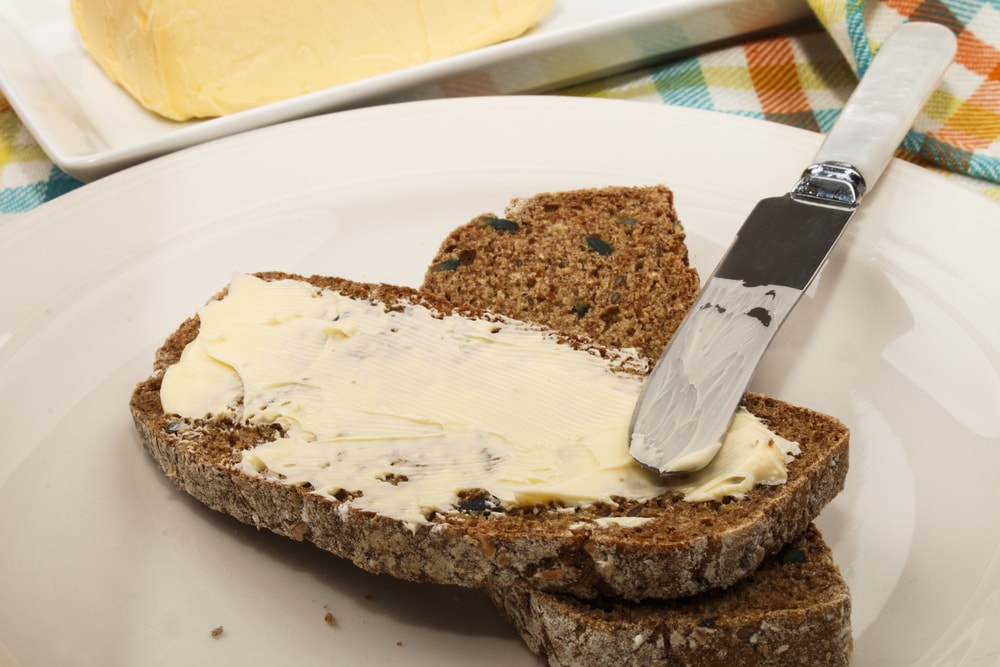
Irish brown bread is a type of soda bread made using whole wheat flour (often called wholemeal flour in Ireland). This gives the loaf its darker colour, nutty flavour, and hearty texture.
At its most traditional, Irish brown bread contains:
- Whole wheat (wholemeal) flour
- Baking soda
- Salt
- Buttermilk or sour milk
Some regional and household recipes include a small amount of sugar, treacle, or honey, but enrichment with eggs, butter, or baking powder reflects more modern home baking rather than historical practice.
Many American recipes for “Irish” soda bread include molasses, but this reflects adaptation rather than tradition. In Ireland, when sweetness was added to brown bread it was usually a small amount of treacle or golden syrup, not molasses. Molasses became common in American versions because it was more readily available, produced a darker loaf, and suited American tastes for slightly sweeter quick breads.
Irish Soda Bread vs Irish Brown Bread: What’s the Difference?
Although the terms are often used interchangeably outside Ireland, they are not the same.

Irish Soda Bread
Made with white (bleached) soft wheat flour
Leavened with baking soda and buttermilk
Lighter in colour and flavour
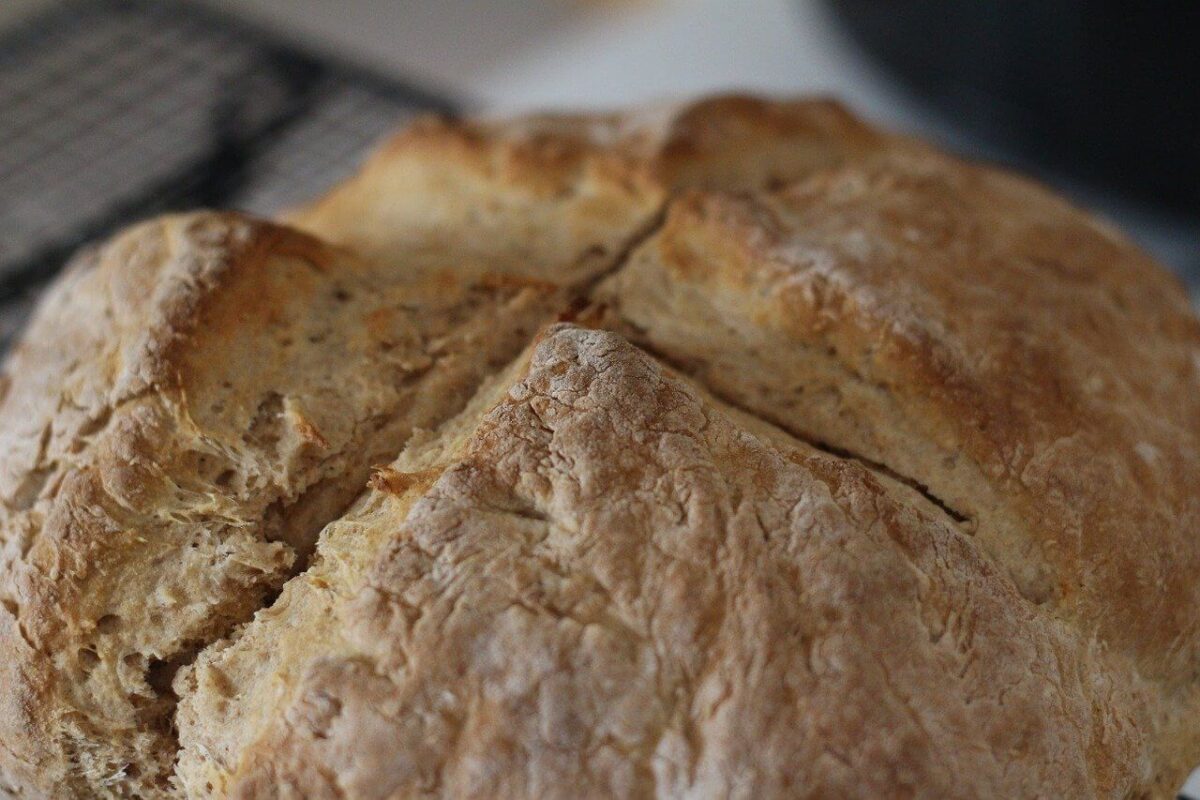
Often baked as a round loaf with a deep cross cut on top
Irish Brown Bread (Wheaten Bread)
Made with whole wheat flour
Heartier and more filling
Nutty, robust flavour
Known as wheaten bread particularly in Northern Ireland
Both are soda-raised breads, shaped by Ireland’s soft wheat and baking traditions.

Why Irish Soda Bread Uses Baking Soda Instead of Yeast
Ireland traditionally grew soft wheat, which contains less protein (around 8–10%) than hard wheat varieties used for yeast breads. Lower protein means weaker gluten structure, making it difficult for yeast breads to rise properly.
When refined baking soda became available in Ireland in the early 19th century, it offered a perfect solution. Soda-raised breads worked beautifully with Irish wheat, required no long fermentation, and suited both rural households and busy kitchens.
A Brief History of Soda-Raised Bread
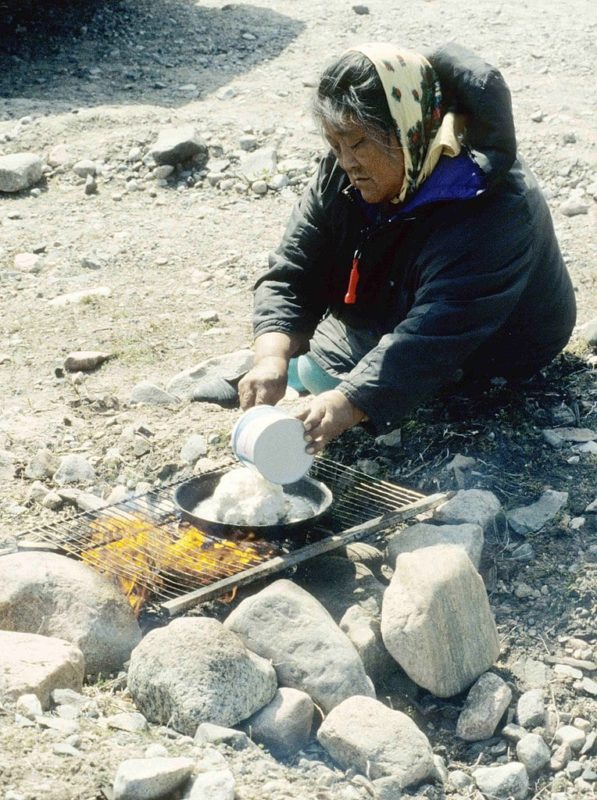
Chemical leavening predates modern baking soda. Indigenous peoples in North America used alkaline ash from fires to lighten corn and grain cakes long before refined bicarbonate of soda existed. This is part of a much bigger story see the full Global Food Guide for how food traditions like these connect across cultures worldwide.
In Europe, industrial alkali production in the 18th and early 19th centuries made baking soda affordable and accessible. By the 1830s and 1840s, it had reached Ireland, where it was rapidly adopted and became central to Irish home baking.
How Traditional Irish Brown Bread Is Baked
Baking Irish Brown Bread in a Bastible or Oven
Historically, brown bread was baked in a bastible — a cast-iron pot suspended over an open fire. Today, most home bakers use an oven, either shaping the loaf free-form on a tray or baking it in a loaf pan for a more uniform shape.
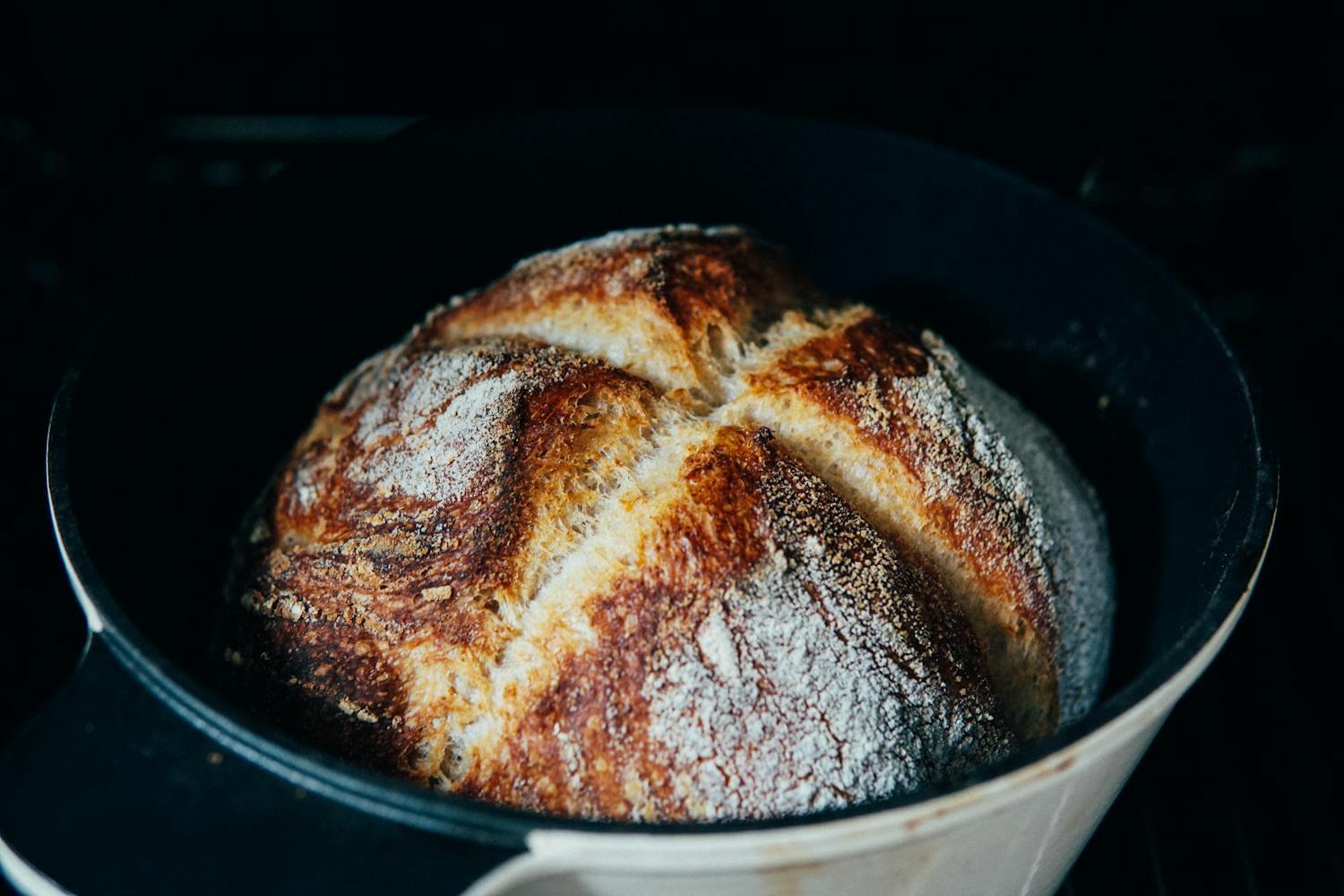
A deep cross is usually cut into the top of the dough. Depending on who you ask, this:
- Helps the bread cook evenly
- Makes it easier to divide
- Lets the fairies — or the devil — out
Irish Soda Farls: Griddle-Cooked Bread
Soda farls are made from white soda bread dough, flattened into a round, cut into four pieces (farls), and cooked on a griddle rather than baked. They are especially common in Northern Ireland and are often served at breakfast.

Traditional Irish Brown Bread Recipe
This is a contemporary household recipe inspired by traditional wheaten bread. It reflects how many people bake Irish brown bread today rather than a strict historical formula.

Ingredients
- 4 cups whole wheat flour or stone-ground wholemeal flour
- 4 tbsp dark brown sugar (or white sugar)
- 1 tsp baking soda
- 1 tbsp baking powder
- ½ tsp salt
- ½ cup softened butter or margarine
- 1 cup buttermilk
- 1 egg
- ¼ cup melted butter
- ¼ cup buttermilk (for brushing)
Method
- Preheat oven to 375°F (190°C). Grease a baking sheet or loaf pan.
- In a large bowl, mix all dry ingredients.
- Rub in the butter or margarine until crumbly.
- In a separate bowl, combine the wet ingredients — buttermilk and egg.
- Stir wet ingredients into the dry mixture to form a soft dough.
- Shape into a round loaf or place into the prepared loaf pan.
- Brush with the melted butter and buttermilk mixture and cut a deep cross on top.
- Bake for 45–50 minutes, until golden and hollow-sounding when tapped.
Serve warm with butter, stew, or seafood chowder.
Gluten-Free Irish Soda Bread
Gluten-free soda bread is a modern adaptation. While it differs in texture from traditional wheat loaves, it follows the same soda-bread principles and works well with Irish-style meals.

Ingredients
- 2 cups gluten-free all-purpose flour blend
- 1 cup gluten-free oat flour
- 1 tsp baking soda
- 1 tsp baking powder
- 1 tsp salt
- 1 tbsp sugar or honey (optional)
- 1½ cups buttermilk (or dairy-free milk with lemon juice)
- 2 tbsp melted butter or dairy-free alternative
- 1 egg (optional)
Method
Preheat oven to 375°F (190°C). Line a baking tray.
Mix all dry ingredients thoroughly.
Add wet ingredients and stir gently — do not knead.
Shape into a round loaf and cut a cross in the top.
Bake for 45–50 minutes until firm and golden.
Traditional Irish Soda Farls

Soda farls are a griddle-cooked form of Irish soda bread, particularly common in Northern Ireland.
Ingredients
- White flour — 4¾ cups (600 g)
- Buttermilk — 2 cups (480 ml)
- Baking soda — 2 teaspoons (10 g)
- Salt — 1½ teaspoons (8 g)
Method
- In a bowl, mix the flour, baking soda, and salt.
- Add the buttermilk and knead gently for 2–3 minutes, just until the dough holds together.
- Turn the dough onto a floured surface and flatten into a round.
- Cut into four equal wedges (farls).
- Cook on a lightly oiled griddle or heavy pan over medium heat until golden on both sides and cooked through.
- Serve warm, traditionally with butter.
Frequently Asked Questions About Irish Soda Bread

Is Irish soda bread a quick bread?
Yes. Irish soda bread is a quick bread made without yeast and baked immediately after mixing.
What flour is used in Irish brown bread?
Traditional Irish brown bread uses whole wheat flour (wholemeal flour).
Can Irish soda bread be baked in a loaf pan?
Yes. While traditionally baked free-form, many home bakers use a loaf pan for convenience.

Is Guinness traditional in brown bread?
No. Guinness brown bread is a modern variation. Some enjoy it, though it has never worked particularly well for me.
Why do American Irish soda bread recipes use molasses?
American recipes often use molasses because treacle and golden syrup were historically hard to find in North America. Molasses adds sweetness and dark colour but is not traditional in Irish soda bread.
Here are real places across Ireland where you can enjoy Irish soda bread, Irish brown bread, Irish quick breads and traditional baked goods — great for travellers who want authentic local taste and culture:
Top Bakeries & Bread Spots Across Ireland

The Bakery Temple Bar – Highly-rated local favourite in Temple Bar known for its soda bread and brown bread served with hearty soups.
The Bretzel Bakery & Cafe – Portobello classic bakery with traditions dating back generations, including brown bread and other Irish baked goods.
Magpie Bakery – Galway favourite (worth the stop if you’re outside Dublin).
Scéal Bakery – Greystones artisan bakery with excellent bread (great complement to soups, stews, and soda bread traditions).
Unique Irish Soda Bread Experiences
The Soda Bread Shop and Tea Rooms – Specialty soda bread café in Naas, Co. Kildare — perfect spot to enjoy a slice with tea. (Excellent for cultural bakery tourism.)
The Irish Soda Bread Way – A themed tourist experience tied to The Clew Bay Hotel in Westport, Mayo — great if you want an Irish soda bread experience as part of your visit.

Why Irish Brown Bread Still Matters
Irish brown bread is more than a recipe. It reflects Ireland’s history, resourcefulness, and hospitality. Simple, nourishing, and endlessly adaptable, it continues to anchor Irish meals and memories — whether baked in a farmhouse kitchen or a modern apartment oven.
Start Planning Your Trip
👉 Public Transportation in Ireland
👉 Hidden Gems in Ireland – 32 Secret places to visit
👉 Answering all your travel questions about Ireland