
Housesitting in Europe: Complete Guide to Start & Find Jobs
Housesitting in Europe is a way to live in homes for free while caring for pets and property. It is not a holiday. It is a responsibility-based exchange that allows you to travel long term, reduce accommodation costs, and experience life like a local.
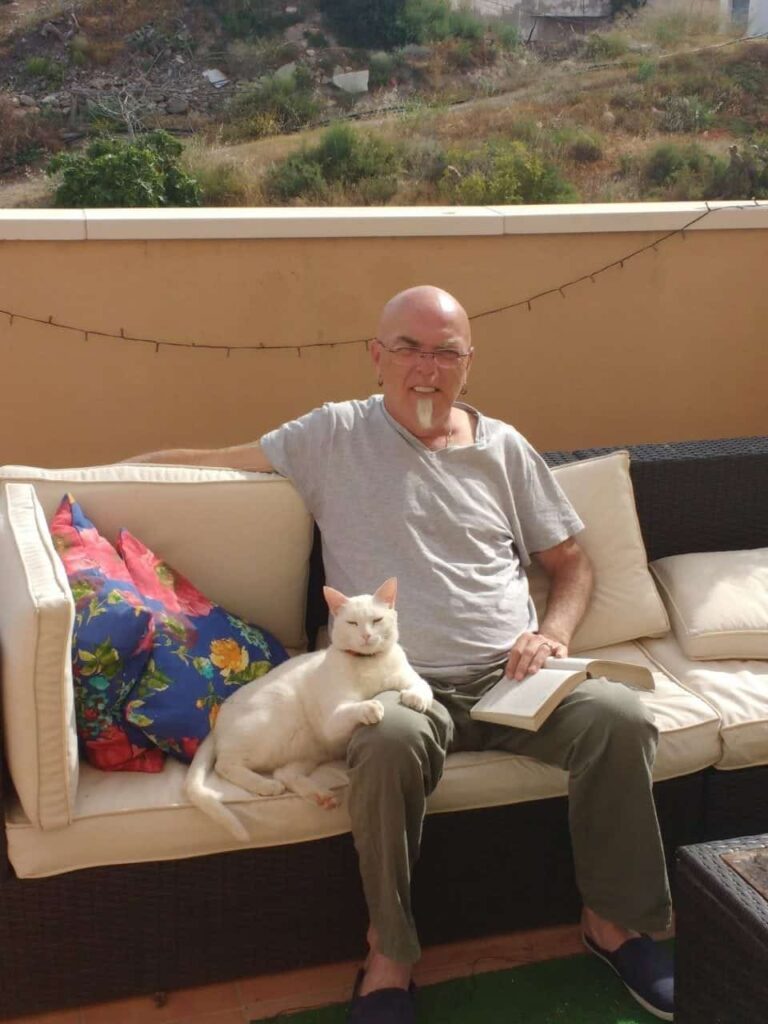
Most housesits are unpaid, so you will need to cover your own expenses. The best way to get started is by building experience locally, creating a strong profile, and applying through recommended housesitting platforms. Understanding visa rules, homeowner expectations, and the realities of day-to-day responsibility is essential before committing to any sit.
What is housesitting in Europe? House sitting Europe is an arrangement where you stay in someone’s home for free in exchange for caring for their pets and maintaining the property while they are away. Most housesits are unpaid and are based on trust rather than employment, making it a popular way to travel long term and reduce accommodation costs. If housesitting has you thinking beyond a short trip, the Living Abroad Guide covers what moving somewhere longer-term actually involves.

- Housesitting in Europe: Complete Guide to Start & Find Jobs
- Housesitting in Europe: Everything You Need to Know Before You Start
- Our Experience Housesitting in Europe Long Term
- What Is Housesitting in Europe and How Does It Work
- How to Start Housesitting in Europe for Beginners
- How to Start Housesitting in Your Own Area First
- How to Find House Sitting Jobs in Europe Quickly
- How to Create a House Sitting Profile, CV and References
- Do You Need a Background Check for Housesitting
- Driving in Europe as a House Sitter What You Need to Know
- Do You Get Paid for Housesitting in Europe
- Can You Bring Pets or Children Housesitting
- Safety Tips for Solo House Sitters in Europe
- Housesitting in Europe Visa Rules and Schengen Limits
- Pros and Cons of Housesitting in Europe for Sitters
- Pros and Cons of Using a House Sitter for Homeowners
- Tips for a Successful Housesitting Experience
- Best Housesitting Websites in Europe
- What Do Housesitting Platforms Cost?
- Final Thoughts on Housesitting in Europe
- Frequently Asked Questions About Housesitting in Europe
Housesitting in Europe: Everything You Need to Know Before You Start
Housesitting in Europe is a way to live in homes for free while caring for pets and property, making it one of the most effective ways to travel long term and reduce accommodation costs. That is the simple explanation, and it is the one most people come across first.
After more than ten years of house sitting across Europe, we have learned that housesitting is not about free accommodation at all. It is about trust. It is about stepping into someone else’s life and maintaining it while they are away. That might sound straightforward, but when you are actually living it day after day, you begin to realise how much responsibility is involved.
Instead of moving from hotel to hotel, you are living in real homes. You are dealing with real routines, real animals, and sometimes real problems that you need to solve on your own. You are not just passing through a destination. You are settling into it, even if only for a short period.

You begin to experience places in a completely different way. You find the local shops. You recognise neighbours. You understand the pace of life in a way that is impossible when you are travelling quickly. You start to see what living there actually feels like rather than just visiting.
For us, that has always been the biggest advantage. Housesitting has never just been about travel. It has been about testing places, understanding them, and deciding whether we could see ourselves living there long term. At the same time, it is important to be realistic.
There will be early mornings. There will be responsibilities that cannot be ignored. There will be moments where things do not go to plan. And there will be housesits that do not quite match what you expected.
Our Experience Housesitting in Europe Long Term
Over the last ten years, we have house sat across Europe in a way that we never could have planned in advance. We started in Ireland, and that single decision shaped everything that followed. Instead of visiting for a short trip, we stayed long enough to travel the entire country through housesits. From Donegal to Cork, we experienced Ireland slowly, moving between homes and seeing parts of the country that most visitors never reach.
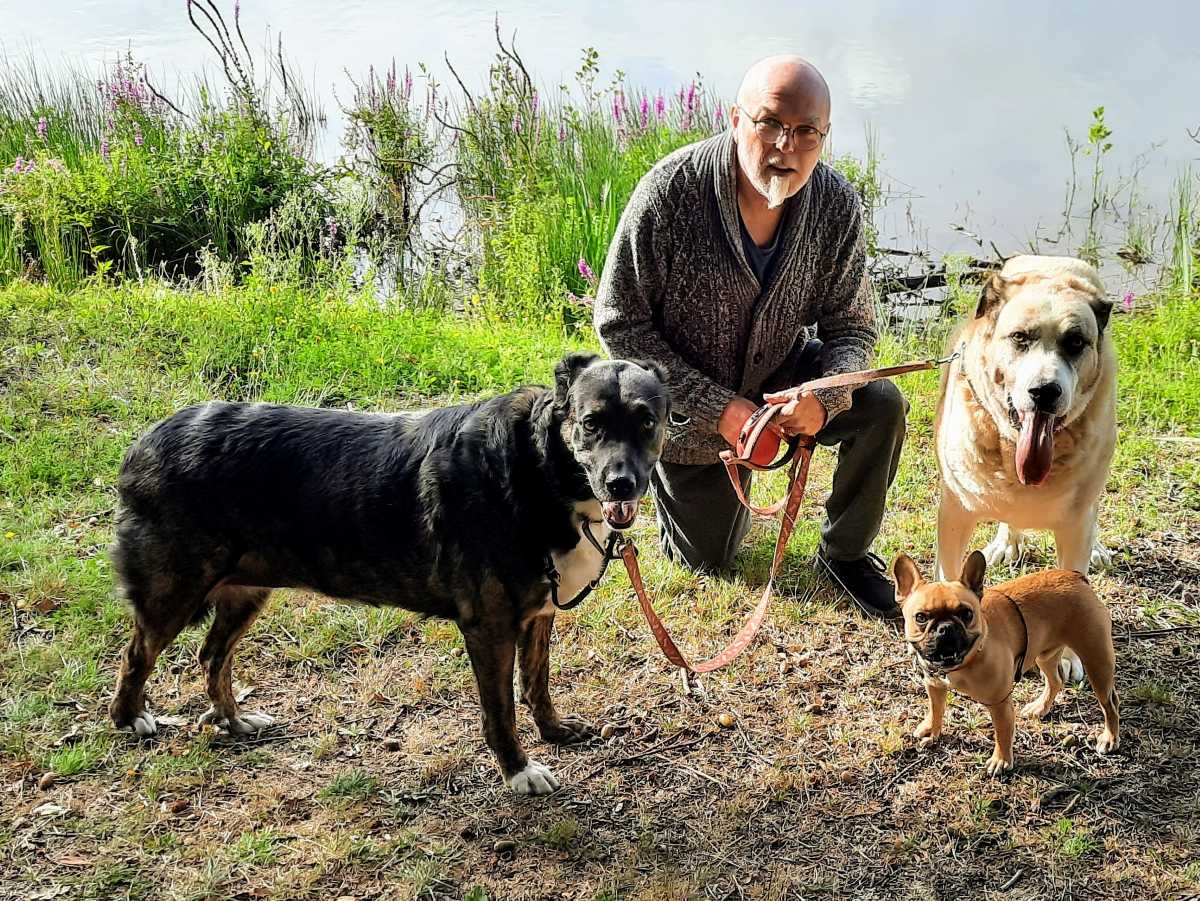
From there, we expanded into France, where we spent three years moving between different regions. Some housesits were in quiet rural villages where the pace of life was slow and predictable. Others were in more active areas where there was always something happening. Each sit required a slightly different approach, and that is something you only learn through experience.
Spain brought a different rhythm altogether. The pace of life, the way homeowners communicated, and even the expectations around daily routines felt different. Adjusting to that took time, and it reinforced how important flexibility is when you are housesitting in different countries.

The United Kingdom added another layer again. We spent four years there, moving between urban and rural housesits, often with very structured expectations. It was a reminder that housesitting is not just about location. It is about the people you are working with and the environment you are stepping into. Across all of those experiences, one thing remained constant. No two housesits are the same.
We have cared for animals with complex needs, including elderly dogs that required medication at specific times. We have managed properties where the house itself required ongoing attention, from heating systems to gardens that needed regular maintenance. We have handled deliveries, dealt with unexpected repairs, and stepped into situations where we had to figure things out quickly.

We have had housesits where communication was unclear, where expectations changed, or where the reality did not match what we had been told. One particular bad experience still stands out as a turning point for us. It forced us to rethink how we approach housesitting, how we vet homeowners, and how we set boundaries.
Looking back, it was one of the most valuable lessons we have had. Because housesitting long term is not about finding perfect situations. It is about learning how to handle imperfect ones.
What Is Housesitting in Europe and How Does It Work
At a basic level, housesitting in Europe is an exchange. You stay in someone’s home while they are away and take care of their property and pets. But that basic explanation does not fully capture what is involved. What you are really doing is maintaining continuity.
Do All Housesits in Europe Involve Pets?
Not all housesitting in Europe involves pet sitting, and this is something many beginners are surprised to learn. There are plenty of housesits where the primary responsibility is simply to care for the property while the homeowner is away, which can include tasks like maintaining the home, watering plants, managing gardens, or being present to handle deliveries and general upkeep.
These types of sits are often appealing if you want more flexibility in your daily routine, as you are not tied to feeding schedules or walking times. However, even without pets, the responsibility is still there, as homeowners rely on you to keep their home secure, maintained, and running smoothly in their absence.
For the homeowner, leaving their home can be stressful. They are concerned about their pets, their belongings, and everything that could potentially go wrong. Your presence removes that uncertainty. You are there to ensure that everything continues as it should.
For the pets, particularly dogs, routine is critical. Feeding times, walks, attention, and familiarity all play a role in their wellbeing. Even small changes can affect their behaviour, which is why consistency matters so much.
For the home itself, you are responsible for maintaining order. That might include cleaning, monitoring systems like heating or water, and being aware of anything that needs attention.
This is why housesitting is not passive.You are actively managing a living environment. That requires awareness, responsibility, and the ability to respond when something unexpected happens.
How to Start Housesitting in Europe for Beginners
Starting housesitting in Europe is relatively straightforward, but building enough trust to secure your first sit takes more effort.
Most people begin by joining platforms like TrustedHousesitters or Nomador. These platforms act as a bridge between homeowners and sitters, providing listings, profiles, and a system for communication. However, simply joining a platform does not guarantee success.
Your profile is what determines whether homeowners will consider you. It needs to reflect who you are, your experience, and how you approach responsibility. A strong profile does not rely on exaggeration. It focuses on clarity and honesty.
You should explain your experience with pets, your lifestyle, and your reliability. Include photos that feel genuine and show you in real situations. If you have any relevant experience, make it clear. If you do not, focus on transferable skills and your willingness to take responsibility seriously.
One of the biggest mistakes beginners make is applying for too many housesits without tailoring their applications. Homeowners can immediately recognise a generic message. Taking the time to write a thoughtful, personalised application makes a significant difference.

How to Start Housesitting in Your Own Area First
Starting locally is one of the most effective ways to build experience. It removes many of the challenges that come with international housesitting. You are already familiar with the environment, the language, and how things work day to day. This makes it easier to focus on learning the responsibilities of housesitting without additional complications.
Local housesitting also allows you to build references quickly. These references are essential. They provide proof that you can be trusted and that you understand what is involved.
We have seen many people struggle to secure their first housesit abroad because they lack experience. The moment they complete a few local sits and gain references, everything changes.
How to Find House Sitting Jobs in Europe Quickly
Finding housesitting jobs in Europe requires a combination of timing, effort, and attention to detail.
Most opportunities are listed on housesitting platforms, and the best listings often receive multiple applications within a short period. This means you need to be proactive.
Checking platforms regularly and applying early increases your chances of being seen. However, timing alone is not enough. Your application needs to stand out.
A personalised message that shows you have read the listing and understood what is required will always be more effective than a generic response. Homeowners are looking for someone who understands their needs, not just someone who is available.
Over time, as you gain experience and build reviews, the process becomes easier. Your profile carries more weight, and your applications are taken more seriously.

How to Create a House Sitting Profile, CV and References
Your profile is your first impression, but it is not the whole picture. The reality is that many homeowners will compare multiple applicants who all look “good enough” on the surface. What separates you is how clearly you demonstrate trustworthiness and experience.
This is not about creating a resume that is corporate or overly formal. It is about presenting your experience in a way that makes sense to someone who is deciding whether to hand you the keys to their home. You want to show that you are capable, organised, and aware of what housesitting actually involves. That means focusing on the things that matter.
Experience with animals is obvious, but do not underestimate how valuable other experience can be. If you have managed property, handled responsibilities in previous jobs, taken care of gardens, or dealt with maintenance issues, all of that is relevant. Housesitting often involves more than just pets, and homeowners notice when someone understands that.
The way you present yourself matters just as much as what you include. A clear, easy to read layout, straightforward language, and a tone that feels genuine will always work better than something that feels overworked. You are not trying to impress in the traditional sense. You are trying to reassure. References are where that reassurance becomes real.
If you are new to housesitting, it is easy to feel like you have nothing to offer here. That is not true. Think about who can speak honestly about your reliability. A former employer, a landlord, a neighbour, a friend who has trusted you with their home or pets. These are all valid references.
Over time, your housesitting references will replace these, but in the beginning, they provide the foundation.
We have seen people overlook this completely and struggle because of it. Two or three strong references can make a huge difference, especially when you are applying for your first few sits.
Background checks can also play a role. They are not always required, but they add another layer of trust. Some homeowners will not care whether you have one. Others will see it as a positive sign that you take the responsibility seriously.
The key point here is this. You are not just applying for a place to stay. You are asking someone to trust you with something that matters to them. Everything you provide should reinforce that trust.



Do You Need a Background Check for Housesitting
This is one of those questions that comes up regularly, and the honest answer is that you do not need a background check to start housesitting, but having one can give you an advantage.
When homeowners are comparing multiple applicants, they are often looking for small signals that help them make a decision. A background check is one of those signals.
From their perspective, they are handing over access to their home and trusting you with their pets. That is not a small decision. Anything that reduces uncertainty makes it easier for them to choose you.
A basic criminal background check shows that you are willing to be transparent and that you understand the level of responsibility involved. It is particularly useful when you are starting out and do not yet have a long list of housesitting references.
In some countries, obtaining a background check is straightforward. In others, it takes a bit more effort. Whether or not you choose to do it will depend on your situation, but it is worth considering if you want to strengthen your profile early on.
It is important to be realistic about what it does and does not do. A background check will not guarantee you a housesit. It will not replace the need for a strong profile or good communication. But it can make a difference when everything else is equal.


Driving in Europe as a House Sitter What You Need to Know
Driving is one of those practical details that can have a much bigger impact on your housesitting experience than you might expect. On some housesits, it is irrelevant. You are in a city, everything is within walking distance, and public transport is reliable. In those cases, you may not even think about driving.
On others, it becomes essential. We have had housesits where the nearest shop was several kilometres away, where public transport was limited or non-existent, and where having access to a car was the difference between a comfortable experience and a frustrating one.
This is why it is something you need to clarify before accepting a sit. If a homeowner offers the use of their car, you need to understand exactly what that means. Are you fully insured? Are there any restrictions on how far you can travel? Who is responsible if something goes wrong?
These are not awkward questions. They are necessary ones. If you are travelling from outside Europe, you may also need an International Driving Permit depending on the country. Even when it is not required, it can make things simpler if you are asked for documentation.
Then there is the reality of driving itself. Different countries have different road rules, different signage, and different driving styles. In some places, you may also be driving on the opposite side of the road. That is something you need to be comfortable with before you commit to a housesit where driving is required.
We have had situations where driving made everything easier, and others, such as London, England where we chose not to use a car at all because public transport was more convenient.

Do You Get Paid for Housesitting in Europe
One of the most common misconceptions about housesitting is that it is a paid job.In most cases, it is not.
Housesitting in Europe is typically an exchange. You provide care for a home and pets, and in return, you receive accommodation. That is the foundation of how it works.
Accommodation is often the biggest cost when travelling, and removing that cost changes what is possible. It allows you to stay longer, travel differently, and experience places in a way that would otherwise be out of reach. However, it is important to be clear about what you are gaining and what you are giving.
You are saving money on accommodation, but you are also committing your time and energy. You have responsibilities that limit your flexibility. You cannot always come and go as you please, especially if you are caring for animals.
There are situations where payment is involved, particularly for local or short-term arrangements, but these are less common in international housesitting.

Can You Bring Pets or Children Housesitting
This is one of the most common questions people ask, and it is one that does not have a simple yes or no answer. It depends entirely on the homeowner. Some homeowners are open to sitters bringing their own pets, especially if their property is large or if their animals are used to being around others. Others will not consider it at all, often because they are concerned about compatibility or potential issues. There is also the issue of bringing your pets into another country and facing the myriad rules and regulations of flying a pet into Europe.


The same applies to children. Some homeowners are happy to have families, particularly if the environment is suitable. Others prefer a quieter arrangement with a single sitter or couple.
What matters most is transparency. You need to be clear about your situation from the beginning. Trying to introduce it later or hoping it will not matter is not a good approach. Trust is the foundation of housesitting, and that starts with being honest.
We have seen successful housesits with families, with couples, and with individuals. There is no single correct setup. The key is finding the right match between sitter and homeowner.
Safety Tips for Solo House Sitters in Europe
Housesitting alone can be a fantastic experience, but it does require a bit more attention to preparation. The most important step is communication before the sit begins.
A video call with the homeowner is essential. It allows you to see the property, ask detailed questions, and get a sense of who you are dealing with. It also gives the homeowner the chance to assess you, which is just as important.
Beyond that, understanding the area you will be staying in makes a big difference. Where are the nearest shops? How do you get around? What would you do in an emergency? These are all things you should know before you arrive, not after.
It is also a good idea to let someone you trust know where you are staying and how to contact you. This is a simple step, but it adds an extra layer of security.
Most housesits are straightforward, but taking these precautions helps ensure that you are prepared if something unexpected happens. In many cases the home owners are experienced with house sitters and have a guide book prepared for you that details everything you need to know about the pets, the home and the local area.
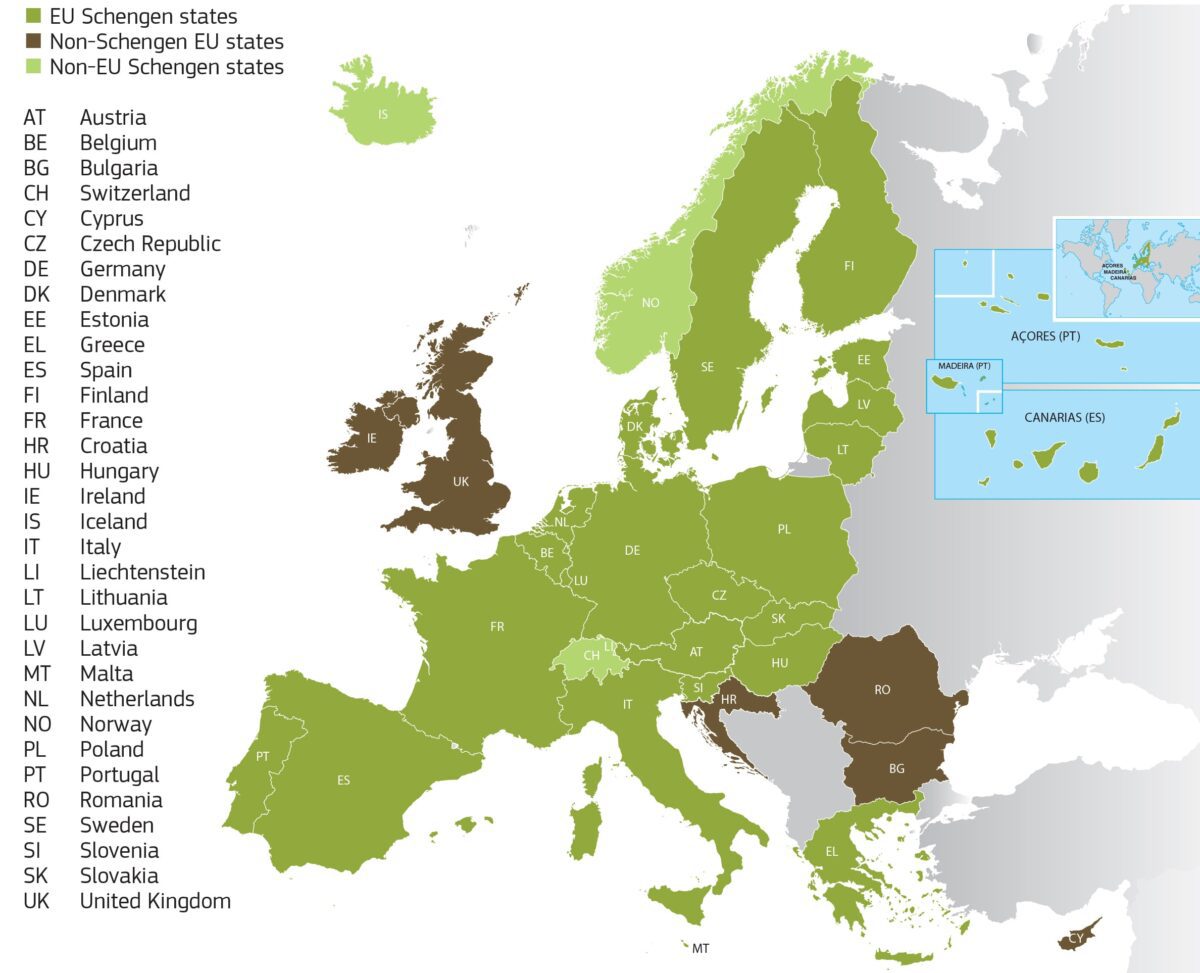
Housesitting in Europe Visa Rules and Schengen Limits
Visa rules are one of the more complex aspects of housesitting in Europe, and they are something you need to understand before you start planning longer stays.
For many travellers, the Schengen Area allows you to stay for up to 90 days within a 180 day period. This covers a large portion of Europe, and it is the rule most people work within when housesitting.
If you want to stay longer, you will need to look into visas or residency permits specific to the country you are in. There is also a grey area when it comes to how housesitting is classified.
Even though it is typically unpaid, some authorities may view it as a form of work. This is why experienced house sitters are often careful about how they describe their plans when entering a country. Understanding the rules and planning accordingly is essential.
Pros and Cons of Housesitting in Europe for Sitters
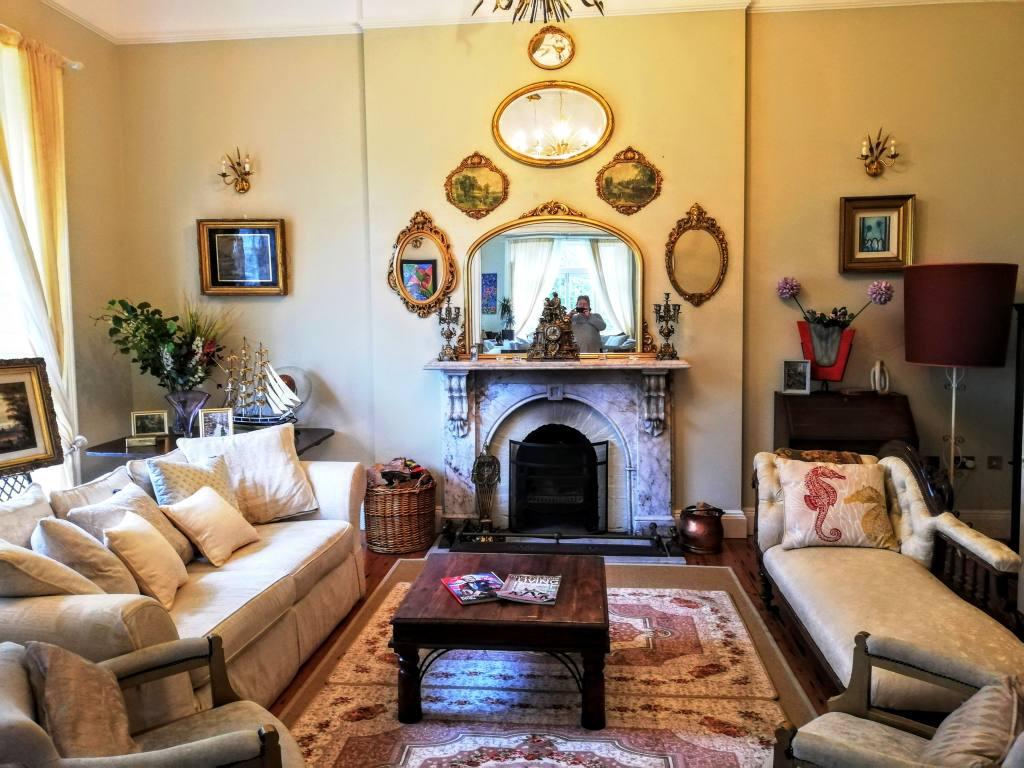
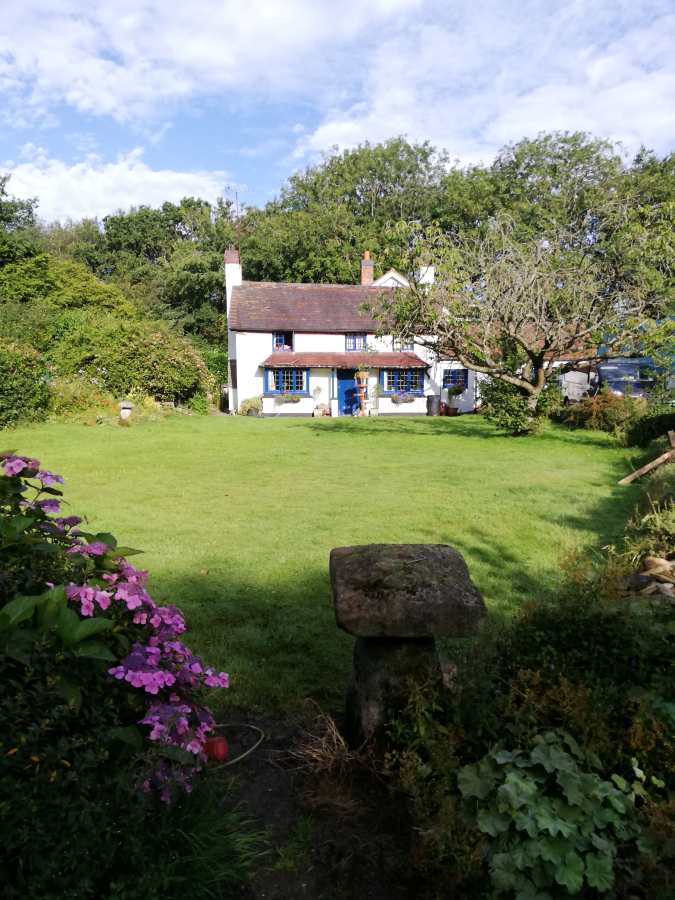
Housesitting in Europe can look like the ideal lifestyle from the outside, and in many ways it is. But like anything that sounds that good, it comes with trade-offs that you only really understand once you are doing it consistently.
One of the biggest advantages is the ability to live in places that would otherwise be out of reach. Accommodation is often the largest expense when travelling, and removing that cost opens up possibilities that simply would not exist otherwise. You are no longer limited to short stays or budget options. You can spend weeks or months in a place, getting to know it properly. That alone changes how you experience travel.
You begin to settle into routines. You find your local café and indulge in the local cuisine. You learn which days the market runs. You start to feel like you belong there, even if only temporarily. It is a completely different way of seeing Europe compared to moving quickly from one destination to the next.

Pets create structure in your day. They give you a reason to go out for walks, to explore the local area, and to engage with your surroundings. They also bring a level of companionship that can make long-term travel feel less isolating.
But these same factors are also where the challenges begin. You are not free in the way a typical traveller is. If you are caring for a dog, you cannot simply decide to take a day trip without planning around feeding times and walks. Overnight trips are often not possible unless arrangements have been made in advance. Your time is not entirely your own.
There is also the responsibility. If something goes wrong, you are the one dealing with it. Whether it is a pet becoming unwell, an issue with the house, or something unexpected like a power cut or a leak, you are responsible for managing the situation. That can be stressful, particularly if you are in an unfamiliar place. And then there is the reality that not every housesit will be what you expected.
Photos can be outdated. Descriptions can be vague. Expectations can be unclear. You learn to navigate these situations over time, but in the beginning, they can catch you off guard. We housesat once where the home was an absolute pit, nobody had cleaned in years and the place was filthy. However, the owners and their family were the nicest people we met in all our travels – so some things you just deal with.
Pros and Cons of Using a House Sitter for Homeowners
From the homeowner’s perspective, housesitting offers a level of reassurance that is difficult to achieve through other options. The most obvious benefit is for pets. Animals are creatures of habit, and removing them from their environment can be stressful. Kennels, while sometimes necessary, often disrupt routines and can cause anxiety. Having someone care for pets in their own home maintains consistency and comfort. That alone is enough for many homeowners to consider housesitting. But the benefits go beyond that.
An occupied home is a safer home. When someone is present, issues are more likely to be noticed and addressed quickly. Whether it is something small like a delivery or something more serious like a leak or a problem with heating, having someone there makes a difference.
We have personally been asked to handle a wide range of responsibilities that go far beyond basic pet care. Collecting mail, managing deliveries, overseeing work being done on the property, even assisting with small renovation projects. In some cases, we have effectively acted as caretakers for the duration of the housesit.
Inviting someone into your home is not a small decision. Homeowners need to feel confident that the person they choose is reliable, capable, and respectful of their space. That is why the selection process matters so much.
Clear communication, detailed instructions, and honesty on both sides are essential. When expectations are aligned, housesitting works extremely well. When they are not, problems can arise quickly.
For homeowners, the key is preparation.The more information you provide, the smoother the experience will be for both you and the sitter.
Tips for a Successful Housesitting Experience
After years of housesitting, one thing becomes very clear. The success of a housesit is rarely about the location. It is about communication.
Before you even agree to a sit, you should have a clear understanding of what is expected. That includes routines for pets, responsibilities within the home, and any specific requirements that might not be obvious at first glance.
Do not assume anything. If something is unclear, ask. It is far better to have a detailed conversation before the sit begins than to discover gaps in communication once you arrive.
Once you are in the home, consistency becomes your priority. Follow routines as closely as possible. Animals respond to familiarity, and maintaining that routine helps reduce stress for them. It also reassures homeowners that everything is being handled as expected.
Regular updates can also make a significant difference. A quick message or photo showing that everything is going well helps build trust and keeps homeowners at ease while they are away. It does not need to be constant, but a small amount of communication goes a long way.
Flexibility is equally important. No two housesits are the same, and things will not always go exactly as planned. Being able to adapt, stay calm, and handle situations as they arise is one of the most valuable skills you can develop.
And finally, respect matters. You are living in someone else’s home. Treating it with care, maintaining cleanliness, and leaving it as you found it are all part of the responsibility.
When both sides approach housesitting with the right mindset, it becomes a positive experience rather than just a practical arrangement.
Best Housesitting Websites in Europe
Finding the right housesitting platform can have a significant impact on your experience, particularly when you are starting out.
What Do Housesitting Platforms Cost?
Most housesitting platforms operate on a membership model, meaning you pay an annual fee to access listings and apply for housesits. The cost varies depending on the platform and level of membership, but overall, it is relatively low compared to traditional accommodation costs.
The largest platform, TrustedHousesitters, typically costs between $129 and $259 per year.
Nomador offers a similar structure, with memberships generally ranging from around $99 to $199 per year, depending on the level of access and features.
Mind My House is one of the cheapest options at around $29 per year, making it a popular starting point for beginners.
Housesit Match costs from £89-£169 per year depending on the type of membership you choose.
Mind a Home UK costs is £20 annually for housesitters and free for homeowners.
House Carers sits somewhere in the middle, typically costing around €50 per year.
Larger platforms like TrustedHousesitters tend to have a high volume of listings across Europe. This gives you more options, but it also means more competition. Personally I have many issues with Trusted Housesitters so I recommend vetting them very carefully as it is an expensive platform.
Nomador is another well-known platform with a strong presence in Europe. It often features a mix of listings, including some that may receive fewer applications than those on larger platforms.
Smaller platforms such as Mind My House and House Carers can also be valuable. While they may have fewer listings overall, they can offer opportunities with less competition, which can be helpful when you are trying to secure your first housesits.
Housesit Search is a useful free tool that allows you to search multiple housesitting platforms at once, making it much easier to find housesitting opportunities across Europe without having to check each site individually.
A platform that is often overlooked but worth mentioning is HouseSitMatch. It has been operating for over a decade and focuses strongly on verification, support, and matching sitters with homeowners, particularly in the UK and Europe. I am a big fan of this one.
Beyond these global platforms, there are also a number of country-specific housesitting websites, which can be extremely valuable depending on where you want to sit. There are also a number of Facebook groups for housesitters but you must be very careful of scammers on FB groups and pages. Take the time to subscribe to House Sitting Magazine it is one of the best resources you can access free.


Final Thoughts on Housesitting in Europe
Housesitting in Europe has shaped how we travel and how we experience different places. It has allowed us to spend time in locations we would never have chosen on a map, to build connections with people and animals, and to see what daily life looks like beyond the surface of tourism.
It has also taught us patience, adaptability, and the importance of communication. It is not always easy. There are challenges, responsibilities, and situations that require you to think on your feet. But those challenges are part of what makes the experience meaningful.
For us, housesitting has never been about finding the perfect place. It has been about discovering what is possible when you approach travel differently.

Frequently Asked Questions About Housesitting in Europe
Is housesitting legal in Europe?
Housesitting in Europe is generally allowed as a non paid exchange, but it can fall into a grey area depending on how it is interpreted by authorities. Most house sitters enter under standard tourist rules and provide care in exchange for accommodation rather than income. Understanding the rules for each country is important before travelling.
How do you start housesitting in Europe with no experience?
The most effective way to start is locally. By completing a few housesits in your own area, you can build references and gain experience before applying for international opportunities. This makes it much easier to secure your first housesits abroad.
Do house sitters get free accommodation in Europe?
Yes, accommodation is typically provided in exchange for caring for the home and pets. However, this is not entirely “free” as you are providing a service and taking on responsibility. You will still need to cover your own living expenses.
Can you get paid for housesitting in Europe?
Most housesitting in Europe is unpaid and based on an exchange. Some local or short-term arrangements may offer payment, but these are less common, particularly on international platforms.
How long can you stay in Europe while housesitting?
Most non European travellers can stay in the Schengen Area for up to 90 days within a 180 day period without a visa. Longer stays require specific visas or permits depending on the country.
What does a house sitter actually do?
A house sitter is responsible for maintaining a home and caring for pets while the homeowner is away. This can include feeding animals, walking dogs, keeping the home clean, and ensuring everything runs smoothly.
Is housesitting a good way to travel Europe?
Housesitting offers a more immersive and cost effective way to travel, allowing you to stay longer and experience daily life. However, it comes with responsibilities that limit flexibility.
Do you need a visa for housesitting in Europe?
Visa requirements depend on nationality and length of stay. Most house sitters travel under standard tourist rules, but longer stays may require additional permits.
Can families or couples do housesitting in Europe?
Yes, many homeowners accept couples or families, but it depends on the property and the specific requirements of the sit. Clear communication is essential to ensure compatibility.
If you are considering slow travel or relocating within Europe with a pet, this guide explains how to travel across Europe with your dog including ferries, road trips, documents, and border requirements.
If you’re planning a full relocation, don’t forget to read our guide on moving a pet to Europe, which covers everything from paperwork to flights.
If you’re exploring more of Europe, or thinking about living here longer term, I’ve put together a few guides that might help:
Europe Travel Guide and the Ultimate Europe Travel Resource Guide
How to Avoid Travel Scams in Europe
Schengen Rules Explained when travelling to Europe
Carryon Luggage Rules Across Europe
While traveling, I have always wondered about housesitting. While I have volunteered a lot, somehow housesitting never worked out. Either I was in a city where the housesitting options were limited or the ones that were there had some conditions that I didn’t fulfill. And on top of that, I also heard a bunch of horror stories about people who chose to do this- so I wasn’t very positive about the whole thing.
But after reading your post, I think probably I can give it a shot. 🙂
All I can say is take the plunge it is much easier than you think and if you have any questions feel free to ask. The resources I mention in particular the FB groups and pages offer a ton of information and the folks there are fantastic at putting to rest any unease and will set your mind at rest.
Thanks for the information – sounds very interesting to do during your travels.