
Best Things to Do in Copenhagen: Local Tips and Hidden Gems
Copenhagen, Denmark, is one of Europe’s most livable and lovable capitals—clean, safe, compact, and exceptionally easy to navigate on foot, bike, and public transit. It’s often overlooked for glossier destinations like Rome or Paris, but the Danish capital rewards slow travel and curious travelers with design-forward culture, history, and world-class food. Fun fact: Denmark consistently ranks among the world’s happiest countries.

How to use this guide
Who it’s for: First-time visitors and return travelers who want reliable, locally vetted ideas
What you’ll get: 20 top experiences with on-the-ground tips (best times, etiquette, access)
How to get around: Walk, bike, metro. The historic center is flat and compact (about 25 minutes end-to-end).

- Best Things to Do in Copenhagen: Local Tips and Hidden Gems
- How to use this guide
- 20 unmissable things to do in Copenhagen
- Visit Freetown Christiania (know before you go)
- See the city from the water (canal tour or self-drive electric boats)
- Nyhavn Canal (beyond the postcard)
- The Little Mermaid
- Church of Our Saviour (spire climb with a thrill)
- City Hall Tower
- The Round Tower (Rundetårn) and observatory
- Christiansborg Palace (Denmark’s seat of power)
- Tivoli Gardens (historic amusement park and cultural icon)
- Kastellet Citadel and ramparts
- Rosenborg Castle and Kongens Have (King’s Garden)
- Amalienborg Palace (changing of the guard)
- National Gallery of Denmark (SMK)
- Torvehallerne food market
- Carlsberg: Home of Carlsberg
- Reffen street food (industrial-cool harbor hangout)
- Broens Gadekøkken (Bridge Street Kitchen)
- RAGNAROCK Museum (music, youth culture, and design)
- Roskilde Cathedral (UNESCO World Heritage)
- Classic and curated tours (time-saving picks)
- Hidden gems in Copenhagen (local favorites)
- Practical tips
- Insider planning tips (save time, save money)
- Street food highlights
- More Denmark ideas
- Why trust this guide?
20 unmissable things to do in Copenhagen
Visit Freetown Christiania (know before you go)
Founded in 1971 inside a former military area, Christiania is a semi-autonomous community known for its art, DIY architecture, and alternative culture. Photography is generally discouraged on Pusher Street, and cannabis laws are enforced variably—be respectful and follow posted guidance. Best time: mornings on weekdays for a calmer walk; early evenings for music and community events.

See the city from the water (canal tour or self-drive electric boats)
Copenhagen’s harbor and canals reveal royal palaces, naval heritage, colorful canal houses, and the Little Mermaid from a fresh angle. Choose a live-guided tour for context (look for 60–90 minutes with hop-off options at Nyhavn), or rent a quiet electric picnic boat and cruise at your own pace (tables onboard; bring snacks). Dress for wind—it’s cooler on the water.

Nyhavn Canal (beyond the postcard)
Yes, it’s popular. Arrive early morning or late golden hour for fewer crowds and luminous photos. Grab a coffee along the quay, then wander to the less-touristed end by the wooden ships. From here, it’s an easy walk to Amalienborg and the harborfront.

The Little Mermaid
The statue sits at Langelinie promenade and is smaller than many expect. Go at sunrise for serenity, then continue along the waterfront to Kastellet. Commissioned by brewer Carl Jacobsen after seeing the ballet, the statue honors author Hans Christian Andersen.

Church of Our Saviour (spire climb with a thrill)
The 18th-century spiral spire offers one of the city’s best views via ~400 steps; the final section is outside and narrow—dramatic but not ideal if you dislike heights. Go on a clear day; book timed entry in season.

City Hall Tower
Prefer an indoor option? The Copenhagen City Hall tower has a covered observation area and scheduled tours. Tip: combine with nearby Tivoli or the National Museum.

The Round Tower (Rundetårn) and observatory
Built by Christian IV in the 17th century to continue Tycho Brahe–era astronomy, the Round Tower’s helical ramp makes for an easy ascent. It remains the oldest functioning observatory in Europe. Don’t miss the viewing platform and the occasional telescope nights.

Christiansborg Palace (Denmark’s seat of power)
On Slotsholmen island, Christiansborg houses the Royal Reception Rooms (with the modern tapestries), Royal Stables, royal kitchens, the chapel, and ruins beneath. The tower offers free city views via lift access; the on-site restaurant is a solid lunch stop.

Tivoli Gardens (historic amusement park and cultural icon)
Opened in 1843, Tivoli inspired Walt Disney and still blends romantic garden design, rides, concerts, and seasonal spectacles (Halloween, Christmas, winter lights). Don’t ride? Come for Friday concerts in summer and the lakeside light-and-water show. Buy timed tickets in peak season.

Kastellet Citadel and ramparts
One of Northern Europe’s best-preserved star fortresses, Kastellet is still a military area and a serene public park. Walk the ramparts, visit the church, and see the 1847 windmill—the last remaining on the ramparts. Combine with the Little Mermaid and harbor promenade.


Rosenborg Castle and Kongens Have (King’s Garden)
A Renaissance jewel-box of royal artifacts: coronation thrones, the Danish crown jewels, tapestries, and personal treasures spanning centuries. Time your visit, then picnic in the King’s Garden—the city’s most visited park—like the locals.


Amalienborg Palace (changing of the guard)
Home of the Danish Royal Family, Amalienborg’s four palaces frame a grand square. Arrive just before noon for the changing of the guard, then tour the museum for insight into modern royal life. From here, stroll the waterfront toward the Opera House.

National Gallery of Denmark (SMK)
Denmark’s largest art museum excels in Danish Golden Age works, contemporary art, and a standout Matisse collection. Expect rotating exhibitions, talks, and family-friendly workshops. It’s centrally located and easy to combine with Rosenborg. Tickets are under €20 Euro for entry.

Torvehallerne food market
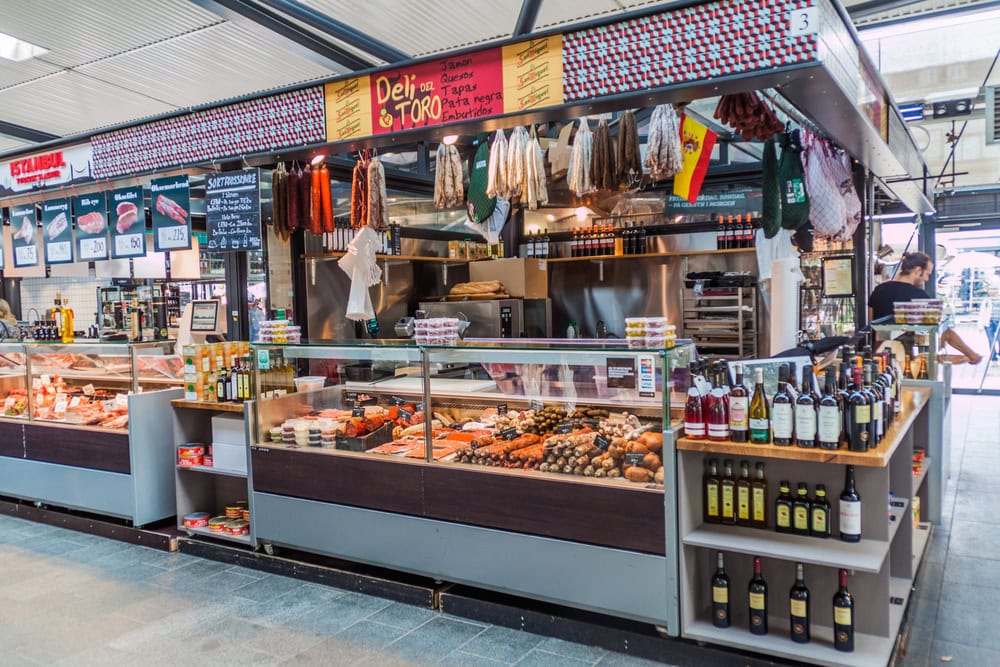
Two glass halls and outdoor produce stalls showcase Danish staples and global bites—from smørrebrød to fresh pastries. Great for breakfast to-go or a grazing lunch. Consider a guided food tour for deeper context and tastings.

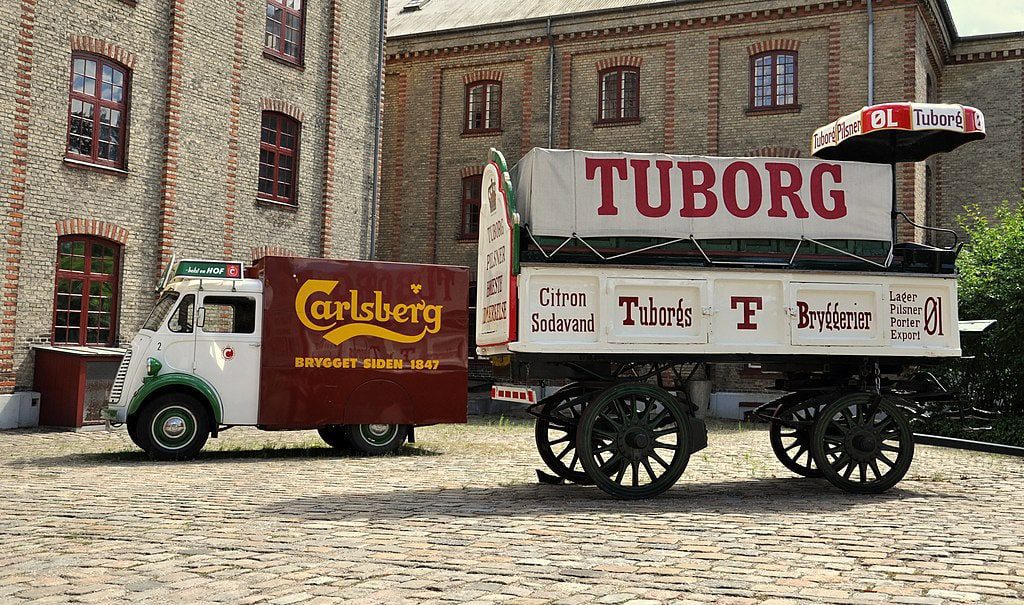
Carlsberg: Home of Carlsberg
Founded by J.C. Jacobsen in 1847, the redeveloped brewery district blends beer heritage, architecture, and tastings. Tours typically include the historic stables and brewing history; check current hours and booking requirements. Tickets range from €20 and up.
Reffen street food (industrial-cool harbor hangout)
A creative village of containers serving global street food, with fire pits, live music, and harbor views. Reachable by harbor bus, bike, or bus; taxis are pricey. Note seasonal hours—weekends can get lively.

Broens Gadekøkken (Bridge Street Kitchen)
Across from Nyhavn, this waterside food court features offshoots of top Copenhagen restaurants. Winter brings an ice rink; a core of vendors stays open for hot drinks and comfort fare with harbor views.

RAGNAROCK Museum (music, youth culture, and design)
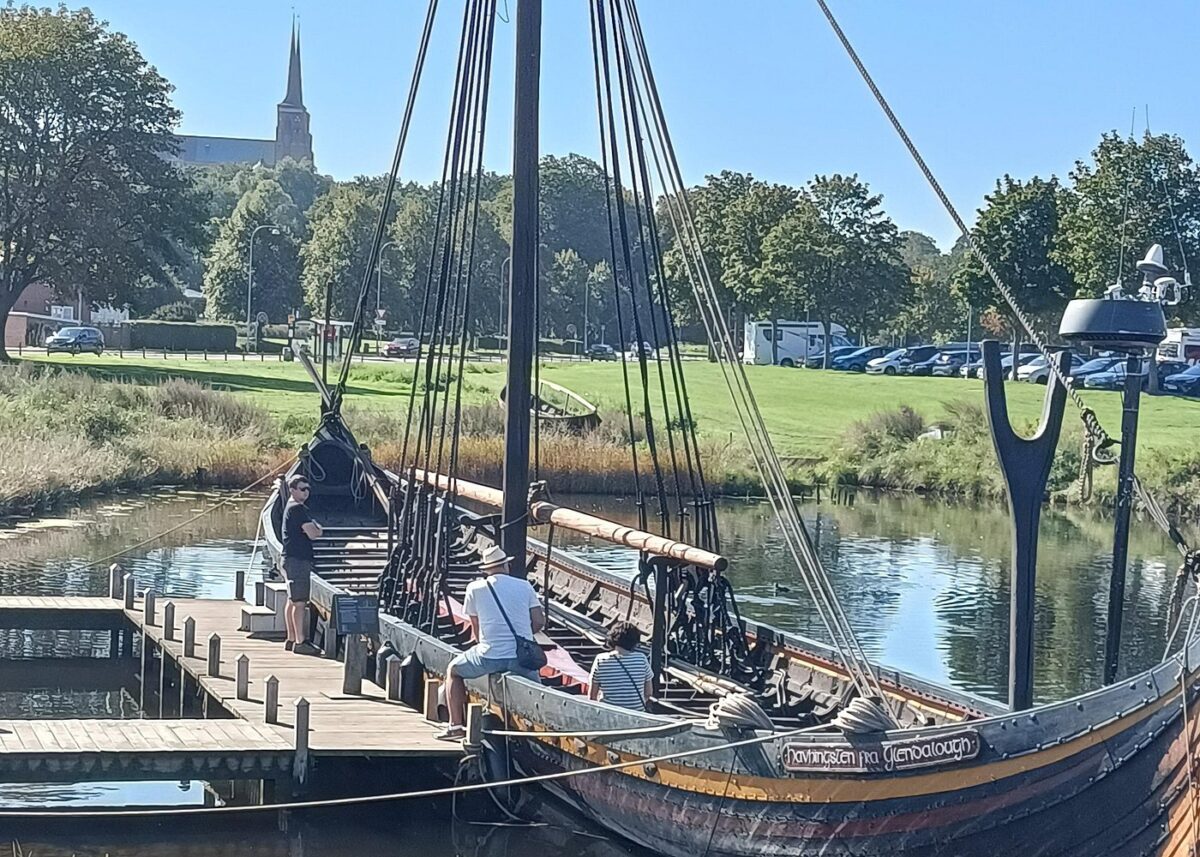
In nearby Roskilde, this award-winning, copper-clad museum explores Danish rock/pop, design, technology, and the social movements around music. Exhibitions rotate; allow 1.5–2 hours. Pair with the Viking Ship Museum on a day trip.

Roskilde Cathedral (UNESCO World Heritage)
About 25–30 minutes by train, the cathedral chronicles 800+ years of Danish history and royal burials. Its chapels display architectural styles from Gothic onward. Check for services and special closures; dress respectfully.

Classic and curated tours (time-saving picks)
Food and market tours: seasonal tastings from smørrebrød to craft beer; a smart intro for first-timers. Copenhagen Culinary Experience Food Tour
Money-saver: The Copenhagen Card covers public transport plus entry to many top sights (choose 24–120 hours). Compare your plan before buying. Copenhagen Card.

Hop-on hop-off bus + boat: efficient in poor weather or short stays; verify winter schedules. Hop-On Hop-Off with Boat

Viking day trip: Spend a day taking in stunning landscapes, exploring historical sites, and learning all about Denmark’s culture on this well-rounded tour. You’ll travel in a comfortable, air-conditioned van from Copenhagen to places like Kronborg Castle, Frederiksborg Castle, The Viking Ship Museum, and more.
Hidden gems in Copenhagen (local favorites)
The Cisterns (Søndermarken, Frederiksberg): An atmospheric, subterranean art space in former water reservoirs; exhibitions change and tickets are timed. Cool year-round—bring a layer.
The David Collection (Davids Samling, Indre By): Free museum with an exceptional Islamic art collection plus Danish early modern works. Quiet, uncrowded, and deeply curated.
Grundtvig’s Church (Bispebjerg): Monumental expressionist brick church with soaring acoustics. Go at golden hour; check for choir rehearsals or organ sessions.

Assistens Cemetery (Nørrebro): A park-like cemetery and local green space—graves of H.C. Andersen and Søren Kierkegaard. Treat it as a park with respect; no loud music or picnics on graves.
J.C. Jacobsen Garden & Elephant Gate (Carlsberg Byen): Historic founder’s garden hidden behind walls and Carlsberg’s iconic granite elephants. A tranquil stop near the brewery district.
Royal Library Garden (Slotsholmen): A pocket oasis between Christiansborg and the Black Diamond. Best at lunchtime on weekdays; quiet benches and a central fountain.

Superkilen Park (Nørrebro): Playful, design-forward public space featuring objects from around the world. Early morning for photos; combine with Jægersborggade cafés.
La Banchina sauna + harbor dip (Refshaleøen): Tiny pier café with wood-fired sauna and year-round sea swims. Book sauna slots ahead; sunset dips are magic.
Trekroner Sea Fortress (harbor): A small islet fortress with city views, reachable by seasonal boat. Pack a picnic; check opening times before you go.

Amager Fælled/Kalvebod Fælled (Amager): Vast urban wilderness with birdlife, meadows, and coastal paths. Ideal for sunrise walks or cycling; bring insect repellent in summer.
GreenKayak clean-up (various launch points): Free kayak rental in exchange for collecting harbor trash. Book online; a feel-good, offbeat way to see the canals.
Brumleby (Østerbro): 19th‑century workers’ housing colony—pastel facades, tiny lanes, a slice of social history. Pair with a visit to Fælledparken nearby.

Practical tips
Seasonality: Trekroner and some saunas have limited winter hours; Cisterns has rotating exhibitions and sells out on weekends.
Etiquette: Cemeteries and churches are active community spaces—dress modestly, keep voices low, and follow posted rules.
Access: Most sites are reachable by bike or metro; Refshaleøen is easiest via harbor bus or bike.
Insider planning tips (save time, save money)
Transit: The metro runs 24/7 on key lines. Rejseplanen (Journey Planner) is accurate for multimodal routes. Harbor buses are scenic and included in standard tickets/Copenhagen Card.
Biking: Copenhagen is built for cycling. Use designated lanes, signal turns, and park only in racks to avoid fines.

Seasonality: Many outdoor food markets (e.g., Reffen) run spring–autumn with limited winter hours; museum hours are steady year-round. Book summer and December attractions in advance.
Viewpoints: Windy days cut visibility; prioritize tower climbs on clear mornings.
Respect: In Christiania, follow community rules; at royal and religious sites, dress modestly and check for closures due to ceremonies.
Street food highlights
Reffen: Container village of global stalls, live music, and harbor seating. Family-friendly; cashless is common.
Broens Gadekøkken (Bridge Street Kitchen): Premium stalls with harbor views; ice rink in winter months.
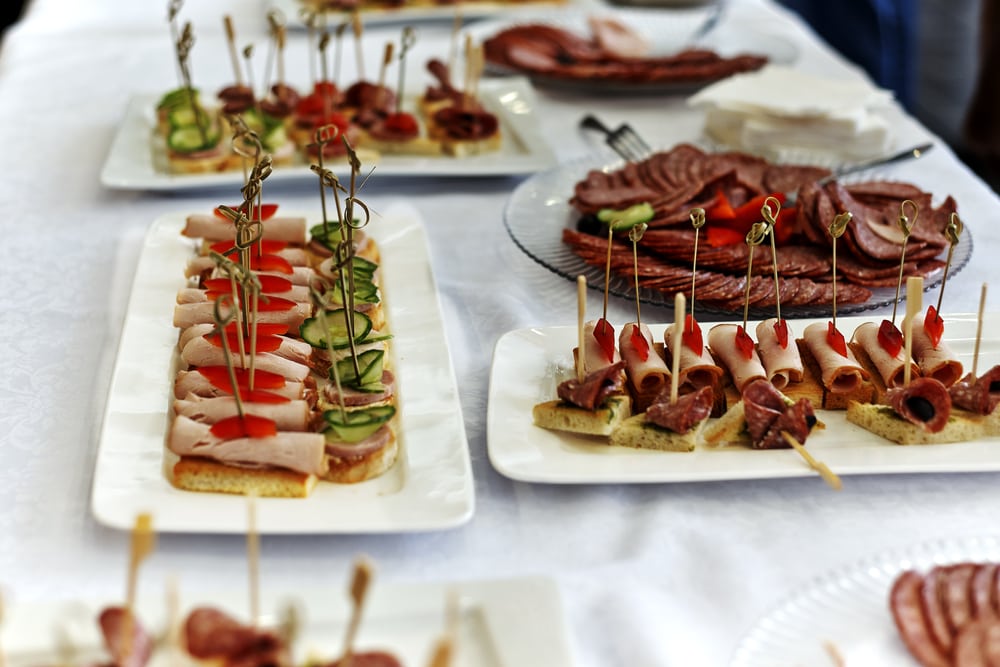
Torvehallerne: Ideal for trying smørrebrød, artisanal cheeses, and fresh pastries between museum stops.
More Denmark ideas
Combine Copenhagen with day trips to Roskilde (Cathedral, Viking ships) or the castles north of the city (Kronborg, Frederiksborg). For broader inspiration, see these day trips from Copenhagen.
Why trust this guide?
Local expertise: Written by Copenhagen residents Derek and Mike (Everything Copenhagen; Robe Trotting), with years of on-the-ground exploration.
Up-to-date context: Practical notes on hours, etiquette, transit, and seasonality to help you plan efficiently.
Primary sources: Where relevant, we link to official sites for the latest details (opening times, tickets, closures).

Copenhagen rewards curious travelers: compact, cultured, and effortlessly navigable. Pair headline sights with local favorites—picnic in King’s Garden, climb a spire, dip in the harbor, and linger over smørrebrød. With smart transit, seasonal planning, and a few hidden gems, you’ll experience the city the way locals do—at a human pace, with design, history, and hygge around every corner.